Quick Picks
- Sharp Objects (HBO, 2018) is Gillian Flynn’s most psychologically brutal novel adapted faithfully as a miniseries. Watch it if you want dread, not detective work.
- Big Little Lies (HBO, 2017) takes Liane Moriarty’s ensemble thriller and turns it into prestige television that respects exactly what made the book work.
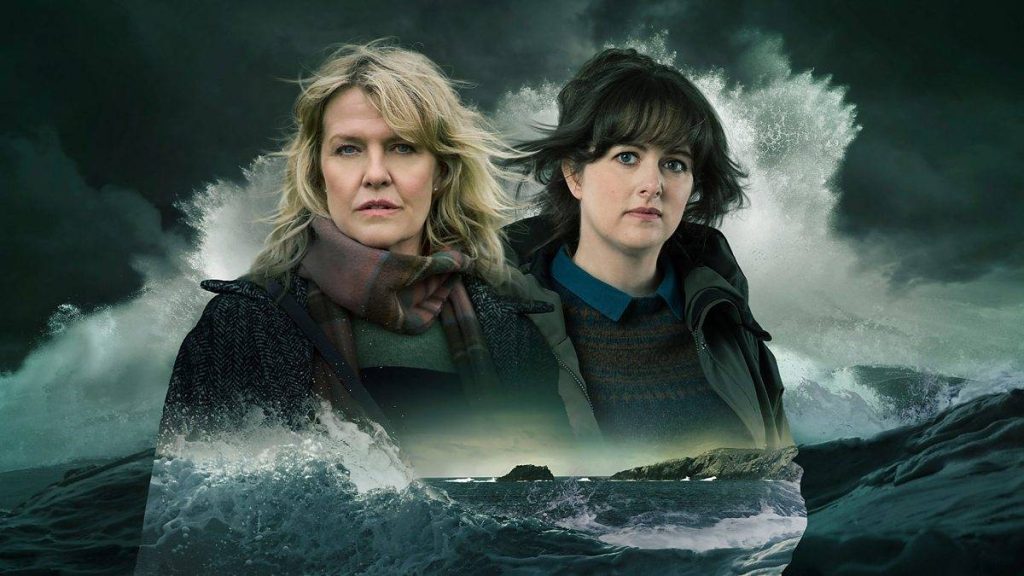
- Shetland (BBC One, 2013–present) is based on Ann Cleeves’ six-novel series and uses the Scottish islands the way great crime fiction uses setting: as a trap.
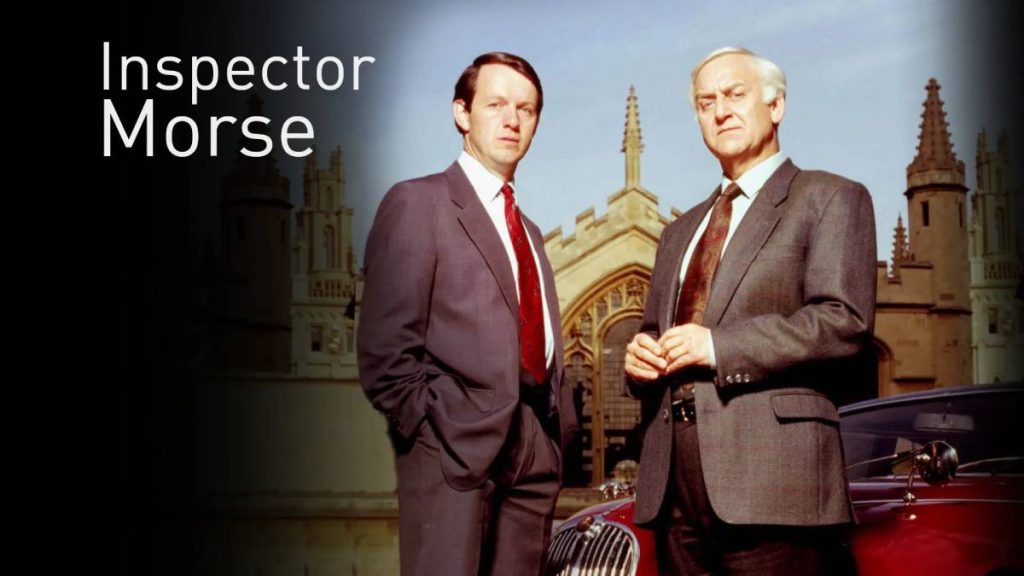
- Inspector Morse (ITV, 1987–2000) adapted Colin Dexter’s 13 novels across 33 episodes and built the template that every British detective show since has borrowed from.
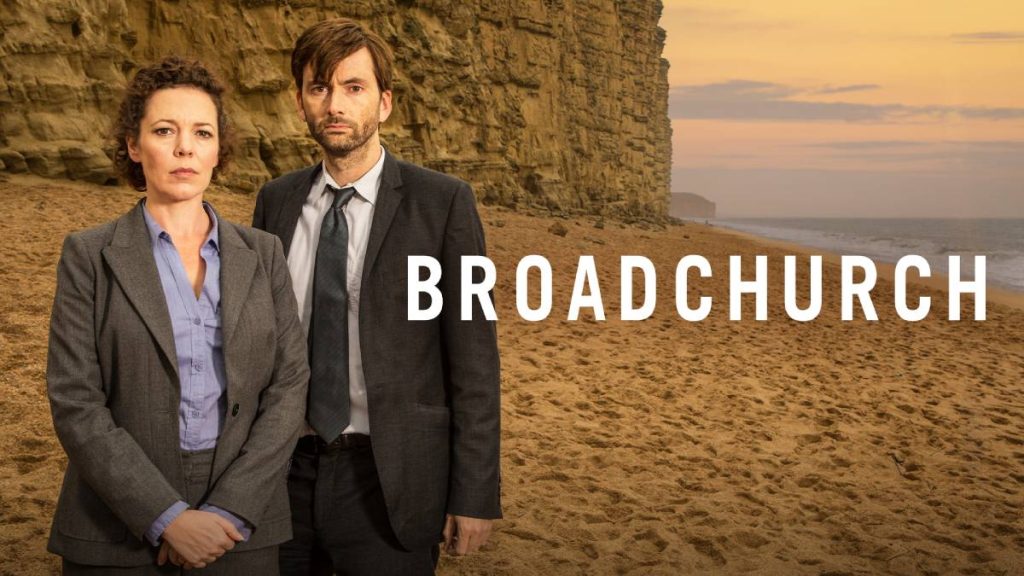
- Broadchurch (ITV, 2013–2017) was written for television but thinks like a novel. It’s the best answer to the question of what a murder actually does to a community.
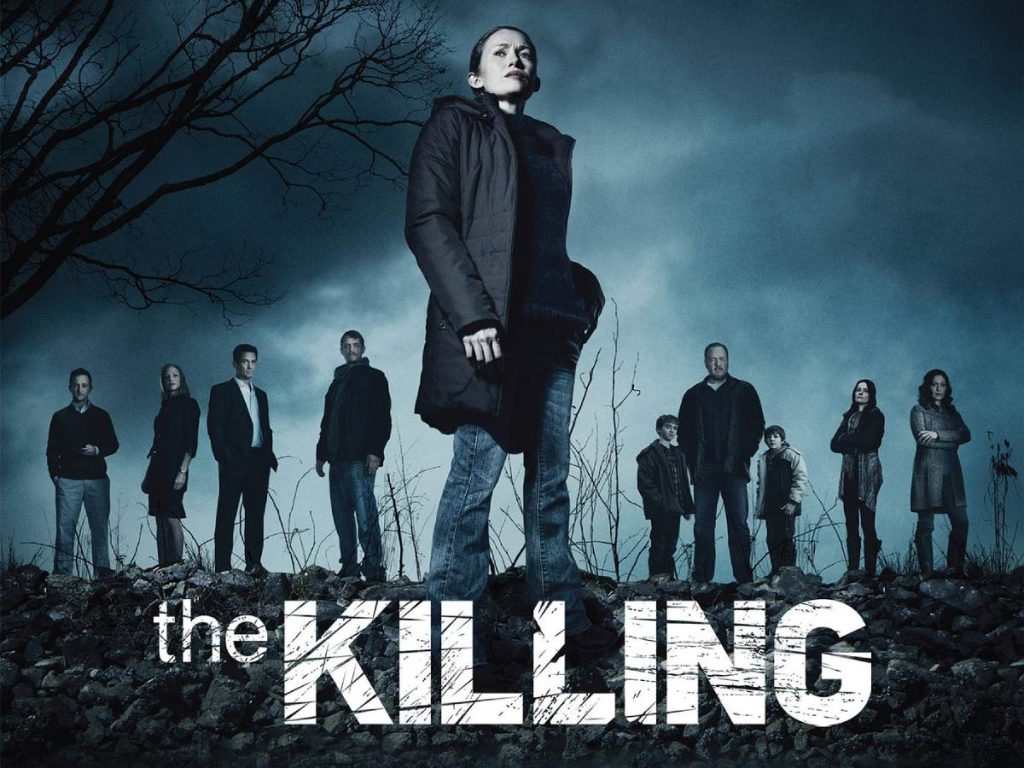
- The Killing (AMC, 2011–2014) brings the weight and pacing of Scandinavian crime fiction to American television without losing what makes Nordic noir compelling.
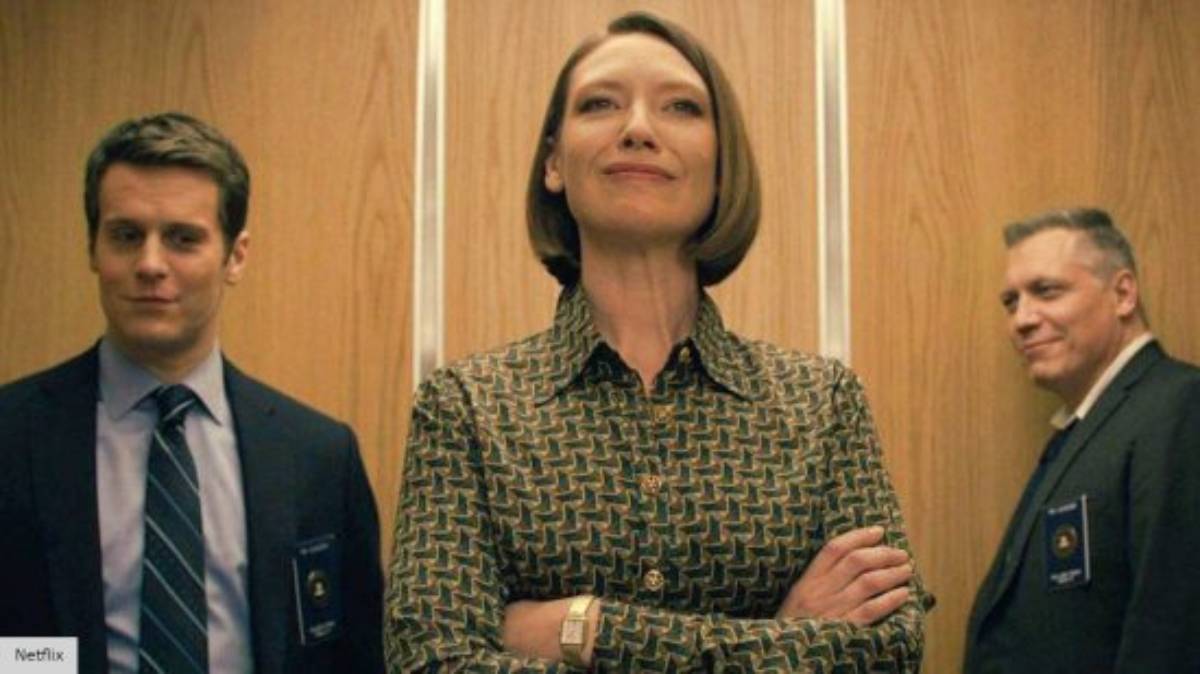
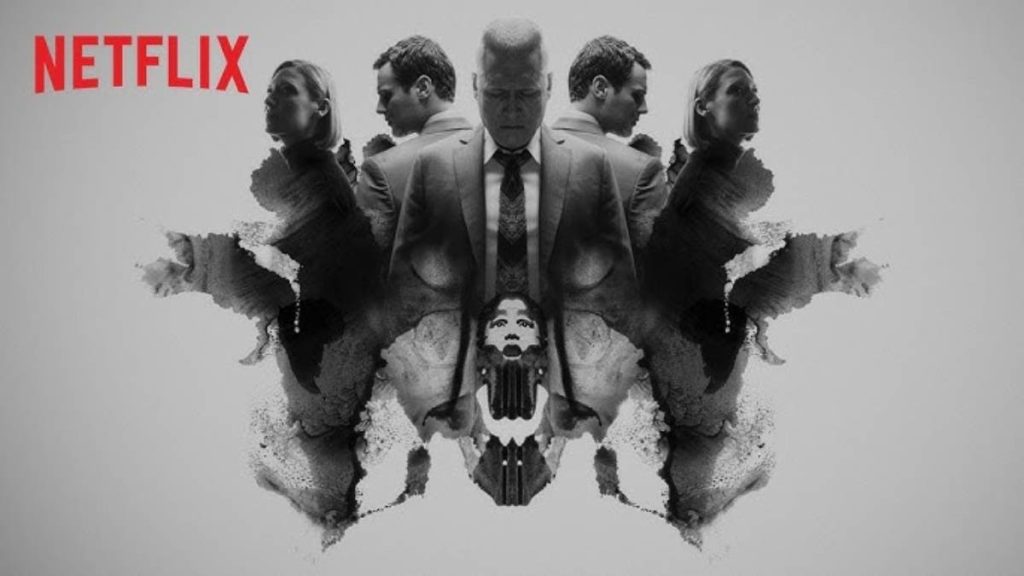
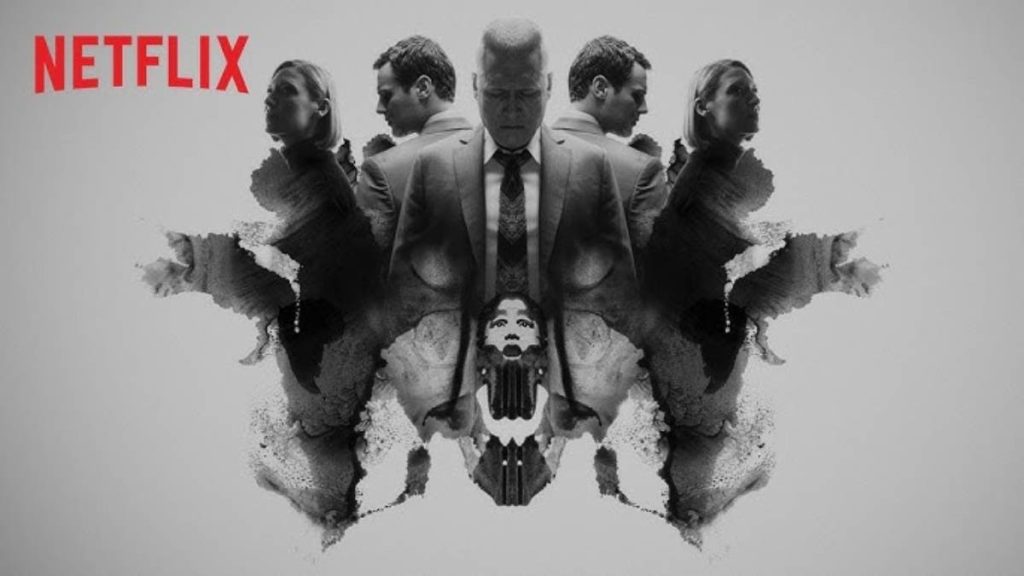
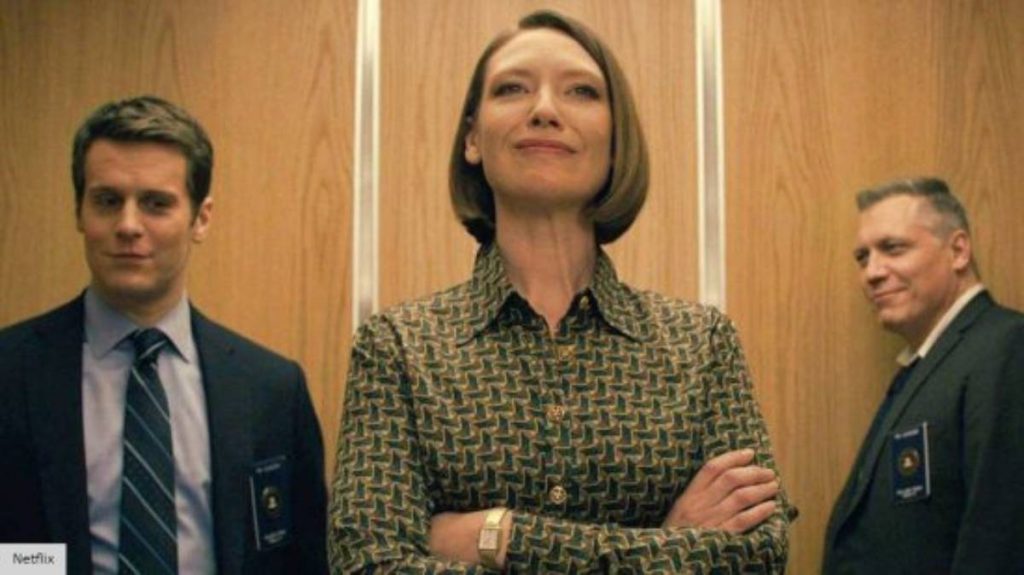
- Mindhunter (Netflix, 2017–2019) adapts true crime nonfiction into a show about why killers kill, not who did it. It’s the list’s best option for psychology over plot.
Most mystery adaptations fail the readers who love the books. The atmosphere gets smoothed out. The detective loses the interior life that made them worth following for 400 pages. The twist gets telegraphed so early that the last episode feels like paperwork.
That pattern is why book lovers stop trusting TV. You pick up a show based on a novel you loved, sit through two episodes of something that looks like the book but feels nothing like it, and then give up on the whole category.
This list is for the reader who has been burned by that enough times to want a guarantee before committing. Every show here earns the source material. Several of them are genuinely better experienced on screen than on the page, not because the writers improved on the book, but because the visual medium gave the story something it couldn’t have in prose.
Here’s what you’ll be able to decide after reading: which show to start tonight, which one fits the kind of book you already love, and which ones you can skip if your time is limited.
What Separates a Good Murder Mystery Adaptation From a Bad One
The best adaptations treat the novel as a logic system, not a plot summary. Bad adaptations lift the events and discard the atmosphere. Good ones ask: what made this book work at the level of feeling, and how do we recreate that in a completely different medium?
The seven shows on this list were chosen on three grounds. They preserve what made the source material distinct. They hold up as television completely independent of the book. And they reward the kind of viewer who notices things, which is exactly the kind of viewer who reads crime fiction in the first place.
One note: not every show here adapts a single novel. Some adapt a series of books, one adapts nonfiction, and one (Broadchurch) was written directly for television. All of them belong because they share DNA with literary crime fiction. They think the way good mystery novels think.
Best Murder Mystery Shows Based on Books: Sharp Objects (HBO, 2018)
Quick Premise
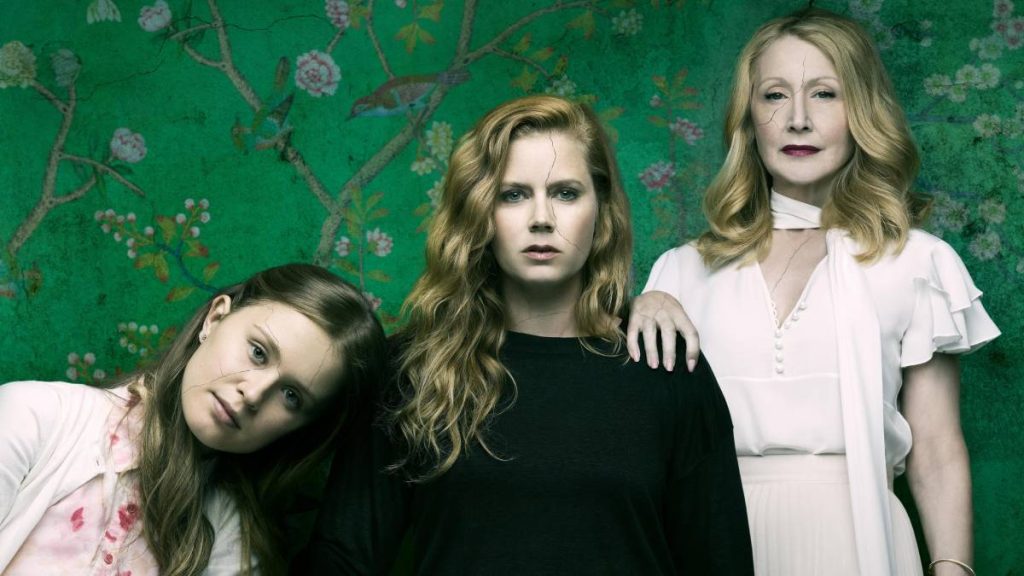
Camille Preaker is a journalist with a self-destructive history and a complicated relationship with her body. She’s sent back to her small Missouri hometown to cover the murders of two young girls. Every episode is designed to make the viewer feel the same claustrophobia Camille feels. Eight episodes, no filler, and one of the most discussed final frames in HBO history.
Why It Stands Out
The show adds a visual language that the novel could only suggest. Marti Noxon adapted Flynn’s 2006 debut directly, with Flynn serving as executive producer, and the collaboration produced something that operates in perfect alignment with the source material’s psychology.
The word-cuts, where the camera catches words carved into Camille’s skin as flashes between scenes, are a cinematic invention that deepens the novel’s central argument rather than simplifying it. Readers of the book consistently report that the show honors Flynn’s psychological complexity instead of trading it for conventional thriller mechanics.
Amy Adams’ performance is the other reason this adaptation works. Flynn wrote Camille in first-person dread, and Adams translates that interiority into physical performance so precisely that watching the show feels like reading the book from inside Camille’s nervous system. The pacing matches the novel’s slow suffocation. Nothing is rushed toward resolution because the point was never the resolution.
Who It’s For
Watch Sharp Objects if you want psychological horror over procedural mystery. Watch it if you’ve already read Gone Girl or Dark Places and want to see where Flynn’s voice started. Do NOT watch it expecting a satisfying detective arc or a clean answer. The point is the damage.
Best Book-Based Mystery TV: Big Little Lies (HBO, 2017)
Quick Premise
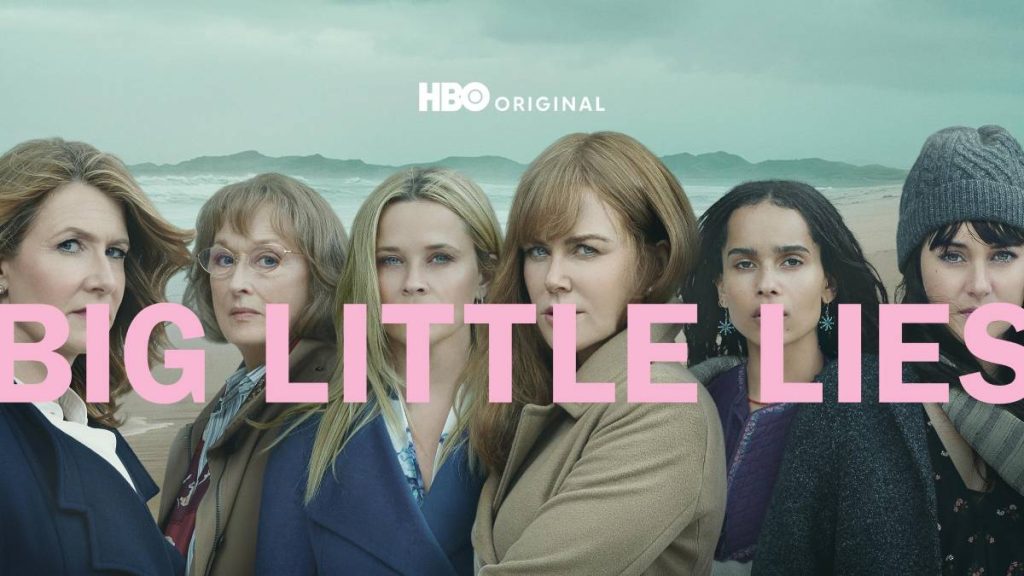
Three women in Monterey, California are orbiting a murder the audience knows is coming. One is hiding abuse. One is unraveling after a new school year goes catastrophically wrong. One is performing a perfect life so hard it’s become its own prison. Based on Liane Moriarty’s 2014 bestseller, the show runs seven episodes and won eight Primetime Emmy Awards, including Outstanding Limited Series.
Why It Stands Out
Moriarty’s novel is fundamentally about social architecture, specifically the pressure women absorb under the performance of having everything together. The HBO adaptation preserves that architecture exactly, which is rare. Most adaptations strip out the book’s actual argument and keep only the crime mechanics.
David E. Kelley’s script adds scenes and deepens backstory for the American setting without diluting what Moriarty was actually writing about. The nonlinear structure, borrowed directly from Moriarty’s narrative technique, is executed on screen in a way that rewards attentive viewers. Watch it twice and the second viewing is a completely different experience.
Reese Witherspoon and Nicole Kidman acquired the rights themselves and produced the series, which explains why the central female dynamic feels protected rather than decorative. This is a case where the people closest to the material had real power over how it was made. One honest note: Season 2 was not based on any Moriarty novel. Season 1 is the adaptation. Season 2 is original. They are different experiences.
Who It’s For
Big Little Lies is for viewers who want character drama sitting inside a mystery frame, not a mystery wrapped in character drama. The crime is the container. The relationships are the point. Readers of Moriarty’s other work, particularly Nine Perfect Strangers and The Husband’s Secret, will find the same tonal fingerprint here.
Murder Mystery Shows From Books: Shetland (BBC One, 2013–Present)
Quick Premise
DI Jimmy Perez investigates murders across the Shetland Islands, a Scottish archipelago where remoteness is not atmosphere but pressure. The nearest major city is a flight away. Everyone knows everyone. Secrets have nowhere to go. Based on Ann Cleeves’ Shetland series of six novels published between 2006 and 2017, the show is currently in its eighth series.
Why It Stands Out
Ann Cleeves is one of the few crime writers who uses geography as a narrative force rather than a backdrop. She did it with Shetland and again with Vera, her Northumberland-set series. Both have been adapted, and both hold that rare quality where the landscape isn’t decorative. It’s load-bearing.
The show adapts the novels loosely after the first series, which is the correct trade-off for long-form television. What it retains is the atmospheric logic Cleeves built: that isolation changes how people behave, how secrets survive, and how a detective has to work when everyone you interview will still be your neighbor next week. Eight series in, the critical reception has not meaningfully declined, which is rare and worth noting for readers who want something to commit to rather than something to binge and exhaust.
Who It’s For
Readers of Ann Cleeves, obviously. But also viewers who found Broadchurch or The Killing too emotionally crushing and want a procedural that breathes between cases. If you’ve never heard of it before reading this list, that’s the point. Shetland is the underrated answer that US recommendation lists consistently overlook.
Book to Screen Mystery: Inspector Morse (ITV, 1987–2000)
Quick Premise
Chief Inspector Morse is Oxford-educated, opera-loving, crossword-obsessed, and deeply difficult to be around despite being excellent company. He and his more pragmatic sergeant, Lewis, solve murders across Oxfordshire. The show ran 33 episodes across 13 years, based on Colin Dexter’s 13-novel series published between 1975 and 1999.
Why It Stands Out
Inspector Morse set the template for character-driven British crime fiction on television, and that template has not been improved upon. Every subsequent British detective show that prioritizes interiority over action, that makes the investigator’s psychology as interesting as the crime itself, is following a path Morse cleared.
Colin Dexter adapted his own novels for several episodes and appeared in cameo roles throughout the series. That level of author involvement is rare and it shows. The show never drifts from what Dexter built because Dexter was in the room.
The franchise the show spawned is genuinely extraordinary. Lewis ran from 2006 to 2015. Endeavour, which followed the young Morse through his early career, ran from 2012 to 2023. Together with the original, that’s nearly four decades of continuous television built from Dexter’s novels.
Who It’s For
Viewers who want character-driven detective fiction over procedural mechanics will find exactly that here. Readers of the classic British mystery tradition, Agatha Christie, Ruth Rendell, P.D. James, will recognize the sensibility immediately. Watch Inspector Morse before Endeavour if you have the option.
Broadchurch (ITV, 2013–2017): Written Like a Novel, Paced Like One Too
Quick Premise
A young boy is found murdered on a Dorset beach. DI Alec Hardy arrives from elsewhere. DS Ellie Miller, who knew the boy’s family, stays local. Three series, 24 total episodes, and a sustained examination of what a murder actually does to a community over time rather than just in the immediate aftermath.
Why It Stands Out
Broadchurch was not adapted from a novel, but it belongs on this list because it was written with the structural logic of literary crime fiction. Creator Chris Chibnall built the show around a question that most procedurals refuse to sit with: what does a community look like after a child is murdered, not just during the investigation, but for years?
The first series is widely cited as one of the best single seasons of crime television produced in the 2010s. Olivia Colman won the BAFTA for Best Actress for her role as Miller. David Tennant brought a physical and emotional fragility to Hardy that made the character feel genuinely invented rather than assembled from detective-show parts.
Two honest things to know going in: the second series is weaker than the first, and the third series recovers. The show does not deliver clean resolution. That’s not a flaw.
Who It’s For
Readers of Tana French, specifically, will respond to Broadchurch’s insistence that the investigation costs the investigators something real. If you’ve already worked through the Dublin Murder Squad novels and want television that operates at the same emotional register, start here.
The Killing (AMC, 2011–2014): Nordic Noir Crosses the Atlantic
Quick Premise
Seattle detectives Sarah Linden and Stephen Holder investigate the murder of a teenage girl. The case spirals across a city, a political campaign, and a family trying to hold together under unbearable loss. Originally adapted from the Danish series Forbrydelsen, which is itself rooted in the tradition of Scandinavian crime fiction that produced Stieg Larsson, Jo Nesbø, and Henning Mankell.
Why It Stands Out
The Killing succeeded at something most adaptations fail completely: it translated not just the plot but the emotional logic of Nordic noir into American television. Scandinavian crime fiction is slower, more interested in systems than individuals, and considerably more willing to let grief sit without resolution. The AMC version preserved those qualities.
Mireille Enos as Sarah Linden is the reason it works. She carries the same relentless, socially detached energy as the original Danish Lund without copying it. The show ran four seasons before AMC cancelled it, revived it, and then ended it again, which is worth knowing upfront. The finale is satisfying on its own terms.
Who It’s For
Readers of Stieg Larsson’s Millennium trilogy or Jo Nesbø’s Harry Hole series will recognize the tonal logic immediately. Not for viewers who want quick resolution or a detective who is easy to root for without complication.
Mindhunter (Netflix, 2017–2019): Psychology Over Plot
Quick Premise
FBI agents Holden Ford and Bill Tench travel the country interviewing convicted serial killers in the late 1970s to build the first criminal profiling methodology. Based on the nonfiction book by former FBI profiler John Douglas and writer Mark Olshaker, published in 1995. David Fincher directed several episodes and served as executive producer.
Why It Stands Out
Mindhunter is the only show on this list where the crime is never the center of the story. The center is the question of why, and more specifically, what happens to the people who make “why” their professional obsession.
The adaptation doesn’t dramatize the crimes. It dramatizes the conversations. Interviews with characters based on real killers, including Ed Kemper and Dennis Rader, are written and performed with such specificity that they function as psychological case studies rather than shock content. Jonathan Groff as Ford is exceptional at conveying a man who is genuinely too interested in this for his own good.
Netflix cancelled the show after Season 2 without a formal ending, which is worth knowing before you start. Fincher has implied a third season is possible but has not committed to one as of this writing. What exists is worth watching.
Who It’s For
Viewers who are more interested in criminal psychology than in the whodunit structure. Readers of true crime nonfiction, specifically the John Douglas catalog, will find this is essentially that work in dramatized form.
What to Watch Based on Which Books You Already Love
You’ve finished a novel. You want to watch something that operates at the same frequency. Here’s the direct routing:
If you read Tana French: Start with Broadchurch. French writes about how investigations destroy the investigators, and Broadchurch is the television show most committed to that same idea. Follow it with Shetland for a longer-form version of that atmospheric, character-cost approach.
If you read Gillian Flynn: Start with Sharp Objects. The show will feel like re-reading the book in a different language that turns out to be more precise than the original.
If you read Liane Moriarty: Big Little Lies is the direct answer. Her other novel Nine Perfect Strangers was also adapted by Hulu in 2021, with Nicole Kidman returning, and is worth watching after Big Little Lies.
If you read Agatha Christie: Inspector Morse is the right entry point for television, not because it adapts Christie (it doesn’t) but because it inherits her central preoccupation: the detective as a puzzle-solver whose own psychology is part of the puzzle.
If you read Stieg Larsson or Jo Nesbø: Start with The Killing’s Danish original, Forbrydelsen, before the AMC adaptation. The original runs on a frequency that readers of those authors will recognize instantly.
FAQ
What are the best murder mystery shows based on books that are also on Netflix right now?
Mindhunter (Netflix, 2017–2019) is the strongest Netflix original on this list and is based on John Douglas and Mark Olshaker’s nonfiction book of the same name. Sharp Objects and Big Little Lies are HBO productions but have appeared on Netflix in various regions at different times. Availability shifts regularly, so checking your local Netflix library is worth doing. Shetland has been available on BritBox in the US, and Inspector Morse is available on various streaming platforms depending on region.
Is the show ever better than the book, or should I just read the novel?
Sharp Objects is a genuine case where the visual medium adds something the novel cannot have. The word-cut technique creates a psychological effect that prose can only describe. Big Little Lies is roughly equal to the novel because Moriarty’s narrative structure translates so cleanly to screen. Shetland and Inspector Morse diverge from the novels over time but develop into something that stands completely on its own. The honest answer: read the book AND watch the show for Sharp Objects and Big Little Lies.
What should I watch if I liked Gone Girl but don’t want to rewatch it?
Sharp Objects is the correct answer. Same author, similar psychological architecture, and an adaptation that operates at the same emotional register. After Sharp Objects, try The Undoing (HBO, 2020), which is based on Jean Hanff Korelitz’s novel “You Should Have Known” and shares Gone Girl’s preoccupation with women who discover their domestic life was a constructed fiction. Big Little Lies covers overlapping thematic territory with a slightly warmer tone.
Do any of these shows follow the books exactly, or do they all change things?
Sharp Objects and Big Little Lies follow their source novels very closely. Inspector Morse was adapted with direct involvement from author Colin Dexter, making it one of the more faithful long-running adaptations in British television history. Shetland starts faithfully and diverges significantly by Series 3, developing its own storylines while retaining Cleeves’ atmospheric logic. Broadchurch has no source novel. The Killing is adapted from a Danish television series rather than a single novel. Mindhunter adapts nonfiction, meaning events are dramatized and compressed but the central arguments of the book are preserved.
Are there any good cozy mystery shows based on books, or is everything on this list dark?
Inspector Morse is the least dark show on this list and operates in the classic British tradition that cozy mystery readers will recognize, though it’s not without emotional weight. Midsomer Murders (ITV, 1997–present), based on Caroline Graham’s Chief Inspector Barnaby novels, is the more direct answer if you want cozy mystery energy on screen. It has been running for over 25 years and operates at a warmth level closer to Agatha Christie country than Nordic noir. Shetland also has a breathability that the darker entries on this list do not offer.
What’s the best place to start if I’ve never watched any of these shows before?
Start with Big Little Lies. It’s seven episodes, meaning you can watch the whole thing in a weekend. The production quality is immediately apparent, the cast is recognizable, and the show earns its ending. If you want something longer after that, move to Broadchurch and treat Series 1 as a standalone. If you want something ongoing, Shetland is the most rewatchable long-form option on this list.
The Best Place to Start Is Right Now
The single most important thing this list does is narrow down a genuinely overwhelming category into seven shows you can trust. The problem was never a shortage of mystery television. The problem was not knowing which shows actually honor the intelligence that makes book lovers care about the genre in the first place.
Sharp Objects and Big Little Lies are the fastest starting points if you want something short and immediately compelling. Broadchurch is the right choice if you want the best single season of crime television from the past decade. Shetland and Inspector Morse are the right choices if you want something that will still have episodes left when you come back to it.
Pick one tonight. The rest will be waiting.