
What Makes a Sitcom Couple “The Best”? (Methodology Before the Rankings)
There’s no single answer to “who is the best sitcom couple,” because “best” depends on the type of relationship you’re grading. This list uses three categories: slow burn, established couple, and workplace pairing, each scored the same way.
Every couple gets rated on chemistry, how complete their arc is by series end, cultural staying power, and rewatch value once the outcome is already known. A couple can nail chemistry and still rank low if the writers dragged the tension too long or let one character flatten out afterward.
Workplace pairings deserve their own mention, because they’re the trickiest to get right. The Office spent years building out an entire ensemble around its central couple, and that depth is part of why the romance never felt like it was happening in a vacuum.
Knowing your type before you scroll matters. If you want relationship drama resolved fast, skip ahead to the workplace and established picks. If slow-burn tension is your favorite part of any show, the countdown below tells you where to start.
The 15 Best Sitcom Couples of All Time, Ranked
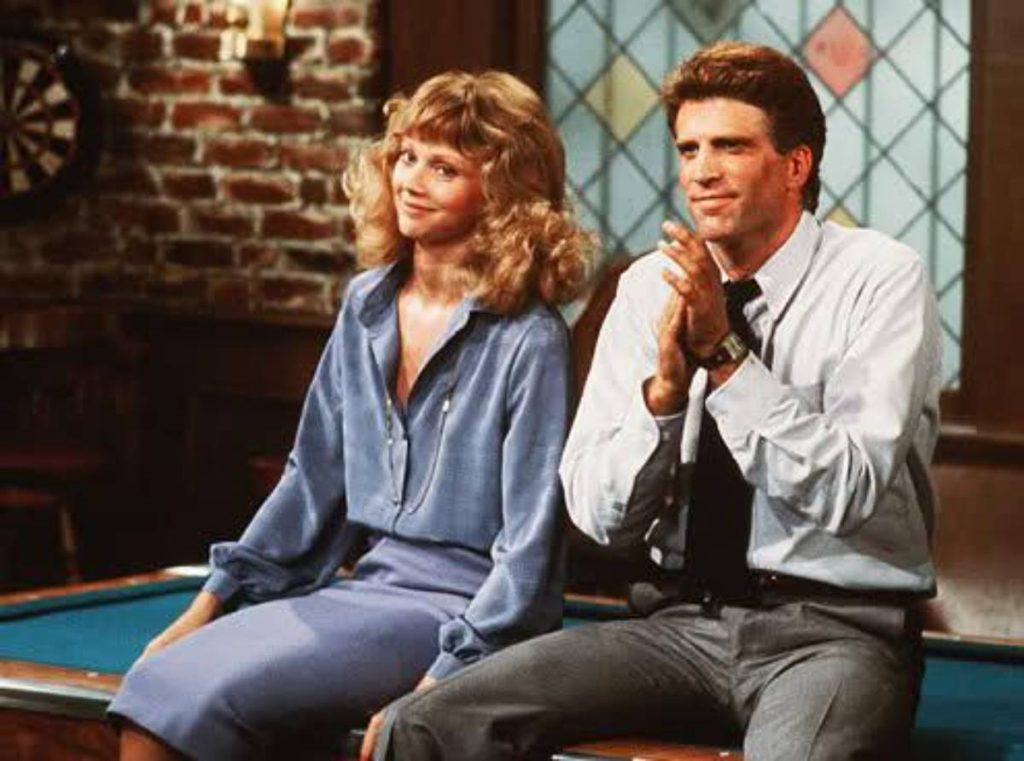
15. Sam Malone and Diane Chambers, Cheers
Verdict: iconic for starting the modern will-they-won’t-they template, but their actual arc never resolves in a satisfying way. Sam and Diane invented the bar-owner-and-bartender push-pull that half of this list borrows from. The show kept them apart so many times that the eventual conclusion feels more like exhaustion than payoff.
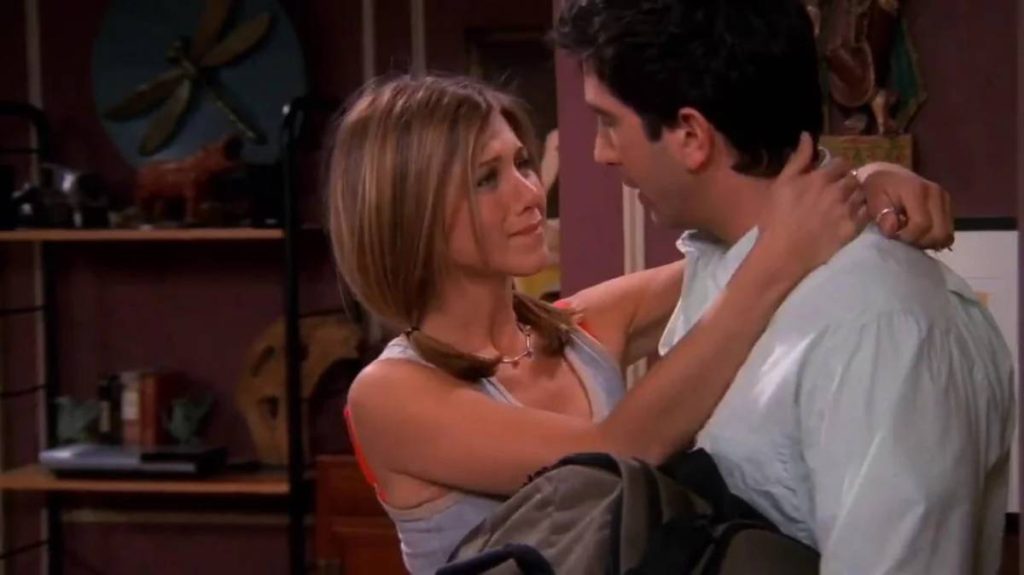
14. Ross Geller and Rachel Green, Friends
Verdict: the most famous will-they-won’t-they on this list is also one of the most overrated. Ross and Rachel get credit for being “the” sitcom couple of a generation, but the repeated breakups make their arc feel exhausting on a full rewatch. Their chemistry is real. Their pacing is not.
13. Nick Miller and Jess Day, New Girl
Verdict: strong chemistry undercut by a bumpy middle stretch that almost never got fixed. Nick and Jess have some of the funniest early tension on this list, built on two mismatched personalities who somehow work. Separating them for stretches in later seasons costs them points on arc completeness, even though the finale lands the ending fans wanted.

12. Ted Mosby and the Mother, How I Met Your Mother
Spoiler warning: this entry discusses the show’s ending. Ted’s slow burn spans the entire series, which sounds impressive until the finale reframes the whole thing around a different relationship. The twist divided fans hard, and the payoff is the definition of a couple whose arc completeness gets undercut by the writers’ final decision.

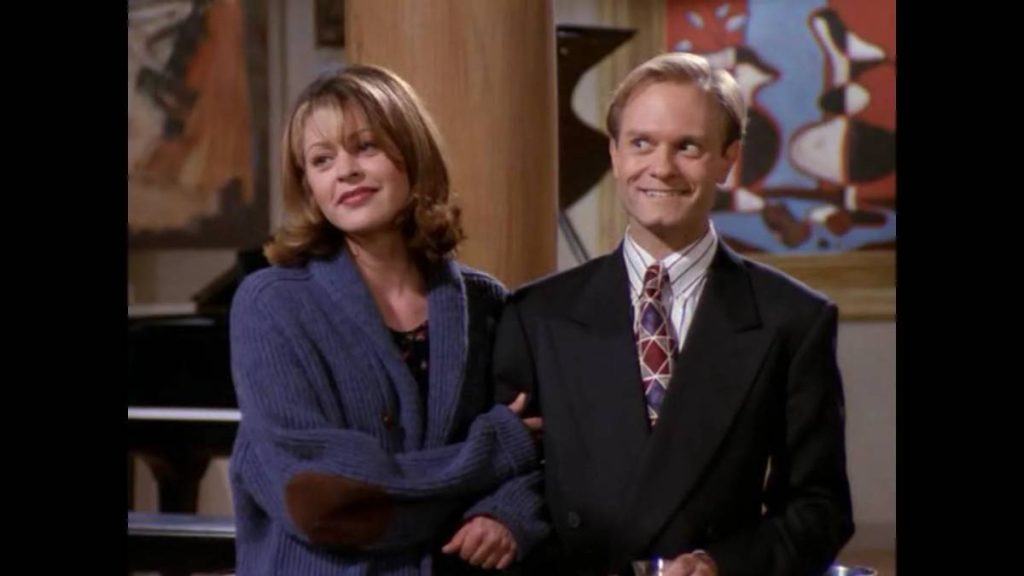
11. Niles Crane and Daphne Moon, Frasier
Verdict: the longest unrequited slow burn on this list, and one of the few that actually earns the wait. Niles pines for Daphne for years without her noticing, which sounds like a recipe for dragging plot, but the show uses that stretch to build one of the most complete arcs in sitcom history. This is a slow burn done right.
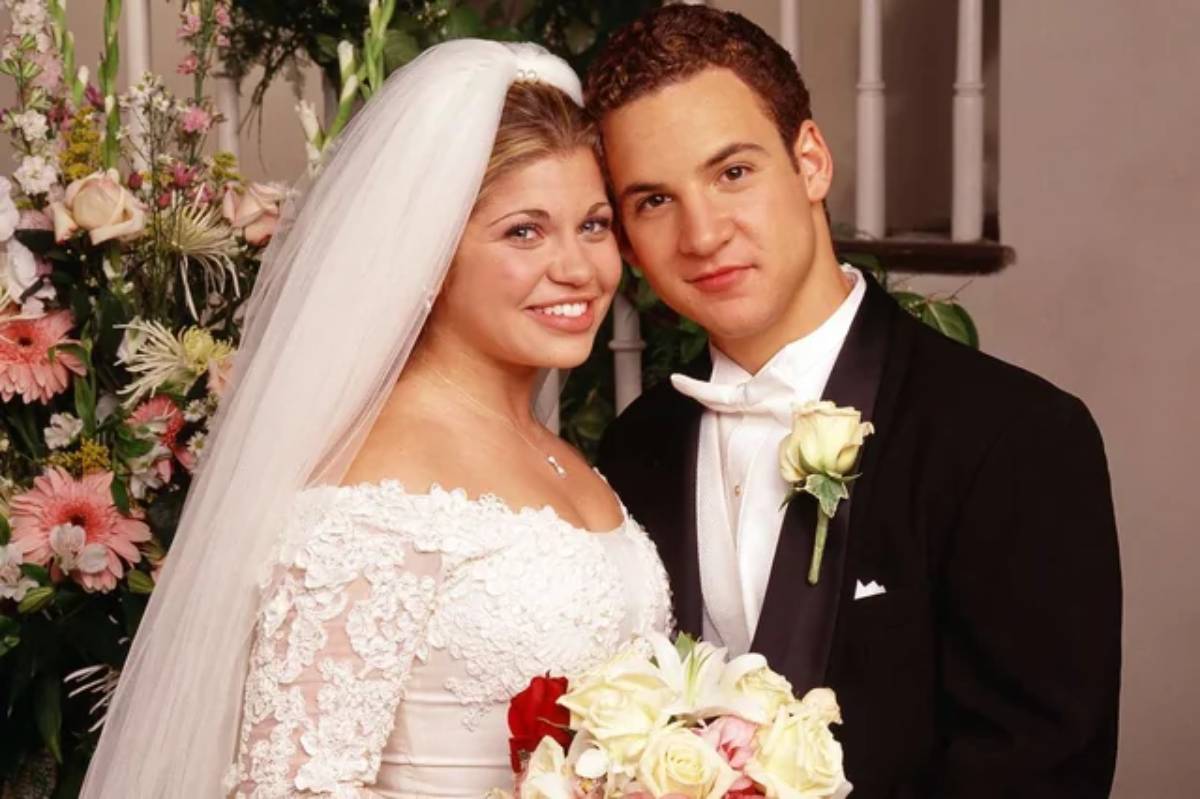
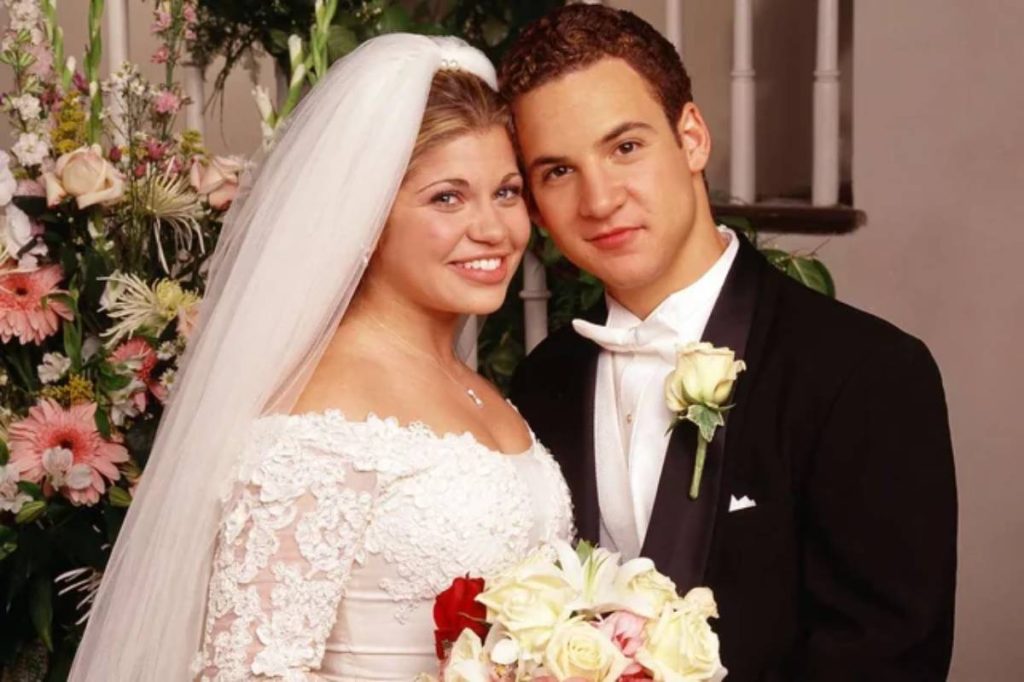
10. Cory Matthews and Topanga Lawrence, Boy Meets World
Verdict: the nostalgia pick that actually holds up, because the show grew them up in real time. Cory and Topanga went from grade-school crushes to a wedding without a single fake-out breakup dragging things out. Their appeal is less “will they” and more watching two kids become adults together.
9. Eric Forman and Donna Pinciotti, That ’70s Show
Verdict: a slow burn that gets the middle stretch right, even if the ending gets complicated by a real-world cast change. Eric and Donna spend their early seasons building a believable friends-to-lovers dynamic before the relationship actually starts. Our Eric and Donna’s relationship timeline covers the specific beats that make this pairing work.

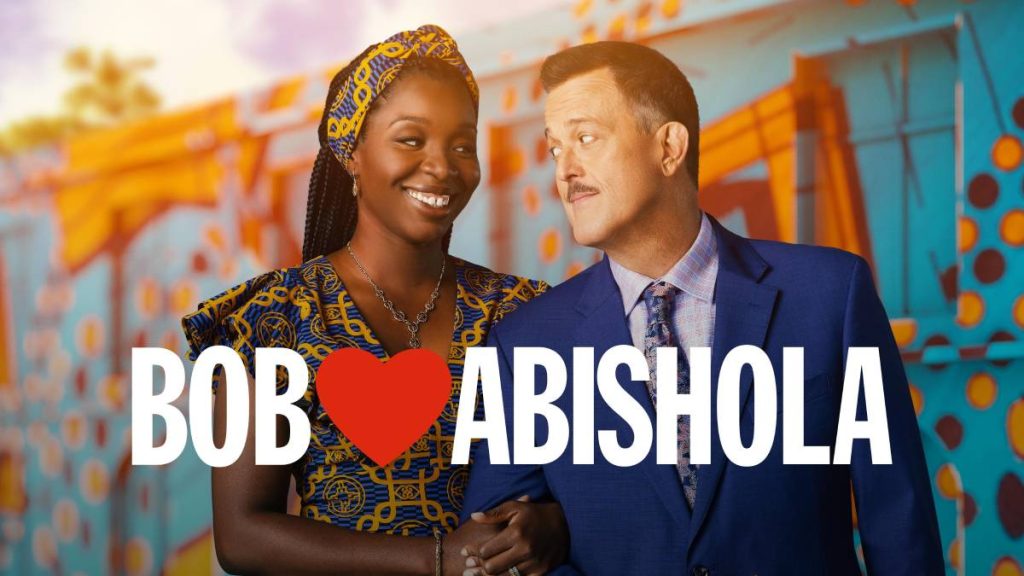
8. Bob Hunter and Abishola Adebambo, Bob Hearts Abishola
Verdict: an underrated pick most “best couples” lists skip entirely, and a genuine slow burn built on culture-clash comedy done with care. Bob and Abishola’s relationship grows out of an unlikely hospital meeting, and the show takes real time developing mutual respect before romance enters. This is the kind of couple algorithm-driven rankings tend to bury.
7. Janine Teagues and Gregory Eddie, Abbott Elementary
Verdict: the most contemporary workplace slow burn on this list, and proof the format still works on a 2020s network sitcom. Janine and Gregory build tension through classroom-adjacent banter rather than grand gestures. Because the show is still airing, their full arc isn’t locked in yet, so their rank reflects strong groundwork rather than a finished story.

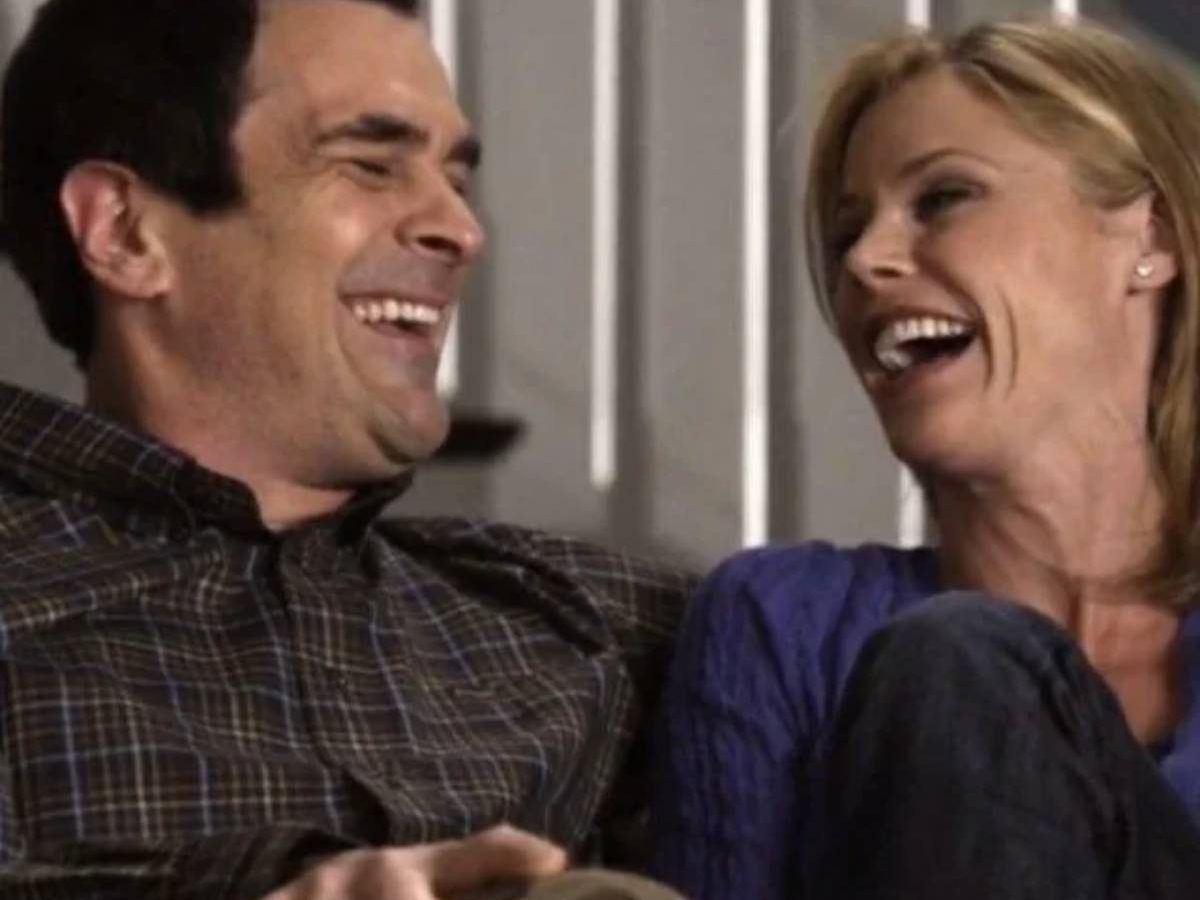
6. Phil and Claire Dunphy, Modern Family
Verdict: the best low-conflict, established-couple comfort watch on this entire list. Phil and Claire never had a will-they-won’t-they arc because the show starts with them already married with kids. Their appeal comes from watching two very different personalities navigate ordinary family chaos without the relationship itself being the source of drama.
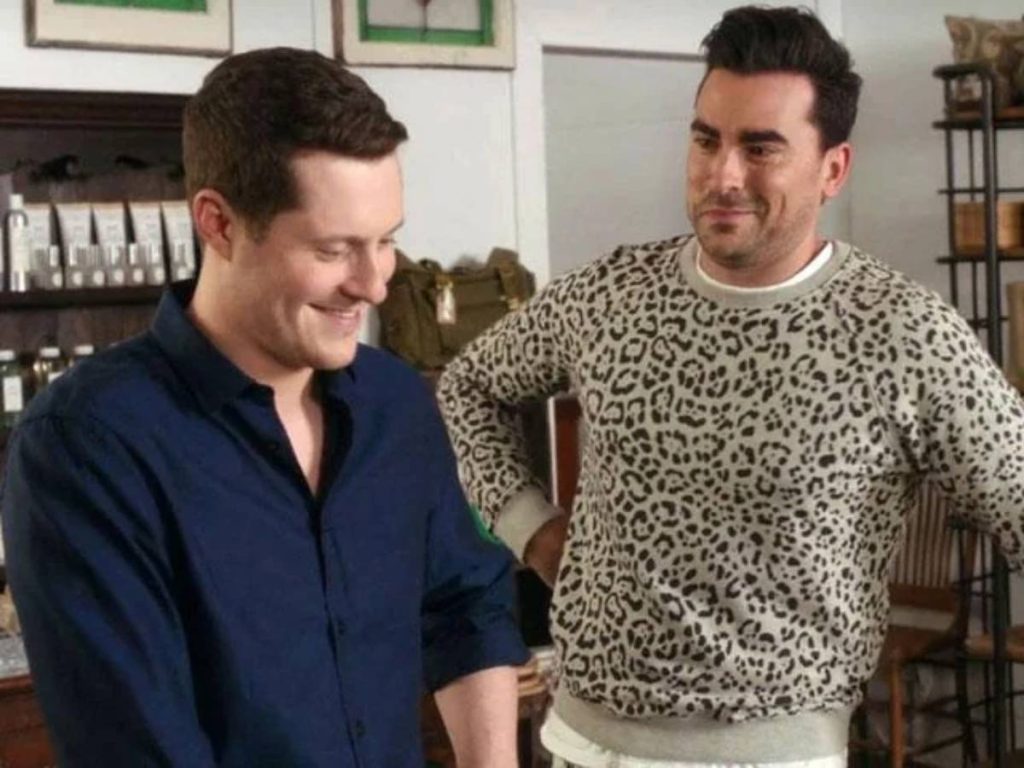
5. David Rose and Patrick Brewer, Schitt’s Creek
Verdict: the streaming-era pick most competitor lists leave off entirely, and one of the most complete arcs on this countdown. David and Patrick go from business partners to a wedding without a single dramatic breakup dragging the story out. Their relationship also grew alongside a small business, giving it workplace-pairing DNA on top of established-couple stability.
4. Jake Peralta and Amy Santiago, Brooklyn Nine-Nine
Verdict: the cleanest workplace-to-married arc on this list, with almost no wasted seasons. Jake and Amy get together relatively early compared to other slow burns on this countdown, then spend the rest of the show proving a workplace couple can stay funny after the chase ends. Their arc completeness score is near perfect because the show never lets the relationship go stale.
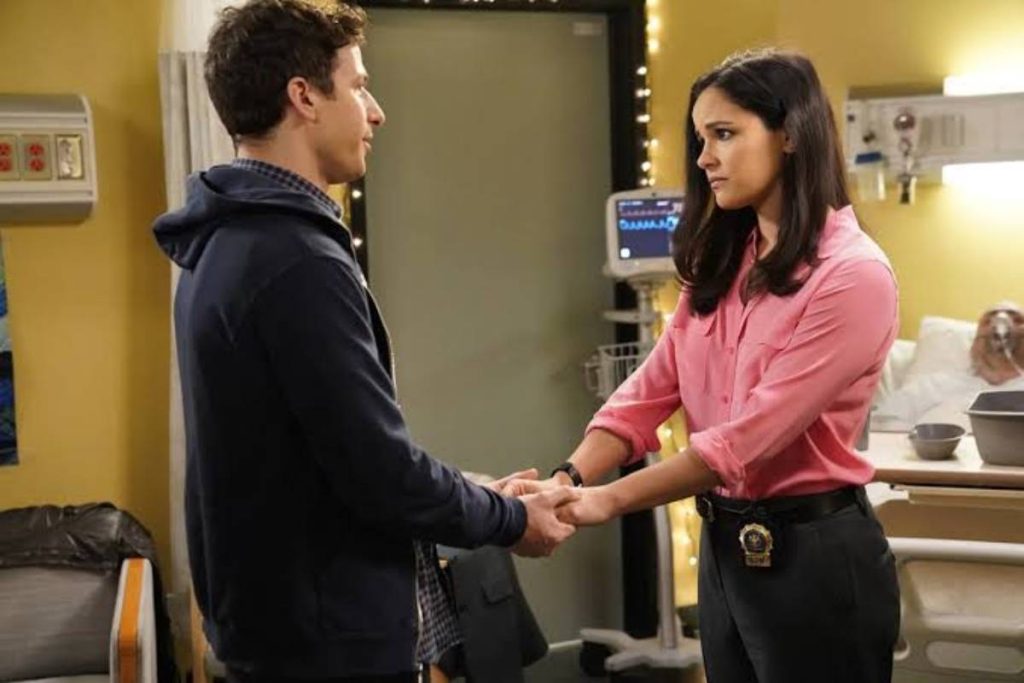
3. Monica Geller and Chandler Bing, Friends
Verdict: the friends-to-lovers arc that Friends actually got right, in contrast to the show’s more famous couple. Monica and Chandler’s relationship starts as a surprise, develops without endless fake-out breakups, and ends with a wedding and kids that feel earned. Their rewatch value is high specifically because their arc doesn’t require patience for repeated setbacks.
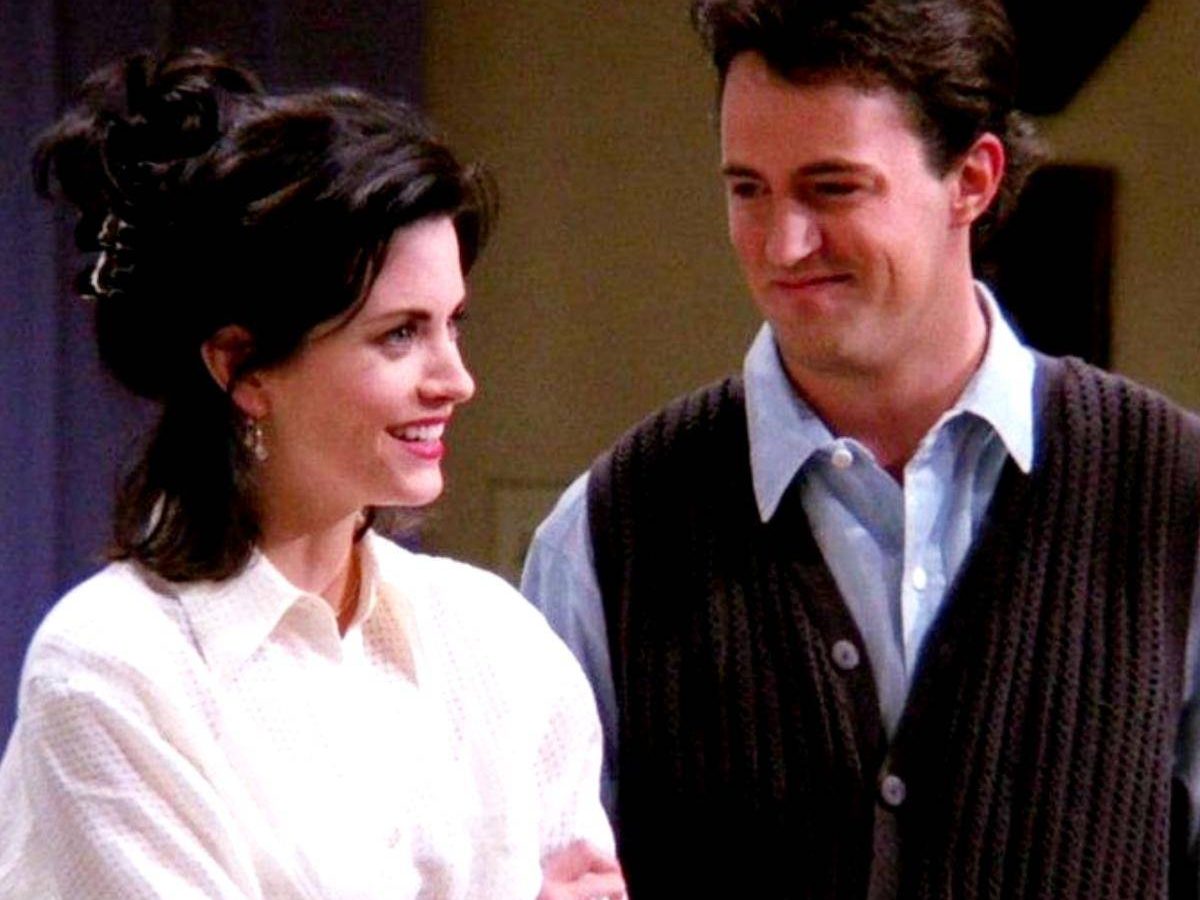
2. Leslie Knope and Ben Wyatt, Parks and Recreation
Verdict: the best established-couple energy in a workplace setting, with almost zero manufactured drama. Leslie and Ben get together relatively early in the show’s run and spend the rest of it supporting each other’s careers instead of fighting about the relationship itself. Their arc completeness and rewatch value are both near the top of this list.
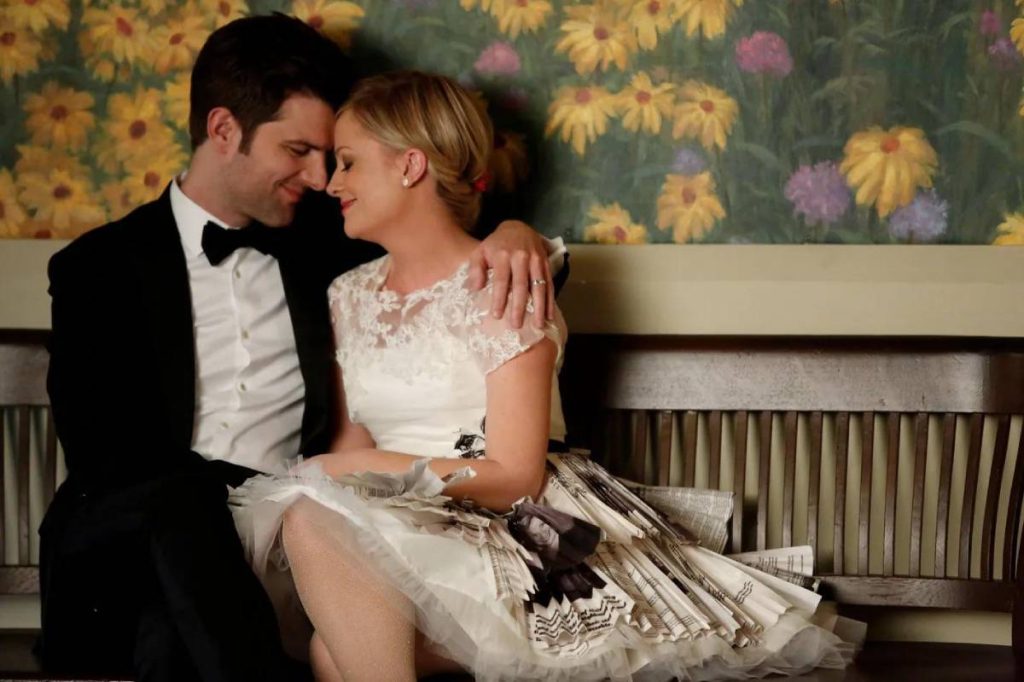
1. Jim Halpert and Pam Beesly, The Office
Verdict: the workplace slow burn every other entry on this list gets compared to, and the one that earns the comparison. Jim and Pam’s arc spans years of quiet glances and missed timing before the relationship starts, then keeps developing through marriage and parenthood without ever feeling stalled. Their chemistry, arc completeness, and cultural staying power all score at the top, which is why they hold the number one spot.
| Rank | Couple | Show | Couple Type | Defining Moment | Together at Series End |
|---|---|---|---|---|---|
| 1 | Jim and Pam | The Office | Workplace | The “Casino Night” confession | Yes |
| 2 | Leslie and Ben | Parks and Recreation | Workplace | Ben’s proposal at the Pawnee Harvest Festival | Yes |
| 3 | Monica and Chandler | Friends | Established (mid-series pairing) | The London hookup reveal | Yes |
| 4 | Jake and Amy | Brooklyn Nine-Nine | Workplace | The rooftop confession | Yes |
| 5 | David and Patrick | Schitt’s Creek | Established | The motel wedding | Yes |
| 6 | Phil and Claire | Modern Family | Established | Ongoing throughout the series | Yes |
| 7 | Janine and Gregory | Abbott Elementary | Workplace, ongoing | The season one rooftop moment | Ambiguous |
| 8 | Bob and Abishola | Bob Hearts Abishola | Slow burn | The hospital coffee scenes | Yes |
| 9 | Eric and Donna | That ’70s Show | Slow burn | The basement first kiss | Yes |
| 10 | Cory and Topanga | Boy Meets World | Established (grew up together) | The wedding episode | Yes |
| 11 | Niles and Daphne | Frasier | Slow burn | Niles finally confessing his feelings | Yes |
| 12 | Ted and the Mother | How I Met Your Mother | Slow burn | The yellow umbrella reveal | Ambiguous |
| 13 | Nick and Jess | New Girl | Slow burn | The rooftop kiss | Yes |
| 14 | Ross and Rachel | Friends | Slow burn | “We were on a break” | Yes |
| 15 | Sam and Diane | Cheers | Slow burn | Sam and Diane’s on-again, off-again engagement | No |

Which Sitcom Couple Type Should You Watch First? (A Quick Matchmaking Guide)
Choose a slow-burn couple’s show when you want a season-long payoff and don’t mind waiting for the relationship to start. Choose an established-couple show when you want low-conflict comfort viewing where the romance isn’t the main source of tension. Choose a workplace-pairing show when you want humor and romance developing at the same time, usually with a faster payoff.
Slow-burn shows are a poor match for anyone who wants romantic tension resolved within the first few episodes, since the entire format depends on delay. Established-couple shows are the wrong pick for anyone who wants relationship drama driving the plot. Newer spinoffs sometimes blend the categories, and the Georgie and Mandy relationship timeline shows what happens when an established couple gets treated with slow-burn levels of ongoing tension.
If you’re watching with a partner and want something low-stakes, start with an established-couple show. If you’re watching solo and want something to obsess over, a slow burn will scratch that itch far more effectively.
Sitcom Couples That Rank Lower Than Fans Expect (And Why)
Ross and Rachel, Sam and Diane, and Ted and the Mother all rank lower here than they do on most fan-voted lists, and the reason is consistent across all three. Their chemistry was never the problem. The issue is what happened after the writers actually paired them off, or in Ted’s case, how the ending reframed the entire buildup.
Ross and Rachel get dragged through so many breakups that their reunions stop feeling earned by the later seasons. Sam and Diane never land a stable ending at all, which makes their famous chemistry feel more like a setup with no follow-through. Ted’s situation is different: the slow burn itself is well-built, but the finale’s pivot away from years of buildup undercuts the arc completeness score more than pacing ever could.
This is the pattern worth remembering before crowning any couple “the best.” A pairing with incredible early chemistry can still rank lower than a quieter couple if the writers never figure out what to do with them once they’re actually together.
Real-Life Chemistry: Which Sitcom Couples Were Also a Thing Off-Screen?
Most reported off-screen sitcom couple connections are limited to genuine friendships rather than actual dating relationships. Any specific claim beyond that should be treated as unconfirmed unless it comes from the actors themselves in an interview. The safest approach as a viewer is to treat any off-screen dating claim about a sitcom couple as reported rumor unless a named source has confirmed it directly.
FAQ: Your Sitcom Couple Questions, Answered
What is the best sitcom couple of all time?
Jim and Pam from The Office rank as the best sitcom couple on this list because their arc combines strong chemistry, a full relationship arc from first spark to marriage and kids, and consistent rewatch value. Their slow-burn workplace dynamic also became the template that later shows like Brooklyn Nine-Nine and Parks and Recreation clearly borrowed from.
Which sitcom couples never actually got together on screen?
Most major sitcom will-they-won’t-they pairings do eventually get together, but a few stay unresolved by the finale in a way fans still debate. Sam and Diane from Cheers is the clearest example, since the show never lands them in a stable ending despite years of setup. Ted and the Mother is a more complicated case, since the finale reframes the entire relationship after the fact.
What’s a good sitcom to watch as a couple?
For comfort viewing with low relationship drama, Modern Family or Schitt’s Creek both work well since neither show relies on the central couple’s relationship as its main source of conflict. For couples who enjoy rooting for a slow burn together, That ’70s Show or New Girl offer season-long tension without excessive melodrama.
Who is considered the most iconic sitcom couple ever?
Ross and Rachel from Friends are usually named the most iconic sitcom couple due to sheer cultural reach, even though their actual arc ranks lower on completeness and rewatch value compared to pairings like Jim and Pam. Iconic status and quality of arc are not the same measurement, which is exactly why this list separates fame from execution.
Are any sitcom couples based on a real relationship?
Most reported connections between sitcom couples and real life describe genuine off-screen friendships rather than confirmed romantic relationships. Any specific dating claim should be treated as unverified unless it comes directly from the actors in a named interview. That caution applies across nearly every widely circulated dating claim about a major sitcom pairing.
The strongest sitcom couples all share one thing that has nothing to do with how cute their meet-cute was. They get a complete arc, one that survives the relationship actually starting instead of just building up to it. Jim and Pam earn the top spot because The Office never let the marriage flatten either character, and that’s rarer than it should be.
If you’re picking your next watch based on this list, match the couple type to what you actually want. A slow burn rewards patience, an established couple rewards comfort, and a workplace pairing rewards viewers who want the job and the romance developing at the same time. Watch for the moment the writers stop building tension and start building a relationship, since that’s the moment that separates a great sitcom couple from an overrated one.