What Is Actually Confirmed About Silo Season 3 (And What Is Still a Theory)
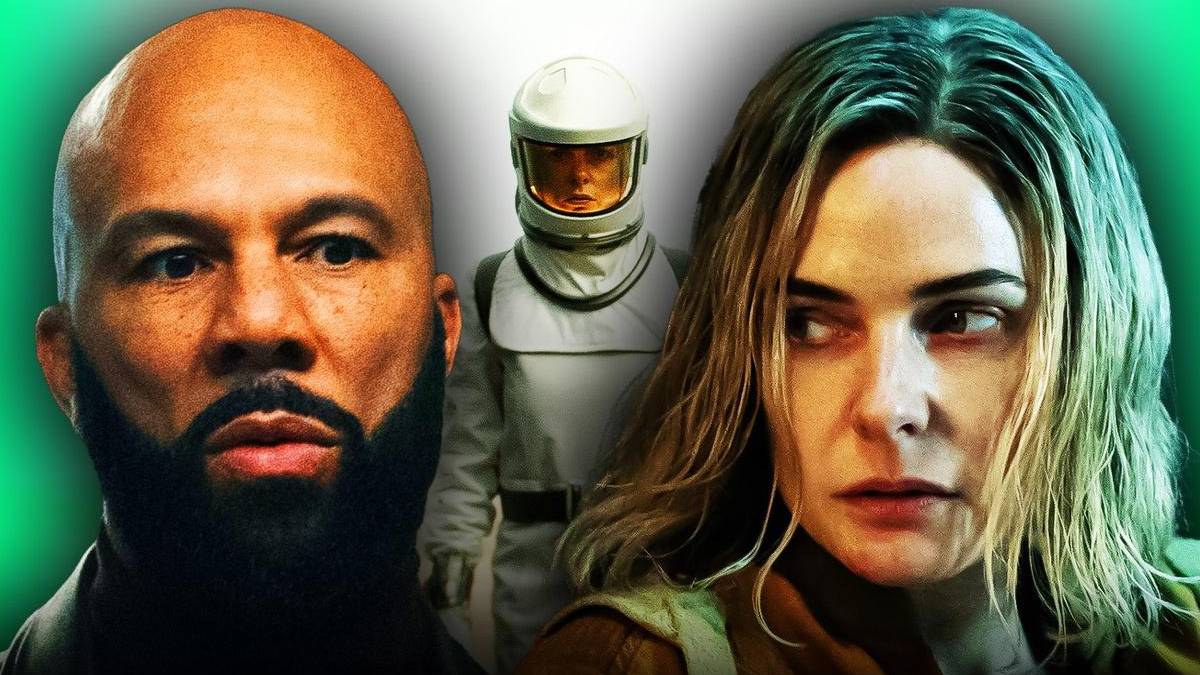
Juliette Nichols is confirmed to return, and Season 3 is confirmed to draw primarily from Shift, the second book in Hugh Howey’s trilogy. Everything beyond those two facts is still in theory territory, including how far the show will deviate from its source material this time.
Here is the clean separation between what is locked in and what is still speculation:
CONFIRMED: Season 3 is in production as of 2025. Apple TV+ has not announced a release date, but the season is moving forward.
CONFIRMED: The source material is Shift. This is the prequel book in Howey’s trilogy. It is set before the events of Wool and tells the story of how the silos were built, who ordered them, and what the people who designed the project knew that they never told anyone living inside.
CONFIRMED: A dual-timeline structure is expected. Showrunner Graham Yost has pointed to the Shift adaptation as the Season 3 backbone, and keeping Juliette’s present-day story running alongside it means two separate timelines are in play simultaneously for the first time in the show’s history.
CONFIRMED: Juliette is expected to become mayor of Silo 18. Casting signals and the direction of Season 2’s ending both point here.
THEORY TERRITORY: How Bernard’s apparent death is handled, whether Solo returns, whether the show names the people responsible for the apocalypse, and how far the prequel timeline diverges from the book are all unconfirmed.
One note specifically for book readers: the show already made significant departures from Wool in how it handled Bernard, the Mechanical department, and several key reveals. Going into Season 3 assuming Shift is a direct roadmap is likely to produce the same miscalculation. The theories below treat the show as its own document.

The 10 Best Silo Season 3 Theories, Ranked by Evidence
These run in order from most grounded in confirmed show detail to most speculative. Every one is clearly labeled. You will never have to guess whether you are reading fact or theory.

Theory 1: Two Timelines Will Collide on a Single Reframe
Label: HIGH EVIDENCE (confirmed structure, speculative collision point)
This is the structural bet the entire season is making, and it is already half-confirmed. Apple TV+ and showrunner Graham Yost have both pointed to the Shift adaptation as the Season 3 spine. The book itself is structured as a prequel story that eventually catches up to the present-day timeline. The show’s decision to keep Juliette’s present-day storyline running while the prequel unfolds means both timelines will share screen time throughout the season.
The theory part is this: the two timelines will not just run parallel. They will converge on a single event, object, or location that appears in both and recontextualizes something from Seasons 1 or 2 when you see its origin.
What this predicts: A document, a name, or a physical space seen decades earlier in the prequel storyline will reappear in Juliette’s present-day arc in a way that changes the meaning of a scene the audience thought it already understood. The Season 2 finale is the most likely target for this kind of retroactive reframe.
If this lands the way the best dual-timeline storytelling does, it will be the most satisfying structural reveal the show has attempted. If it does not land, Season 3 risks feeling like two separate shows running on the same screen.
Theory 2: The Apocalypse Was Deliberate
Label: STRONG THEORY (book-supported, show has seeded this directly)
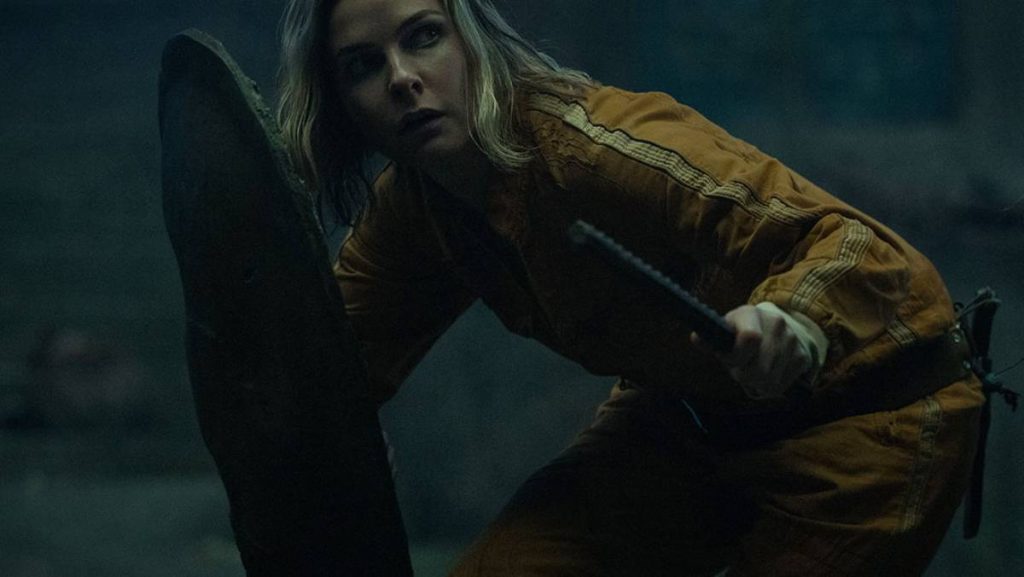
Season 2 of Silo did not just imply this. It came close to stating it outright. The people running Silo 1 demonstrated knowledge of outside conditions that no one could have if the apocalypse had been a surprise. The suits given to cleaners were engineered to fail. That detail is not an accident of manufacturing or a resource limitation. A suit designed to fail is a policy decision.
What this predicts: Season 3’s prequel timeline will show a specific group of named people making a deliberate choice to contaminate the surface in order to force humanity underground before those people could object or resist. The show will assign faces and motives to a decision that has so far existed only as an implication.
This theory directly answers two of the most searched questions around the show: who started the apocalypse on purpose, and why the suits fail when cleaners go outside. The suits fail because they were designed by people who knew no one was supposed to come back.
Bernard’s communications with Silo 1 in Season 2 revealed a chain of command that expected compliance at the cost of lives. That expectation only makes sense if the people at the top of that chain designed the whole system to work exactly this way.
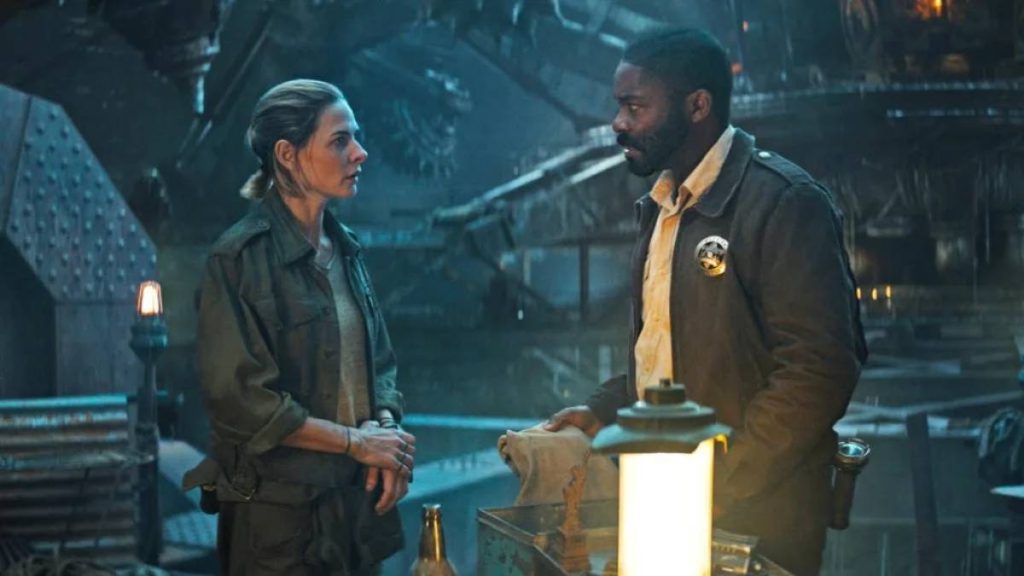
Theory 3: Operation Fifty Means Only One Silo Was Ever Supposed to Survive
Label: STRONG THEORY (book-based, not yet shown on screen)
This is the most unsettling structural fact in Hugh Howey’s source material, and the show has not surfaced it yet. In the books, the silo project was not designed to save humanity collectively. It was designed as a competition. All 50 silos were built, but only one was ever intended to release its population back to the surface. An algorithm evaluates each silo’s stability, governance, population health, and compliance across generations, then selects the winning silo. The other 49 are expendable. They were always expendable.
What this predicts: Season 3 will reveal this algorithm to Juliette, either through the prequel timeline showing its original design or through a discovery in Silo 1’s records. Her response to learning her silo was never meant to survive will drive the second half of the season.
Consider what this means for everything that happened in Seasons 1 and 2. Every cleaning, every rebellion suppressed, every secret that IT kept, every person who died protecting the Pact. None of it was in service of survival. It was in service of a contest the residents did not know they were in, being evaluated by judges they had never heard of, against 49 other populations doing exactly the same thing one silo over.
That reframe is not just a plot twist. It is a complete moral inversion of the show’s first two seasons.

Theory 4: Bernard Is Not Dead
Label: MODERATE THEORY (show evidence, contradicts book)
Season 2 ended with Bernard apparently dying in a fire, but the show has deviated from the books before, and significantly. Tim Robbins has not publicly confirmed his departure from the series. Fire-based deaths in prestige television have a well-documented history of being walked back when the character’s story is not finished, and Bernard’s story is not finished.
What this predicts: Bernard survived, likely with assistance from Silo 1 contacts who needed him functional and in place. He reappears in Season 3 as an antagonist who has lost everything except his belief in the system.
The argument for this theory is not just that the show might want Tim Robbins back. It is that Bernard as a character was the most compelling villain the show had because he was not cruel for cruelty’s sake. He believed, genuinely, that what he was doing was right. A version of Bernard who has survived his own apparent death, who has nothing left to protect, and who still believes the system is correct is a more interesting story than a dead one.
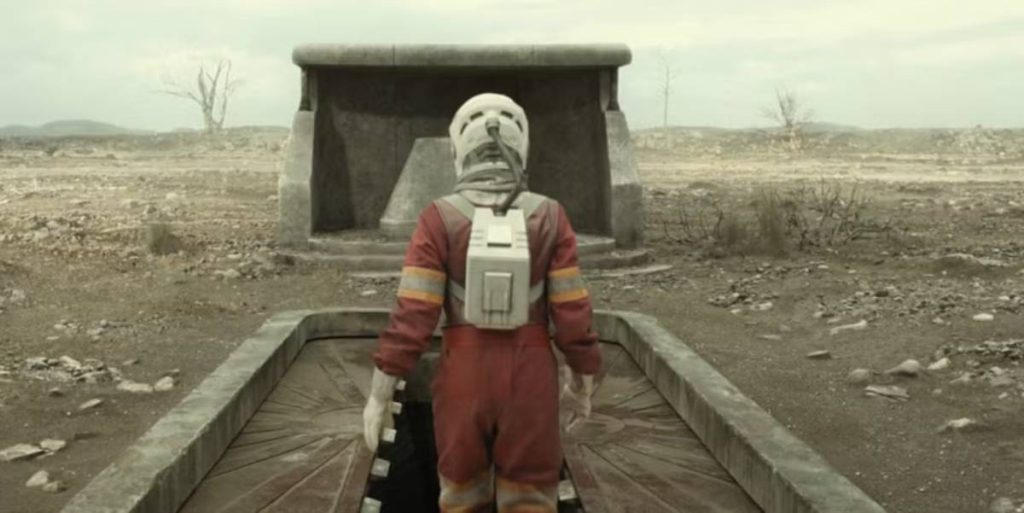
Theory 5: Silo 1 Is Not a Silo at All
Label: MODERATE THEORY (implied by show, confirmed in books)
The residents of Silo 1 behave differently from everyone else in the network. They age differently, or appear to. They have access to information no other silo possesses. They communicate with silo administrators across the entire system. And crucially, no one in Silo 18 has ever described Silo 1 in terms that suggest it functions the way their own home does.
In Hugh Howey’s books, Silo 1 is the operations center for the entire project. Its residents rotate in shifts rather than living generationally. It is not a survival community. It is a facility designed to manage 49 communities from a position of total informational advantage.
What this predicts: Season 3 will show Silo 1’s interior for the first time. It will not look like Silo 18. There will be no farming levels, no generator decks, no Mechanical department in overalls. It will look closer to a corporate operations center than a bunker.
This theory directly addresses two of the most common reader questions: whether there is a master control silo and who is running it right now. The show has been circling this reveal since Season 1, and Season 3 is the most natural place to finally go inside.
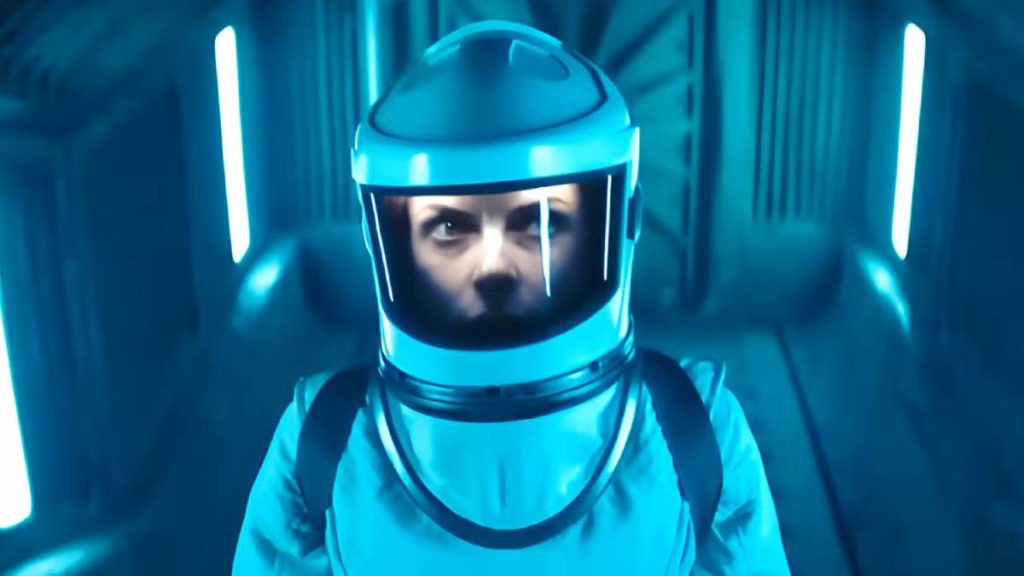
Theory 6: The Outside Air Is Already Breathable
Label: MODERATE THEORY (show evidence, deeply unsettling implication)
Juliette survived outside in a functioning suit. Solo survived in Silo 17 for years with air filtration systems that were significantly compromised. The sensors that read toxic outside are controlled by IT. In Season 2, the question of who controls the sensor data was raised and then left open.
What this predicts: The outside atmosphere recovered decades ago. The toxic readings being sent to every silo in the network are falsified. They are maintained by the people running Silo 1 to keep the population underground until the selection algorithm finishes its work.
This is the theory that rewrites the most scenes in retrospect. Every person who went outside in a failing suit and died on camera, died in a world where the air may have been fine. The suits failed. The air did not kill them. The lie did.

Theory 7: Juliette’s Father Knew More Than the Show Has Revealed
Label: SPECULATIVE (show-only, no book equivalent)
Dr. Pete Nichols was introduced as a man who had accepted the system’s rules after losing his wife. The show invested considerable time in his relationship with Juliette without fully explaining why he stopped asking the kind of questions his daughter never stopped asking. In a show this tightly constructed, deliberate restraint around a character’s backstory is a setup, not an oversight.
What this predicts: A document, a conversation, or a recovered memory in Season 3 reveals that Pete Nichols had contact with someone in IT or Silo 1 at a specific point in the past. He made a deal. The terms of that deal were designed to protect Juliette specifically, not just to maintain his own peace within the system.
This is a show-original theory with no equivalent in the books. Book readers have no advantage here and no way to confirm or rule it out from the source material.
The restraint around Pete is the tell. When a show with Silo‘s level of structural precision holds back on a main character’s full history, it is holding back for a reason.
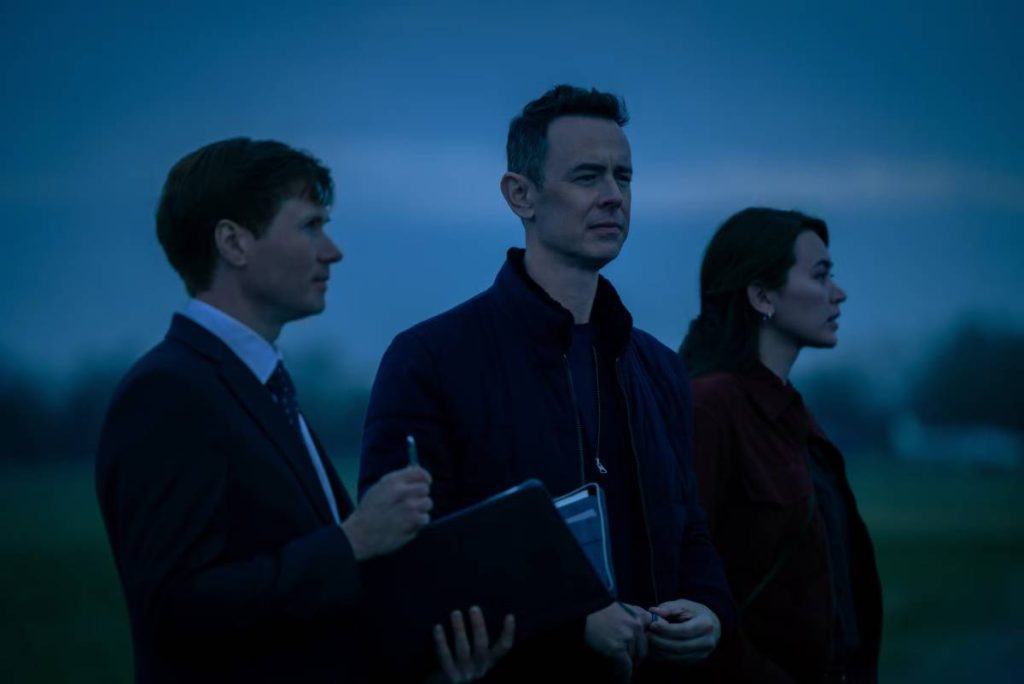
Theory 8: Solo Is the Key to Communication Between Silos
Label: SPECULATIVE (grounded in Season 2 setup)
Solo spent years alone in Silo 17 with access to communication equipment that no one else in the network knew existed. Season 2 showed him making contact across silo lines in a way the show treated as extraordinary. The full depth of that communication network has never been explained. Who built it originally? How many silos can it reach? Has anyone else been using it?
What this predicts: Season 3 reveals that Solo’s years of broadcasting from Silo 17 were received. Someone in another silo, a silo the audience has not yet seen, has been listening. A surviving population that has been isolated and unreachable is now reachable because of what Solo did in the years before Juliette arrived.
Solo as a character was set up as a curiosity in Season 1 and then given real weight in Season 2. The show does not do that with characters it is done with.
Theory 9: The Cleaning Ritual Is a Psychological Compliance Test
Label: SPECULATIVE (thematic, supported by system design logic)
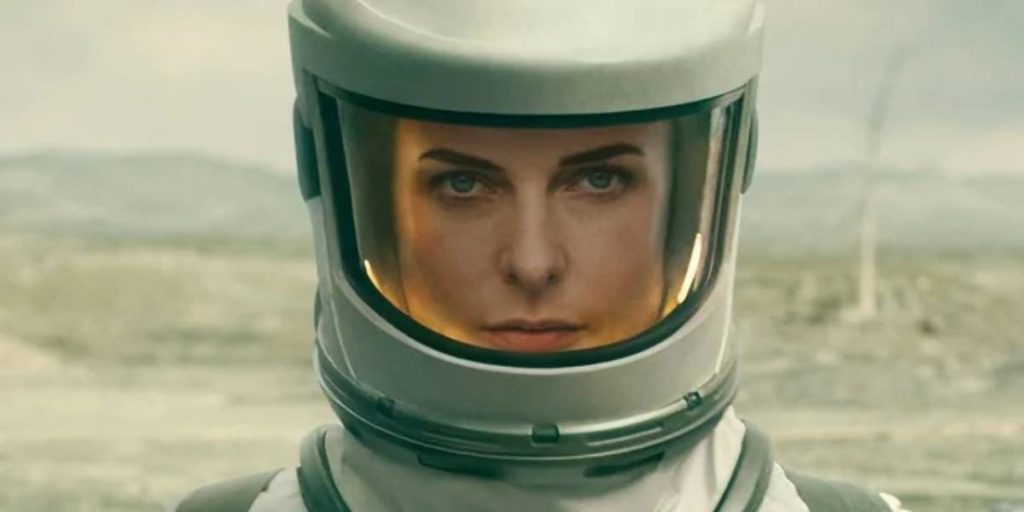
The cleaning exists in a world where the people who designed the suits knew those suits would fail. If the suits were built to fail, then the cleaning was never about actually cleaning the external sensors. The sensors are not the point. The condemned person’s behavior in their final moments is the point.
What this predicts: Season 3’s prequel timeline will show the original architects of the silo project discussing the cleaning’s psychological function explicitly, not its practical one. The designers needed to know whether a population under total control would comply even at the moment of their own death. Every person who went gentle and cleaned the lenses before dying validated the system’s control over human behavior at the most extreme possible test of that control.
Every cleaning scene in Seasons 1 and 2 changes meaning if this is true. Those were not executions. Those were behavioral experiments. The compliance data from each cleaning informed the algorithm’s evaluation of each silo’s governability.

Theory 10: The End State Is Not Survival — It Is a New Lie
Label: HIGHLY SPECULATIVE (thematic extrapolation)
The entire architecture of the silo project assumes that whoever emerges from the winning silo will need a revised history to function. The Pact, the cleaning ritual, the generational memory erasure built into silo culture. None of these are accidents or improvised responses to crisis. They are preparation for a population that will inherit the surface without knowing what was done to put them there or who decided it.
What this predicts: The show’s final destination is not a triumphant release of humanity back into a recovered world. It is a release with a curated version of history already in place. Juliette, if she survives to that moment, will face a choice: tell the truth about what the silos were and what was done to create them, or protect a fragile new civilization from a history that might destroy it before it begins.
This theory makes the entire show a question about whether honesty or survival is the more humane choice. That question does not have a clean answer, which is exactly why it is the right question for a show built around people who were lied to for their own good, by people who were also lied to for the same reason.
Will Season 3 of Silo Follow the Book?
Season 3 will draw from Shift but is very unlikely to follow it faithfully. The show’s relationship with the source material has been one of selective adaptation from the beginning.
The first season of Silo established this pattern early. Several major characters in the show have no book equivalent. Bernard’s role was significantly expanded. The mechanics of the cleaning ritual and IT’s internal structure were developed well beyond what the book specified.
Shift as a source text presents its own challenge: it is told primarily from the perspective of a character named Donald, a US senator who becomes involved in the silo project before the apocalypse. The show has not introduced Donald. Whether the showrunners adapt him directly, replace him with a new character, or fold his function into an existing character is genuinely unknown.
What the show will almost certainly keep from Shift: the prequel timeline showing the silo project’s original design, the revelation of what the designers knew about the surface before the apocalypse, the competitive structure of the 50-silo project and its selection mechanism, and the internal operations of Silo 1 and how it differs from the others.
What the show will almost certainly change: the specific characters who carry the prequel storyline, the precise sequence and timing of revelations, and several plot events that the show’s established characters have already made impossible by surviving things their book counterparts did not.
Book readers have a useful frame of reference for Season 3. They do not have a spoiler document.

FAQ
What is going to happen in Silo Season 3?
Season 3 is expected to run two timelines simultaneously. The prequel timeline draws from Hugh Howey’s second book, Shift, and shows the origin of the silo project, including who designed it, what they knew about the apocalypse, and what the long-term plan for humanity actually was. The present-day timeline follows Juliette Nichols after the Season 2 finale, likely with her becoming mayor of Silo 18. How these timelines connect and where they converge is the central structural question Season 3 appears to be building toward.
Will Juliette survive Silo Season 3?
No confirmed information points toward Juliette dying in Season 3. Rebecca Ferguson is the show’s lead, and Juliette’s survival through multiple near-impossible situations in Seasons 1 and 2 suggests the show is building her toward a larger confrontation, not an early exit. In Hugh Howey’s books, the character who parallels Juliette survives well beyond the Shift timeline. That said, the show has deviated from the books enough that book survival is not a guarantee.
Is Bernard actually dead in Silo?
Season 2 ended with Bernard apparently dying in a fire, but this has not been confirmed as final. Tim Robbins has not publicly announced his departure from the series. The show has a pattern of leaving ambiguity around deaths that serve a narrative purpose, and Bernard as a character still has unresolved story potential. Treat it as unresolved.
What is Operation Fifty in Silo?
Operation Fifty is the term used in Hugh Howey’s books to describe the selection mechanism built into the silo project. All 50 silos were constructed, but only one was ever intended to survive long-term and release its population to the surface. An algorithm evaluates each silo across generations on factors including governance stability, population health, and compliance. The other 49 silos are considered expendable once the selection is complete. This information has not yet appeared on the show. Season 3 is the most likely point of introduction.
Why do the suits fail when people clean in Silo?
The suits given to condemned cleaners are designed to degrade in outside conditions, meaning they were engineered to fail, not manufactured poorly. This is a deliberate policy decision made by the people who run the silo network, not an accident of aging materials or resource limitations. The practical effect is that no cleaner survives more than a few minutes outside regardless of their intentions. The theoretical implication, which the show has not yet confirmed, is that the cleaning ritual serves a behavioral compliance function rather than a genuine maintenance function.
Will we see Silo 1 inside in Season 3?
No confirmed footage or casting information places Season 3 action inside Silo 1. In Hugh Howey’s books, Silo 1 functions as an operations center rather than a generational survival community, with rotating staff rather than families living permanently underground. The show has strongly implied a similar distinction without showing it directly. Season 3’s prequel timeline is the most natural opportunity to finally show Silo 1’s interior. Whether the showrunners take that opportunity is unconfirmed.
Does the outside air in Silo actually kill people?
This is one of the most actively contested questions in fan theory discussion. The show has established that the sensor readings showing toxic outside conditions are controlled by IT. Solo survived in Silo 17 with compromised air filtration for years. Juliette survived outside in a functioning suit. None of this definitively answers whether the external atmosphere is breathable, but the combination of falsifiable sensor data and survivor evidence leaves the question genuinely open. Season 3 is expected to resolve it.
Is the Silo show going to differ a lot from the books in Season 3?
The show has already established a clear pattern of selective adaptation. Season 1 expanded Bernard’s role significantly, added characters with no book equivalent, and developed the internal mechanics of several departments beyond what Wool specified. Season 3 adapting Shift will almost certainly follow the same approach: keeping the structural framework of the prequel timeline and the major revelations about the silo project’s origin while replacing or modifying specific characters and plot sequences. Book readers have a useful general map. They do not have a scene-by-scene guide.
The Bet Worth Making
The single most important thing to hold onto across all 10 of these theories is this: the show has been making deliberate choices in Seasons 1 and 2 that only pay off if Season 3 goes somewhere the books never went. The details about Pete Nichols, Solo’s communication equipment, the sensor data question, the precise wording of Bernard’s communications with Silo 1. None of those are careless choices in a show this tightly constructed. They are loaded guns.
Season 3’s dual-timeline structure is not just a storytelling experiment. It is the mechanism by which the show can finally detonate those setups. The prequel timeline provides the origin of the secrets. The present-day timeline provides the person who discovers them. Where those two lines cross is where the show becomes something genuinely different from anything Hugh Howey wrote.
Watch the Season 2 finale again before Season 3 arrives. Watch specifically for what Juliette chooses not to say in her final scenes, and what the camera holds on just a beat longer than it needs to. The show is telling you where it is going. It has been telling you for two seasons.