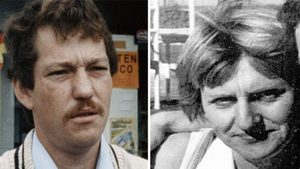

Where Jennifer Pan Is Right Now
Jennifer Pan is currently incarcerated at Grand Valley Institution for Women, a medium-security federal facility in Kitchener, Ontario. She has been held there since the 2015 conviction.
The March 2026 guilty plea did not produce a new, shorter sentence. Manslaughter in Canada carries a maximum sentence of life imprisonment, and Pan’s time served since 2010 counts toward her total. What the plea changed is the legal classification of her offense and, by extension, her parole eligibility timeline.
To be direct: yes, Jennifer Pan is still in prison as of 2026. She is not awaiting a release date. She is eligible to submit an application to the Parole Board of Canada. Those are two very different things, and the gap between them is where this story actually lives right now.
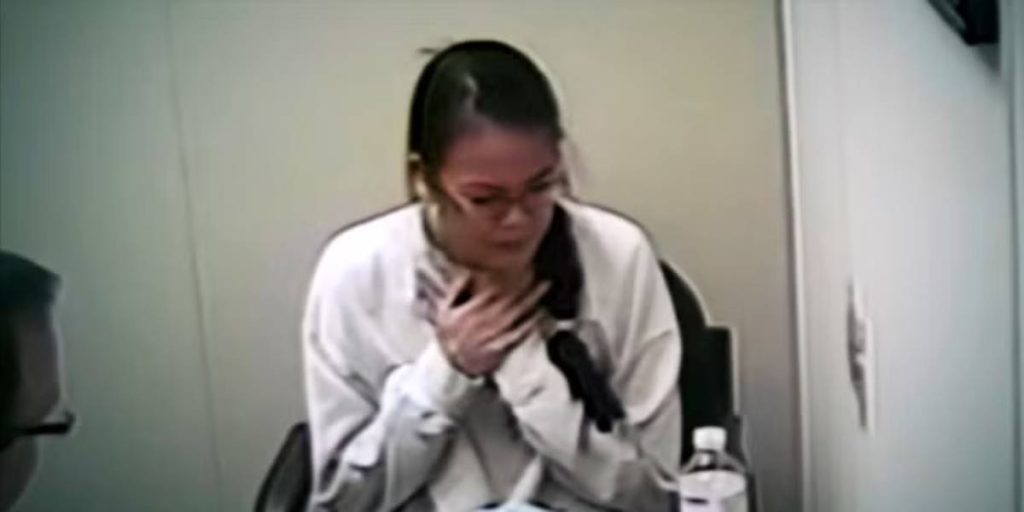
The What Jennifer Did Netflix documentary brought the case to a massive new audience in 2024, but the legal picture it presented is now significantly out of date. The documentary captured the 2015 conviction and the family’s devastation. What it did not capture was everything that happened afterward.

The March 2026 Guilty Plea — and What She Actually Admitted To
From First-Degree Murder to Manslaughter
Pan’s original 2015 conviction included first-degree murder in the death of her mother Bich Ha Pan, attempted murder of her father Hann Pan, and conspiracy to commit murder. The sentence was life imprisonment with no parole eligibility for 25 years.
In March 2026, Pan pleaded guilty to manslaughter in her mother’s death. The Crown accepted the plea, and the first-degree murder charge was withdrawn. Pan’s lawyer confirmed to Canadian Press reporters that she received a new life sentence for the manslaughter conviction, with parole eligibility now attached instead of the original 25-year no-parole clause
The legal distinction matters. Under Canada’s Criminal Code, a first-degree murder conviction requires proof of both planning and deliberation. Prosecutors must show that the accused specifically planned the killing of the victim in advance. Manslaughter covers a death caused by an unlawful act, without that same deliberate intent toward the specific person who died. The difference is not about whether someone died. It is about what the evidence can prove about who was supposed to die.
The Agreed Statement of Facts — the Detail That Changes Everything
The agreed statement of facts Pan signed in connection with the March 2026 plea states that her intended target was her father, Hann Pan, not her mother.
The agreed facts acknowledge that Pan arranged the attack intending to have Hann killed, and that she should have known Bich Ha could be present in the home when the men entered. That foreseeability establishes criminal liability for Bich Ha’s death which is why manslaughter, rather than an acquittal, was the appropriate resolution.
Bich Ha Pan died because she was home that night. She was not the target.
This does not reduce the human reality of what happened. Bich Ha Pan is still dead. Hann Pan still survived a shooting that left him permanently blind. A family was still destroyed. But legally, it explains why first-degree murder could not be sustained at a retrial once. But legally, it explains why first-degree murder could not be sustained at a retrial once the jury instruction issues from 2015 were identified, similar to the jury-instruction problems that shaped Jodi Arias’s own appeals process. You cannot prove planning and deliberation to kill a specific victim when the evidence shows that victim was not who the accused was trying to kill.
No current major coverage of this case is stating this plainly. It is the sharpest factual detail in the 2026 resolution, and it was sitting in the agreed statement of facts the whole time.
April 2026 — Eric Mylvaganam Sentenced
One month after Pan’s plea, in April 2026, Eric Mylvaganam was sentenced following his own plea resolution. His case, along with those of the other surviving co-conspirators, moved through the courts after the same retrial order that affected Pan.
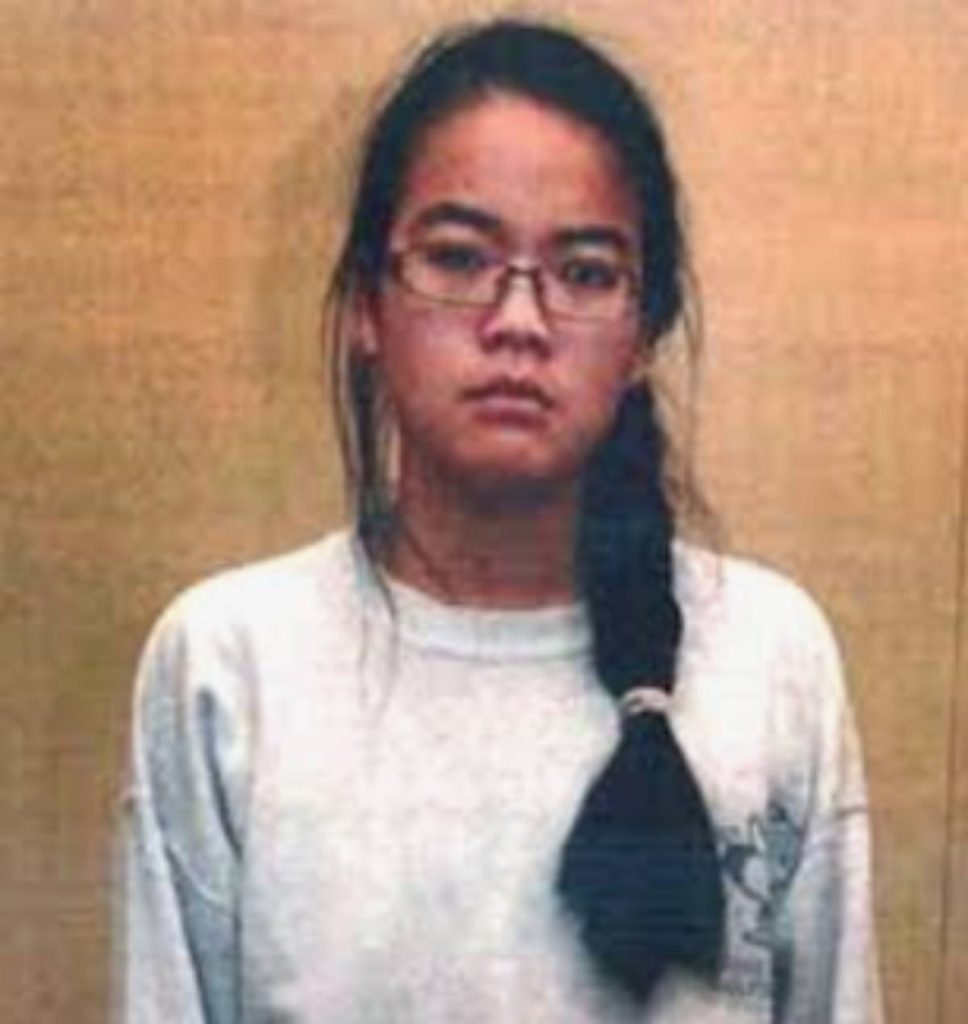
How the Case Got Here — The Legal Road from 2015 to 2025
The 2015 convictions looked airtight at the time. Pan, Daniel Wong, Lenford Crawford, Eric Mylvaganam, and David Carty were all convicted of first-degree murder. Pan received life with no parole eligibility for 25 years. Evidence needed: Verify David Carty’s specific 2015 conviction (some reporting distinguishes his conviction as conspiracy to commit murder with an 18-year sentence, rather than first-degree murder) against a primary court record before revising this sentence.
Then the appeals started.
In 2023, the Ontario Court of Appeal ordered new first-degree murder trials for Pan and three surviving co-conspirators. The court identified problems with the jury instructions at the original trial, specifically around the legal test for planning and deliberation. Jurors had not been properly guided on what that standard actually required.
The Crown appealed that ruling to the Supreme Court of Canada. In April 2025, the Supreme Court upheld the Ontario Court of Appeal’s decision. The retrial order stood.
At that point, Pan faced a genuine first-degree murder retrial. With the same evidence, a new jury, and proper jury instructions. Rather than proceed through that full retrial, she entered the March 2026 manslaughter plea. Four legal stages across eleven years: 2015 conviction, 2023 appeal, 2025 Supreme Court ruling, 2026 plea.
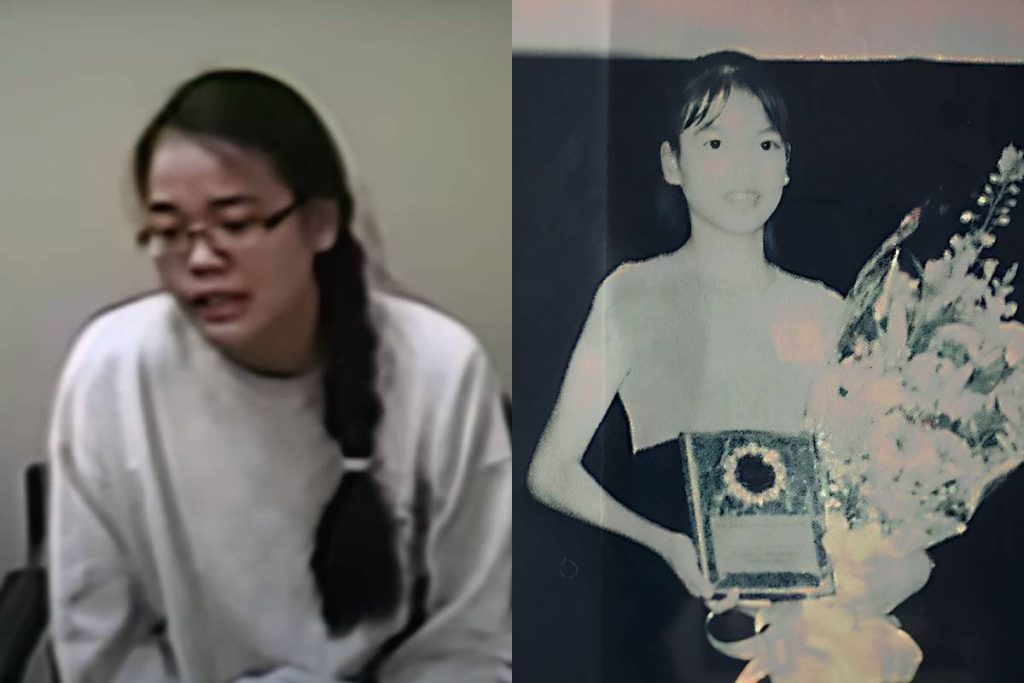
The Night of November 8, 2010
Jennifer Pan grew up in Markham, Ontario, the daughter of Vietnamese immigrants Bich Ha and Hann Pan. Her parents had high academic expectations, and Pan had spent years fabricating a life she believed would meet them, forged high school grades, a fake university enrollment, a fiction of a nursing degree that never existed.
She was also hiding a long-term relationship with Daniel Wong, a man her parents had explicitly forbidden her from seeing.
On the night of November 8, 2010, three men entered the Pan family home in Markham. Bich Ha Pan was shot and killed. Hann Pan was shot multiple times, survived, and was left permanently blind. Jennifer Pan was tied up and left unharmed which became an immediate point of suspicion for investigators.
The police investigation unraveled quickly. Pan had arranged and paid for the attack through connections linked to Daniel Wong. The staged home invasion scenario fell apart during interrogation, and the network of men recruited to carry out the attack was identified and charged.

What “Parole Eligible” Actually Means — and What Happens Next
Parole eligibility does not mean release. This is the single most important thing to understand about where Jennifer Pan’s case stands right now. She can submit that application at any point now. Manslaughter does not carry the twenty five year no parole clause that applied to her original first degree murder sentence, which is why her eligibility changed as soon as the plea was accepted.
Under Canadian law, when someone becomes parole-eligible, they can submit an application to the Parole Board of Canada. The Board conducts a structured review, assesses the applicant’s risk to public safety, examines behavior and rehabilitation while in custody, and weighs submissions from victims and their families. Release is not automatic at any stage. The Board can deny the application outright.
Victims and their families have the formal right to submit victim impact statements and to attend parole hearings. Hann Pan, who survived the attack that permanently blinded him, would be among those with standing to oppose any parole application. Felix Pan, Jennifer’s brother, sought and was granted a restraining order against his sister, direct evidence of the ongoing harm to the people closest to this case.
There is no scheduled release date. Given the profile of this case, the nature of the offense, and the active opposition from surviving family members, any parole hearing would face intense scrutiny.
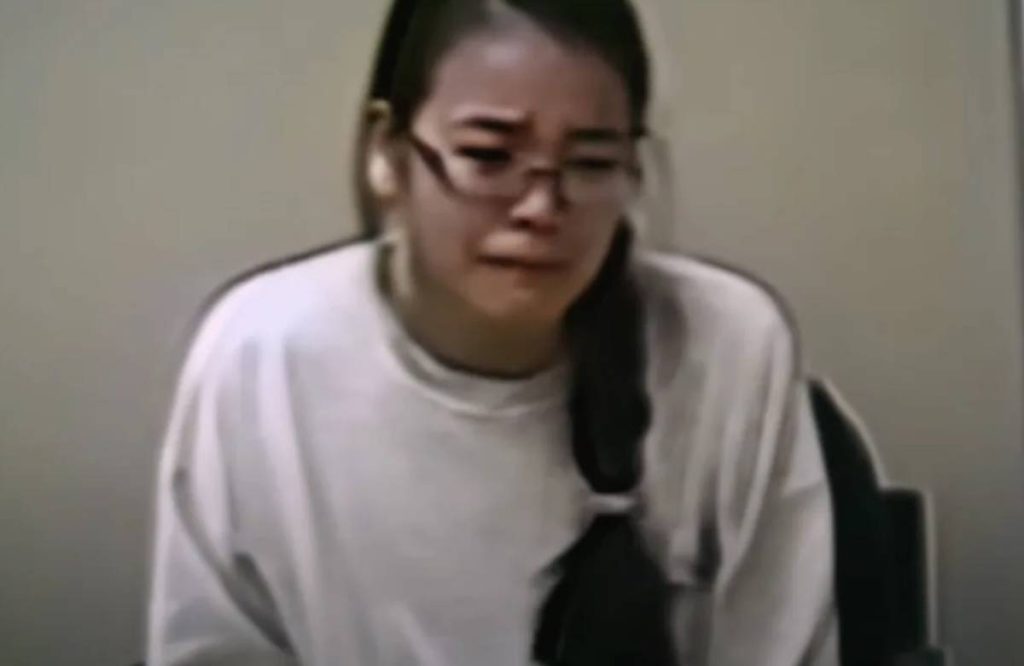
Where the Other Four Are Now
Daniel Wong, Pan’s boyfriend and the person who recruited the men who entered the home, pleaded guilty to manslaughter on February 2, 2026, and is parole-eligible following that plea.
Lenford Crawford, one of the men who entered the Pan home on November 8, 2010, is also parole-eligible following his own resolution after the retrial order.
Eric Mylvaganam was sentenced in April 2026 after his plea resolution and is likewise parole-eligible.
David Carty, known during the original trial as “Homeboy,” died in custody in 2018 before the appeal process that would eventually overturn the jury instruction-flawed convictions had begun. Carty never had the opportunity to contest the conviction that courts later found was improperly reached. Three of the five originally convicted people are now navigating parole eligibility. One died in prison under a conviction the courts later ordered retried.
Hann Pan, Jennifer’s father and the intended target, is alive but no further public update on his current location or activities has been reported since the March 2026 plea.

What Comes Next
Pan can submit a parole application to the Parole Board of Canada at any point now. There is no publicly announced timeline for whether she has done so or intends to.
What is known is that the family opposition is real, documented, and legally relevant. Hann Pan’s permanent blindness is a present-tense fact. Felix Pan’s restraining order is a present-tense fact. The agreed statement of facts Pan signed acknowledges that she arranged the circumstances that resulted in her mother’s death and her father’s permanent injury.
The question of whether a person who arranges a killing and serves 15-plus years in a Canadian federal institution can demonstrate sufficient rehabilitation to warrant supervised release is not answered by legal eligibility alone. It is answered by a structured hearing process with meaningful victim participation. That process has not concluded.
If you have been following this case since the Netflix documentary, the one thing to hold onto is this: the legal chapter is not closed. Jennifer Pan is not free. And the people most affected by what happened on November 8, 2010 are still living with the consequences of that night.
FAQ
Where is Jennifer Pan now in 2026?
Jennifer Pan is currently incarcerated at Grand Valley Institution for Women in Kitchener, Ontario. Following a March 2026 guilty plea to manslaughter, she is now eligible to apply for parole, but she has not been released. No public release date has been announced.
What did Jennifer Pan plead guilty to in March 2026?
Jennifer Pan pleaded guilty to manslaughter in the death of her mother, Bich Ha Pan. The original first-degree murder charge was withdrawn as part of the plea resolution. The agreed statement of facts she signed acknowledged that she arranged the attack intending to have her father Hann killed, not her mother.
Did Jennifer Pan’s murder charge get dropped entirely?
The first-degree murder charge was withdrawn, but Jennifer Pan is not acquitted or cleared. She pleaded guilty to manslaughter, which is still a serious criminal conviction under Canada’s Criminal Code and carries a maximum sentence of life imprisonment.
Why did Jennifer Pan’s appeal succeed?
In 2023, the Ontario Court of Appeal found that the jury at the original 2015 trial had been given improper instructions around the legal standard for planning and deliberation required to establish first-degree murder. The Supreme Court of Canada upheld that ruling in April 2025. The error did not mean Pan was innocent — it meant the jury had not been properly guided on the legal test when it reached its verdict.
Is Jennifer Pan getting a new trial in 2026?
No. Jennifer Pan was facing a new first degree murder trial after the 2025 Supreme Court ruling, but she did not go to trial. In March 2026 she pleaded guilty to manslaughter instead, and the Crown withdrew the first degree murder charge. There is no scheduled retrial.
What does parole eligible mean for Jennifer Pan under Canadian law?
Parole eligibility means Jennifer Pan can submit an application to the Parole Board of Canada for conditional release under supervision. The Board reviews the application, assesses risk to public safety, and accepts submissions from victims and their families. The Board can deny the application. There is no scheduled release date.
Is Hann Pan still alive, and what is Felix Pan’s role now?
Hann Pan is alive. He survived the November 2010 attack but was left permanently blind. Felix Pan, Jennifer’s brother, obtained a restraining order against his sister — a factor directly relevant to any parole board review. No further public update on Hann Pan’s current whereabouts or activities has been reported.
What happened to David Carty from the Jennifer Pan case?
David Carty, known during the trial as “Homeboy,” died in custody in 2018 before the appeal process began. He never had the opportunity to contest the conviction. The three surviving co-conspirators — Daniel Wong, Lenford Crawford, and Eric Mylvaganam — all reached plea resolutions and are now parole-eligible.
Did Jennifer Pan mean to kill her mother?
According to the agreed statement of facts signed as part of her March 2026 manslaughter plea, Jennifer Pan’s intended target was her father, Hann Pan, not her mother. Bich Ha Pan died because she was home that night, not because she was the target. This is the legal distinction that led to the first-degree murder charge being withdrawn.
How old is Jennifer Pan now, and is there a current photo?
Jennifer Pan is 39 or 40 as of 2026, depending on her exact birth month, which has not been made public. She was 24 at the time of the November 2010 attack and was born in 1986. Correctional Service Canada does not release photos of incarcerated individuals, so there is no publicly available current photo of her.
The clearest thing to take from this case in 2026 is the distance between a legal outcome and a human one. Jennifer Pan is parole-eligible — but eligibility is a legal status, not a verdict on what comes next. The Parole Board of Canada will weigh what she did, how she has changed, and what the people she harmed have to say.
If you want to follow what happens next, watch for Parole Board of Canada decisions as they become public, and pay attention to coverage from Canadian outlets like the Toronto Star and CBC. The Netflix documentary is a starting point, not an ending and the story it told is already a chapter behind. If you’re following how these cases resolve, other true crime cases with 2026 updates covers nine more.