H2 1: The Night of the Murder Had a Detail Colin Strickland Never Fully Explained
Colin Strickland took Moriah Wilson swimming on the evening she was murdered, and he did not tell Kaitlin Armstrong he was doing it.
Strickland and Wilson had previously dated. By May 2022, Strickland was in a relationship with Armstrong, but he and Wilson had stayed in contact. On the evening of May 11, 2022, Strickland took Wilson to Barton Springs Pool, a private swim spot in Austin. He then drove her to a friend’s house, Katherine Beltran’s home, and dropped her off. She was shot dead shortly after he left.
Strickland cooperated with investigators from the early stages of the case. He testified for the prosecution at trial and confirmed that he had not informed Armstrong about his plans with Wilson that evening. The prosecution’s argument was that Armstrong already knew through other means, including Wilson’s public social media, that Wilson was in Austin, and had tracked her location.
What Strickland Said on the Stand
On the stand, Strickland was not portrayed as a suspect. He was the connective tissue. His testimony placed Wilson at Barton Springs that evening and confirmed the timeline leading up to her death. He acknowledged the previous romantic history with Wilson and the fact that Armstrong was aware of it. What he could not explain away was the decision to meet Wilson that night without mentioning it to Armstrong. That omission became one of the prosecution’s clearest arguments for motive: Armstrong had reason to believe the relationship between Strickland and Wilson was not truly over.
H2 2: Moriah Wilson Was Shot Three Times, and the Sequence of the Shots Matters
Wilson was shot twice in the head and once in the chest, and at least some of the shots were fired after she had already fallen.
The autopsy findings, referenced in the original search warrant affidavit, indicated a close-range attack. The shot pattern and the positioning of the wounds pointed investigators toward a shooter who did not leave the scene quickly. Wilson was found on the bathroom floor of Beltran’s home. The attack was not ambiguous or rushed. It was, by every forensic indicator available in the public record, deliberate.
One of the most chilling moriah wilson case details is something that gets buried in most summaries: no shell casings were found at the scene. The absence of casings is significant because it suggests a revolver rather than a semi-automatic handgun. A revolver does not eject casings automatically. It is also harder to trace. The murder weapon has never been recovered, which means the prosecution built its case entirely on circumstantial and DNA evidence, with no ballistic match to a specific firearm.
H2 3: A Ziploc Bag Connected Armstrong to the Crime Scene
A Ziploc bag recovered from the crime scene contained a hair. DNA testing linked that hair to Kaitlin Armstrong.
This was not the only evidence presented at trial, but it was among the most concrete physical connections between Armstrong and the location where Wilson was killed. The prosecution used it alongside surveillance footage and other circumstantial evidence to argue that Armstrong had been at the residence on the night of the murder.
Armstrong’s defense team challenged the DNA evidence directly. They raised questions about how the evidence was collected, stored, and handled, arguing that the chain of custody introduced doubt about the results. The jury heard those challenges and rejected them. The deliberation took roughly three hours. For a murder trial that lasted weeks, three hours of deliberation is a fast verdict, and it suggests the jury did not find the evidence-handling arguments particularly persuasive.
H2 4: Armstrong Was Photographed Near the Scene Before Anyone Named Her Publicly
Surveillance cameras placed Armstrong near the crime scene on the night of May 11, before she was ever publicly identified as a suspect.
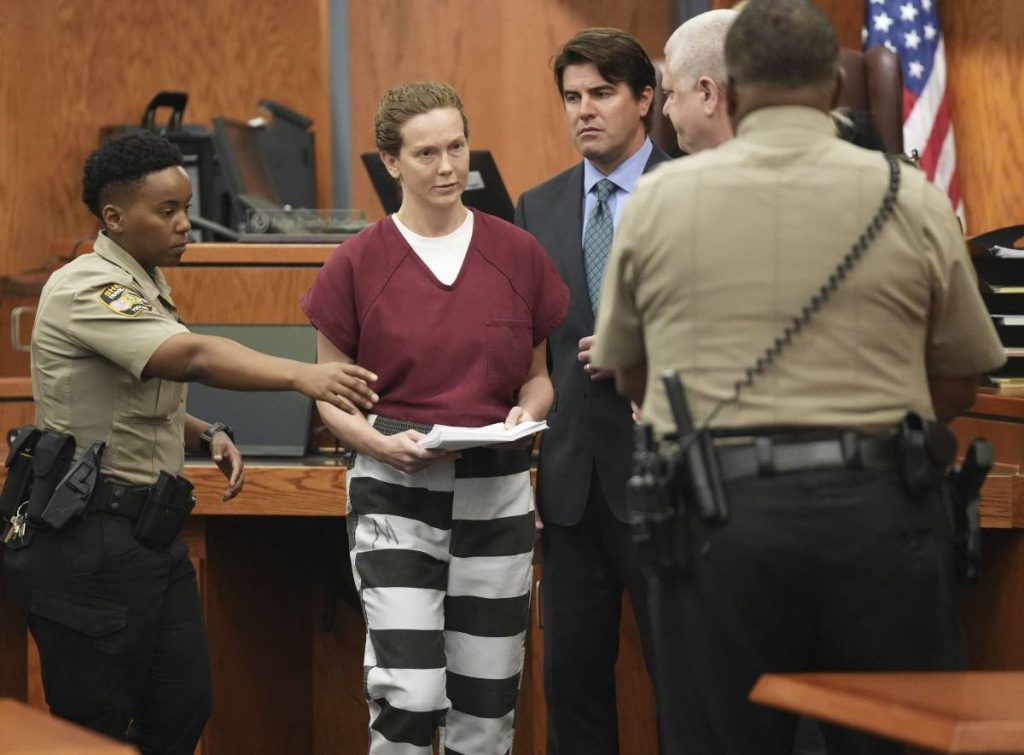
Austin police moved quickly in the days after the murder. Investigators pulled footage from cameras in the area, including a camera outside a Holiday Inn, that showed a vehicle connected to Armstrong near Beltran’s home that evening. She had not yet been named publicly when investigators identified her through this footage. By the time police were ready to formally question her, she was already gone.
Armstrong left the United States before authorities could bring her in. A federal warrant was issued within weeks of the murder. The surveillance footage that initially identified her became part of the prosecution’s case at trial, used to place her in the geographic vicinity of the killing during the relevant window of time. The Holiday Inn footage, in particular, was referenced repeatedly in early news coverage once it became public.
H2 5: Armstrong Escaped Custody During a Medical Transport Before Her Trial Even Started
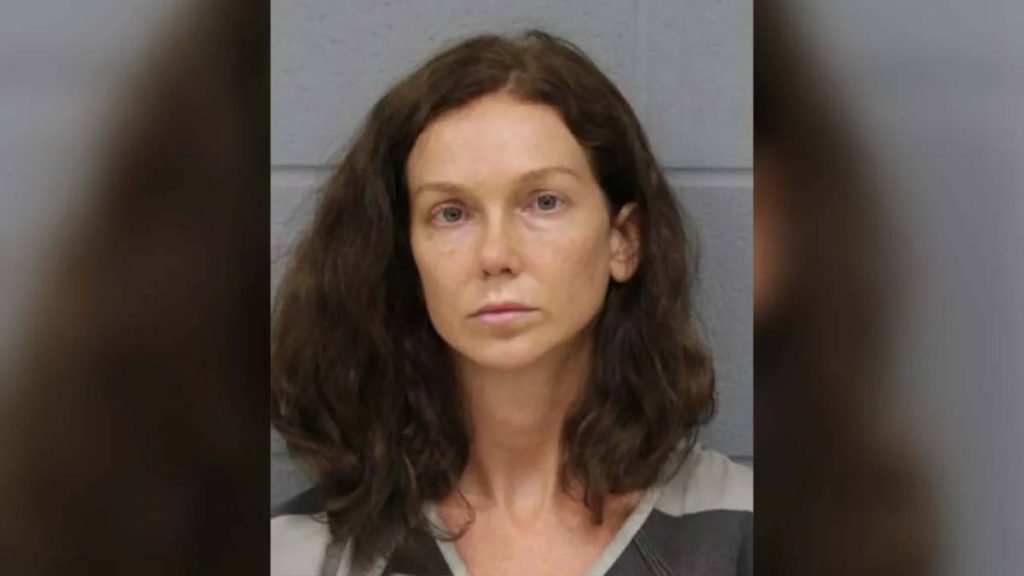
Here is the detail that most people who followed this case casually never heard: Kaitlin Armstrong escaped from U.S. custody a second time, after she had already been caught in Costa Rica and brought back to the United States.
During a medical transport while in custody, Armstrong escaped. She was recaptured, and this second disappearance was much shorter than the 43 days she spent in Costa Rica, but it happened. A woman who had already demonstrated a willingness and ability to flee across international borders managed to get out of U.S. custody while awaiting trial for murder. If the Costa Rica chapter sounded like something from a Netflix series, this part sounds like the sequel.
How Long Was Kaitlin Armstrong on the Run Each Time?
The Costa Rica disappearance lasted approximately 43 days, from shortly after the murder in May 2022 to her arrest in Santa Teresa, Costa Rica, in late June 2022. The second escape, from custody during a medical transport in the United States, lasted a significantly shorter period. She was recaptured before it became a prolonged manhunt. Both escapes were documented in court proceedings related to her pretrial detention.
H2 6: She Built a Fake Identity in Costa Rica and Had Surgery to Change Her Appearance
Armstrong did not simply run. She constructed a cover while she was on the run, and part of that cover involved physically altering her face.
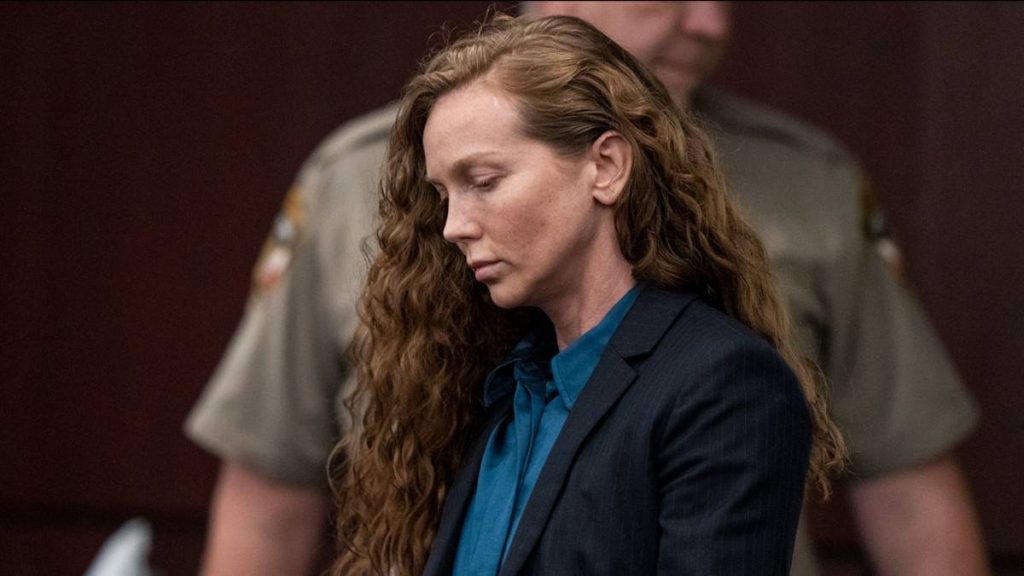
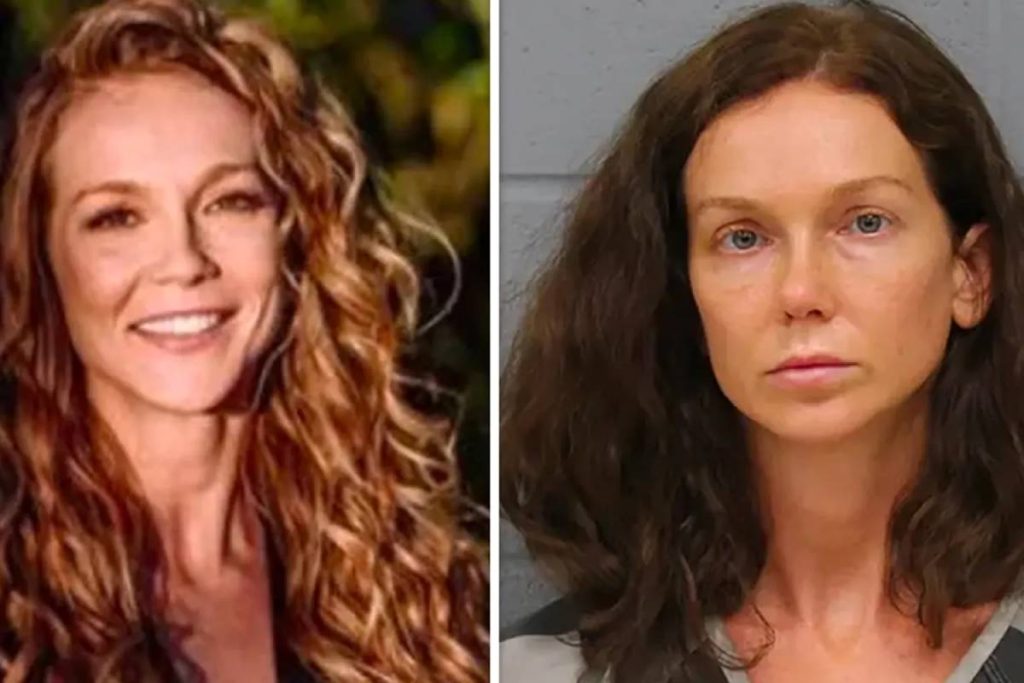
She traveled to Costa Rica using her real passport, but once there, she used a different name with the people around her. She found work at a hostel in Santa Teresa, a small beach town popular with surfers and travelers, and presented herself as someone other than Kaitlin Armstrong. She also had rhinoplasty, a nose job, during her time in Costa Rica. The cosmetic procedure was widely reported at the time of her arrest and became one of the more striking details in the story.
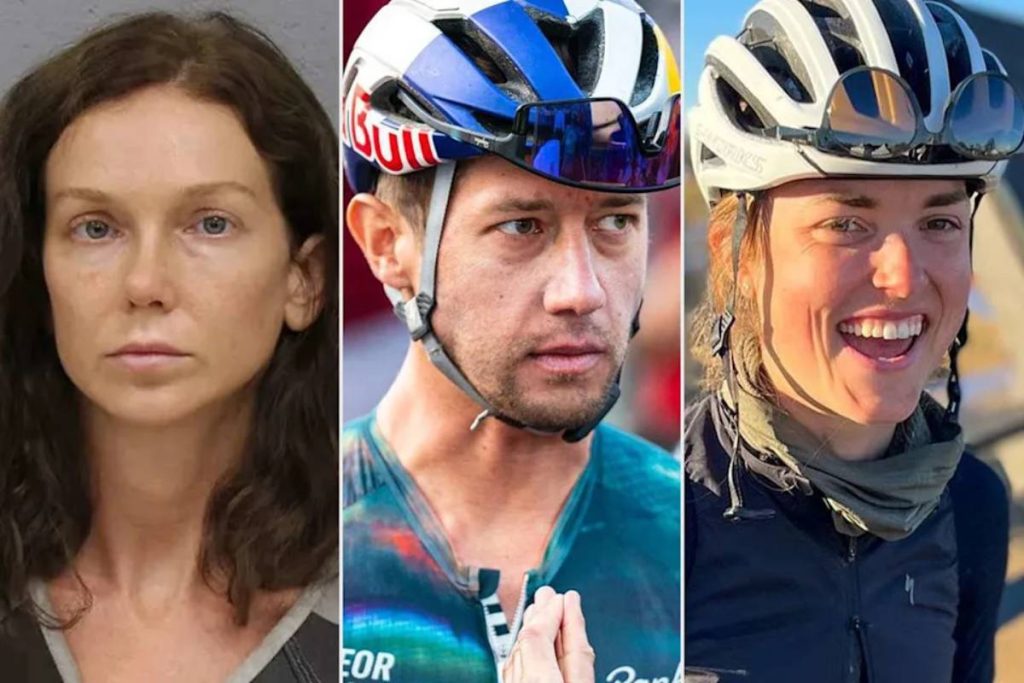
U.S. Marshals, working with Costa Rican authorities, located her in late June 2022. Despite the altered appearance, she was identified. Her arrest photo, taken in Costa Rica, circulated widely after she was taken into custody. The nose job had not been enough.
H2 7: The Yoga Studio Connection Was Not a Coincidence
Kaitlin Armstrong and Moriah Wilson were not strangers. They moved in the same social orbit in Austin, and the point of overlap was Armstrong’s yoga studio.
Armstrong owned and operated a yoga studio in Austin. Wilson had attended the studio. The two women had at minimum a passing acquaintance before any romantic conflict entered the picture, and both of them were connected to the same man. This was not a random attack. It was not a case of mistaken identity. The prosecution’s argument was that Armstrong had specific knowledge of who Wilson was, had reason to see her as a threat, and acted on that belief.
The fact that the killer and the victim attended the same fitness space is one of those moriah wilson case details that rewires how you think about the whole story. Most summaries frame this as a love triangle with two distant points. The yoga studio connection collapses that distance considerably.
H2 8: Armstrong’s Defense Did Not Deny the Relationship Triangle. It Attacked the Evidence.
Armstrong did not take the stand in her own defense. Her attorneys did not offer an alternative theory of who killed Moriah Wilson. Instead, they went after the evidence itself.
The defense strategy centered on three arguments. First, that the DNA evidence from the Ziploc bag was compromised by improper handling. Second, that the surveillance footage did not conclusively place Armstrong inside the residence. Third, that the case against their client relied heavily on inference rather than direct proof. These are standard defense arguments in circumstantial cases, and they were not frivolous. But the jury was not persuaded.
How Long Did the Jury Deliberate?
The jury deliberated for approximately three hours before returning a guilty verdict on November 16, 2023. The speed of the deliberation was widely noted by legal observers and journalists covering the trial. In a case where the defense had spent weeks attacking evidence collection and handling, a three-hour deliberation signals that the jury found the prosecution’s case significantly more compelling than the defense’s counterarguments. Armstrong was convicted on the murder charge.
H2 9: The 90-Year Sentence Comes With a 30-Year Parole Floor
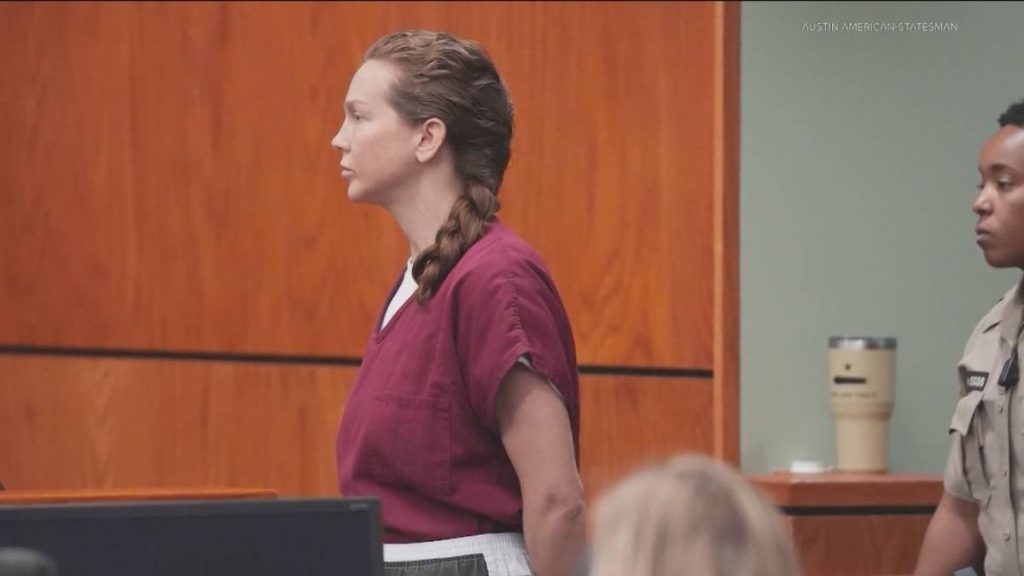
Armstrong was sentenced to 90 years in prison. She is not eligible for parole until she has served 30 years.
Armstrong was born in 1988. That means her earliest possible parole eligibility arrives when she is in her late 50s, assuming no additional time is added and standard calculations apply. The 90-year sentence was handed down following the guilty verdict. The parole structure under Texas law means that while the number 90 sounds like a functional life sentence, it is not a life-without-parole situation. She retains the legal possibility of release, though it is a distant one.
No additional charges related to her escape from custody were folded into the trial’s sentencing proceeding. The escape had its own legal implications, but the 90 years reflects the murder conviction alone.
—
H2 10: Moriah Wilson Was Ranked Among the Top Gravel Cyclists in the Country at 25
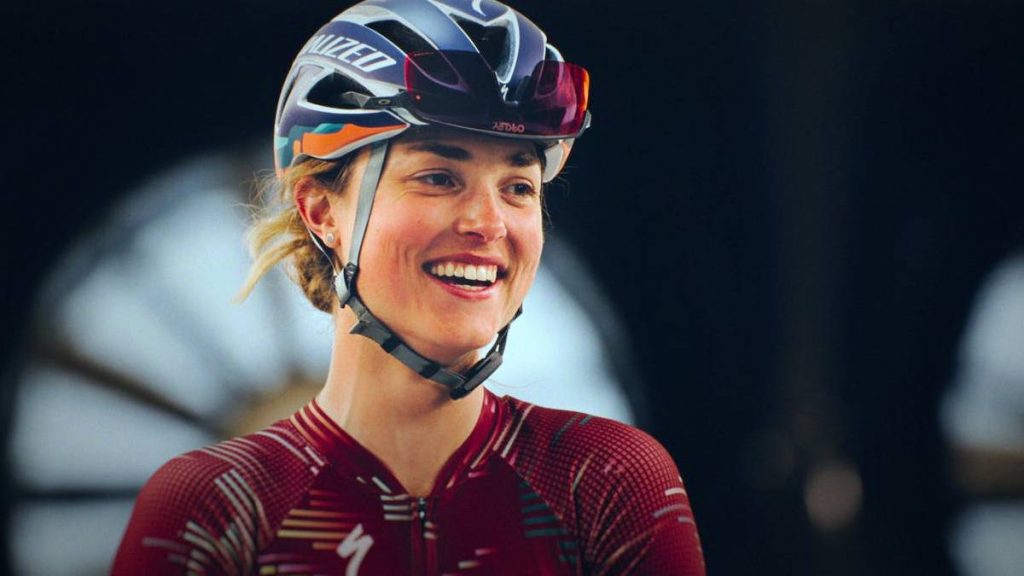
Moriah Wilson was not a promising amateur. She was a professional, and by 25, she was one of the most decorated young cyclists in gravel and mountain bike racing in the United States.
Wilson had won multiple professional races and was considered a genuine contender for top-level titles in her discipline. She had relocated multiple times to train and compete at the level her talent demanded. Gravel cycling as a discipline had grown significantly in the years before her death, and Wilson was one of the faces of that growth. The cycling community’s response to her death was not simply grief. It was the loss of someone who was actively in the process of becoming one of the best in her sport.
Several races have since been dedicated to her memory. Coverage that reduces her to the victim in a love triangle is covering the least interesting version of her story. She was, by any serious sports standard, exceptional.
H2 11: Colin Strickland Has Not Competed Professionally Since 2022
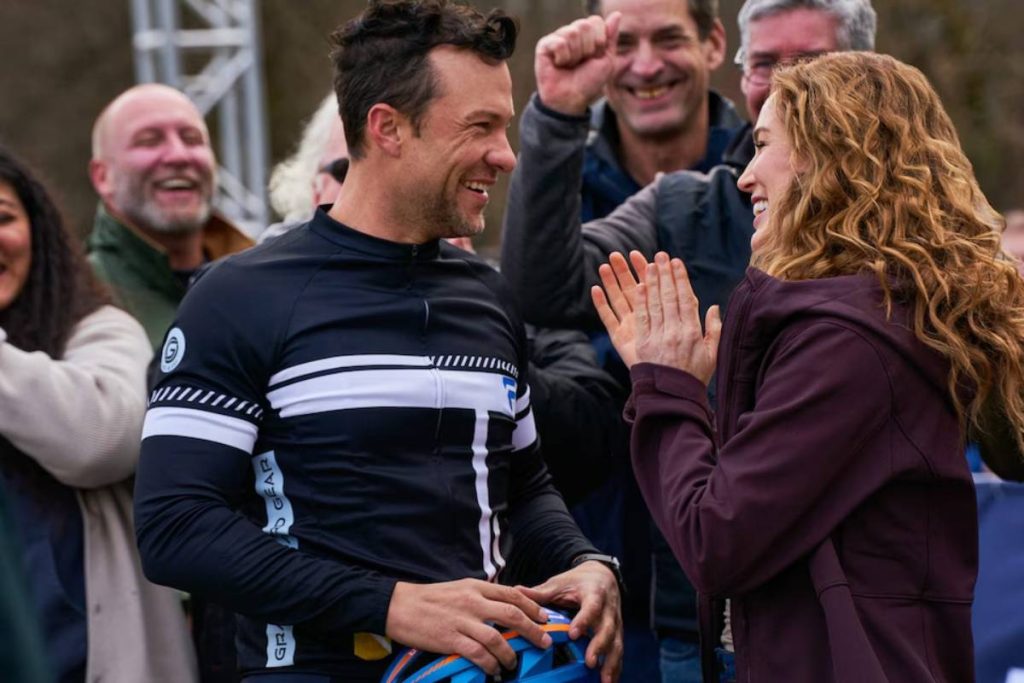
Colin Strickland left professional cycling after Moriah Wilson’s death and has not returned.
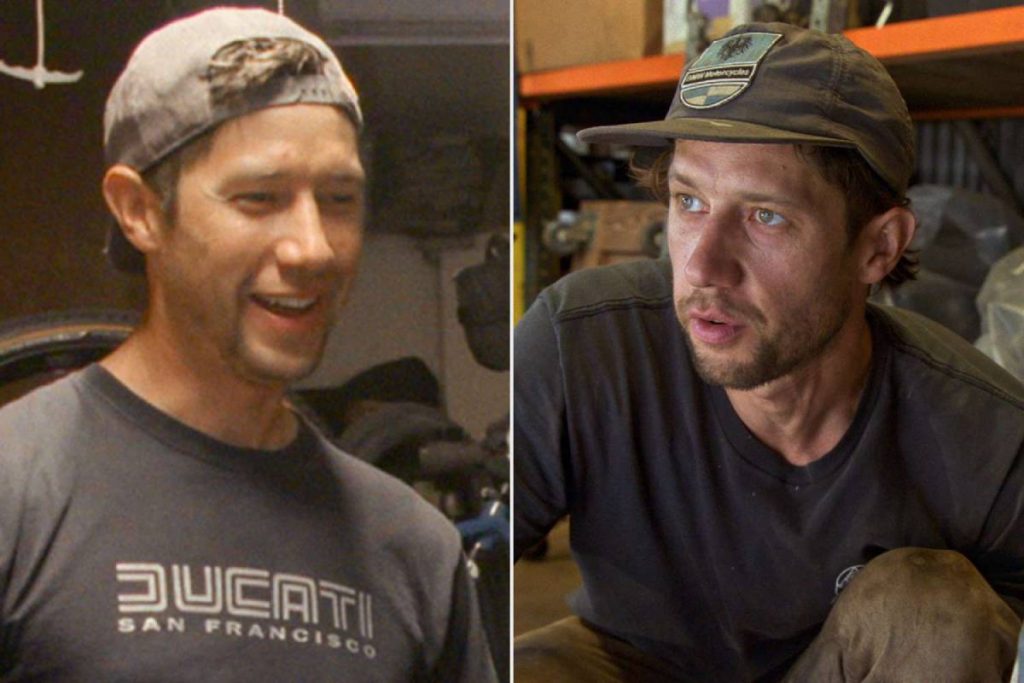
He cooperated with investigators, testified at trial, and then stepped out of public life almost entirely. His relationship with Armstrong ended. He has reportedly taken up work in automobile restoration, a significant departure from elite cycling. His place in the case is genuinely strange: he was the person who introduced the two women’s worlds to each other, the last person to see Wilson alive in a social setting, and the star prosecution witness against his former partner.
Strickland was never charged with any crime. His cooperation with the prosecution was voluntary. He has not given extensive media interviews about his life since 2022. For someone at the center of one of the most discussed true crime cases of the decade, his absence from the public conversation has been almost complete.
H2 12: A Netflix Documentary About Wilson’s Life Arrived in 2026
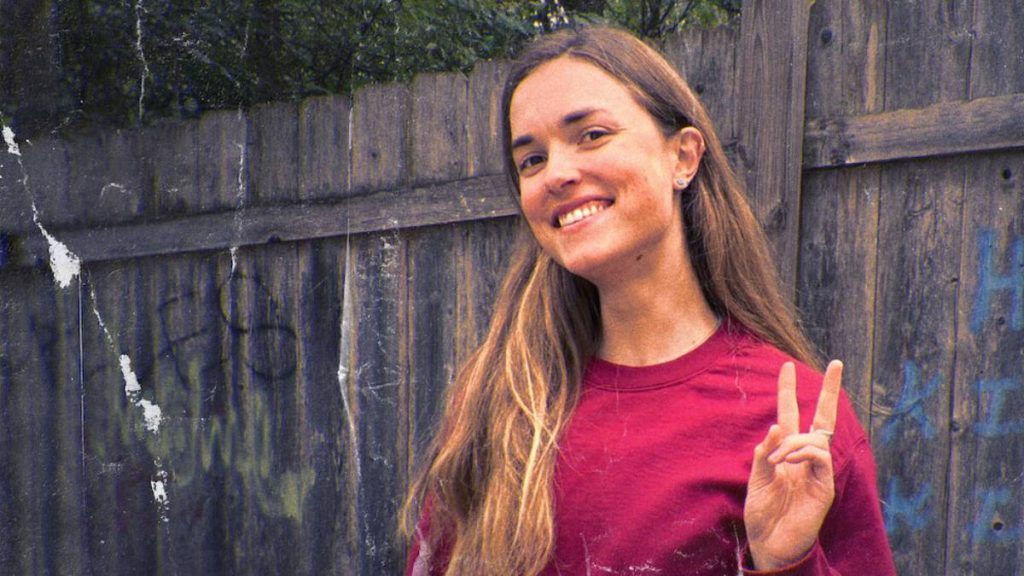
In April 2026, Netflix released “The Truth and Tragedy of Moriah Wilson,” a documentary that treats Wilson as an athlete first and a victim second.
The documentary covers her career, her relationships, and the aftermath for her family. The New York Times reviewed it in April 2026. The film brought renewed attention to details that had been in the public record since the trial but had not received sustained coverage. If you are reading this piece for the first time and some of these facts are new to you, that is exactly why the documentary matters: it surfaces the specifics that got lost in the headline cycle during the original trial news coverage.
The documentary is also notable for what it chooses to center. Wilson’s family and the cycling world’s reaction feature prominently. The film is not simply a crime documentary. It is an attempt to reconstruct who Wilson was before the case defined how most people know her name.
H2 13: The Case Has an Open Thread Most People Have Not Pulled
The murder weapon was never found. Armstrong never confessed. The case closed legally with a conviction, but several threads in the public record remain genuinely unresolved.
The defense’s challenges to the DNA evidence handling were never resolved with public counter-evidence. The prosecution won the verdict, but the questions about collection and storage that Armstrong’s attorneys raised were answered by a jury’s conclusion, not by a public accounting of the lab process. The full evidence package from the case has not been released publicly in searchable form.
For a case this high-profile, the gap between what the public knows and what was actually argued in the courtroom is larger than most people realize. The conviction is not in doubt. The texture of how the evidence was built, challenged, and ultimately accepted is a story that has not been fully told in accessible form.
The Part Most Crime Coverage Gets Wrong About This Story
Every case has a version of itself that travels and a version that is actually true. The version of the Moriah Wilson case that traveled was: jealous girlfriend, dead cyclist, Costa Rica, caught, convicted, done.
The version that is actually true is more specific, more layered, and more disturbing. A nose job in a beach town. A second escape from custody. A Ziploc bag. A three-hour deliberation after weeks of trial. A murder weapon that has never surfaced. And a 25-year-old athlete who was, by almost every professional measure, on her way to being extraordinary, reduced in most headlines to the woman Colin Strickland had dated.
The detail worth sitting with is this: the prosecution won a murder conviction with no gun, no confession, and a defense team that spent weeks attacking the physical evidence. If you want to understand how that happened, the trial itself is worth reading closely. The documentary is a good place to start for the human context. The evidence layer is a longer read, but it pays off.
FAQ
What did the autopsy reveal about Moriah Wilson’s death?
The autopsy found three gunshot wounds: two to the head and one to the chest. The findings indicated a close-range attack, with at least some shots fired after Wilson had already fallen. No shell casings were recovered at the scene, which suggested the weapon was a revolver rather than a semi-automatic firearm. The murder weapon was never found. These findings were referenced in the original search warrant affidavit filed by Austin police investigators in the days following the May 11, 2022 shooting.
How did police find Kaitlin Armstrong in Costa Rica?
Armstrong had traveled to Costa Rica using her real passport but was using a different name and working at a hostel in Santa Teresa, a beach town on the Pacific coast. She had also undergone rhinoplasty to alter her appearance. U.S. Marshals working in coordination with Costa Rican authorities tracked her down approximately 43 days after the murder. Despite the changed appearance, she was identified and arrested in late June 2022. She was subsequently extradited to the United States to face murder charges.
What evidence was used to convict Kaitlin Armstrong?
The prosecution’s case relied on three main categories of evidence: surveillance footage from cameras near the crime scene placing Armstrong’s vehicle in the area on the night of May 11, 2022; DNA testing linking a hair found inside a Ziploc bag at the crime scene to Armstrong; and testimony from Colin Strickland establishing the timeline and the fact that he had not told Armstrong about his plans with Wilson that evening. No murder weapon was ever recovered. The jury returned a guilty verdict after approximately three hours of deliberation on November 16, 2023.
When is Kaitlin Armstrong eligible for parole?
Under Texas law, Armstrong becomes eligible for parole after serving 30 years of her 90-year sentence. Armstrong was born in 1988, which places her earliest possible parole eligibility in her late 50s. This is a legal eligibility date, not a guarantee of release. Parole boards consider multiple factors, and eligibility does not mean approval. The 90-year sentence was handed down following her November 2023 murder conviction. No additional time from her escape during a medical transport was included in that proceeding.
Was the murder weapon in the Moriah Wilson case ever found?
No. The murder weapon has never been recovered. The absence of shell casings at the crime scene led investigators to conclude the weapon was likely a revolver, which does not automatically eject casings. The prosecution built its case without a firearm in evidence, relying instead on DNA evidence, surveillance footage, and circumstantial evidence to establish guilt. Armstrong was convicted despite the weapon never being found. Its absence is one of the more significant unresolved details in the public record of the case.
Did Kaitlin Armstrong know Moriah Wilson personally before the murder?
Yes, the two women had at minimum a passing acquaintance. Wilson had attended the yoga studio that Armstrong owned and operated in Austin. Both women were also connected to Colin Strickland, Wilson through a prior romantic relationship and Armstrong as his current girlfriend at the time of the murder. This was not a stranger attack. The prosecution argued that Armstrong had specific knowledge of who Wilson was and viewed her as a threat to her relationship with Strickland.
Did Kaitlin Armstrong escape from custody twice?
Yes. The first escape happened before her arrest when she fled to Costa Rica after the murder, spending approximately 43 days as a fugitive before being caught in Santa Teresa in June 2022. The second escape occurred after she had already been extradited to the United States to await trial. During a medical transport while in U.S. custody, she escaped. This second escape lasted a much shorter period and she was recaptured before it became a prolonged manhunt. Both incidents were documented in pretrial court proceedings.