The Short Answer: No, Disney+ Does Not Have Every DCOM
Disney+ launched with roughly 500 films and 7,500 TV episodes. The DCOM catalog at that point numbered well over 100 titles. A meaningful chunk of them did not make the cut, and Disney never announced which ones were missing or why.
The gaps were discovered entirely by fans. No press release, no removal notice, no email to subscribers. People searched, didn’t find what they were looking for, and started comparing notes in Reddit threads and fan forums. That’s still how most DCOM absences get documented today.
The clearest proof that Disney never treated the DCOM catalog as untouchable came in February 2024. Disney removed over 120 titles from Disney+ in Europe, the Middle East, and Africa in a single week. The bulk of those titles were DCOMs and vintage Disney live-action films, per Deadline’s coverage of the event. No equivalent mass removal was officially announced for the U.S. market, but individual titles have been cycling in and out since the platform launched in 2019.
This is not a case of nostalgia being unreliable. These movies existed in a Disney-owned catalog. Something active happened to make them unavailable. Understanding what that something was is the only way to figure out whether they’re coming back.
For more on where the most beloved of these movies was actually made, the Halloweentown filming locations breakdown covers the real-world spots behind the fictional Cromwell world.
Why Disney Channel Movies Get Removed: The Four Real Reasons
Not all DCOM removals are created equal. There are four distinct categories, and each one tells you something different about a title’s chances of returning.
Licensing Agreements with Third-Party Distributors
Some DCOMs were produced under co-production deals with outside studios or distributors. Disney did not have full unilateral ownership of those titles. When Disney+ was built, certain films arrived with existing distribution contracts that predated streaming rights negotiations.
Tiger Cruise (2004) is the clearest example in the DCOM world. The film was produced in partnership with the U.S. Navy and aired on ABC Family before making its way to Disney Channel. The rights situation around that production did not transfer cleanly into Disney’s streaming infrastructure.
Gen X Cops (1999) is a different flavor of the same problem. It was a Hong Kong action film that Disney licensed for U.S. distribution rather than a production it owned outright. When the licensing window closed, Disney had no grounds to maintain it on the platform.
Titles in this category are the least likely to return. Disney would need to renegotiate rights it never fully controlled, and for lower-traffic catalog titles, the financial case for doing that is weak.
Uncleared Music and Talent Rights
Broadcast rights and streaming rights are not the same contract. A movie can be fully licensed for television and still lack the clearances needed to stream it. This is particularly true when a film contains music that was only licensed for a specific window or medium.
The Cheetah Girls films (2003, 2006, 2008) present this issue in full color. The movies contain original songs produced under music licensing agreements that were not automatically extended to streaming when Disney+ launched. The third film adds a talent-dispute layer on top of the music problem, as it was filmed without the original core cast following a reported falling out among the group.
Ready to Run (1997) featured a contemporary country soundtrack, and the streaming rights for that music were never resolved. The film has never appeared on Disney+ as a result.
For titles in this bucket, a return is possible but not guaranteed. Disney would need to decide the renegotiation cost is worth it, and for a film from 1997 with a niche audience, that calculation is a tough sell.
Content Concerns and the Quiet Vault Decision
Disney has always used the vault as a tool for managing how and when certain content reaches audiences. The streaming era introduced a new version of that practice: removal without announcement.
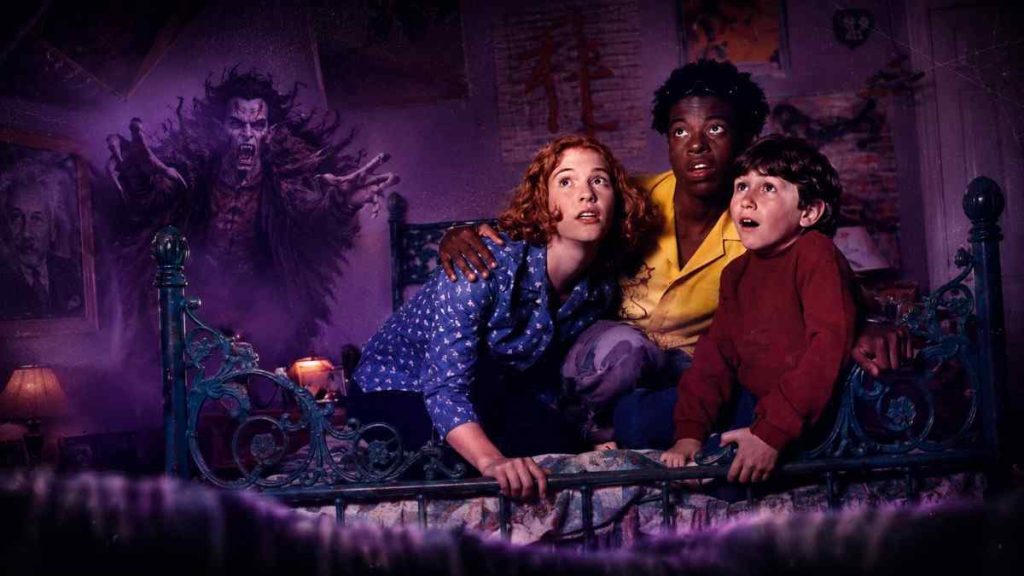
Don’t Look Under the Bed (1999) is the most discussed example in DCOM circles. The film features a boogeyman figure and deals with themes that were considered unusually dark for Disney Channel even at the time of broadcast. It was removed from Disney+ without explanation and has never returned. The full story of why Don’t Look Under the Bed disappeared goes deeper into the content concerns behind that specific decision.
Content concern removals are not cancellations in any formal sense. Disney does not announce them, issue statements about them, or acknowledge them when asked. They happen quietly, which is exactly why the fan community has to track them manually.
Titles in this category are unlikely to return to Disney+ as streaming content. They may eventually become available for digital purchase if Disney decides to license them to other platforms. But the window of a quiet streaming return has largely closed for the ones that have been out the longest.
Regional Rights and Cost-Cutting Without a U.S. Announcement
The 2024 EMEA mass removal was explicitly framed by industry coverage as a cost-reduction move. Hosting content at scale costs money: storage, licensing maintenance, subtitle and dubbing overhead for regional markets. When viewership data shows low engagement on older titles, the financial case for keeping them tips toward removal.
Regional licensing creates a genuinely confusing situation for fans. Some titles are available on Disney+ in the U.K. or Australia but not in the U.S. A viewer in one country reports a movie as available while a viewer in another reports it as gone, and both are correct about their own experience.
Titles removed for regional cost reasons are actually the most likely to return. The decision is purely financial and can shift. A nostalgic news cycle, a well-timed anniversary, or a sustained fan campaign can change the math. These removals are business decisions, not creative or legal ones.
Disney Channel Movies That Were on Disney+ and Got Pulled
These titles were on the U.S. Disney+ platform at some point and have since been removed. This is distinct from titles that were never added at all.
Don’t Look Under the Bed (1999)
Don’t Look Under the Bed was on Disney+ after launch and is no longer there. The removal happened without announcement, which is consistent with how Disney handles content-concern pulls across its catalog.
The film follows a high school girl who discovers the boogeyman is real and teams up with an imaginary friend to fight back. For a Disney Channel broadcast in 1999, it was genuinely scary, featuring creature effects and tonal choices that sat closer to PG-13 territory than the platform’s usual fare. Disney Channel actually limited its rerun airings during its original run, which tells you something about how comfortable the network was with what they had made.
Disney has not offered a public explanation for the Disney+ removal. The absence is best understood as a quiet vault decision made during the platform’s content review phase. What makes this one stick in the collective memory is that Don’t Look Under the Bed was genuinely beloved by the kids who saw it, so its absence feels louder than most.
Current status: Not available for streaming in the U.S. Available for digital purchase on Amazon Prime Video and Vudu.
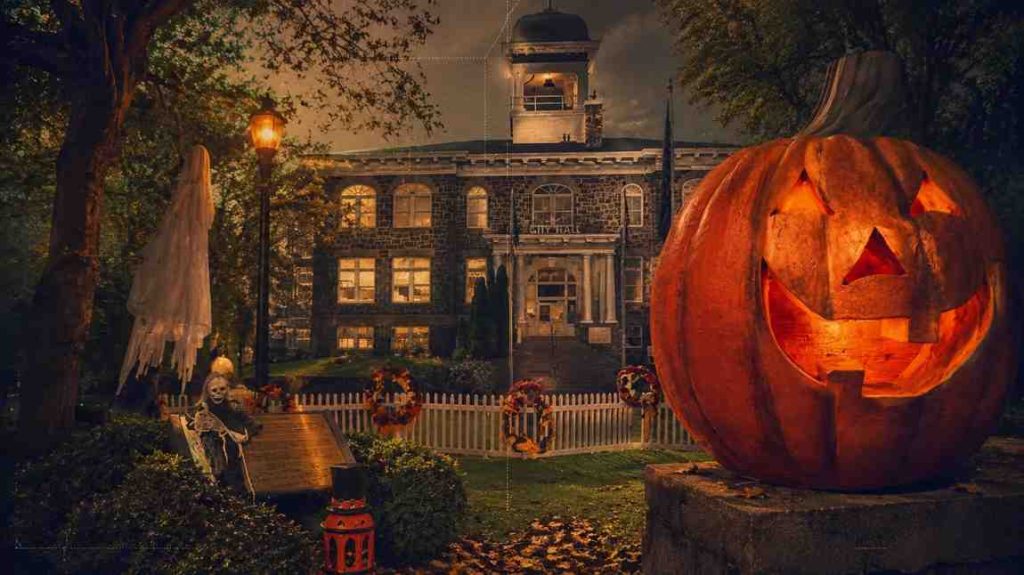
Halloweentown, Halloweentown II, Halloweentown High, and Return to Halloweentown (1998–2006)
The Halloweentown situation is one of the most misunderstood DCOM cases in the entire conversation. These films are not straightforwardly removed from Disney+. The reality is messier and more frustrating.
The first two films have appeared on Disney+ seasonally, surfacing around October and disappearing again by November. Halloweentown High (2004) and Return to Halloweentown (2006) have had even spottier availability. None of the four films have maintained year-round availability on Disney+ in the U.S.
The dominant explanation among fans is that Freeform holds some form of seasonal exclusivity over the franchise. This would explain why all four films reliably appear on Freeform during its “31 Nights of Halloween” programming block. The specific licensing arrangement has not been officially confirmed, but the pattern is too consistent to be coincidental.
Current status: Available seasonally on Freeform and the Freeform app, typically October only. Check Disney+ in late September, as availability can appear briefly before the full Freeform seasonal window opens.
Twitches and Twitches Too (2005–2007)
Both Twitches films were available on Disney+ and have since been removed. They starred Tia and Tamera Mowry as twin witches who discover they were separated at birth and must work together to save a magical realm. The combination of genuine charm, a PG family-friendly tone, and Halloween-adjacent theming made them perennial fan favorites.
The removal likely connects to music licensing. Both films contain original songs and score elements produced under agreements tied to their original broadcast window. Whether those agreements were extended to streaming, and for how long, has never been publicly clarified by Disney.
Tia Mowry confirmed in a 2022 social media post that she would love to see a Twitches 3 happen. That doesn’t fix the licensing problem, but it does indicate the franchise isn’t entirely dormant from the talent side.
Current status: Not currently available for streaming in the U.S. Available for digital purchase on Amazon Prime Video, Apple TV, and Vudu.
Life-Size (2000) and Life-Size 2 (2018)
Life-Size starred a young Lindsay Lohan and Tyra Banks, with Banks playing a Barbie-style doll brought to life. It was a Disney Channel staple in the early 2000s and has accumulated nostalgic goodwill well beyond its original audience. Life-Size 2 was a Freeform sequel that brought Banks back without Lohan.
Both films have been on Disney+ and both have been removed. The first film’s removal is complicated by Lohan’s shifting public profile through the 2000s and 2010s, though whether that contributed to the removal or whether it was a standard licensing decision is not publicly documented. The second film’s removal is more straightforwardly explained by the fact that it was produced for Freeform rather than Disney Channel, and Freeform content has generally had a less consistent home on Disney+.
Current status: Life-Size is available for digital purchase on Amazon Prime Video and Apple TV. Life-Size 2 availability varies by platform. Neither is currently streaming for free in the U.S.
Tiger Cruise (2004)
Tiger Cruise followed a girl aboard a Navy ship for a “tiger cruise” when September 11th happens. The film aired on Disney Channel in August 2004 and was one of the more emotionally serious productions the channel made during that era.
The removal traces directly to the co-production arrangement with the U.S. Navy. The Navy’s involvement created a rights situation that did not transfer cleanly to streaming infrastructure. This is a case where the very thing that made the movie distinctive is also what makes it legally complicated to stream.
Current status: Not available for streaming. Limited digital purchase availability. This is one of the harder titles to track down legally.
A Bear Named Winnie (2004)
A Bear Named Winnie is a Canadian-British co-production that aired on Disney Channel in the U.S. but was produced by multiple outside studios. The film tells the real story of a bear cub named Winnipeg who was brought to London by a Canadian soldier during World War I and later inspired A.A. Milne to name his fictional bear Winnie-the-Pooh.
The co-production structure is almost certainly what keeps this one off Disney+. The film involves Canadian and British production companies whose streaming rights were never consolidated under Disney’s ownership. The Winnie-the-Pooh connection to a franchise Disney does own does not automatically extend to a live-action film about the real bear’s history.
Current status: Not available for streaming in the U.S. Occasionally available for digital purchase; check current availability on Amazon and Apple TV.
Gen X Cops (1999)
Gen X Cops was not a Disney original production in any meaningful sense. It was a Hong Kong action comedy that Disney distributed in certain markets, featuring Jackie Chan in a supporting producer and cameo role. Disney Channel aired it in the U.S. during a programming period when the channel was experimenting with licensed international content.
When the licensing window closed, Disney had no ownership claim that would allow it to host the film on a subscription streaming platform. The film belongs to a category of titles that appeared on Disney Channel but were never actually Disney’s to keep.
Current status: Not available on Disney+. Available on some international streaming platforms and occasionally for digital purchase depending on region.
Disney Channel Movies That Were Never Added to Disney+
These titles have a different problem. They were never on Disney+ to begin with, which means there is no removal event to point to. The absence is harder to document and often harder to explain.
Smart House (1999)
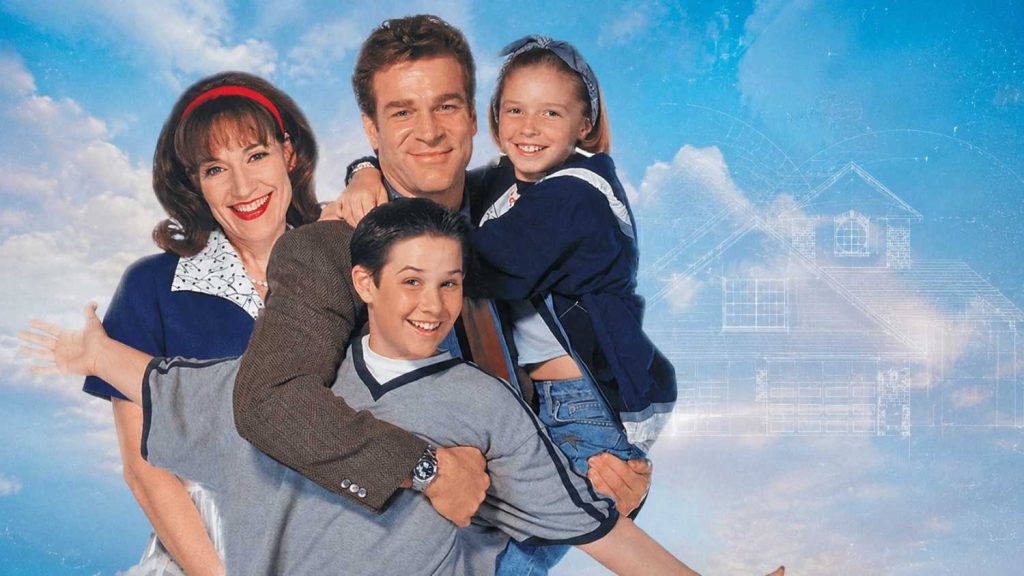
Smart House featured a teenage boy who wins a fully automated house, only for the AI running it to develop a maternal obsession with the family. For a 1999 Disney Channel movie, it was surprisingly prescient about the anxieties around smart home technology, and it has accumulated a devoted following.
The film has never appeared on U.S. Disney+. The most likely explanation is a music licensing gap in the original broadcast agreements that was never resolved for streaming. The original score and any licensed tracks from 1999 would require separate streaming clearances.
If you want to catch up with the cast now, the Smart House cast reunion breakdown covers what happened to the actors after the film.
Current status: Not on Disney+. Available for digital purchase on Amazon Prime Video and Vudu.
Brink! (1998)
Brink! followed a teenage inline skater navigating the tension between staying true to his street skating crew and going pro. It is, by general consensus among DCOM fans, one of the best films the channel ever produced. The cast commitment and the emotional stakes were genuinely higher than most of what surrounded it in the late-90s Disney Channel lineup.
The absence from Disney+ has never been officially explained. Given the film’s age and the fact that it predates the digital streaming era entirely, the most plausible explanation is unresolved music or talent rights from the original production agreements.
For anyone curious about what the cast has been doing since, the Brink! cast update tracks down the actors from the film.
Current status: Not on Disney+. Available for digital purchase on Amazon Prime Video, Apple TV, and Vudu.
Motocrossed (2001)
Motocrossed is a gender-swap sports story in which a girl disguises herself as her injured brother to compete in motocross racing. It is one of the more quietly feminist DCOMs of the early 2000s and has a vocal fanbase that has been asking about its Disney+ absence for years.
Like several titles from this era, the most likely culprit is music rights. The soundtrack featured licensed tracks from contemporary artists, and those clearances were typically negotiated for a specific broadcast window rather than in perpetuity.
Current status: Not on Disney+. Available for digital purchase on Amazon Prime Video and Vudu.
The Thirteenth Year (1999)
The Thirteenth Year followed a boy who discovers on his thirteenth birthday that his biological mother is a mermaid and that he is developing aquatic abilities. The premise is genuinely strange for a Disney Channel production, and that strangeness is part of why it’s remembered so fondly.
The film has never appeared on Disney+. No official explanation exists. Given its 1999 production date and the typical patterns of early DCOM rights structures, a music or talent rights gap in the original agreements is the most plausible explanation.
Current status: Not on Disney+. Limited digital purchase availability. This one requires some searching.
Ready to Run (1997)
Ready to Run is one of the earlier entries in the DCOM catalog, predating the “Disney Channel Original Movie” branding that would become standardized in 1998. The film follows a Puerto Rican girl in Texas who befriends a wild horse. The contemporary country music soundtrack was a big part of the film’s identity and is almost certainly the reason it has never appeared on Disney+.
Streaming rights for music-heavy films from the late 1990s require individual track clearances. For a low-viewership title, the cost-benefit calculation for clearing those rights is difficult to justify.
Current status: Not on Disney+. Currently one of the hardest DCOMs to find through any legal channel.
Zenon: Girl of the 21st Century and Its Sequels (1999–2004)
Zenon: Girl of the 21st Century (1999), Zenon: The Zequel (2001), and Zenon: Z3 (2004) follow a girl living on a space station in the far-off year of 2049. The original film is one of the most referenced DCOMs in the nostalgia conversation, partly because of how confidently it predicted a future that was both specific and charmingly wrong.
None of the three Zenon films are on Disney+. Given that all three were Disney Channel originals without obvious co-production complications, the most likely explanation is unresolved music rights. The films featured original songs including the extremely memorable “Zoom, Zoom, Zoom,” which would require active rights management to stream legally.
Current status: None of the three films are on Disney+. Limited digital purchase availability across platforms.
Get a Clue (2002)
Get a Clue starred Lindsay Lohan as a teenage journalist investigating a mystery at her school. It is one of several early Lohan Disney projects that have developed complicated streaming histories as her public profile shifted over the years.
The film has never appeared on Disney+. Whether that absence traces to the Lohan factor, to music rights, or to something else in the original production agreements has not been officially explained.
Current status: Not on Disney+. Available for digital purchase on Amazon Prime Video and Vudu.
Disney Channel Movies That Are Partially Available: Regional, Seasonal, and Platform-Specific
Some DCOMs exist in a genuinely frustrating middle state. They’re not gone. But they’re not reliably accessible either.
The Halloweentown Freeform Situation, Explained
The Halloweentown franchise’s relationship with Disney+ is best described as seasonal availability rather than a true streaming home. The films tend to appear on Disney+ in October and disappear by November, while Freeform airs all four films reliably as part of its annual Halloween programming block.
The likely explanation is a licensing arrangement that gives Freeform priority during the Halloween window. Freeform, which was previously ABC Family, aired the Halloweentown films for years before Disney+ existed. Those broadcast agreements did not simply disappear when Disney+ launched.
The practical result for the viewer: if you want to watch these films outside of October, Disney+ may not help you. Your options are the Freeform app (which requires a cable login), digital purchase, or waiting for the annual window.
Cheetah Girls Films and Their Split-Platform Status
The three Cheetah Girls films (2003, 2006, 2008) have had split availability since Disney+ launched. Music rights are the core problem. The films are essentially music vehicles as much as narrative ones, and the original licensing agreements for those songs created a complicated clearance situation for streaming.
The first film has been the most consistently available of the three, likely because its music rights are the simplest. The third film has the most complicated situation due to both the talent separation and the music licensing structure. Availability for all three films varies by region.
Titles Available in Some Countries but Not the U.S.
Regional licensing means the same Disney+ subscription can give very different results depending on where you’re watching. Several DCOMs that are not available on U.S. Disney+ are accessible to subscribers in the U.K., Australia, or Canada.
This situation exists because distribution rights for older content were often negotiated territory by territory. Disney+ inherited those existing arrangements rather than starting from scratch, which is why the catalog is inconsistent across markets.
Using a VPN to access content available in another Disney+ region violates Disney+’s terms of service. The only legal option for U.S. viewers when a title is available internationally but not domestically is digital purchase through a U.S. storefront.
Where You Can Actually Watch These Movies Right Now
When Disney+ doesn’t have the DCOM you’re looking for, these are your real options.
| Title | Currently Streaming | Digital Purchase | Notes |
|---|---|---|---|
| Don’t Look Under the Bed | Nowhere free | Amazon, Vudu | Verified June 2025 |
| Halloweentown (all four) | Freeform (October only) | Amazon, Apple TV | Disney+ seasonal in Oct |
| Twitches / Twitches Too | Nowhere free | Amazon, Vudu, Apple TV | Verified June 2025 |
| Life-Size | Nowhere free | Amazon, Apple TV | Verified June 2025 |
| Life-Size 2 | Nowhere free | Check current availability | Varies by platform |
| Tiger Cruise | Nowhere free | Limited availability | Hardest to find legally |
| Smart House | Nowhere free | Amazon, Vudu | Verified June 2025 |
| Brink! | Nowhere free | Amazon, Apple TV, Vudu | Verified June 2025 |
| Motocrossed | Nowhere free | Amazon, Vudu | Verified June 2025 |
| The Thirteenth Year | Nowhere free | Limited availability | Check Amazon and iTunes |
| Ready to Run | Nowhere free | Very limited | One of the hardest to find |
| Zenon (all three) | Nowhere free | Limited availability | Check Amazon and Vudu |
| Get a Clue | Nowhere free | Amazon, Vudu | Verified June 2025 |
| Gen X Cops | Nowhere free | Region-dependent | International platforms only |
| A Bear Named Winnie | Nowhere free | Check current availability | Varies |
Prices for digital rentals typically run $3 to $4. Purchases run $7 to $15 depending on platform and whether HD is included. Amazon Prime Video and Apple TV tend to have the most complete back catalogs for older Disney Channel content.
Will Any of These Come Back to Disney+?
Some of them, yes. Others are effectively gone for good.
Disney’s 2024 cost-reduction strategy made clear that the company views its streaming catalog as a living financial document rather than an archive. Content that does not generate sufficient engagement relative to its hosting and licensing costs is a candidate for removal or non-renewal. That framework is not going to change, because it reflects real economics.
The titles most likely to return are those in the regional cost-cutting bucket. If viewership interest spikes, if a nostalgic news cycle reintroduces a title to a new audience, or if Disney decides a Halloween-season refresh would help subscriber retention, titles like the Halloweentown films or Twitches could reappear. These are reversible decisions.
The titles least likely to return are those with genuine third-party rights complications. Tiger Cruise, Gen X Cops, and A Bear Named Winnie face structural problems that require active renegotiation. Disney has no financial incentive to spend money clearing rights for low-traffic catalog titles.
Content-concern removals like Don’t Look Under the Bed sit in an ambiguous middle. Disney has revisited similar decisions before when fan pressure and streaming economics aligned. The film is available for digital purchase, which suggests Disney is not trying to erase it entirely. A full Disney+ restoration is possible but not imminent.
The honest answer is that the DCOM catalog is not going to be made whole on Disney+. The movies that matter most to you are worth purchasing digitally if you want guaranteed, permanent access. Waiting for a streaming return is a bet with uncertain odds.
FAQ
Why isn’t Halloweentown on Disney+ anymore?
The Halloweentown films are not permanently removed from Disney+, but they are only available seasonally, typically during October. The most widely supported explanation is that Freeform holds some form of seasonal broadcast priority over the franchise, which it has aired as part of its annual Halloween programming block for years. The specific licensing arrangement has never been publicly confirmed by Disney. Your best options outside of October are digital purchase on Amazon Prime Video or Apple TV, or the Freeform app if you have a cable login.
Why was Don’t Look Under the Bed removed from Disney+?
Disney has never issued a public explanation for the removal of Don’t Look Under the Bed. The film was available on Disney+ after launch and was quietly pulled without announcement. The most likely explanation is a content-concern vault decision. Even during its original 1998 broadcast run, Disney Channel limited reruns of the film due to its unusually dark tone for the network. It is not currently available for free streaming anywhere in the U.S., but it can be purchased digitally on Amazon Prime Video and Vudu.
What Disney Channel movies were removed for content concerns?
Don’t Look Under the Bed (1999) is the clearest confirmed case of a DCOM removed for content-related reasons, though Disney has not stated this officially. Other titles may have been removed for overlapping reasons that include content concerns alongside rights complications. Disney does not publish lists of content-concern removals, which is why they are tracked by fans rather than by official sources. The pattern of removal without announcement is the primary indicator that content concerns are a factor rather than a straightforward licensing expiration.
Can I buy Disney Channel Original Movies that aren’t on Disney+?
Yes. Most missing DCOMs are available for digital purchase even when they are not available to stream. Amazon Prime Video, Apple TV, and Vudu carry the broadest catalogs of older Disney Channel content. Prices typically range from $3 to $4 for a rental and $7 to $15 for a purchase. A handful of titles, including Tiger Cruise and Ready to Run, are genuinely hard to find through any legal digital channel and may require more searching.
Are the missing DCOMs on Disney+ ever coming back?
It depends on why they’re missing. Titles removed for regional cost-cutting are the most likely to return, because those decisions are driven by financial calculations that can shift. Titles with genuine third-party rights complications, like Tiger Cruise or Gen X Cops, are unlikely to return without active renegotiation that Disney has little financial incentive to pursue. Content-concern removals like Don’t Look Under the Bed are possible but not imminent. The Halloweentown franchise is a special case: it returns seasonally in October rather than being permanently gone.
Why does Disney+ have some DCOMs but not others?
Disney+ inherited a catalog it never had full unilateral control over. Many DCOMs were produced under co-licensing or talent agreements that gave third parties residual rights over distribution. Broadcast rights and streaming rights are separate legal agreements, and a movie that was cleared for Disney Channel broadcast in 1999 was not automatically cleared for streaming in 2019. Music rights, talent agreements, regional distribution deals, and co-production arrangements all create individual complications that have to be resolved title by title. Disney chose to add the titles where those clearances were straightforward and either deferred or declined to resolve the complicated ones.
What happened to all the DCOMs during the 2024 Disney+ removals?
In February 2024, Disney removed over 120 titles from Disney+ in European, Middle Eastern, and African markets in a single week. Industry reporting framed it as a cost-reduction move tied to Disney’s broader streaming profitability push. DCOMs and vintage Disney live-action films made up the largest share of the removed content. No equivalent mass removal was announced for the U.S. market, but individual titles have continued to cycle out of the U.S. catalog on a quieter, case-by-case basis since the platform launched.
What You Should Actually Do With This Information
The DCOM situation on Disney+ is not going to be resolved by Disney making a comprehensive effort to restore the full catalog. The 2024 removals made that clear. Disney is managing its streaming library as a cost center, and older, lower-traffic titles are the first to go when the math tips toward removal.
If there is a specific DCOM you care about, the most reliable action is a digital purchase rather than waiting for a streaming return. Owning a digital copy through Amazon, Apple TV, or Vudu gives you access that is independent of Disney’s licensing decisions. A streaming library can change overnight. A purchased digital copy stays in your library.
The one realistic exception is seasonal content. The Halloweentown films and a handful of other Halloween-adjacent DCOMs have shown a consistent pattern of returning to Disney+ or Freeform in October. If those are what you’re after, early October is when availability is most predictable. It is worth checking both platforms during that window rather than assuming the films are gone for good.