What “Holds Up” Actually Means (So This Ranking Makes Sense)
Four criteria drive every placement in this list. A movie that scores well on all four is S-tier. A movie that scores well on two or three is A or B. A movie that fails most of them lands in C or D, no matter how many people have it tattooed on their hearts.
The four criteria:
- Craft: Is the writing, direction, or performance competent by any standard, not just DCOM standards? “Good for a Disney Channel movie” is a different question than “good.”
- Rewatchability: Can an adult sit through it without checking their phone every ten minutes? This is a real test. Put it on. Notice when you pick up your phone.
- Thematic durability: Does the central conflict or message still land, or does it feel so rooted in a specific cultural moment that it collapsed when that moment ended?
- Cultural staying power: Is it still being discussed for reasons other than irony? Ironic appreciation is its own tier, and it is not a compliment.
This ranking is NOT a list of the most beloved DCOMs. It is not a list of the most culturally important DCOMs. It is not a list of which movie you have the strongest memories attached to. A movie can be significant without being good. A movie can be genuinely good without anyone remembering it. Both of those things are true inside this list.
Best Disney Channel Original Movies Ranked: S-Tier Films That Are Actually Good
S-tier means a movie passes all four criteria. These are not “good for DCOMs.” These are good. Full stop.
Halloweentown (1998)
The set design holds up. The performances hold up. The tone holds up. Debbie Reynolds gives a performance in this movie that has no business being this committed to a Saturday morning kids’ film, and it elevates every scene she’s in. The tonal precision is what makes Halloweentown special: it sits exactly between genuinely eerie and kid-friendly, and it never tips too far in either direction. No other DCOM has ever nailed that balance. If you want to know more about how it was made, the filming locations for Halloweentown tell their own story about the production.
Smart House (1999)
A movie about an AI home that becomes possessive and controlling, made in 1999. If you rewrote this script today, set it in a house running on an Alexa-adjacent system, and pitched it as a prestige thriller, it would get made. The fact that it functions as a kids’ movie AND as an accidental tech parable about the dangers of replacing human connection with automation is remarkable. The full Smart House cast story is worth reading on its own.
Brink! (1998)
The sports movie formula is executed cleanly here, and the performances are better than this movie had any right to demand. Inline skating is not culturally relevant in 2026. It does not matter. The central tension — selling out versus staying true to your crew — is still legible and still hits. The Brink cast went on to have more interesting careers than most people realize, which tracks for a movie that was better than its reputation.
The Color of Friendship (2000)
This is the one DCOM that belongs in a completely different category from everything else on this list. Based on a true story about a Black American congressman’s daughter hosting a white South African exchange student during apartheid, it handles genuinely complex material with more care than most adult TV movies do. It won an Emmy Award. It does not condescend to its audience. It does not resolve its subject matter with a cheerful montage.
Tru Confessions (2002)
Shia LaBeouf gives a performance in this movie that no one talks about, and that silence is a genuine critical failure. He plays a teenager with a developmental disability with more nuance than the script had any obligation to request. The movie is quietly radical for the DCOM library because it centers a character the Disney Channel would typically relegate to a supporting role. It belongs here anyway.
Lemonade Mouth (2011)
The last great DCOM, and the last one where the music felt like it was written for the movie rather than assembled from a playlist. Every character has a real arc. The antagonist conflict is believable. The finale works as a standalone concert, not just as a plot resolution. Show this one to anyone trying to understand what DCOMs used to be capable of.

A-Tier Disney Channel Original Movies: Very Good, Some Caveats Apply
A-tier movies are genuinely strong. They have one or two things that date them or limit their ceiling. They hold up. You’ll just notice the seams more than you did at twelve.
High School Musical (2006)
The most culturally important DCOM ever made. Not S-tier. The lead male performance is a charisma vacuum for the first half of the film, and the second act drags in ways you didn’t notice at twelve. Zac Efron gets better as the film progresses and Vanessa Hudgens is doing more than the script gives her credit for, but the unevenness is real. The music works and the central metaphor about belonging versus conformity still lands. This is borderline S, comfortably A.
The Cheetah Girls (2003)
Raven-Symoné delivers the best lead performance in DCOM history in this movie, and the fact that it is not discussed more is a genuine critical failure. The friendships feel real. The music is excellent. The fashion has aged into something people actually want to recreate. The film also does something most DCOMs avoid entirely: it lets the characters fail and feel that failure before they recover. Strong A.
Johnny Tsunami (1999)
The fish-out-of-water structure is clean, and the class tension between the skiers and the snowboarders works as a surprisingly effective proxy for economic conflict. It is not a deep movie. It is a tight one, which is more than most DCOMs can claim. It respects the audience’s time.
Cadet Kelly (2002)
Hilary Duff’s best DCOM performance, and it works because Christy Carlson Romano matches her completely. The movie is essentially a two-hander, and both performers commit to making the antagonist relationship feel real before it resolves. The ending is earned. It’s formulaic, but it executes the formula correctly, which is harder than it sounds.
Zenon: Girl of the 21st Century (1999)
The costume design was ahead of its time and is now genuinely back in style. The movie’s vision of a 1999-imagined 2049 is charming rather than embarrassing, which is the right outcome for retrofuturism. Protozoa is a ridiculous character who somehow works every single time he appears on screen. This placement carries full awareness that some of the affection is for the aesthetic rather than the craft, but it deserves A-tier anyway.
Motocrossed (2001)
The most underrated DCOM in the entire library. A gender-swap sports movie that handles its central premise more confidently than most adult productions would. The racing sequences are genuinely tense and the emotional beats land. Almost no one talks about this movie in 2026, and that is a ranking crime.
B-Tier Disney Channel Original Movies: Solid Rewatch, Clearly Made for Kids
B-tier is not a criticism. These are movies you can put on, enjoy, and not feel embarrassed about. You’ll check your phone twice. That’s a fair trade.
Life Size (2000)
Lindsay Lohan and Tyra Banks. The premise is absurd and the execution is uneven throughout. Tyra Banks commits to the bit of playing an animate Barbie doll with a sincerity that carries the film past every rough patch. Watchable, and “watchable” is enough for B-tier.
Pixel Perfect (2004)
A movie about a holographic pop star that was years ahead of the cultural conversation about AI-generated music. It is clunky and the central relationship is underdeveloped. The concept is genuinely interesting and prescient enough to bump it from C to B.
Luck of the Irish (2001)
Ryan Merriman’s best DCOM. The film takes its leprechaun mythology seriously enough to make the internal logic feel consistent, which is a real achievement. This is a B-tier movie that occasionally threatens to break into A-tier and then remembers it is a movie about a boy who turns into a leprechaun.
Jump In! (2007)
Corbin Bleu is charismatic enough to make competitive jump rope feel like it matters, which is the entire job description for this film. The movie does not try to be more than it is. B-tier precisely because it knows its lane and stays in it.
Right on Track (2003)
The Eckhart sisters’ story is genuinely compelling, and the film earns its emotional moments by grounding them in real competitive stakes. Beverley Mitchell and Brie Larson (yes, that Brie Larson, early in her career) both deliver. It suffers from a slightly over-tidy resolution, but the journey there is worth the watch.
Gotta Kick It Up (2002)
Susan Egan anchors a movie about a struggling girls’ dance team with enough conviction to make the sports-movie formula feel fresh. The cultural specificity is handled with more care than you’d expect. This one tends to get overlooked in favor of flashier DCOMs, and that is a mistake.
C-Tier Disney Channel Original Movies: The Nostalgia Traps
C-tier is where this ranking gets controversial. These are movies that FEEL like they should be higher because you remember loving them. The problem is that loving a memory and loving a movie are different things. You loved your Saturday morning. You loved your cereal. You loved being twelve. The movie was just the thing on the screen.
Starstruck (2010)
The chemistry between the leads is real, but the script gives them almost nothing to work with. The pop star love story premise has been done better in every direction, before and after this film. The music is forgettable and the central conflict resolves so cleanly that it never felt like a conflict. People rewatch this one on the strength of the leads alone, and the leads deserve a better movie.
Twitches (2005)
The twin witch premise should work. It does not work. Tia and Tamara Mowry are genuinely likable, but the pacing is broken and the mythology is inconsistent. The villain is the least scary thing Disney Channel has ever produced, including the cleaning product commercials between shows.
Cow Belles (2006)
Aly and AJ Michalka have genuine screen presence and use approximately none of it in this movie. The premise — spoiled rich girls learning work ethic on a farm — exists in so many cleaner versions elsewhere that this one has nothing left to offer. The music supervisor was doing more work than anyone else on this production.
Get a Clue (2002)
Lindsay Lohan in a mystery-comedy where neither the mystery nor the comedy fully works. Lohan is charming enough to keep you from completely disengaging, but the plot is incoherent and the stakes never land. This movie is remembered because of Lohan’s star power at the time, not because of anything the film itself accomplishes.
Stuck in the Suburbs (2004)
The phone-swapping plot is a workable premise. The execution is so flat that you will have forgotten the resolution before the credits finish. The affection people have for it is almost entirely an artifact of the era it was released in.
Quints (2000)
This movie is not good. It was not particularly good in 2000 either, but the Saturday morning slot and the novelty of the premise covered for the thin script. The central character is difficult to root for and the comedy is broader than a barn door. Nostalgia has treated this one far too generously.
D-Tier Disney Channel Original Movies: Were Bad Then, Still Bad Now
D-tier is not about hate. It is about honesty. These movies had the same resources and the same slot as everything above them, and they did less with both.
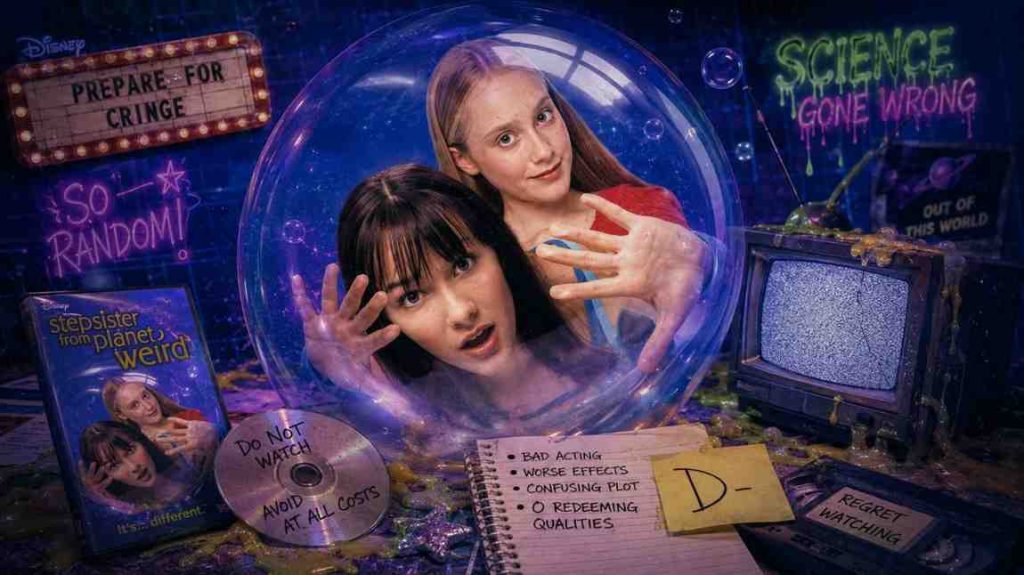
Stepsister From Planet Weird (1999)
The concept of alien stepparents adjusting to Earth life is a fine premise for a kids’ movie. The execution here manages to waste it completely. The humor is too broad to land and too strange to be charming. Not a single element of this movie is operating at the level of its contemporaries.
Up Up and Away (1996)
An early DCOM that set a low bar the library spent years trying to clear. The superhero family concept had more potential than this film realized. The visual effects are poor even by the standards of 1996 Saturday morning television, and the script resolves its conflict with the kind of deus ex machina that would embarrass a first-year screenwriting student.
Buffalo Dreams (2005)
This movie exists. That is the most generous thing that can be said about it. The “city kid learns about nature and Indigenous culture” premise was done with more sensitivity and craft in at least three other productions from the same era. This one feels assembled rather than written.
Eddie’s Million Dollar Cook-Off (2003)
The conflict at the center of this movie — baseball player secretly wants to be a chef — is a legitimate premise. The film squanders it by refusing to let any of the emotional stakes breathe. Everything resolves too quickly, too neatly, and too cheerfully for the audience to feel anything.
Museum Tier: Historically Significant, Genuinely Difficult to Watch in 2026
Museum Tier is not a punishment. These are movies that belong in the record of what DCOMs were and why they mattered. They are not movies you should put on your television in 2026 and expect to enjoy.
Under Wraps (1997)
The very first Disney Channel Original Movie. It aired on Halloween night and created the template that every DCOM after it followed: a low budget, a high concept, and a genuine affection for its audience. You should know it exists and respect what it started. You should not sit down and watch it expecting the experience to hold up, because it does not. The pacing is glacial and the effects were rough even for the era.
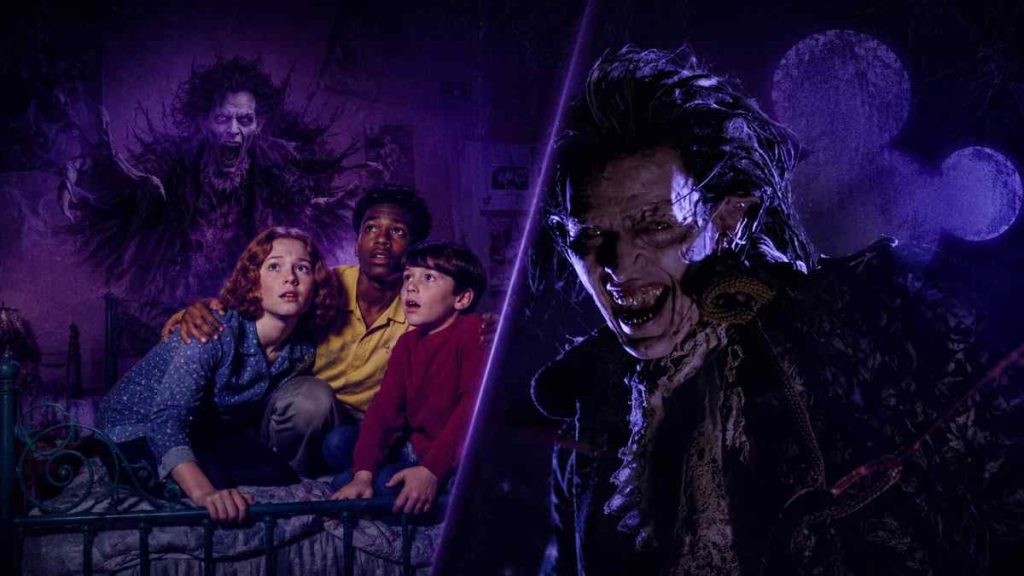
Don’t Look Under the Bed (1999)
This one gets its own mention because it is the only DCOM that was genuinely pulled from rotation for being too frightening for its target audience. If you want the full story on the Don’t Look Under the Bed ban, that rabbit hole is worth going down. As a movie in 2026, it is more interesting as a case study in what Disney Channel was briefly willing to attempt than as a rewatchable film. The imagery is still unsettling, but the storytelling is not.
Hounded (2001)
Forgotten almost completely, which is partly unfair given that its “kid wrongly accused of theft must clear his name” premise is executed competently. It is in the Museum Tier not because it is bad but because nothing about it stuck in the cultural memory, and cultural memory is a legitimate criterion. This one is historical context, not entertainment.
You Wish! (2003)
The “I wish I was an only child” premise has been done in cleaner, more emotionally honest ways elsewhere. This movie gets into the Museum Tier because it represents a specific moment in the DCOM timeline where the library was clearly running out of steam and beginning to repeat its own formulas. It is important as a marker of that transition, not as a viewing experience.
What This Ranking Actually Reveals About Kids’ Entertainment
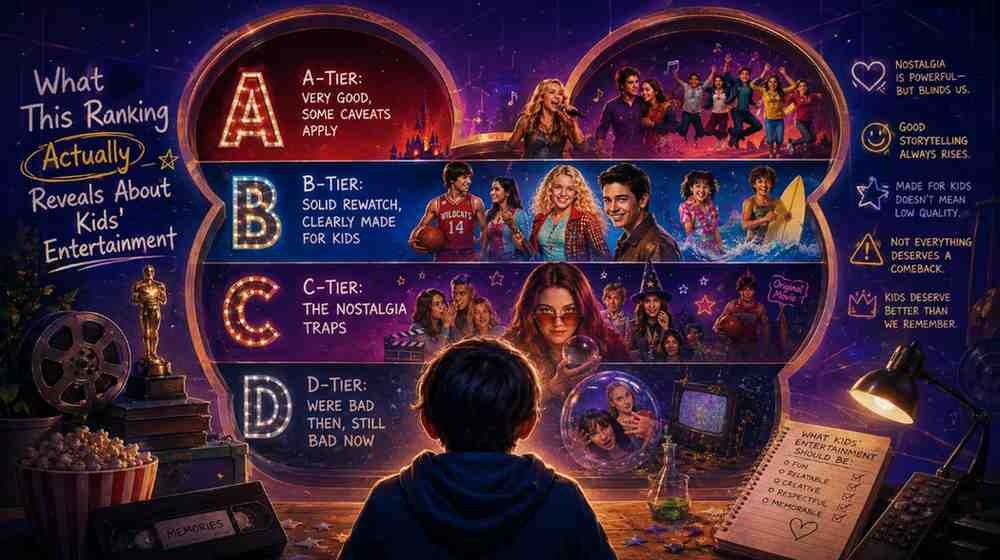
The thing this list makes obvious, once you work through all five tiers, is that the DCOMs that hold up are almost always the ones that took their audience seriously. Halloweentown works because it never condescends to the kids watching it. The Color of Friendship works because it handed a difficult subject to a young audience without softening it into irrelevance. Lemonade Mouth works because the characters are written as people, not as types.
The DCOMs that fail in 2026 are almost always the ones where you can feel the production deciding that the audience wouldn’t notice something, whether that’s a broken plot, a rushed resolution, or a performance no one asked anyone to give fully. Kids notice. They always noticed. They just didn’t have the vocabulary to describe what was wrong at the time.
The other thing this ranking reveals is that the late-90s and early-2000s window produced a genuinely higher concentration of quality than any other DCOM era. Something about the constraints of the format — the lower budgets, the longer prep time, the lack of franchise pressure — pushed writers and directors toward cleaner stories with clearer stakes. The later era optimized for star power and brand recognition and got neither craft nor longevity in return.
If you’re going back to revisit any of these, start at S-tier and work down. Stop when you hit C. Everything below that line is for completionists only.
FAQ
Is Halloweentown actually a good movie or is it just nostalgia?
Halloweentown holds up as a genuinely good movie by criteria beyond nostalgia. The production design is creative, Debbie Reynolds gives a committed and warm performance, and the tonal balance between eerie and family-friendly has never been replicated in the DCOM library. Adults rewatching it in 2026 consistently note that it holds attention without the cringe moments that other DCOMs from the same era produce. It earns its reputation rather than just riding it.
Is High School Musical overrated?
High School Musical is rated correctly as a cultural event and slightly overrated as a film. The lead male performance is inconsistent, the second act drags, and the supporting characters are underdeveloped. What the film does well is music, central metaphor, and production energy. It belongs in A-tier rather than S-tier because it is a very good movie with real limitations, not an all-time great that needs defending.
Which DCOMs are actually worth rewatching as an adult?
The DCOMs most worth rewatching as an adult are: Halloweentown, Smart House, Brink, The Color of Friendship, Tru Confessions, Lemonade Mouth, The Cheetah Girls, Motocrossed, and Cadet Kelly. These films either have thematic depth that reads differently as an adult, craft quality that holds regardless of age, or both. Avoid the C-tier and below unless you are specifically testing whether your nostalgia is accurate, and it usually isn’t.
Why is The Color of Friendship ranked so high when most people haven’t seen it?
The Color of Friendship ranks in S-tier because it is the only DCOM that operates as a genuinely mature, morally serious piece of storytelling. It won an Emmy Award for Outstanding Children’s Program. It handles apartheid-era South Africa and American race relations with care and without condescension. The fact that it is not more widely remembered is itself the argument for ranking it highly, since it is underappreciated rather than overhyped.
Was there a DCOM that was actually too scary for Disney Channel?
Yes. Don’t Look Under the Bed (1999) was pulled from heavy rotation after airing because parental complaints about its nightmare imagery were significant enough that Disney Channel stopped rerunning it regularly. It features a boogeyman who transforms a young girl into a nightmare creature, imagery that was genuinely disturbing by the standards of children’s programming. It remains one of the most discussed DCOMs specifically because of its reputation for being unusually dark.
What was the last truly great era of Disney Channel Original Movies?
The late 1990s through roughly 2007 represents the strongest era of DCOM production. Films from this window include the majority of S-tier and A-tier entries in this ranking. The quality noticeably declined after approximately 2008 as the format prioritized existing Disney Channel stars over original storytelling. Lemonade Mouth (2011) is the one genuine outlier from the post-2008 era, and it stands out precisely because it was produced with the same care as the earlier golden period.
What makes a DCOM “not hold up” versus one that does?
A DCOM fails to hold up when it relied on novelty rather than craft. Movies like Stuck in the Suburbs and Cow Belles worked in the moment because of their stars’ existing popularity, not because the scripts were strong. When you remove the cultural context of 2004 or 2006, nothing is left to carry the film. By contrast, movies like Brink or Smart House built their appeal on story structure and premise, which don’t expire. Good craft is format-agnostic. Star power from 2004 is not.