Was the Motive Actually Proven, or Just Argued?
STATUS: PARTIALLY ANSWERED
The motive was argued convincingly enough to help secure a conviction. That is different from being forensically proven. The prosecution presented jealousy over Colin Strickland as the reason Kaitlin Armstrong drove to the house where Moriah Wilson was staying and shot her three times. The jury accepted that framing. Armstrong never confessed, and no direct communication proving murderous intent was introduced at trial.
That gap matters more than people realize. “Argued convincingly” and “definitively proven” are two very different bars, and the motive in this case never cleared the second one.
What the prosecution said vs. what the evidence showed
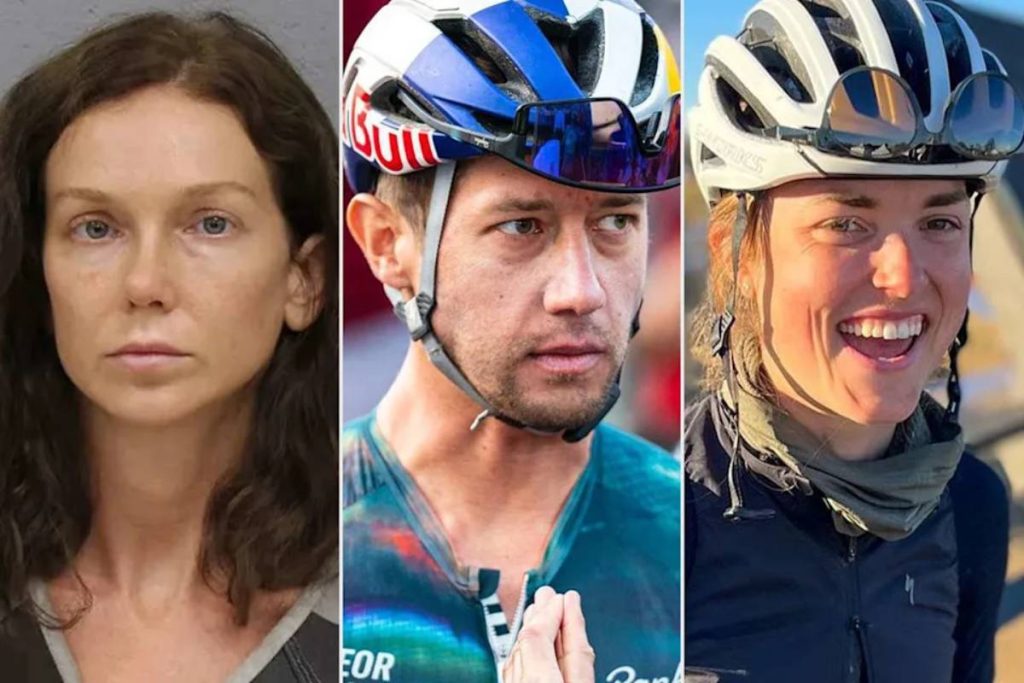
The prosecution built a circumstantial chain. Armstrong knew about Wilson’s ongoing connection to Strickland. Armstrong had searched Wilson’s location. Armstrong had recently learned that Strickland and Wilson had spent time together the same evening Wilson was killed. The prosecution connected those dots and asked the jury to conclude that jealousy boiled over into violence.
What was NOT introduced: a text message saying Armstrong planned to harm Wilson, a witness who heard Armstrong threaten Wilson, or any forensic evidence tied directly to motive. The jury found the circumstantial chain sufficient. Legally, that is all that is required. The motive question is “answered enough for a conviction” while remaining “not fully settled for public understanding.”
Armstrong maintained throughout that she was not at the scene. She never offered an alternative explanation for why someone else might have wanted Wilson dead. The defense strategy was to challenge the evidence, not to propose a competing motive. That left the jury with the prosecution’s jealousy narrative as the only coherent story on the table.
What Role Did Colin Strickland Actually Play?
STATUS: PARTIALLY ANSWERED
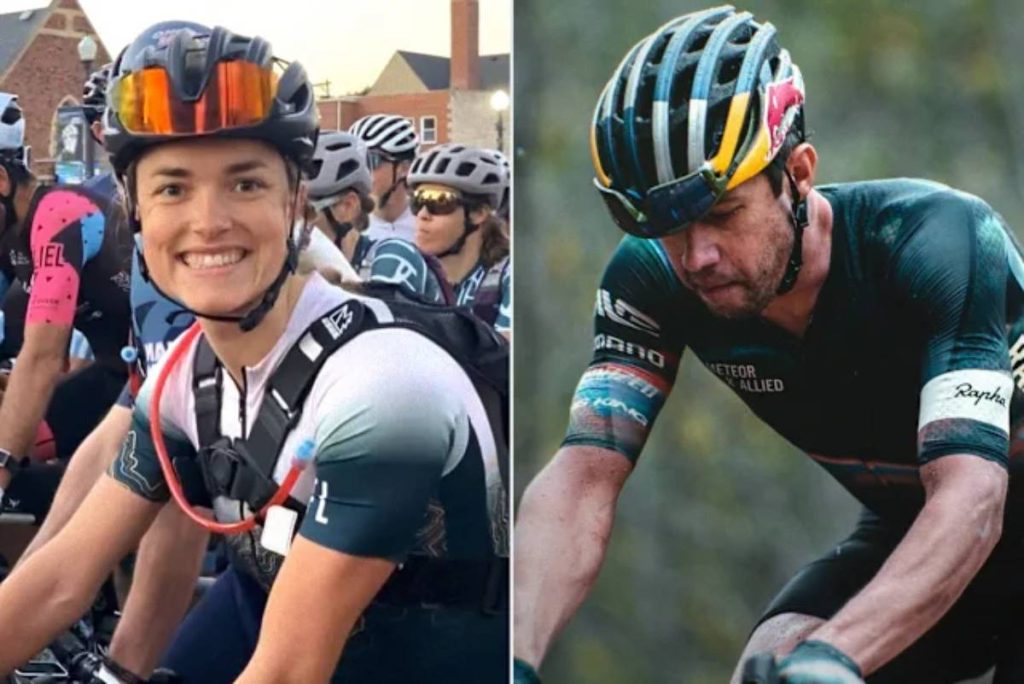
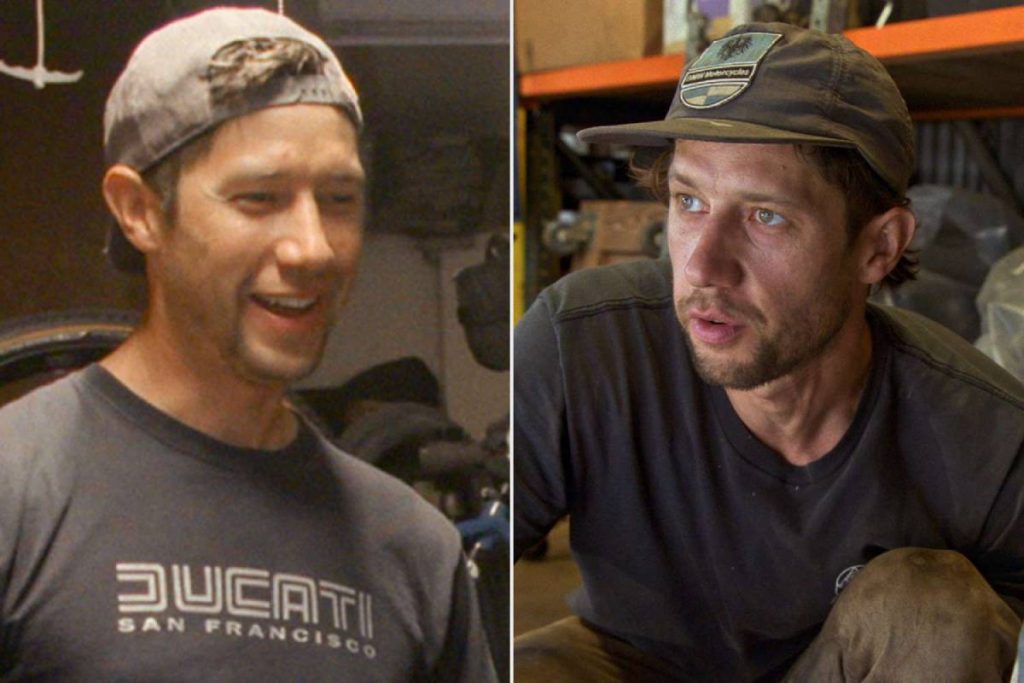
Colin Strickland was never charged with any crime related to Moriah Wilson’s death. He was granted immunity in exchange for his testimony, testified at trial, and has since largely withdrawn from public life. What he admitted to publicly and what his full private account includes are not the same thing.
Strickland testified that he and Wilson went swimming together on the evening of May 11, 2022, the same night Wilson was killed. He acknowledged their romantic history. He acknowledged that his relationship with Armstrong was strained partly because of his ongoing contact with Wilson. What he was never required to do was face cross-examination without the protection of immunity, which changes the legal weight of everything he said on that stand.
Why Strickland was never charged
Immunity deals exist because prosecutors need testimony more than they need an additional defendant. Investigators apparently determined that Strickland had no direct involvement in the shooting itself. No evidence placed him at the scene during the murder. No evidence suggested he knew in advance what Armstrong planned, if she planned anything at all.
What immunity does not resolve is the public question of his moral accountability for the situation. That is a different question from legal guilt, and the trial was not designed to answer it. His career in professional cycling suffered significantly in the aftermath. He lost sponsorships and largely disappeared from competitive racing coverage. Whether that counts as consequence is a matter of personal opinion, not legal record.
The piece of his account that remains genuinely unresolved: exactly what he communicated to Armstrong about his time with Wilson that evening, and when. That information existed between two people. One of them is in prison. The other gave immunized testimony.
Was There Physical Evidence Connecting Armstrong to the Scene?
STATUS: PARTIALLY ANSWERED
Physical evidence was presented at trial, but it was not the kind of ironclad forensic proof that closes every public question. The prosecution’s physical case rested primarily on surveillance footage showing a vehicle consistent with Armstrong’s, cell phone location data, and witness accounts. It did not include a DNA match at the scene or a recovered firearm confirmed as the murder weapon.
The surveillance footage captured a vehicle in the area around the time of the murder. The prosecution argued it was Armstrong’s vehicle. The defense challenged whether the footage was conclusive enough to be definitive. The jury sided with the prosecution. Worth being clear: the jury heard and evaluated that footage in full. The public has not.
The gun was never found. What does that mean legally?
Legally, it means very little. Convictions without a recovered murder weapon happen regularly in American courts. The prosecution established that Wilson was shot, established the caliber of weapon used, and established that Armstrong owned a firearm of the same type that later went missing. The chain was sufficient for conviction.
For the public, the missing gun feeds a persistent question: where is it? If Armstrong disposed of it, that itself suggests premeditation. If it was never found because investigators never located the right search area, that is an evidentiary gap that will likely stay open permanently. No official statement has confirmed the weapon’s recovery and identification as the murder weapon.
The Reddit timeline community spent considerable energy mapping what the surveillance footage showed against the established timeline of Wilson’s death. The central question was whether the footage timestamps aligned cleanly with the prosecution’s account of when Armstrong arrived and left. The trial record addressed this. The full granular detail of that alignment was never published in accessible form for a general audience, which is why the question kept circulating.
What Was Kaitlin Armstrong’s Alibi and Why Didn’t It Hold?
STATUS: ANSWERED
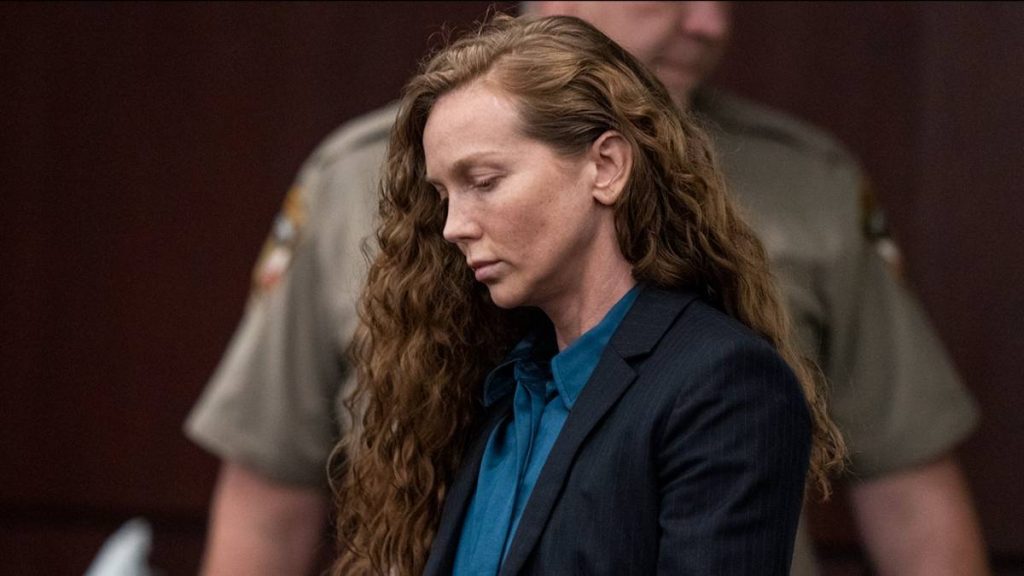
Armstrong claimed she was elsewhere the night Wilson was killed. That alibi collapsed under the weight of phone data and surveillance footage that placed her in the area. This is the most fully resolved question on this list.
Investigators were skeptical of Armstrong’s alibi almost immediately. When police first questioned her, she denied knowing Wilson’s location. Cell phone location data contradicted that account. Surveillance footage of a vehicle matching hers in the area around the time of the shooting contradicted that account further.
The alibi did not hold because the physical data said otherwise. The jury heard both the alibi claim and the contradicting evidence and rejected the alibi. Armstrong’s defense at trial was built less around defending the alibi and more around challenging whether the prosecution’s evidence was specific enough to prove she was the shooter beyond reasonable doubt. The jury answered that question clearly.
This section is short because the answer is clear. The alibi failed. The evidence against it was specific, multiple, and consistent. Move on.
Why Did Armstrong Flee to Costa Rica and What Does It Tell Us?
STATUS: ANSWERED, with one loose thread
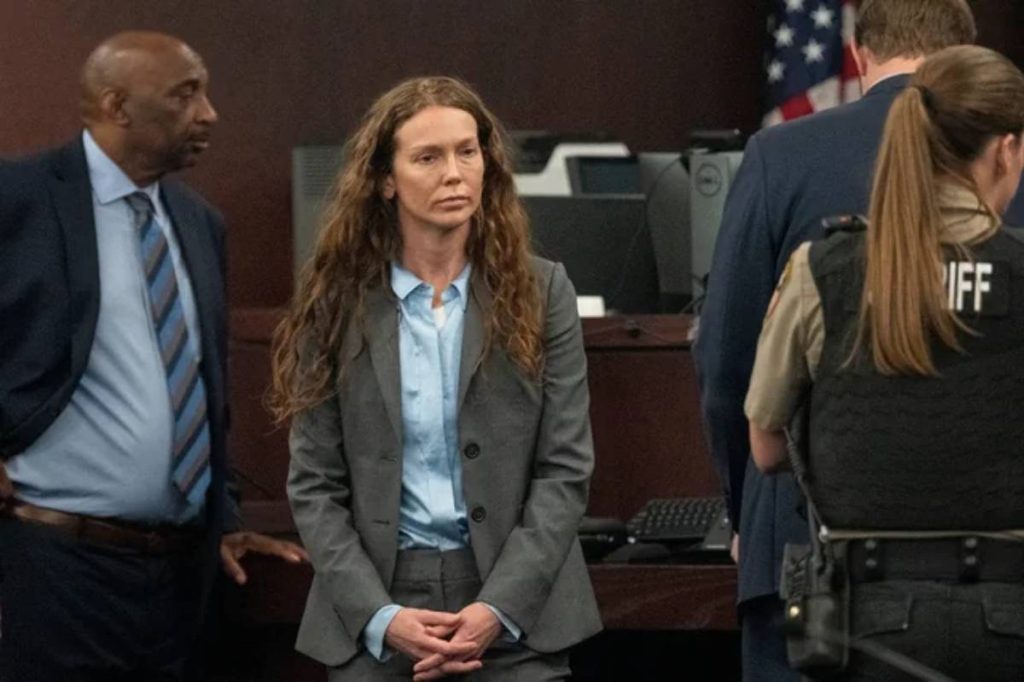
Armstrong fled because she knew what was coming. That is the most straightforward reading of her behavior, and it is the reading the prosecution used effectively. She left the country within days of being questioned by police, obtained a fraudulent passport under a different name, and evaded capture for 43 days before U.S. Marshals located her in Santa Teresa, Costa Rica.
The fake identity element is significant. Obtaining fraudulent travel documents requires planning. It is not a spontaneous decision made in a panic at an airport. The preparation required to flee under a false name suggests Armstrong had thought through the possibility of needing to disappear before she actually needed to.
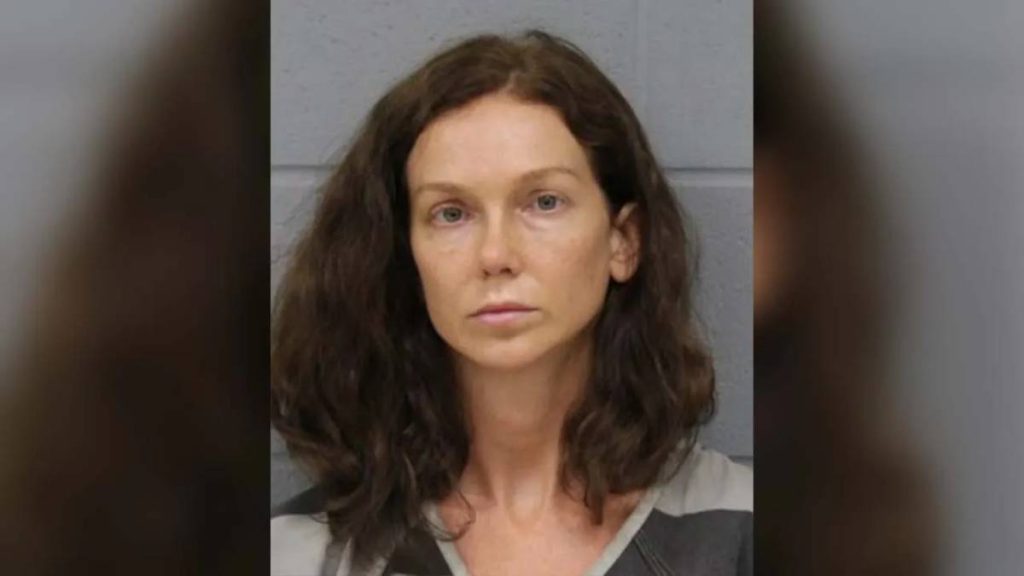
Her capture came after a tip connected to a cosmetic procedure she sought while abroad. The details of her day-to-day life in Costa Rica, reconstructed from the investigation, suggested she was attempting to build a new life rather than temporarily hiding. She had taken steps to change her appearance.
The one loose thread: did anyone help her?
This was investigated and never fully resolved publicly. Fleeing internationally under a fake identity is not a solo operation for most people. Whether Armstrong had help obtaining the fraudulent passport, whether anyone knowingly assisted her, was examined by investigators. No charges related to aiding her escape were brought against any named individual. That does not definitively answer whether she acted alone. It answers that prosecutors did not find sufficient evidence to charge anyone else.
Did Armstrong Show Signs of Premeditation?
STATUS: PARTIALLY ANSWERED
The prosecution argued premeditation, and the conviction included it. What the trial established as sufficient for a jury verdict and what is fully transparent to the public are, again, not the same thing.
The evidence the prosecution pointed to as signs of planning: Armstrong had searched Wilson’s location online. Armstrong knew Wilson was in Austin. Armstrong knew Wilson had spent time with Strickland that evening. The prosecution argued these facts showed she did not stumble onto Wilson by accident.
What the defense pushed back on: the search history and location awareness could reflect jealousy and obsessive monitoring rather than murder planning. Knowing where someone is does not by itself prove you planned to kill them. The distinction between “planned this specific night” and “had been building toward this” was never fully drawn on the public record.
Premeditation matters for sentencing severity. The 90-year sentence reflects a first-degree murder conviction, which requires proven premeditation. The jury found sufficient evidence. Whether the full premeditation picture is as clean as the conviction suggests, or whether some of the “planning” was really obsessive behavior that exploded into violence, is a question the trial record supports but does not exhaustively answer.
What Does the New Moriah Wilson Documentary Actually Add?
STATUS: PARTIALLY ANSWERED / ONGOING
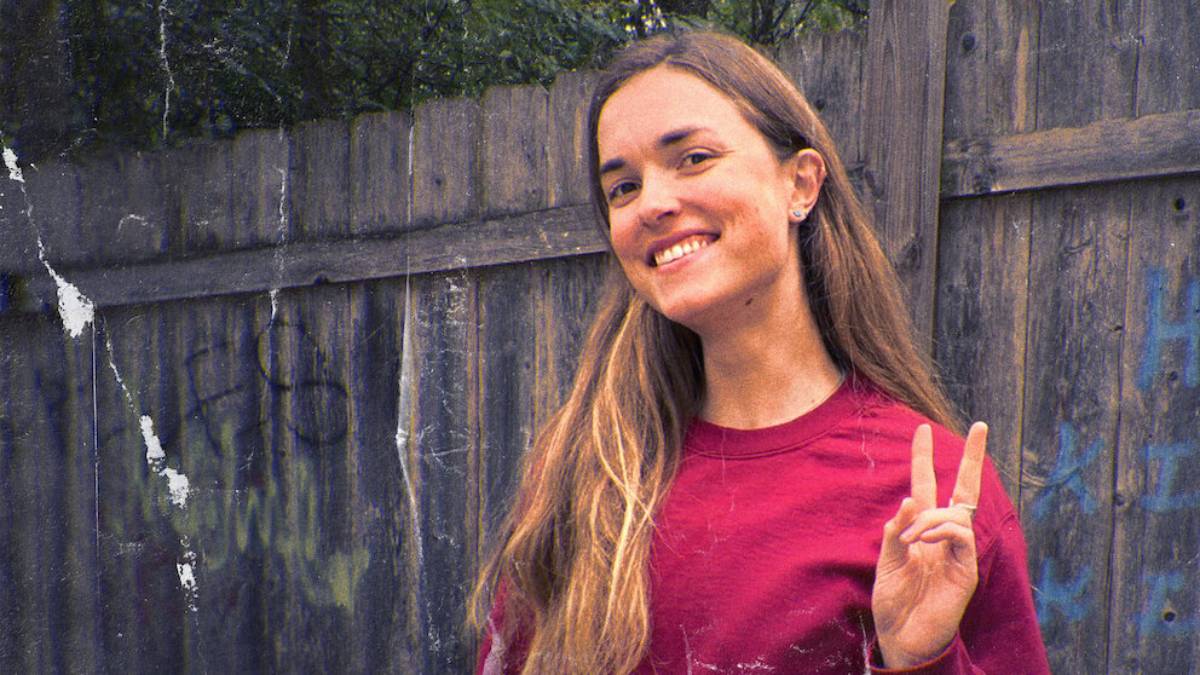
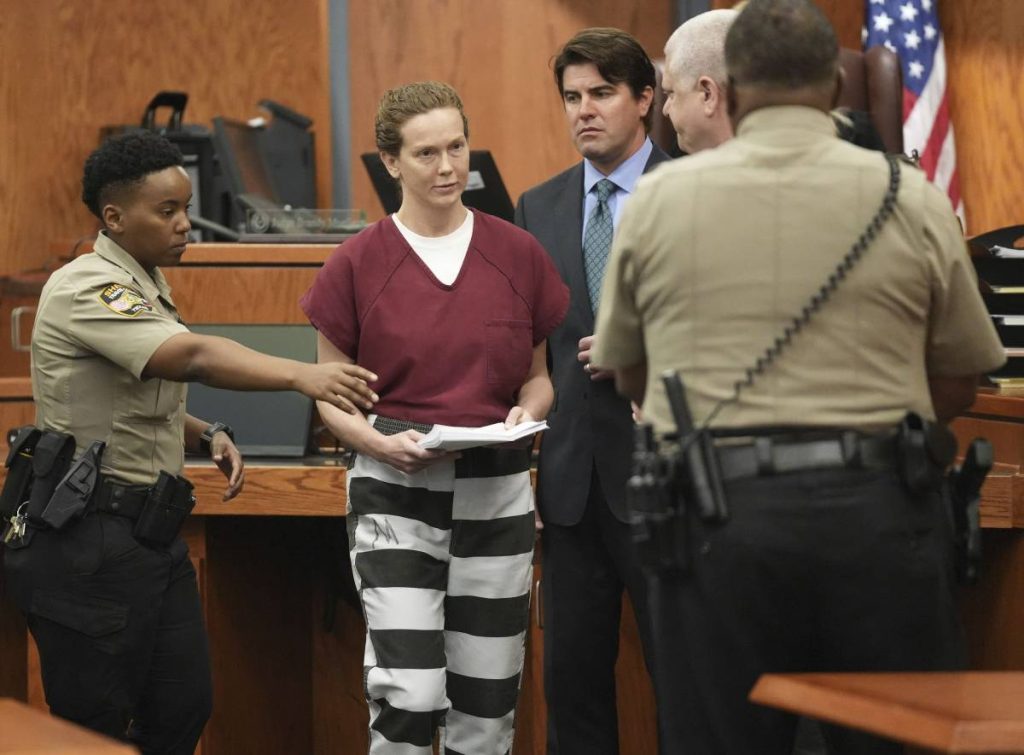
“The Truth and Tragedy of Moriah Wilson,” which received coverage from Time in 2026, is framed primarily around Wilson’s life and professional cycling career rather than the trial itself. That framing is deliberate and significant. It means the documentary is attempting to answer a question the trial completely ignored: who was Moriah Wilson before she became a victim in a true crime story?
That question is not a legal one. The trial had no reason to explore Wilson’s athletic achievements, her career trajectory, her relationships with teammates, or her experience as a rising star in professional gravel cycling. The prosecution needed her as a victim. The documentary is trying to restore her as a person.
Whether it adds new factual information about the crime itself is a separate matter. Documentaries made years after conviction sometimes surface overlooked evidence, new interviews, or re-examined timelines. Whether this one does that is something viewers will evaluate for themselves. What is confirmed is that a documentary emerging three years after conviction, with credible media attention, reflects a public sense that the standard media coverage of this case flattened Wilson into a supporting character in Kaitlin Armstrong’s story.
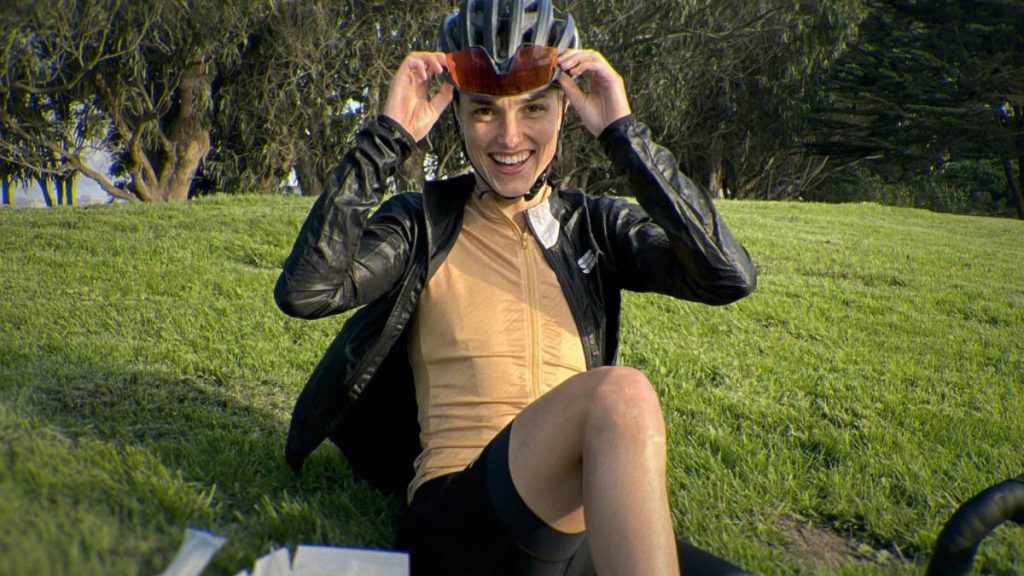
The cycling community’s response to Wilson’s death was always more nuanced than general true crime coverage captured. Within professional gravel racing, Wilson was not primarily known as “the woman who was killed.” She was known as one of the most talented riders of her generation. The documentary appears to center that version of who she was.
What Will Probably Never Be Fully Answered?
STATUS: UNKNOWN
Some questions were never part of the trial record because they were not legally necessary to prove. They may stay unanswered permanently.
- What Armstrong was thinking in the hours before the shooting. Her inner state was inferred by the prosecution and denied by the defense. No one knows it directly.
- What Strickland’s complete private account is. He gave immunized testimony. His full understanding of what Armstrong knew, what she suspected, and what she communicated to him that day exists in his memory and has no legal mechanism requiring its disclosure.
- Whether anyone else was aware in advance that something was going to happen that night. No evidence suggested a co-conspirator. Absence of evidence is not proof of absence.
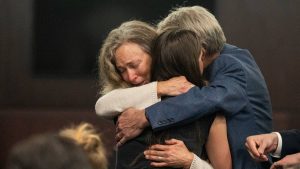
- What the Wilson family privately believes about the completeness of the public record. They have spoken about grief and about wanting Wilson remembered for her athletic life. They have not, at least not publicly, detailed which specific questions they feel remain open.
Armstrong has not publicly offered any account beyond maintaining her innocence. She has not spoken in a way that would add to the public record. That may change over the course of a decades-long sentence. It may not.
Some convictions produce complete clarity. This one produced sufficient clarity for a jury verdict and left a perimeter of unresolved questions that the legal system had no obligation to answer. That is not a failure of the trial. It is just an honest description of what trials are designed to do and what they are not.
What the Verdict Settled and What It Didn’t
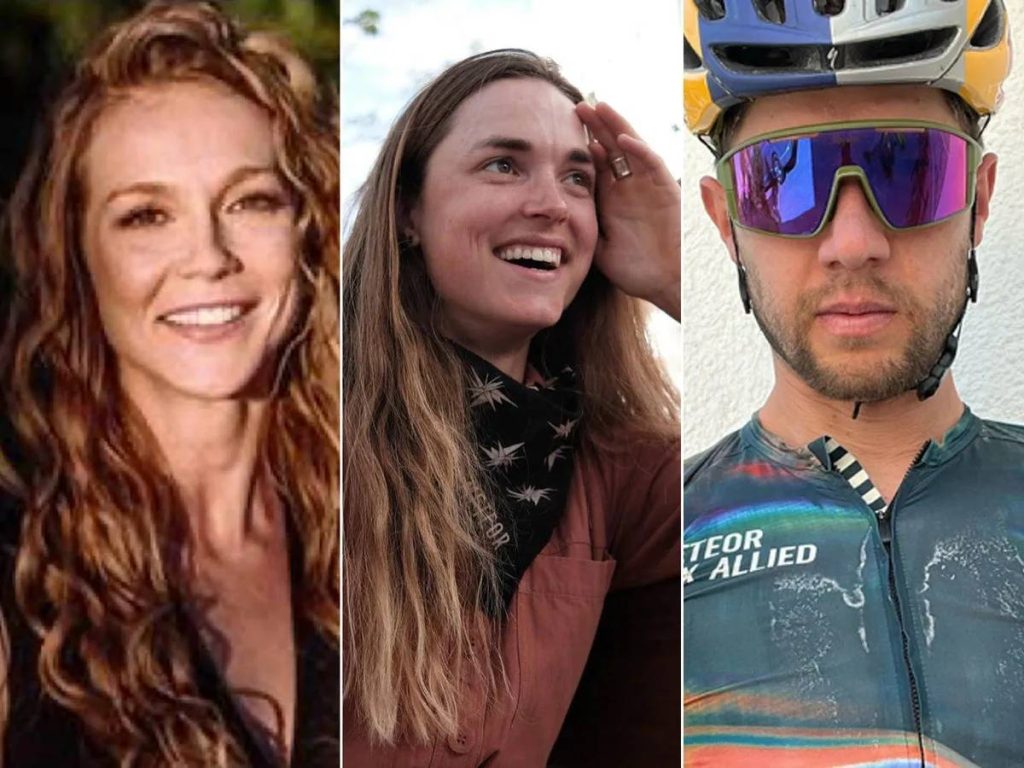
The jury’s verdict settled the central legal question. Kaitlin Armstrong killed Anna Moriah Wilson. That finding was reached by twelve people who heard all of the evidence, including evidence the public has never seen in full. The 90-year sentence, with parole eligibility after 30, reflects the severity the legal system assigned to that crime.
What the verdict did not settle: the complete motive picture, the full account of Colin Strickland’s role in the situation that led to Wilson’s death, where the murder weapon is, and whether Armstrong acted with cold premeditation or with explosive jealous rage. Those questions are real. They are also, for the most part, questions the legal system was never designed to answer.
The Moriah Wilson case will keep generating documentaries and Reddit threads and podcast episodes not because the verdict was wrong but because the story around the verdict is genuinely incomplete. Sitting with that incompleteness, without reaching for conspiracy or false certainty, is the most honest place a reader can land.
FAQ
Was Kaitlin Armstrong found guilty?
Yes. Kaitlin Armstrong was found guilty of first-degree murder in the death of Anna Moriah Wilson on November 16, 2023. The jury deliberated for less than three hours before returning the verdict. Armstrong was subsequently sentenced to 90 years in prison. She is eligible for parole after serving 30 years. Armstrong maintained her innocence throughout the trial and has not publicly confessed to the crime.
Can Kaitlin Armstrong get out of prison early?
Armstrong’s 90-year sentence includes parole eligibility after 30 years. That means she could theoretically be released in her early sixties if she is granted parole at the earliest opportunity. Parole is not automatic. It requires a parole board review, consideration of behavior during imprisonment, and other factors. Her conviction for first-degree murder makes early release less predictable than it would be for lesser charges. She can also appeal her conviction, though no successful appeal has been reported as of 2026.
What happened to Colin Strickland after the trial?
Colin Strickland lost sponsorships and largely withdrew from competitive professional cycling following the trial. He was never charged with any crime. He testified under immunity. His public presence in the cycling community diminished significantly after Wilson’s death and further after Armstrong’s conviction. He has not given extensive public interviews about his account of events beyond what was recorded in trial testimony. His professional career has not recovered to the level it was at before May 2022.
Was the murder weapon ever found?
No weapon has been publicly confirmed as recovered and identified as the murder weapon. The prosecution established that Wilson was shot with a specific caliber of firearm and that Armstrong had owned a weapon of that type which subsequently went missing. The jury convicted without a confirmed recovered weapon, which is legally valid. The gun’s location remains one of the genuinely unresolved factual questions in the public record of the case.
What is the Moriah Wilson documentary about?
“The Truth and Tragedy of Moriah Wilson” is a 2026 documentary that focuses primarily on Wilson’s life and career as a professional gravel cyclist rather than solely on the murder trial. It attempts to present Wilson as the accomplished athlete she was before her death, not just as a victim in a crime story. The documentary received coverage in Time magazine. Whether it surfaces new factual information about the crime itself, beyond what was established at trial, is something viewers assess individually.
Why did Kaitlin Armstrong flee to Costa Rica?
Armstrong fled to Costa Rica after being questioned by Austin police in connection with Wilson’s death. She left within days of that initial questioning, obtained a fraudulent passport under a false identity, and evaded capture for 43 days. U.S. Marshals located her in Santa Teresa, Costa Rica, after a tip connected to a cosmetic procedure she had sought while abroad. The prosecution used her flight as evidence of consciousness of guilt. The planning required to flee under a fake identity was also presented as consistent with premeditation.
Did the prosecution prove motive in the Armstrong trial?
The prosecution argued jealousy over Colin Strickland as the motive and presented circumstantial evidence supporting that argument. The jury accepted it as part of their guilty verdict. However, Armstrong never confessed, and no direct communication explicitly stating intent to harm Wilson was introduced at trial. “Sufficient for conviction” and “definitively proven” are different standards. The motive was argued convincingly enough to satisfy twelve jurors, which is the legal bar. The complete internal picture of what drove Armstrong’s actions that night remains a matter of inference rather than confirmed fact.