
What Books Is Silo Season 3 Based On?
Season 3 of Silo is based primarily on Shift and Dust, the second and third books in Hugh Howey’s trilogy. Season 1 covered most of Wool, and Season 2 finished it while beginning to draw from Shift. Season 3 continues that pattern.
Here is a quick map of the trilogy:
- Wool (2012): The foundational story. Life inside Silo 18, the cleaning as punishment and death sentence, Juliette uncovering the truth about the outside world. This is what Seasons 1 and 2 adapted.
- Shift (2013): The prequel-within-a-sequel. Told mostly from the perspective of a man named Donald Keene, who lived before the apocalypse and was manipulated into helping design the silos. This book explains why the silos exist and who built them.
- Dust (2013): The conclusion. The silos fracture. Rebellion breaks out. The truth about the outside world becomes weaponized. Characters fight over whether humanity gets a future at all.
The show is not a word-for-word adaptation. It changes character names, condenses timelines, and invents emotional arcs that do not appear in the books. Showrunner Graham Yost has said the goal is for each season to work for viewers who have never read a single page of Howey’s work. The books are the blueprint, not the script.
Wool sold over one million copies before it was picked up by a major publisher, making it one of the most successful self-published science fiction stories of the modern era. The point: this source material has been pressure-tested by a massive readership. The story works. The show knows what it has.
If you are wondering whether to read the books before Season 3 lands, the honest answer is: reading Shift will change how you watch everything. You will see the pre-apocalypse sequences with completely different eyes. If you want to stay unspoiled, hold off. If you want to show up already three moves ahead, start with Shift.

What Is the Big Secret in Silo? (And How Much Has the Show Already Revealed?)
The big secret is not one revelation. It is a stack of them, each one darker than the last. The show has been peeling these back slowly. Season 3 is where the layers come off fast.
The Outside Air Is Not Naturally Toxic
The suits the cleaners wear are not protection. They are theater. The sensors are designed to degrade within minutes, and the suit itself is built to fail fast enough that the cleaner dies outside before they can survive long enough to tell anyone what they actually saw.
Juliette proved this. She made it. The air did not immediately kill her. It is survivable, at least for a while, which is exactly what the people running the silo could never allow anyone to discover.
What the outside actually looks like, per the books: gray, barren, windswept. Not lush. Not secretly green. Not recovering in any obvious way. But breathable. That distinction matters enormously when the entire control structure of the silo is built on the premise that stepping outside means instant death.
Someone Built the Silos on Purpose, and Someone Caused the Apocalypse
This is the core of Shift, and it is the reveal that recontextualizes every scene you have already watched.
A senator and former congressman named Donald Keene was recruited into a secret government project to design an underground survival system. He believed he was helping plan for a disaster that was coming anyway. He was told the silos were a contingency. A lifeboat. He did not understand, until it was far too late, that the disaster was not coming on its own.
The man behind it was named Thurman. Thurman believed humanity was locked into a path of self-destruction, and he decided the only way to give the species a real future was to force a hard reset. He arranged for nuclear detonations near Atlanta to trigger exactly the kind of global panic that would send the population underground voluntarily.
The apocalypse was not an outside attack. It was not an accident. It was engineered by a small group of people who convinced themselves they were saving the world by ending it.
This is what the silo world’s residents mean when they talk about what happened “140 years ago.” They have a story. The story is a lie. And Season 3 is going to show the audience exactly how it was constructed.
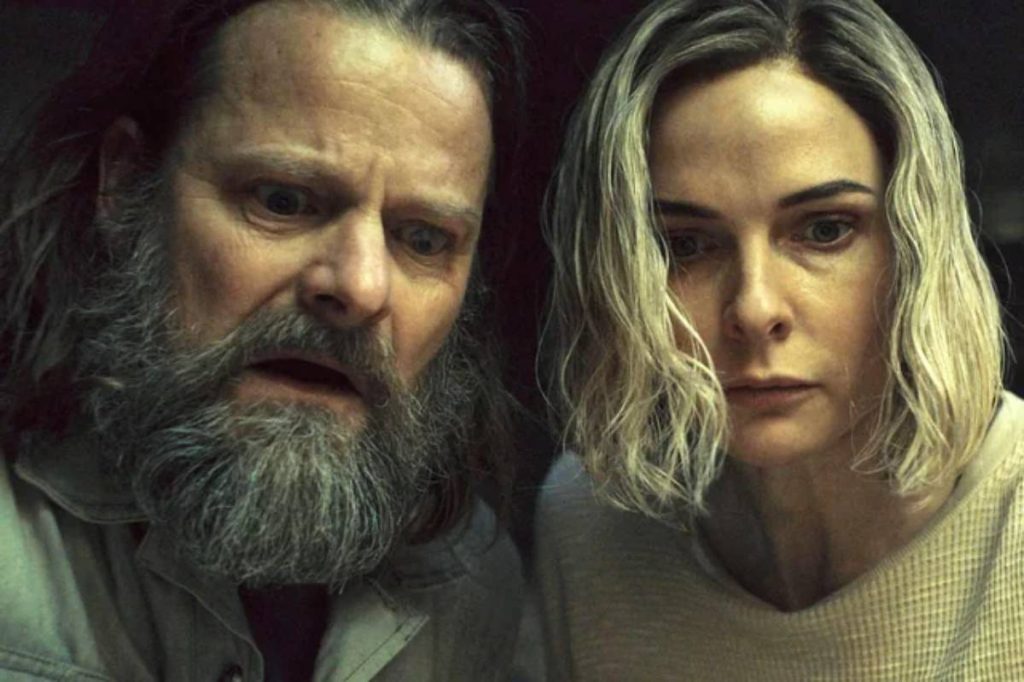
What Season 2 Already Set Up for Season 3
The Season 2 finale is not just a cliffhanger. It is a loading screen. Every major beat in that ending maps onto a specific book event that comes next.
Juliette’s Position at the End of Season 2 Maps Directly to a Key Book Turning Point
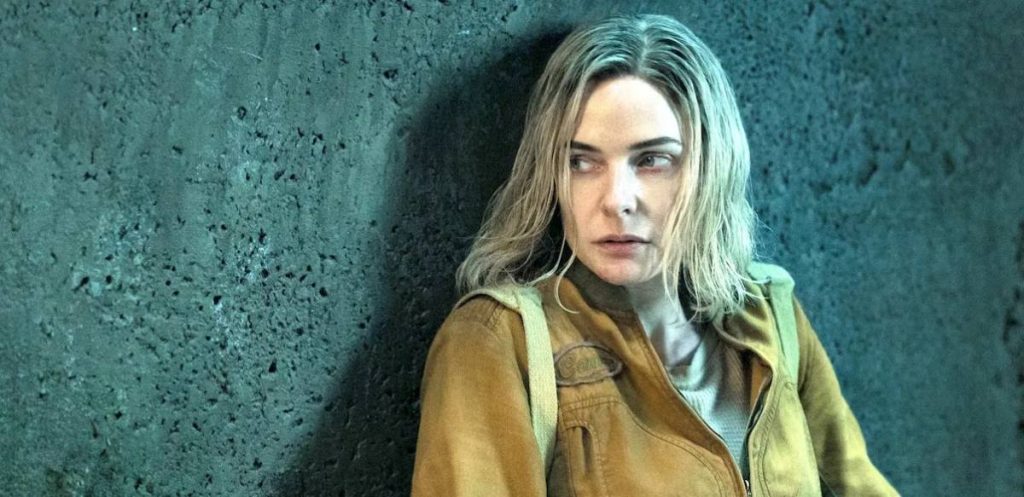
At the end of Season 2, Juliette is alive, outside Silo 18, with knowledge of Silo 17 and at least a partial understanding of the broader network of silos. She is not running anymore. She is positioned.
In Shift and Dust, the equivalent character’s next move is to start building. Not just surviving, but connecting. Making contact across silos. Turning personal survival into something that looks like a plan.
The Season 2 ending is a starting gun, not a pause. Juliette’s next move, based on the books, is to become the person who forces the question the silos were never supposed to ask: what if we don’t accept this?
The IT Department and the Pact Are About to Become the Main Conflict
The show built a clear power structure across Seasons 1 and 2. IT controls the feeds, the approved narrative, and the machinery of social control inside the silo. Juliette comes from Mechanical, the floors that actually keep the silo running.
In the books, this tension explodes into open political war by the third book. The mechanical floors and IT represent two entirely different theories about who the silo belongs to: the people who built it on paper, or the people who hold the systems together with their hands.
Season 3 will almost certainly introduce Camille Sims as IT’s new power center, putting her directly across from Juliette in a conflict that is not just about survival anymore. It is about governance.
Silo 1 Is Not Just a Control Center. It Is a Weapons Platform.
The show has gestured at Silo 1’s authority without fully explaining it. Season 3 will explain it, and the explanation is grim.
Silo 1 operates on a completely different set of rules than every other silo. Its residents know the truth about the outside world. They rotate through shifts of wakefulness while the other silos live in managed ignorance, generation after generation.
Silo 1 also has the ability to destroy a silo from the inside if that silo becomes what its leadership calls “ungovernable.” This is not a threat buried in fine print. It has already happened. Silo 12 is gone. The show confirmed this. The people of Silo 18 do not yet know it can happen to them. Season 3 is the season they find out.
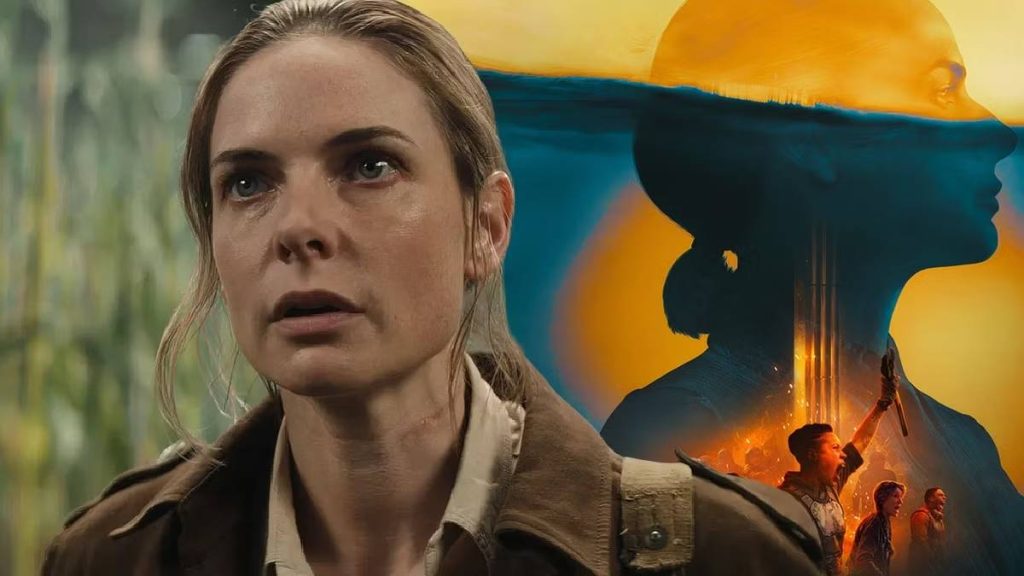
Silo Season 3 Plot Predictions Based on Shift and Dust
These predictions are grounded in the books and in what the show has already set up. They are not guesses. They are the next logical steps on a path the show has been walking since Episode 1.
The Show Will Flashback to Before the Apocalypse
Shift spends most of its pages in the pre-apocalypse world, following Donald Keene from his life as a senator through his recruitment into the silo project and his growing horror as he understands what he helped create.
Graham Yost confirmed in 2025 reporting that Season 3 will include pre-apocalyptic storylines. These sequences will show the construction of the silos, Thurman’s manipulation of the people around him, and the deliberate engineering of the nuclear event that ended the world above ground.
Here is why this matters beyond spectacle: these flashbacks will reframe everything the audience has already watched. Every rule inside Silo 18 was written by people who knew the outside world was survivable. Every cleaning was ordered by people who knew the cleaner was not dying because of the air. The horror of the silo is not the world outside. It is the people inside Silo 1 who decided the lie was necessary.
Juliette Will Push for Open Rebellion Against Silo 1
By Dust, the story has moved well past one person’s escape. The conflict becomes a war between silos, with Juliette’s equivalent functioning as the catalyst who forces the other silos to decide what they believe and what they are willing to fight for.
Season 3 will begin moving Juliette from fugitive to organizer. The shift from “surviving alone” to “building something” is the defining transition of the third book, and the show set it up perfectly by ending Season 2 with Juliette alive, outside, and in possession of information no one else has.
Operation “Order” and the True Purpose of the Silos Will Be Exposed
The silos were not built to trap people forever. They were built with a mission: keep humanity alive underground for roughly 500 years, until the outside environment recovers enough to support life again.
Only Silo 1 was supposed to know this. The other silos were kept in ignorance because the people who built the system believed that hope is more dangerous than despair. A population that knows it has a future will fight to control what that future looks like. A population that believes there is nothing outside will stay put.
The drama of Dust comes from that plan falling apart. Silo 1’s leadership is not unified. People inside the system disagree violently about whether to follow the original mission, abandon it, or burn it down entirely. The show will dramatize this fracture as the macro-conflict of Seasons 3 and 4, with Juliette’s rebellion on one side and Silo 1’s internal war on the other.
Not Every Silo Survives
One of the most brutal elements in the books is structural, not just emotional. Silos can be terminated. Silo 1’s leadership can decide a silo is too unstable to serve the mission and shut it down permanently, from the inside.
Silo 12 is already gone in the show’s timeline. That fact has been acknowledged. Season 3 will use the threat of Silo 18 being next as the ticking clock underneath every other storyline. Juliette is not just fighting for answers. She is racing against a deadline that the people she is fighting do not know exists.
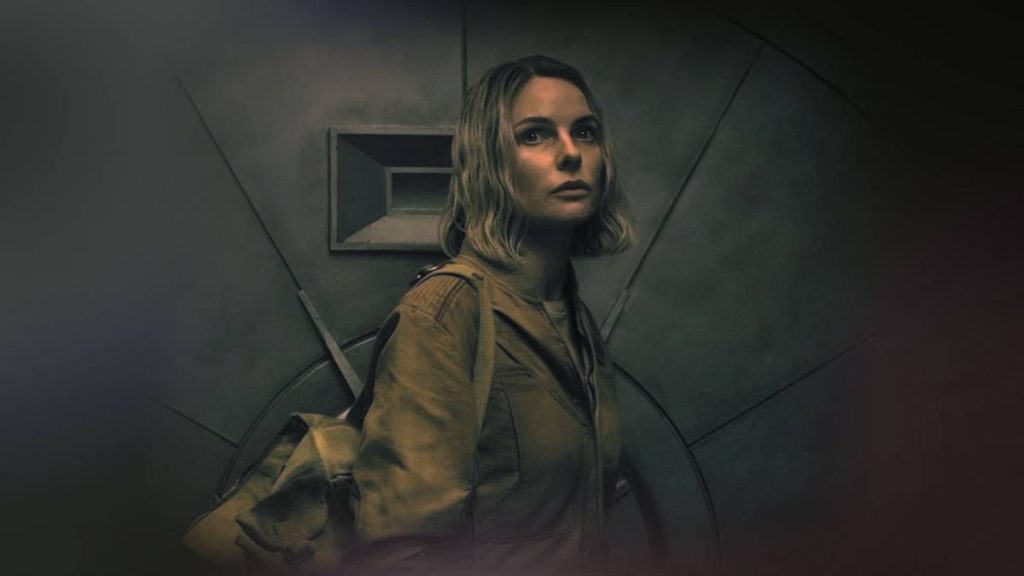
Where the Show Is Likely to Differ From the Books
The show changes things. Acknowledging this honestly is more useful than pretending the adaptation is invisible.
The Show Has Consolidated and Renamed Characters
Donald Keene is the heart of Shift. He is the pre-apocalypse protagonist whose story gives the entire trilogy its moral weight. The show may give his role to a different or adapted character, or it may split his arc across multiple people.
Bernard and Juliette’s dynamic is significantly more developed on screen than on the page. The show made Bernard a more layered antagonist than the books did, which means his legacy in Season 3 will carry more emotional complexity.
These are not flaws. They are deliberate choices by writers who understand that television requires different kinds of character investment than long-form fiction.
Helen and the Emotional Throughlines Are Show-Original
Juliette’s relationship with her father, and the grief and trust issues that run through her character arc, are amplified enormously in the show compared to the books. The show wants viewers to feel the cost of every decision Juliette makes.
Season 3 will continue building these emotional throughlines around plot events that are more action-driven in Shift and Dust. The books tell you what happens. The show makes you feel it.
The Pacing Will Likely Spread the Books Across Multiple Seasons
Dust is the shortest and most action-dense book in the trilogy. A direct adaptation could fit into one season. A smart television adaptation probably splits it across Seasons 3 and 4, using the extra space to let character moments breathe and to set up payoffs that land harder when they arrive.
The show may also use Season 3 to cover Shift almost entirely and save Dust for a final season. Season 4 has not been officially confirmed, but the structure of the source material practically demands it.
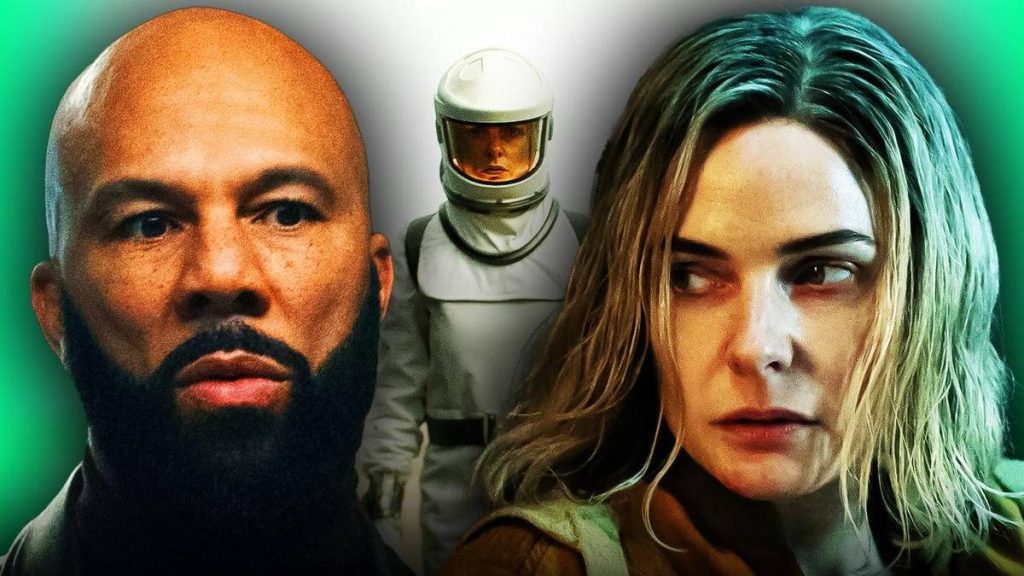
Why the Glasses Scene Still Matters
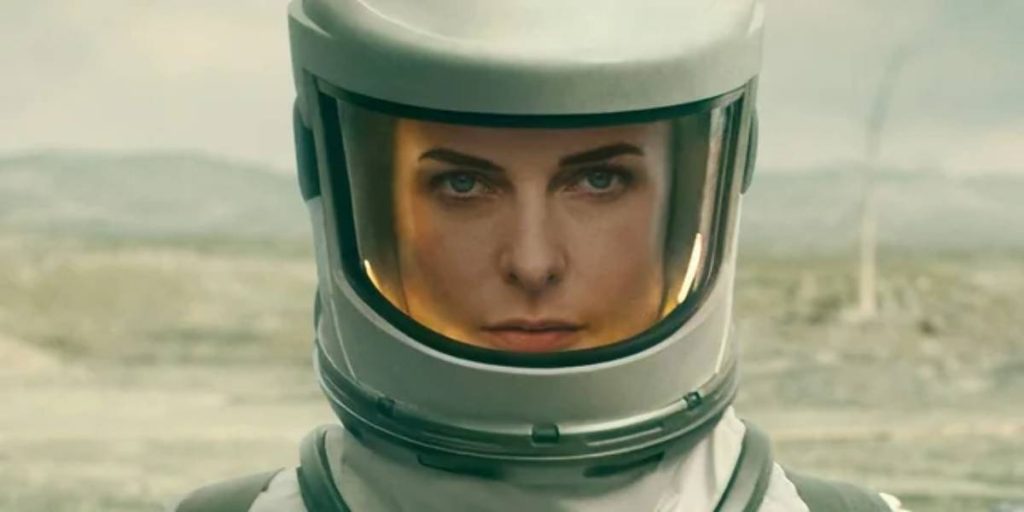
When a cleaner walks outside and begins to die, many of them see the barren landscape turn green. Lush, alive, beautiful. The kind of world you would want to live in. It is one of the most striking images in the show, and most recaps treat it as a visual flourish.
It is not a flourish. It is a control mechanism. The suit contains a screen that projects a false image of the outside world in the cleaner’s final moments. The last thing Silo 1’s designers wanted was a cleaner dying in visible rage, broadcasting something that might crack the narrative.
The suits exist to ensure that cleaners die believing the world is genuinely beyond recovery, that the cleaning they were sent to perform was meaningful, and that the silo is the only hope left. Even death is managed.
In the books, this detail connects directly to the broader argument that Shift is making: the silos run entirely on manufactured consent. People accept what they are shown. They believe what they are allowed to believe. They die with beautiful lies in their eyes because the people in charge decided that was the cleanest outcome.
Season 3 will expand this idea from an individual moment to a civilization-wide question. Who controls what people see? Who decides what the truth is allowed to be? That question is the spine of Shift, and the glasses scene is where the show telegraphed it seasons early.

What Season 3 Needs to Answer to Stick the Landing
The show has spent two seasons earning its audience through mystery and character work. Season 3 has to start cashing in answers without collapsing the tension that made people care in the first place. That balance is genuinely hard to pull off, and the books offer a guide for how to do it.
Three questions the plot must address:
- What is Silo 1’s endgame? Not just the original mission, but what the current leadership actually intends to do as things spiral out of their control.
- Who in Silo 18 can Juliette trust? The betrayal mechanics of the silo run deep, and Season 3 needs to clarify who is fighting for the people and who is fighting for the system.
- Is the outside world actually recovering? The books give a specific answer to this. The show will have to dramatize that answer in a way that feels earned after two seasons of buildup.
The books answer all three questions, though not always in the order a television audience might expect. The strongest prediction for Season 3’s ending: viewers leave understanding, fully and completely, what the silos were actually built for. Not the lie. The real answer. That shift from suspicion to confirmed knowledge is what transforms Shift from a prequel into the emotional center of the entire trilogy, and the show has been building toward it since Juliette first put on that suit.
FAQ
What books is Silo Season 3 based on?
Season 3 of Silo is based primarily on Shift and Dust, the second and third books in Hugh Howey’s trilogy. Season 1 and most of Season 2 adapted Wool, the first book. Shift focuses on the pre-apocalypse story of how and why the silos were built. Dust covers the eventual rebellion and collapse of Silo 1’s control over the network. The show does not adapt the books word for word, but the major plot events and reveals track closely enough that reading Shift will significantly change how you watch Season 3.
Who is Donald Keene and why does he matter in Season 3?
Donald Keene is the central character of Shift, the book Season 3 will draw from most heavily. He was a senator who was recruited into a secret government project to help design the silo system. He believed he was building a survival contingency for a disaster that was inevitable. He did not know until too late that the disaster was being engineered deliberately. His story provides the moral core of the trilogy, showing how well-intentioned people can be manipulated into building something monstrous. Season 3 will likely adapt his arc through pre-apocalypse flashback sequences.
Did the people in Silo 1 cause the apocalypse on purpose?
Yes. In the books, a man named Thurman orchestrated nuclear detonations near Atlanta to trigger global panic and drive the population underground voluntarily. The apocalypse was not an outside attack or an accident. It was a deliberate false flag operation carried out by people who believed humanity needed a forced reset to survive. Only Silo 1’s leadership knew the full truth. Every other silo was kept in ignorance, told only that the outside world was unlivable and that the silo was their only hope.
Can Silo 1 actually destroy the other silos?
Yes, and it already has. In the books, Silo 1 has the authority and the technical ability to terminate a silo it deems ungovernable. Silo 12 was destroyed this way. The show has confirmed Silo 12 is gone. This threat is the ticking clock underneath Juliette’s entire arc in Season 3. She is not just fighting for answers or for freedom. She is racing against a deadline that most of the people she is trying to protect do not know exists.
Why do cleaners see green when they go outside in Silo?
The suits worn by cleaners contain a screen that projects a false image of a green, living world in the cleaner’s final moments. It is not a malfunction or a hallucination from the suit’s materials. It is a designed feature. The people who built the system wanted cleaners to die believing the outside world was genuinely lost, and to die calmly rather than in visible rage. It is a control mechanism disguised as a mercy. In the books, this detail is part of a larger argument about how the entire silo civilization is built on managed perception.
Will the show follow the books exactly in Season 3?
No. The show changes character names, condenses timelines, and invents emotional arcs not present in the books. Juliette’s relationships and grief-driven character work are significantly deeper on screen than on the page. The showrunners have said each season is designed to work for viewers who have never read the books. That said, the major plot revelations in Shift and the structural conflict of Dust map closely enough onto the show’s established setup that the books function as a reliable prediction tool, not a perfect script.
Is there going to be a Season 4 of Silo?
Season 4 has not been officially confirmed as of the time this was written. The source material strongly supports it. Dust, the third book, is dense with plot and would lose significant depth if compressed into a single season. The show’s structure suggests the producers are pacing for a four-season run. If Season 3 covers Shift and the opening of Dust, Season 4 would complete the story. The commercial success of Season 2, combined with Apple TV Plus’s investment in prestige drama, makes a fourth season a reasonable expectation rather than a hope.
Is the air outside the silos actually toxic?
No, at least not in the way the silo’s residents are told. Juliette survived outside without a functional suit. The suits worn by cleaners are deliberately designed to fail quickly, and the sensors are built to give false readings. The air is survivable for at least a meaningful period of time. The silo’s leadership has always known this. The toxic air story is a control mechanism, one of the foundational lies that keeps the silo’s population from testing the boundaries of their world.
The Clues Were Always on Screen
The single most important thing Shift adds to the Silo story is not a new character or a new location. It is the answer to one specific question: who decided this was acceptable? Thurman’s logic, however monstrous, is laid out with enough clarity that you can follow the reasoning even as you reject it. He believed he was choosing the deaths of millions now to save the survival of billions later. The show has been circling that logic since Season 1. Season 3 is where it lands.
Watch Season 3 with one question in the back of your mind: at every moment, who benefits from what the characters are allowed to believe? Every rule in the silo, every lie told at a cleaning, every false image projected inside a dying cleaner’s visor exists because someone in Silo 1 decided that belief is easier to manage than truth. Season 3 is the season that decision gets challenged by someone who already knows the truth and has nothing left to lose.
If you want to go in prepared, read Shift before Season 3 drops. It will not ruin the show. It will make every scene hit harder, because you will know exactly what the characters do not know yet, and you will watch the gap between those two things close in real time.