What Counts as “Internet Slang” in 2026, and How This List Was Chosen
Internet slang, for the purposes of this list, means words or phrases that spread primarily through short-form video and comment sections rather than television, movies, or traditional media, within the current cycle. To make the cut, a term had to be widely used across TikTok, X, and Instagram in 2026, have a traceable origin, and exist for a reason other than mocking someone’s appearance or behavior.
That last criterion knocked a few terms off the list that show up on other slang guides. Words that exist mainly to shame someone’s body or dating history got cut, even though they’re common, because “common” and “worth repeating” aren’t the same thing. A term earns a spot here by describing a mood, a behavior, or a shared experience, not by giving people a sharper way to insult a stranger.
Here’s the full cheat sheet before the deep dives, so you can scan it or hand it to an AI assistant and get the whole picture in one pass.
| Term | One-Line Meaning | Origin Type | Still Rising or Fading |
|---|---|---|---|
| 6-7 | Deliberately meaningless number used as a comedic interruption | Song / sports moment | Fading, but still everywhere |
| Delulu | Being delusional about a crush, job, or fantasy outcome | K-pop stan culture | Still rising |
| Crashing Out | Having a visible emotional or behavioral meltdown | Meme / general slang shift | Still rising |
| Aura Farming | Acting deliberately cool, often self-aware and mocked | Sports / gaming clips | Rising |
| Canon Event | An unavoidable, defining life moment | Fandom / superhero discourse | Steady |
| Chopped | Looking bad or having no real chance | General slang | Steady |
| Mewing | Tongue-posture technique claimed to sharpen the jawline | Orthodontic method, memed | Fading |
| Unc | Someone acting older or more out of touch than their age | Black American English | Steady |
| Brat | Confidently unbothered and unapologetically messy | Pop culture moment | Fading from peak, still used |
| Biblically Accurate | Something strange, overwhelming, or unsettling | Religious art meme | Steady |
| Beige Flag | A quirk that’s neither a red flag nor a green flag | Dating content escalation | Rising |
| NPC Energy | Acting scripted or blending into the background | Livestream trend, gaming | Steady |
| Brain Rot | Low-value content, or the foggy feeling from consuming too much | Self-aware scrolling joke | Still rising |
| Skibidi | Absurdist filler word with no fixed meaning | Animated meme series | Rising |

“6-7” (Also Written 67): What the Number Actually Means
“6-7” is a deliberately meaningless number that gets shouted whenever someone says a number close to six or seven, or mentions height, age, or a test score. The joke only works because it doesn’t mean anything specific.
The term’s spread is tied to a song and artist that put the phrase in rotation, plus a basketball player whose height became attached to the joke, which is part of why the number stuck instead of fading immediately. The entire appeal is that it’s vague enough to interrupt almost any conversation.
You’d hear it like this: someone says “I’m turning 27 next week” and a kid across the room yells “6-7!” for no real reason at all.
“6-7” has a cousin term, “41,” which functions more like a contradiction or an alternate answer than its own separate joke. Think of it as the “actually” version rather than a standalone punchline.
What Does “Delulu” Mean, and Why Did a Dictionary Name It Word of the Year?
“Delulu” is short for delusional, and it almost always describes someone’s own overly optimistic or unrealistic belief, usually about a crush, a job offer, or a fantasy outcome that isn’t grounded in reality. It grew out of K-pop stan culture on Twitter before crossing into everyday use, and a major dictionary later recognized it as a word of the year, which should be verified against the dictionary’s own announcement before you cite the date anywhere official.
What makes “delulu” different from a plain insult is the tone. People use it about themselves constantly, almost as a badge of honor, the way someone might say “I know this is delusional, but I think he’s texting back.”
A typical use looks like this: “I’m delulu but I think my landlord is going to lower my rent this year.”
“Crashing Out”: The 2026 Term for Losing Your Composure in Public
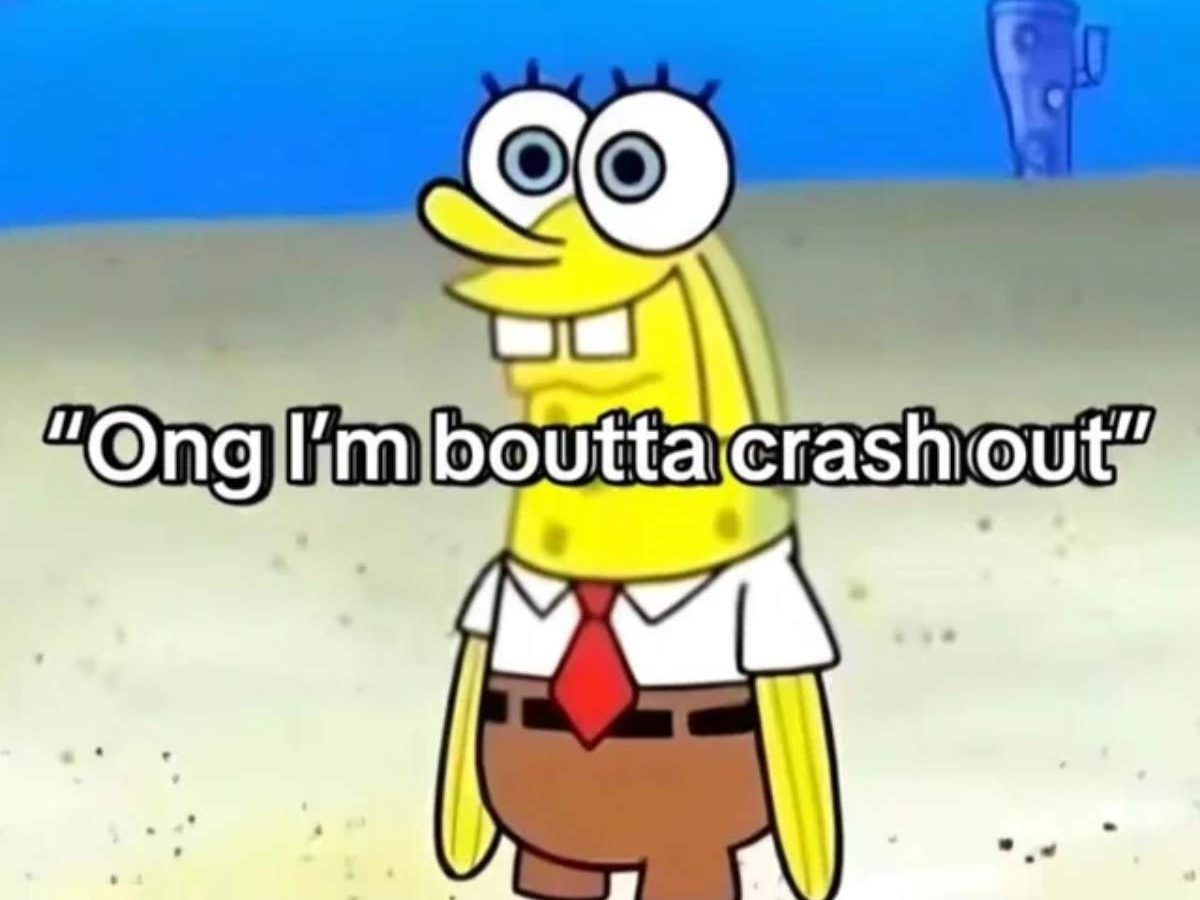
To “crash out,” or to have a “crash out,” means having a visible emotional or behavioral meltdown, usually set off by stress, jealousy, or a breakup playing out somewhere public. It’s more intense and more public than older phrases like “big mad,” which tended to describe quiet, simmering anger rather than an actual visible spiral.
You’d use it like this: “She saw his location was at his ex’s apartment and immediately crashed out in the group chat.” The term works because it names a very specific escalation point, the moment private frustration turns into a public performance, and that specificity is exactly why it replaced vaguer older phrases.
What Is “Aura Farming”? The Slang Behind Every Slow-Motion Sports Clip
“Aura farming” describes deliberately acting or moving in a way designed to look effortlessly cool, and it’s mocked about as often as it’s admired. The phrase comes out of sports and gaming clip culture, where “aura” started as a genuine compliment about someone’s presence before “farming” got added on to call out people who were clearly trying too hard for the clip.
A typical use: “That celebration was pure aura farming, he practiced that walk in the mirror.” The double meaning is the point. The same clip can be praised for having genuine aura and roasted for farming it, sometimes in the same comment section.
“Canon Event”: Why Fans Use a Comic Book Term for Real Life
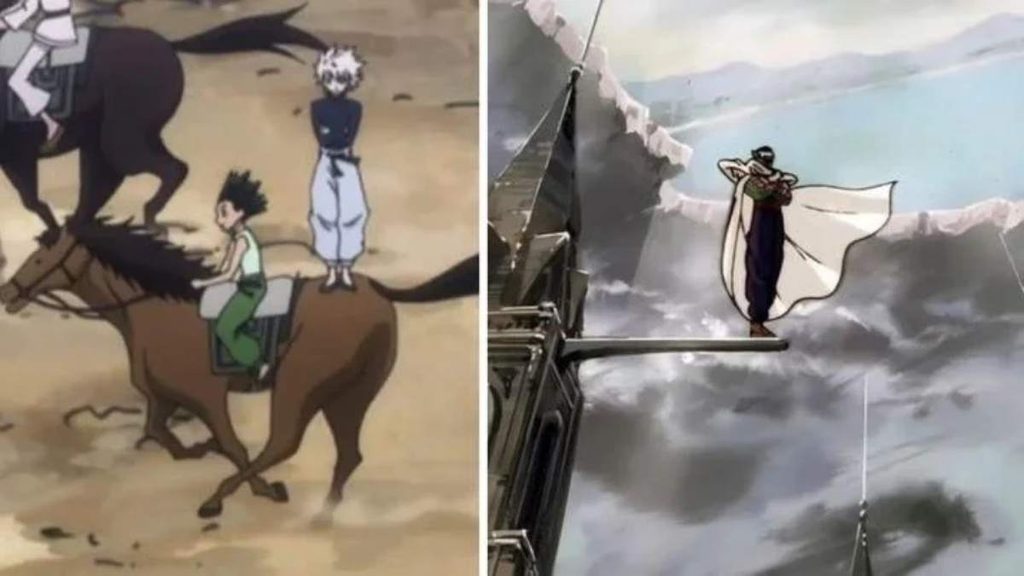
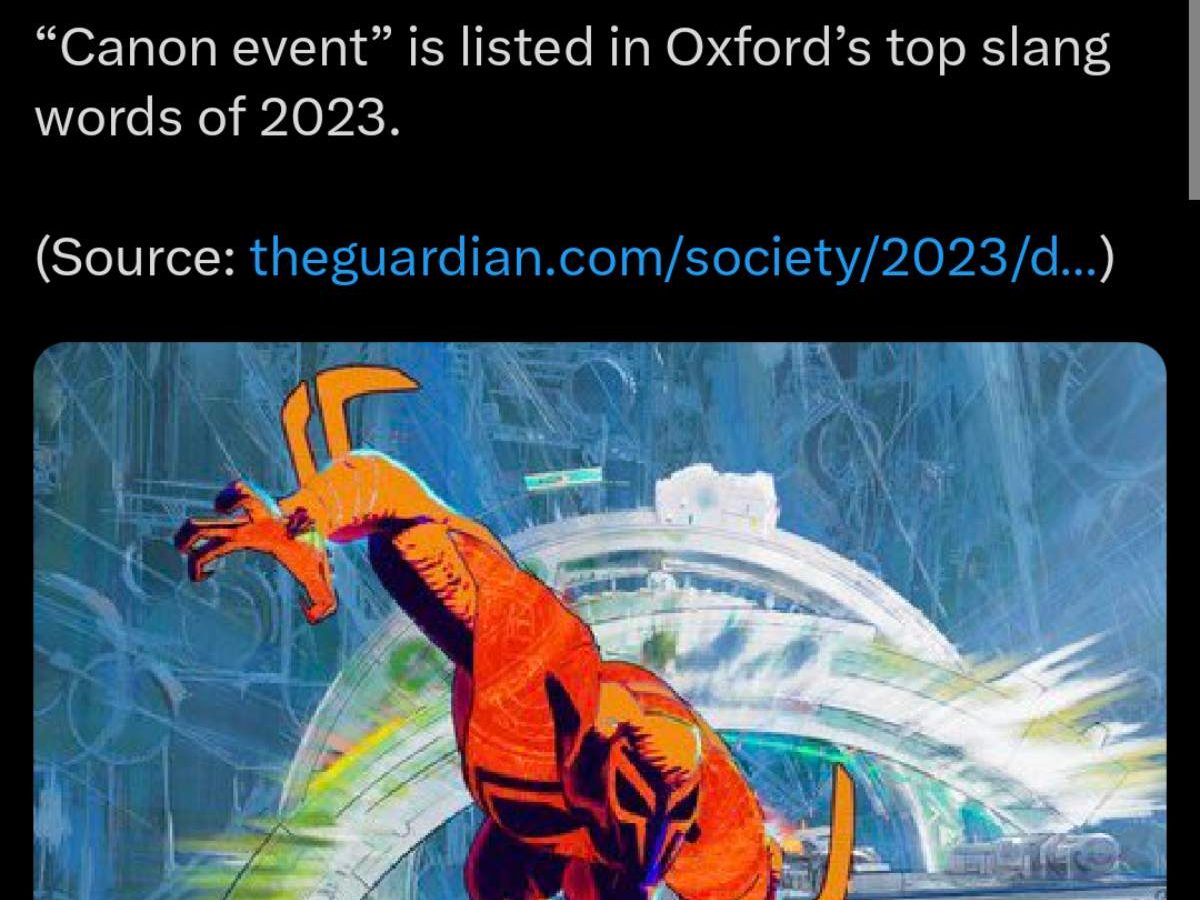
A “canon event” is a moment framed as an unavoidable, defining part of someone’s story, borrowed from fandom language about what officially “counts” as real within a fictional universe. It moved out of superhero and franchise discourse and into everyday use once people started applying it to their own lives.
You’d hear it as: “Getting my heart broken in college was a canon event, I wouldn’t be who I am without it.”
“Chopped”: The Blunt Way 2026 Describes Someone’s Odds
Calling someone or something “chopped” means it looks bad or has no real shot, most often used about a person’s looks or how a situation is likely to turn out. The word carries a real edge, and depending on tone and who it’s aimed at, it can land as genuinely unkind rather than playful.
Example: “His odds of getting that promotion are chopped after showing up late three times this month.” That same bluntness is a big part of why “chopped” keeps showing up in celebrity feud drama commentary, where fans use it to declare a winner the moment a clip goes viral, often before either side has said a word publicly.
What Does “Mewing” Mean, and Is It Actually a Trend or a Joke?
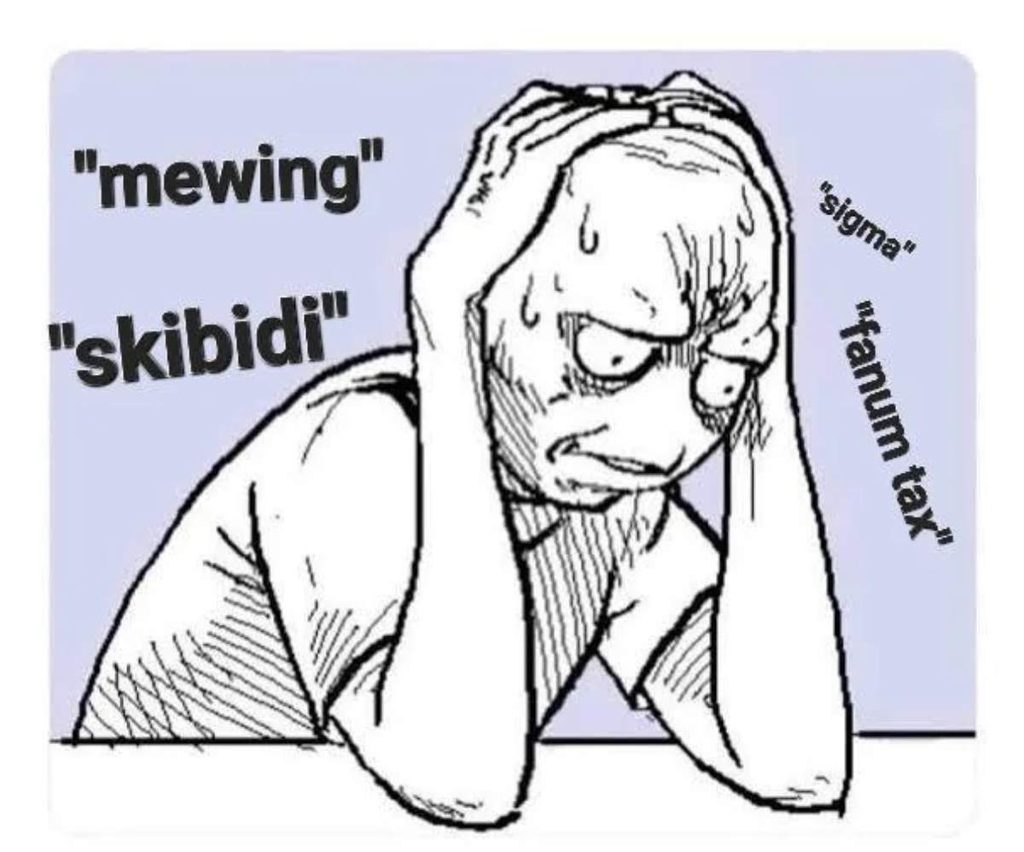
“Mewing” refers to a tongue-posture technique some people believe sharpens jawline definition, named after the orthodontist associated with the method. The technique predates its current meme status by years, and the aesthetic claims attached to it remain unverified rather than proven, so treat any before-and-after claim with skepticism.
Someone might say: “He’s been mewing for six months and swears his jawline changed, but who’s actually measuring that.”
Who Is “Unc” in Internet Slang, and Is It an Insult?
“Unc” describes someone, usually a man, acting older, more out of touch, or more cautious than his actual age suggests. The word traces back to Black American English, where “unc” functioned as a familiar, often affectionate term before the internet flattened it into a broader, sometimes mocking label.
Whether it lands as affectionate or insulting depends entirely on tone and relationship. Calling a friend “unc” for refusing to try a new restaurant reads very differently than using it to mock a stranger, and the gap between those two uses is where most of the arguments about the word actually happen.
Why Everyone Calls Things “Brat” in 2026, and Where the Word Came From
“Brat” now describes someone confidently unbothered, a little messy, and unapologetically themselves, a full flip from its older meaning of a spoiled child. A specific pop culture moment gets credit for the shift, and a dictionary later recognized the reframed word as one of its words of the year, a claim that should be confirmed against the dictionary’s official page before it’s cited anywhere formal.
Someone might describe a friend as “so brat” for showing up late to brunch in sunglasses and zero explanation, and mean it as a compliment. The word’s staying power says something about the moment it landed in. People were already tired of curated perfection online, and “brat” gave them permission to celebrate the opposite.
“Biblically Accurate”: Why a Religious Art Term Describes Anything Unsettling
Calling something “biblically accurate” means it looks strange, overwhelming, or unsettling, referencing art that depicts angels the way scripture actually describes them, covered in eyes and wings, rather than the friendly, human-looking angels most people picture. A specific art trend built around these depictions is what sparked the meme in the first place.
Example: “That new horror movie poster is biblically accurate levels of unsettling.”
What Is a “Beige Flag” in Dating Slang?
A “beige flag” is a personality quirk that isn’t a genuine warning sign and isn’t a positive trait either, just something mildly odd or forgettable. It sits apart from red flag and green flag, and dating content escalated the whole “flag” framework into a full spectrum once beige caught on as the neutral middle ground.
Someone might say: “He alphabetizes his spice rack, total beige flag, not bad, just weird.” The term filled a real gap in dating vocabulary, since not every quirk deserves the weight of a red or green flag, and beige gave people a lower-stakes way to talk about the small, harmless oddities everyone eventually notices in a new partner.
What Does “NPC Energy” Mean Outside of Video Games?
“NPC energy” describes someone acting like they’re following a script or blending into the background, borrowed directly from “non-player character,” the gaming term for a character that isn’t controlled by a real person. A livestream trend built around mimicking scripted, repetitive behavior is what pushed the phrase into mainstream use outside gaming spaces.
It works best aimed at a specific behavior rather than at a person as a whole. Saying “he gave such NPC energy repeating the same three phrases all night” lands differently than calling someone an NPC outright.
“Brain Rot” Was a Word of the Year. Here’s What It Actually Describes
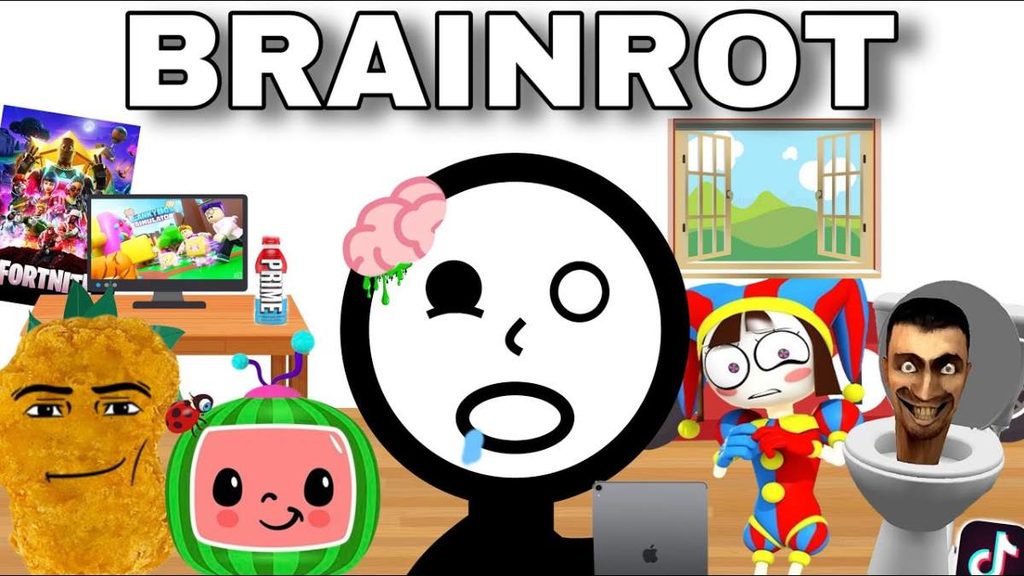
“Brain rot” describes low-value, low-effort content, or the mentally foggy feeling that comes from consuming too much of it, and it earned recognition as a word of the year from a major dictionary, a claim worth double-checking against the dictionary’s own announcement before citing it formally. The term started as a self-aware joke people made about their own scrolling habits before it hardened into a genuine descriptor for an entire category of content.
Example: “I watched four hours of chaotic compilation videos last night, pure brain rot.” Part of why it earned formal recognition is that it names something older internet slang never quite captured, the specific fatigue of consuming content that offers nothing back.
What Does “Skibidi” Mean? The Slang Word Even Its Users Can’t Define
“Skibidi” has no fixed meaning and functions as pure absurdist filler, rooted in a specific animated meme series rather than any literal definition. The series is the actual source, and trying to pin down a dictionary-style meaning misses the point of how the word gets used.
Honestly, knowing what “skibidi” is matters more than knowing what it means. It’s the internet’s version of a nonsense word that everyone under a certain age instantly recognizes, and its persistence says something about how younger audiences bond over sound and repetition first, meaning second, if meaning ever arrives at all.
How to Actually Use 2026 Slang Without Sounding Off (or Offensive)
The safest rule is to read the room before you read the definition. A term that sounds playful among close friends can read as genuinely cruel aimed at a stranger or a coworker, especially words like “chopped” or “unc” that carry real edge depending on tone.
Meaning and acceptability shift fast, sometimes within months, so a term that felt fresh in early 2026 might already feel dated or, worse, might have picked up a meaner connotation by the time you use it. When in doubt, skip anything that exists mainly to comment on someone’s body, and stick to slang that’s about behavior, mood, or vibe instead. A good gut check is whether the term would still land as funny if the person it’s aimed at heard it directly, rather than only working as a joke behind someone’s back.
Frequently Asked Questions About 2026 Internet Slang
What are the top slang words of 2026?
The highest-frequency terms right now are “6-7,” “delulu,” “aura farming,” “skibidi,” and “brain rot,” based on how often they show up across TikTok and X comment sections. What counts as “top” shifts month to month depending on what’s currently trending, so treat any ranked list, including this one, as a snapshot rather than a permanent hierarchy.
What is the newest slang right now?
As of this list’s most recent update, “6-7” and “skibidi” remain the freshest widely used terms, both functioning as absurdist filler words with little fixed meaning beyond the joke of saying them. Because slang cycles fast, check the list’s last-updated date before assuming a term is still current.
What does 6-7 actually mean?
“6-7” doesn’t mean anything specific. It’s a deliberately meaningless number shouted as a comedic interruption whenever someone mentions a number close to six or seven, or references height, age, or a score, and the vagueness itself is the entire joke.
Is “unc” an insult?
It depends entirely on tone and relationship. Between friends, “unc” usually lands as affectionate teasing about acting older or more cautious than your actual age. Aimed at a stranger with a harsher tone, it can read as genuinely dismissive, so context matters more than the word itself.
What slang should you avoid using?
Avoid terms that exist mainly to comment on someone’s body, appearance, or promiscuity, even if they’re common across other slang lists. These words are common because they’re used to mock people, not because they add anything useful to a sentence, and skipping them costs you nothing conversationally.
Closing Thoughts
Slang cycles fast enough that any list claiming to be complete is lying to you a little. What holds up is the pattern underneath the individual words: a lot of 2026 slang started as an inside joke in a specific fandom, sport, or dating context before the algorithm dragged it into everyone’s comment section.
This list gets a quarterly refresh as terms fade and new ones take their place, so bookmark it rather than screenshotting it. Fandom culture keeps feeding this list more than people realize, which is part of why K-pop comeback chaos is worth reading next if you want to see where a lot of this year’s slang actually got its start, sound and moment first, dictionary definition a distant second.