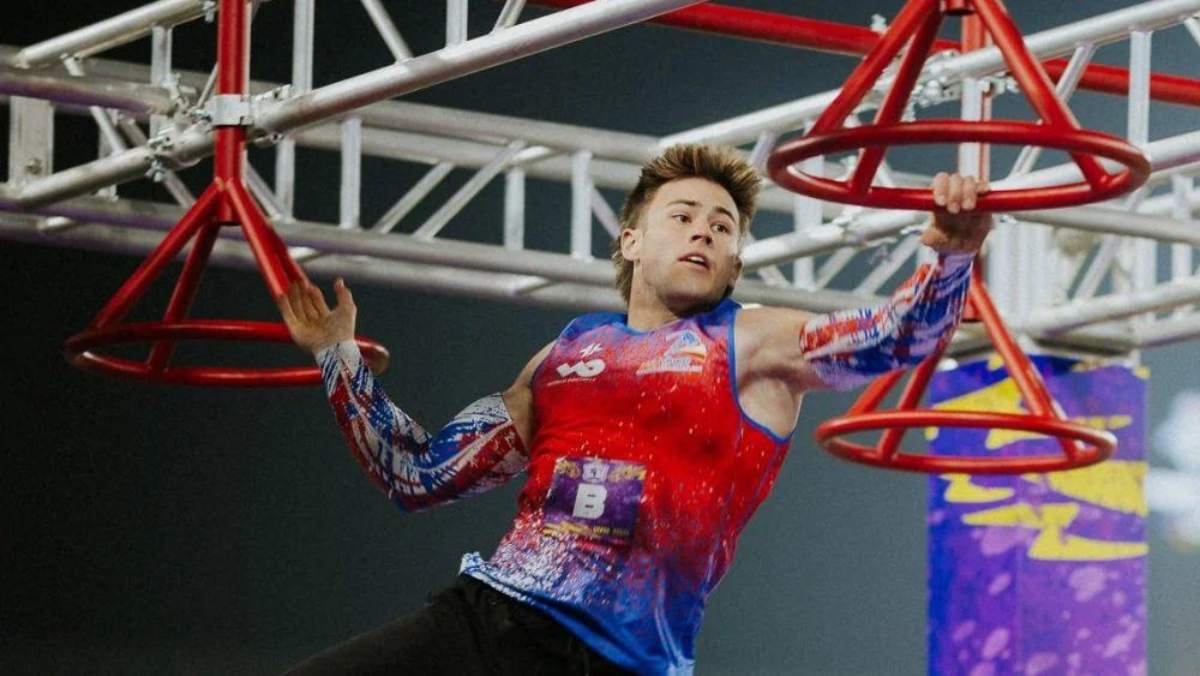

How Do You Actually Get Cast on American Ninja Warrior?
Casting combines an athletic tryout with a media pitch. Applicants submit background information, a short video, and photos, and get evaluated on both physical readiness and whether producers can introduce them as a compelling character in about two minutes of screen time.
You Don’t Need to Be a Pro Athlete to Apply
You do not need an elite athletic resume to try out. Current casting requirements ask for legal U.S. residency and basic physical capability, not a gymnastics background or a rock climbing gym membership. That is genuinely part of the show’s appeal: the accountant next to you in line might be the next breakout star.
The Minimum Age Is Way Lower Than Fans Remember
If you think of American Ninja Warrior as a show for grown adults with day jobs, you are behind. Casting materials list 15 as the standard minimum age, with 14 year olds considered at producer discretion. Older articles floating around that cite 19 or 21 as the cutoff are describing a show that does not exist anymore, so ignore them.
Your Audition Is Half Athletic Tryout, Half Casting Pitch
Producers are not just checking whether you can climb a wall. Casting evaluates athletic ability alongside how quickly you can be introduced as a recognizable person on camera, which is a very different skill than being the strongest guy in your gym. This is part of why some incredible unknown athletes never make the cast while a mediocre climber with a great story does.
The Audition Video Is Shockingly Short
Applicants reportedly submit a video that runs only about one to three minutes. Think about that. You have less time than a movie trailer to prove you can climb, and that you are interesting enough to build a segment around.
Getting Cast Doesn’t Mean You’re the Strongest Applicant
There is a real difference between “best athlete available” and “best contestant for this particular season’s cast.” A producer building a balanced episode is not simply ranking everyone by grip strength. Release paperwork, contract terms, and how a person reads on camera all shape the final roster just as much as raw ability does, long before anyone touches an obstacle.
Do American Ninja Warrior Contestants Practice the Course Before Competing?
No. Contestants get a safety walkthrough and a demonstration of each obstacle, but they cannot physically rehearse the real course before their run. A contestant can train for an entire year and still meet a specific obstacle for the first time with the cameras rolling.
“No Practice” Doesn’t Mean Walking In Blind
Contestants are not tossed onto the course with zero information. They get a walkthrough of the layout and a demonstration of how each obstacle is meant to work. What they do not get is a chance to actually grab it, test their grip, or run a trial attempt before their real one counts.
Some Weird Contestant Decisions Are Rules, Not Clumsiness
That awkward grip choice you laughed at might not be a mistake at all. Certain obstacles come with specific rules banning a body part or technique, which forces contestants into approaches that look strange but are actually the legal option. Rewatching old episodes with that in mind changes how you see half the runs.
There Are Elite Athletes Whose Whole Job Is Testing Fairness
Course testers, some of them former competitors, run every obstacle before contestants ever see it. Their job is to demonstrate proper technique and help calibrate how safe and how difficult the obstacle actually is, not just whether it is physically possible to clear.
An Obstacle Can Be Possible and Still Get Changed
A testable obstacle is not automatically a fair one. Testers act as a kind of human benchmark: their runs help producers judge roughly what proportion of the field should reasonably be able to clear something, not just confirm that one skilled person managed it once. That process is a real production decision, but it is not the same thing as scripting an outcome. There is a meaningful difference between adjusting a course before anyone competes and rigging who wins once cameras roll, and it is worth understanding recreated footage versus scripted TV if you want the fuller version of that distinction across reality television generally.
Athletes Sometimes Invent Techniques Designers Never Saw Coming
Even with all that testing, competitors surprise the people who built the course. Commentary from host Matt Iseman has pointed out competitors attacking obstacles in ways the design team never anticipated, which is part of what keeps the sport evolving season over season.
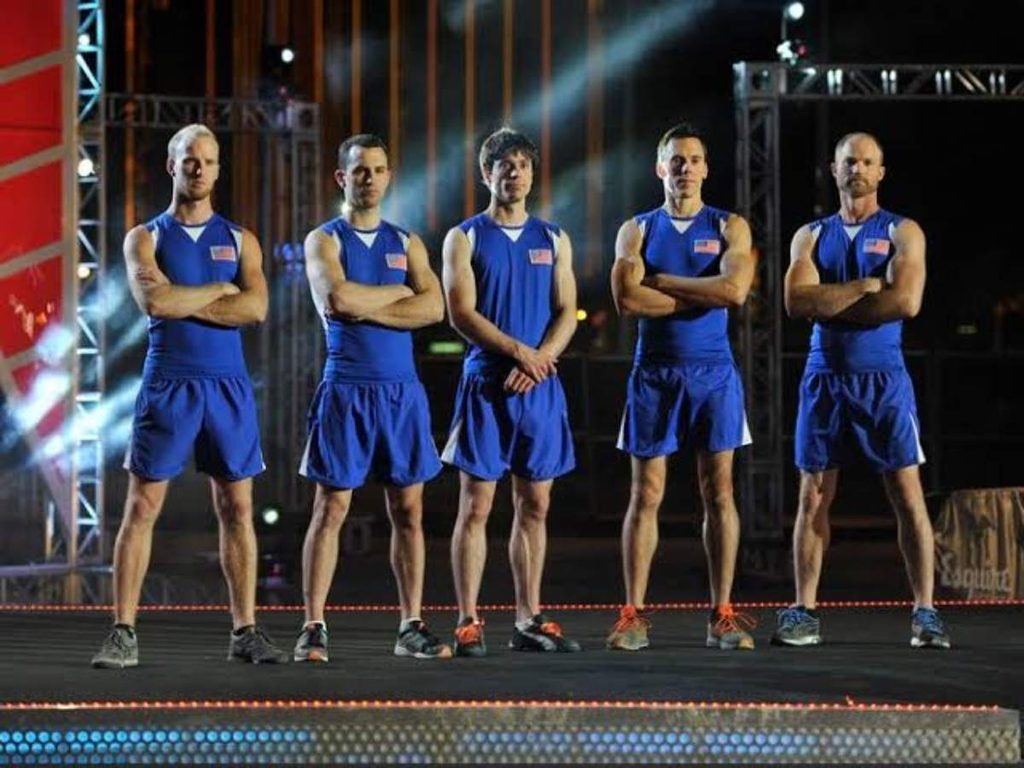
Do American Ninja Warrior Contestants Get Paid?
Most competitors do not receive a salary for appearing, and many have historically covered their own travel and lodging just to compete. That is a very different structure than the “reality TV paycheck” most casual viewers assume exists.
Being Cast Can Cost You Money Before You Touch an Obstacle
Historical reporting has described contestants footing their own travel and lodging bills to take part. Payment and travel policy is one of the fastest changing details around this show, so anyone repeating a specific flat appearance fee, like the $500 to $3,000 figures floating around some corners of the internet, is repeating something that has not been reliably confirmed. Treat those numbers as rumor until a primary source backs them up.
Some Contestants Crowdfund Their Own Season
Because travel and lodging are usually the contestant’s problem, a fair number of competitors have turned to crowdfunding or local sponsorships just to make it to a qualifier city. It is a small but telling detail. A show built around ordinary people beating extraordinary obstacles sometimes requires those same people to fundraise like it is a school trip before they ever get the chance to compete.
The Prize Everyone Remembers Isn’t the Prize That Just Aired
Season 18 reportedly used an all racing National Finals format with a champion prize of $250,000, a real step down from the classic $1 million Mount Midoriyama payoff fans grew up watching. Josiah Pippel is named as the Season 18 champion under this new structure, though every detail in this cluster deserves a final check against network reporting before you repeat it as settled fact.
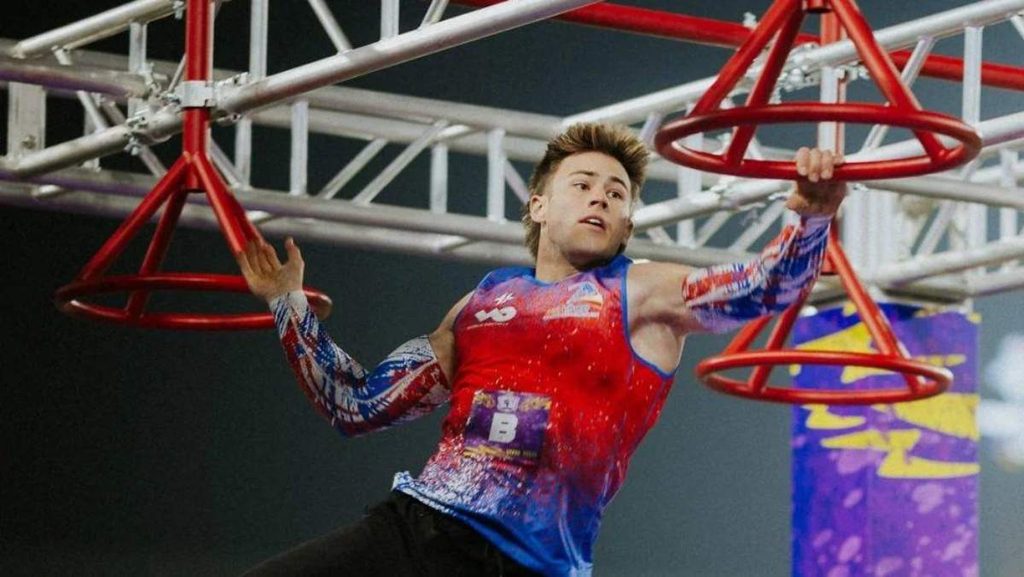
How Is American Ninja Warrior Really Filmed?
A single filming night reportedly runs far longer than what ends up on TV, with editors compressing dozens of competitors and hours of footage into a one hour broadcast. What you watch is a heavily curated sample of a much longer, much messier night on set.
Your 90 Second TV Backstory May Take Hours to Film
One documented example from Season 8 reportedly shows a contestant’s profile package, condensed into roughly two minutes on air, coming from hours of actual filming. Treat that ratio as a historical illustration rather than a guaranteed rule for every current episode, but it gives you a real sense of how much gets left on the cutting room floor.
Some of That Footage Is Recreated, Not Caught Live
Here is where people jump straight to “it’s fake,” and that is not quite right. A morning workout scene getting reshot for better lighting is different from a competition outcome being predetermined, and conflating the two is where the “is it scripted” myth usually starts.
Producers Reduce You to Your Most TV-Friendly Trait
Reporting has described contestants whose full identities got flattened for broadcast, like a rabbi whose day job as a CPA barely made the cut, or a finance professional whose unusual hobby got the spotlight instead of their career. It is accurate footage, just an incomplete picture. That is standard reality TV shorthand, a simplification for runtime rather than a lie.
Television Doesn’t Show Every Run
Historical reporting has put the number of competitors at a single taping around 130, with only a fraction making it into the final broadcast. That means plenty of genuinely great runs simply never air, not because they were bad, but because there was not room in the episode.
You Can Be on Set Far Longer Than Your Run Lasts
Season 8 reporting described contestants arriving in the evening and staying until nearly dawn, and Reality Blurred’s coverage of Season 9 described similarly overnight shooting schedules. Your actual run might last 90 seconds. Your night on set might last nine hours.
The Course Used to Travel Like a Literal Circus
Moving that massive obstacle course between cities reportedly required around 15 semis and roughly 125 crew members at peak. That logistics operation has evolved over the show’s run, but it gives you a sense of just how much infrastructure sits behind a single episode of primetime obstacle racing.
What’s Actually Different About American Ninja Warrior Season 18 in 2026?
Season 18 reportedly replaced the classic Mount Midoriyama finals with an all racing National Finals format called the Tripleheader, with Josiah Pippel crowned champion when the finale aired. That is a real structural shift, and a lot of casual fans have not caught up to it yet.
The Show You Remember and the Show Airing Now Aren’t the Same Competition
The current format reportedly uses regional divisions feeding into a three lane, head to head to head racing structure rather than a single obstacle course completion run. It is a fundamentally different competitive shape than the Midoriyama era most longtime fans grew up on.
| Format Element | Classic Era (Pre-Season 18) | Season 18 (2026) |
|---|---|---|
| Finals location | Mount Midoriyama | Tripleheader / National Finals |
| Competition style | Course completion, timed | Head-to-head racing |
| Grand prize | Reported $1 million | Reported $250,000 |
| Champion example | Historical Vegas finishers | Josiah Pippel (reported) |
All figures in this table are reported and should be confirmed against primary network sourcing before treating them as final.
Prize structures like this are not unique to obstacle racing. Competition formats across the reality genre swing wildly between seasons, and comparing reality show prize payouts across different franchises shows just how often the marketed jackpot and the actual payout diverge.
Mount Midoriyama Wasn’t Even Part of Season 18’s Finals
According to on-air discussion of the format change, Pippel has reportedly said he hopes to see Mount Midoriyama return for Season 19, a comment worth treating as reported commentary rather than a confirmed programming decision until it airs.
Modern Competitors Increasingly Grow Up Training to Be Ninjas
Early seasons were full of “gymnast discovers this weird obstacle course show” stories. The current cast increasingly comes up through dedicated ninja gyms and ANW Junior, meaning competitors arrive with years of sport specific training instead of transferable athleticism from another sport entirely.
The Athletes Getting Better Is Itself a Production Problem
As competitors specialize the way Iseman’s commentary suggests, designers face a real constraint. Obstacles need to stay hard enough to matter competitively, legible enough for a casual viewer to understand at a glance, and safe enough not to become a liability, all at the same time.
The Sport American Ninja Warrior Accidentally Created
American Ninja Warrior did more than cast athletes. It helped build an entire training ecosystem of ninja gyms, youth leagues, coaches, and independent competitions, and that ecosystem has matured enough to change the TV show that created it.
ANW Built the Athlete Pool That Forced Its Own Format to Change
Trace the line from ninja gyms, to ANW Junior graduates, to independent ninja competitions, and you land right back at the Season 18 racing pivot. That format change is not random. It is the clearest evidence yet that a show built its own athlete pipeline, and that pipeline eventually got good enough to demand a new kind of competition.
The show spent years turning ordinary athletes into ninjas. Eventually kids started growing up as ninjas before the cameras ever showed up, and that changed what the competition needed to look like. American Ninja Warrior created the athletes who forced American Ninja Warrior to change.
What to Actually Watch For Next Season
If you have been watching casually and assuming the show works the same way it did a decade ago, it genuinely does not. The casting pool is younger, the training pipeline is more specialized, and the finals format itself just got rebuilt around that shift. Next time a new season drops, watch for how much of the field came up through a dedicated ninja gym instead of a random athletic background, because that ratio is only going to keep climbing. It is the same pattern you see whenever a competition format ages long enough that reality TV formats keep evolving around the audience they built rather than the one they started with.
FAQ
Has anyone been seriously injured competing on American Ninja Warrior?
There is no verified, dated record of a specific serious injury confirmed for this piece. What is confirmed is the process built to prevent one: course testers run every obstacle beforehand specifically to catch safety issues, and contestants get a walkthrough before their run rather than going in completely blind. Any specific injury claim circulating online should be checked against a primary source before you treat it as fact.
Has anyone ever actually won the American Ninja Warrior $1 million grand prize?
Under the classic Mount Midoriyama format, only a small number of competitors in the show’s history managed to complete every qualifying stage required to reach the top prize. Specific winner names should be confirmed against primary network sourcing before being repeated, since this article’s verified sourcing focuses on Season 18 rather than the full historical record of Midoriyama champions.
Do American Ninja Warrior contestants get paid just for appearing?
Most contestants do not receive a salary simply for appearing on the show, and many have historically covered their own travel and lodging to compete. That structure surprises a lot of viewers who assume reality TV competitors are paid appearance fees the way scripted actors are, when the actual model looks much closer to an amateur athletic competition than a paid television gig.
What is the age requirement to apply for American Ninja Warrior in 2026?
Current casting materials list 15 as the standard minimum age to apply, with 14 year olds considered on a case by case basis at producer discretion. This is a meaningful drop from older cutoffs of 19 or 21 that some outdated articles still repeat, so always check the age requirement against the show’s current casting page rather than an old blog post.
Is American Ninja Warrior scripted?
No, not in the sense that matters most: competition outcomes are not predetermined. Some background footage, like a morning workout scene, does get recreated for cameras with better lighting or timing, which is a normal reality TV practice. That is different from scripting who wins, and the distinction is what actually separates ‘produced’ from ‘fake.’