

TL;DR
- Cameron’s exit has two separate causes: Jennifer Morrison’s real-life decision to leave after six seasons, and the in-story collapse of Cameron’s marriage to Chase.
- The on-screen trigger was Chase’s role in a patient’s death during an experimental drug trial, which Cameron could not get past.
- Morrison’s departure was not tied to any on-set conflict. She wanted roles outside a long-running procedural after playing Cameron since the 2004 pilot.
- Cameron resigns from Princeton-Plainsboro and divorces Chase in the same stretch of season 6 episodes.
- She later returns briefly for a season 8 episode, closing out the character rather than leaving the door open indefinitely.
- The common “she just got divorced and left” summary skips the actor’s real reason, which is the half of the story most recaps leave out.
Somewhere around season 6, longtime House viewers noticed Cameron’s name had quietly disappeared from the opening credits, and the show never slowed down to explain itself. One episode she is running the ER with her usual mix of competence and barely suppressed frustration at Chase, and a few episodes later she is gone, with a resignation letter and a crumbling marriage standing in for an explanation. That kind of exit always triggers two separate questions, and most recaps answer only one of them.
The first question is what happened inside the story: why would Cameron, who had survived House’s abuse for six seasons, suddenly walk away from the job. The second question is why the show was writing her out at all, which has nothing to do with Chase or patient deaths and everything to do with Jennifer Morrison’s own career calculations. People searching for this answer usually get a half answer, either a plot summary with no context for why the plot moved that way, or vague industry gossip with no actual facts attached.
This piece separates those two threads cleanly: the character’s reason and the actor’s reason, laid out in the order the show actually built them. Once you see how the writers reverse engineered Cameron’s ending from Morrison’s real decision, the entire arc makes a lot more sense.
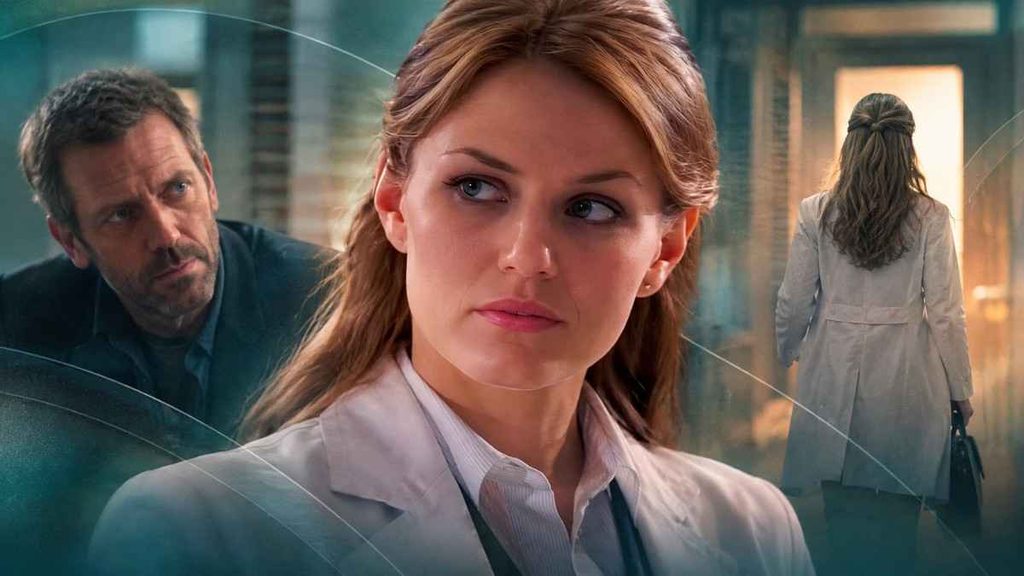
Why Did Cameron Leave House?
Cameron left House because the actor playing her, Jennifer Morrison, decided after six seasons that she wanted to pursue roles outside a single procedural drama, and the writers built a resignation storyline for Cameron that matched that real-world exit. The in-story trigger was Cameron’s collapsing marriage to Chase, driven specifically by his role in a patient’s death that she could not forgive. Those two layers, the actor’s career decision and the character’s ethical breaking point, are both true at once, and neither one fully explains the exit without the other.
Casual recaps tend to flatten this into “she got divorced and left,” which is technically accurate but skips the half of the story that actually matters to how the show built the exit. The sections below walk through each layer separately so the real timeline is clear.

Why Did Jennifer Morrison Leave House?
Jennifer Morrison left House because she wanted to move into other projects after six seasons playing the same role, not because of any behind the scenes conflict on set. She had been cast as Cameron in the 2004 pilot, which meant that by season 6 she had spent longer playing one network drama character than most actors ever do.
Morrison has talked publicly about wanting range beyond Princeton-Plainsboro Teaching Hospital. Staying on a procedural for that long locks an actor into a single voice, a single wardrobe, and a single set of relationships. Morrison was ready to test herself against different material. That is a common reason actors leave long-running ensemble shows, but it is easy to forget when you are watching the DVD box set and Cameron just vanishes from the opening credits.
The timing also lined up with other opportunities coming her way, which is part of why the show wrote her exit when it did instead of stretching Cameron’s arc out further. Once Morrison and the producers agreed she was leaving, the writers had to build a believable reason for Cameron specifically to walk away from a job she had fought to keep for years. For a broader sense of how often this happens on long-running network dramas, it is worth comparing her exit to other long-running show departures that followed the same pattern of real career timing dressed up as a plot point.
Several other cast members on House left for similar reasons over the show’s eight seasons, wanting to avoid being typecast as a single character for a decade or more. Morrison’s case stands out mainly because Cameron had been positioned as one of the show’s moral centers from the pilot onward, which made her absence more noticeable than a background character quietly dropping out of the ensemble.
How Did the Show Write Cameron Off?
The show wrote Cameron off by having her resign from the hospital after her marriage to Chase collapsed under the weight of what he had done to save a patient. Cameron and Chase had married in season 5, and their relationship became one of the show’s longer running subplots, which made her exit hit harder than a simple resignation would have.
The breaking point was Chase’s involvement in the death of an African dictator named Dibala, who was a patient under House’s team. Chase made a unilateral decision that Cameron could not reconcile with the version of him she thought she had married. That moral gap, not just a failing marriage, was what pushed her to leave both the relationship and the job at the same time.
Cameron’s departure worked dramatically because it was never framed as a random cast shuffle. The writers connected her exit to the show’s biggest ongoing theme, which is how far doctors are willing to bend their ethics under pressure, the same question the show explores constantly with House himself. If you want a deeper look at how House handles medical ethics and realism more broadly, it is worth reading about House’s medical accuracy, since Cameron’s final storyline leaned directly into that tension.
Cameron had always been the character most likely to push back on House’s ethical shortcuts, going all the way to the pilot episode. Having her final storyline hinge on an ethical line that Chase crossed, rather than House, kept her exit consistent with everything the writers had built about her character for six seasons. It also meant her leaving did not feel like the show punishing her for being difficult, which is a trap a lot of long-running dramas fall into when writing out a founding cast member.

Did Jennifer Morrison Come Back for the House Series Finale?
Yes, Jennifer Morrison returned as Cameron for the series finale, “Everybody Dies,” which aired in 2012. Her appearance was brief but intentional, placing Cameron among the figures House sees as he works through the final hour of the show.
The finale structure relied on House revisiting people from his past while under the influence of drugs in a burning building, blurring memory and hallucination. Cameron’s inclusion mattered because she represented an earlier, more hopeful version of House’s team, back before several of his colleagues had died or drifted away. Bringing her back gave the ending emotional weight instead of treating her like a character the show had simply forgotten about.
Her cameo did not reopen Cameron’s story or hint at some unresolved plot thread. It functioned as closure, a way of acknowledging that Cameron had been part of House’s foundation even though she had been gone from the regular cast for two seasons by that point. Fans debating House’s series finale often bring up this cameo specifically because it is one of the clearest signals the writers wanted to honor the show’s original ensemble rather than only focus on the characters still active in season 8. For a full breakdown of who else appeared in that sequence, the House finale explained covers the rest of the hallucination sequence scene by scene.

What People Get Wrong About Cameron’s Exit
The most common misread is treating Cameron’s departure as purely a relationship storyline, as if she left only because the marriage to Chase ended. That ignores the ethical trigger behind it and flattens one of the show’s more pointed character arcs into a breakup plot.
The second misread is assuming Morrison’s exit was some kind of on-set falling out. Nothing in how the show handled her finale cameo supports that read. An actor who left on bad terms typically does not return for a goodwill cameo in a series finale, and Morrison’s brief appearance reads as a mutual, friendly send-off rather than damage control.
A third misread, less common but still out there, is assuming Cameron’s resignation meant the character died or was written out permanently in some darker sense. Nothing in the text of the show supports that either. Cameron is shown alive and well in her finale appearance, and the show never suggested her post-hospital life was anything other than a continuation of the career she chose for herself when she resigned.

The Bottom Line on Cameron’s Exit and Return
Cameron’s ending holds up because the show treated her departure as a consequence of character, not a scheduling inconvenience. Morrison wanted new challenges after six seasons, and the writers answered that real-world need with a storyline that actually made sense for Cameron specifically, built around a line she was not willing to cross even for a marriage she had fought for.
If you are revisiting House now, watch season 6’s back half with that lens. Cameron’s resignation plays very differently once you know it is not a petty exit but the show closing out its most idealistic original cast member on her own terms.

FAQ
Why did Jennifer Morrison leave House?
Jennifer Morrison left House after season 6 because she wanted to pursue other acting opportunities beyond playing a single procedural drama character for years. The decision came from her own career goals rather than any conflict on set, and the writers built Cameron’s exit storyline around that real-world timing.
What episode does Cameron leave House in?
Cameron resigns from Princeton-Plainsboro Teaching Hospital in season 6, after her marriage to Chase breaks down following his role in a patient’s death. The writers tied her departure directly to that ethical conflict rather than making it a simple scheduling exit.
Does Cameron come back in the House series finale?
Yes. Jennifer Morrison returned as Cameron for the series finale, “Everybody Dies,” appearing as one of the figures from House’s past during the final hour. The appearance served as closure rather than setting up any new storyline for the character.
Why did Cameron and Chase get divorced on House?
Cameron and Chase divorced after Chase made a unilateral decision in the death of a patient, a dictator named Dibala, that Cameron found morally unacceptable. The fallout from that choice, not simple incompatibility, is what ended both the marriage and Cameron’s time at the hospital.
Was Jennifer Morrison fired from House?
There is no indication Jennifer Morrison was fired from House. Her exit lined up with her own decision to move toward other projects, and her return for the series finale cameo suggests a mutual, amicable departure rather than a dismissal.