
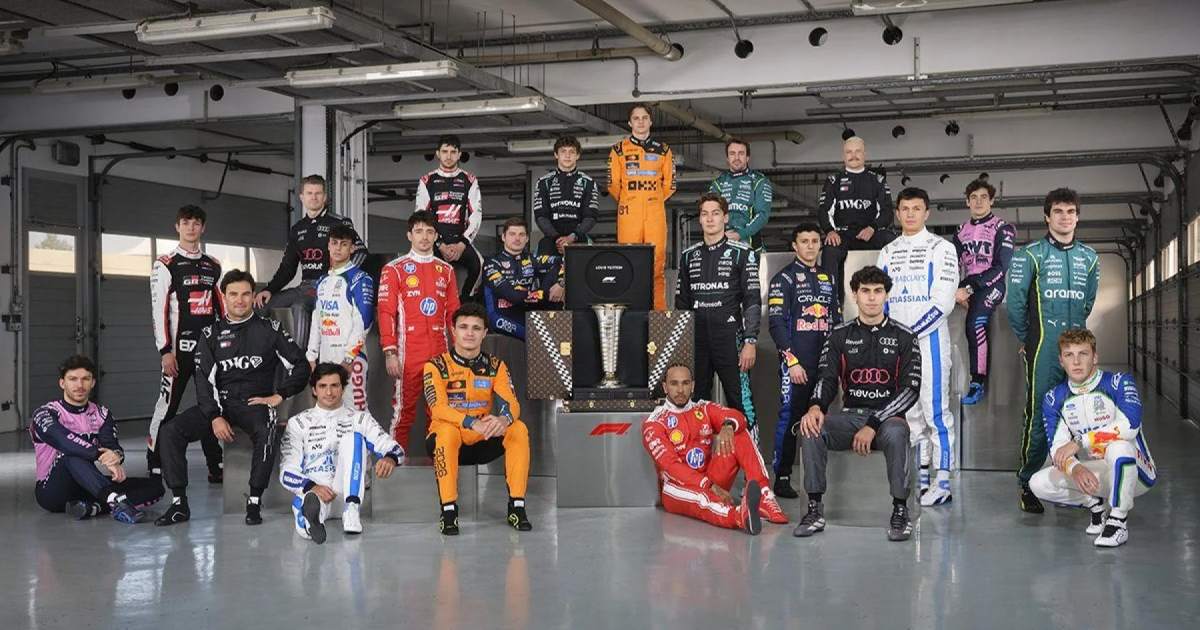
How We Picked These Athlete Documentaries for 2026
Every documentary on this list met three conditions: it was filmed during the athlete’s real competitive season rather than reconstructed from archive footage, it received a wide release on a major platform (Netflix, ESPN, Apple TV+, or Amazon Prime Video), and it has a runtime long enough to actually develop the athlete as a person, not just a highlight package.
We also weighted access over polish. A documentary with rougher production but real locker room and off-season footage beat a glossy film built mostly on talking-head interviews. If you want the full breakdown of how we rank sports documentaries, that piece covers the criteria in more depth.
The Best Athlete Documentaries to Stream in 2026
| Title | Sport / Athlete | Platform | Release | Best for |
|---|---|---|---|---|
| Simone Biles Rising | Gymnastics, Simone Biles | Netflix | 2024, second part 2024 | Viewers who want the mental health angle handled without melodrama |
| Quarterback | NFL, three starting QBs | Netflix | 2023, renewed format | Football fans who want locker room access, not just game footage |
| Sprint | Track and field, multiple sprinters | Netflix | 2024 | Anyone who only watches track every four years and wants to catch up fast |
| Full Swing | Golf, PGA Tour field | Netflix | 2023 to present, annual seasons | Golf skeptics who think the sport is boring on television |
| Drive to Survive | Formula 1, full grid | Netflix | 2019 to present, annual seasons | New F1 fans who need the rivalries explained in plain language |
| Federer: Twelve Final Days | Tennis, Roger Federer | Amazon Prime Video | 2024 | Tennis fans who want one contained, emotional story instead of a season arc |
| Untold (anthology) | Rotating, individual athletes and scandals | Netflix | Ongoing since 2021 | Viewers who want a single 90 minute story with a clear beginning and end |
Table reflects platform release information as of January 2026. Streaming availability can shift between platforms, so check current listings before committing to a title.
The verdict: if you want a season-long arc with real stakes, start with “Quarterback” or “Drive to Survive.” If you only have 90 minutes tonight, “Untold” or “Federer: Twelve Final Days” will finish clean without asking for a six-episode commitment. Choose the anthology format when you want closure by bedtime, and choose the season format when you are willing to come back tomorrow night too.
Simone Biles Rising
Simone Biles Rising follows the gymnast’s return to competition after withdrawing from multiple events at the Tokyo Olympics for mental health reasons. The documentary was filmed during her actual comeback season, which is why the tension in the back half feels real instead of staged.
Best for: viewers who want a mental health story told through actual competition footage instead of therapy-session voiceover.
The show avoids the trap most comeback documentaries fall into, where the ending is obvious from minute one. Biles’ team gave editors access to training footage from before anyone knew whether the comeback would work, and that uncertainty is what makes the second half land.

Quarterback
Quarterback follows three NFL starting quarterbacks through a single season, cutting between their preparation, family life, and Sunday performance. It works because the show does not pretend all three seasons went well. One of the three subjects has a genuinely rough year, and the documentary lets that sit uncomfortably instead of smoothing it over.
Best for: football fans who are tired of documentaries that only follow winners.

Sprint
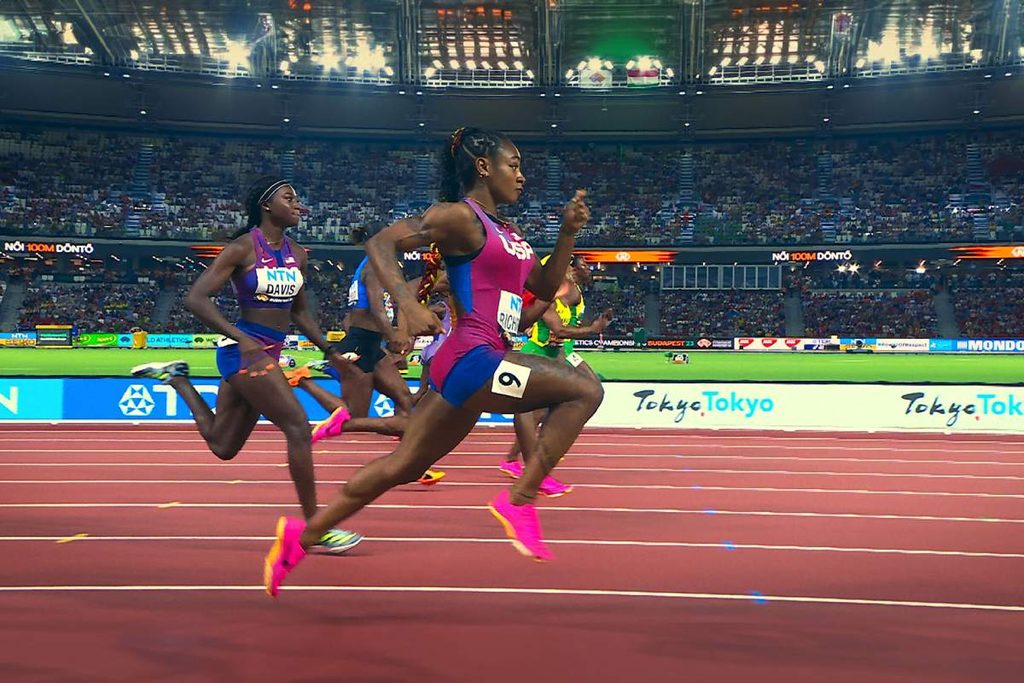
Sprint follows a group of elite sprinters through a full track season, including the mundane parts most track coverage skips: the qualifying meets, the sponsorship pressure, the injuries that happen off camera during a normal Tuesday practice. If your only exposure to track and field is watching the Olympics every four years, this is the fastest way to understand who the current rivalries actually are, and it pairs well with our deep dive on Olympic athlete comeback stories if you want the longer historical version of the same arc.
Best for: casual Olympics viewers who want context before the next Games.
Full Swing
Full Swing follows PGA Tour golfers through a season, using the same format Drive to Survive built for Formula 1. The show has gotten sharper with each season, mostly because the golfers themselves have gotten more comfortable on camera and started saying things they clearly were not saying in season one.
Best for: people who find golf visually boring but might get hooked by the personalities behind it.

Drive to Survive
Drive to Survive remains the reason every other sport now has a season-long docuseries. The show follows the full Formula 1 grid, not just the leaders, which is why it works even in seasons where the championship race is a foregone conclusion. The midfield drama carries entire episodes on its own.
Best for: anyone who got into Formula 1 in the last two years and still needs the team rivalries explained without jargon.
Federer: Twelve Final Days
Federer: Twelve Final Days covers exactly what the title says: the final 12 days of Roger Federer’s professional tennis career, ending with his retirement match at the Laver Cup. Because the scope is so narrow, the documentary can slow down in ways a full-season show never could.
Best for: tennis fans who want one emotionally complete story instead of a multi-episode commitment, similar in tone to our breakdown of the best one-and-done sports documentaries.

Untold (anthology series)
Untold rotates through individual athletes and sports scandals, with each installment running as a standalone documentary rather than part of a season arc. Some episodes cover recent controversies, others go back decades to reexamine cases that never got a full documentary treatment. The format makes it the easiest entry point on this list if you are not ready to commit to a multi-episode season.
Best for: viewers who want a complete story in one sitting, no episode two required.
Why Athlete Documentaries Are Booming Right Now
The genre’s growth traces back to one shift: platforms stopped treating athlete documentaries as retrospectives and started filming them in real time, during the actual season, before anyone knew how the story would end. The Last Dance proved in 2020 that archival footage plus hindsight could work for a legacy story like Michael Jordan’s. Drive to Survive proved something more useful for the genre going forward: that filming in real time, without knowing the outcome, creates stakes no amount of editing can fake after the fact.
That is also why biopic-style athlete films have slowed down while season-long docuseries have multiplied. A viewer already knows how a legacy story ends. A viewer does not know whether this season’s quarterback keeps his job, or whether this season’s sprinter makes the final. The uncertainty is the product now, not the résumé.
FAQs
What new athlete documentaries are coming out in 2026?
Netflix and ESPN both maintain annual season renewals for existing docuseries like Drive to Survive and Full Swing, with new seasons typically arriving between spring and early summer. Untold continues to release new standalone installments throughout the year on a rolling schedule rather than a fixed season.
Where can I stream most athlete documentaries in 2026?
Most major athlete docuseries sit on Netflix, including Quarterback, Sprint, Full Swing, and Drive to Survive. ESPN’s library and Amazon Prime Video hold the rest, including Untold and Federer: Twelve Final Days, so a viewer needs at most two subscriptions to cover this entire list.
Are athlete documentaries scripted or exaggerated for drama?
The events themselves are not scripted, since the footage comes from real competitions and real seasons. Editing choices do shape pacing and emphasis, the same way any documentary chooses which moments to highlight, but the underlying competitive outcomes are not staged.
Which athlete documentary should I start with if I only watch one?
Start with the sport you already follow, since existing context makes the season-long shows land faster. If you have no strong sport preference, Untold is the safer entry point because each episode resolves in one sitting instead of asking for a season-long commitment.
Do I need to follow the sport already to enjoy these documentaries?
No. Quarterback, Sprint, and Full Swing were all built to explain the sport’s basics within the first episode, since platforms know a large share of the audience is not existing fans. Drive to Survive is the clearest example of this, having converted a significant new audience to Formula 1 fandom since its 2019 debut.
Athlete documentaries in 2026 reward viewers who pick based on format, not just subject matter. A season-long arc asks for a real commitment across several nights. A standalone story like Untold or Federer: Twelve Final Days asks for one night and delivers a complete ending. Match the format to how much time you actually have tonight, and you will end up rewatching the genre instead of abandoning it halfway through episode three.