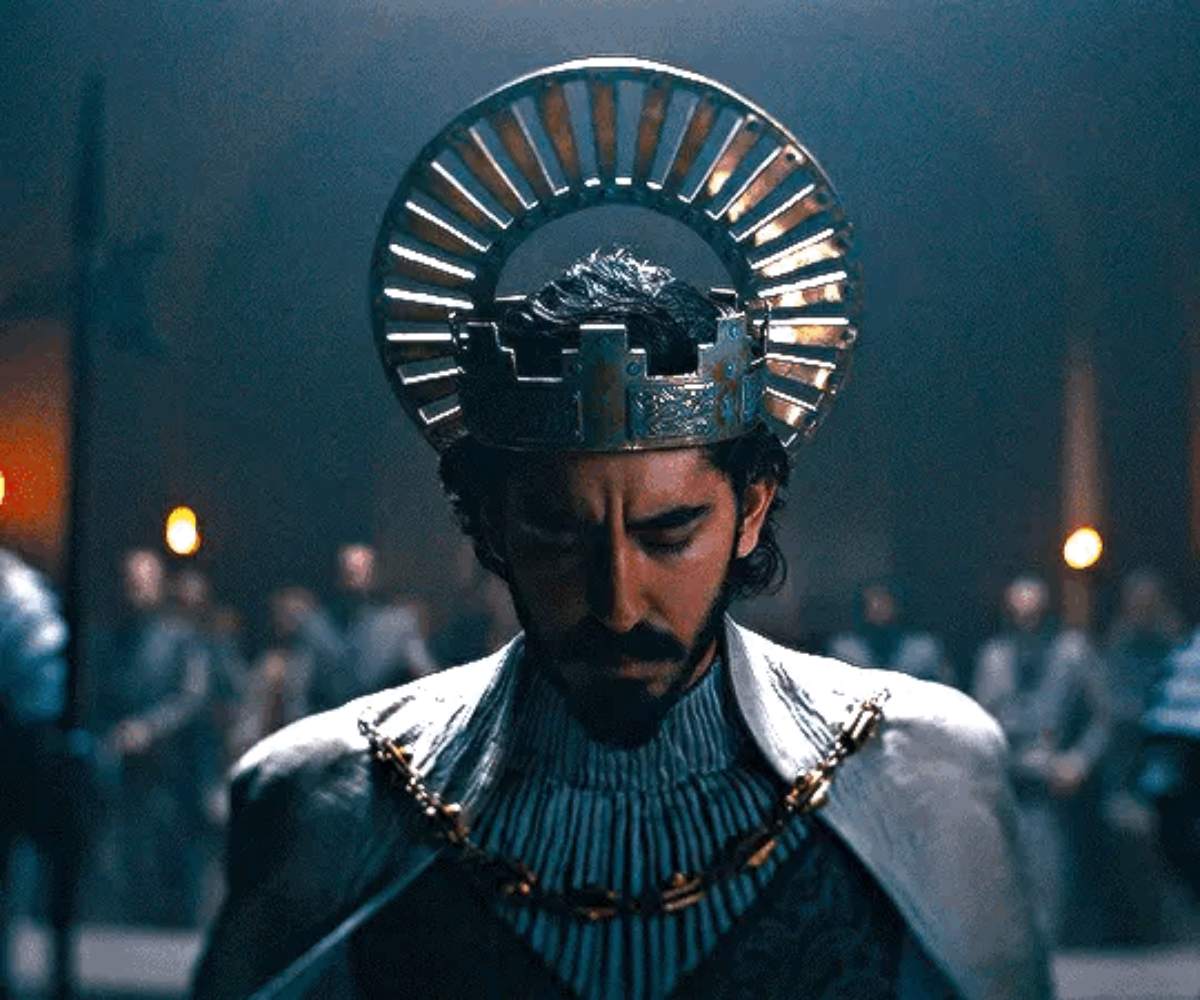
Gawain removes the green girdle, accepts the blow, and the film cuts as the Green Knight says, “Now little knight, off with your head.” Physical survival stays offscreen on purpose. Honor recovered is what the cut locks.
Spoiler warning: Full ending spoilers for David Lowery’s The Green Knight (2021), including the Green Chapel vision, the girdle, and the cut-to-black.
TL;DR
- Gawain (Dev Patel) is not yet a knight of legend. He takes the Christmas beheading game, decapitates the Green Knight (Ralph Ineson), and spends a year failing tests of courage, honesty, and chastity.
- At the Lord and Lady’s castle he accepts a second green girdle that promises safety, then wears it into the Green Chapel.
- He flinches, bargains, and sees a vision of cowardly kingship bought with the sash: loveless marriage, a stolen child from Essel, and eventual beheading anyway.
- He confesses the charm, throws the girdle away, and kneels for the axe. The Knight softens into almost paternal praise, then delivers the final line.
- Lowery cuts to black before the blade lands. Survival vs death is left open; thematic resolution is not (Vulture, CinemaBlend).
- Poem vs film: the movie reverses the final honesty test and fuses Morgan le Fay with Gawain’s mother so the enchantment serves his arc (Den of Geek).
- Where to watch: digital purchase and rental storefronts plus rotating streamers; A24 title, check JustWatch locally.
The cut-to-black is not a missing reel. Lowery told interviewers he wanted the quest able to end in death, and that integrity after the girdle comes off matters more than a survival scoreboard.
The Green Knight Ending Explained: What the Final Scene Means
The Green Knight ending explained in one line: Gawain becomes worthy by refusing magical cowardice, and the film refuses to show whether the axe finishes the job.
Dev Patel’s Gawain spends two hours chasing renown the way other men chase armor. He wants a story worth telling at the Round Table. He also treats knightly ideals as loose guidelines until the Green Chapel forces a binary choice: keep the cheat-code sash, or face the blow bare.
Lowery told Nerdist he wanted to embrace the finality of the quest:
“What I wanted to do was to embrace the finality of Gawain’s quest, that it could end in his death and that it probably should end in his death. For him, the noble thing to do would be to submit to his own death.”
He also told USA Today (via CinemaBlend) that he hopes audiences leave with a smile, because Gawain has arrived where he needs to be “regardless of what happens to him after the film cuts to black.” Death someday is certain. Whether it is that Christmas morning is not the point Lowery wants to impose.
Prestige endings that separate what the camera confirms from what fans invent reward the same discipline. Our Whisper Man ending explained guide works that split on another thriller that refuses to let speculation overwrite the last shot.
The Green Knight Ending Explained Beat by Beat
The Christmas game and the year of consequence
On Christmas, a verdant challenger interrupts Camelot with a simple game: strike him now, receive the same blow in a year. Gawain takes the axe and removes the Knight’s head. The Knight retrieves it, reminds him of the bargain, and leaves. Arthur’s court wanted a game. Gawain made it lethal.
The year that follows is not a montage of knightly progress. It is delay, fear, and a mother (Sarita Choudhury) who arms him with a green girdle meant to keep harm away. The quest road strips that first sash and most of his remaining dignity.
Road failures before the chapel
Along the way Gawain is robbed after begging for his life, bargains with Saint Winifred’s ghost before helping her, and arrives at a Lord’s house already compromised. Joel Edgerton’s Lord proposes an exchange game: whatever he wins on the hunt, Gawain must match with whatever he receives indoors. Alicia Vikander’s Lady (also cast as Essel) seduces him and offers a second green girdle that will reportedly keep him safe. He keeps the sash and hides the full gift from the Lord.
That castle sequence is temptation engineered around fear of death as much as lust. The film does not need you to solve every witchy detail to read the moral: Gawain accepts borrowed protection rather than earned courage.
The Green Chapel, the flinch, and the vision
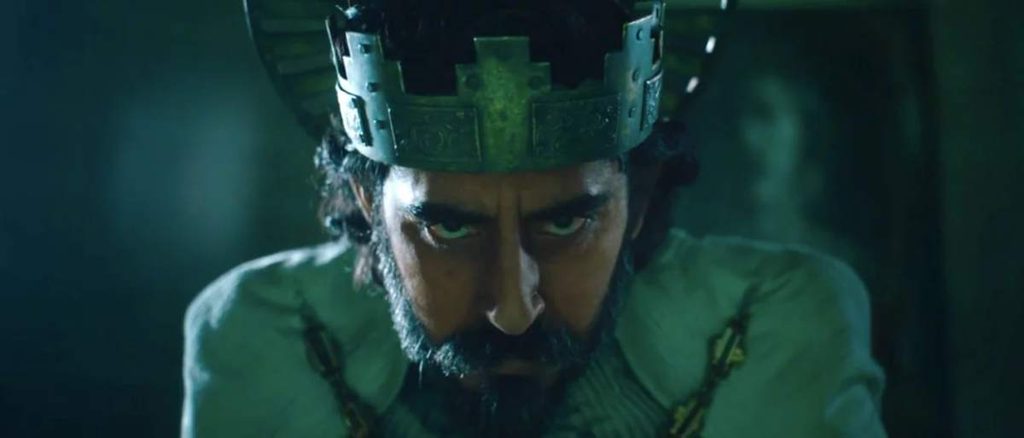
At the Green Chapel the Knight raises the axe. Gawain flinches. He bargains. He flees into a sustained vision Lowery wanted long enough that viewers briefly forget it might be fantasy (Nerdist).
In that vision he returns to Camelot, claims honor he did not earn, becomes king, abandons Essel after taking their child, rules without warmth, and still loses his head years later once the girdle comes off. The sash buys time. It does not buy a clean legacy.
The girdle comes off
Back in the chapel, Gawain understands the vision as the life cowardice purchases. He removes the girdle, confesses the charm, and presents his neck. The Green Knight’s tone shifts toward approval. Then the line: “Now little knight, off with your head.” Cut to black.
That removal is the locked character beat. Everything after the cut is audience ownership.
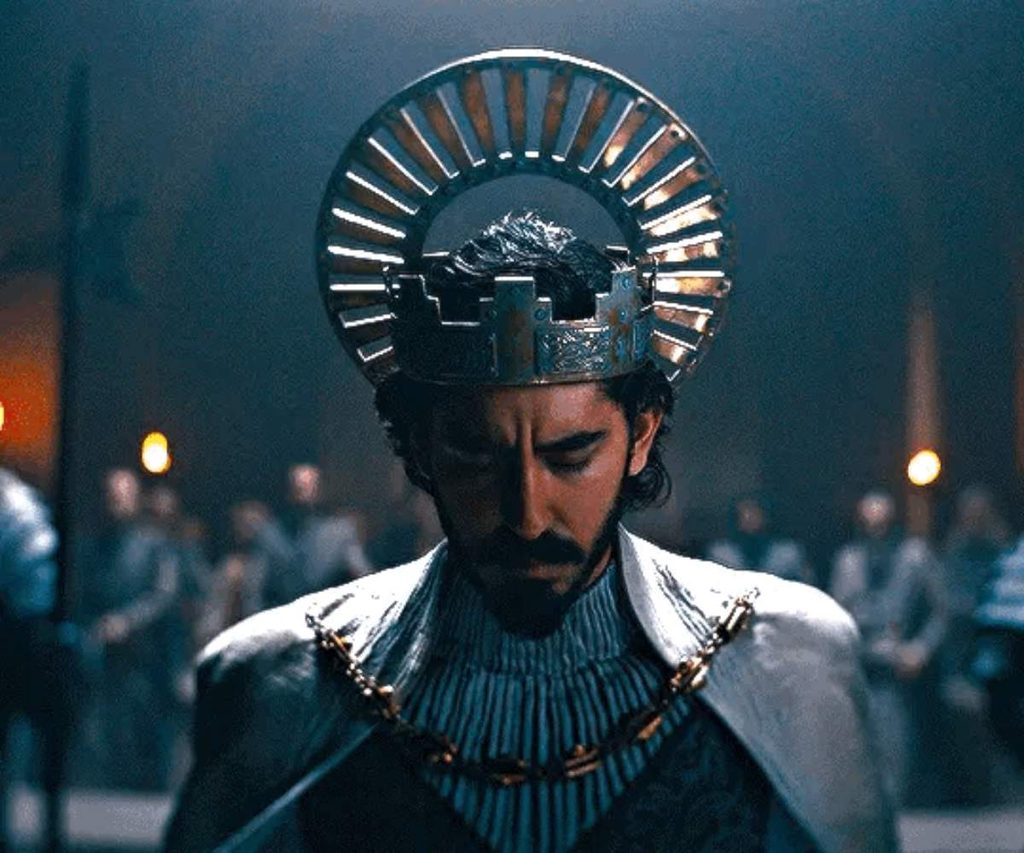
Does Gawain Die at the End of The Green Knight?
The film does not show the blade finish the job. Treat “he definitely dies” and “he is definitely spared” as readings unless a given Lowery interview states otherwise for a specific cut.
What the ending confirms on screen:
- Gawain discards the protective girdle
- He accepts the agreed blow without magical insurance
- The Knight praises that choice, then speaks the beheading line
- The movie ends before impact
What stays labeled interpretation:
- Fan certainty that the axe lands because the line sounds final
- Fan certainty that the Knight’s soft tone means mercy, as in the poem
- Amy Ratcliffe’s Nerdist reading that courage earns a spared life; that is a critic’s extrapolation, not a frame you see
- Lowery’s own Vanity Fair note (reported by Vulture) that he shot a more definitive version and discarded it for ambiguity
Lowery’s interview record leans existential, not forensic. He wanted death available as the noble endpoint. He also called the cut a happy ending in the sense of integrity achieved. Survival would not cancel the moral win. Death would complete it. The frame refuses to pick for you.
Ambiguous prestige finales that keep theme locked while plot stays open sit in the same lane as Midnight Mass ending explained, where faith and cost matter more than a tidy body count.
What the Green Girdle Means in The Green Knight
On screen, the green girdle is a cheat code against the Christmas game: protection bought through fear, desire, and maternal (or courtly) rescue.
Concrete meanings the film supports without stretching:
- Mother gives Gawain an early sash as protection before the quest
- He loses that first sash on the road
- The Lady offers a second sash paired with seduction and talk of magic
- Wearing either version into the Chapel is borrowed honor
- Removing it is the first fully adult refusal of magical cowardice
Color talk in the film (red as passion, green as the morning after) frames the sash as life and decay in one object. The infamous intimate scene stains the garment with the cost of that surrender. None of that requires a separate unfinished academic theory to land. The prop tracks fear of death.
What to keep labeled as reading rather than locked lore:
- Exact coven mechanics inside the Lord’s house
- Whether every mysterious woman is the same enchantress in disguise
- Any claim that the girdle’s magic is proven on screen the way a video-game power-up is proven
The movie shows belief in the sash. It does not run a lab test. Gawain’s choice still works if the charm was real, fake, or irrelevant, because the point is whether he will face the blow without it.
Poem vs Movie: Sir Gawain and the Green Knight Compared
Poem vs film in one line: the poem nicks a nearly virtuous knight for one hidden sash; the film asks a deeply flawed man to remove the sash and accept the full cost.
| Beat | 14th-c. poem | 2021 film | Why it matters |
|---|---|---|---|
| Hero at the start | Already a model of courtesy and chastity under pressure | Not yet the knight of legend; spends Christmas Eve with Essel | Film has further to climb before the Chapel |
| Lord / Lady test | Gawain resists the Lady across nights; hides only the girdle | Gawain fails chastity and honesty more bluntly | Movie makes fallibility louder before redemption |
| Green Knight identity | Lord Bertilak revealed as the Knight via Morgan’s magic | Green Man figure; Lord parallel stays thematic, not a mask-off beat | Less puzzle-box, more pagan trial |
| Morgan’s aim | Scare Guinevere; Gawain is almost collateral | Lowery fuses Morgan with Gawain’s mother so the plot serves his arc (Den of Geek) | Enchantment becomes parental design, not side scheme |
| Final honesty | Gawain keeps the girdle on; receives a nick as penance | Gawain removes the girdle; accepts the blow fully | Complete reversal of the honesty test |
| Ending tone | Chivalric fallibility lesson; he lives and wears the sash as reminder | Existential coming-of-honor; cut-to-black on death’s doorstep | Poem ribbing a living code; film asking what honor costs now |
Lowery told Den of Geek he combined Gawain’s mother with Morgan le Fay on purpose:
“So Morgan le Fay in our story is Gawain’s mother… I wanted to honor her role in the story but also make it still revolve around Gawain.”
In the poem, Gawain almost accidentally walks into someone else’s Guinevere scare. In the movie, the trial is aimed at growing him. That is adaptation choice, not a claim that every folkloric Morgan tradition has been “solved.”
For another adaptation that keeps core resolution while changing emotional weight, see The Whisper Man book vs movie comparison.
Mother, Morgan, and the Fox Warning
Lowery confirmed the mother/Morgan fusion in the Den of Geek interview. He also kept most characters unnamed beyond Gawain, Essel, and Winifred, so Camelot figures stay archetypal: the King, the Wizard, the Mother.
How far that design reaches is where careful labeling matters:
- Locked by Lowery: mother and Morgan are one role in this film; her aim should serve Gawain’s journey
- Strong on-screen rhyme: the blindfold used in the summoning echoes the blindfolded older woman at the Lord’s house
- Widely reported reading: the fox that warns Gawain near the Chapel speaks with the mother’s voice in its final scene (Den of Geek)
- Opinion, not fact: any full map that every temptress, ghost, and sister is the same coven piece on a risk board
Mother wants her son protected and elevated. The fox warning fits that protective instinct. Gawain’s refusal of the sash is therefore also a refusal of maternal rescue. Occult trial systems that trap a seeker inside ritual tests have a modern streaming neighbor in Archive 81; our Archive 81 ending explained piece tracks that register outside Arthurian costume.
Themes Locked by the Green Knight Ending
Honor as action, not reputation
Edgerton’s Lord jokes that Gawain expects one great deed to flip a switch and make him honorable. The vision proves that worldview empty. Honor is the choice under the axe, not the feast speech afterward.
Fear of death vs integrity
The girdle is terror wearing silk. Removing it does not make Gawain immortal. It makes him congruent with the bargain he struck.
Pagan nature vs courtly performance
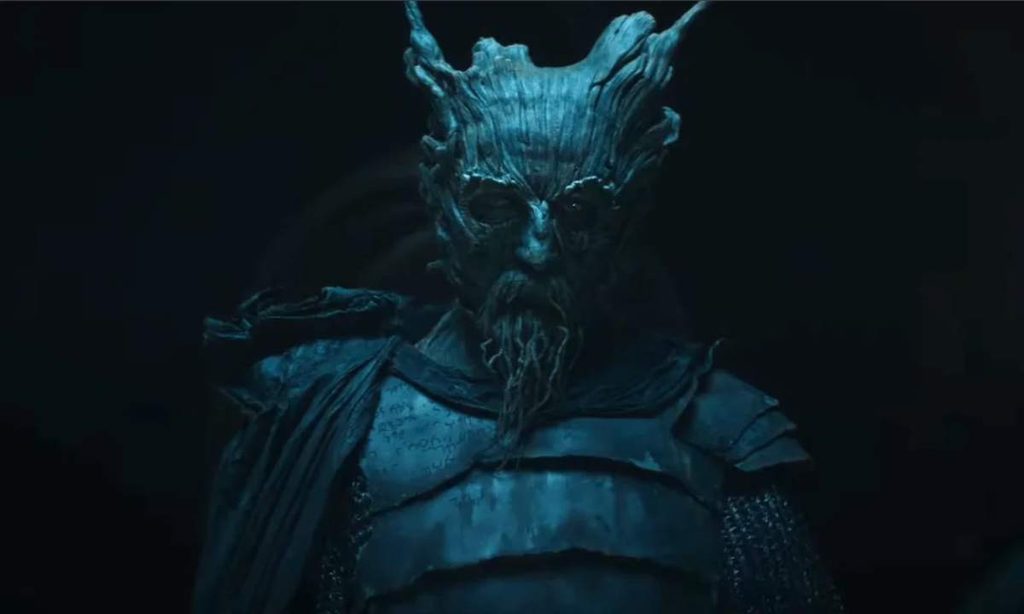
The Knight is bark, moss, and season more than Round Table cosplay. Camelot’s pageantry looks thin beside a creature that treats Christmas as harvest and consequence.
A happy ending without a survival flex
Lowery’s USA Today comments frame happiness as arrival at integrity. That can coexist with decapitation. It can also coexist with mercy. The smile is moral, not box-office triumphant.
The Green Knight Ending Explained FAQ
Does Gawain die at the end of The Green Knight?
Unconfirmed on screen. The film cuts as the Knight prepares the blow. Thematically Gawain wins either way by choosing honesty over the sash (Vulture, CinemaBlend).
Why does Gawain take the girdle off?
After the vision of a false kingship, he rejects borrowed protection and faces the agreed return blow without magic.
Is the Green Knight ending a happy ending?
Lowery has described it as happy in the sense of integrity achieved. It is not a crowd-pleaser survival flex.
How does the movie ending differ from the poem?
Poem Gawain keeps the girdle, receives a nick, and lives with a reminder of fallibility. Film Gawain removes the girdle and meets a cut-to-black on the full blow (Den of Geek, Nerdist).
Is the Lord the Green Knight in the movie?
In the poem, yes, via reveal. In the film, Lowery does not stage that mask-off beat. The Lord remains a thematic parallel and tempter, not a confirmed disguise unlock.
Who is Alicia Vikander playing?
She plays Essel and the Lady. Dual casting underlines how Gawain responds to desire, class, and temptation across two faces of the same actress.
Do I need to read the poem first?
No. The movie is built to stand alone. The poem is useful afterward if you want the honesty-test reversal in sharper relief.
Why is the ending so abrupt?
Lowery preferred ambiguity over a definitive impact shot he explored and rejected. Abruptness is the argument: the choice matters more than the aftermath.
Where to Watch The Green Knight
The Green Knight is an A24 release available through major digital purchase and rental storefronts, with streaming windows that rotate by region. Confirm the live catalog on JustWatch or your local platforms before you press play.
Sources
- Den of Geek (David Crow): Lowery interview, mother/Morgan fusion, poem vs film, fox reading, girdle and Chapel beats.
- Vulture: death ambiguity, Vanity Fair definitive-ending note, honor-as-action reading.
- Nerdist: Lowery on embracing possible death and the sustained vision.
- CinemaBlend: USA Today comments on the cut-to-black as a happy ending of integrity.