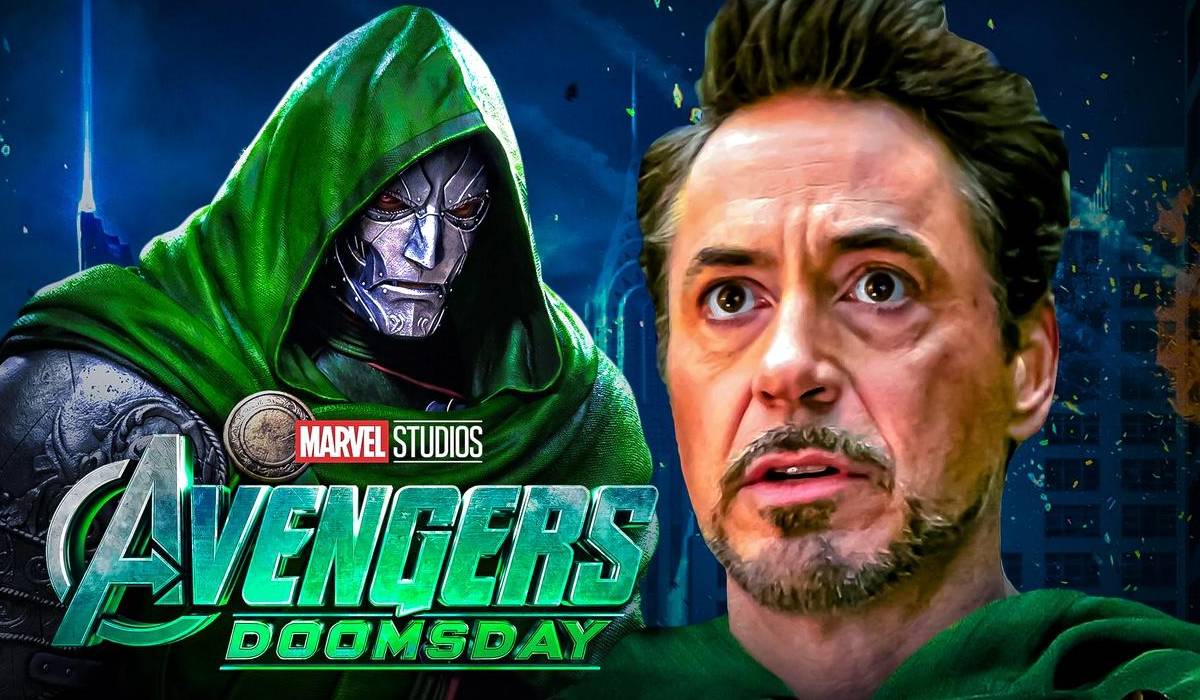
Doctor Doom Is the Protagonist of Doomsday, Not the Villain
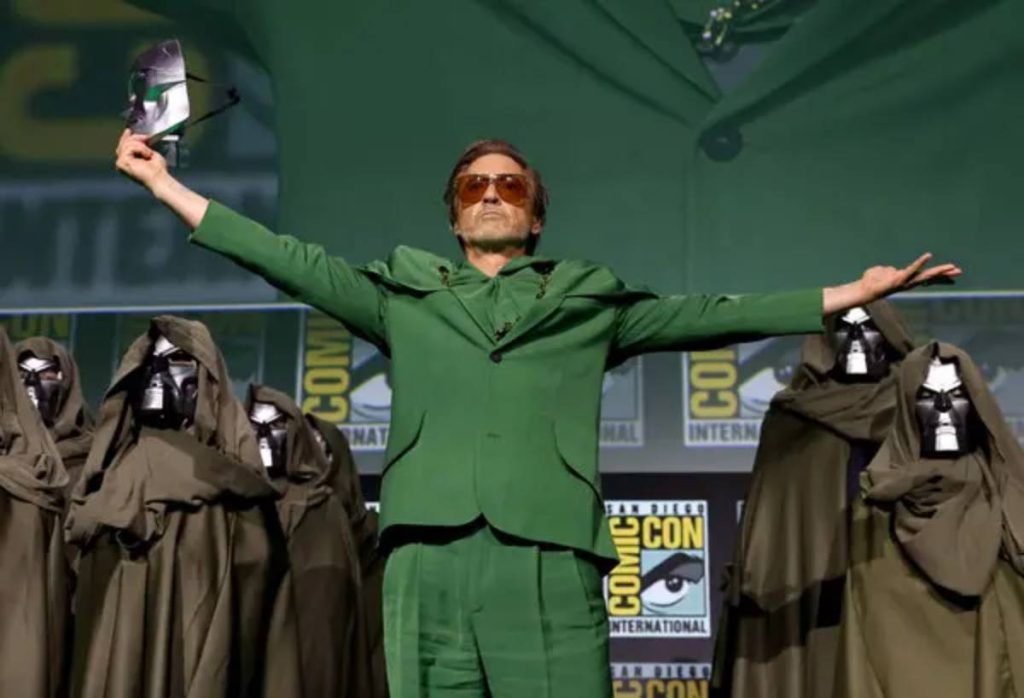
The strongest version of this theory holds that Doomsday is structured the way Infinity War was structured: the audience follows the character driving the story, and that character is Doom, not any Avenger. The heroes are the reactionary force. Doom is the one with a plan.
Infinity War worked because Thanos had a complete internal logic. His goal was coherent, his methods were horrifying, and the Avengers were playing catch-up for two hours. The fan community, particularly at r/MCUTheories, has been arguing for months that Doom is being set up the same way, except his logic is even harder to dismiss.
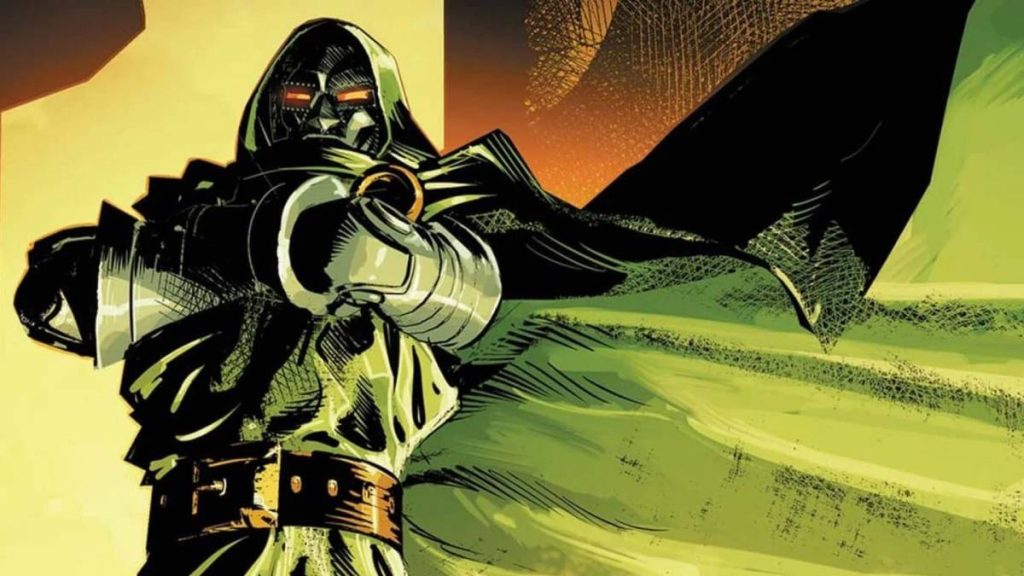
Thanos wanted to reduce suffering by eliminating half of all life. That logic collapses immediately under scrutiny: populations recover, suffering continues, nothing is actually solved. Doom’s logic in the comics is different. Doom does not want destruction. He wants control, because he genuinely believes he is the only person competent enough to prevent catastrophe. He is arrogant, yes. He is also frequently right.
If the MCU Doom is responding to a collapsing multiverse, which the confirmed premise strongly implies, then his actions have a defensible internal architecture. He is not attacking the Avengers because he hates them. He is removing obstacles to a solution they cannot see yet.
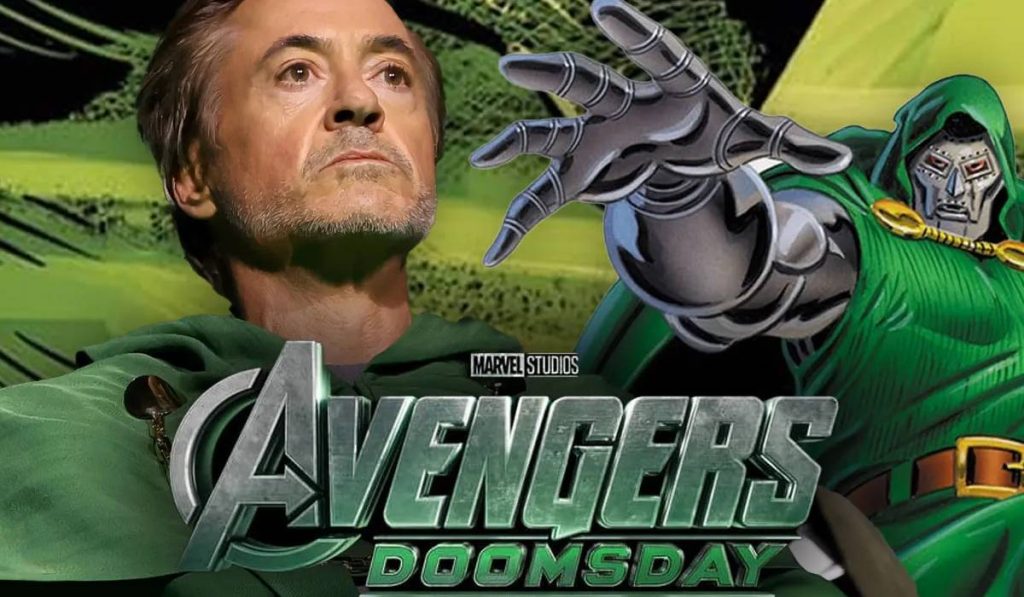
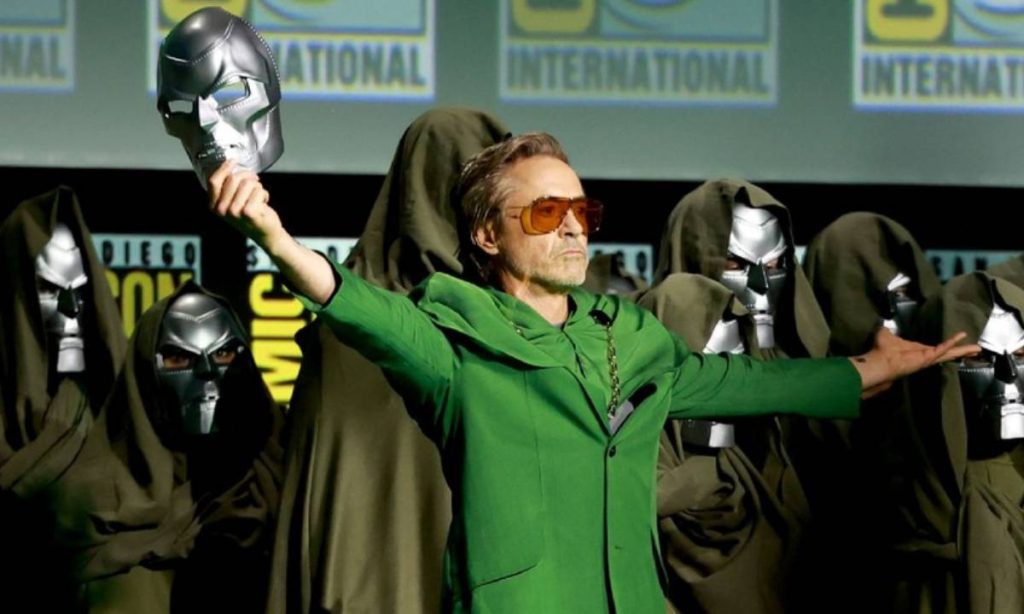
Marvel would not bring Robert Downey Jr. back from the dead, narratively speaking, to play a standard antagonist. The man is Tony Stark to an entire generation of fans. The protagonist framing is the only version of this casting decision that actually makes sense.
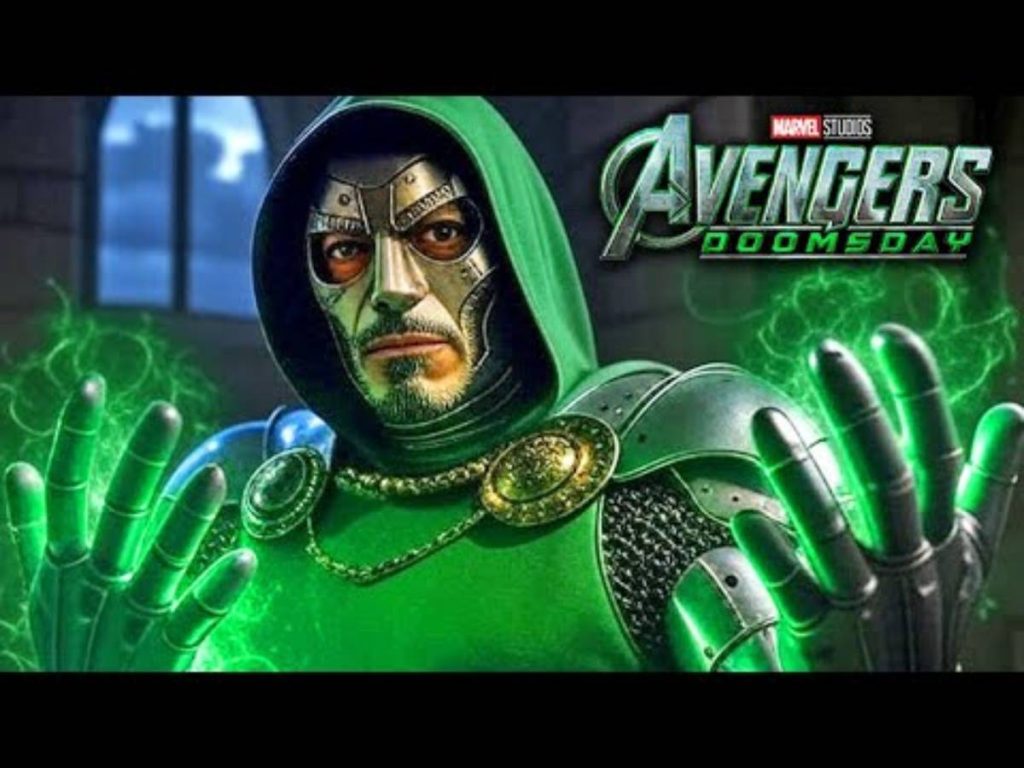
Robert Downey Jr.’s Doom Is a Variant of Tony Stark
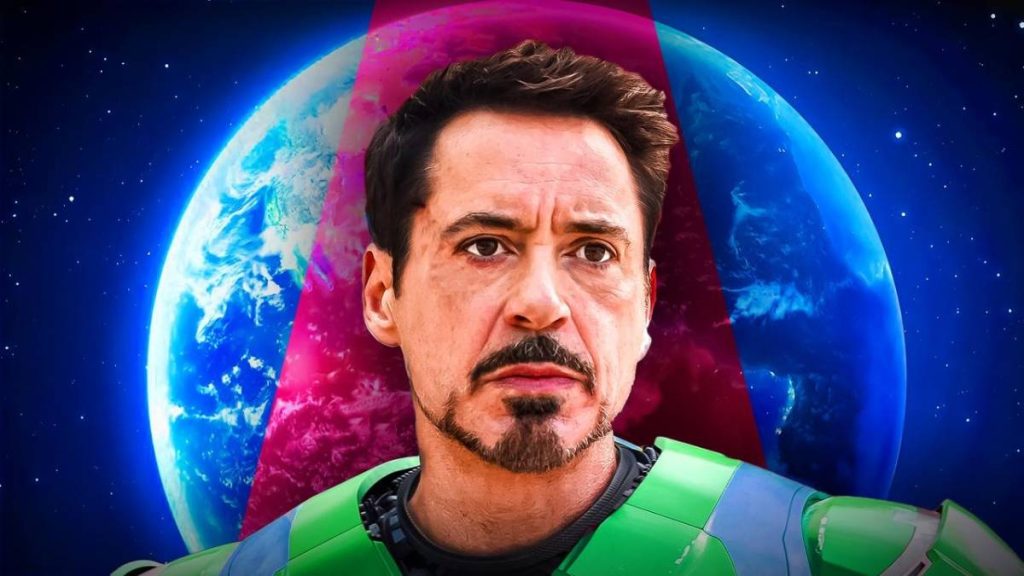
This theory does not require a lot of speculation because the MCU’s own established rules support it. Variants share physical appearance across universes. That is already canon. A Tony Stark from another universe who became Doom instead of Iron Man is not a stretch. It is a logical application of mechanics the MCU has already shown on screen in Loki and What If…?.
The Guardian described MCU Doom as “basically Tony Stark’s evil shadow,” and Screen Rant called the variant reading “the prevailing and entirely reasonable theory.” The emotional payload of this theory is not the plot mechanic. It is the grief it creates for the characters who knew Tony.
Tony Stark became Iron Man because of specific experiences: the cave in Afghanistan, Pepper Potts, losing people he loved, eventually becoming a father. Take any of those away and you get a different man. A Tony Stark who was never captured, who never had Pepper, who never had Morgan, does not become self-sacrificing. He becomes the most competent and most dangerous person in any room, and he knows it.
The hardest scene to write in this movie, if the variant theory is correct, is the moment when an Avenger who knew Tony Stark looks at Doom and recognizes him. Rhodey, Steve Rogers, Pepper, any of them: the moment of recognition is where this theory earns its emotional weight.
Franklin Richards Is Why Doctor Doom Does Everything He Does
Franklin Richards is the most powerful mutant in Marvel Comics history, and he has been quietly introduced into the MCU’s active continuity through the Fantastic Four’s Earth-828 origin. His power set is specific: he can create pocket universes, stabilize collapsing realities, and rebuild existence from scratch. In a story about a collapsing multiverse, Franklin Richards is not a supporting character. He is the whole game.
The theory holds that Franklin is the actual MacGuffin of Doomsday, and Doom’s actions throughout the film are oriented around acquiring or controlling access to Franklin’s power. Google’s People Also Ask data shows “why does Doom want Franklin?” generating significant search volume, which means this theory has broken through from comics fans into the general MCU audience.
Every MCU MacGuffin has been an object. The Tesseract, the Infinity Stones, the Quantum Realm tunnels: powerful, abstract, morally neutral. Franklin Richards is a child. Doom taking Franklin is not theft of a weapon. In Doom’s logic, it is stewardship of the only resource capable of preventing total universal collapse.
Franklin Richards also connects multiple theories simultaneously. He is the key to the protagonist framing, the multiverse collapse theory, and the Battleworld theory. One character, four theories, all pointing at the same story structure. For the full roster of who is and isn’t confirmed for the film, the Doomsday cast breakdown lays out the difference between locked-in actors and rumored ones.
The Multiverse Is Already Collapsing Before the Movie Starts
The confirmed official premise for Doomsday states that heroes from three separate universes are already present at the story’s beginning. Three universes worth of heroes converging at the opening implies the walls between those universes have already thinned to the point of contact.
The MCU introduced incursion language in Doctor Strange in the Multiverse of Madness. An incursion is what happens when two universes press against each other and begin to overlap. If that process is already underway when Doomsday opens, then every hero conflict in the film is happening on a crumbling floor.
The post-credits sequence from Thunderbolts* (2025), set 14 months before Doomsday, establishes a fracture between hero factions. That fracture is far easier to explain if the world is already destabilizing. Heroes watching the multiverse come apart and unable to agree on what to do would absolutely be fighting with each other.
The Illuminati Already Exists on Earth-616
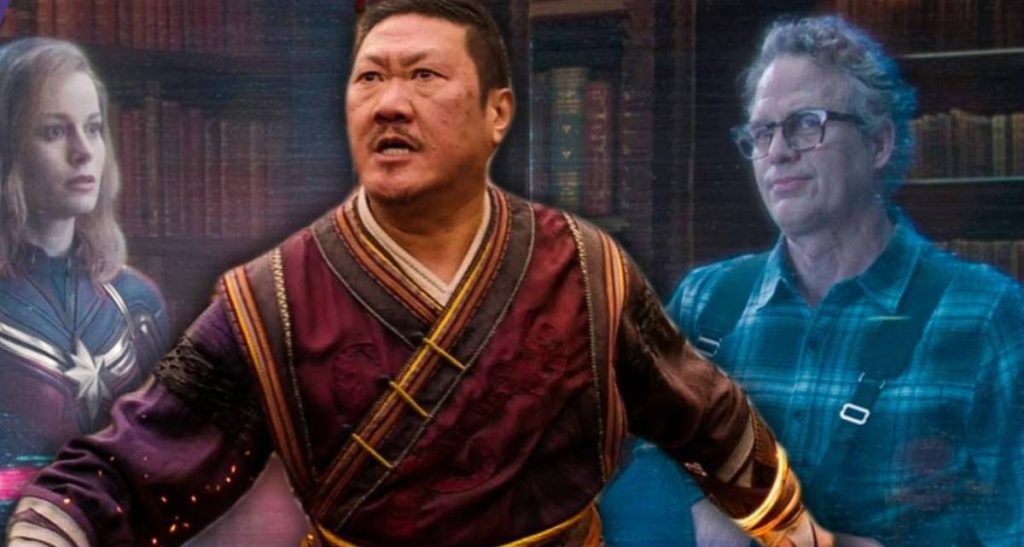
The MCU introduced the Illuminati as a concept from another universe in Doctor Strange in the Multiverse of Madness. The theory is that Earth-616 has had its own version this whole time, and Doomsday is what exposes them.
CBR’s coverage of Doomsday theories names this directly, calling it one of the most structurally supported theories in circulation. The MCU has too many powerful, independent heroes making unilateral decisions with universe-scale consequences. The Illuminati theory explains how those decisions have been coordinated without the other heroes knowing.
If the Illuminati exists and has been making secret multiverse decisions, Doomsday almost certainly includes the moment when the other heroes find out. That scene fractures the team at exactly the moment Doom needs them fractured. A divided Avengers team facing a unified Doom is a very different fight than a coordinated one.
For readers who enjoy connecting structural setups to how they play out on screen, the Silo Season 3 theories analysis on this site covers a similar mechanic: a small group with information everyone else needs, and the fallout when that information surfaces.
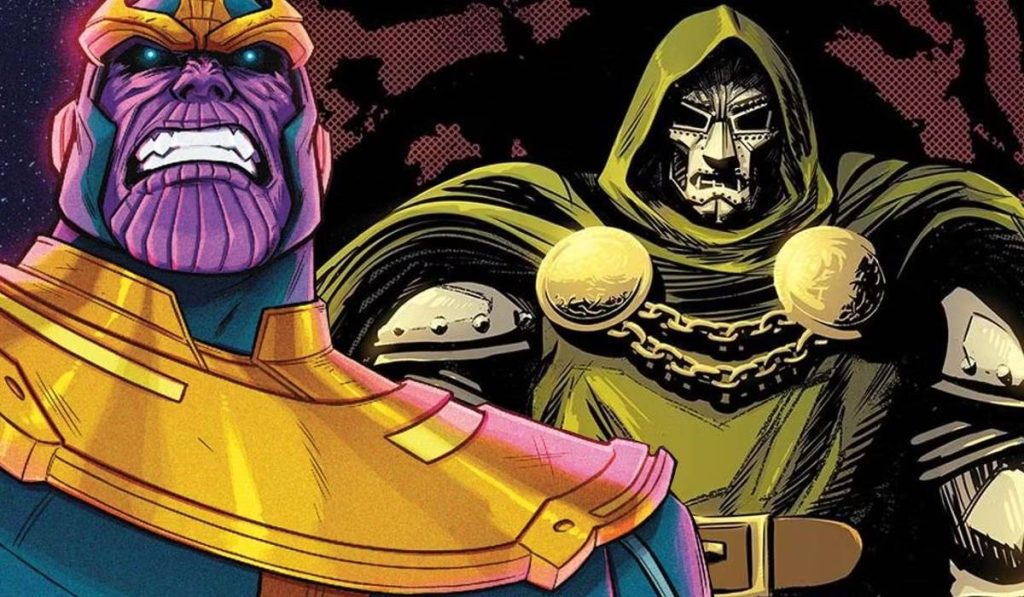
Doctor Doom Ripping Out Thanos’s Spine Is a Power Statement
The image shown at Disney’s Shanghai Marketing Expo, Doom physically removing Thanos’s spine, was not shown to fans first. It was shown to industry marketing professionals. Marvel made a deliberate choice about what information to seed into the professional conversation before the general audience saw anything.
Thanos is the character who required six Infinity Stones and the deaths of half the universe’s population to constitute a threat. He is the benchmark for MCU-scale danger. Doom removing his spine is not a cool action moment. It is a calibration.
The most compelling fan reading is that the Thanos scene is a demonstration performed for an audience. Doom is showing someone, possibly the Illuminati, exactly what he is capable of. Public executions in political storytelling are always about the audience watching, not the person being executed.
Battleworld Starts Being Built During Doomsday, Not Secret Wars
Most fans assume Battleworld belongs entirely to the Secret Wars film. The theory gaining traction is that its construction begins during Doomsday. This tracks with how Doom operates in the comics. He does not wait for permission. He sees a problem, builds a solution, and by the time anyone realizes what he has done, the solution is already in place.
If the multiverse is collapsing during Doomsday, Doom’s response would be to start salvaging pieces of it immediately. The Avengers won the battle, or lost it, but Doom won the war because his goal was never to fight the Avengers. His goal was to build Battleworld before everything collapsed.
In the comics, Doom uses the power of the Beyonders to build Battleworld. In the MCU, Franklin Richards is the available substitute. This is why the Franklin Richards theory and the Battleworld theory are not separate ideas. They are the same idea from two different angles.
The Council of Reeds Is Operating Behind the Scenes
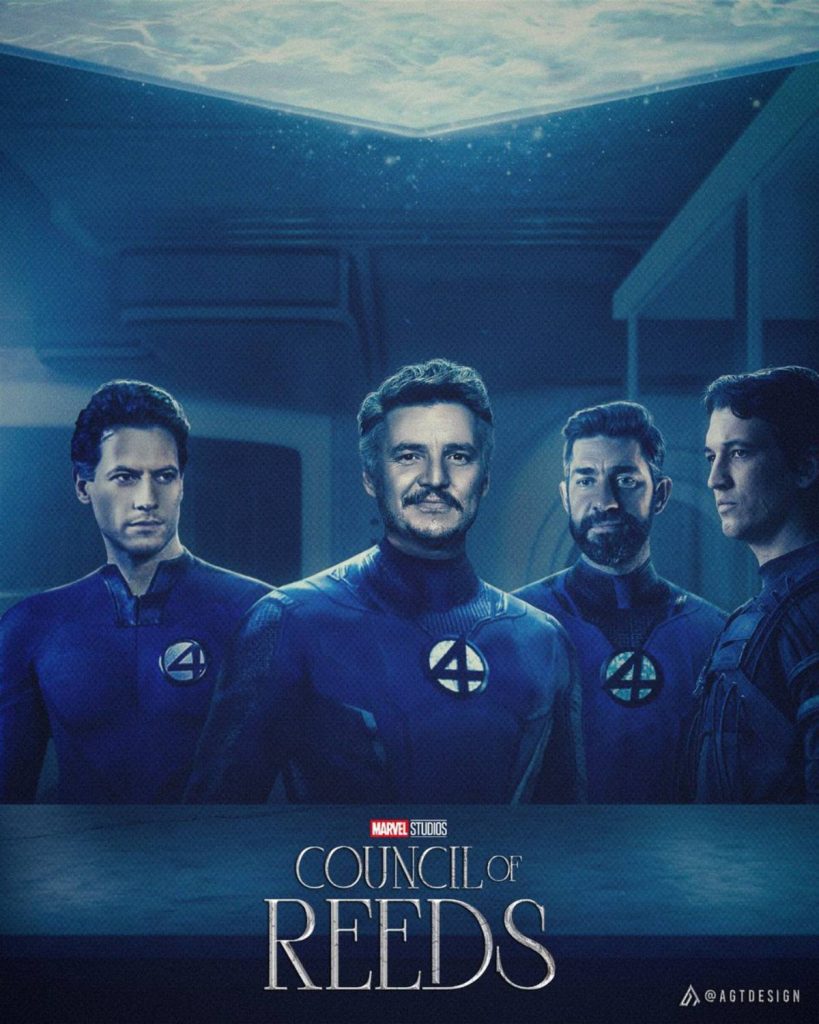
The Council of Reeds is a comics concept in which multiple variants of Reed Richards from across the multiverse have formed a secret organization, pooling their intellect to solve problems no single Reed could address alone. The MCU has established multiple variants of the same character operating simultaneously, that Reed Richards is aware of multiverse mechanics, and that the multiverse is under threat. A Council of Reeds is not a wild leap from those three facts.
The Council of Reeds is interesting not because of what it says about Reed, but because of what it implies about Doom. In the comics, Doom disbanded the Council because he found their collective approach inadequate. A group of the smartest men in any universe, working together, were still not smart enough.
If the MCU establishes a Council of Reeds and then shows Doom dismantling it, the audience gets a direct demonstration of his worldview. He is not anti-intellectual. He is anti-committee.
Avengers: Doomsday Ends with the Avengers Losing on Purpose
This is the wildest theory on this list, and also the most structurally compelling. The theory holds that one or more Avengers, possibly Strange, possibly Reed, deliberately allows Doom to succeed because they have concluded that his plan is the only thing preventing something worse.
Heroes who fight to their last breath and lose are tragic. Heroes who choose to lose because the alternative is worse are morally complex in a way that is genuinely rare in blockbuster filmmaking. Strange has already made this kind of choice. In No Way Home, he tried to help Peter Parker even knowing the consequences. In Multiverse of Madness, he used the Darkhold knowing what it cost.
If the heroes fight Doom and simply lose, Secret Wars becomes a revenge narrative. If the heroes allow Doom to win, Secret Wars becomes a moral reckoning. That means Secret Wars is not a sequel to Doomsday. It is its consequence.
FAQ
Is Doctor Doom the villain or the hero in Avengers: Doomsday?
Based on confirmed casting and the film’s official premise, the most supported fan reading is that Doom is positioned as a protagonist in the Thanos-in-Infinity-War sense: the character whose logic drives the story, even if his methods are wrong. The Avengers are reacting to him, not the other way around. Marvel cast Robert Downey Jr. in this role, which strongly suggests the character needs to be someone the audience can follow emotionally.
Why does Doctor Doom want Franklin Richards?
In the comics and in the fan theories being applied to the MCU, Franklin Richards is the only character with the power to create or stabilize entire universes. In a story about a collapsing multiverse, Franklin’s power is the only available solution at the scale the problem requires. Doom taking Franklin is framed in his logic as stewardship: the most powerful resource in existence should be controlled by the person most capable of using it correctly.
Does Doctor Doom really rip out Thanos’s spine in Doomsday?
An image depicting exactly this was shown to industry marketing professionals at Disney’s Shanghai Marketing Expo. This is confirmed marketing material, not a leak or a rumor. Marvel chose that specific image to communicate Doom’s power level to the people who will be selling this film. Whether the scene plays out exactly as shown in the final cut is unknown, but the image was a deliberate Marvel choice.
Is the Doom-as-Tony-Stark-variant theory supported by the MCU’s established rules?
Yes. The MCU has already established on screen that variants share physical appearance across universes. Robert Downey Jr. playing Doom while Tony Stark is dead on Earth-616 is consistent with the variant mechanic. A Tony Stark who lacked the specific experiences that made Tony Stark Iron Man would become a man with Tony’s intelligence and none of his humility. That is Doom.
Will Avengers: Doomsday follow the Secret Wars comic storyline exactly?
Almost certainly not exactly, but the structural bones are likely to hold. The comics’ Secret Wars involves Doom acquiring godlike power during a universal collapse and building Battleworld from salvaged universe fragments. The MCU version is expected to adapt those mechanics while incorporating its established characters and continuity. Franklin Richards is the most commonly cited substitute for the Beyonders’ power source.
What did Thunderbolts* set up for Avengers: Doomsday?
Thunderbolts (2025) is set 14 months before Doomsday and establishes a fractured hero landscape. The film’s post-credits sequence shows hero factions that do not trust each other and are not coordinating. That fracture matters because Doom’s plan, in almost every theory, requires the heroes to be divided. Thunderbolts appears to have been, at least in part, a setup film for exactly the kind of team fragmentation Doom would need to exploit.
Is the Illuminati theory new, or has the MCU already set it up?
The concept was established in Doctor Strange in the Multiverse of Madness as an Earth-838 phenomenon. The theory that Earth-616 has its own secret version is an extrapolation from that setup, supported by the fact that the MCU’s heroes have repeatedly made unilateral, universe-altering decisions without consulting anyone. Strange’s actions across multiple films and Reed Richards’s known involvement in multiverse science both point toward a secret coordination structure operating in the background.
Why are characters like Scarlet Witch, Hulk, and Spider-Man missing from the confirmed Doomsday cast?
The announced roster leans heavily on X-Men, Fantastic Four, and Thunderbolts actors, with several original Avengers, including Elizabeth Olsen’s Scarlet Witch, Mark Ruffalo’s Hulk, Benedict Cumberbatch’s Doctor Strange, and Tom Holland’s Spider-Man, notably absent from what Marvel has confirmed so far. Fans have read this gap two ways: either those characters die or are sidelined before the film’s events, feeding directly into the theories above about a divided, weakened Avengers team facing Doom, or Marvel is simply holding some reveals back the way it did with Robert Downey Jr.’s casting. Evidence needed: an official Marvel Studios cast list confirming these actors are excluded rather than unannounced. For the full breakdown of who is locked in versus who is still speculative, see the Doomsday cast breakdown.
Does Doctor Doom kill Loki at the TVA in Avengers: Doomsday?
A circulating rumor claims Doom wipes out the Time Variance Authority, including Loki, though Marvel Studios has not confirmed this. If true, it would function the same way as the Thanos spine scene discussed above: a demonstration of Doom’s capability aimed at an audience rather than a random act of violence, this time against the very organization built to police the multiverse he is trying to control. Evidence needed: an official statement or verified leak source before treating this as anything more than an unconfirmed report.
The Argument These Theories Are Actually Making
Take all nine theories together and they describe the same film: a story in which the universe’s most arrogant man turns out to be the only one with a plan large enough to match the problem, and the heroes spend two and a half hours discovering that fighting him is easier than accepting he might be right. That is not an action movie. That is a Greek tragedy with a very large budget.
The theories worth tracking, Doom as protagonist, Franklin as the MacGuffin, Battleworld already under construction, the Illuminati’s exposure, the heroes losing on purpose, all require the same thing from the audience. They require you to hold Doom’s logic in your head without immediately rejecting it. If you can do that, the film’s emotional architecture starts to reveal itself before the trailer even drops. For where the confirmed facts end and the rumors begin, the Doomsday release date breakdown separates what Marvel has actually announced from what’s still speculation
Watch Multiverse of Madness again, but watch it as a story about powerful men making decisions that affect everyone without asking anyone. Watch Thunderbolts* looking for the fracture lines between hero factions. The MCU has been building this for years. It is all already on screen.