What Makes a Sci-Fi Comic “The Best”? (Our Ranking Criteria)
A sci-fi comic earns a high spot on this list for three reasons: it does something narratively ambitious, it changed what other creators in the genre attempted afterward, and a new reader can actually get into it without a graduate degree in comics history. Star ratings alone don’t capture any of that.
A niche title with 600 devoted Goodreads voters can post a higher average than a genre-defining series with 600,000 ratings, simply because die-hard fans rate generously and casual readers rate everything in the middle. That’s not a flaw in Goodreads. It’s just a reminder that popularity and quality measure different things, and a ranking that only looks at star averages is measuring the wrong thing half the time.
If you’ve ever compared ranked manga lists based on quality instead of hype, you already know the pattern: the title with the loudest fanbase and the title that actually pushed the genre forward aren’t always the same book. This list tries to separate the two, and it applies the same standard whether the entry sold ten million copies or ten thousand.
The 20 Best Sci-Fi Comics of All Time, Ranked
Watchmen tops this list because no other comic on it, sci-fi or otherwise, changed what the medium was allowed to do quite as thoroughly. From there, the ranking blends staying power, influence, and how easy each series is to actually start.
| Rank | Title | Author(s) | Year(s) | Goodreads Rating |
|---|---|---|---|---|
| 1 | Watchmen | Alan Moore, Dave Gibbons | 1986–1987 | 4.39 |
| 2 | Saga | Brian K. Vaughan, Fiona Staples | 2012–present | 4.15 |
| 3 | Akira | Katsuhiro Otomo | 1982–1990 | 4.41 |
| 4 | The Incal | Alejandro Jodorowsky, Moebius | 1980–1988 | 4.10 |
| 5 | Transmetropolitan | Warren Ellis, Darick Robertson | 1997–2002 | 4.19 |
| 6 | Y: The Last Man | Brian K. Vaughan, Pia Guerra | 2002–2008 | 4.08 |
| 7 | Nausicaä of the Valley of the Wind | Hayao Miyazaki | 1982–1994 | 4.45 |
| 8 | Planetary | Warren Ellis, John Cassaday | 1999–2009 | N/A |
| 9 | Descender | Jeff Lemire, Dustin Nguyen | 2015–2018 | N/A |
| 10 | Paper Girls | Brian K. Vaughan, Cliff Chiang | 2015–2019 | N/A |
| 11 | Black Science | Rick Remender, Matteo Scalera | 2013–2019 | N/A |
| 12 | East of West | Jonathan Hickman, Nick Dragotta | 2013–2019 | N/A |
| 13 | We3 | Grant Morrison, Frank Quitely | 2004 | 3.92 |
| 14 | Ghost in the Shell | Masamune Shirow | 1989 | N/A |
| 15 | The Nikopol Trilogy | Enki Bilal | 1980–1992 | 4.01 |
| 16 | Planetes | Makoto Yukimura | 1999–2004 | 4.10 |
| 17 | Fear Agent | Rick Remender, Tony Moore | 2005–2012 | N/A |
| 18 | Prophet | Brandon Graham and collaborators | 2012–2015 | N/A |
| 19 | Bitch Planet | Kelly Sue DeConnick, Valentine De Landro | 2014–2017 | N/A |
| 20 | ODY-C | Matt Fraction, Christian Ward | 2014–2016 | N/A |
1. Watchmen
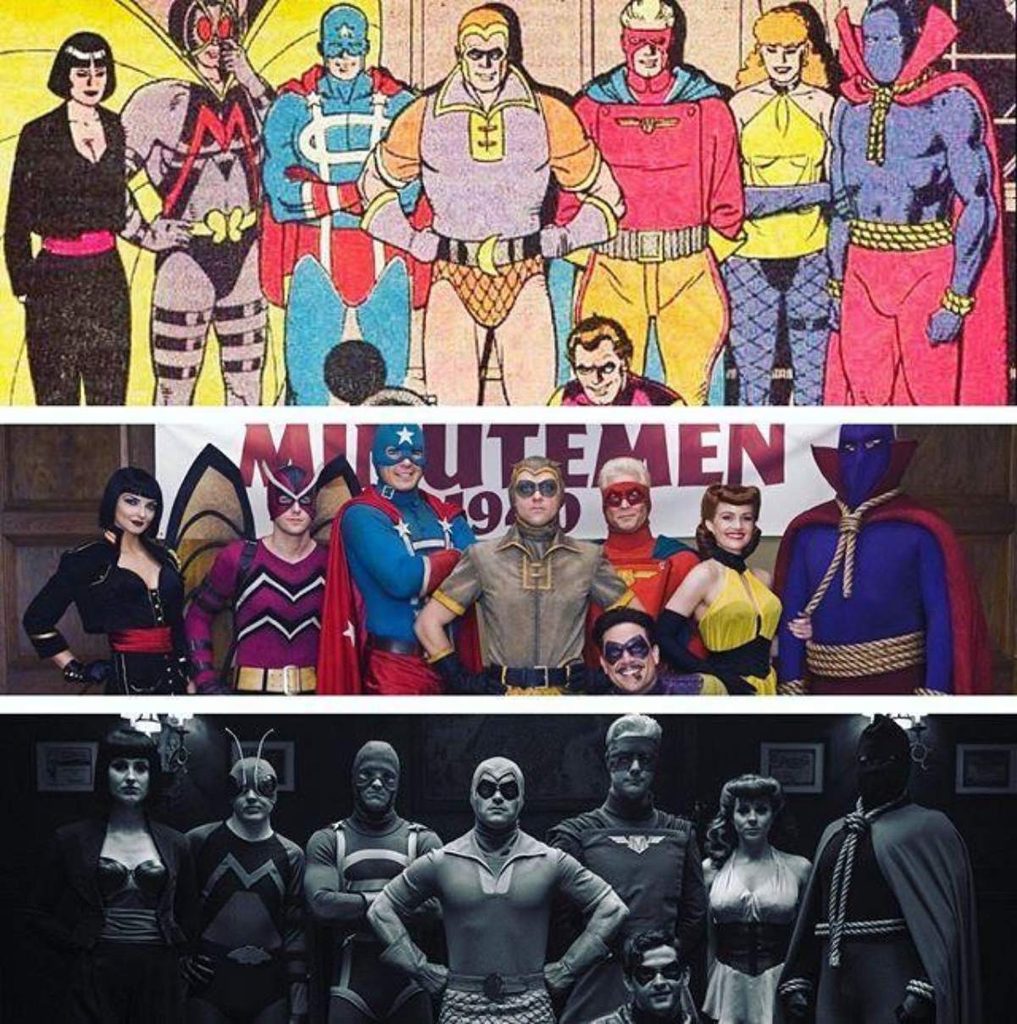
Watchmen isn’t just the best sci-fi comic ever made, it’s the reason “graphic novel” became a phrase people took seriously. Alan Moore and Dave Gibbons deconstructed the superhero genre by asking what actually happens to a society that hands real power to costumed vigilantes.
- Author/Artist: Alan Moore, Dave Gibbons
- Publisher: DC Comics
- Years: 1986 to 1987
- Content note: violence, sexual content, mature themes
- Best edition: the standard DC trade paperback for a first read, or the Absolute Edition hardcover if you want the extras and the larger page size.
The alternate-history Cold War setting, the ticking Doomsday Clock structure, and Dr. Manhattan’s genuinely alien perspective on time all still feel ahead of their moment. This is the only entry on this list that won a Hugo Award for a work of fiction, a distinction usually reserved for prose novels.
2. Saga
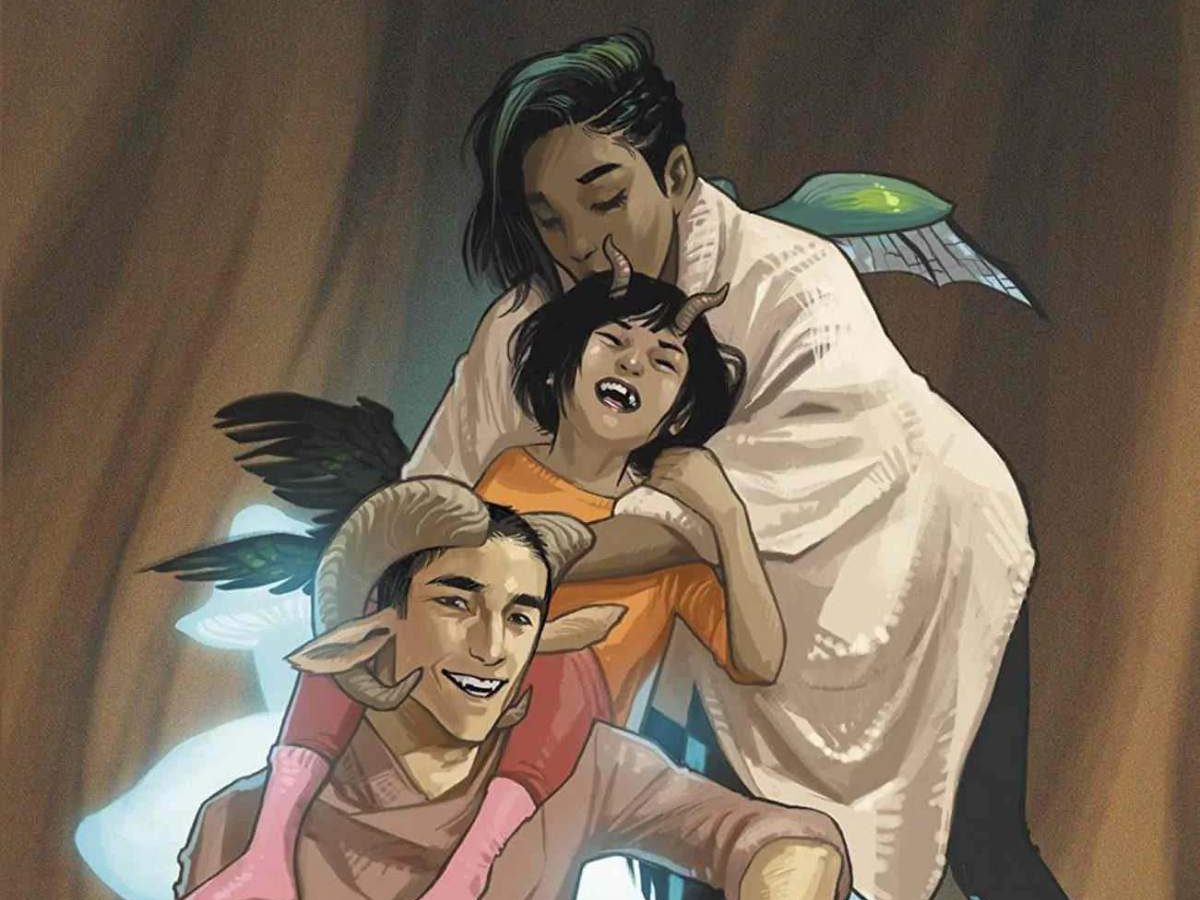
Saga earns its spot as the modern standard for space opera because Brian K. Vaughan and Fiona Staples built a war story that never forgets it’s really about two exhausted new parents trying to keep their kid alive. It’s ongoing, so know that going in.
- Author/Artist: Brian K. Vaughan, Fiona Staples
- Publisher: Image Comics
- Years: 2012 to present
- Content note: graphic violence, explicit sexual content, strong language
- Best edition: Compendium One collects the first 54 issues in a single paperback, which is cheaper than buying individual trades one at a time.
Each volume collects a self-contained arc, which makes it easier to jump in than most ongoing series on this list. The show-don’t-tell worldbuilding, from a moon that’s literally a tree to a Prince named Robot with a television for a head, gives it a visual identity nothing else on this list matches.
3. Akira
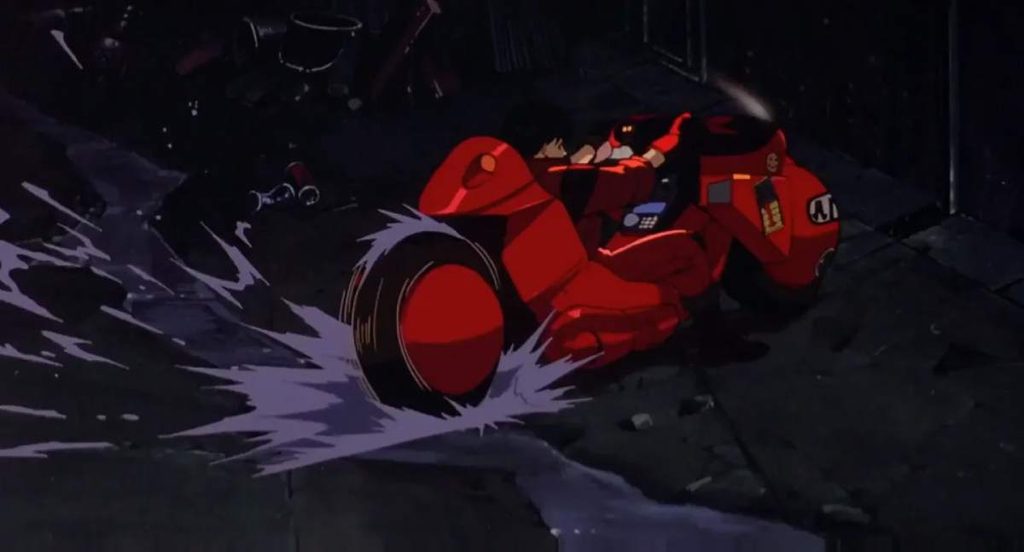
Akira ranks this high because Katsuhiro Otomo drew a six-volume epic about biker gangs, psychic teenagers, and the collapse of a rebuilt Tokyo that influenced nearly every cyberpunk story that came after it, including plenty of movies that never credit it. The 1988 anime is famous, but the manga is bigger, slower, and considerably stranger.
- Author/Artist: Katsuhiro Otomo
- Publisher: Kodansha
- Years: 1982 to 1990
- Content note: extreme violence, body horror
- Best edition: Kodansha’s paperback six-volume set is the current standard and the easiest edition to find in most bookstores.
The manga fits a lot more government conspiracy and body horror into its pages than the film ever had room for. Readers who only know the anime are usually surprised by how much larger and slower the source material actually is.
4. The Incal
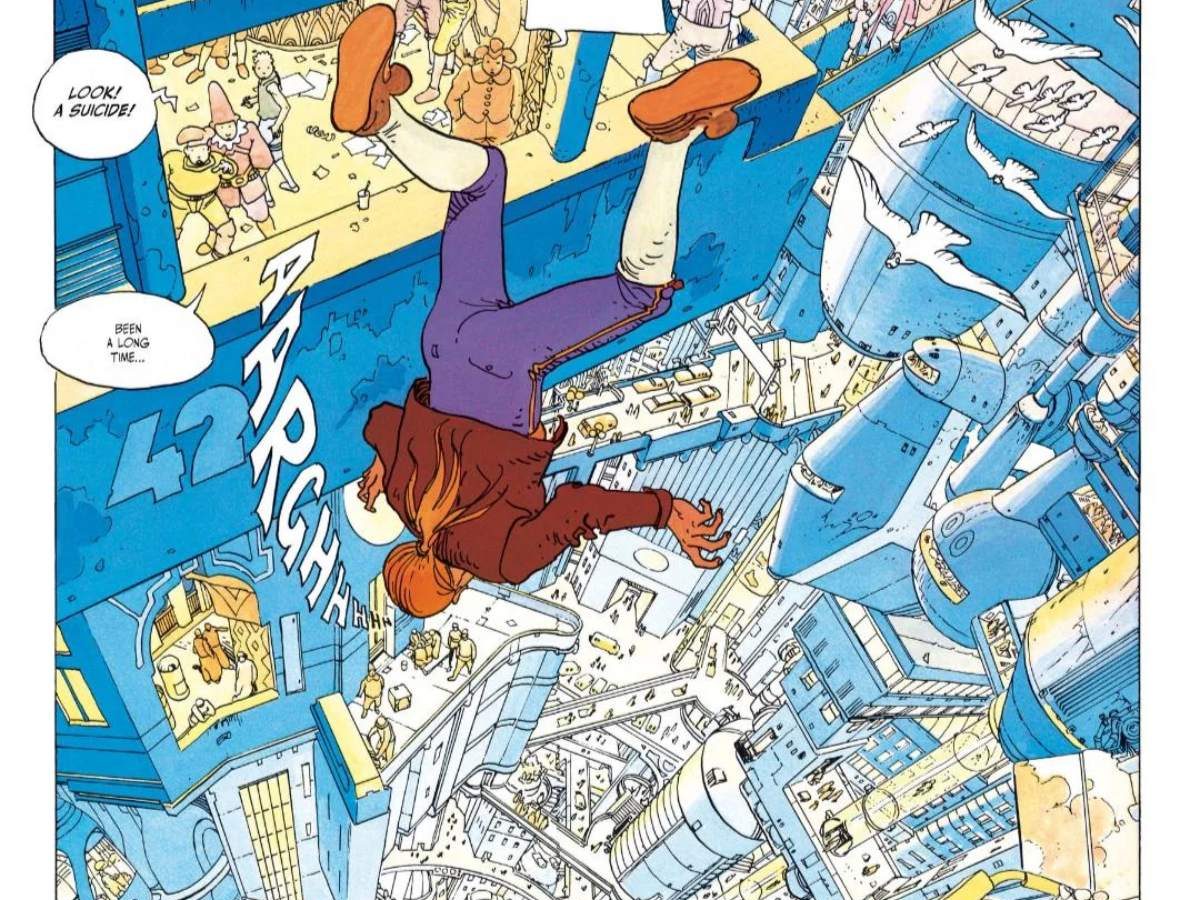
The Incal earns its rank for sheer creative audacity. Alejandro Jodorowsky and Moebius built a surrealist space opera so visually strange that its concept art was later recycled into Jodorowsky’s failed Dune film and, from there, into the DNA of Star Wars and Alien.
- Author/Artist: Alejandro Jodorowsky, Moebius
- Publisher: Les Humanoïdes Associés
- Years: 1980 to 1988
- Content note: psychedelic imagery, sexual content, violence
- Best edition: Humanoids’ single-volume collection gathers the full saga in one book instead of scattered individual printings.
It is not an easy entry point. The plot moves like a fever dream and the philosophy runs thick, so this one rewards patience rather than casual browsing.
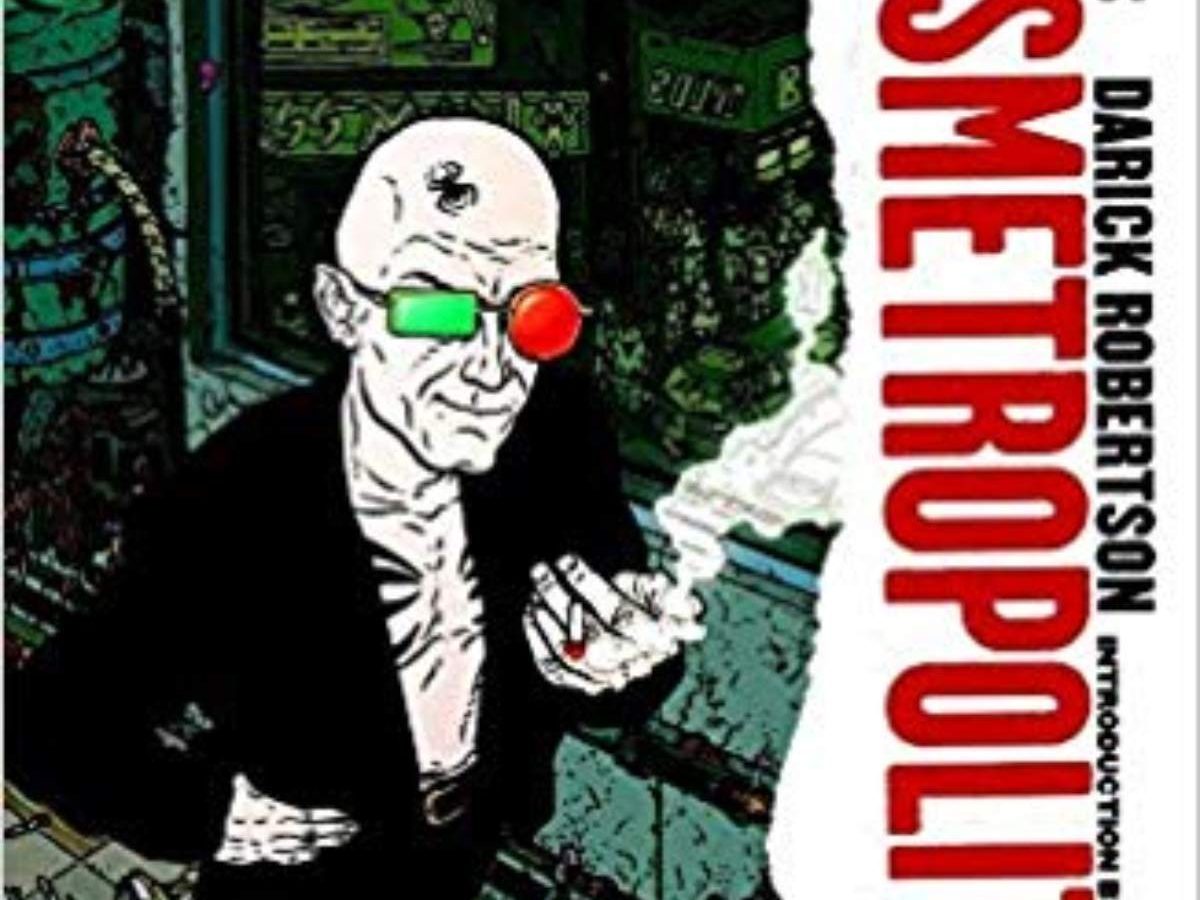
5. Transmetropolitan
Transmetropolitan ranks here because Warren Ellis wrote a gonzo journalist tearing through a corrupt future city and somehow predicted two decades of media collapse before most of it happened. Spider Jerusalem remains one of the angriest, funniest protagonists in the genre.
- Author/Artist: Warren Ellis, Darick Robertson
- Publisher: Vertigo
- Years: 1997 to 2002
- Content note: graphic violence, drug use, strong language
- Best edition: the ten-volume paperback series, or the two-volume Deluxe Edition hardcover if you’d rather commit fewer books to shelf space.
The series is complete at ten volumes, so there’s no risk of starting something that never finishes.
6. Y: The Last Man
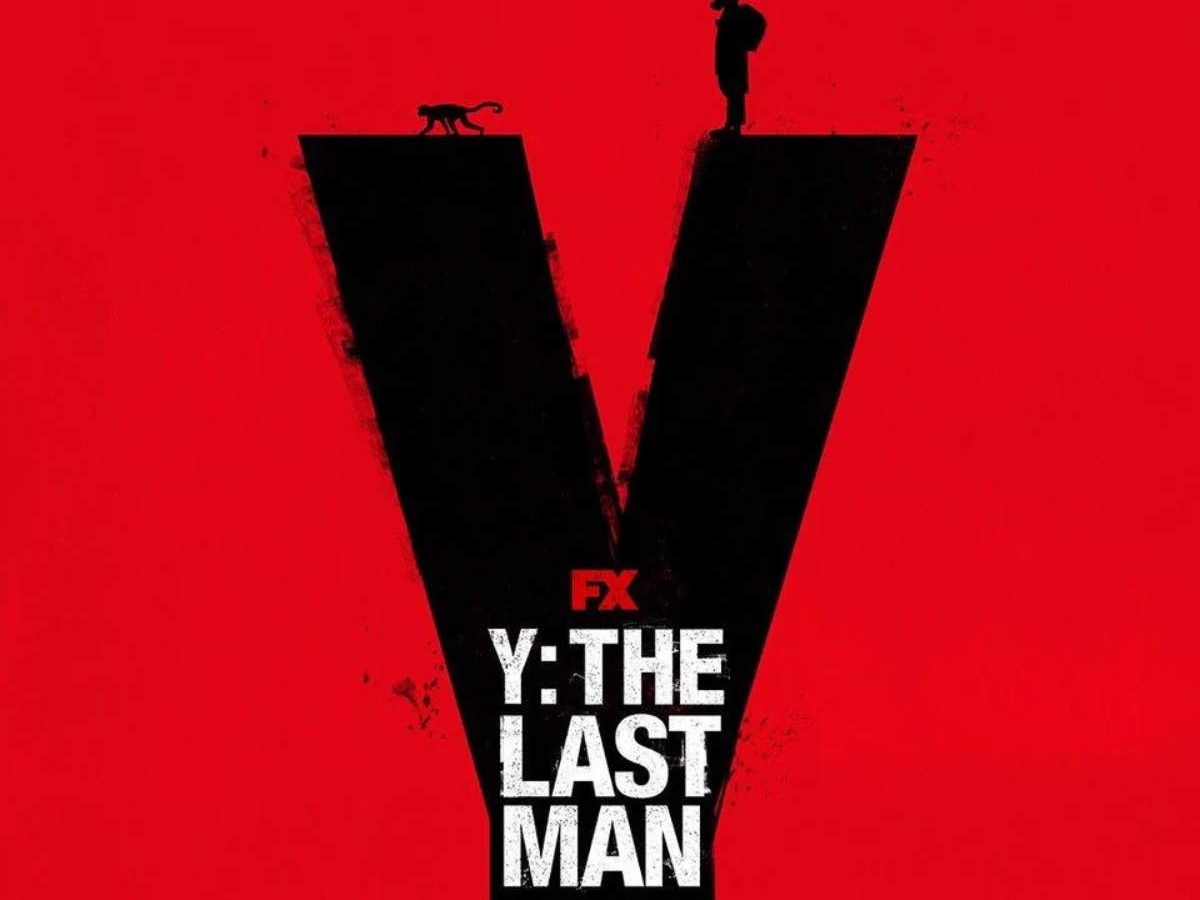
Y: The Last Man earns its spot for asking one clean premise and following it all the way through: every mammal with a Y chromosome dies except one man and his monkey. Brian K. Vaughan and Pia Guerra use that setup to explore grief, gender, and survival without turning it into a gimmick.
- Author/Artist: Brian K. Vaughan, Pia Guerra
- Publisher: Vertigo
- Years: 2002 to 2008
- Content note: violence, sexual content, mature themes
- Best edition: the five-volume deluxe hardcover set condenses the original ten paperback volumes.
It’s a complete, ten-volume story with a clear beginning and ending, which makes it one of the friendlier long series on this list for a first-time reader.
7. Nausicaä of the Valley of the Wind
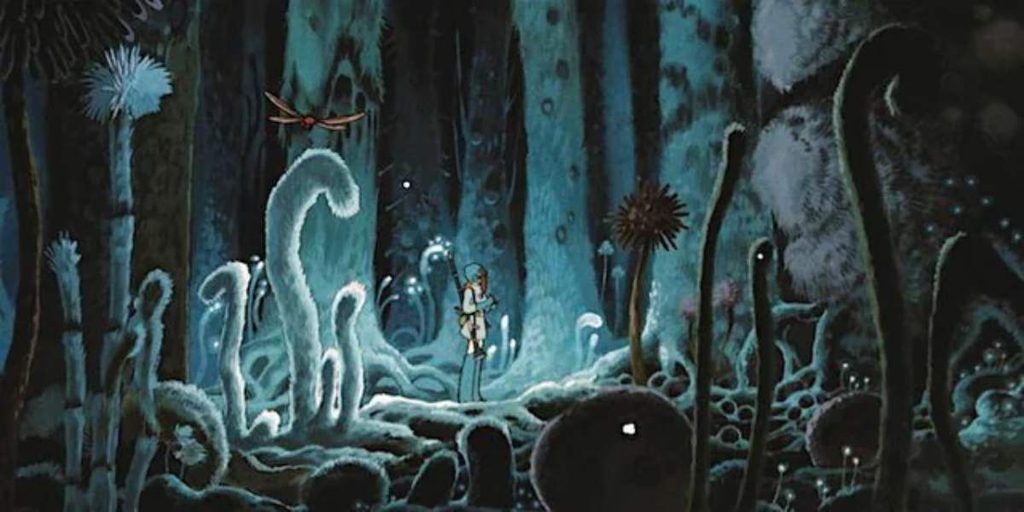
Nausicaä ranks this high because Hayao Miyazaki wrote a post-apocalyptic ecological epic in manga form that’s darker and more morally complicated than the 1984 film adaptation most people know. The manga runs seven volumes and gives its world room to breathe.
- Author/Artist: Hayao Miyazaki
- Publisher: Viz Media
- Years: 1982 to 1994
- Content note: war violence, thematic darkness
- Best edition: Viz’s two-volume deluxe hardcover box set replaces the original seven-volume paperback run.
Its central argument, that nature and industry don’t have to be enemies, feels more relevant with every passing year.
8. Planetary
Planetary earns its spot as a love letter to twentieth-century pulp science fiction disguised as a superhero comic. Warren Ellis and John Cassaday built a team of “archaeologists of the impossible” who investigate everything from pulp adventurers to kaiju to alternate Earths.
- Author/Artist: Warren Ellis, John Cassaday
- Publisher: WildStorm/DC Comics
- Years: 1999 to 2009
- Content note: violence, mature themes
- Best edition: the four-volume paperback set, since individual issues from the original run are hard to find at reasonable prices.
The series is complete, though its long publication gaps between issues are famous among longtime readers.
9. Descender
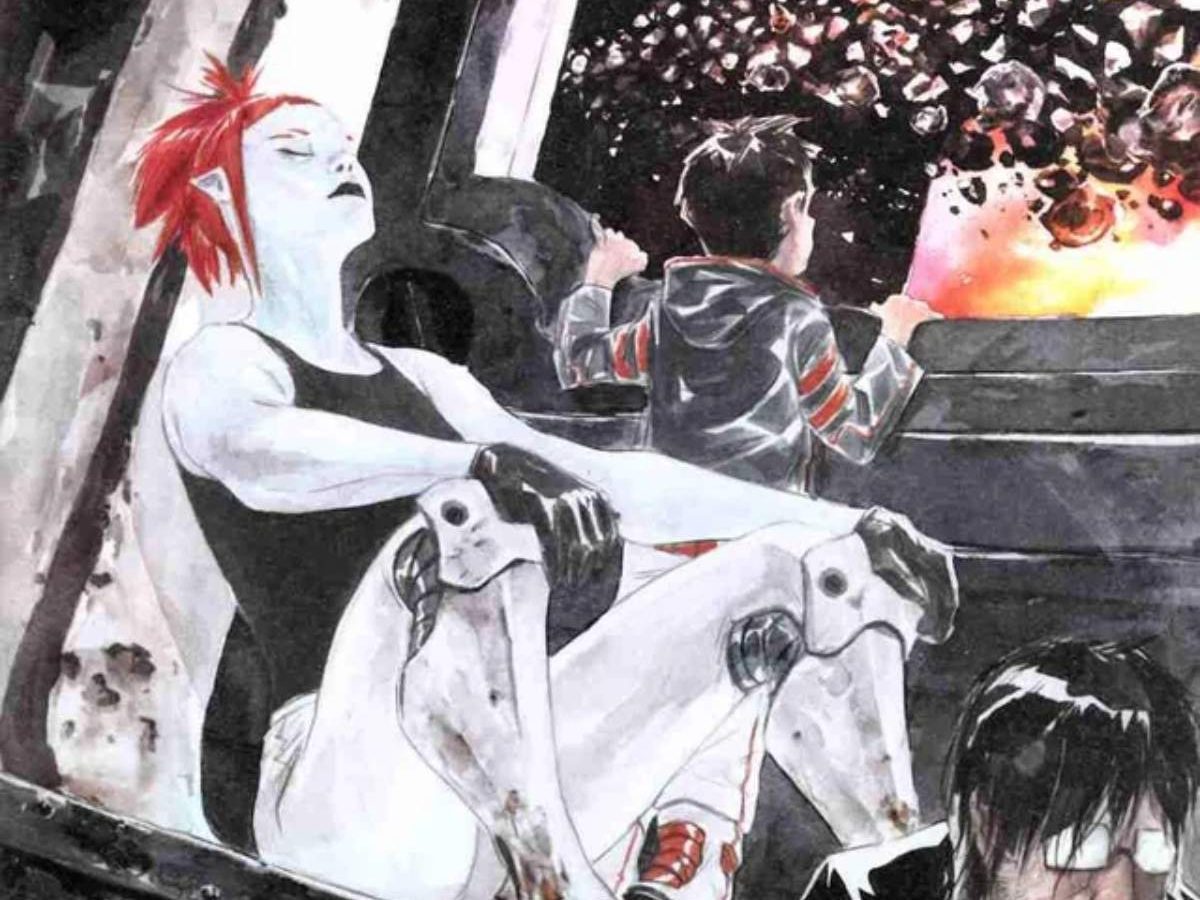
Descender ranks here for building one of the most visually distinct sci-fi worlds of the last decade using watercolor art instead of the usual digital sheen. Jeff Lemire and Dustin Nguyen tell the story of a child android hunted across a galaxy that’s turned against all robots.
- Author/Artist: Jeff Lemire, Dustin Nguyen
- Publisher: Image Comics
- Years: 2015 to 2018
- Content note: violence, thematic elements
- Best edition: start with volume one, “Tin Stars,” before deciding whether to continue into the sequel series, Ascender.
If you finish it, Ascender continues the same universe from a different angle years later.
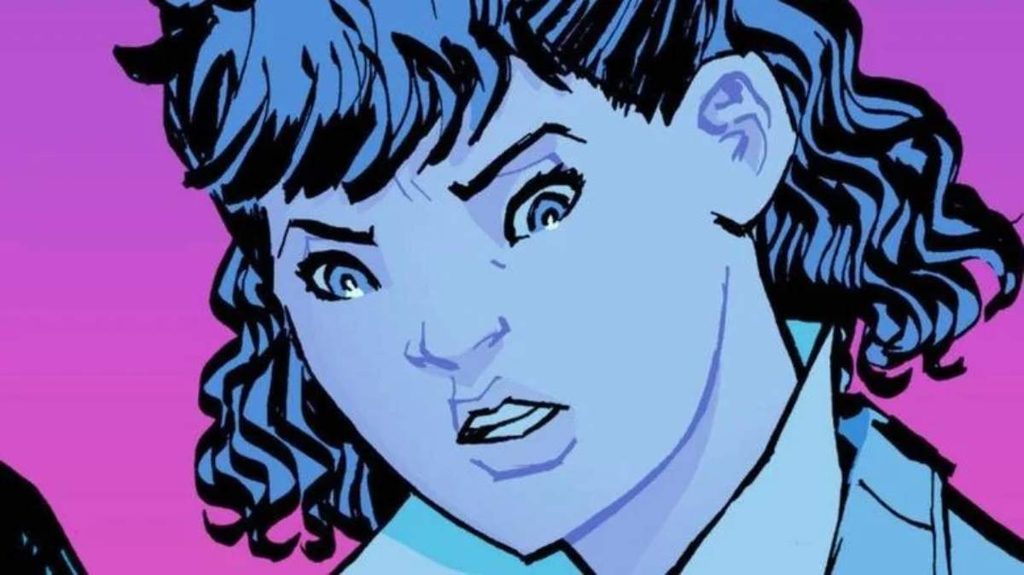
10. Paper Girls
Paper Girls earns its rank by taking a Stranger Things-adjacent premise, four paper delivery girls in 1988 who get pulled into a time war, and executing it with more emotional weight than the pitch suggests. Brian K. Vaughan and Cliff Chiang complete the story across six volumes.
- Author/Artist: Brian K. Vaughan, Cliff Chiang
- Publisher: Image Comics
- Years: 2015 to 2019
- Content note: violence, language
- Best edition: the three-volume deluxe edition condenses all six original paperback volumes into fewer books.
It’s a complete series, and its contemporary art style makes it one of the more approachable options on this list for readers newer to serialized sci-fi storytelling.
11. Black Science
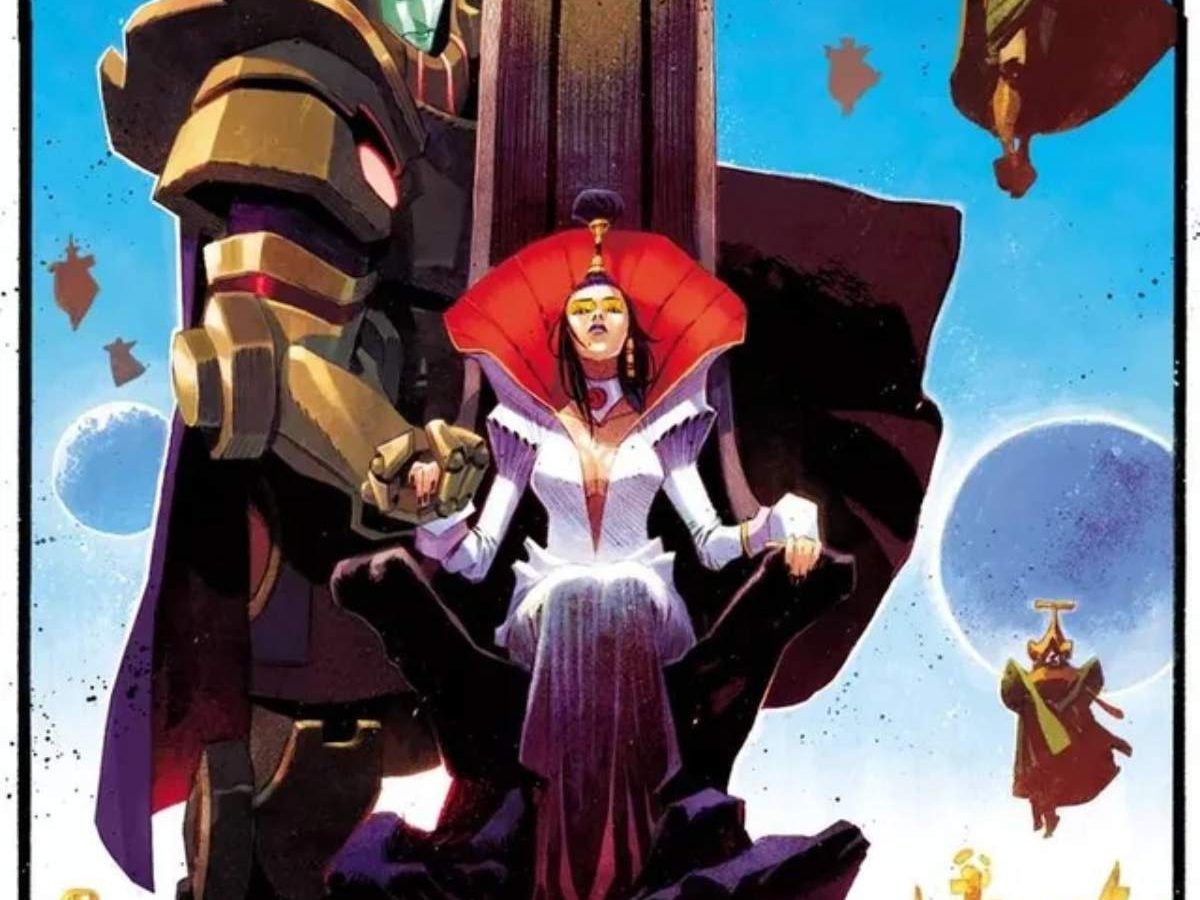
Black Science ranks here for a premise that sounds simple and gets progressively wilder: a scientist’s dimension-hopping device breaks and strands his team, jumping them through an endless string of alternate realities. Rick Remender and Matteo Scalera keep raising the stakes every volume.
- Author/Artist: Rick Remender, Matteo Scalera
- Publisher: Image Comics
- Years: 2013 to 2019
- Content note: graphic violence, language
- Best edition: the Black Science Premiere Hardcover volumes collect the story in fewer, sturdier books than the original paperback run.
The series is complete, which matters given how chaotic the multiverse-hopping structure can get.
12. East of West
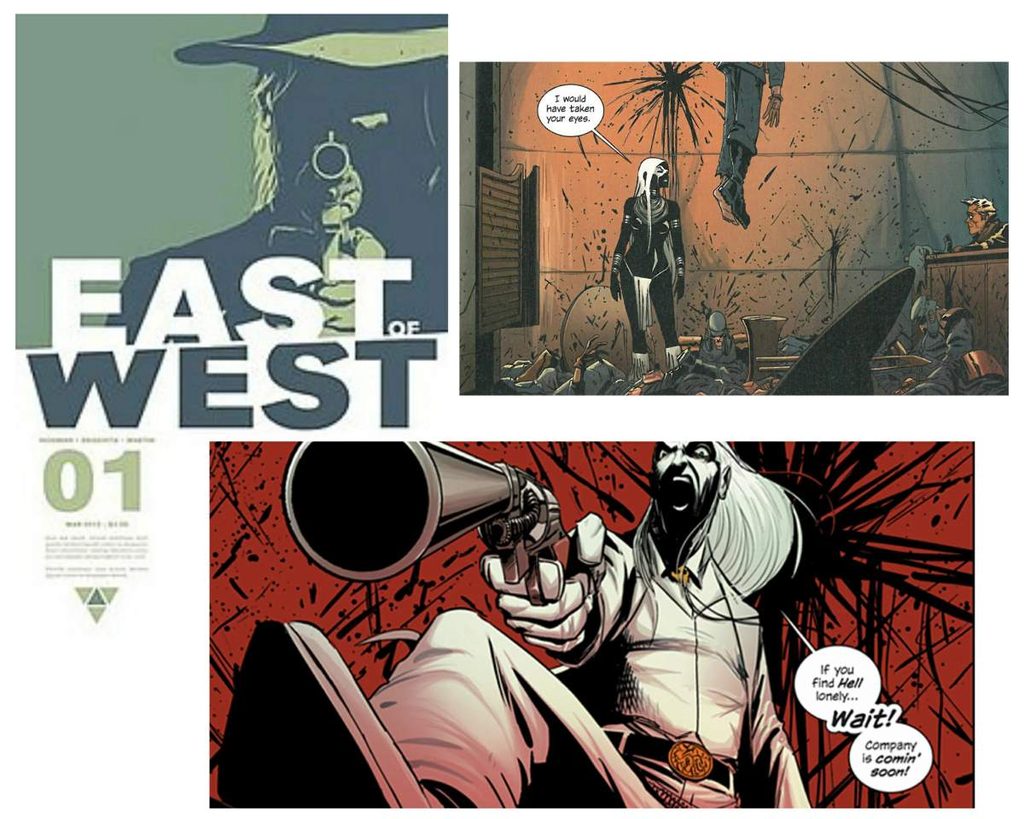
East of West earns its spot for blending Western iconography with apocalyptic sci-fi in a way almost nobody else has attempted. Jonathan Hickman and Nick Dragotta build an alternate America where the Four Horsemen of the Apocalypse are literal characters walking the frontier.
- Author/Artist: Jonathan Hickman, Nick Dragotta
- Publisher: Image Comics
- Years: 2013 to 2019
- Content note: violence, mature themes
- Best edition: individual paperback volumes, since no single omnibus edition currently exists.
Hickman’s dense political worldbuilding rewards attention, so this one sits closer to the advanced end of the list than the beginner end.
13. We3
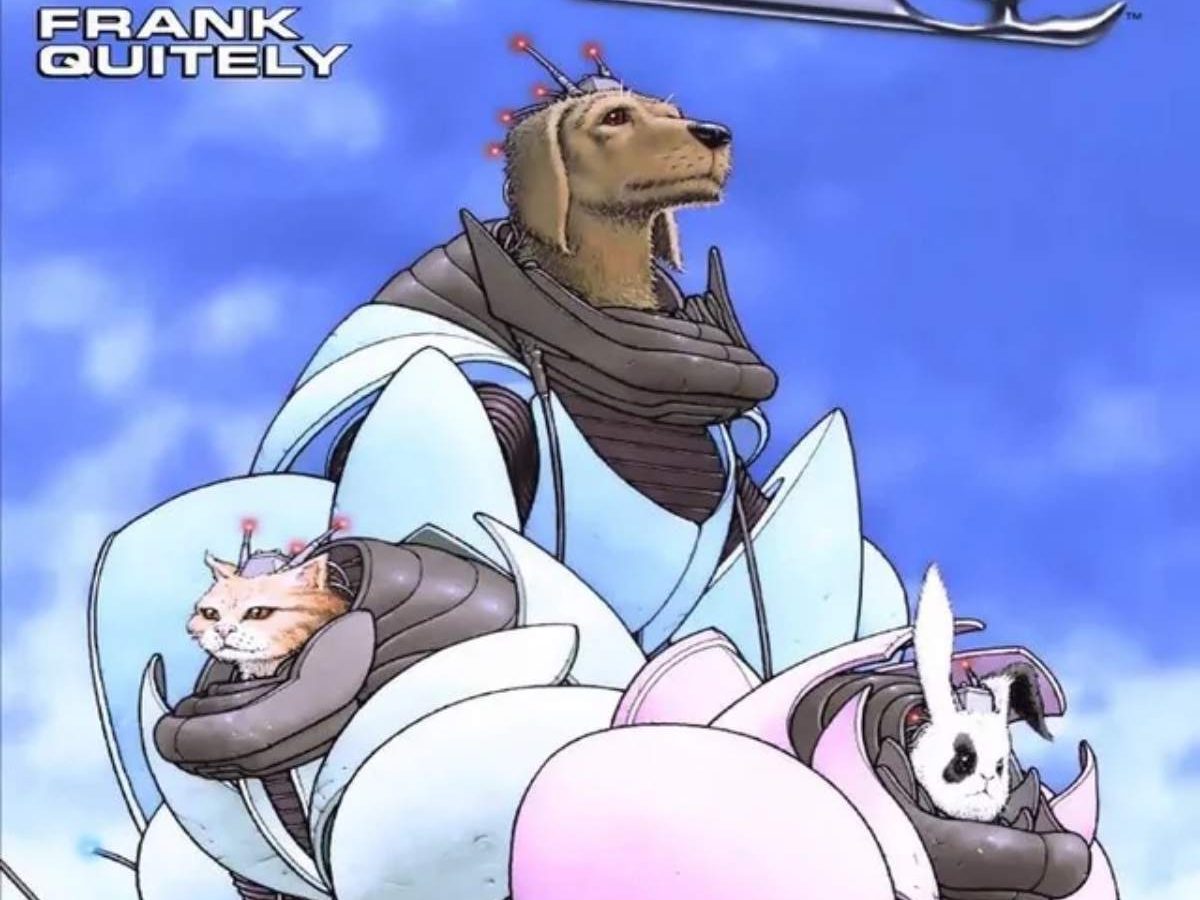
We3 ranks here because Grant Morrison and Frank Quitely fit an entire emotional gut-punch into a single collected volume. Three household pets, weaponized by the military and set loose, spend the whole book trying to get home.
- Author/Artist: Grant Morrison, Frank Quitely
- Publisher: Vertigo
- Years: 2004
- Content note: animal violence, war themes
- Best edition: the standard single-volume hardcover or paperback, since it was always a complete story rather than a serialized run.
It’s the shortest complete story on this list and one of the most emotionally direct.
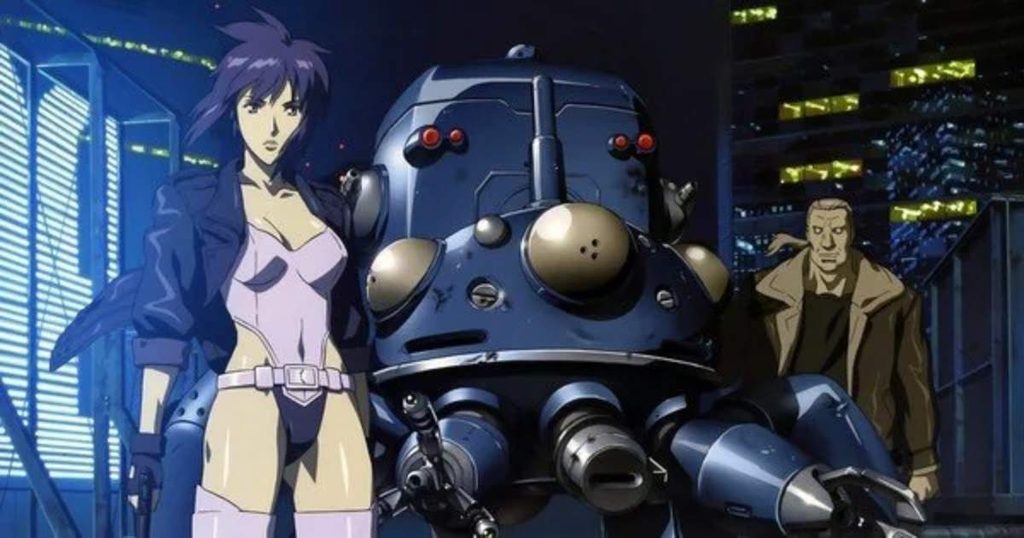
14. Ghost in the Shell
Ghost in the Shell earns its rank as the manga that put cyberpunk philosophy about consciousness and identity into mainstream conversation years before The Matrix borrowed heavily from its visual grammar. Masamune Shirow’s Major Motoko Kusanagi remains one of the genre’s defining characters.
- Author/Artist: Masamune Shirow
- Publisher: Kodansha
- Years: 1989
- Content note: violence, sexual content, mature themes
- Best edition: Kodansha’s Deluxe Edition hardcover restores art that earlier English printings cut or reformatted.
The manga is denser and more technical than the beloved 1995 anime film, with far more exposition about the Section 9 world.
15. The Nikopol Trilogy
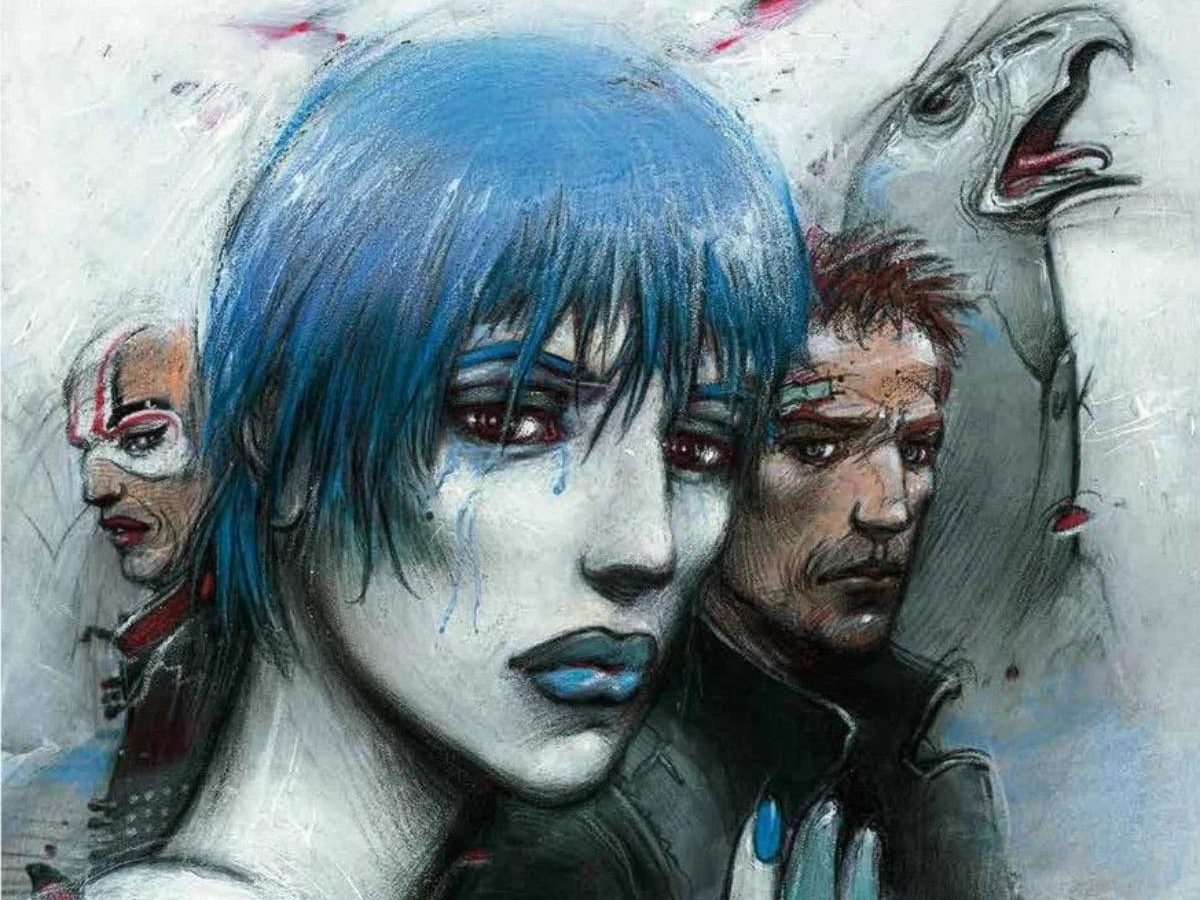
The Nikopol Trilogy ranks here for Enki Bilal’s painted art style, a rarity in a medium dominated by inked line work, applied to a story about Egyptian gods returning to a fascist near-future Paris. It’s a stranger, more European entry than most of the American and Japanese titles on this list.
- Author/Artist: Enki Bilal
- Publisher: Les Humanoïdes Associés
- Years: 1980 to 1992
- Content note: violence, political themes
- Best edition: Titan Comics’ single-volume collection gathers all three books together.
It rewards readers who want their sci-fi filtered through mythology instead of hard science.
16. Planetes
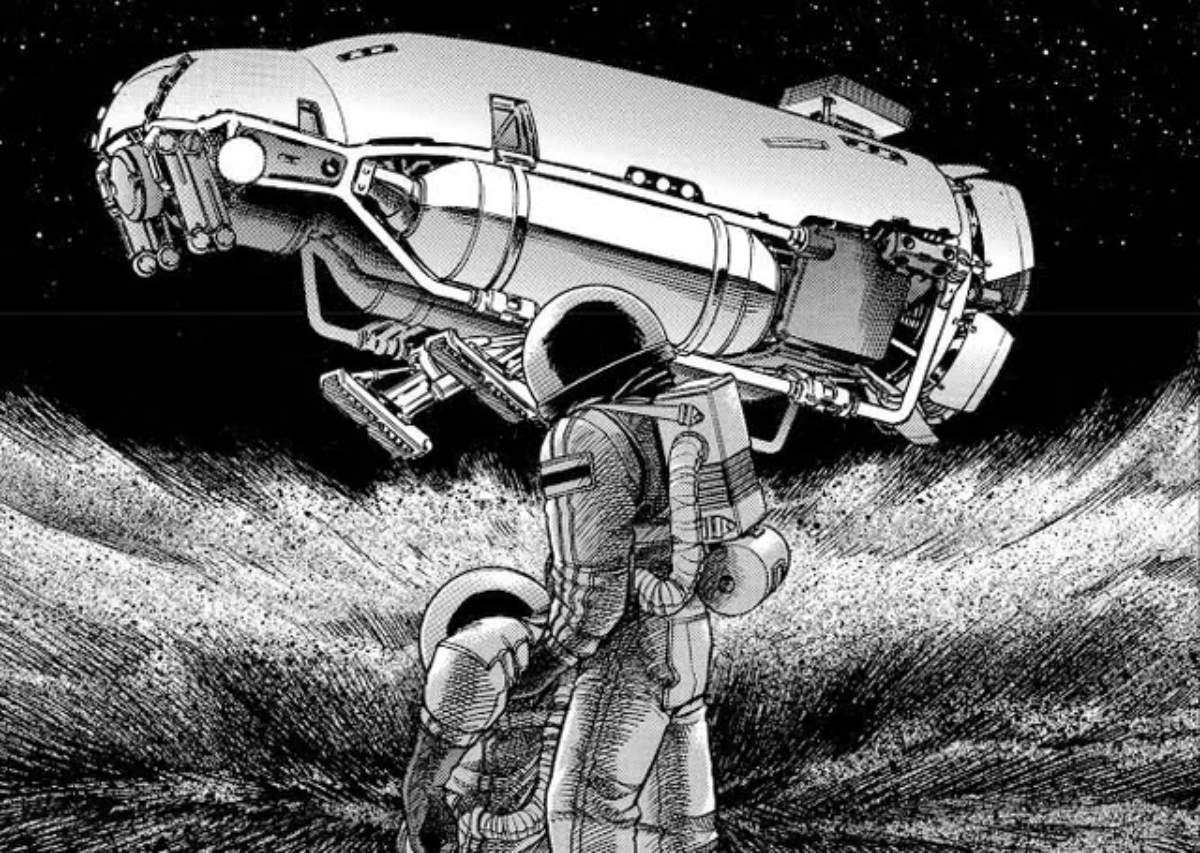
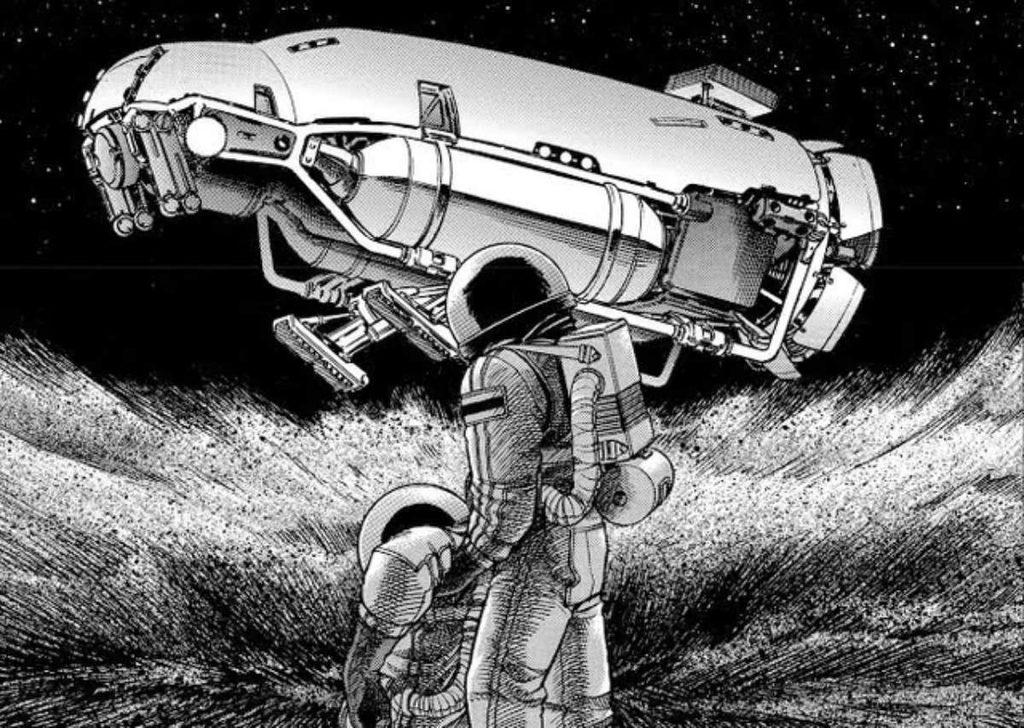
Planetes earns its spot for one of the most grounded sci-fi premises on this list: a crew of debris collectors cleaning up junk in Earth orbit. Makoto Yukimura treats orbital mechanics and workplace tedium as seriously as the emotional arcs of his characters.
- Author/Artist: Makoto Yukimura
- Publisher: Kodansha/Dark Horse
- Years: 1999 to 2004
- Content note: mild violence, thematic elements
- Best edition: Dark Horse’s two-volume omnibus editions replace the original four-volume paperback run.
It’s the closest thing on this list to hard sci-fi in the traditional, physics-respecting sense.
17. Fear Agent
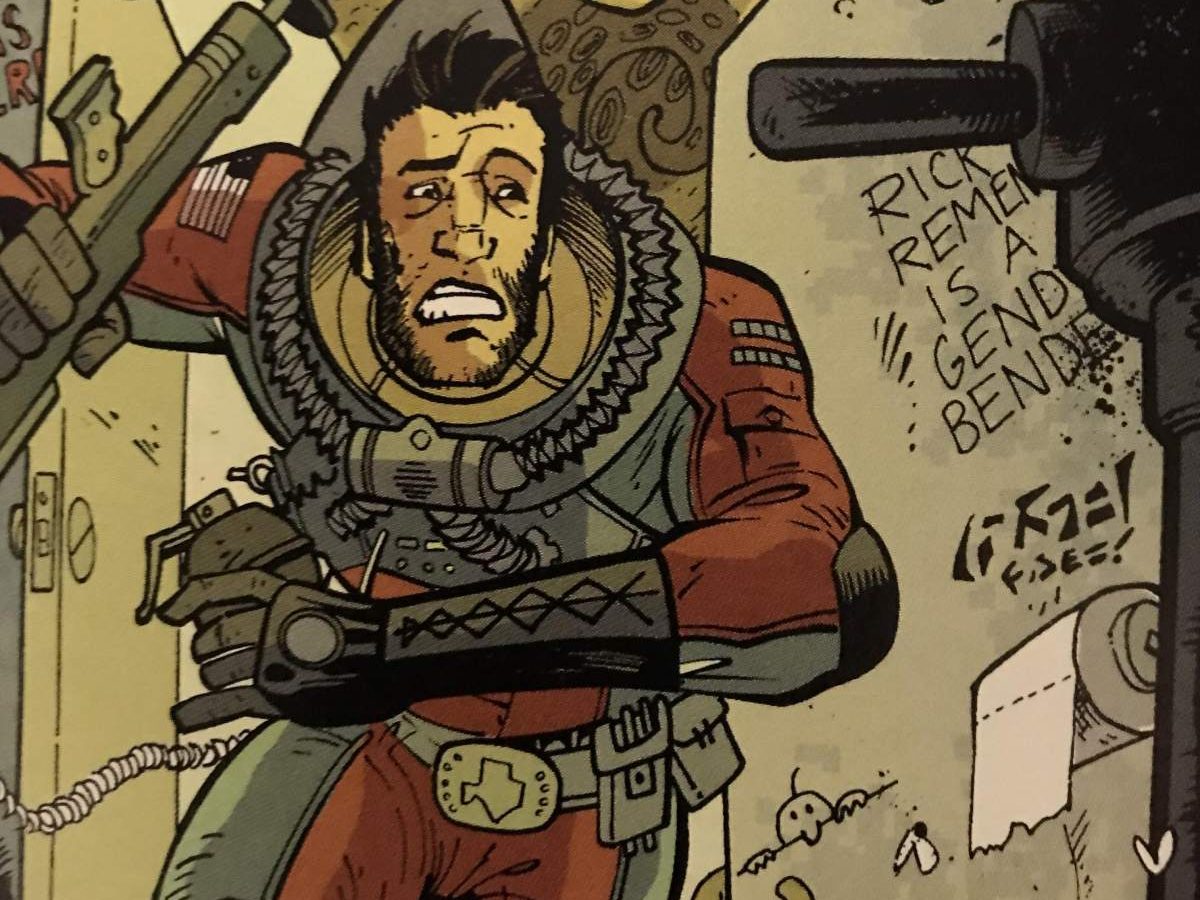
Fear Agent ranks here for reviving pulpy 1950s space adventure with a self-aware, whiskey-soaked sense of humor. Rick Remender and Tony Moore built a bounty hunter protagonist who’s equal parts tragic and ridiculous.
- Author/Artist: Rick Remender, Tony Moore
- Publisher: Image Comics
- Years: 2005 to 2012
- Content note: violence, language
- Best edition: the Fear Agent: Final Format editions recolor and re-letter the original run for easier reading.
The series is complete and works well for readers who want their sci-fi with more swagger and less philosophy.
18. Prophet
Prophet earns its spot for one of the strangest reinventions in comics history, taking a forgotten 1990s superhero and rebuilding him into a sprawling, near-wordless far-future epic. Brandon Graham assembled a rotating team of artists to build a genuinely alien future Earth.
- Author/Artist: Brandon Graham and collaborators
- Publisher: Image Comics
- Years: 2012 to 2015
- Content note: violence, body horror
- Best edition: start with “Prophet: Remission,” the first collected volume, before deciding whether the rotating art teams work for you.
It’s not for everyone, but nothing else on this list looks or reads quite like it.
19. Bitch Planet
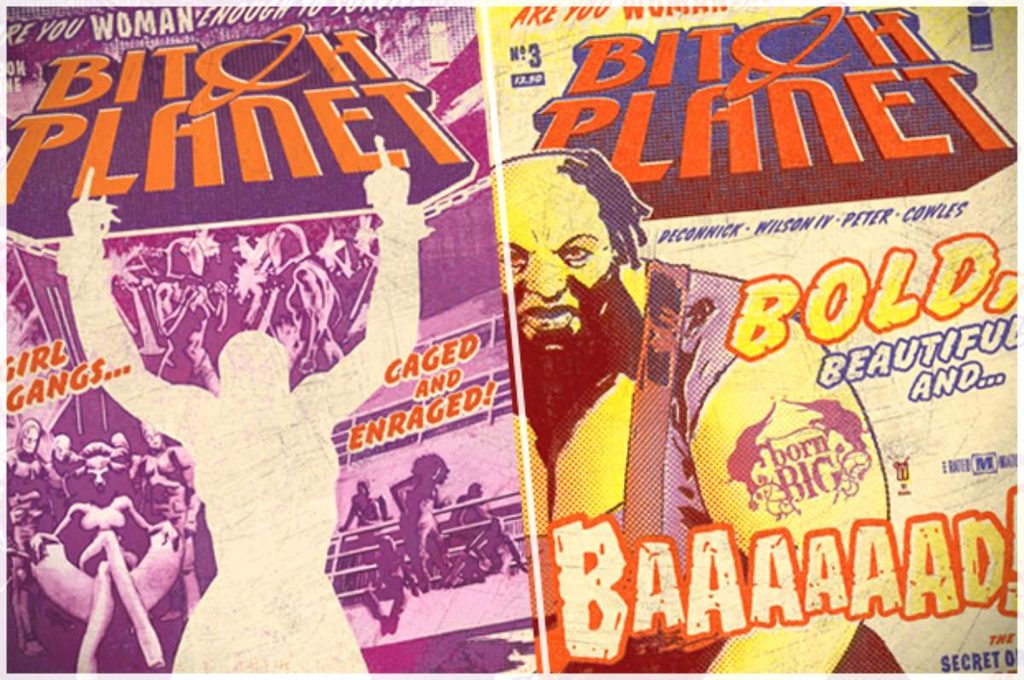
Bitch Planet ranks here for turning women’s prison exploitation films into pointed satire about surveillance and control. Kelly Sue DeConnick and Valentine De Landro build a future where “noncompliant” women are shipped to an off-world prison, and use it to say something sharp about the present.
- Author/Artist: Kelly Sue DeConnick, Valentine De Landro
- Publisher: Image Comics
- Years: 2014 to 2017
- Content note: violence, sexual content, mature themes
- Best edition: the two paperback volumes currently available, since the series stopped before a planned third volume.
The series went on hiatus before a planned conclusion, so know you’re starting an unfinished story.
20. ODY-C
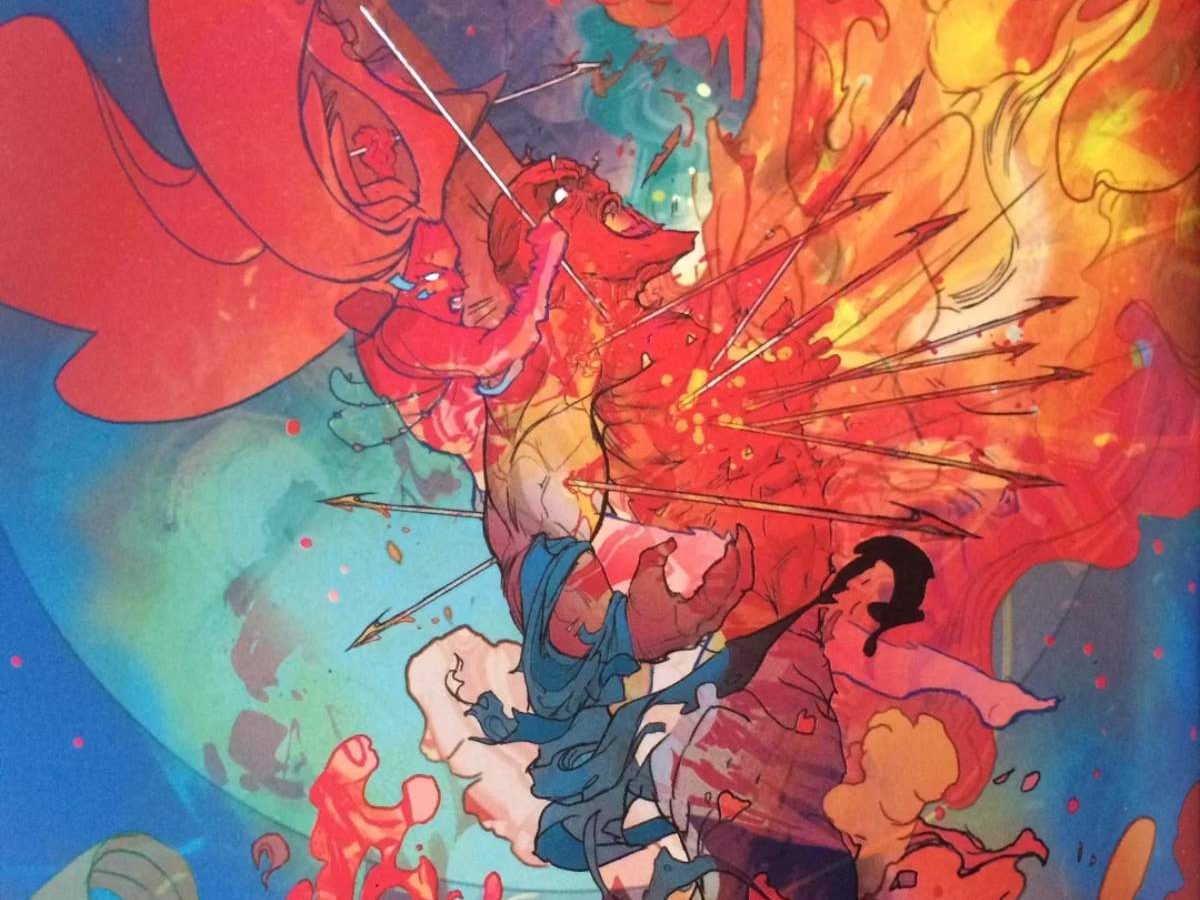
ODY-C closes the list for its sheer formal ambition: a genderbent, psychedelic retelling of Homer’s Odyssey set in outer space, written partly in verse. Matt Fraction and Christian Ward built something that looks like nothing else in mainstream comics.
- Author/Artist: Matt Fraction, Christian Ward
- Publisher: Image Comics
- Years: 2014 to 2016
- Content note: sexual content, violence, mature themes
- Best edition: the two-volume paperback collection, since no single omnibus currently exists.
It’s an ambitious, difficult read, and it earns its place at the bottom of a top 20 rather than off the list entirely.
Best Sci-Fi Comics to Read First If You’ve Never Picked One Up
Start with Saga, Y: The Last Man, or Paper Girls if you’ve never read a sci-fi comic before. All three use contemporary art styles, self-contained arcs or a finite ending, and pacing built for someone who doesn’t already speak the visual language of comics.
Saga works because each volume tells a complete chapter of the larger war, so you can stop and pick it back up without losing the thread. Y: The Last Man works because the mystery hook (why did every man but one die) pulls you through faster than denser philosophical entries like The Incal ever could. Paper Girls works because its 1980s setting and time-travel plot read almost like a young adult novel with sharper edges.
Choose Saga when you want ongoing melodrama with a finite arc inside every volume. Choose Watchmen when you want one complete, closed story built to be read start to finish and never revisited. Neither option works well if you specifically want short, single-issue stories you can finish in one sitting, in which case grab a single volume of Prophet or ODY-C instead.
If you already read manga aimed at younger audiences and want a bridge into denser sci-fi, Dr. Stone’s cast and its science-first premise makes a gentler on-ramp before jumping straight into something as dense as Ghost in the Shell.
Sci-Fi Comics Ranked by Genre: Hard Sci-Fi vs. Space Opera vs. Cyberpunk
“Sci-fi comics” isn’t one genre, and treating it like one is why a reader who loves Ghost in the Shell’s cyberpunk grit might bounce hard off The Incal’s surrealist space opera. Here’s how the 20 entries split by subgenre.
| Title | Primary Subgenre |
|---|---|
| Watchmen | Alternate History / Satire |
| Saga | Space Opera |
| Akira | Cyberpunk / Post-Apocalyptic |
| The Incal | Space Opera / Surrealist |
| Transmetropolitan | Cyberpunk / Satire |
| Y: The Last Man | Post-Apocalyptic |
| Nausicaä | Post-Apocalyptic |
| Planetary | Pulp / Space Opera |
| Descender | Space Opera |
| Paper Girls | Time Travel |
| Black Science | Multiverse / Hard Sci-Fi |
| East of West | Post-Apocalyptic / Western |
| We3 | Post-Apocalyptic / Military |
| Ghost in the Shell | Cyberpunk |
| The Nikopol Trilogy | Space Opera / Mythology |
| Planetes | Hard Sci-Fi |
| Fear Agent | Pulp Space Opera |
| Prophet | Far-Future / Body Horror |
| Bitch Planet | Satire / Dystopia |
| ODY-C | Space Opera / Mythology |
A reader chasing tight, physics-respecting hard sci-fi should stick to Planetes and skip the mythological weirdness of ODY-C or The Nikopol Trilogy entirely. Someone who wants pure cyberpunk atmosphere should start with Ghost in the Shell or Transmetropolitan rather than the space opera end of the list, where the tech takes a back seat to spectacle. Readers who want both, tech and spectacle in roughly equal measure, tend to land on Akira, which is part of why it keeps showing up across multiple subgenre buckets in other rankings too.
Are Any of These Sci-Fi Comics Still Being Published in 2026?
Most of this list is finished. Watchmen, Akira, Transmetropolitan, Y: The Last Man, Planetary, We3, Ghost in the Shell, The Nikopol Trilogy, Planetes, Fear Agent, and Bitch Planet are all complete, closed stories with defined endings.
Saga remains the primary ongoing title on this list and continues releasing new volumes. A few entries, like Bitch Planet, ended on hiatus rather than a planned conclusion, which is a different kind of unfinished than a series still actively releasing.
This matters because searches for “must read sci-fi comics” often come from readers who specifically don’t want to invest in something that might never wrap up. Publication status shifts fast in comics, so treat this section as a snapshot rather than a permanent guarantee, and check the publisher’s own listing before buying the first volume of anything still running.
For readers who want to see how another sitewide ranking handles the finished-versus-ongoing question, the best baseball manga ranked list uses a similar approach for flagging series still in progress.
Frequently Asked Questions About Sci-Fi Comics
What are the top 10 science fiction comics?
The top 10 on this list, in order, are Watchmen, Saga, Akira, The Incal, Transmetropolitan, Y: The Last Man, Nausicaä of the Valley of the Wind, Planetary, Descender, and Paper Girls. These are the titles most frequently cited across critic lists and reader polls for narrative ambition and genre influence. This full ranking goes to 20 for readers who finish the top 10 and want more.
Who are the “Big 3” of sci-fi?
The “Big Three” refers to Isaac Asimov, Arthur C. Clarke, and Robert Heinlein, three prose science fiction authors from the mid-twentieth century. None of them wrote comics, so if you found this term while searching for sci-fi comics, you’re looking at a different medium and a different era. The comics equivalent of that kind of foundational influence would be closer to Alan Moore or Moebius.
What’s the best sci-fi comic to read first?
Saga or Y: The Last Man are the best starting points for someone new to sci-fi comics. Both use accessible art, a clear central hook, and pacing that doesn’t require prior comics knowledge. See the full “read first” breakdown above for why each one works differently depending on whether you want an ongoing story or a complete one.
Are sci-fi comics the same as sci-fi graphic novels?
Not exactly. “Comic” often refers to serialized single issues later collected into trade paperbacks, like Saga or Y: The Last Man, while “graphic novel” typically means a story written and released as one complete work, like We3 or The Incal. The distinction matters mostly for figuring out whether you’re buying one book or committing to an ongoing series.
What’s the most acclaimed sci-fi comic of all time?
Watchmen is the most critically acclaimed sci-fi comic ever made, having won a Hugo Award, a distinction almost never given to a comic. That’s a different measurement than best-selling, though. Several manga entries on this list, including Akira and Nausicaä, have sold far more copies worldwide without matching Watchmen’s critical trophy case.
Is Saga finished, and how many volumes are there?
Saga is not finished. Brian K. Vaughan and Fiona Staples continue releasing new collected volumes, with the story ongoing as of this writing. Each volume wraps a self-contained arc, so you can read what’s currently available without waiting for a full conclusion, unlike a series that ends mid-plot on hiatus.
Start with whichever title matches how much time you actually want to spend. If you want one complete story you’ll finish in a weekend, grab Watchmen or We3. If you want something to live with for years, Saga is still writing its next chapter.
The real takeaway here is that “best” was never one number on Goodreads. It’s a mix of ambition, influence, and whether the book actually respects your time as a new reader, and every title on this list earned its spot on at least one of those three counts. Pick a lane from the read-first section above, or work straight down the ranked table from the top.