Why Marvel Fan Speculation Has Become Its Own Content Category
The speculation ecosystem is not a supplement to Marvel content anymore. It is a content category in its own right, with its own production cycle, its own stars, and its own audience expectations.
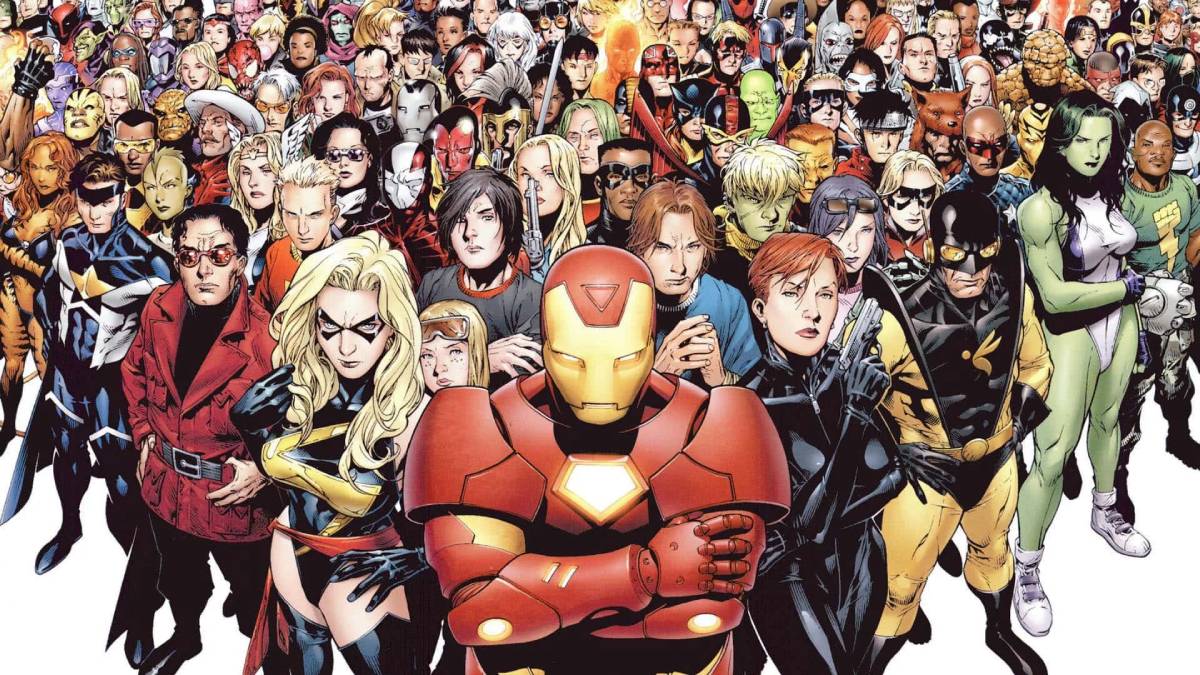
Marvel releases somewhere between three and four major projects per year. Fan theory culture operates every single day. Subreddits dedicated to MCU speculation generate millions of monthly interactions between release dates, not during them. Official Marvel content occupies a small fraction of the calendar. Everything in between belongs to the speculation machine.
The speculation cycle has its own complete narrative arc. A casting rumor surfaces. The theorist community contextualizes it against existing canon. Credible-seeming leakers respond. YouTube channels with millions of subscribers analyze the leakers, and entertainment outlets cover the discourse. That is a full story loop with rising tension, competing interpretations, and a resolution moment when something is confirmed or denied. It runs on no production budget and no studio oversight.
Why the Multiverse Framework Was Built for This
The MCU’s multiverse storytelling structure is almost perfectly designed for theory culture. Multiverse narratives are, by definition, about what might exist rather than what does. Every confirmed detail implies ten unconfirmed ones. Every variant of a character raises questions about which other variants exist. Every post-credit scene can plausibly connect to any of thirty-plus films and twenty-plus streaming series.
Compare this to a franchise with standalone films. A James Bond film ends and there is nothing to theorize about continuity because there is no shared continuity. The MCU’s interconnected architecture means every new piece of content is also a retroactive puzzle piece, and puzzle pieces invite theorizing about what the completed image looks like.
The fans who spend hours debating the Avengers: Doomsday theories currently circulating are not wasting time on a hobby. They are consuming a narrative product that has been structurally optimized for their engagement, whether or not anyone at Marvel consciously designed it that way.
The Post-Endgame Problem That Marvel Fan Theories Are Quietly Solving
The post-Endgame MCU created a genuine storytelling vacuum. Fan speculation filled it faster and more aggressively than the studio filled it with official content.
Endgame concluded a 22-film narrative arc running from 2008 to 2019. That arc had a coherent villain introduced early, a clear escalating threat across multiple phases, and a payoff that landed emotionally for most of the audience. Whatever you think of the individual films, the structure worked.
The Multiverse Saga promised a comparable throughline but delivered inconsistency. Loki, Doctor Strange in the Multiverse of Madness, and Ant-Man and the Wasp: Quantumania were all building toward Kang the Conqueror. That villain was then recast and reframed following the Jonathan Majors conviction in December 2023. The story the Multiverse Saga was telling is not the story it can now tell, and the audience felt that gap.
Speculation culture’s response was immediate. When it became clear that Kang’s role was collapsing, fan theory communities did not pause. They pivoted within weeks, mapping Doctor Doom’s comic history onto the existing MCU framework and drafting story logic for how Robert Downey Jr.’s return as a Doom variant could be reconciled with continuity. The community adapted faster than the studio did.
The Jonathan Majors Situation as a Case Study in Speculation Filling the Gap
The speed of the fandom’s pivot after the Majors situation is the clearest illustration of how agile speculation culture has become relative to production culture. A Marvel film takes three to five years from greenlight to release. A fan theory community can reconstruct an entire saga framework in 48 hours.
Some of the framework that fans theorized in early 2024 turned out to be close to what Marvel eventually confirmed. That feedback loop, where community speculation anticipates or partially shapes official creative direction, was not happening in Phase 1. The relationship has shifted. The community is now a participant in the storytelling process, not an audience for it.
Why the Rumor Cycle Feels More Satisfying Than the Actual Releases
The answer is partly psychological, and the psychology is well-established. Anticipation regularly outperforms delivery.
Research in behavioral psychology and hedonic forecasting has consistently found that anticipating a positive event can produce stronger emotional responses than the event itself. The clearest popular illustration is the vacation phenomenon: people tend to report more positive emotional states while planning a trip than while on one.
Applied to Marvel: the theory-building period before a film is when every casting rumor is still possible and every post-credit reading is still valid. The film itself must make choices, and every choice it makes is a version that is less than the total of all the versions fans had imagined. This is not a flaw in the fan experience. It is a feature of how anticipatory engagement works.
The theories that never came true, including persistent pre-release speculation that Tony Stark would survive Endgame and that the Fantastic Four would appear in No Way Home, were not failures. They were entertainment products. The incorrectness did not retroactively remove the enjoyment of having engaged with them.
The Earth-616 Question and Why Continuity Debates Are Part of the Draw
A representative example of speculation-as-entertainment is the ongoing Earth-616 versus Earth-199999 debate. The MCU was originally designated Earth-199999 in Marvel’s Official Handbook of the Marvel Universe A to Z. Earth-616 is the main Marvel Comics universe. Recent in-universe dialogue in Doctor Strange in the Multiverse of Madness began using the 616 designation for the MCU itself, and Marvel Studios has never formally resolved whether this was a deliberate retcon or a continuity error.
That unresolved question has generated hundreds of theory threads across multiple platforms. A fully resolved canon is a less interesting canon. Ambiguity is the precondition for theorizing, and theorizing is the actual activity fans are enjoying.
Is Marvel Actually Feeding the Rumor Machine on Purpose?
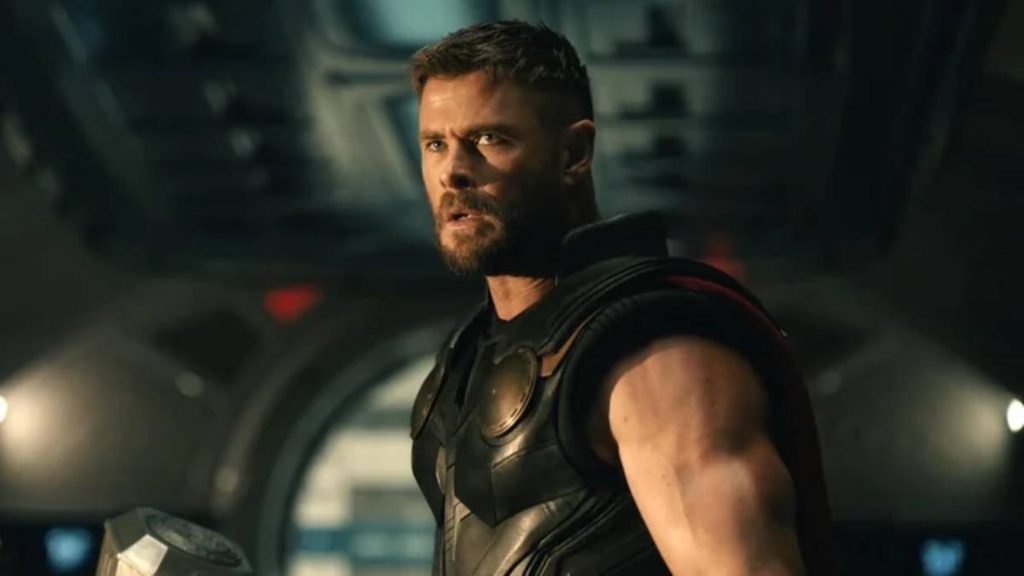
Marvel Studios is not a passive subject of the speculation cycle. There is a reasonable case that the studio is an active participant, and that deliberate ambiguity is a rational marketing strategy.
Look at the pattern of post-credit scenes across the two sagas. The Infinity Saga post-credit scenes were largely direct setup: Thanos retrieving the Infinity Gauntlet, Nick Fury calling Captain Marvel, the Reality Stone being delivered to the Collector. The Multiverse Saga post-credit scenes are substantially more atmospheric and cryptic, inviting interpretation rather than providing information. That shift is not accidental when the studio has access to data on how these scenes drive online engagement.
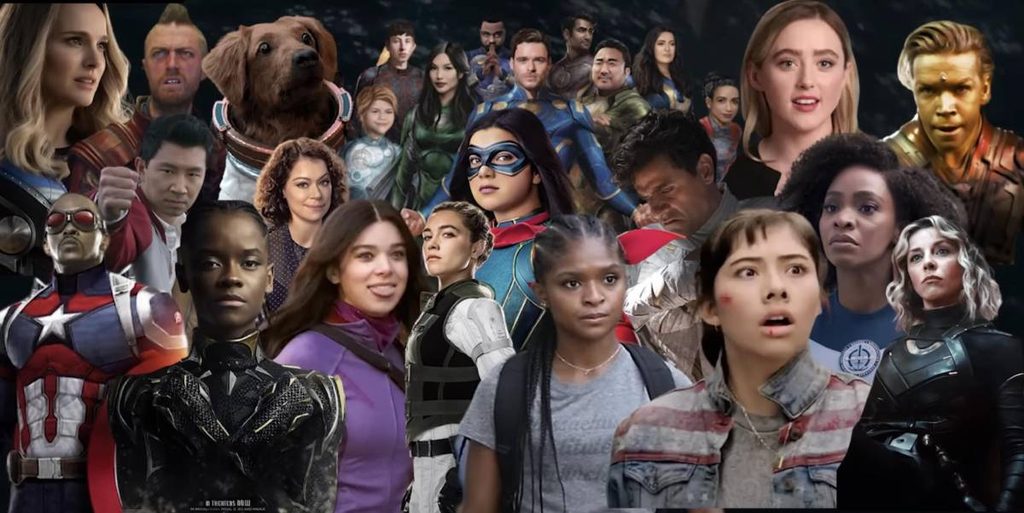
The casting announcement cadence for the Avengers: Doomsday characters rollout followed a drip pattern rather than a single announcement, with each name generating its own dedicated news cycle. Each name dropped became a theory prompt. The total PR surface area across thirty separate announcements is enormously larger than one consolidated cast reveal would have produced.
The Leaker Ecosystem and Who It Benefits
The existence of semi-credible leakers on Reddit and X who are occasionally accurate and frequently amplified by legitimate entertainment outlets is an ecosystem that benefits Marvel considerably. Verified leaks generate press coverage. Unverified leaks generate community engagement and keep the conversation active. Both are effectively free marketing.
The handling of the “Her” credit in Thor: Love and Thunder, the Charlize Theron cameo in Doctor Strange 2, and the entire confirmation cycle around Deadpool and Wolverine were each managed to maximize speculation before confirmation. These were controlled information releases designed to generate the maximum possible coverage window. For what’s coming to the streaming side, the upcoming Marvel Disney Plus shows already have active theory threads despite minimal official information.
When Speculation Culture Turns Against Marvel
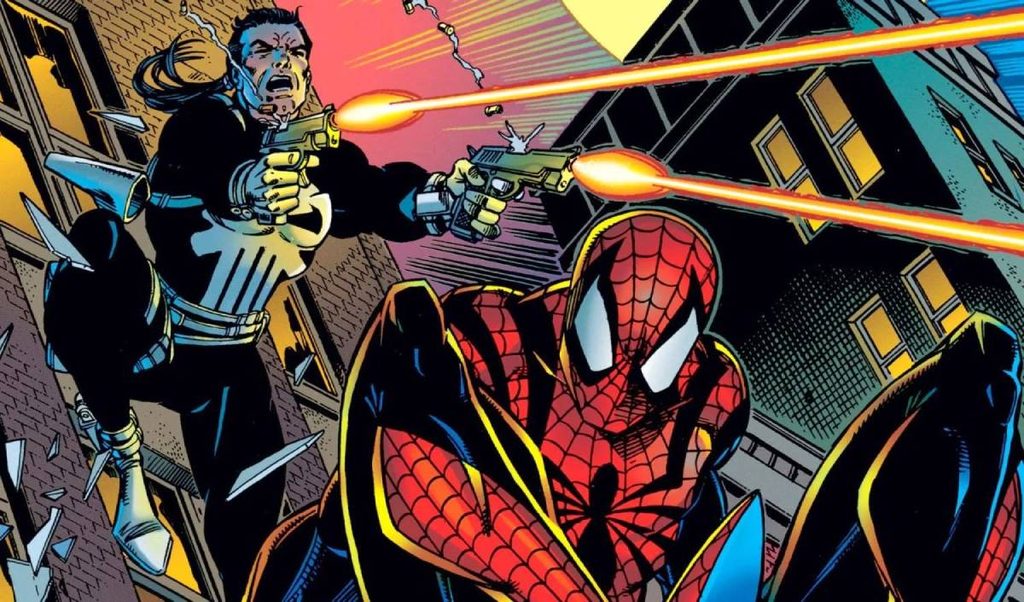
The rumor machine is not always a net positive for the studio. The same infrastructure that amplifies excitement amplifies disappointment with equal efficiency.
The post-credit scene that doesn’t pay off, the heavily theorized cameo that doesn’t appear, the casting rumor that circulates for eighteen months before being denied: each creates a letdown that is measurably louder than it would have been without the preceding speculation cycle. The expectation floor gets raised by the intensity of the theorizing, and anything below that floor reads as a failure regardless of objective quality.
Secret Invasion is the sharpest example available. It was among the most theorized Marvel Disney Plus series in the platform’s history, with fan expectations built across years of Skrull mythology developed through multiple films. The series itself was broadly considered a creative disappointment, and the reaction was sharpened specifically by the gap between speculative anticipation and delivered product.
The Avengers: Doomsday release date is still far enough away that the speculation cycle has time to build expectations to a height that will be genuinely difficult for any film to clear. Marvel benefits enormously from retained engagement between releases, but every month of high-engagement theorizing raises the bar the official product has to clear. The studio can pull back on deliberate ambiguity and lose the engagement value, or lean into it further and increase the risk of catastrophic expectation mismatch. Neither option is obviously better.
So Is Fan Speculation Actually Better Than the MCU Right Now?
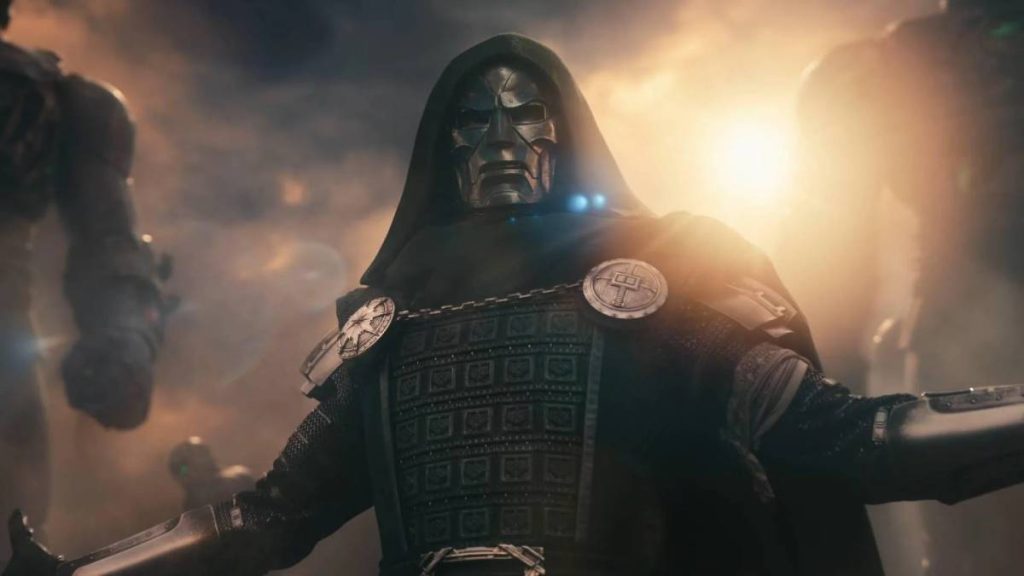
For a specific type of MCU fan, yes. The speculation layer has become the primary engagement mechanism, not a supplement to it.
These fans are actively participating in a continuous parallel narrative, reading leaker threads, watching theory breakdowns, arguing canon details, and generating their own interpretations between every official release. The films and series are, for this portion of the audience, events that punctuate an ongoing engagement rather than the engagement itself.
That is not a crisis for Marvel. A fanbase that generates its own entertainment between releases and arrives at each new project with investment already primed is the most durable form of IP fandom that exists. The genuine concern is about incentive structures. The MCU in its peak years succeeded because the official content was reliably the best thing in the ecosystem. If that relationship has genuinely inverted, even temporarily, the pressure on any individual project to deliver something exceptional is reduced.
A fanbase that stays engaged regardless of quality provides less commercial incentive to consistently produce excellent work. That may be the most uncomfortable version of this argument: not that Marvel is declining, but that the speculation machine Marvel helped build might be making it easier for them to decline.
FAQ
Why do Marvel fan theories feel more satisfying than the actual movies sometimes?
The period before a film releases is when every possibility is still open. A good theory holds all the narrative potential simultaneously, while the actual film must make choices that close most of those doors. Research on anticipatory engagement consistently shows that people often derive stronger positive emotional responses from anticipating an event than from experiencing it. The theory phase is the phase of maximum narrative possibility, which is why a well-constructed theory thread can feel more satisfying than a film that delivers a specific and finite version of events.
Are Marvel fan theories ever actually correct?
Yes, with meaningful frequency. Theories predicting that Tony Stark would use the Infinity Stones in Endgame, that Loki would survive Thor: Ragnarok through deception, and that the Ancient One was drawing power from the Dark Dimension were all circulating in fan communities before confirmation. The accuracy rate is still far lower than the miss rate, but the hit rate is high enough to sustain the culture. Correct theories become proof of concept for the next round of theorizing, even when most of those theories will also be wrong.
Is Marvel deliberately leaking information to generate fan speculation?
Marvel has never confirmed a deliberate leak strategy. The studio’s casting announcements for major projects have consistently followed a drip pattern that maximizes individual coverage cycles rather than consolidated announcements. Post-credit scenes in the Multiverse Saga are measurably more cryptic than those in the Infinity Saga, generating interpretation rather than setup. Whether this is intentional or a structure the studio recognized and chose not to suppress is genuinely unclear.
Why is MCU speculation so much more active than speculation around other major franchises?
The shared universe architecture is the primary structural reason. With over 30 films and 20-plus streaming series in a single continuity, every new project can retroactively change the meaning of something in an older one. That creates an unusually large surface area for theorizing. Multiverse storytelling amplifies this further by making variant characters and alternate timelines canonical possibilities rather than fan fiction. A franchise built on standalone films offers no comparable continuity surface.
Does speculation culture actually hurt the MCU by raising expectations too high?
This is the most legitimate objection to the speculation machine, and the honest answer is yes, sometimes. Secret Invasion is the clearest example: months of high-engagement theorizing built expectations that the actual series could not meet, and the disappointment was sharper specifically because of the preceding speculation cycle. High speculation volume raises the expectation floor, and anything below that floor reads as a failure regardless of objective quality.
What is the difference between Earth-616 and Earth-199999 in Marvel?
Earth-199999 was the original designation for the MCU in Marvel’s Official Handbook of the Marvel Universe A to Z, distinguishing it from the main comics continuity. Earth-616 is the designation for the primary Marvel Comics universe in use since the 1980s. Starting with Doctor Strange in the Multiverse of Madness, in-universe MCU dialogue began using 616 to refer to the MCU itself. Marvel Studios has not formally addressed whether this was intentional canonical alignment with the comics or a continuity error.
Is it worth following Marvel fan theories if you want to enjoy the actual movies?
It depends on what you want from the experience. If your primary enjoyment comes from narrative surprise, heavy theory engagement before a release will reduce that. If your primary enjoyment comes from community participation and intellectual engagement with source material, theory culture adds considerably more than it costs. Most engaged MCU fans report that the two activities complement each other and that theory engagement increases their investment in official releases even when specific predictions are wrong.
The Speculation Machine Is Already Running
The MCU speculation ecosystem is no longer a fan activity that runs alongside official Marvel content. For a significant portion of the active audience, it is the primary product, and the films and series are events within it rather than the thing itself.
If you’re a fan who has noticed that a great theory thread hits differently than a disappointing release, you’re responding rationally to a content ecosystem where the speculation layer has, at this particular moment in Marvel’s history, become more consistently satisfying than the official output. That says something real about where the MCU is in its post-Endgame arc.
The question worth sitting with is whether Marvel closes that gap by making better official content, or whether the studio has quietly decided that a retained, speculating fanbase is commercially sufficient even when individual projects underdeliver. The fans who are most engaged right now may be the ones keeping Marvel’s commercial engine running while demanding the least in return.