What Are the Most Controversial Family Guy Episodes and Why Were They Banned or Pulled?
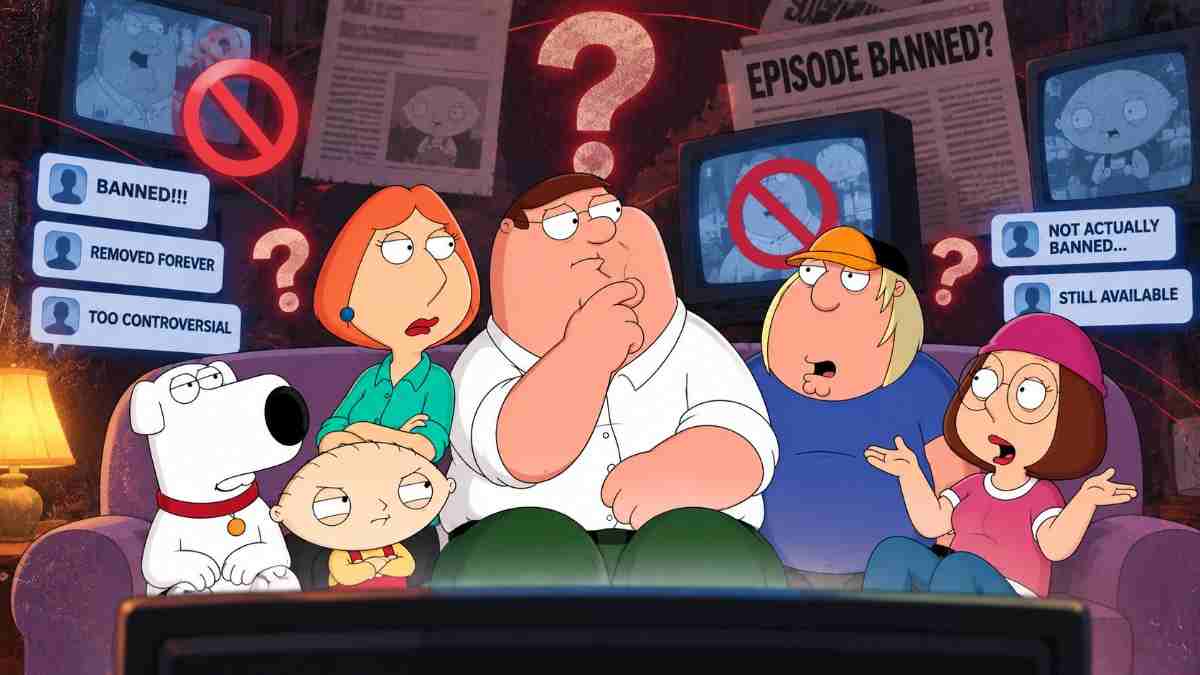
A genuinely banned episode is one that was pulled from its original air schedule, removed from syndication rotation, or blocked outright by a specific network. A merely controversial episode drew complaints, protests, or backlash but still aired as planned and reran normally afterward. That gap explains most of the confusion online, because search queries asking “what episode of Family Guy got banned” are usually really asking about episodes that upset people, not episodes that got pulled.
The table below sorts the episodes people most commonly bring up into the category they actually belong in.
| Episode | What Happened | Still Airs Today? | Category |
|---|---|---|---|
| Partial Terms of Endearment | Fox declined to air it domestically; widely reported as pulled from syndication | Reportedly not in standard U.S. rotation | Banned |
| And the Wiener Is… | First formal FCC indecency complaint against the show, filed by the PTC | Yes | Complaint Only |
| The Cleveland-Loretta Quagmire | AIDS cutaway gag drew protests from AIDS service organizations | Yes | Complaint/Protest |
| PTV | FCC complaint filed by the PTC | Yes | Complaint Only |
| Family Gay | FCC complaint filed by the PTC | Yes | Complaint Only |
| “Extra Large Medium” style entries fans cite as banned | No confirmed removal found | Yes | Fan Myth |
Which Family Guy Episode Was Actually Pulled From Air?
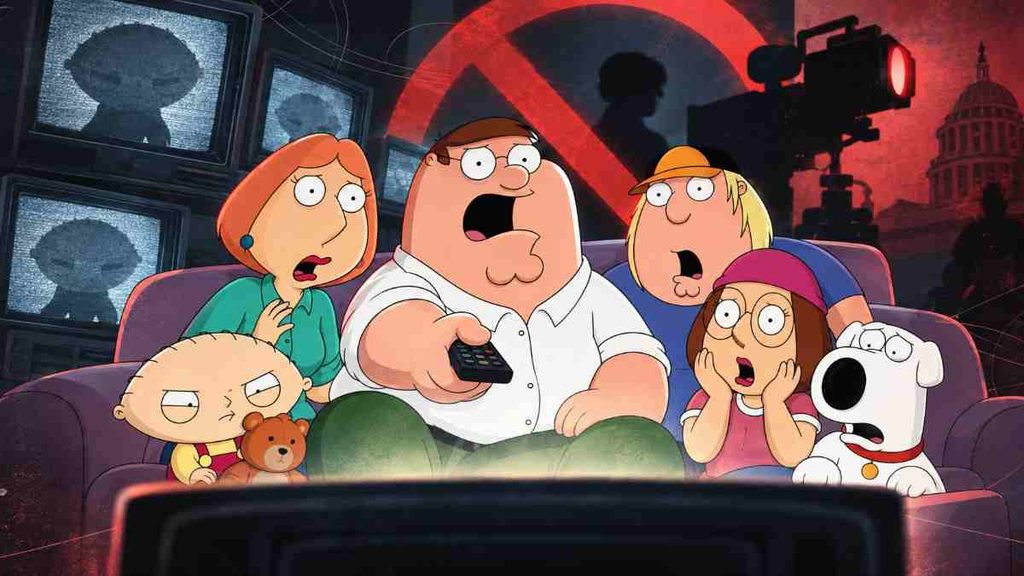
The episode most reliably tied to a real broadcast ban is “Partial Terms of Endearment,” the twenty first episode of season 8. Fox declined to air it in the United States, and coverage of the episode’s history has widely reported that it was pulled from syndication afterward rather than folded into the normal rerun rotation.
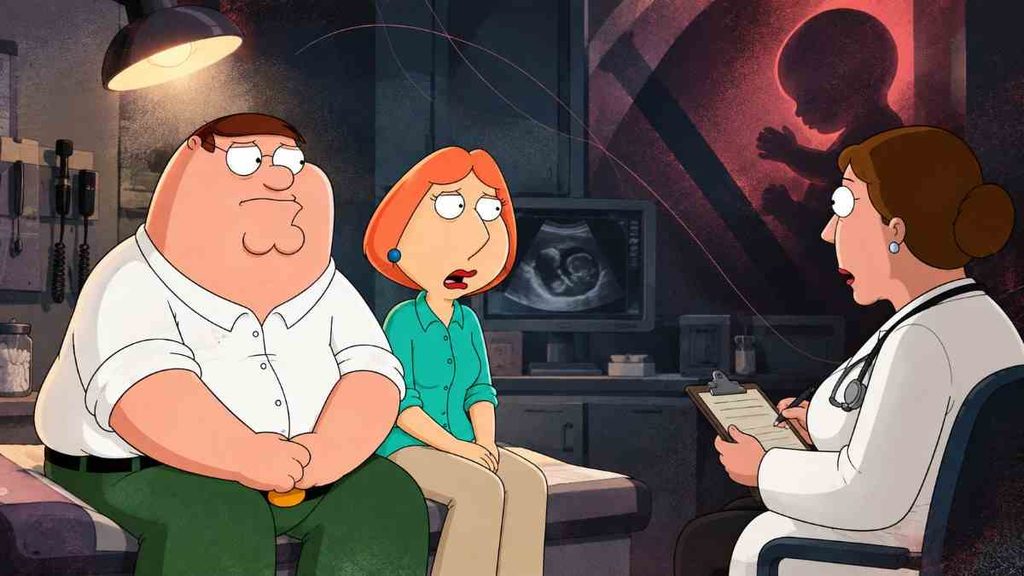
The content that triggered the network’s decision was a plotline built around abortion, a subject that networks tend to treat far more cautiously than the show’s usual sex jokes and violence gags. Unlike other Family Guy stories that get referenced in later seasons, this one never became recurring lore. It sits in the show’s production history as a one time network decision, not as a canon event Peter or Lois ever mention again.
If you searched something like “why was Family Guy season 8 episode 21 banned,” that abortion storyline is the direct answer. It is also the cleanest example of the difference between a network pulling an episode and a network just running it with a warning label. Readers curious about how other animated shows handled similarly sensitive plotlines can compare notes in a piece on animated sitcoms that rewrote their own episodes, since Family Guy is far from the only offender.
Why Did “The Cleveland-Loretta Quagmire” AIDS Cutaway Cause Real Protests?
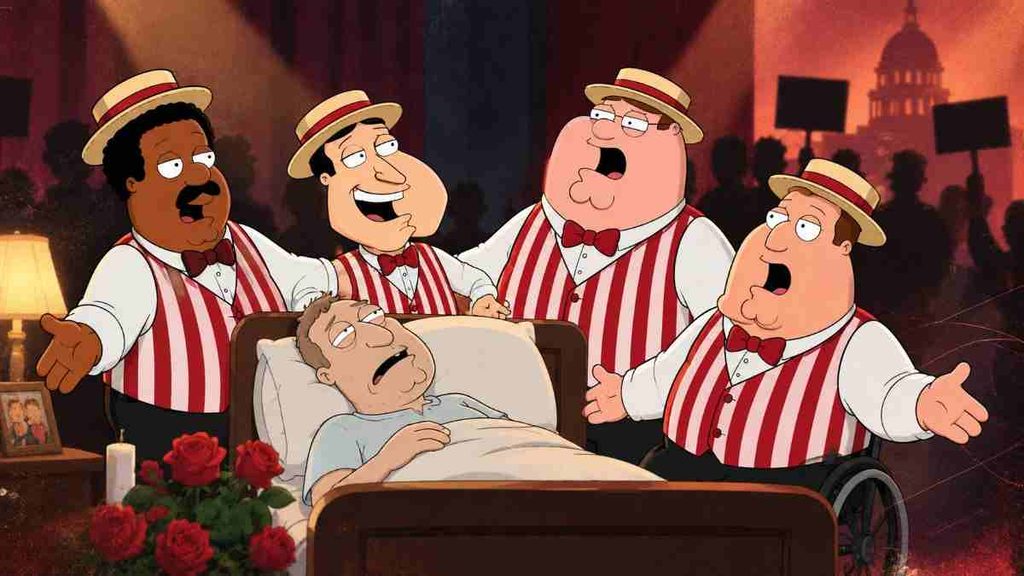
The episode aired, but a specific cutaway gag inside it did not go unanswered. The joke depicted a barbershop quartet singing around a man dying of an AIDS related illness, and it drew organized protests from AIDS service organizations rather than the usual round of PTC paperwork.
The mechanism here matters more than the outrage itself. It was a cutaway only gag, meaning it existed for a few seconds and had zero connection to any character’s ongoing storyline. That is exactly the kind of joke advocacy groups tend to target hardest, because cutting it costs the writers nothing and the network can remove or apologize for it without touching a single plot thread. It is disposable by design, which is also why it never became a recurring bit the way some Peter or Stewie gags do.
How Many Times Has the FCC Actually Investigated Family Guy?
The FCC has received a documented wave of indecency complaints about Family Guy, most of them generated by the Parents Television Council, and it has never fined the show once. The very first complaint, filed over “And the Wiener Is…”, was denied outright.
| Episode | Filed By | Outcome |
|---|---|---|
| And the Wiener Is… | Parents Television Council | Denied |
| PTV | Parents Television Council | No fine |
| Family Gay | Parents Television Council | No fine |
| Business Guy | Parents Television Council | No fine |
| Brian & Stewie | Parents Television Council | No fine |
| A Fistful of Meg | Parents Television Council | No fine |
| Quagmire’s Mom | Parents Television Council | No fine |
That is a run of seven or more named complaints across a decade with zero penalties attached. This is the pattern that most “banned Family Guy” content online skips entirely: the show has a reputation for getting in regulatory trouble that its actual regulatory record does not support.
The PTC’s complaint strategy against Family Guy also mirrors its long running campaigns against other Fox comedies. Anyone tracking that broader pattern can see the same names show up repeatedly in a rundown of Fox sitcoms the Parents Television Council targeted.
What Do Fans Get Wrong When They Call an Episode “Banned”?
Fans routinely treat “the PTC hated it,” “it got review bombed,” and “it never reran” as the same event, and they are not. Reddit threads and IMDb style ranking lists tend to pass episodes down as banned simply because they generated a lot of angry noise at the time, not because anything actually happened to their air schedule.
Episodes like “PTV” and “Family Gay” are good examples of this drift. Both drew formal complaints and plenty of headlines, and both continued airing and rerunning without interruption. The myth spreads because outrage is more memorable than a quiet FCC dismissal, so the loudest reaction gets remembered as a ban even when the regulatory paper trail says otherwise.
Fans also tend to lump in episodes that were edited for later syndication runs, which is a different phenomenon entirely from a ban. A syndication edit trims specific seconds of content for a rerun package, while a ban removes the whole episode. Confusing the two is part of why the “banned episode” list online keeps growing every year without any new documented bans actually happening.
What Changed on Family Guy Because of These Controversies?
The controversies did not remove episodes from the air, but they did change how advocacy pressure was applied. Three specific mechanisms show up across the show’s documented history, and none of them are “the writers quietly softened the joke.”
- Content advisory pressure: The PTC pushed for stronger “S” and “V” descriptors on specific episodes, aiming to flag content for parents rather than get it pulled.
- Sponsor targeting: The PTC directly petitioned advertisers, including Wrigley and Burger King, to withdraw ads from the show, shifting the fight from content to commerce.
- Scheduling pressure: PTC lobbying specifically targeted Fox’s decision to run Family Guy in earlier primetime slots, an attempt to shrink its reach rather than change its jokes.
All three of those are documented advocacy campaigns, not confirmed creative concessions from the writers’ room. The record shows pressure being applied from the outside, not the show quietly rewriting itself in response.
Some of that same gray area around banned versus pulled content shows up in shows well outside animated comedy, including a Disney Channel movie pulled from air entirely, which followed a similar path of quiet removal rather than a public announcement.
Is Family Guy Banned in Other Countries?
There is no verified, sourced list of countries that have formally banned Family Guy, and most claims floating around online repeating specific country names should be treated as unconfirmed fan forum chatter rather than fact. The honest answer to “what countries is Family Guy banned in” is that nothing in the show’s documented controversy record supports a confirmed country level ban, so repeating a specific list would mean inventing information that does not exist in the record.
Which Controversial Episodes Are Cutaway Jokes vs. Main Plot Storylines?
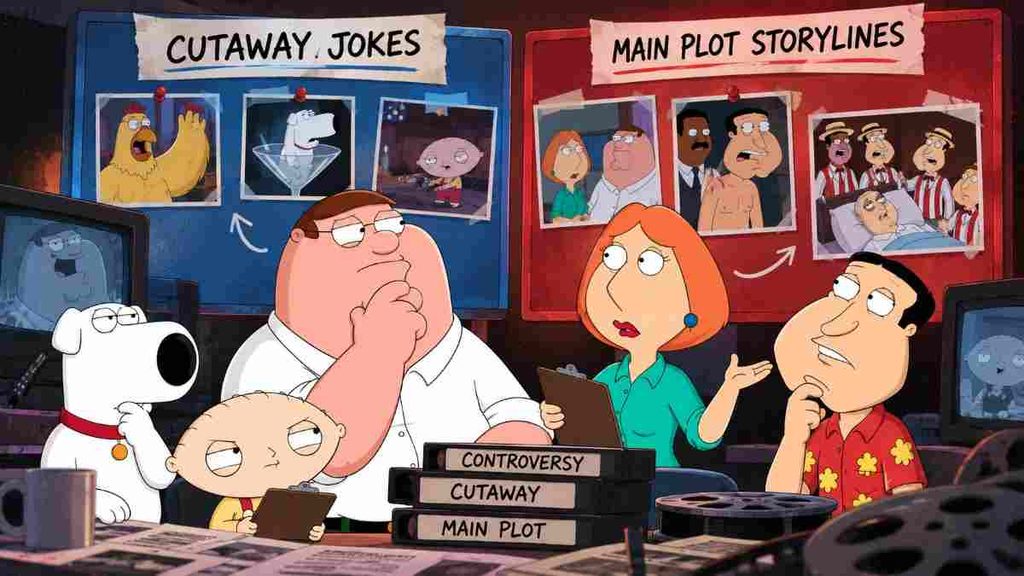
This split matters because cutaways are disposable and main plots sometimes carry lasting weight in the show’s internal history. A cutaway gag exists for a few seconds, has no character stakes, and can be cut or apologized for without touching anything else. A main plot controversy, like the abortion storyline in “Partial Terms of Endearment,” is built into an actual episode structure and can shape what a network decides to do with the whole hour.
- Cutaway only controversial jokes: the AIDS related gag in “The Cleveland-Loretta Quagmire.”
- Main plot controversial episodes: “Partial Terms of Endearment,” built entirely around its abortion storyline rather than a single joke inside it.
That distinction is also why some fans mistakenly assume every controversial joke becomes permanent canon. It does not. Most of them are a few seconds of animation that never gets referenced again, closer to a rejected sketch than a plot point.
What Should You Understand Next About Family Guy’s Bigger Controversies?
The framework holds up across the whole show. Genuinely banned episodes are rare, complained about episodes are common, and the show’s habit of surviving cancellation threats and network pressure is its own separate story worth understanding on its own terms.
If you found the “banned versus complained about” split useful here, the same instinct applies to shows people insist got pulled for good when the real record is far messier, including Disney Channel movies removed from streaming.
Family Guy’s controversy history is really a story about pressure that never quite lands. Advocacy groups filed complaints, protested specific jokes, and lobbied advertisers for years, and the show kept its time slot and its jokes almost entirely intact.
FAQ
Which Family Guy episode was banned in the U.S.?
“Partial Terms of Endearment,” season 8, episode 21, is the episode most reliably tied to an actual U.S. broadcast ban. Fox declined to air it domestically over its abortion storyline, and it has been widely reported to have been pulled from syndication afterward, unlike other controversial episodes that still air in regular rotation today.
Why was Family Guy season 8 episode 21 banned?
The episode centers on an abortion storyline, which Fox treated as too sensitive to air domestically even by the show’s usual standards. Unlike cutaway jokes that get protested but keep airing, this episode’s entire plot was built around the controversial content, which is why the network’s decision applied to the whole hour rather than a single scene.
Has the FCC ever fined Family Guy?
No. The FCC has received a documented string of indecency complaints about Family Guy, almost all filed by the Parents Television Council, and it has never issued a fine. The first complaint, over “And the Wiener Is…”, was denied outright, and every later complaint followed the same pattern of no penalty.
What is the most inappropriate episode of Family Guy, according to critics?
There is no single critic consensus pick, but “The Cleveland-Loretta Quagmire” is the episode most consistently cited for real world backlash, specifically over a cutaway gag involving a man dying of an AIDS related illness. That gag drew organized protests from AIDS service organizations rather than just angry letters, which sets it apart from most other complained about episodes.
Is every controversial Family Guy joke part of the show’s canon?
No. Most controversial jokes are one time cutaway gags with no connection to any character’s ongoing story, meaning they can be cut or forgotten without affecting anything else. Main plot controversies, like the storyline in “Partial Terms of Endearment,” are the exception, since they are built into the episode’s actual structure rather than existing as a few disposable seconds.