The Odyssey Filming Locations by Country: The Count Everyone Gets Wrong
The confirmed filming countries for The Odyssey are Greece, Italy, Morocco, Iceland, and Scotland. A sixth country shows up depending on which outlet you’re reading, with some naming Norway and others naming the United States, and neither claim lines up with the other.
That mismatch is the whole story here. When two entertainment outlets covering the same production can’t agree on a basic fact like country count, it usually means one of them is repeating a rumor as if it were confirmed, or a location scout trip got mistaken for an actual shoot. Either way, a reader planning a trip deserves to know which claims are solid ground and which ones are still wet cement.
| Country | Region/City Reported | Confirmation Status |
|---|---|---|
| Greece | Peloponnese (Voidokilia, Methoni, Acrocorinth, Nestor’s Cave) | Confirmed |
| Morocco | Aït Benhaddou | Confirmed |
| Italy | Southern coastline | Confirmed |
| Iceland | Southern black sand coast and glacier region | Confirmed |
| Scotland | Highlands coastline | Confirmed |
| Norway or United States | Disputed, source-dependent | Reported only |
Until one of the trade outlets nails down that sixth country with an on-record production credit, the safest number to repeat is five confirmed countries, with a sixth still floating in rumor territory. That kind of discrepancy is common with big-budget productions that shoot across multiple continents in a single year, and it’s part of why fans keep circling back to Nolan’s other work looking for patterns. If you want the wider context on how he approaches location versus set work across his career, his own ranked list of favorite films is a useful companion read alongside this guide.
Can You Actually Visit The Odyssey Filming Locations?
Yes, most of them, because Nolan filmed on real terrain instead of constructed sets. That’s not true everywhere, though. A handful of these sites are protected archaeological zones, working castles, or coastal spots that require a guide, a permit, or a genuine hike to reach safely.
A “practical location” simply means the crew filmed on an actual, existing piece of land or structure instead of building a replica on a soundstage. That distinction matters enormously for a reader trying to plan a trip, because it’s the difference between visiting the real Acrocorinth fortress and standing in an empty warehouse in Burbank where a green screen used to be.
The access table below breaks down exactly what you’re dealing with at each site, from free and open to the public all the way to bring a guide or don’t bother.
| Location | Country | Access | Cost |
|---|---|---|---|
| Voidokilia Beach | Greece | Open, no gate | Free |
| Methoni Castle | Greece | Staffed historic site | Modest fee |
| Acrocorinth | Greece | Ticketed, requires climb | Modest fee |
| Nestor’s Cave | Greece | Exterior view only | Free |
| Aït Benhaddou | Morocco | Open daily | Small fee |
| South Iceland Black Sand Coast | Iceland | Open, hazardous surf | Free |
| Glacier Lagoon Region | Iceland | Open, paid boat add-ons | Free entry, paid extras |
| Scottish Highlands Coastline | Scotland | Public walking paths | Free |
The 11 Odyssey Filming Locations, Confirmed and Reported
Voidokilia Beach, Greece
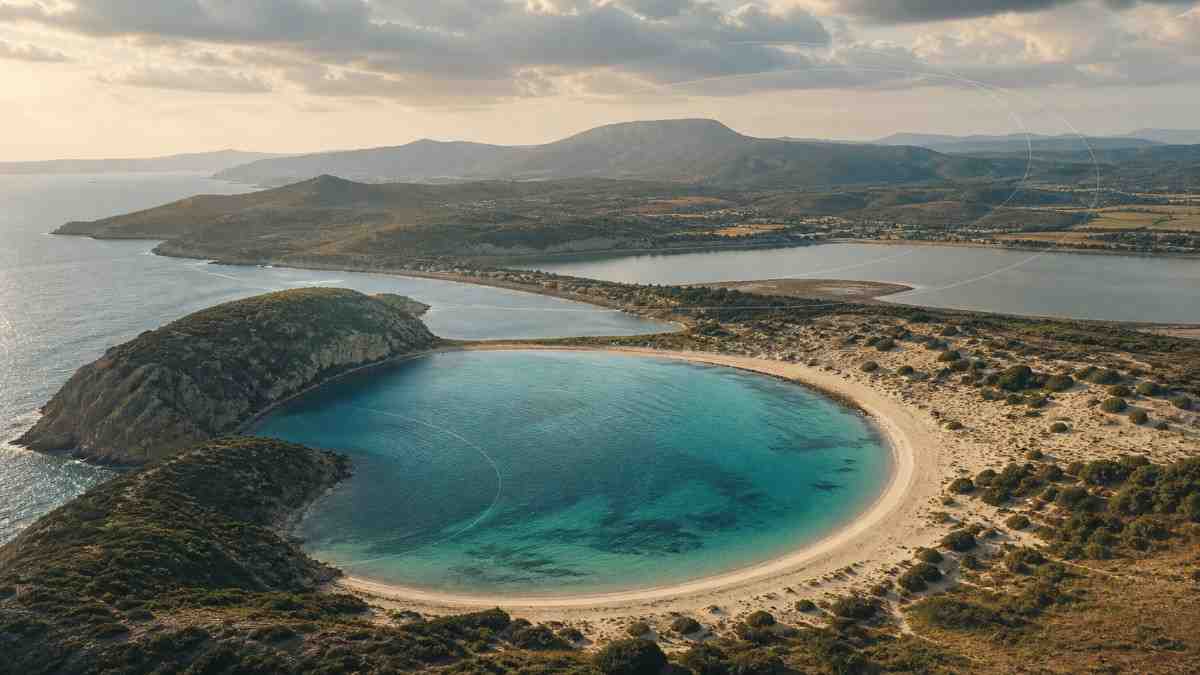
Voidokilia is a horseshoe-shaped beach on the southwestern coast of the Peloponnese, and it’s completely free to visit. There’s no ticket booth and no gate, just a short walk in from a small parking area near the coastal road.
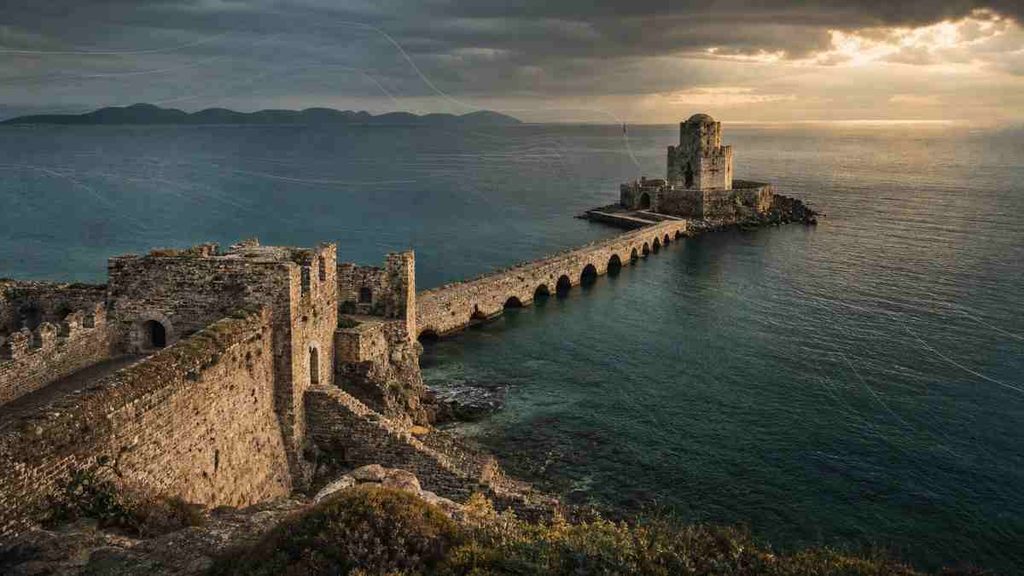
Methoni Castle, Greece
Methoni is a Venetian-era fortress sitting on a rocky point jutting into the sea, and it charges a modest entry fee like most staffed historic sites in Greece. Wear real shoes here, since the stone paths inside the fortress walls are uneven.
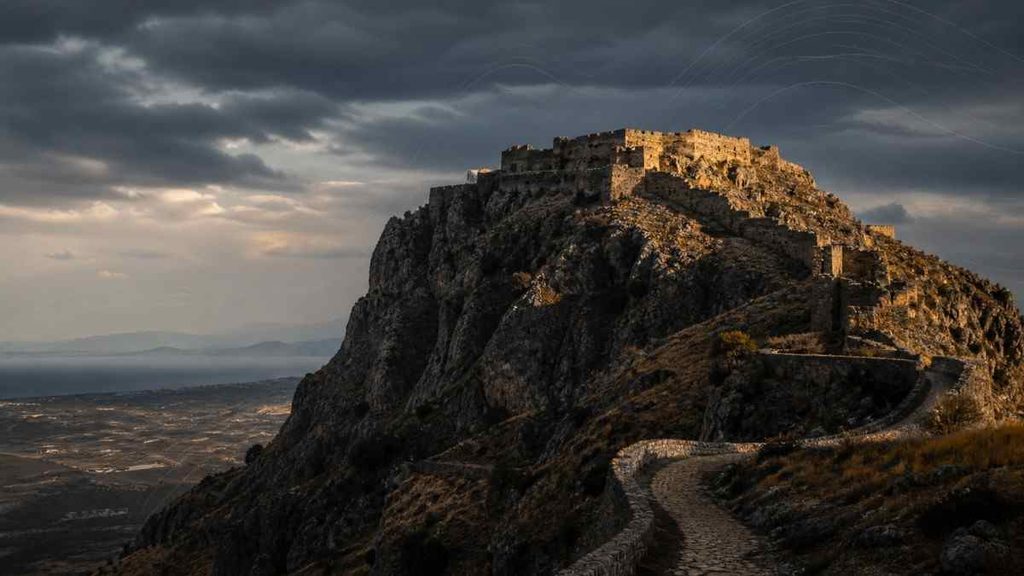
Acrocorinth, Greece
Acrocorinth is the ancient acropolis of Corinth, perched on a steep hill above the modern city, and it requires a bit of a climb to reach the upper fortifications. Entry is ticketed, and the site closes earlier than you’d expect, so check hours before driving out.
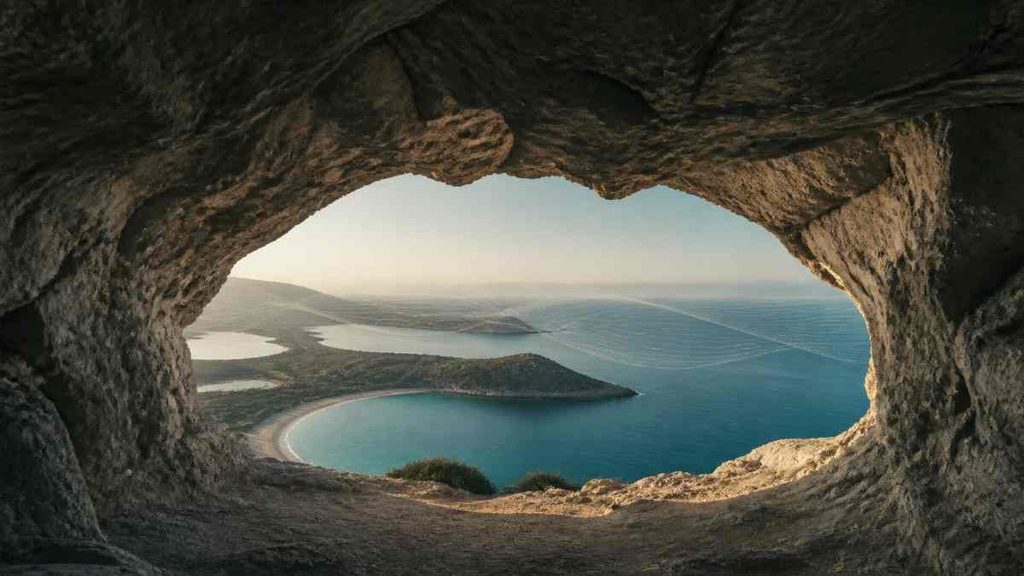
Nestor’s Cave, Greece
Nestor’s Cave sits near the archaeological site of ancient Pylos and is free to view from the outside, though the interior access has historically been restricted for preservation reasons. Treat this one as a photo stop rather than a full excursion.
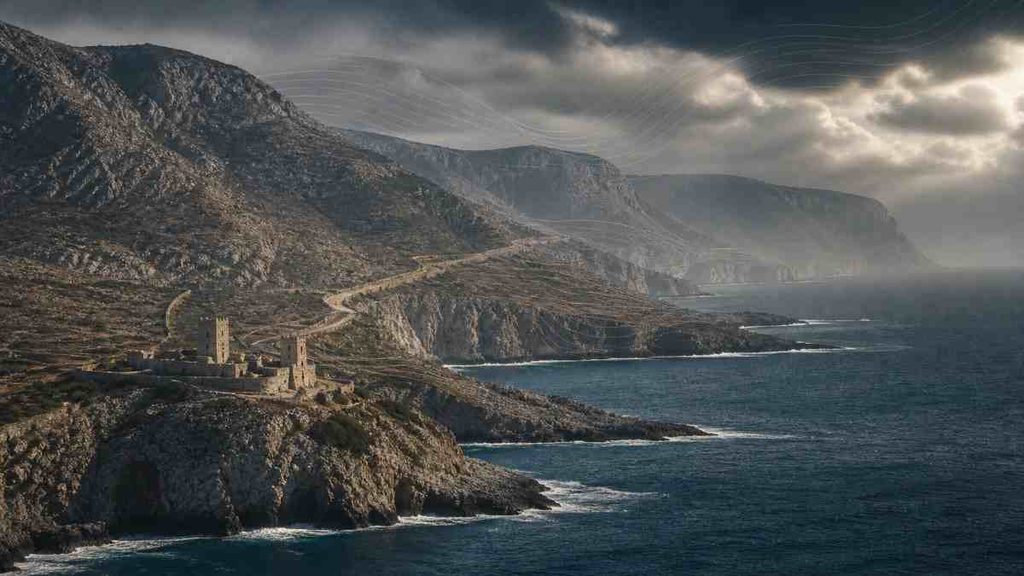
Mani Peninsula Coastline, Greece
Some reports place additional beach and coastal footage along the rugged Mani Peninsula, though the exact filming site hasn’t been confirmed by name. If you’re already road-tripping the Peloponnese, it’s worth the detour regardless of the film connection.
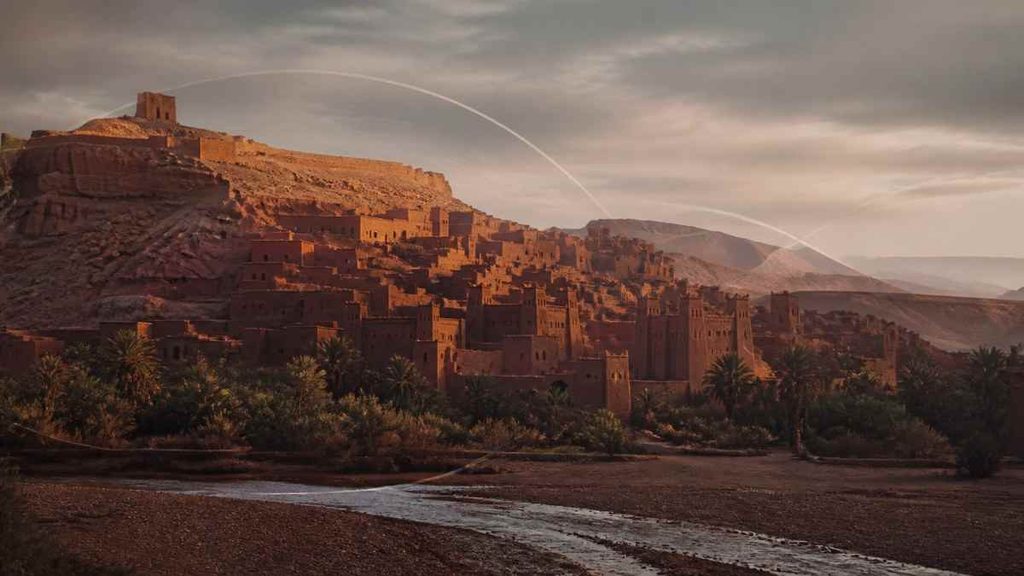
Aït Benhaddou, Morocco
Aït Benhaddou is a fortified clay village standing in for Troy, and it’s one of the most film-friendly locations on this entire list. It’s open to the public, charges a small entry fee, and has already appeared in Gladiator and Lawrence of Arabia, so the local guides know exactly what visitors are looking for.
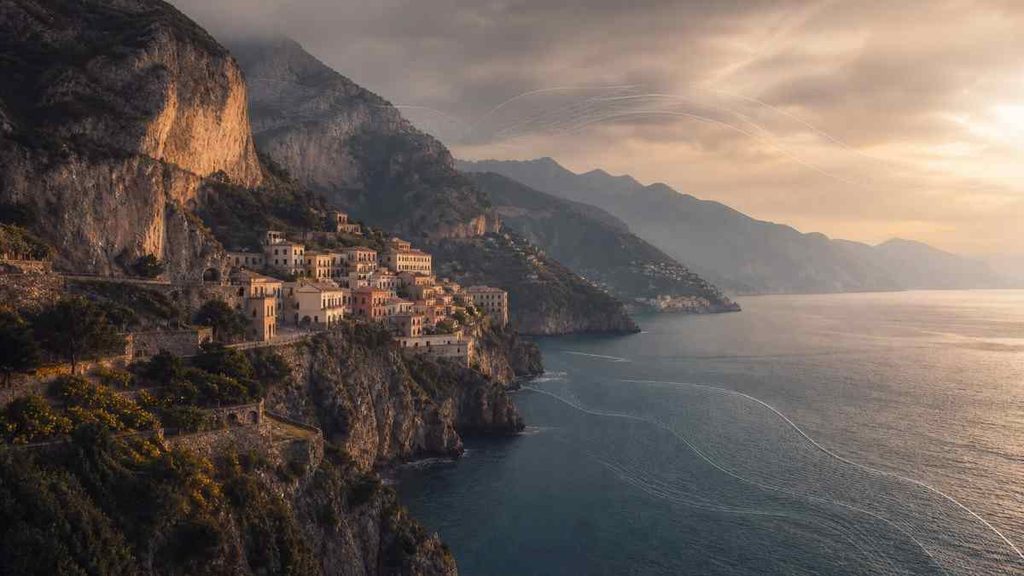
Amalfi Coast Region, Italy
Italy’s confirmed filming stretch reportedly includes the dramatic cliffside coastline near the Amalfi Coast, though the specific town used hasn’t been publicly named. The coast road here is genuinely one of the most photographed drives in Europe, film crew or not.
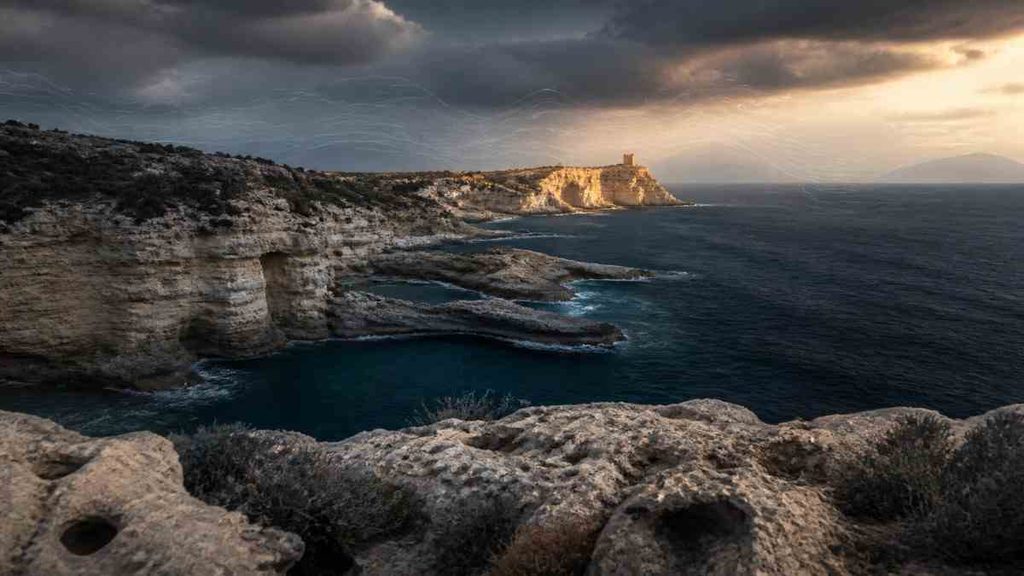
Sicilian Coastline, Italy
A second Italian filming stretch is reported along the Sicilian coast, again without an official named site. Sicily’s coastal towns are open to the public by default, so there’s no access barrier here beyond just booking the trip.
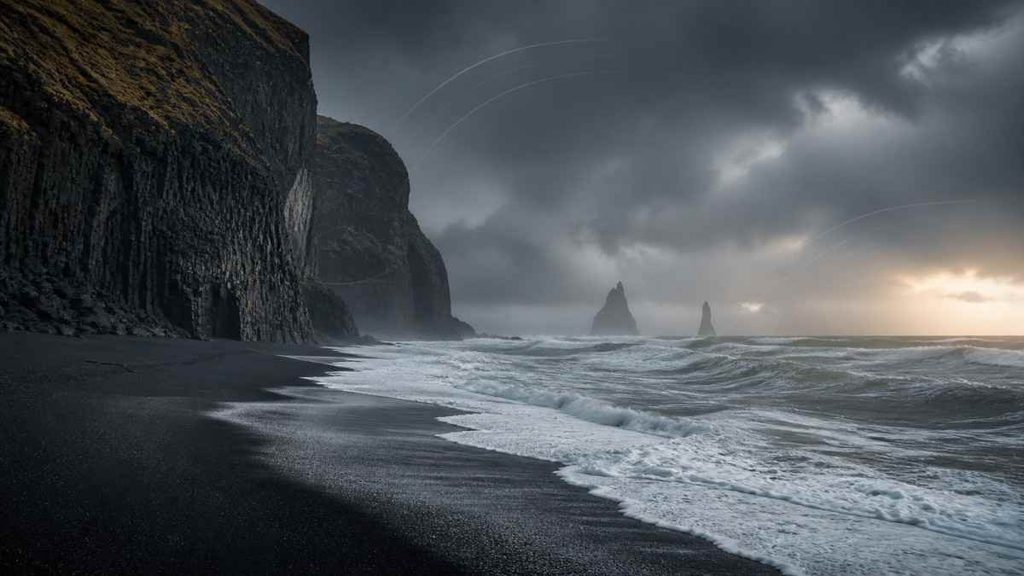
South Iceland Black Sand Coast
Iceland’s confirmed footage reportedly includes the black sand beaches along the southern coast, a stretch that’s freely accessible but genuinely dangerous in rough surf. Sneaker waves have injured tourists at similarly exposed Icelandic beaches, so keep well back from the waterline regardless of how good the photo looks.
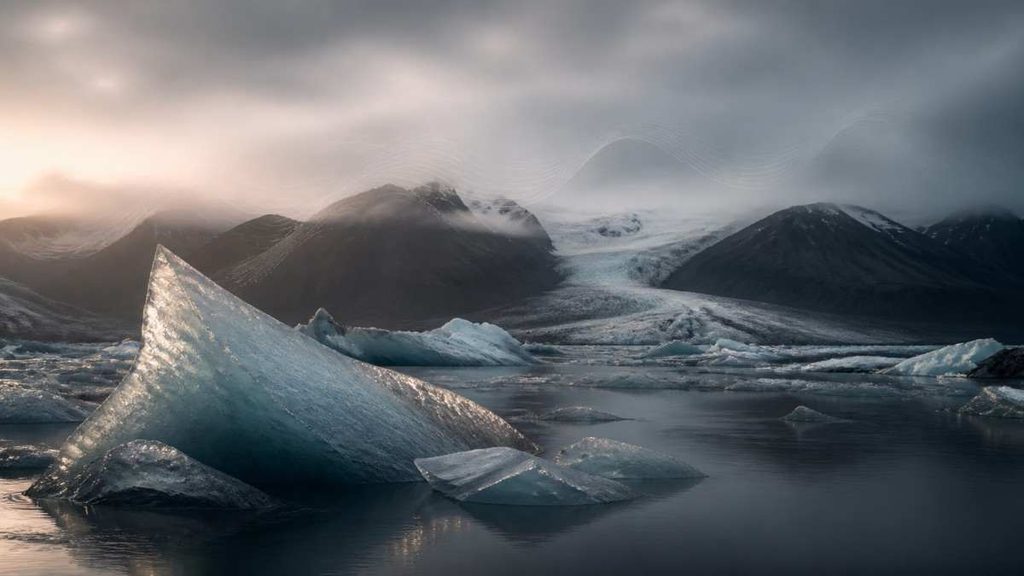
Iceland Glacier Lagoon Region
The second reported Icelandic site sits near the country’s glacier lagoon region, which is open to the public with paid boat tour add-ons available. Weather here changes fast, so build a flexible day into any itinerary rather than a tight schedule.
Scottish Highlands Coastline
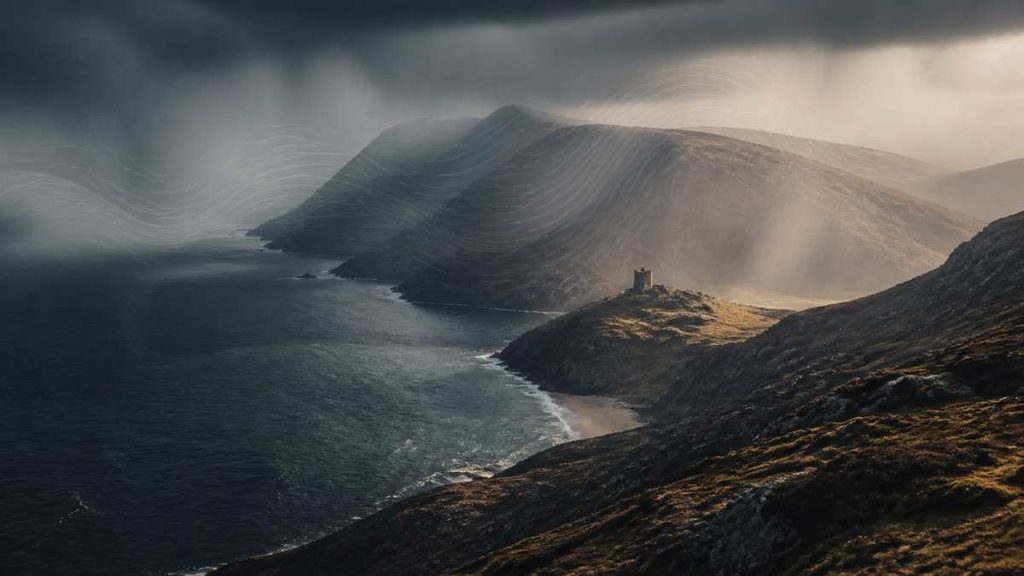
Scotland’s reported filming site sits along the Highlands coastline, an area covered with public walking paths and dramatic cliffs. Nothing about this one requires a permit, though sturdy footwear and a weatherproof jacket are non-negotiable.
Why Nolan Filmed The Odyssey on Location Instead of Building Sets
Nolan has built a career on preferring real locations, real film stock, and practical effects over digital shortcuts whenever the budget and schedule allow it. That preference shows up consistently across his filmography, and it’s the single biggest reason The Odyssey filming locations are worth an actual trip instead of a wiki scroll.
That approach explains why so many Odyssey locations exist exactly as they appear on screen. A constructed set gets torn down after the production wraps. A castle in the Peloponnese, a village in Morocco, and a coastline in Scotland do not, which is the entire reason this guide can send you to them.
Nolan’s location choices also tend to double as a preview of what’s coming next. Fans tracking his career have noticed that the countries he scouts for one film often show up again in interviews about the next one, which is worth keeping in mind if you’re the type of traveler who plans trips around a director’s fingerprint rather than a single movie.
How to Plan a Trip to See The Odyssey Filming Locations
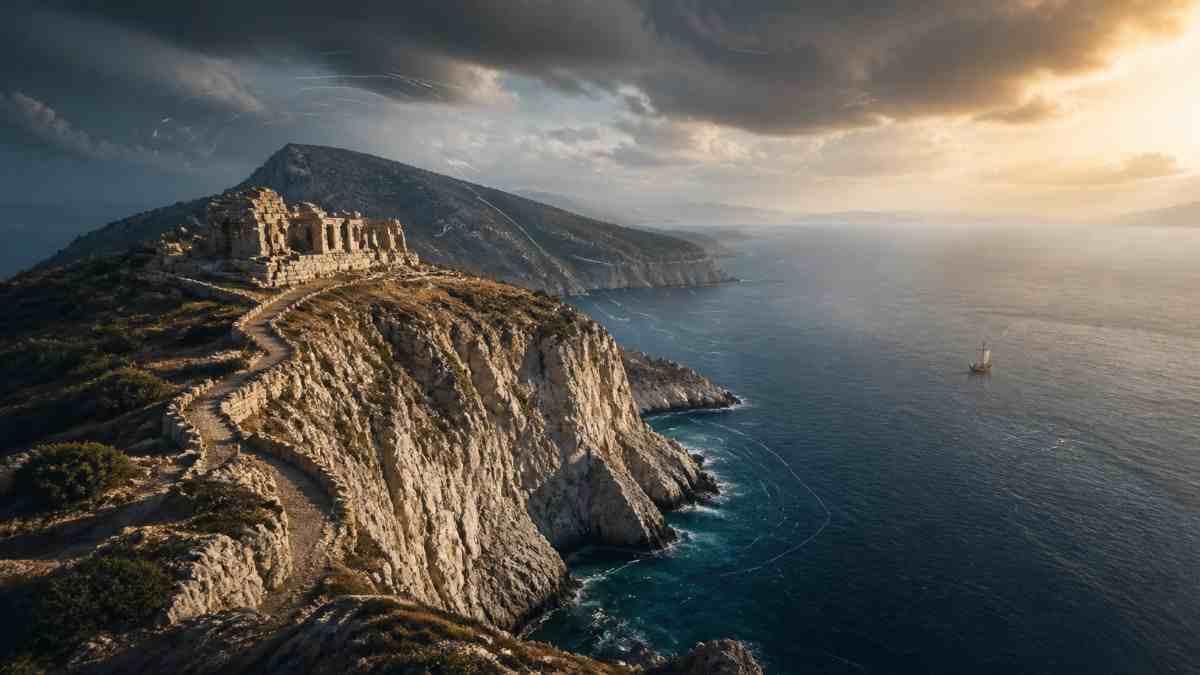
The Peloponnese cluster is the most efficient starting point, since Voidokilia Beach, Methoni Castle, Acrocorinth, and Nestor’s Cave all sit within a manageable driving loop rather than being scattered across the country. A rental car is close to mandatory here, since public transit between these specific sites is limited.
- Fly into Athens and rent a car rather than relying on trains, since several sites sit outside major transit lines.
- Base yourself in the Kalamata or Pylos area for two to three nights to cover the Peloponnese cluster without excessive driving.
- Book Aït Benhaddou as a separate Morocco trip through Marrakech, since it’s roughly a four-hour drive and not a reasonable add-on to a Greece itinerary.
- Treat Italy, Iceland, and Scotland as standalone trips until a specific filming site gets confirmed by name, since chasing an unconfirmed coastline can burn a full day for nothing.
Budget more time for the Peloponnese loop than a typical Greek island itinerary. These sites are spread across a rural region with narrow coastal roads, and rental cars there tend to be smaller and slower than what US drivers expect. Two to three nights based in Kalamata or Pylos gives enough flexibility to work around ferry schedules, museum hours, and the inevitable one day of bad weather.
If you’re the type who plans a whole trip around a director’s fingerprint, it’s worth knowing that Nolan isn’t slowing down. Reports on Christopher Nolan’s next movie after The Odyssey are already circulating, and his location choices there could open up an entirely new travel list before this one even stops trending.
Frequently Asked Questions
How many countries was The Odyssey filmed in?
Five countries are confirmed: Greece, Italy, Morocco, Iceland, and Scotland. A sixth country appears in some coverage, with different outlets naming either Norway or the United States, but neither claim has been consistently confirmed across sources, so it’s best treated as reported rather than settled.
Can you visit Voidokilia Beach in Greece?
Yes, Voidokilia Beach is completely free and open to the public year-round. It sits on the southwestern coast of the Peloponnese near a small parking area, and there’s no ticket, gate, or guide required to walk down to the sand.
Is Aït Benhaddou in Morocco open to the public?
Yes, Aït Benhaddou charges a modest entry fee and welcomes visitors daily. It’s a working historic site that has hosted multiple major film productions before The Odyssey, including Gladiator and Lawrence of Arabia, so local infrastructure for tourists is already well established.
Did Christopher Nolan build sets for The Odyssey or film on location?
Nolan filmed almost entirely on practical, existing terrain rather than building studio sets, consistent with his approach across most of his filmography. That’s why the majority of the confirmed locations on this list are real places you can visit today rather than demolished soundstage builds.
Was The Odyssey filmed in Norway or the United States?
It’s unclear. Different outlets report each country as a possible sixth filming location, but neither claim has been consistently confirmed, and no single source has verified both details at once. Until a production credit or trade report settles it, treat both claims as reported rather than confirmed.
What’s the best way to plan a trip around these filming locations?
Start with Greece’s Peloponnese cluster, since four confirmed sites sit within a single manageable driving loop from a base near Kalamata or Pylos. Treat Aït Benhaddou in Morocco as a separate trip through Marrakech, and hold off on Italy, Iceland, and Scotland until a specific site name gets confirmed.
The most useful thing to take from this list isn’t the country count or even the access details, it’s the reminder that Nolan built this film out of real ground instead of green screens. That choice is exactly why a Greek fishing village, a Moroccan clay fortress, and a Highland cliffside are all sitting there right now instead of existing only in a studio backlot in California.
If you’re planning around this film, start with the Peloponnese loop, since it’s the cluster with the most confirmed, ticketed, walkable sites and the least guesswork. Everything else on this list is worth chasing eventually, but Greece is where the paper trail is strongest and the trip planning is easiest.