Is ‘The Last House’ Available on Netflix?
Yes, ‘The Last House’ is streaming exclusively on Netflix, which is likely how you found this piece in the first place. It is not currently available on any other major platform, so if you are trying to decide whether to sign up or renew a subscription just for this one, that is the deciding factor.
The film landed on Netflix as part of the platform’s recent push into psychological horror, sitting alongside other slow-burn titles rather than the jump-scare-heavy horror Netflix has leaned on in past years. If you already have a Netflix account, there is no additional rental fee or premium tier required. It streams in standard definition and 4K depending on your plan, and subtitles are available in the usual language set.
Why Does ‘The Last House’ Feel Confusing Halfway Through?
The confusion is not accidental. The film shifts its point of view partway through without announcing it, so the audience keeps applying the “rules” from act one to scenes that no longer follow them.
Early scenes are shot in a grounded, almost documentary style, which trains viewers to trust everything they see. Once the story moves into its second half, certain scenes stop being strictly literal. If you noticed the color temperature getting warmer or colder without explanation, that shift is doing narrative work, not just visual style.
This is a common trick in Netflix’s recent horror catalog. If you have seen how Netflix builds dread in Midnight Mass, the pacing here will feel familiar even though the mechanics are different.
Who Is the Unreliable Narrator, and How Do You Spot Them?
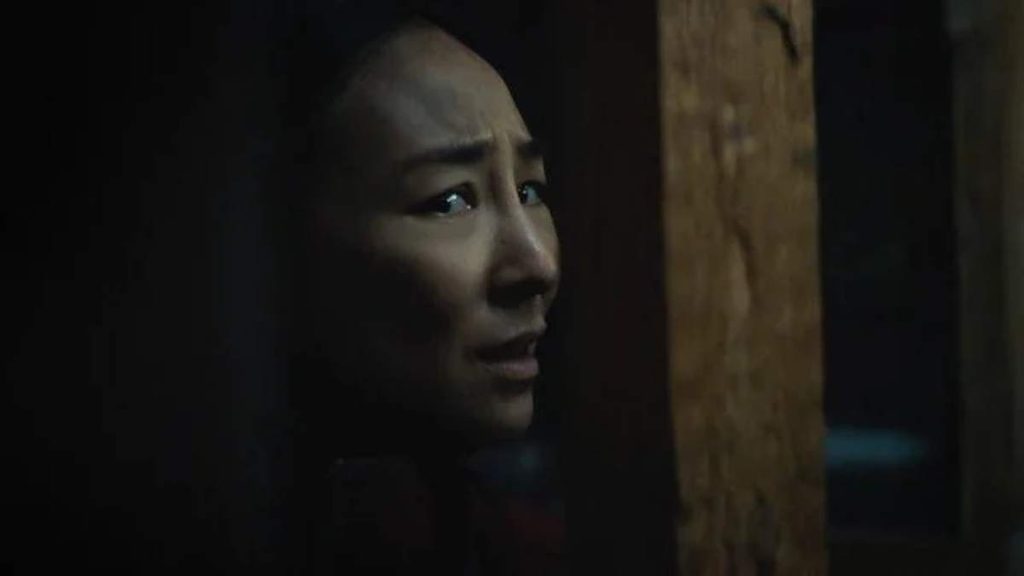
The unreliable narrator technique means the story is filtered through a character whose perception cannot be fully trusted, and ‘The Last House’ uses this to hide its biggest twist in plain sight. Once you know to watch for it, entire scenes read differently on a second viewing.
The trick is not that the narrator lies outright. It is that they leave things out, and the camera follows their memory rather than objective events. Any scene that repeats with small differences later in the film is a signal that memory, not fact, is on screen.
What Role Does the House Itself Play in the Story?
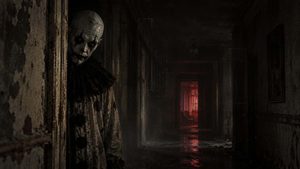
The house behaves less like a location and more like a character with its own motives, which is a structural choice, not a haunted-house cliché. Rooms rearrange, doors that were locked open freely later, and the geography of the house does not stay consistent from scene to scene.
That inconsistency is deliberate. Films that treat a house as unreliable are borrowing a technique that goes back to Gothic haunted house fiction, where the building’s instability mirrors a character’s psychological state rather than representing a literal ghost. If a room looks different the second time you see it, that is the film telling you something changed internally, not architecturally.
Why Does the Sound Design Matter More Than the Dialogue?
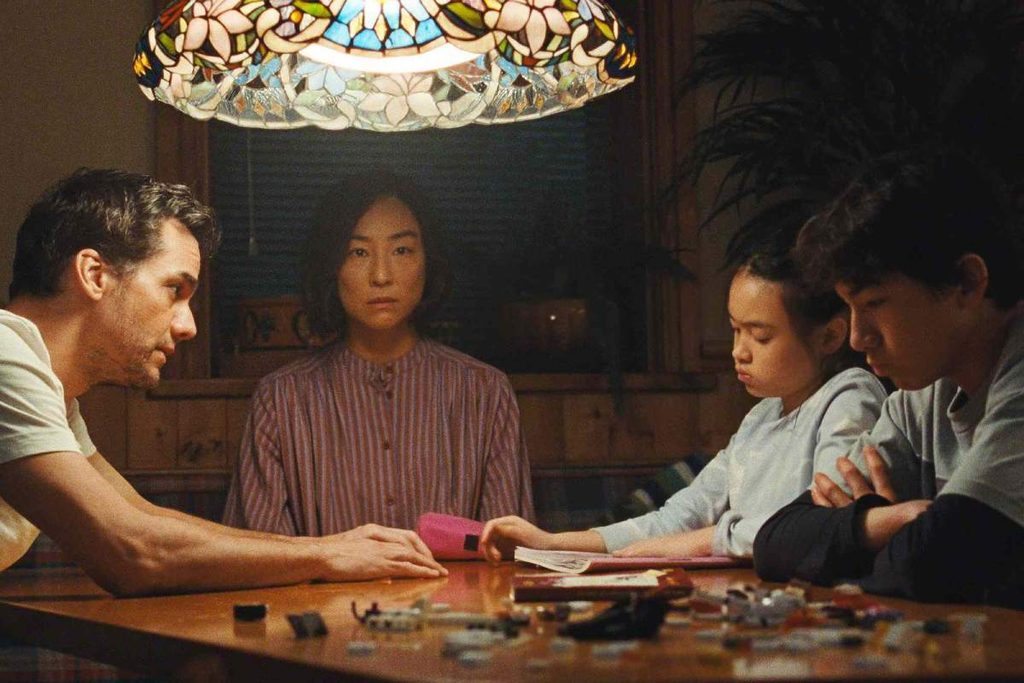
A lot of the film’s actual information is delivered through sound rather than what characters say out loud. Silence gets used as a warning signal specifically before scenes where the timeline is about to shift, so if a scene goes suddenly quiet, pay attention to what happens right after.
This matters practically too. If you are watching on Netflix through a phone speaker with the volume low, you will miss cues the film is relying on you to catch. That is one of the clearest reasons watching this one with real audio, alone and undistracted, changes how much of it actually lands.
Is ‘The Last House’ Based on a True Story?
No, ‘The Last House’ is not based on a documented true story, and the film does not claim to be one. It leans on familiar true crime and haunted house tropes, which is likely why some viewers assume it is grounded in real events, but there is no verified real case behind the plot.
That said, if you’re drawn to horror movies that walk the line between fiction and reality, it’s worth comparing this one to something like The Strangers, which actually does have real-world claims attached to its inspiration, unlike this film. For a deeper dive into which horror movies actually claim true events versus which just borrow the aesthetic, see our guide to true crime horror on Netflix.
What Does the Ending Actually Mean?
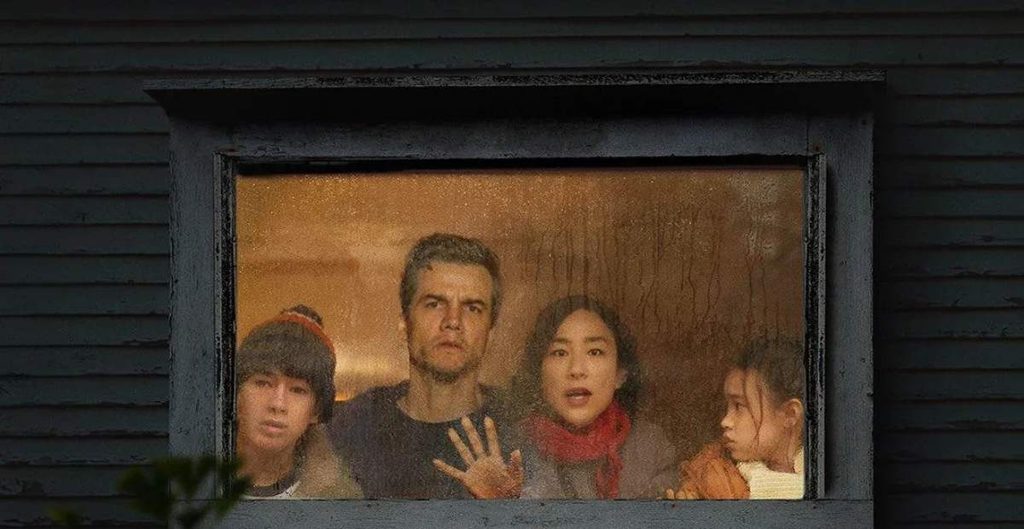
The ending is intentionally open, and the film gives you enough evidence for two different readings rather than one definitive answer. That ambiguity is the point, not a plot hole.
The first reading treats the final scene literally: the character survives and the house is genuinely gone. The second reading treats the final scene as another layer of the unreliable narration, meaning nothing after a certain point can be taken at face value. Both readings are supported by details planted earlier, which is why online discussion around the ending has not settled on a single agreed answer.
The Two Main Fan Theories, Compared
| Theory | Core Claim | Supporting Detail | Weak Point |
|---|---|---|---|
| Literal Survival | The character escapes and the events were real | Final shot returns to the grounded visual style from act one | Ignores earlier memory inconsistencies |
| Unreliable Ending | The ending is another false memory, not real events | Color grading matches earlier “unreliable” scenes | Leaves the character’s fate unresolved |
What Details Do Most Viewers Miss on a First Watch?
Most first-time viewers miss the recurring object that appears in nearly every major scene, shifting slightly each time it reappears. That object is the clearest thread connecting the literal and unreliable readings of the ending.
Viewers also tend to miss that side characters react differently to the same events depending on which half of the film they appear in. That inconsistency is not a continuity error. It is the strongest evidence that the story’s point of view is shifting under the audience without warning.
Why Does Watching It Alone Change the Experience?
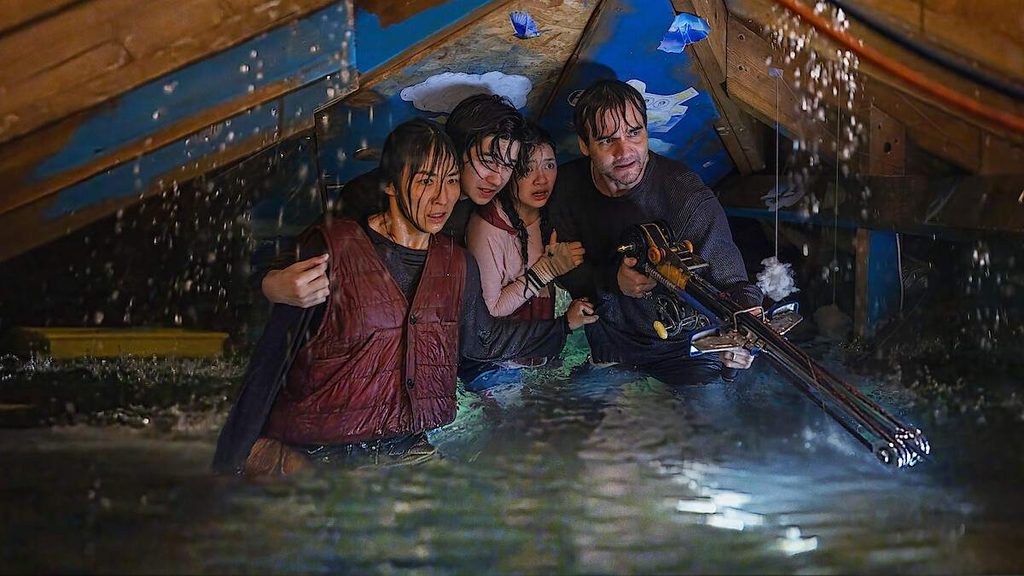
The film is structurally built around isolation, so watching it with other people softens the effect it is designed to have. Group viewings naturally produce commentary and jokes, which breaks the quiet the film depends on to land its sound cues and pacing.
Horror built on ambiguity, the way something like Midnight Mass or Archive 81 uses slow-burn dread, tends to hit hardest when there is no one next to you to break the tension with a comment. ‘The Last House’ is squarely in that category, which is exactly why it gets recommended as a solo Netflix watch rather than a group one. If you liked this pacing, our roundup of underrated psychological horror on Netflix has a few more titles built the same way.
Should You Rewatch It Immediately After Finishing?
A rewatch is genuinely worth it, but only after sitting with the ending for at least a day. Rewatching immediately tends to make viewers hunt for “proof” of one theory over the other, when the film is built to resist that kind of resolution.
On a second watch, focus specifically on the recurring object and the color grading shifts rather than the dialogue. Those two elements carry more of the film’s real information than anything characters actually say. Since it is on Netflix, a second watch is just a matter of pressing play again rather than tracking down a rental.
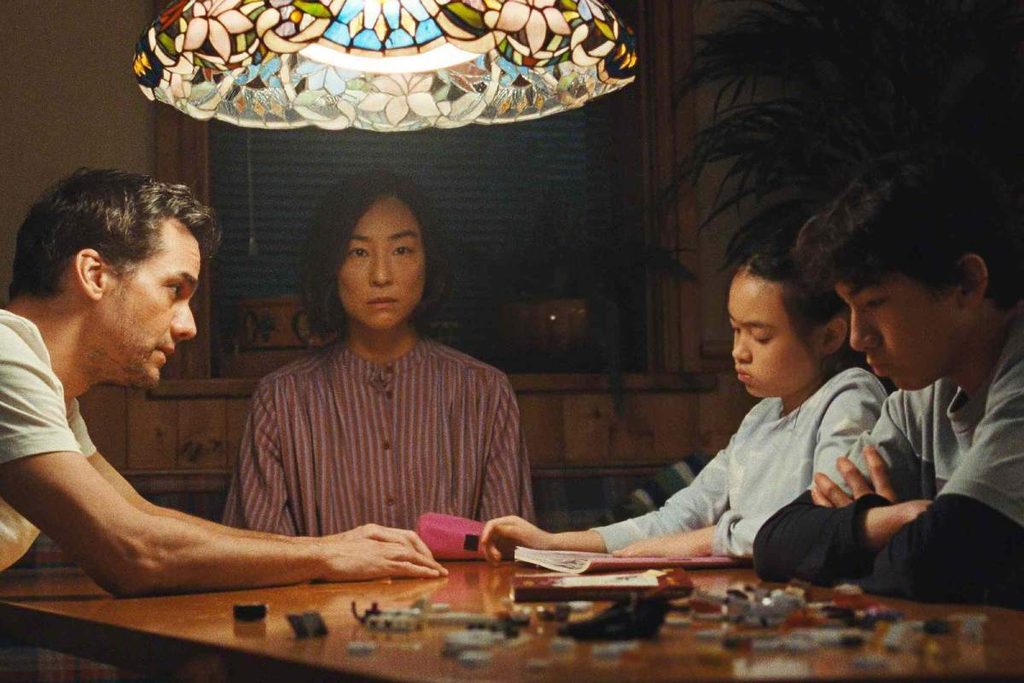
How Long Is ‘The Last House’ and Is It Worth the Time Commitment?
The film runs under two hours, which is short enough for a single sitting but long enough that pausing midway breaks the tension the sound design depends on. Watching it in one uninterrupted block on Netflix is part of what makes the isolation angle actually work.
If you are debating whether to commit a full evening to it, the short answer is that the runtime rewards patience rather than testing it. Nothing about the pacing feels padded once you understand what the second half is actually doing.
Frequently Asked Questions
Is ‘The Last House’ on Netflix?
Yes, ‘The Last House’ is streaming exclusively on Netflix and is not currently available on any other major platform. You need an active Netflix subscription to watch it, and no additional rental or premium fee applies.
Is ‘The Last House’ scary or more psychological than jump-scare heavy?
It leans psychological rather than jump-scare heavy. The tension comes from unreliable storytelling and sound design rather than sudden shocks, so viewers expecting frequent jump scares may find it slower than typical horror. The dread builds through ambiguity about what is real, which lands harder for viewers who enjoy slow-burn horror over startle-based scares.
What is the twist in ‘The Last House’?
The twist is that a portion of the story is filtered through an unreliable narrator, meaning certain scenes reflect memory or perception rather than literal events. The film never states this outright. It reveals the shift through visual and sound cues, like changing room layouts and color grading, rather than a single explanatory scene.
Why does the ending of ‘The Last House’ feel unresolved?
The ending feels unresolved because the film deliberately supports two different interpretations without confirming either one. This is a structural choice rather than a plot hole. The ambiguity is designed to make viewers debate what actually happened, similar to how shows like Silo leave certain mysteries open by design.
Do I need to watch ‘The Last House’ more than once to understand it?
You do not need multiple viewings to follow the basic plot, but a second watch reveals details that clarify the film’s intent. Small inconsistencies in room layout, side character reactions, and a recurring object become much clearer once you already know the ending. One viewing is enough for the story, but two make the craft visible.
Is ‘The Last House’ connected to any other movies or a shared universe?
No, ‘The Last House’ is a standalone film with no confirmed connection to another movie or franchise. Any online claims linking it to a shared universe are speculation, not confirmed information from anyone involved with the production.
The real reason ‘The Last House’ confuses people is not a weak script. It is a film built to make the audience question their own memory of what they just watched, the same trick the story is playing on its own characters. Once you know that going in, the “confusing” parts become the most interesting parts.
Watch it once for the story on Netflix, then give it a day before deciding which ending theory you believe. If you go back in immediately hunting for proof, you will miss the details that actually matter the second time around. And if this one worked for you, our list of horror movies like The Last House on Netflix is a solid next watch.