- A24’s “The Legend of Zelda” and Sony’s “Metal Gear Solid” are the furthest along, with cameras either rolling or already stopped, which makes them the safest bets on this entire list.
- “Street Fighter” is sitting in post-production, meaning the movie already exists and just needs editing, scoring, and a release date.
- Three major open-world adaptations, Horizon Zero Dawn, Death Stranding, and BioShock, are stuck in the scripting phase with no cast attached, historically the stage where adaptations go to die or get quietly shelved.
- Elden Ring is technically “in development” but has barely moved past an announcement, so treat any release speculation with suspicion.
- Live-action and animated series generally fare better odds-wise than theatrical films, because episodic formats give sprawling game worlds room to breathe instead of forcing a 10-hour story into 120 minutes.
- Stage of development, not studio pedigree, is still the single best predictor of whether any of these actually hit a screen on schedule.
Video game movies used to be a punchline, the kind of thing you brought up to win an argument about Hollywood running out of ideas. Then “The Last of Us” happened, and suddenly every studio with a dormant gaming IP in a filing cabinet started dialing up directors.
Right now there are at least a dozen video game adaptations moving through various stages of development, and the temptation is to treat all of them as equally real. They are not. A project with a director’s name attached and nothing else can sit in limbo for three years, while a project that started filming last month could be in theaters by next fall.
Most coverage of this space flattens all of that into one excited headline, which is how you end up disappointed when the Death Stranding movie you got hyped about turns out to be two sentences in a press release from 2022. This piece sorts all twelve projects by where they actually sit, from cameras rolling to barely announced, and gives an honest read on which ones have real odds of being good and which ones are just a logo and a prayer.
Here is exactly how far along each one is, and what that means for your expectations.
What “In Development” Actually Means for Video Game Adaptations in Development Right Now
“In development” is an umbrella term that covers everything from a studio quietly holding the rights to a project that’s already shooting scenes. The four real stages are announced, in development, filming or greenlit, and post-production, and conflating them is the single biggest reason adaptation coverage ages so badly.
An announced project might have a director’s name attached and nothing else, sometimes for years. A project in development usually has a writer or showrunner working on scripts, but no confirmed cast or shoot dates. Filming means cameras are rolling, full stop. Post-production means the movie exists and is being edited, scored, and prepped for release, which is the closest thing to a guarantee you’ll get in this business.
| Stage | What It Means | Example From This List |
|---|---|---|
| Announced | Rights secured, maybe a director attached, no further movement confirmed | Elden Ring |
| In Development | Writers or showrunner working, no cast or shoot date locked | Horizon Zero Dawn, Death Stranding, BioShock |
| Filming / Greenlit | Cameras rolling or a confirmed start date with cast attached | The Legend of Zelda, Metal Gear Solid |
| Post-Production | Film complete, being edited and scheduled for release | Street Fighter |
Every Video Game Adaptation in Development Right Now, Sorted by Stage
This list covers six movies, one live-action series, one animated series, and one renewed sequel season, spread across multiple studios and two major streamers. Here’s every project in one place so you can see exactly how far along each one really is.
| Title | Game | Format | Studio/Network | Current Stage | Target Window |
|---|---|---|---|---|---|
| The Legend of Zelda | The Legend of Zelda | Film | Nintendo/Sony | Filming/post | Reported 2026-2027 |
| Metal Gear Solid | Metal Gear Solid | Film | Sony | Filming/post | Reported 2026-2027 |
| Street Fighter | Street Fighter | Film | Legendary | Post-production | Set release window |
| God of War | God of War | Series | Amazon | In development | Unconfirmed |
| Horizon Zero Dawn | Horizon Zero Dawn | Series | Netflix | In development | Unconfirmed |
| Splinter Cell: Deathwatch | Splinter Cell | Animated series | Netflix | Renewed, season 2 confirmed | Unconfirmed |
| The Sims | The Sims | Film | Vertigo Entertainment | In development | Unconfirmed |
| Death Stranding | Death Stranding | Film | A24 | In development | Unconfirmed |
| Ghost of Tsushima | Ghost of Tsushima | Film | Sony/PlayStation Productions | In development | Unconfirmed |
| BioShock | BioShock | Film | Netflix | In development, stalled | Unconfirmed |
| Elden Ring | Elden Ring | Film | A24 | Announced | Unconfirmed |
| Return to Silent Hill | Silent Hill | Film | Independent | Released | January 23, 2026 |
Why This Wave of Adaptations Looks Different From the Last One
The early 2020s produced a short burst of genuinely good adaptations, then a long stretch of projects that quietly stalled or got shelved entirely. This current wave is bigger, with twelve active projects compared to roughly half that number tracked at any single point between 2021 and 2023, and it spans more formats than before.
Part of that shift comes from streamers treating game IP as a hedge against licensing costs for existing shows. Part of it comes from studios finally involving original creators instead of treating the source material as a logo to slap on an unrelated script. For a broader look at how that shift started, the earlier rumor cycle around franchise rights deals is worth revisiting. [2026-franchise-rumors]
None of that guarantees quality. It just means there are more data points to judge, and more reason to sort them by stage instead of by hype.
Movies Already Filming or in Post-Production (The Safest Bets)
The projects in this section are the closest to an actual release, which means the “will it be good” question has far more real information to work with than pure speculation.
The Legend of Zelda Movie: Why This One Is the Most Likely to Actually Be Good
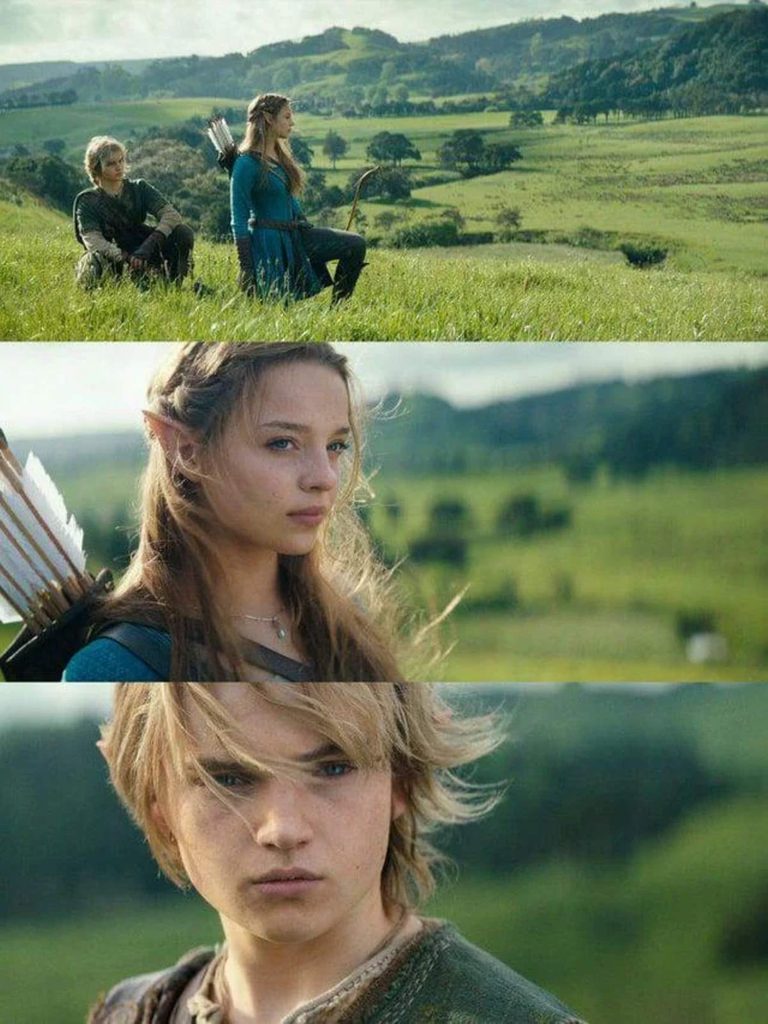
This project has the best combination of creative control and source material of anything on this list. Nintendo keeping tight oversight on its biggest IP, paired with a story that already has a clean three-act adventure structure baked into the games, gives it a real structural advantage over most adaptations attempting to compress a sprawling world into two hours.
The case against it comes from history, not from anything specific to this production. Nintendo has approved mediocre adaptations before, and until actual footage surfaces, tone is still an open question. If the finished film leans too hard into comedy, it risks repeating the mistake that sank the 1993 Super Mario Bros. movie decades before the studio finally cracked the formula.
This matters most to longtime Zelda players who have watched Nintendo IP get mishandled on screen before and are understandably cautious about getting burned again. Anyone tracking the specific release window should treat current reports the same way we cover other casting and release rumors. [2026-franchise-rumors]
Metal Gear Solid Is Finally Moving, But the Script Has Changed Hands More Than Once
Odds here hinge entirely on scope. A lead cast reported as a strong match for the material and a director who has spoken about deep familiarity with the games are real positives, but Metal Gear Solid’s story is dense, cutscene-heavy, and resistant to a standard two-hour runtime.
The years of delays and script rewrites since the project was first announced are not a great sign on their own. If the finished film narrows its focus to a single mission arc instead of trying to compress the entire saga, the odds improve dramatically. If it tries to cram in decades of lore, expect a mess.
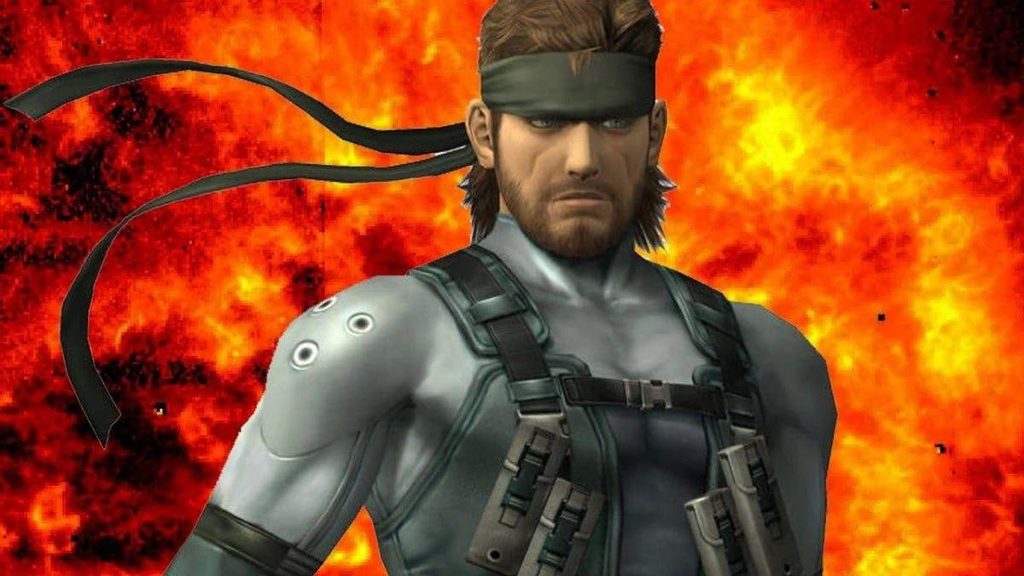
Street Fighter’s Odds Depend Entirely on One Thing: Does It Respect the Fans or Chase a Broad Audience
A large ensemble cast signals real studio investment, but Street Fighter is also carrying the worst track record of any franchise on this list. Both the 1994 and 2009 Street Fighter films are frequently cited among the worst video game movies ever made, a history worth reading in full before judging this attempt. [worst-video-game-movies-of-all-time]
Skip the excitement if early marketing leans into campy nostalgia instead of the franchise’s actual fighting mechanics and character lore. That pattern has sunk this exact IP twice already.
TV and Streaming Adaptations in Active Development
Streaming has become the testing ground for video game shows, and the results so far split pretty cleanly between “genuinely promising” and “stuck in limbo for years.”
God of War at Amazon: The Showrunner Pedigree That Changes the Math
A showrunner with recent credit on a successful genre adaptation changes the calculus here more than any single casting rumor could. Amazon has shown it will spend heavily on prestige fantasy adaptations following The Lord of the Rings: The Rings of Power, and God of War’s mythology-heavy world fits that mold.
The games swing hard between brutal combat and quiet father-son drama, and that tonal balance is exactly where adaptations of violent source material most often stumble. The Last of Us managed a similar father-figure dynamic successfully on HBO, which gives this project a workable template rather than a blank page. That show’s own trajectory is a useful comparison point for anyone trying to judge God of War’s chances. [the-last-of-us-season-3]
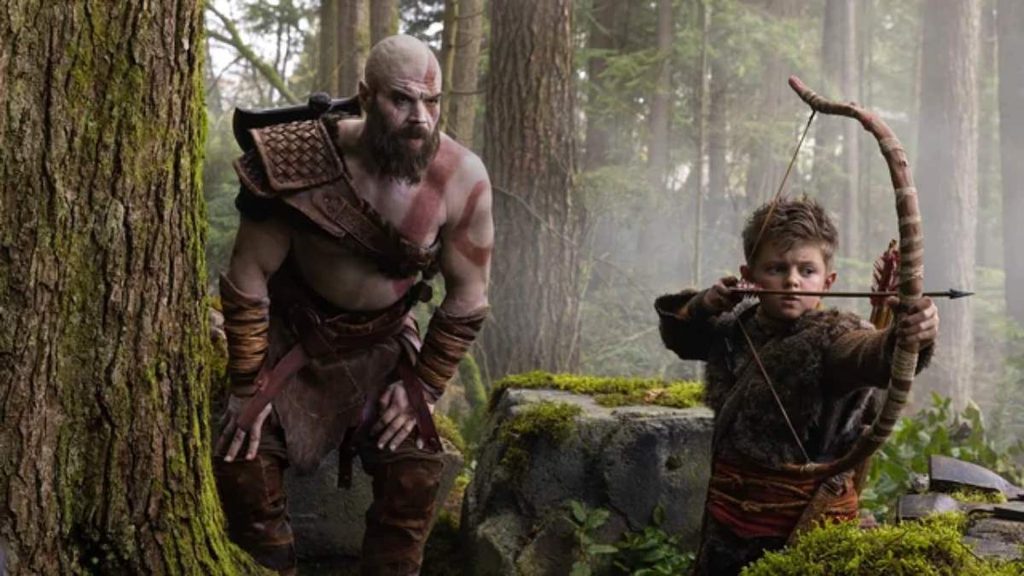
Horizon Zero Dawn’s Netflix Series Has Been “In Development” Longer Than Most Games Take to Make
This is the clearest warning sign on the entire list. Horizon Zero Dawn has been sitting in development for years with no director, showrunner, or cast attached, which is a far bigger red flag than any single piece of bad news.
The lesson here applies beyond this one project: a long gap between an initial announcement and any second concrete detail almost always means a show is stuck in limbo, not quietly moving forward behind the scenes. The world itself, with its striking visual identity and two mainline games’ worth of built-in fans, deserves better than radio silence.
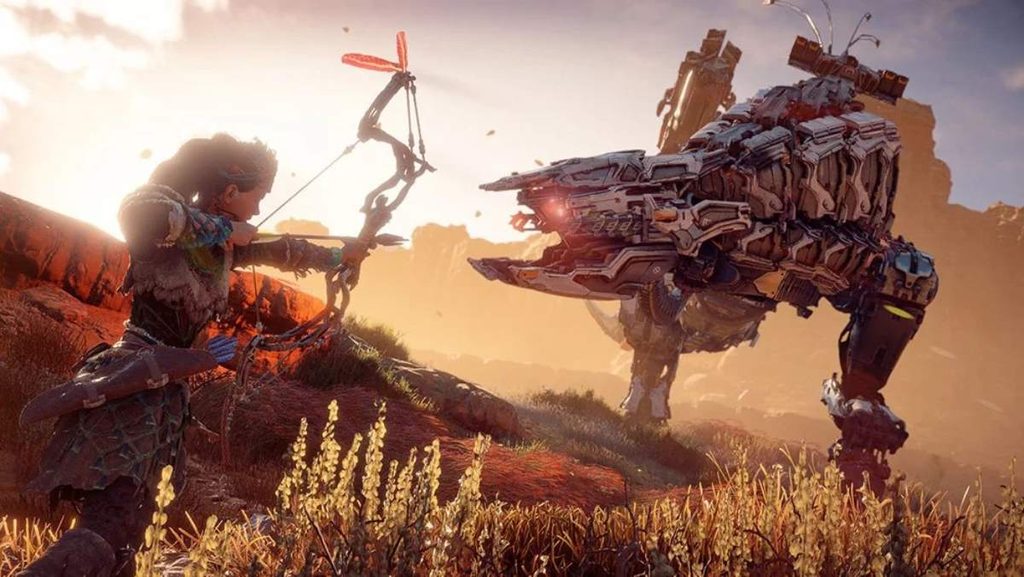
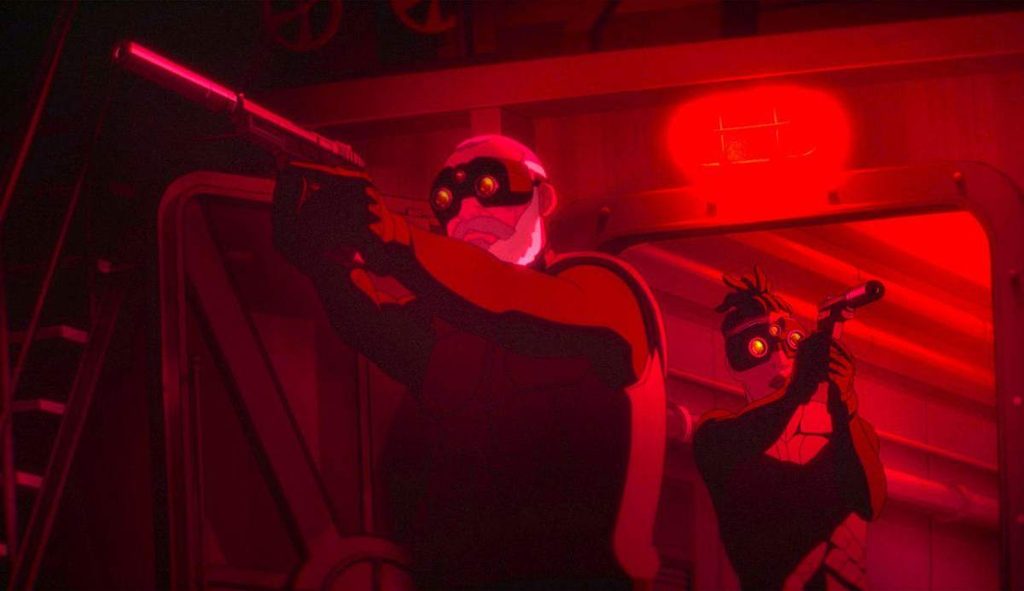
Splinter Cell: Deathwatch’s Second Season Is the Safest Bet on This List, and Here’s Why
Season one already shipped and earned a renewal, which puts this project ahead of every other TV entry on raw certainty alone. Splinter Cell: Deathwatch already has its second season locked, and animation sidesteps the uncanny-valley casting risk that has derailed more than one live-action attempt at adapting a beloved game.
Stealth-based storytelling translates naturally into serialized plotting, which is part of why this format works so well for the franchise. The tradeoff is audience size: animated adult series simply have a smaller ceiling than live-action, so this is a safe bet specifically for existing Splinter Cell fans and Netflix’s adult-animation audience, not a guaranteed mainstream crossover hit.
The Ones That Could Go Either Way (Announced but Unproven)
These three projects have real creative talent attached, but each one faces a structural problem that money alone can’t solve.
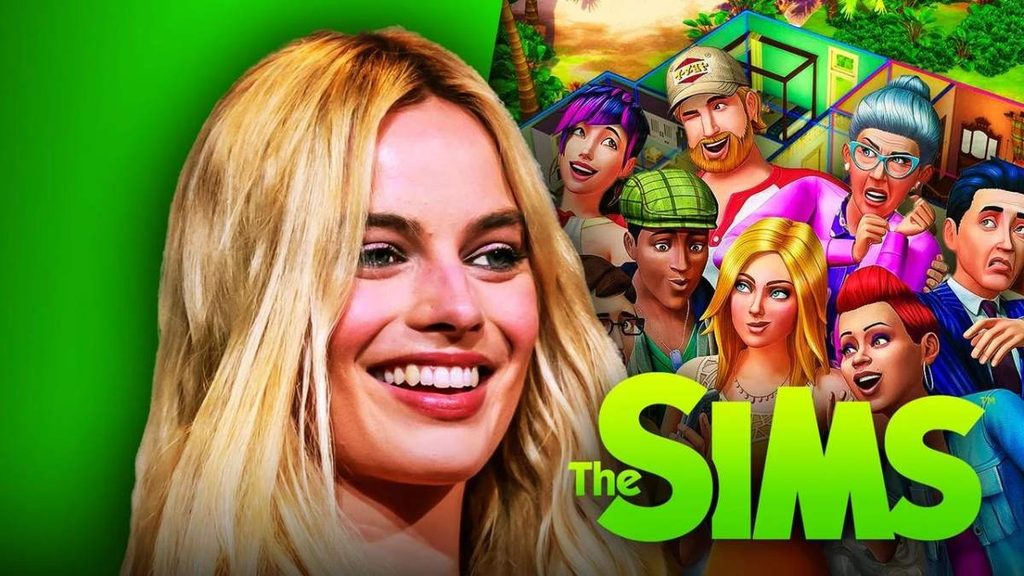
The Sims Movie: A Producer’s Track Record Is the Biggest Reason for Optimism
A producing team with a history of turning beloved IP into critically liked films is the strongest asset this project has, but it’s also fighting the exact same problem that makes the opportunity interesting. The Sims has no fixed narrative, which gives filmmakers total creative freedom and also means there’s no built-in story to adapt faithfully.
This is the clearest example on this list of “rights secured” not equaling “story solved.” A studio can lock down an IP for years before anyone figures out what the actual movie is supposed to be about.
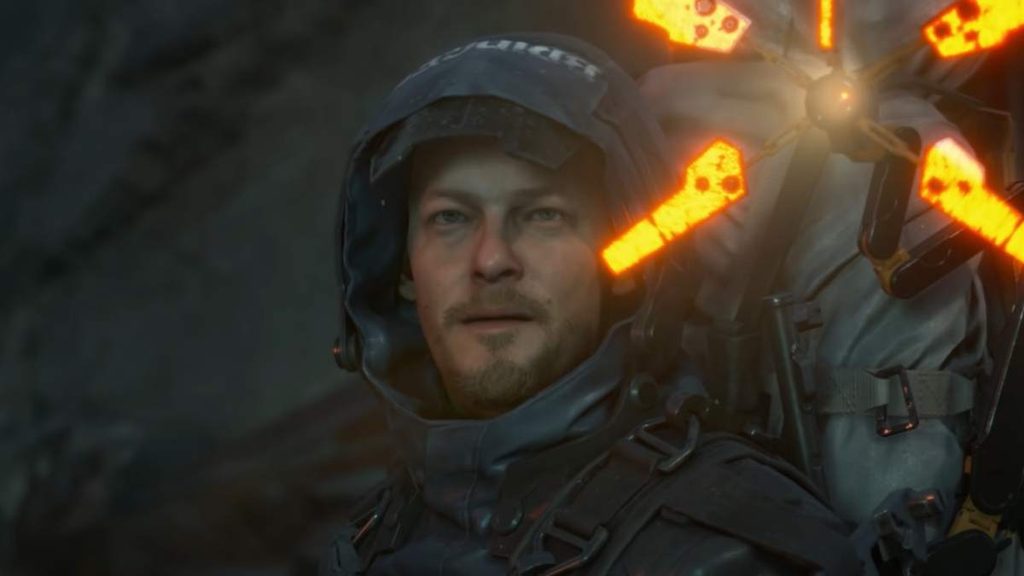
Death Stranding at A24: What the Creator’s Direct Involvement Actually Changes
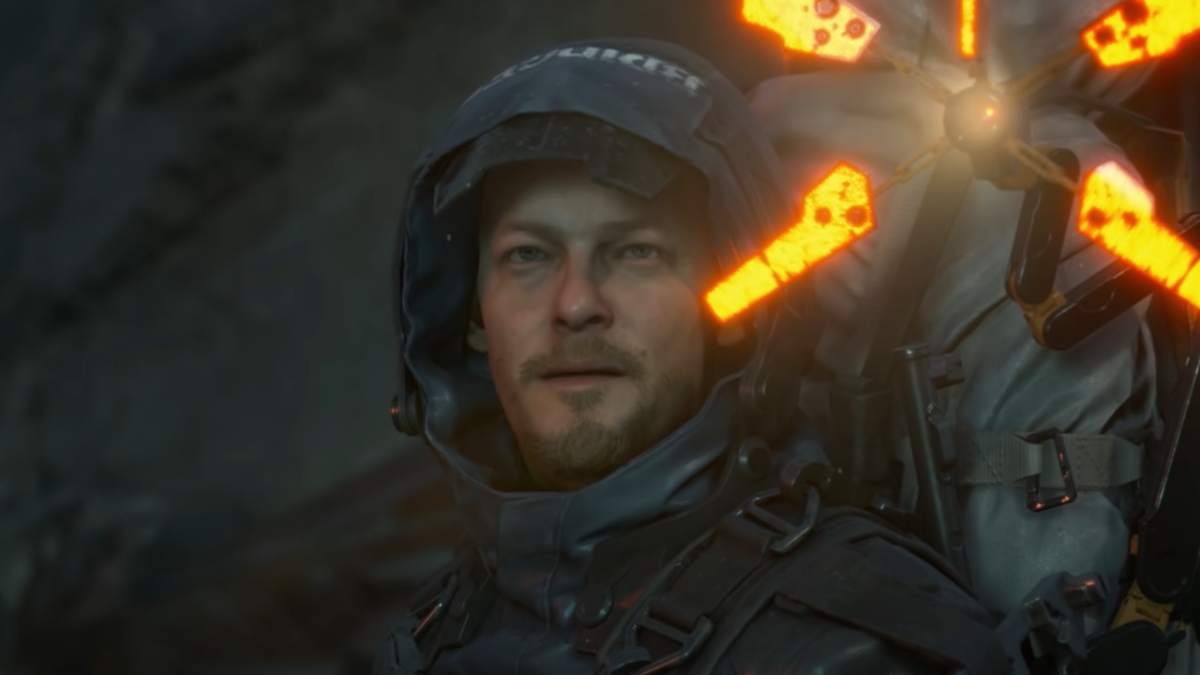
Direct creator involvement reduces the usual risk of a studio flattening a game’s identity into something generic, and A24’s track record with strange, auteur-driven films makes this a reasonable creative match. Death Stranding’s plot is dense and metaphor-heavy even by its creator’s usual standards, and a standard two-hour runtime may not leave room for all of it.
Creator involvement alone isn’t a guarantee of anything, which becomes obvious when you compare this project to BioShock below. A strong name attached to a project tells you almost nothing about whether that project will actually get made on schedule.
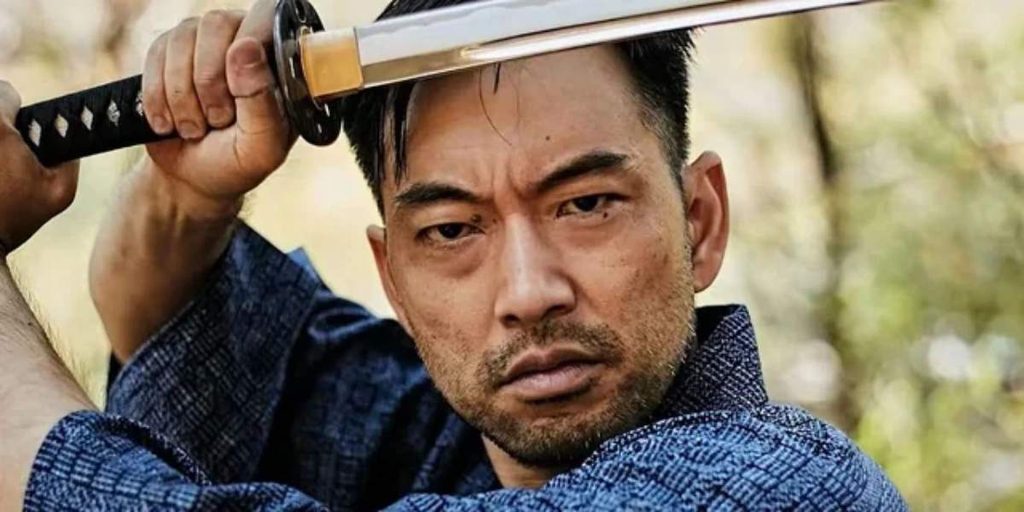
Ghost of Tsushima’s Film Finally Has a Director Who Makes Sense for It
A director whose prior work centers on practical, grounded action choreography lines up closely with the game’s samurai combat identity. That’s a real strength, but historical samurai epics have a genuinely mixed box office record outside of awards-season releases, and the game’s open-world structure doesn’t hand a screenwriter an obvious linear plot.
The One Most Likely to Stall (and the One Hardest to Adapt at All)
Two projects on this list represent opposite failure modes: one that has quietly stopped moving, and one that may be structurally impossible to adapt cleanly.
BioShock Has Been “In Development” Since 2022. Here’s Why It Still Hasn’t Moved
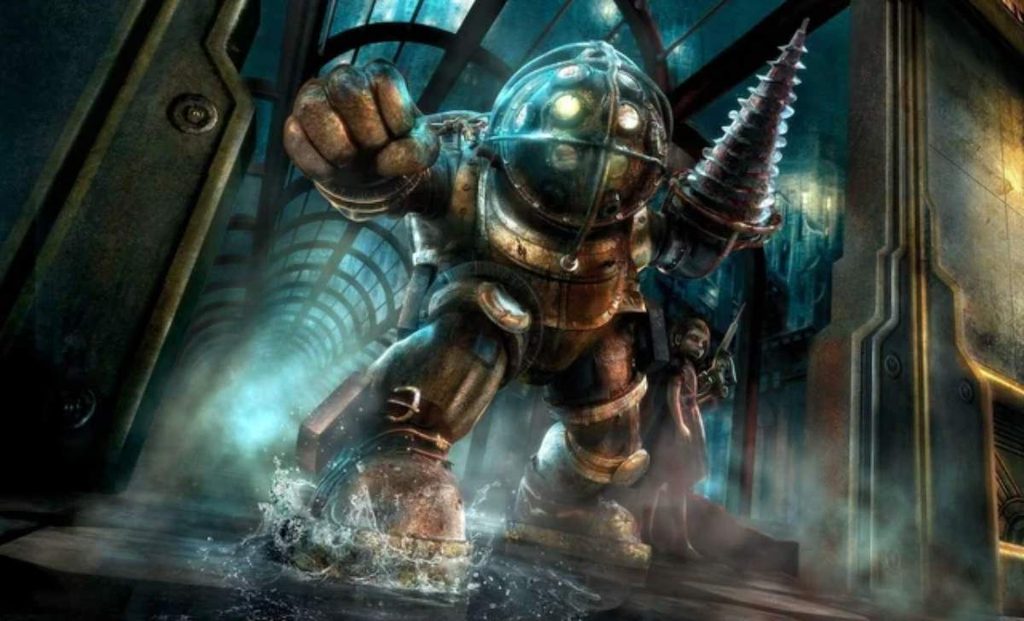
A strong director attachment alone does not predict a release date, and BioShock is the clearest proof of that on this entire list. The original director attachment still carries real genre credibility, but there has been no reported script, casting, or production movement since the initial deal was announced, and the rights situation has its own complicated history tied to the original studio’s closure.
This project functions as the cautionary tale of the whole piece. A great director attached to a beloved IP means nothing without forward motion behind it.
Elden Ring’s Movie Faces the Hardest Source-Material Problem on This Entire List
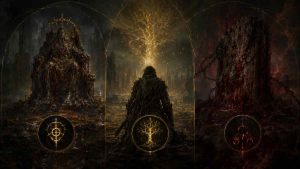
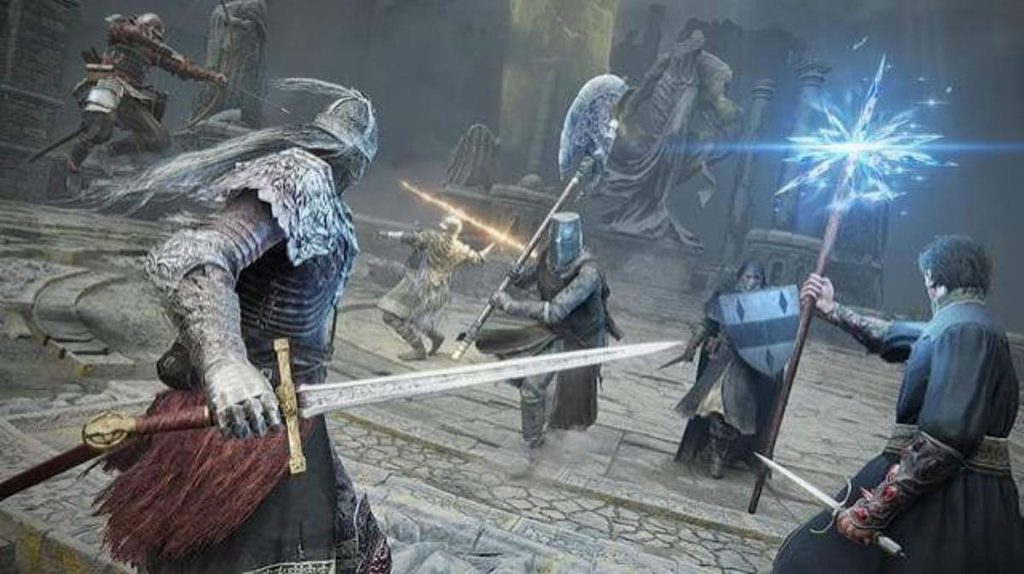
Elden Ring’s story is delivered almost entirely through fragmented item descriptions and environmental storytelling, with almost no linear plot to lift directly onto a screen. A director known for literary, slow-burn genre filmmaking and a studio with a reputation for protecting a filmmaker’s vision are real positives, but they don’t solve the fundamental structural problem.
This is the project most likely to either become something unrecognizable from the game itself or never reach a greenlight at all. It’s also the earliest-stage project on this entire list, which only raises the degree of difficulty further.
Which Video Game Adaptations in Development Will Actually Be Good? A Simple Framework
Three factors predict quality across this list far better than budget or cast size: creative control staying close to the original creators, a source game with a linear structure to begin with, and a studio with a recent adaptation win under its belt. Big names and big budgets matter less than those three things combined. The best adaptations so far, ranked against that same framework, follow a near-identical pattern. [best-video-game-movies-ranked]
Here’s how all twelve projects shake out when you apply that framework.
| Odds Group | Projects | Why |
|---|---|---|
| Strong | The Legend of Zelda, Splinter Cell: Deathwatch, God of War | Creative control, linear structure, or a proven recent template |
| Mixed | Metal Gear Solid, Street Fighter, Death Stranding, Ghost of Tsushima, The Sims | Real strengths, but at least one serious structural or historical risk factor |
| Long Shot | Horizon Zero Dawn, BioShock, Elden Ring | Stalled momentum, missing key attachments, or a source material that resists adaptation |
FAQ
What video game adaptations are confirmed to be in development right now?
Twelve projects span four real stages: filming or post-production (The Legend of Zelda, Metal Gear Solid, Street Fighter), active development (God of War, Horizon Zero Dawn, The Sims, Death Stranding, Ghost of Tsushima, BioShock), a renewed animated series (Splinter Cell: Deathwatch), and an early announcement (Elden Ring). Return to Silent Hill already released in January 2026, rounding out the full list of twelve.
Which upcoming video game movie is most likely to be good?
The Legend of Zelda currently has the strongest odds on this list, mainly because Nintendo has kept tight creative control over the project and the source material already has a clean, linear adventure structure to build from. The biggest remaining risk is tone, since no footage has been released yet to confirm the film avoids leaning too comedic.
Why do most video game movies have a bad reputation?
The reputation comes from a real, repeated pattern rather than bad luck. Street Fighter alone produced two widely panned films in 1994 and 2009, and plenty of other franchises struggled with the same issue: compressing sprawling game worlds into a two-hour runtime without losing what made the source material work in the first place.
Is there a Legend of Zelda movie release date?
A release window has been reported publicly, but specific dates on unreleased films shift regularly as production timelines change. Treat any currently circulating date as directional rather than locked until a studio issues an official confirmation closer to release.
What video game shows are coming to Netflix and Amazon in 2026 and 2027?
God of War is in development at Amazon with a showrunner attached, Horizon Zero Dawn remains in development at Netflix with no director or cast confirmed years after its initial announcement, and Splinter Cell: Deathwatch already has its second season locked at Netflix. As these move forward, it’s worth learning to track confirmed versus rumored casting as it lands, since early reports on projects like these often get ahead of what’s actually been verified.
Twelve projects, four stages, and only a handful of them have earned real confidence so far. The pattern that matters most isn’t which franchise you love the most, it’s whether a project has kept its creator close, whether the source game actually has a story to tell, and whether the studio behind it has recently proven it can pull this off.
If you only remember one thing from this list, make it this: a director’s name attached to a project tells you almost nothing on its own. BioShock has had one since 2022 and still hasn’t moved an inch. Watch for the second confirmed detail, not the first announcement, before you let yourself get excited.