Where Is Samuel Bateman Now? 50 Years, Lifetime Supervised Release
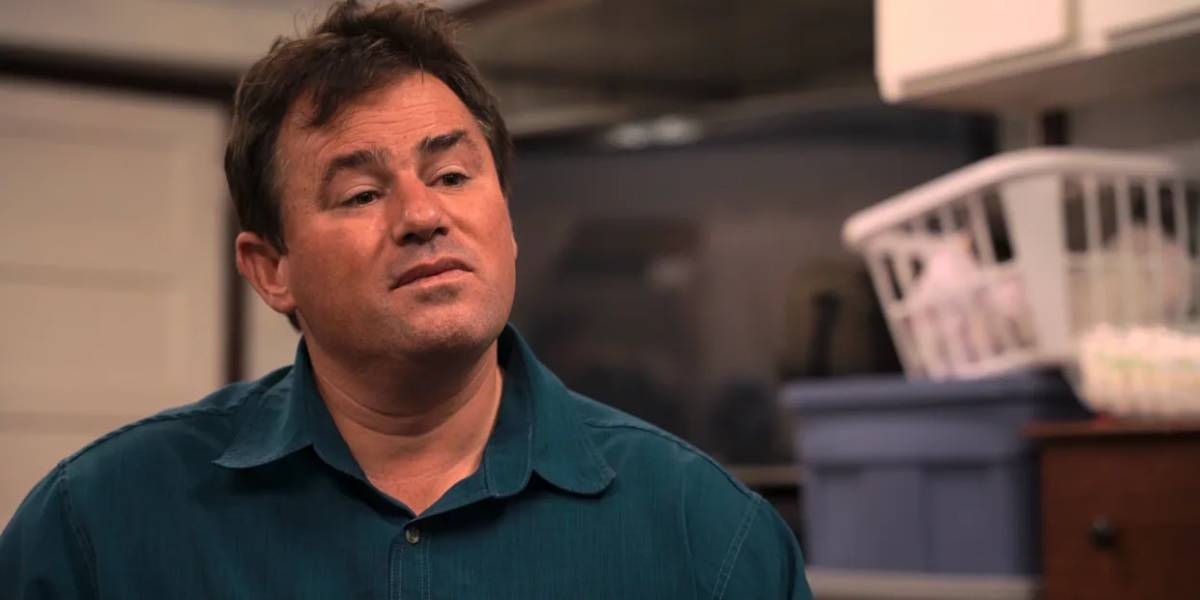
Samuel Bateman was sentenced to 400 months in federal prison on December 9, 2024. That is 50 years. U.S. District Judge Susan M. Brnovich handed down the sentence in the District of Arizona.
The sentence also carries lifetime supervised release. Supervised release is a federal court condition that attaches on top of the prison term. If Bateman ever exits custody, he would be subject to federal monitoring for the rest of his life. This is not parole. Parole no longer exists in the federal system. Supervised release is a separate, permanent condition imposed by the court at sentencing.
Federal truth-in-sentencing rules require that federal prisoners serve a minimum of 85% of their sentence. At 85%, Bateman would serve approximately 42.5 years before any release consideration. He was approximately 48 years old at sentencing. The math does not need to be spelled out further.
What Charges Did Samuel Bateman Plead Guilty To?
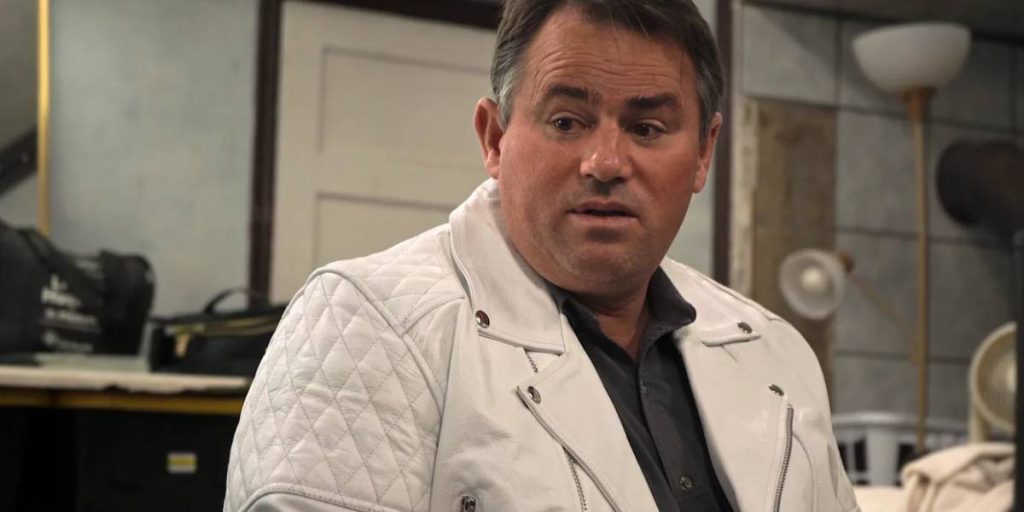
Bateman entered his guilty plea in April 2024, roughly seven months before his sentencing date. He pleaded guilty to two federal conspiracy counts.
Count one was conspiracy to transport a minor for criminal sexual activity. Under federal law, transporting a minor across state lines for the purpose of sexual abuse is a serious federal offense. The conspiracy charge means prosecutors proved he was part of a coordinated scheme, not just that he acted alone in a single incident.
Count two was conspiracy to commit kidnapping. This charge relates to the movement and control of victims against their will, or against the will of family members who tried to protect them. In multi-defendant trafficking cases, conspiracy charges are the standard prosecutorial tool because they capture the full network of people involved.
Why He Wasn’t Charged With Rape at the Federal Level
Federal prosecutors did not charge Bateman with rape directly. That is not unusual. The conspiracy to transport a minor for sexual activity and the kidnapping conspiracy gave prosecutors clean federal hooks that also captured the entire criminal network around him. The federal conspiracy counts carried severe sentences and covered the full scope of what the investigation uncovered.
No minor victims are named in this piece.
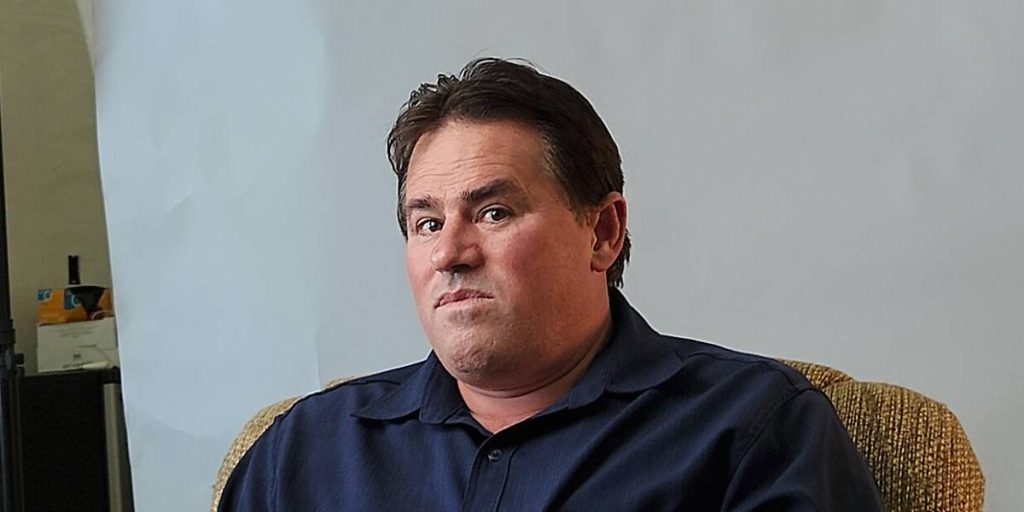
Who Else Was Sentenced? The Co-Conspirators Explained
The Bateman case was not a single-perpetrator situation. Eleven people were charged alongside him, which reflects how thoroughly this operation required participation from people inside his immediate circle.
The Key Sentences
- LaDell Bistline Jr. received a life sentence. Court records describe him as a key facilitator in the criminal scheme.
- Moroni Johnson received a 25-year federal sentence.
- Torrance Bistline was convicted at trial. Unlike Bateman, Bistline did not enter a guilty plea.
Why Some of Bateman’s Wives Were Charged
Several of Bateman’s adult wives were also charged, in some cases with kidnapping-related counts, for their active roles in facilitating access to minor victims. Prosecutors made a deliberate decision based on evidence that some adult women took active steps to move and control minor victims within the group. The evidence pointed to active participation for several individuals, and the charges reflected that.
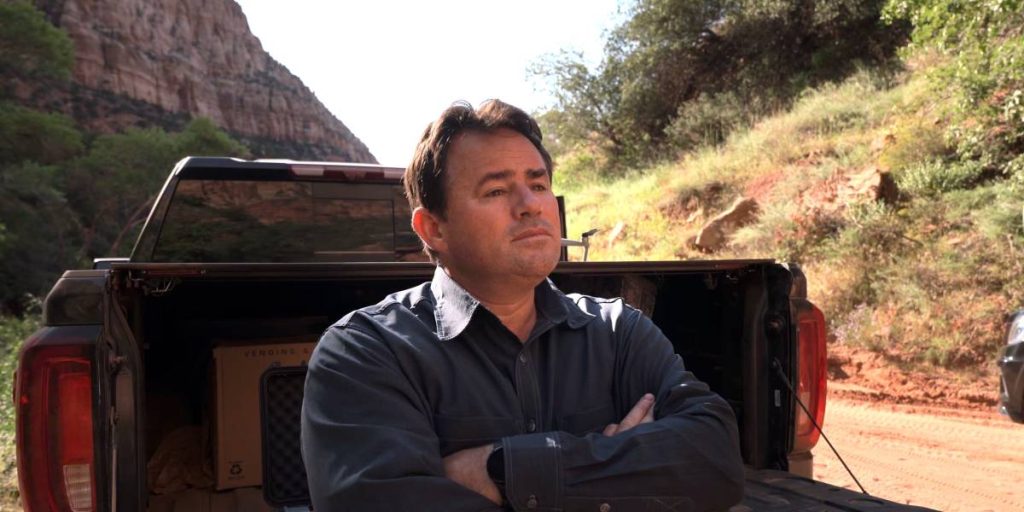
Why Does the Bureau of Prisons Say Samuel Bateman Is “Not in BOP Custody”?
“Not in BOP custody” in the federal inmate locator does not mean released. It means the prisoner is being held in a U.S. Marshals Service facility while awaiting formal BOP designation, or the database has not yet updated to reflect a formal facility assignment.
How Federal Prisoner Designation Works
When a federal judge issues a sentence, the prisoner does not walk directly to their permanent facility. The Bureau of Prisons’ Designation and Sentence Computation Center reviews medical history, security classification, and programming needs before assigning a specific institution. That process typically takes four to eight weeks.
During that window, the prisoner is often held at a U.S. Marshals holding facility or a local county jail under federal contract. Those facilities do not always appear in the public BOP inmate locator as “in BOP custody,” even though the person is absolutely incarcerated. The BOP inmate locator reflects facility assignment status, not incarceration status.
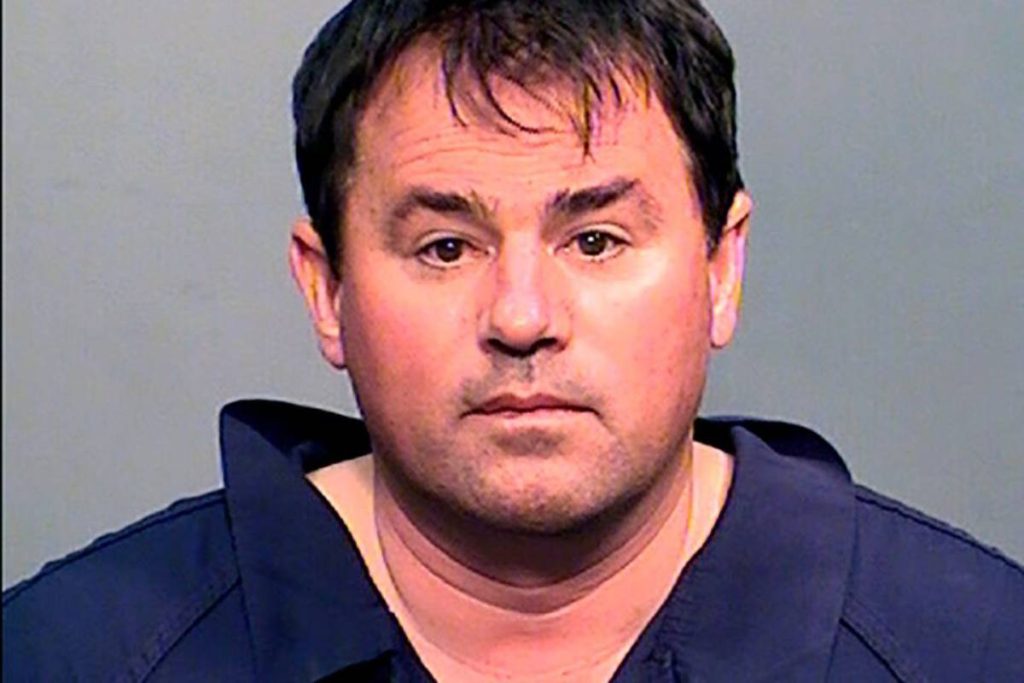
He’s in Prison. So Why Are His Followers Still Hearing From Him?
Bateman reportedly continues to make daily phone calls to followers from custody. That is not a jailbreak. It is standard.
Federal prisoners are permitted to make phone calls. Those calls are monitored and recorded by the Bureau of Prisons. They are not secret. The calls are logged. But they happen.
What Incarceration Does Not Break
Coercive control research is consistent on this point: when someone has been conditioned over years to view another person as a divine authority, physical separation from that person does not automatically dissolve the belief system. The authority lives in the mind of the believer, not just in the physical presence of the controller.
Warren Jeffs is the direct precedent. Jeffs has been in a Texas prison since his 2011 conviction on child sexual assault charges. He reportedly continued to issue revelations, make calls, and maintain influence over FLDS communities for years after his incarceration. His followers printed and distributed his prison communications as scripture.
The Bateman situation follows the same structure. The man is locked up. The belief system he constructed is not.
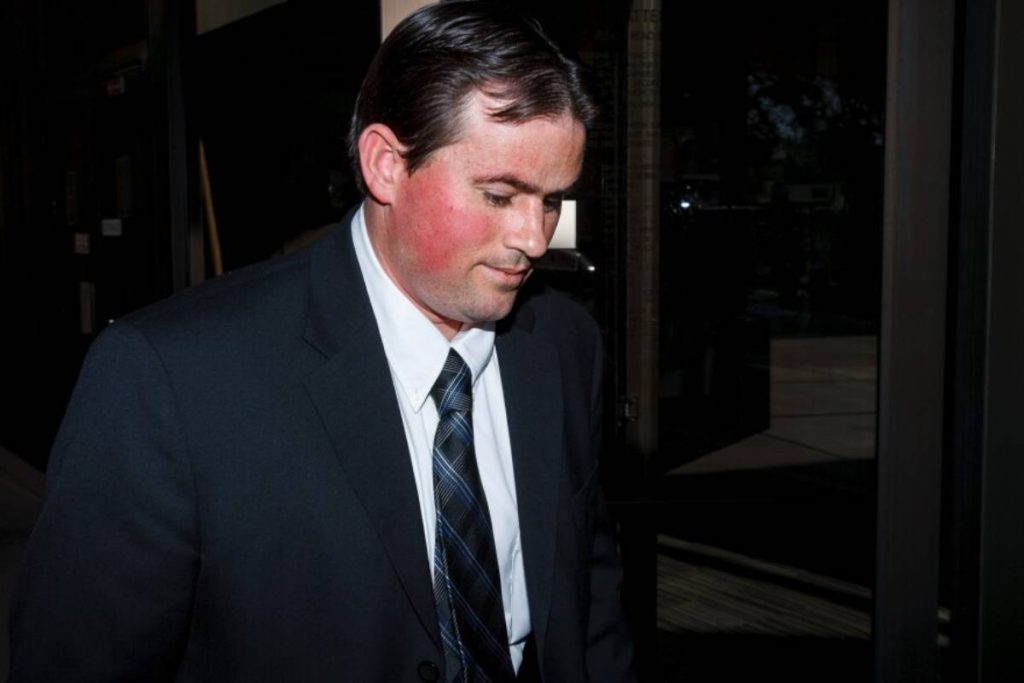
How Did Samuel Bateman Go From FLDS Member to “Prophet”?
Bateman grew up within the FLDS, the Fundamentalist Church of Jesus Christ of Latter-Day Saints. Jeffs’ imprisonment did not dissolve the FLDS. It fractured it. Various men attempted to claim prophetic authority in the years that followed, drawing followers from existing FLDS communities already conditioned to obey prophetic leadership without question.
Around 2019, Bateman declared himself a prophet and began gathering followers primarily from families who already knew and trusted him from within the community. He accumulated more than 20 “spiritual wives,” at least 10 of whom were minors.
The operation unraveled in October 2022 when a routine traffic stop in Mohave County, Arizona, led to an investigation. Guilty plea in April 2024. Sentence in December 2024.
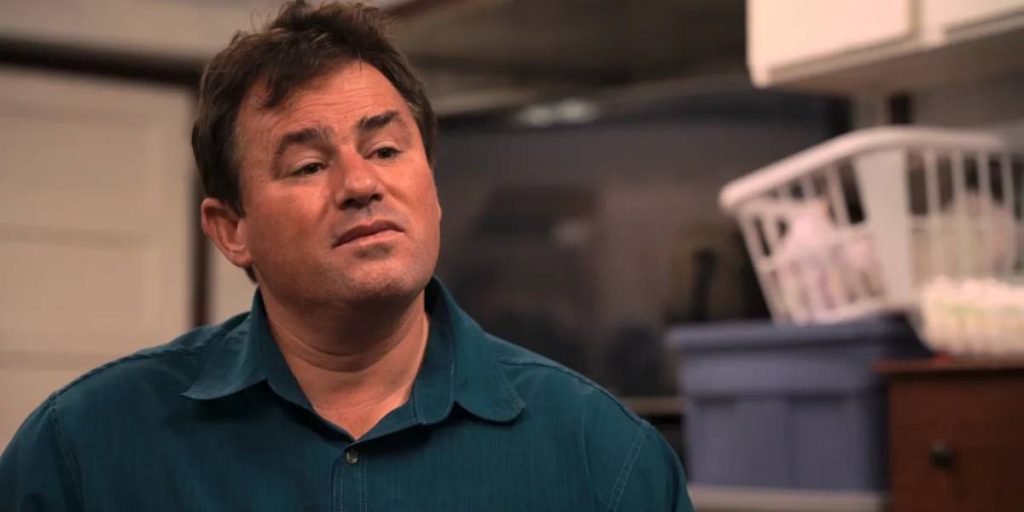
Nomz Bistline, one of the survivors who cooperated with both documentary filmmakers and law enforcement, is central to Trust Me: The False Prophet. Her willingness to speak on record took real courage, and the film reflects that.
Frequently Asked Questions About Samuel Bateman
How long is Samuel Bateman in prison?
Samuel Bateman was sentenced to 50 years in federal prison on December 9, 2024. The federal system does not have parole. Federal prisoners serve a minimum of 85% of their sentence, which means Bateman would serve approximately 42.5 years before any release consideration. The sentence also carries lifetime supervised release. Given his age at sentencing, approximately 48, the 50-year sentence is functionally a life sentence.
What did Samuel Bateman plead guilty to?
Bateman pleaded guilty in April 2024 to two federal conspiracy charges: conspiracy to transport a minor for criminal sexual activity, and conspiracy to commit kidnapping. He was not charged with rape directly at the federal level, which is standard in multi-defendant trafficking cases where conspiracy charges capture the full criminal network.
Is Samuel Bateman still in contact with his followers?
Verified reporting indicates Bateman reportedly makes daily phone calls to followers from custody. Federal inmates have access to monitored phone systems as a standard Bureau of Prisons policy. Coercive control built over years does not automatically dissolve when a leader is incarcerated, and Bateman’s reported calls follow the same pattern seen with Warren Jeffs.
Who else went to prison in the Samuel Bateman case?
Eleven co-conspirators were charged. LaDell Bistline Jr. received a life sentence. Moroni Johnson received a 25-year sentence. Torrance Bistline was convicted at trial. Several of Bateman’s adult wives were also charged with kidnapping-related counts for their active roles in the criminal scheme.
Why does the BOP website say Samuel Bateman is “not in BOP custody”?
“Not in BOP custody” does not mean released. After sentencing, federal prisoners are typically held in a U.S. Marshals facility while the Bureau of Prisons processes their formal facility assignment. The BOP inmate locator reflects facility assignment status, not incarceration status.
Is Samuel Bateman connected to Warren Jeffs and the FLDS?
Bateman was a rank-and-file FLDS member before declaring himself a prophet around 2019, following Warren Jeffs’ 2011 conviction. His splinter group was not sanctioned by any remaining FLDS leadership structure. The organizational and psychological template he used was directly inherited from the FLDS system.
What is lifetime supervised release in the federal system?
Lifetime supervised release is a court-imposed condition attached to a federal prison sentence. It is not parole. If Bateman ever leaves custody, he remains under federal monitoring indefinitely, with violations potentially returning him to prison.
The Sentence Closed One Chapter. Not All of Them.
A 50-year federal sentence is accountability. The charges, the plea, the sentencing date, the co-conspirator outcomes: those pieces are documented, public, and clear.
What the sentence cannot do is reach back into the minds of people who spent years being told that one man held the key to their eternal salvation. The reported daily calls reflect something the justice system was never designed to fix: the belief structure that abuse creates in the people it targets.
The survivors who spoke on record, including Nomz Bistline, did something genuinely difficult in a community where speaking to outsiders carries a specific kind of social cost. Their accounts are the reason there is a case at all. The question worth sitting with is what support exists for the women and children whose rebuilding is ongoing and largely invisible to anyone not inside it. That is where the story the documentary cannot fully tell is still being written.