
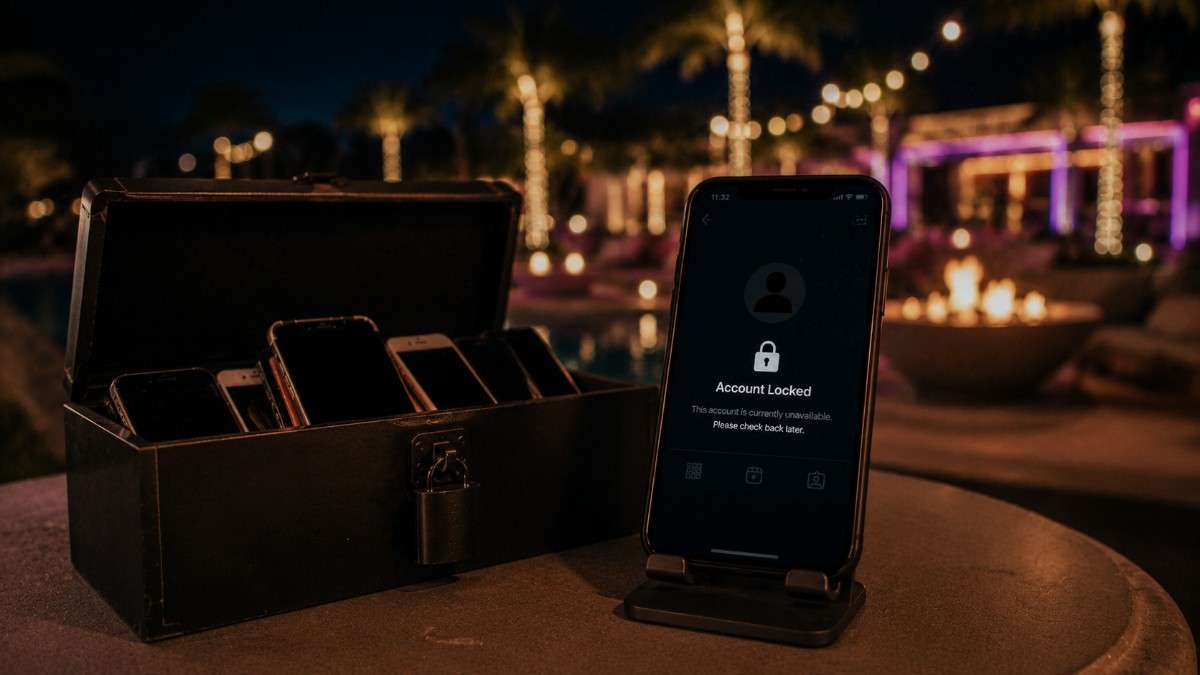
The Obvious Answer: Reality Shows Take Phones to Prevent Spoilers
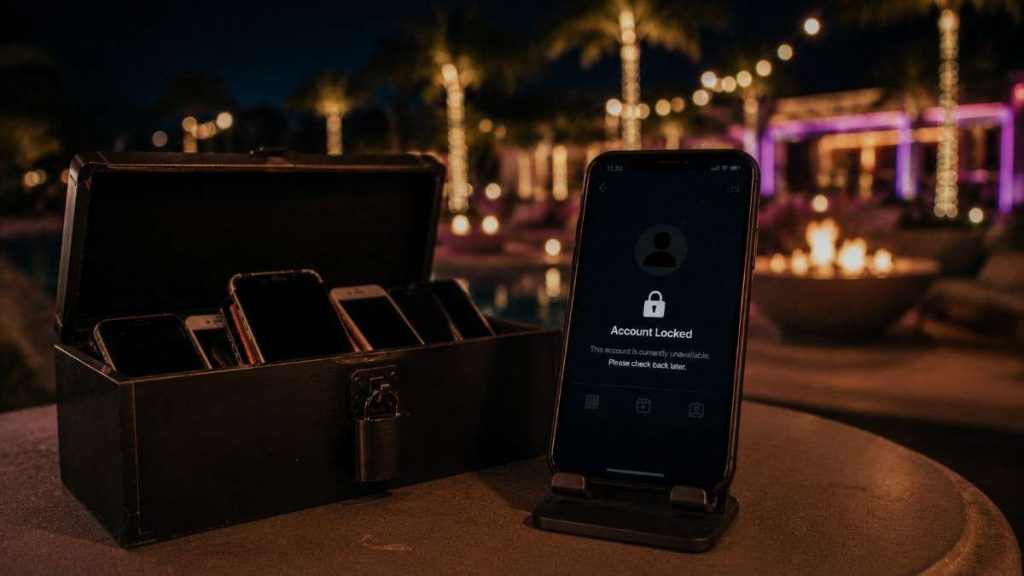
Spoiler control is the reason producers will give you on the record, and it is a completely legitimate one. If a contestant posts a location-tagged selfie or texts a friend about who got eliminated this week, the season’s entire narrative value collapses before it airs.
The timing gap between filming and broadcast makes this especially high-stakes. The Bachelor typically films in the fall and premieres in January. Love Island USA films in Fiji weeks before the season drops on Peacock. One accidental screenshot shared in a group chat can spoil a finale that millions of people are waiting to watch live.
Spoilers have direct financial consequences for networks. Lower finale ratings translate to lower advertising revenue, which affects what the network can charge for commercial slots in future seasons. The phone ban is partly an asset protection strategy dressed up as a production rule.
This logic extends beyond reality TV. Audiences at live tapings of game shows like The Price Is Right surrender their phones before entering the studio for the same reason. The risk-to-reward calculation on allowing personal devices is always negative.
How NDAs and Contracts Back Up the Phone Rule
Contestants sign detailed agreements before filming begins, and phone access terms are embedded in those documents under confidentiality clauses. The specifics cover everything from social media conduct to post-elimination interview restrictions.
Violating the phone rule is not just a production headache. Depending on the contract, it can expose a contestant to real financial liability. The show does not need to catch you posting a spoiler. Unauthorized phone possession alone can constitute a breach.
Most contestants who attempt to sneak a device never make it past the production team’s intake process. That process typically involves a thorough search before anyone enters the filming environment.
The Less Obvious Reason: Isolation Is a Production Tool, Not a Side Effect
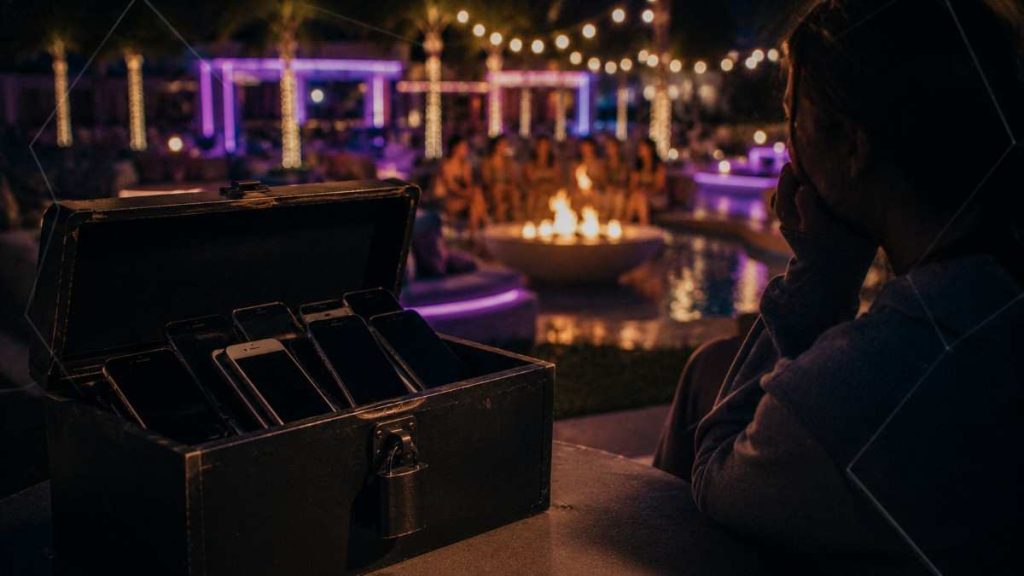
Phone removal does not just block outgoing information. It also eliminates every mechanism contestants would normally use to process their experiences. No texting a friend to ask whether something felt weird. No calling a parent. No scrolling through a co-star’s Instagram to figure out who they actually are before agreeing to a date.
When those channels disappear, contestants become socially dependent on whoever is physically present. That dependency is not a coincidence. It is the environment the format requires to function. On Love Island, the villa is the entire world, and there is no external reference point.
Research on social isolation and bonding consistently shows that shared confinement accelerates intimacy timelines. When people are cut off from their primary social networks, they reassign emotional attachment to whoever is available. Psychologists describe this as social substitution, and it explains a lot of what viewers interpret as drama or manufacturing when they watch a dating show. For a deeper look at how Love Island specifically structures this environment, the breakdown of Love Island phone rules covers exactly how the show manages contestant communication.
The phone confiscation rule, the villa walls, and the no-outside-contact policy are all variations of the same mechanism. Each one narrows the contestant’s social world until the only relationships that feel real are the ones happening inside the show.
Why Contestants Fall So Hard So Fast (And Why That Is Not a Bug)
The Bachelor franchise has been documenting accelerated emotional attachment for over two decades. Contestants routinely describe feelings of intense connection after a handful of days together, something that strikes outside viewers as performed or exaggerated, but which contestants consistently report as genuine.
The phone ban is a significant structural reason this happens. There is no texting a best friend to ask whether someone seems real. There is no calling a parent to decompress after a rough night. The person sitting across from you at the rose ceremony dinner is not just a potential partner. They are your entire social world for the duration of filming.
This is also why questioning whether the Bachelor’s emotional intensity is manufactured misses the more interesting point. The feelings are real. The conditions that produced them were engineered. Those two things are not mutually exclusive.
How the Rules Actually Work: What Contestants Can and Cannot Do
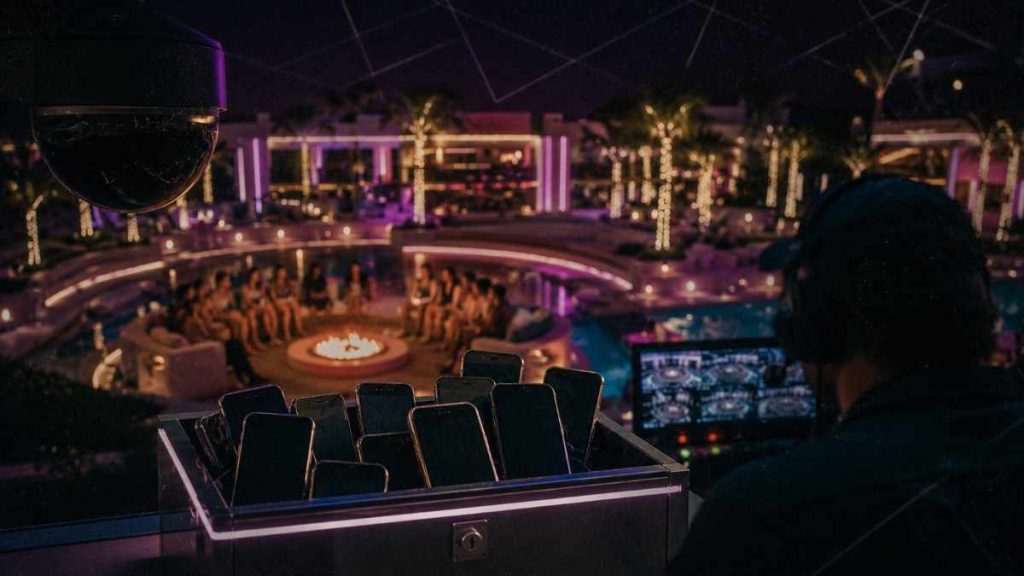
The phone rules across reality TV are not uniform. They vary by show format, network, production company, and filming location. Treating them as one blanket policy misses how differently individual shows approach the mechanics of isolation.
Competition Shows: Survivor, Big Brother, The Traitors
Competition shows tend to enforce near-total phone bans, and they have the logistical advantage of filming in environments where enforcement is straightforward. On Survivor, contestants are in remote locations with no infrastructure. The question of phone access barely arises because there is no signal and no practical way to have a device.
Big Brother runs a sealed house model. Personal phones, internet access, and outside media are all blocked for the duration of filming. Contestants genuinely do not know what is happening in the outside world. News events, cultural moments, and major sports results are completely inaccessible.
The Traitors uses a similar sealed-location approach, filming in a Scottish castle where contestant interaction is tightly controlled. The isolation mechanics are comparable to Big Brother’s model.
Dating Shows: Love Island, The Bachelor, Temptation Island
Dating shows add a layer that competition shows do not have to worry about: the format requires that contestants cannot fact-check each other. If you could Google your date’s Instagram follower count or LinkedIn history before sitting down to dinner, the entire premise falls apart.
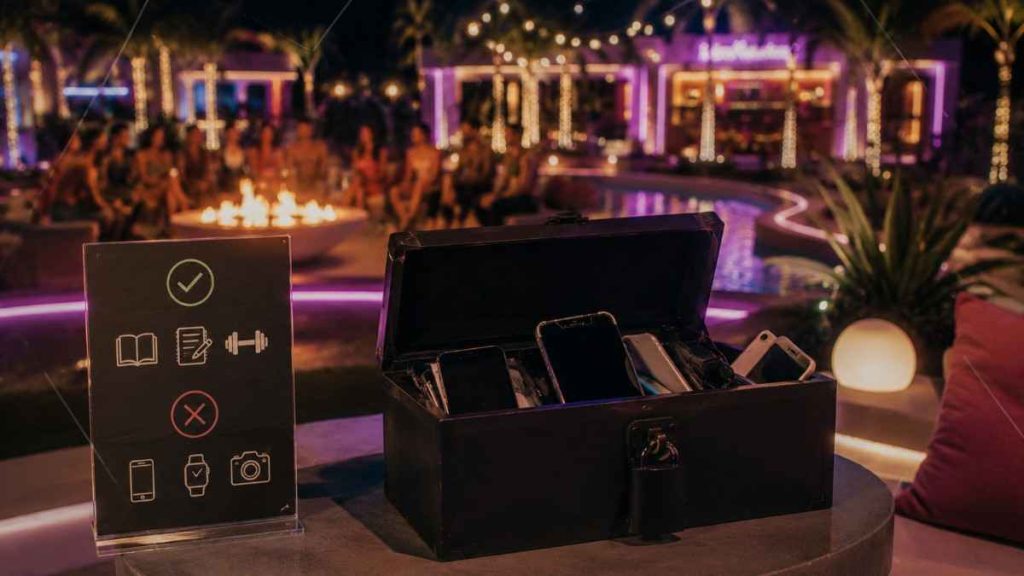
Love Island UK and Love Island USA both confiscate phones on arrival. No substitute device is provided. Islanders communicate exclusively with producers and each other for the entire filming period. The Bachelor allows limited production-mediated contact with family in specific circumstances, typically framed as dramatic reveals within the show itself rather than genuine private communication.
Temptation Island’s format depends entirely on contestants being unable to monitor what their partners are doing on the other side of the island. Phone access would end the show before the first episode concluded.
Shows That Provide Burner Phones
Some productions, particularly those filming in domestic locations with less logistical control, provide contestants with production-issued devices. These are not phones in any functional sense. They have a restricted contact list containing only pre-approved family members or a production liaison, all communication is monitored, and social media is inaccessible.
Jersey Shore is one documented example where cast members had restricted personal phone access but were provided monitored alternatives in specific circumstances. The device exists to manage genuine welfare concerns rather than to give contestants a real communication channel. It is a controlled valve, not an open door.
What Happens to Your Social Media While You Are in the Villa
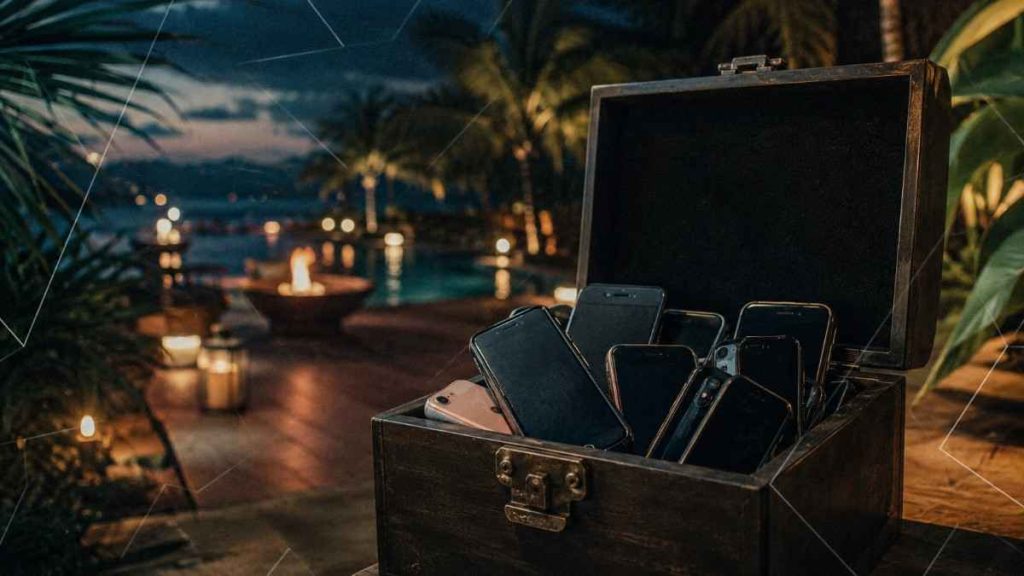
Most reality show contestants arrange for a trusted friend, family member, or manager to run their Instagram during filming. This is standard practice for anyone going in with an existing following, and it becomes more important mid-season when fan attention spikes.
For contestants who become fan favorites early in a season, the follower count movement while they are filming can be dramatic. A contestant sitting in a villa with no idea what is happening outside could be gaining hundreds of thousands of followers in real time and have absolutely no knowledge of it.
Some networks and production companies go further, providing pre-approved posts that maintain audience engagement without revealing plot information. These are coordinated through the contestant’s management or a production-approved social team, and are designed to feel personal while containing nothing that could compromise the edit.
The re-entry experience contestants describe after filming ends is genuinely disorienting. Returning to a phone full of months of notifications, fan reactions, and commentary on moments you lived but have not watched back is unlike anything most people encounter in normal life. For context on what that transition actually looks like, the coverage of life after Love Island gets into the specific adjustments former islanders navigate.
Does It Actually Work, and Is Any of This Good for Contestants?
The isolation produces exactly the emotional content producers want, and former contestants have consistently reported that it creates real psychological pressure. Those two things are both true simultaneously.
The intensity that contestants describe feeling during filming does not always survive contact with the outside world. Relationships formed inside a sealed environment frequently dissolve once participants can Google each other, reconnect with their actual social networks, and decompress away from cameras.
Several former Love Island contestants have spoken publicly about how disorienting re-entry feels. Not primarily because they missed social media, but because the sealed environment had become their entire sense of normal. The phone ban is a small piece of a larger conversation about duty of care that UK productions have been forced to take more seriously following high-profile cases involving Love Island alumni.
The show’s producers now include mental health support provisions during and after filming that did not exist in earlier seasons. Whether that design adequately accounts for the people inside it is a question the industry is still working out.
FAQ
Can you use your phone on reality TV shows?
In most cases, no. The majority of reality shows require contestants to surrender personal phones before filming begins. Some productions replace them with heavily restricted devices that allow only pre-approved contacts. Contestants typically have no access to social media, news, or outside communication for the duration of filming. The specific restrictions vary by show format and are outlined in contestant contracts before production starts.
What happens if a reality show contestant sneaks a phone?
Contracts include confidentiality clauses that cover unauthorized phone use. Getting caught can result in removal from the show and potential financial penalties depending on what the breach clause specifies. Production teams monitor for unauthorized content reaching the internet, and a contestant’s continued participation is typically reviewed the moment a violation is confirmed. Most productions conduct thorough intake searches that make smuggling a device difficult from the start.
How do reality show contestants reach family in an emergency?
Most productions have protocols for genuine family emergencies. Contestants are notified through producers rather than directly, and in serious cases mediated phone calls are arranged under supervision. The specific provisions vary by production company and are outlined in contestant contracts before filming begins. Shows with longer filming periods and remote locations, like Survivor, have more established emergency contact procedures than shorter domestic productions.
Why do reality show contestants fall in love so quickly?
The phone ban is a significant structural factor. Contestants are cut off from their existing social networks and have no way to reality-check their feelings with friends or family outside the show. Research on social substitution explains that humans rapidly deepen emotional attachment to available people when their primary support network is removed. The person in front of you becomes your entire social world, and attachment accelerates accordingly. This is not unique to particularly emotional people. It is a predictable response to the environment.
Do reality show contestants know what is happening on social media while they film?
No. Contestants have no access to social media, fan reactions, or online commentary during filming. Most find out about the public response to their edit only after exiting the show, sometimes weeks or months after events that already went viral. For contestants who become mid-season fan favorites, the experience of returning to a phone and discovering their follower count tripled while they were completely unaware is one of the more genuinely surreal aspects of the process.
Is the phone ban mentioned in reality TV contracts before contestants sign?
Yes. Phone access restrictions are embedded in contestant agreements under confidentiality and conduct clauses before filming begins. Contestants agree to the terms before they arrive on set. The contract typically specifies the scope of the ban, what constitutes a violation, and what the consequences are, including potential financial liability for breaches that result in spoilers or unauthorized disclosures reaching the public.
The Phone Ban Is the Show
The phone confiscation rule is not administrative housekeeping buried in a long contract. It is a core production mechanism. Every other element of the format, the closed environment, the manufactured dates, the dramatic eliminations, depends on the emotional conditions that phone removal creates.
Spoiler control is the reason producers will tell you about. Emotional engineering is the reason the format works. Every tearful villa confession, every accelerated declaration of love, every contestant who says they have never felt anything like this before after eight days, those moments are products of an environment specifically designed to produce them.
Knowing that does not make the feelings less real. It just explains why they are so intense, why they arrive so fast, and why they are sometimes so difficult to sustain once the phone comes back and the rest of the world walks back in.