
Did Anyone Actually Watch Cory in the House?
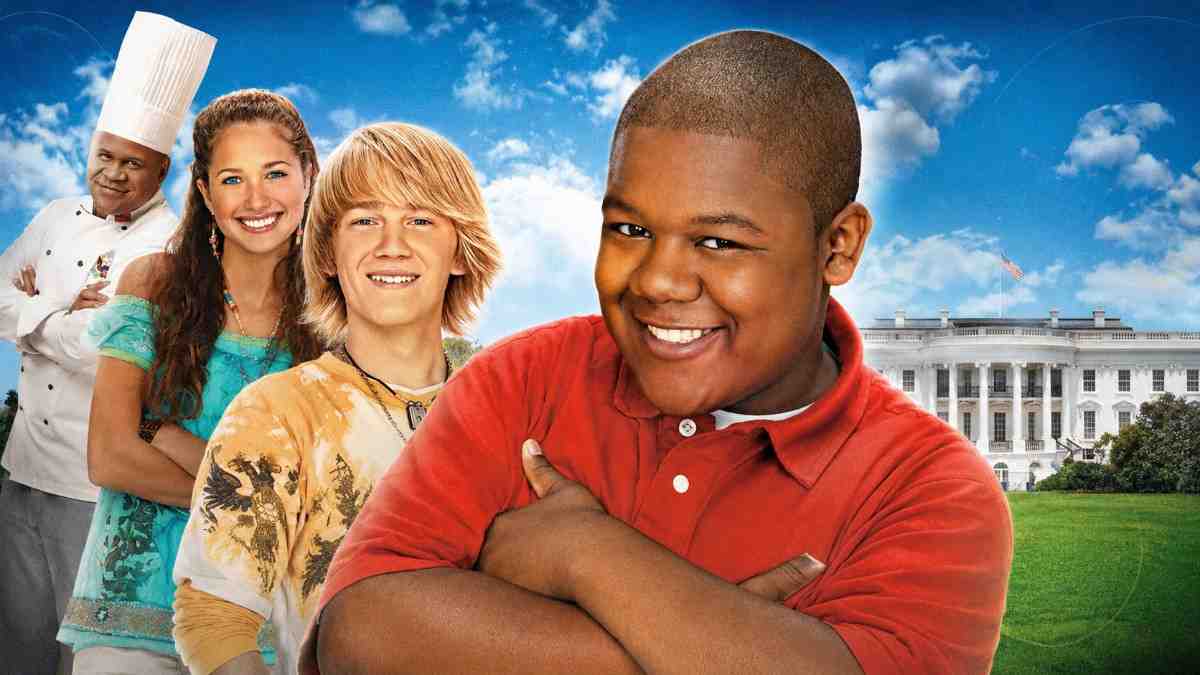
More people watched Cory in the House than the “cancelled for low ratings” story suggests. The show averaged between 4 and 5 million viewers per episode during its run, which placed it in competitive territory for a cable tween sitcom in 2007 and 2008.
To understand what those numbers mean, you need the context. Disney Channel was not a broadcast network. It was a cable channel competing for a specific slice of the kid and tween audience. Hannah Montana, which premiered in 2006 and became a certified pop culture phenomenon, was pulling 5 to 10 million viewers per episode and was considered exceptional by any measure. Cory in the House was performing below that ceiling, yes. It was not performing badly.
The show debuted on January 12, 2007. Disney did not bury it in a quiet time slot. They promoted it as the follow-up to one of their biggest hits.
That connection matters. Cory in the House was a spin-off of That’s So Raven. That’s So Raven had run four seasons and 100 episodes from 2003 to 2007 and made Raven-Symoné one of Disney’s most recognizable faces. Moving the supporting character, Cory Baxter, to Washington D.C. as the main character with his father working as the White House chef was an ambitious structural bet. Raven-Symoné did not appear regularly in the spin-off.
Removing the original anchor from a spin-off makes every episode work harder to justify itself. The show managed it well enough to hold millions of viewers for two seasons. That is not nothing. That is actually a respectable result given the circumstances.
What Actually Happened Behind the Scenes Before the Cancellation
The writers’ strike gets most of the credit, or blame, for ending Cory in the House. That framing is accurate but incomplete. The show was not in clean shape before the strike hit.
Dennis Rinsler, the executive producer, gave the most direct account of what happened. He identified three compounding factors that came together to sink the show: an accident on set, a threatened lawsuit, and then the writers’ strike. His words on it were straightforward: “The show kind of just fizzled out on a bad note between the accident, the threat of the lawsuit, the writers strike.”
The specific details of the on-set accident are not fully documented in public records. What Rinsler confirmed is that it happened and that it introduced legal friction around the production. A threatened lawsuit on a TV set creates exactly the kind of atmosphere that makes a network nervous about its investment.
By the time the writers’ strike began in November 2007, Cory in the House was already carrying unresolved tension from these earlier events. This is the part most articles skip because Rinsler’s quote is often mentioned without being unpacked. The strike didn’t hit a healthy show. It hit a show that was already dealing with disruption.
That context matters for understanding why Disney made the choice it did when the strike ended. A show with clear production momentum and no prior complications is worth restarting. A show that had already experienced an accident, a lawsuit threat, and a strike pause is a harder conversation. Disney had that conversation and answered it by walking away.
Other Disney Channel shows also disappeared without full explanations, which is something Disney Channel cancellations rarely get right when it comes to giving audiences or cast members a proper goodbye.
How the 2007 to 2008 Writers Strike Ended Cory in the House
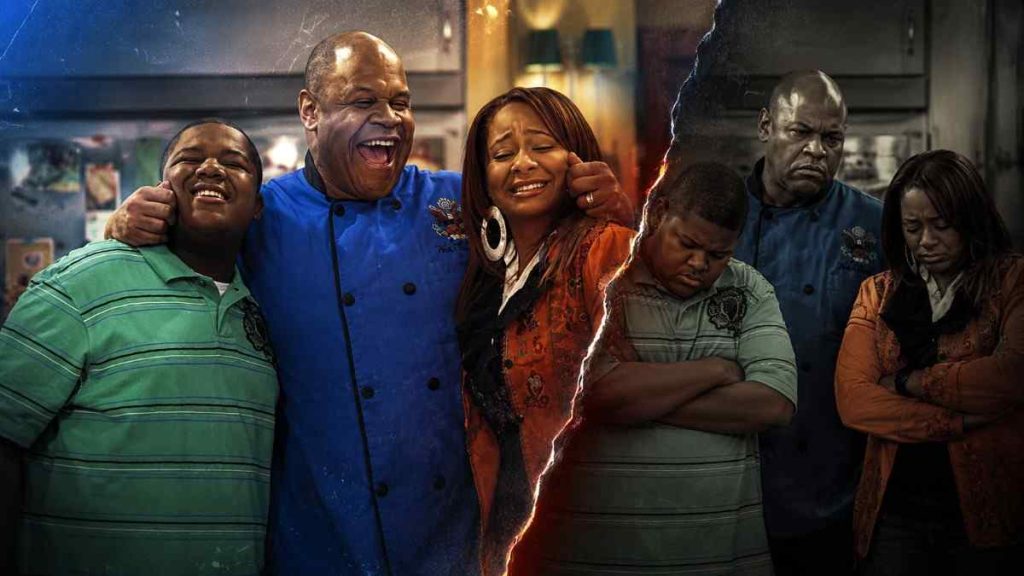
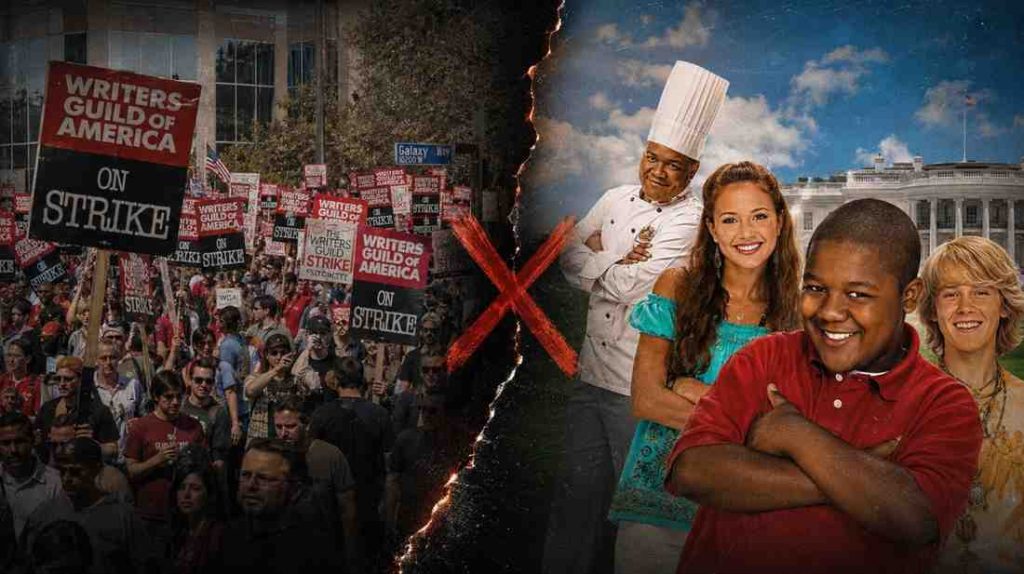
The Writers Guild of America strike began on November 5, 2007 and ran until February 12, 2008. It was the longest WGA strike since 1988. Hundreds of scripted TV shows across every major network and cable channel stopped production. Late night went dark. Dramas lost full seasons. Sitcoms sat in limbo.
For Cory in the House, the strike didn’t just pause production. It landed on a show that, as covered above, was already in an unstable position.
When the strike settled, production companies went back to their networks with plans to resume. Some shows came back. Some didn’t. Disney’s answer for Cory in the House was final. Rinsler described it this way: “When it came time to settle the strike, and get back to work, the network said to us, ‘no more, we’re done,’ and Cory was cancelled.”
That quote is the cleanest answer to the cancellation question. Disney did not cancel the show because it was failing. Disney decided not to restart it when they had the choice. There’s a meaningful difference between those two things.
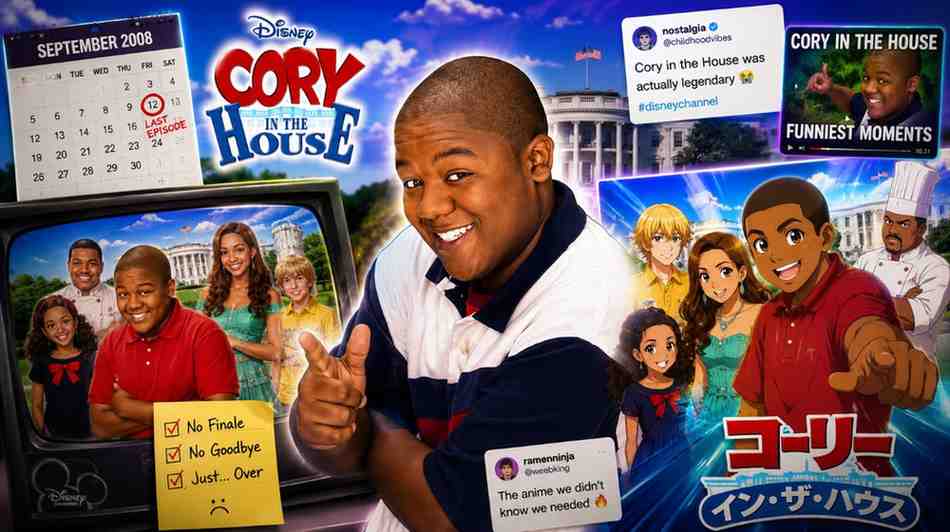
The strike created a natural stopping point that gave the network a clean exit. No messy mid-season cancellation, no awkward public statement. The strike stopped production, and Disney simply declined to resume it. The last episode aired in September 2008, and there was no finale.
Why Disney Didn’t Bring It Back When They Could Have
This is the question most articles don’t ask. If the show wasn’t failing, and the strike was just a pause, why did Disney choose not to restart it?
Disney’s Slate Had Changed Significantly by Early 2008
By the time the strike settled in February 2008, Disney Channel’s programming lineup looked very different from when Cory in the House launched in January 2007.
- Hannah Montana was a certified phenomenon, with a concert film grossing over $65 million in theaters in February 2008.
- Wizards of Waverly Place had premiered in July 2007 and was already building a strong audience with Selena Gomez.
- The Jonas Brothers were being developed into a full media franchise.
- The Cheetah Girls franchise continued to perform well across films and merchandise.
Disney was in an accelerating cycle of new tween properties. The network had more content competing for the same time slots than it did when Cory launched.
A Spin-Off Without Its Original Anchor Is a Tougher Sell
Cory in the House had to succeed on Kyle Massey’s charisma and a new supporting cast, in a White House setting, without the character who originally made audiences care about Cory Baxter. Raven-Symoné’s absence wasn’t a disaster in season one. It became a structural limitation when the show needed someone to champion its return.
The Production History Made It a Complicated Pitch
Coming back from a strike break is one thing. Coming back from a strike break with unresolved legal tension in the production history is a harder pitch to any network’s programming team. Disney had no shortage of clean-slate options with strong new properties ready to fill that slot.
This is triage. It is not a creative verdict on what the show was. The show was cancelled because Disney had more options than it had problems, and restarting Cory in the House fell below the line.
Kyle Massey and What Happened After the Show
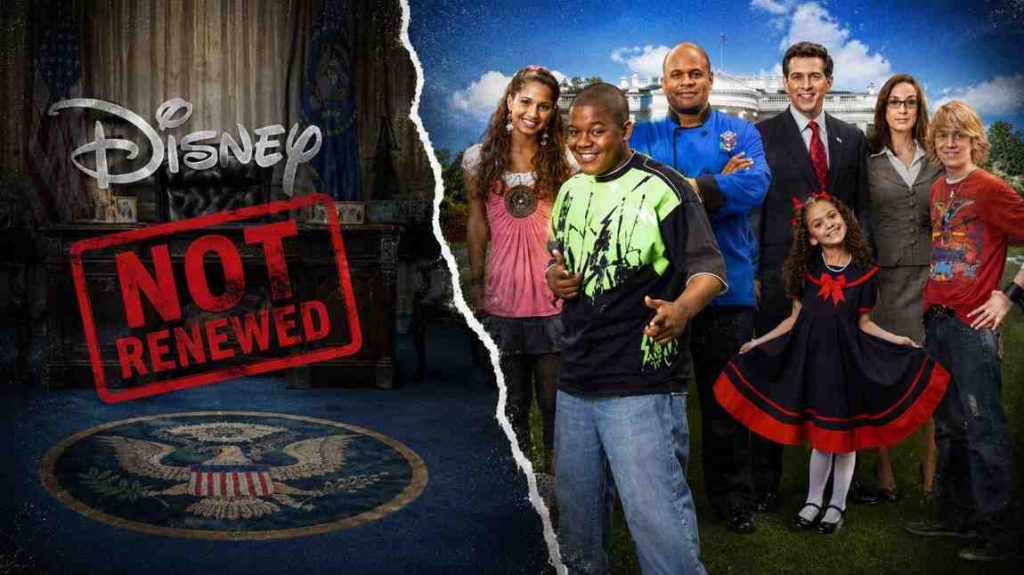
Kyle Massey was 16 years old when Cory in the House premiered in 2007. After the show ended, he continued working in television and entertainment. He competed on Dancing with the Stars in Season 11 in 2010 and appeared in other projects over the following years.
In 2019, a civil lawsuit alleged that Massey had sent explicit material to a minor. In 2021, criminal charges were filed related to those allegations, which stem from conduct alleged to have occurred in 2018 and 2019.
The timeline here is not ambiguous. The show was cancelled in 2008. The alleged conduct dates to 2018 and 2019, a full decade later. The charges have no connection to why the show ended.
The ongoing consequence that does touch the show’s legacy is Disney+. Cory in the House has not been added to the Disney+ streaming library. The Disney Fandom wiki and various fan discussions point to the Massey charges as the likely reason Disney has withheld the show from the platform. That is a separate situation from the 2008 cancellation. It affects access to the show now, but it did not cause the cancellation then.
These are two different stories occupying the same Google search. The cancellation story ends in 2008. The streaming absence story begins in 2021.
The Legacy of Cory in the House, Including That Anime Thing
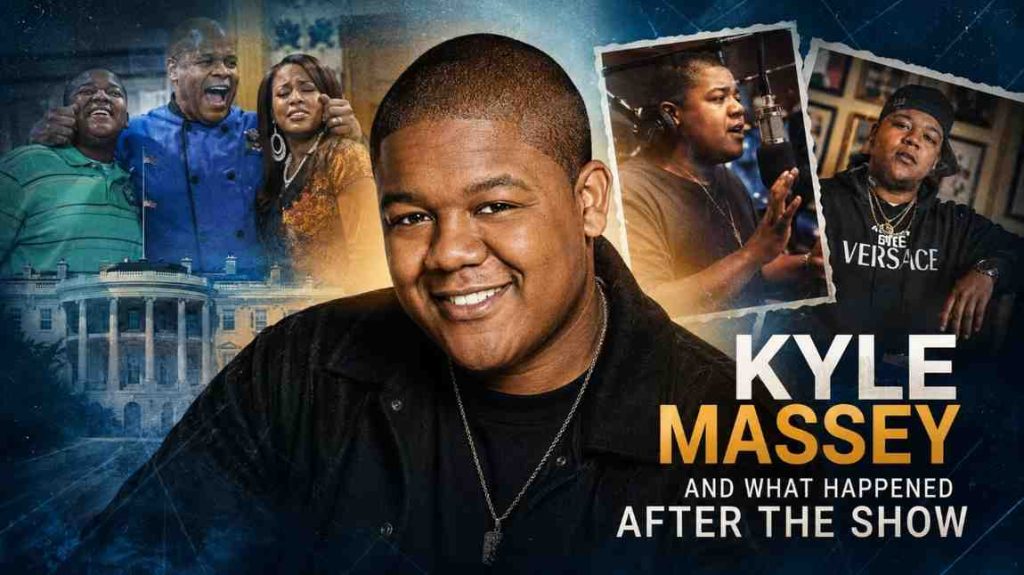
The show ended without a proper finale. September 2008, the last episode aired, and that was it. No resolution, no cast send-off, no acknowledgment that this was goodbye.
For a few years, Cory in the House existed mostly as a nostalgia footnote for millennials who remembered watching it as kids. Then the internet found it again.
How the Anime Meme Started
The show’s opening sequence was animated in a style that genuinely resembled a Saturday morning anime intro. Bright colors, exaggerated character movements, and a theme song with the kind of energy that wouldn’t sound out of place over a shonen battle sequence. Someone on the internet clocked this, and the joke took off.
By the early 2010s, “Cory in the House is the greatest anime of all time” had become a fully formed internet bit. It spawned fan edits that presented clips from the show in anime tier lists alongside Attack on Titan and Fullmetal Alchemist. It generated deadpan arguments on forums about whether Cory Baxter’s character arc qualified as a redemption narrative in the classical anime tradition. The meme committed completely to the premise.
Why the Meme Lasted
The joke worked because it wasn’t entirely a joke. The opening sequence really does look like an anime intro. The absurdity of a live-action Disney Channel sitcom being treated with the critical seriousness of a beloved animated series was funny, but the foundation wasn’t random. There was something real there to play with.
The meme became one of the more durable pieces of early 2010s internet nostalgia, well past the point where most Disney Channel callback humor had faded. It gave the show a second life that no planned finale could have manufactured.
Cory in the House is not on Disney+ right now. Fans who want to revisit it are tracking it down through alternate means. That absence has probably made the nostalgia louder, not quieter. The show you can’t easily watch becomes the show you remember more fondly. The Brink! cast has had a similar nostalgia experience staying alive long after shows stopped airing.
Disney walked away from this show in 2008 because it made business sense at the time. The audience kept talking about it anyway. That’s the actual legacy.
FAQ
Was Cory in the House cancelled because of low ratings?
No. The show averaged between 4 and 5 million viewers per episode during its run on Disney Channel in 2007 and 2008. For a cable tween sitcom competing in that slot during that era, those numbers were competitive, not weak. Low ratings were not a factor in the cancellation. The causes were a behind-the-scenes accident, a threatened lawsuit, the Writers Guild of America strike, and Disney’s decision not to restart production after the strike settled.
Did the writers’ strike directly cancel Cory in the House?
The strike halted production and created the window in which Disney made its final decision. When the WGA strike settled in February 2008, production companies went back to networks to resume their shows. Disney told the Cory in the House producers it was done. Executive producer Dennis Rinsler confirmed this directly, saying the network told them “no more, we’re done” when it came time to get back to work. The strike stopped production, but Disney’s refusal to restart it was the actual cancellation.
Did Kyle Massey’s legal issues cause Cory in the House to get cancelled?
No. The show was cancelled in 2008. The allegations against Massey relate to conduct alleged to have occurred in 2018 and 2019, roughly a decade after the show ended. The criminal charges were filed in 2021. There is no timeline on which these events connect to the cancellation. The charges do appear to be the reason Cory in the House has not been added to Disney+, which is a separate and more recent situation.
Why isn’t Cory in the House on Disney+?
Disney has not issued a formal statement explaining the show’s absence from its streaming platform. The explanation most consistently cited in fan communities and Disney Fandom wiki documentation points to Kyle Massey’s 2021 criminal charges as the reason Disney has chosen not to promote the show on its flagship service. This has nothing to do with the 2008 cancellation and everything to do with Disney’s current decisions about which legacy content to surface.
What is the Cory in the House anime meme and where did it come from?
The meme originated from the show’s opening animated sequence, which used a visual style that genuinely resembled a Saturday morning anime intro. Sometime in the early 2010s, this became the basis for the running internet joke that Cory in the House should be ranked among the greatest anime of all time. The meme committed to the premise completely, spawning fan edits, tier list debates, and deadpan forum arguments. It became one of the more durable Disney Channel nostalgia memes and has outlasted the show’s original run by more than fifteen years.
Was Cory in the House actually a good show, or is the nostalgia inflated?
The show was a well-produced Disney Channel sitcom that performed strongly for its time slot and had a genuinely funny premise. Placing Cory Baxter in the White House gave writers room for political satire dialed down to a tween audience, and Kyle Massey carried the lead role with enough energy to hold 4 to 5 million viewers per week for two seasons. The nostalgia is not built on nothing. The anime meme amplified it, but the foundation is a show that was cancelled by circumstance, not by failure.
Could Cory in the House ever come back?
A reboot would require Disney to actively choose to revisit a property it hasn’t streamed in years, involving a lead actor with ongoing legal complications. The cast has grown up. Madison Pettis, who played the President’s daughter Newt, is now in her late twenties. Kyle Massey’s situation makes any Disney-backed revival unlikely in the near term. A reboot isn’t impossible in a TV landscape that has revived everything from Lizzie McGuire to Saved by the Bell, but there are no announced plans and no public momentum toward one.
The Business Decision That the Internet Never Forgave
The part of this story that tends to get lost is that Cory in the House wasn’t cancelled because it was failing. It was cancelled because Disney, in early 2008, had a programming slate full of new properties, a show that had experienced an accident, a lawsuit threat, and a strike pause, and a clean exit presented by the end of the WGA walkout. The math favored moving on.
That kind of business triage happens constantly in television. Shows with good ratings get cancelled because networks have moved on. The audience for Cory in the House just happened to be a generation that grew up with the internet, and they kept the conversation alive in ways Disney didn’t plan for and certainly didn’t deserve.
The anime meme is the most visible version of that, but the real legacy is simpler: people liked this show, the show was taken away without an explanation, and they never really accepted that. Fifteen years of nostalgia content is the audience’s answer to a network that didn’t bother to say goodbye.