TL;DR
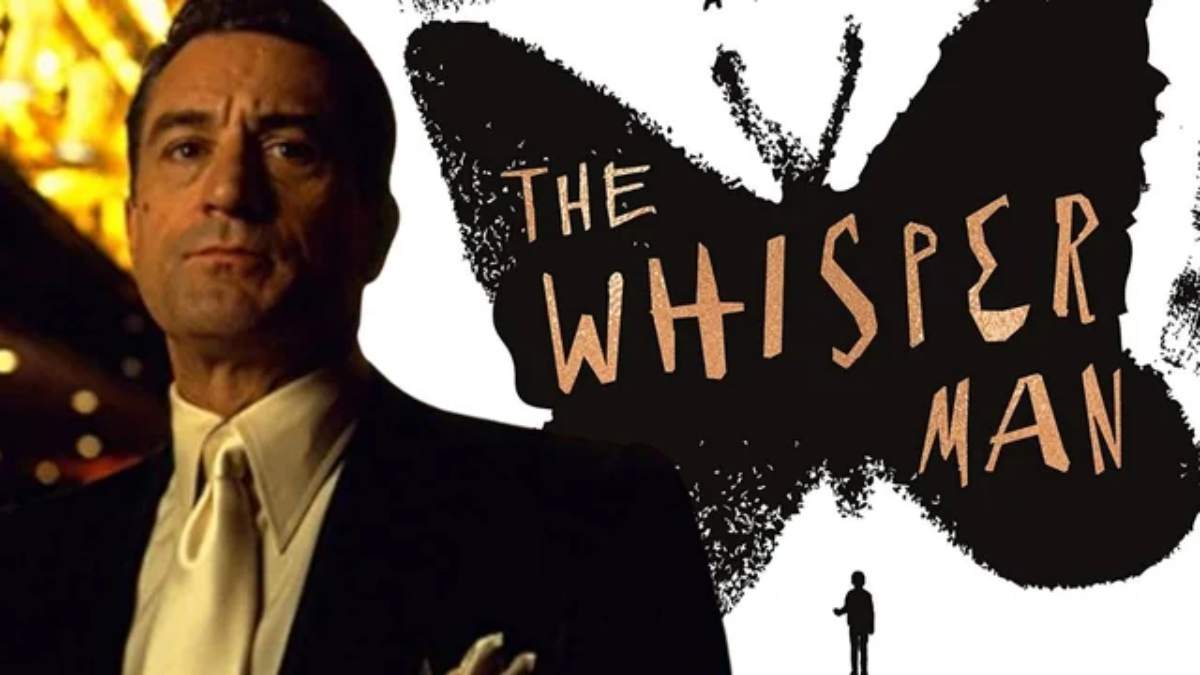
- The movie adaptation of Alex North’s The Whisper Man compresses the novel’s dual timeline into a single, faster moving plot.
- Detective Amanda Beck’s backstory gets trimmed significantly in the film, cutting most of her personal life from the book.
- The novel spends far more time inside Jake’s head, using his imaginary friend Gingerbread Man as a recurring narrative device that the film uses more sparingly.
- Frank Carter’s death row scenes are shortened on screen, which changes how much the audience understands about his motives.
- The ending resolves the same way in both versions, but the movie reaches it with less setup and fewer red herrings.
- Readers who finished the book first tend to notice the pacing changes more than viewers who watched the movie cold.
If you read Alex North’s The Whisper Man and then queued up the adaptation expecting a scene by scene match, you probably noticed the gaps almost immediately. The movie keeps the bones of the story, a grieving father and son moving into a house tied to a decades old child murder case, but it trims the novel’s slower, more internal chapters to fit a runtime. The short answer: the plot stays intact, but the character depth, especially around Amanda Beck and young Jake, takes the biggest hit.
This piece breaks down exactly what changed, what stayed the same, and which version handles which parts of the story better.
What Is The Whisper Man About?
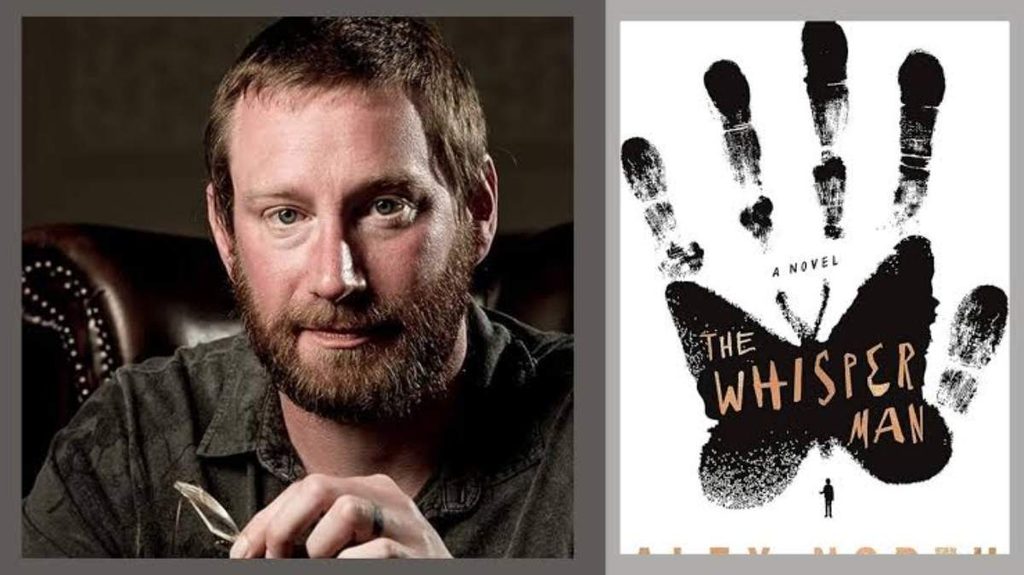
The Whisper Man follows Tom Kennedy and his seven-year-old son Jake as they move to the town of Featherbank after the death of Jake’s mother. The house they buy sits near the site of child abductions committed years earlier by a killer known as The Whisper Man, currently in prison. When a local boy goes missing using the same method, Tom and Jake get pulled into the investigation alongside Detective Amanda Beck.
The story alternates between Tom’s perspective, Jake’s perspective, and the imprisoned killer Frank Carter’s death row chapters. That structure is the first thing the adaptation changes.

How Closely Does the Movie Follow the Book’s Plot?
The movie follows the book’s central plot closely: a father and son move into a house connected to a child killer, a new abduction echoes the old case, and the investigation exposes a second, still active perpetrator working in the killer’s shadow. What the film cuts is the scaffolding around that plot, particularly the slower first act that builds Tom and Jake’s grief before the mystery kicks in.
Readers who found the book’s opening chapters slow will likely prefer the movie’s pacing. Readers who valued that slow build as character work will feel like something is missing.
Why Does Amanda Beck Feel Like a Different Character on Screen?
Amanda Beck loses most of her personal backstory in the movie, including the subplot involving her father and her strained relationships outside work. The novel uses those threads to explain why she throws herself into the case with the intensity she does. The film keeps her competent and driven but gives her far less interior life to justify it.
This is the single biggest character casualty in the adaptation. In the book, Beck is arguably as central as Tom. In the movie, she functions closer to a supporting investigator who moves the plot forward rather than a character with her own arc. Viewers who watch the movie first often report liking Beck in the book more, once they see how much of her was cut.
What Happens to Jake’s Imaginary Friend, the Gingerbread Man?
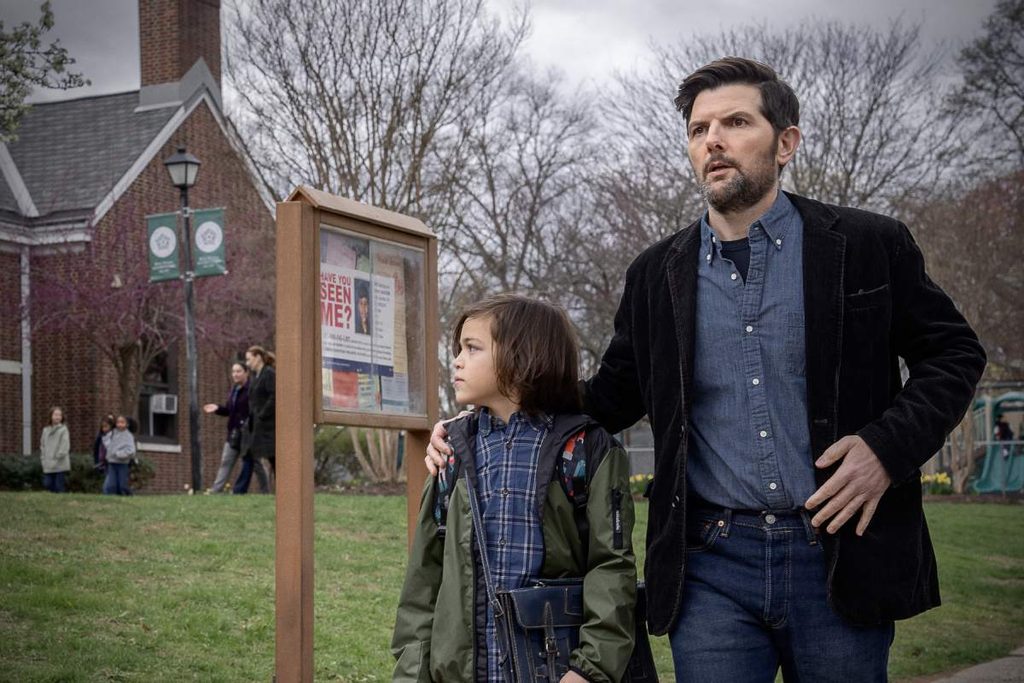
Jake’s imaginary friend, the Gingerbread Man, appears in both versions but does far more narrative work in the novel. In the book, Jake’s conversations with the Gingerbread Man are a recurring device that reveals what Jake notices and fears before the adults catch up, including details that end up mattering to the investigation. The movie keeps the character as a visual and emotional touch but relies on it less for plot delivery.
This change tracks with the film’s overall approach. Anything that lived primarily in a character’s internal monologue in the book had to either become dialogue, become a visual cue, or get cut. Jake’s inner world took the biggest cut of any single element in the story.
Does Frank Carter Get the Same Amount of Screen Time as Page Time?
Frank Carter’s chapters get shortened considerably in the adaptation, which changes how much the audience understands about his motives before the final reveal. The book spends real time inside his death row perspective, which does two things: it humanizes him slightly, and it plants information the reader needs to understand the twist involving his son. The movie keeps the twist but delivers less of the groundwork, meaning the reveal lands faster but with less emotional weight.
Readers who found Carter’s sections in the book unsettling in a specific, patient way will notice the movie moves through his material more efficiently. That efficiency is a trade-off, not a flaw. It serves the runtime, but it also flattens one of the novel’s more disturbing threads.
Comparison Table: Book vs Movie
| Story Element | The Whisper Man (Book) | The Whisper Man (Movie) |
|---|---|---|
| Narrative structure | Three alternating perspectives: Tom, Jake, and Frank Carter | Primarily Tom and Jake’s perspective, condensed |
| Amanda Beck’s backstory | Extensive, includes family subplot | Minimal, focused on case work only |
| Gingerbread Man’s role | Recurring narrative device revealing Jake’s fears and clues | Present but used more sparingly |
| Frank Carter’s death row chapters | Detailed, builds motive and context | Shortened, motive delivered faster |
| Pacing of act one | Slow build focused on grief and setting | Faster entry into the central mystery |
| Ending | Full resolution with detailed aftermath | Same resolution, delivered more quickly |
Which Ending Changes the Most Between Versions?
The core resolution, who is responsible for the abductions and how Tom and Jake survive the final confrontation, stays the same in both versions. What changes is the aftermath. The book spends more time on how Beck, Tom, and Jake process what happened, while the movie wraps up faster once the immediate danger resolves.
This is consistent with the adaptation’s overall strategy. Nothing essential to the plot gets removed. The parts that get cut are almost always the reflective, slower moments that let characters sit with what just happened. If you finish the movie feeling like the ending arrived quickly, that instinct is correct.
Should You Read the Book or Watch the Movie First?
Read the book first if you want the full version of Amanda Beck, Jake’s internal world, and Frank Carter’s psychology, because the movie will then read as a faithful but streamlined companion. Watch the movie first if you want a faster, plot forward introduction to the story, because the book will then feel like a rich expansion rather than a repeat. Neither order ruins the twist, since the central mystery unfolds the same way in both.
The exception is if you are specifically drawn to psychological detail over plot mechanics. In that case, skip the movie entirely or treat it as a footnote. The book is doing work the film structurally cannot replicate in a two hour runtime.
If you liked how The Whisper Man handles a killer’s perspective without excusing him, our breakdown of true crime cases that inspired modern thrillers covers a few real cases with similar dynamics. And if Amanda Beck’s cut backstory bothered you as much as it bothers most readers, our piece on detective characters who got shortchanged in adaptations digs into the pattern across other book to screen projects.
What Does the Movie Cut That Book Fans Miss Most?
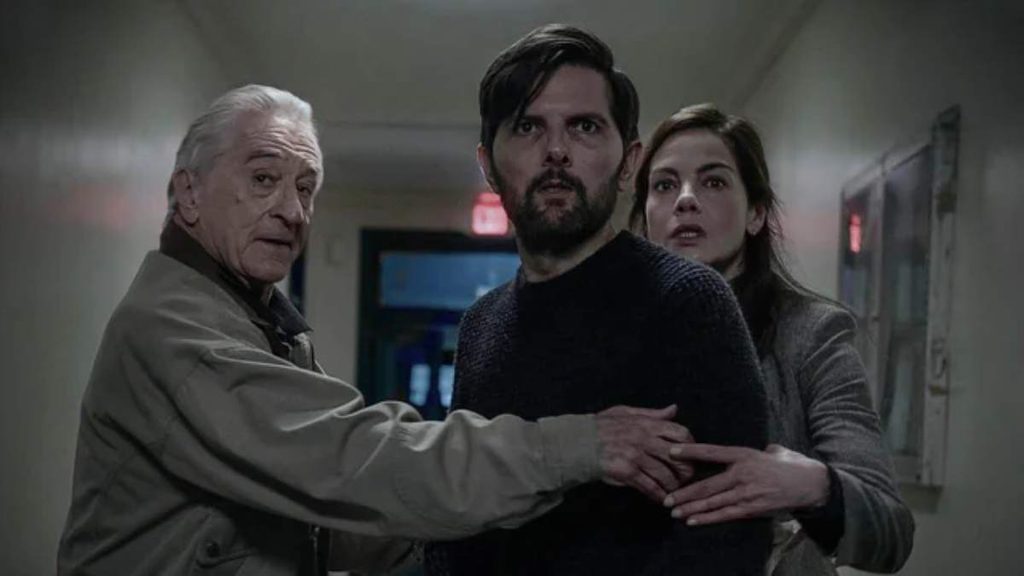
Book fans most often name Amanda Beck’s personal backstory and the slower first act as the cuts they feel most. Both changes serve pacing, but both also remove context that made the novel’s characters feel fully formed rather than functional. If you are choosing which version to recommend to a friend who loves character driven thrillers, point them to the book first.
For readers who want the mystery without the emotional detail work, the movie is a legitimate shortcut, not a lesser version. It is simply a different tool built for a different kind of attention span. Readers debating which psychological thriller to pick up next might also want our rundown of the best psychological thriller novels with unreliable narrators, since North’s structure shares some DNA with that list.
FAQ
Is the movie version of The Whisper Man the same story as the book?
Yes, the movie tells the same core story as the book, including the central mystery and its resolution. The main differences are in pacing and character depth, with the film cutting Amanda Beck’s backstory and shortening Frank Carter’s death row chapters significantly.
Does the Gingerbread Man mean the same thing in both versions?
The Gingerbread Man functions as Jake’s imaginary friend in both the book and the movie, but the novel uses him more heavily as a device to reveal Jake’s fears and hidden clues. The movie keeps him as an emotional touch without leaning on him for as much plot delivery.
Why does Amanda Beck feel less developed in the movie?
Amanda Beck feels less developed in the movie because the adaptation removes most of her personal backstory, including her family subplot from the novel. The film keeps her professional role intact but strips the context that explains her motivation in the book.
Does the ending change between the book and the movie?
The ending’s core resolution stays the same in both versions, with the same responsible party and the same outcome for Tom and Jake. The book spends more time on the aftermath, while the movie moves through the final scenes more quickly.
Should I read The Whisper Man before watching the movie?
Reading the book first is the better order if you want the fullest version of the characters, particularly Amanda Beck and Frank Carter, before seeing the streamlined film adaptation. Watching the movie first works fine if you prefer a faster introduction to the plot before diving into the novel’s added depth.