Why Thirteen Reasons Why Draws Criticism, and What “Handled Better” Actually Means Here
Thirteen Reasons Why has been criticized by mental health professionals for building its entire plot around a linear list of blame, and the Netflix adaptation drew specific concern for showing the suicide method on screen, something safe-messaging guidance for media generally advises against. Netflix later edited that scene after the backlash, according to widespread coverage at the time.
For this list, “handled better” means a book that centers recovery, help-seeking, or the survivor’s own interior life instead of a tidy chain of who’s to blame. It means the method isn’t narrated in graphic detail. It means the character in crisis gets agency beyond the moment of their death, not just a posthumous audio tour of everyone who wronged them.
That standard is a filter, not a guarantee. A few picks on this list still carry heavy content notes of their own, and one of them has drawn its own criticism for how its ending handles the subject. The point isn’t that every book here is flawless. The point is that each one was chosen because it does something with the subject that Thirteen Reasons Why’s tape structure specifically does not.
Every entry below carries the same content-note key so you can scan for what matters to you. Suicide content is marked none, referenced, or central. Violence is marked none, moderate, or graphic. Spice is marked none, closed-door, or open-door. Age band is marked middle grade, YA, new adult, or adult.
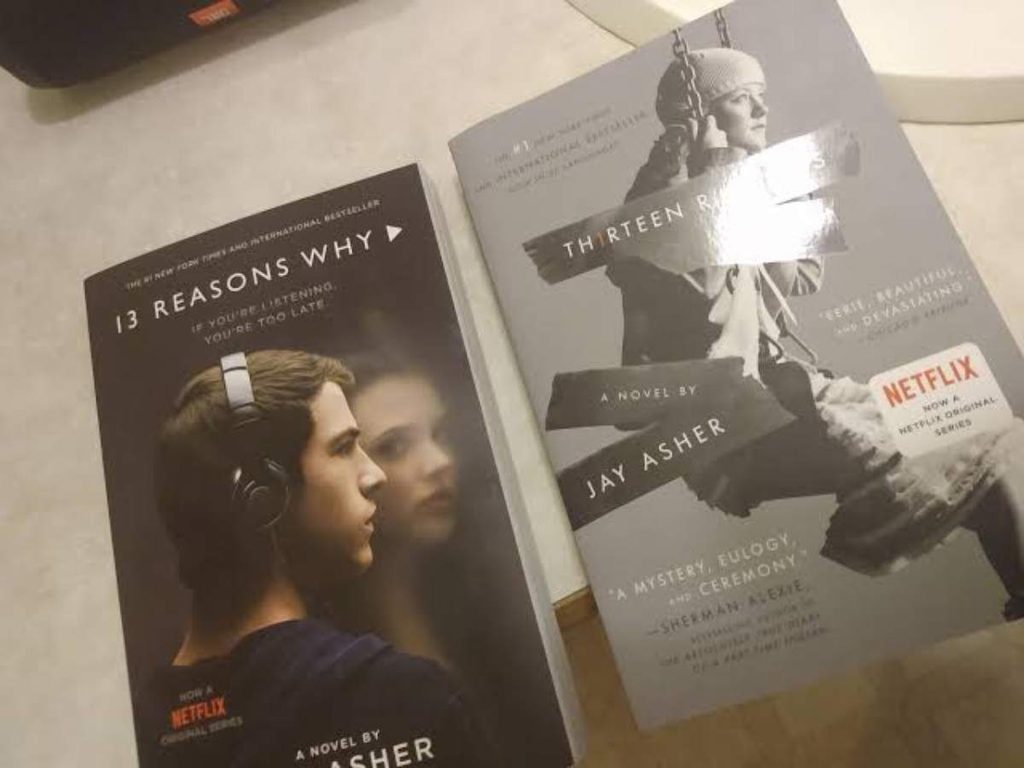
If You Loved the Mystery Structure, Try These Whodunit-Style Readalikes
Readers who got hooked piecing together why Hannah made her tapes want a book built the same way: an investigation with a body or a disappearance at the center, not a straight grief narrative. These three swap the tape format for a whodunit engine while keeping the same “figure out what really happened” pull.
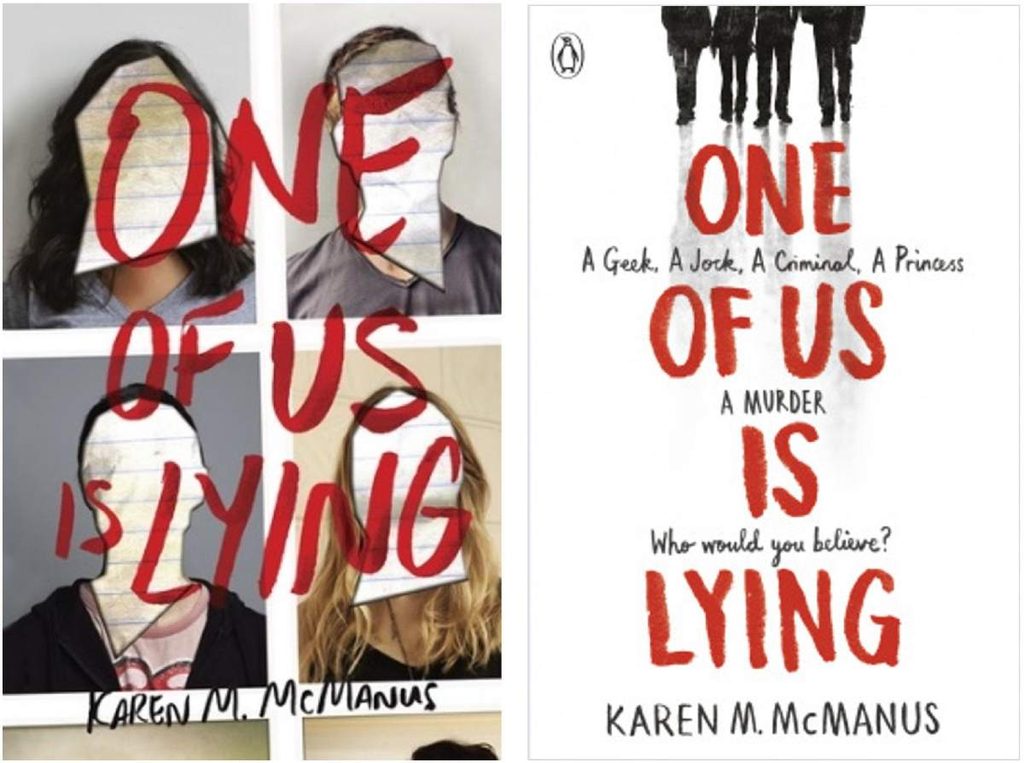
One of Us Is Lying by Karen McManus (2017) puts four suspects around one dead classmate and unfolds the mystery through rotating narrators, the same way Clay reconstructs Hannah’s story piece by piece. The suicide element here stays in the background of one character’s backstory rather than driving the central case, which makes it a gentler entry point than most of the others in this section. Content note: suicide content referenced through a character’s backstory, violence moderate, spice none, age band YA (13+).
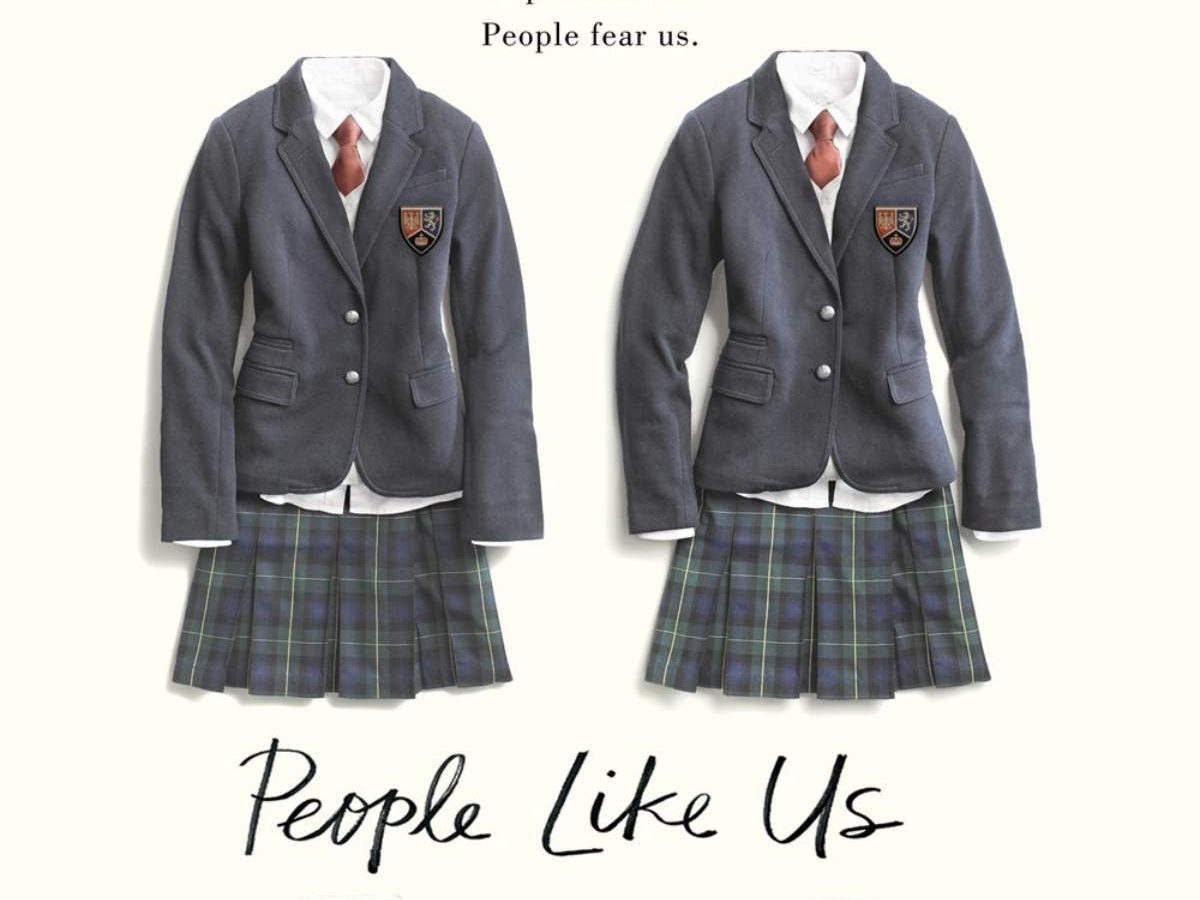
People Like Us by Dana Mele (2018) centers a coded scavenger hunt left behind by a dead classmate that implicates the protagonist, echoing how Hannah’s tapes implicate Clay and twelve other people. Unlike One of Us Is Lying, the suicide is not incidental here. It sits at the center of the mystery the same way it sits at the center of Thirteen Reasons Why, which makes this the closer thematic match of the two. Content note: suicide content central to the mystery, violence moderate, spice closed-door, age band YA (14+).
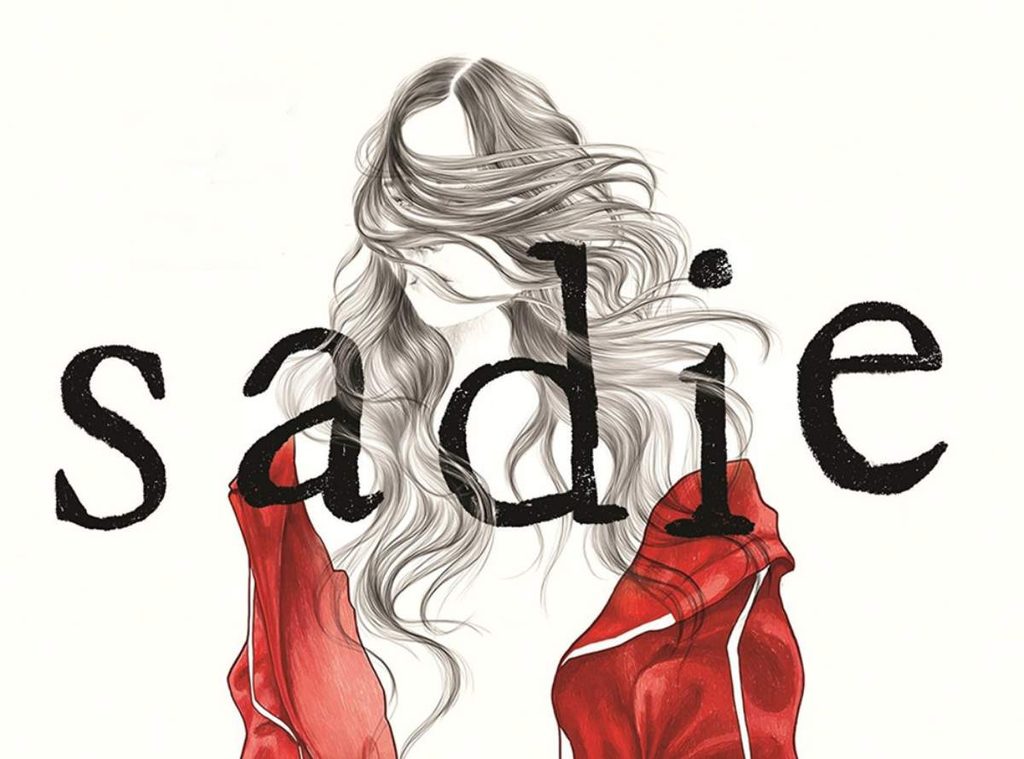
Sadie by Courtney Summers (2018) uses a true-crime podcast format to investigate a teenage girl’s disappearance and murder, giving you the same layered-testimony, audio-driven feel as Hannah’s cassette tapes, but built around a missing-persons and homicide case rather than a suicide. The content note below marks suicide content as none deliberately: the tragedy driving this book is abuse and violence, not suicide, and readers looking specifically for suicide-adjacent content should treat this as the format match, not the subject match. Content note: suicide content none (the case is a disappearance and murder, not suicide), violence graphic (references to abuse), spice none, age band older YA to adult crossover (16+).
If the Multiple-Perspective, Tape-by-Tape Format Was the Hook
The structure of Thirteen Reasons Why, alternating narrators building one story from fragments, is its own draw separate from the subject matter. These two books use that exact device without leaning on a suicide plot to justify it.
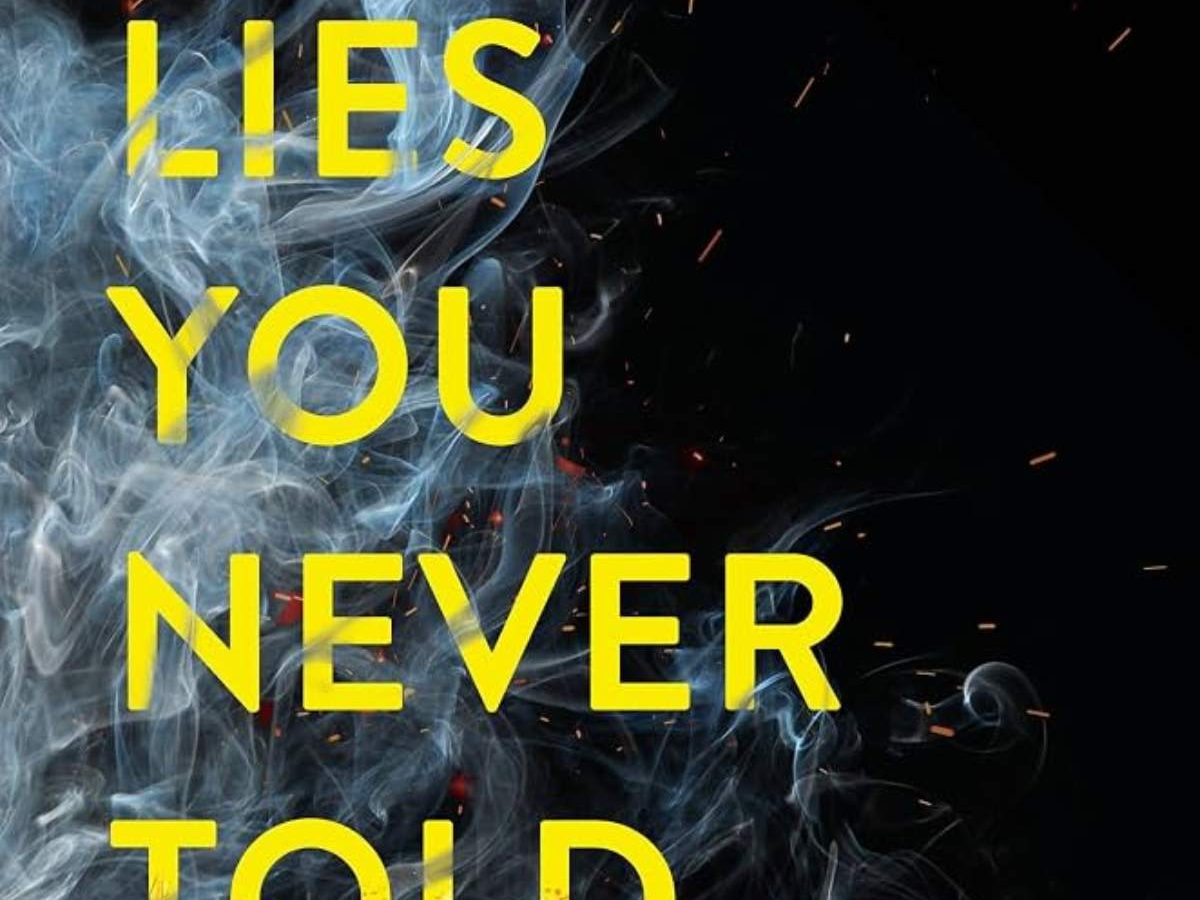
Lies You Never Told Me by Jennifer Donaldson (2018) runs two parallel narratives that don’t appear connected until they collide, mirroring how Hannah’s and Clay’s timelines interlock throughout the original book. Readers who liked the slow reveal of how Clay’s story and Hannah’s tapes fit together will recognize the same delayed-payoff structure here, just applied to a different kind of secret. Content note: suicide content not confirmed at the outset (twist-dependent), violence moderate, spice closed-door, age band YA (14+).
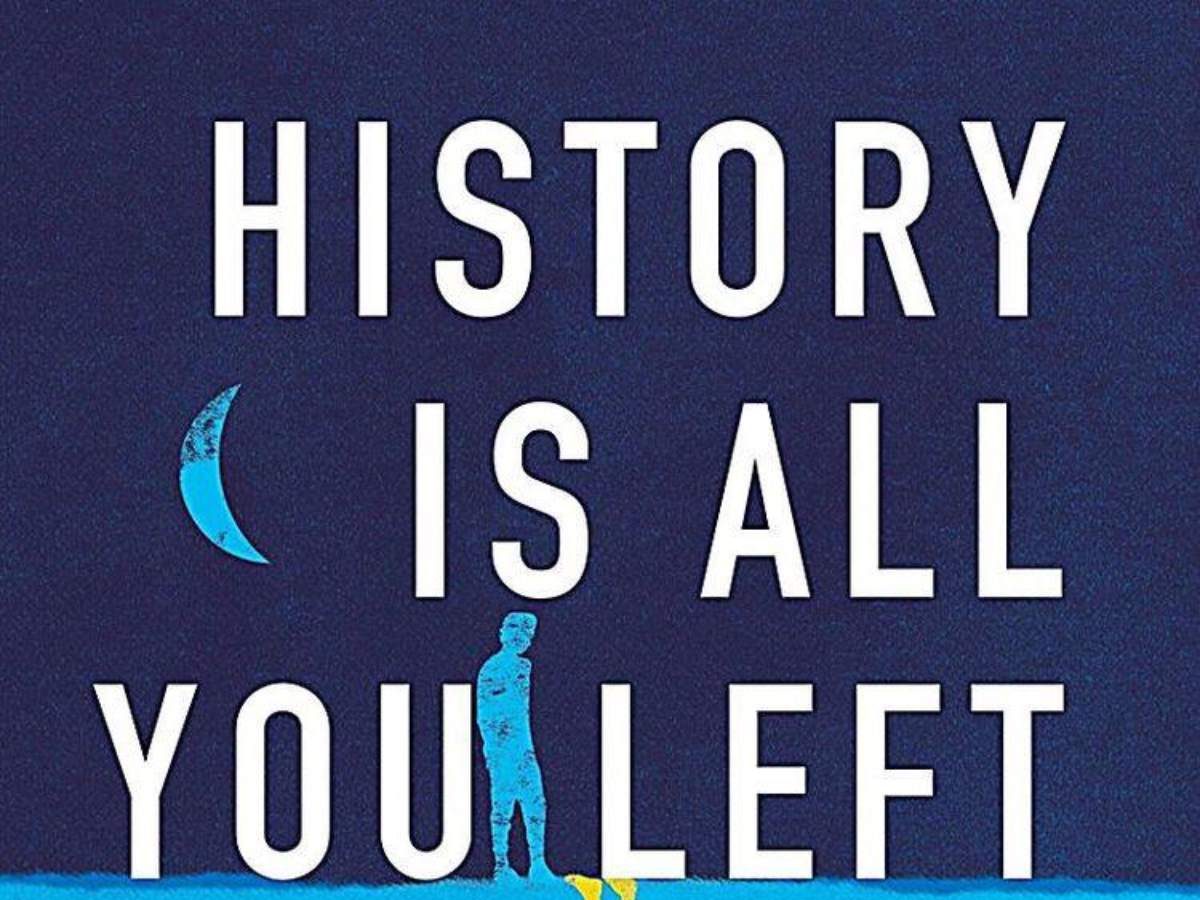
History Is All You Left Me by Adam Silvera (2017) follows a narrator processing an ex’s death by cutting between past and present chapters, the same then-and-now structure that gives Hannah’s tapes their weight. Where Thirteen Reasons Why uses that structure to build toward blame, this book uses it to build toward understanding, which is the clearest difference between the two for readers who wanted less anger and more grief. Content note: suicide content referenced but not central, violence none, spice closed-door, age band YA (14+).
If You Want the Grief and Suicide Content Handled With More Care
These three center what happens after a death or a mental health crisis, including actual recovery, rather than building the entire plot around who’s to blame. This is the bucket for readers who wanted Thirteen Reasons Why to spend less time on the tapes and more time inside the aftermath.
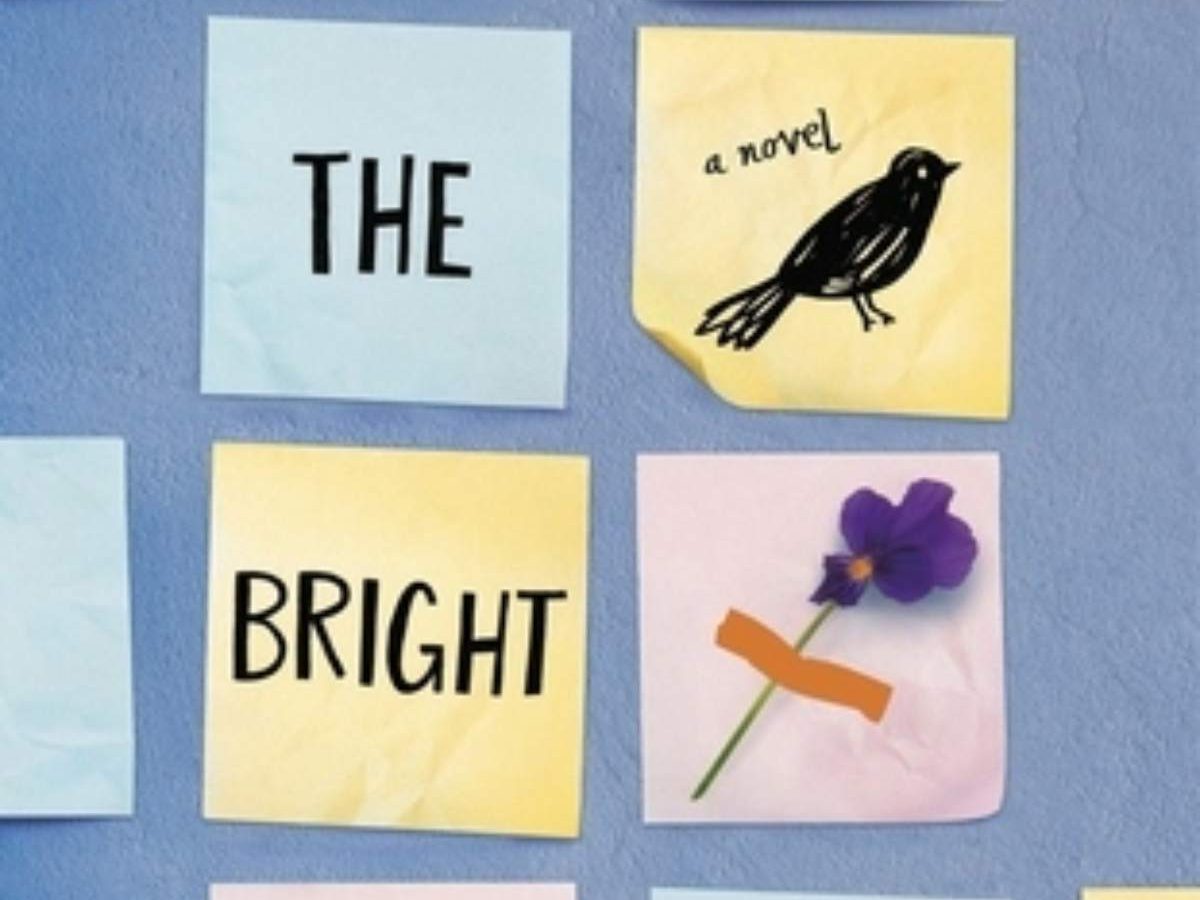
All the Bright Places by Jennifer Niven (2015) covers the same emotional territory as Hannah’s story, a teen in crisis, but tells it from inside his own mind instead of through someone else’s recording. That interior vantage point is exactly what Thirteen Reasons Why withholds from Hannah herself, and it is the single biggest structural difference between the two books. Content note: suicide content central, violence none, spice closed-door, age band YA (14+). This title has also drawn its own criticism over how its ending lands, so treat it as a strong pick rather than a flawless one.
We Are Okay by Nina LaCour (2017) sits with grief processed in isolation, the same aftermath Clay experiences, but the book stays with the survivor’s slow rebuilding instead of a list of who’s to blame. There is no mystery to solve and no one to blame here, just a quiet, controlled study of what recovery actually looks like day to day. Content note: suicide content none (grief from death, not suicide), violence none, spice closed-door, age band YA (14+).
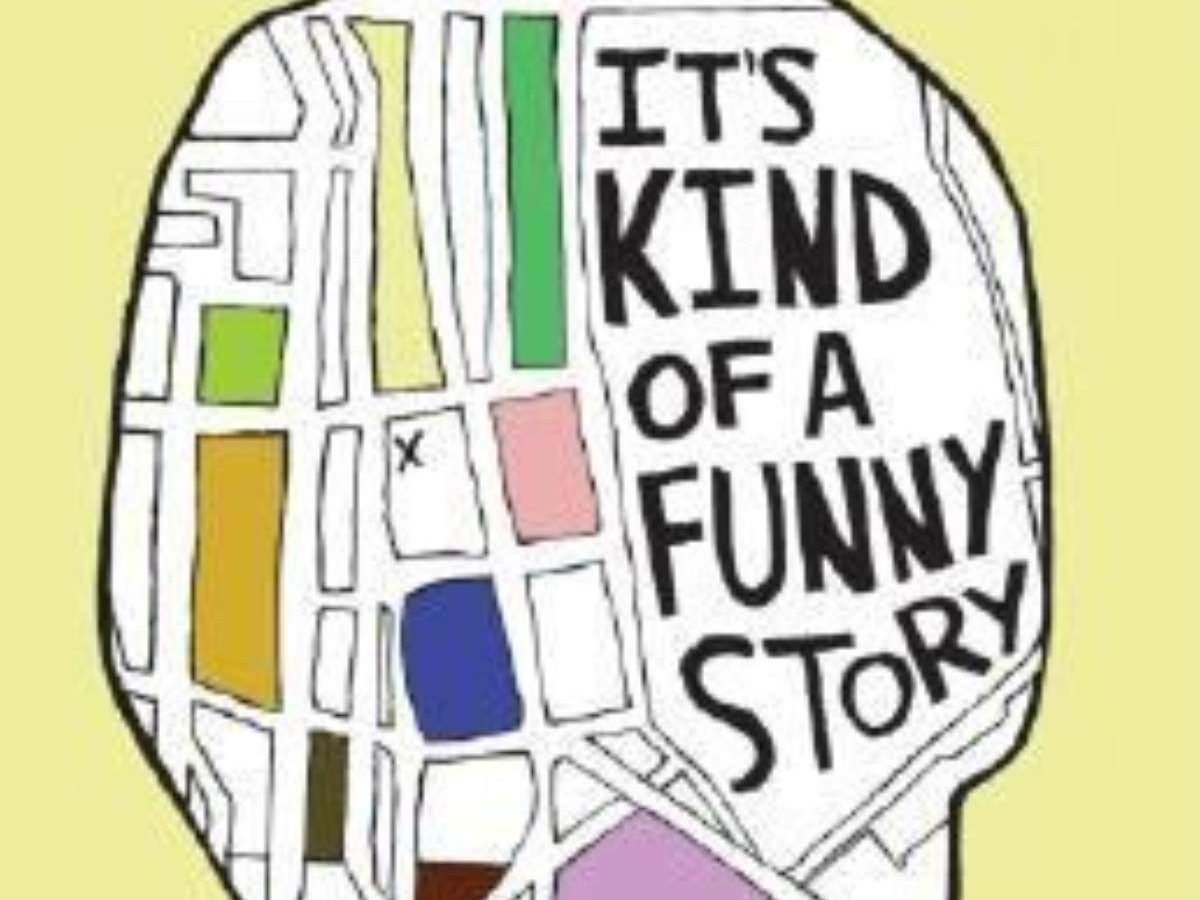
It’s Kind of a Funny Story by Ned Vizzini (2006) follows a narrator in suicidal crisis who checks himself into treatment, giving readers the interior view Thirteen Reasons Why never provides for Hannah herself. It is also the pick on this list that comes closest to the “handled better” standard defined earlier, since it centers help-seeking rather than blame from its opening pages. Content note: suicide content central, but no method narrated, violence none, spice none, age band YA (14+).
If the Bullying and “Why Did Nobody Stop This” Anger Was the Draw
Readers who finished Thirteen Reasons Why furious at the thirteen people on the tapes want a book that digs into how a school lets cruelty spiral, not just what happens after. These three sit inside that anger instead of resolving it too quickly.
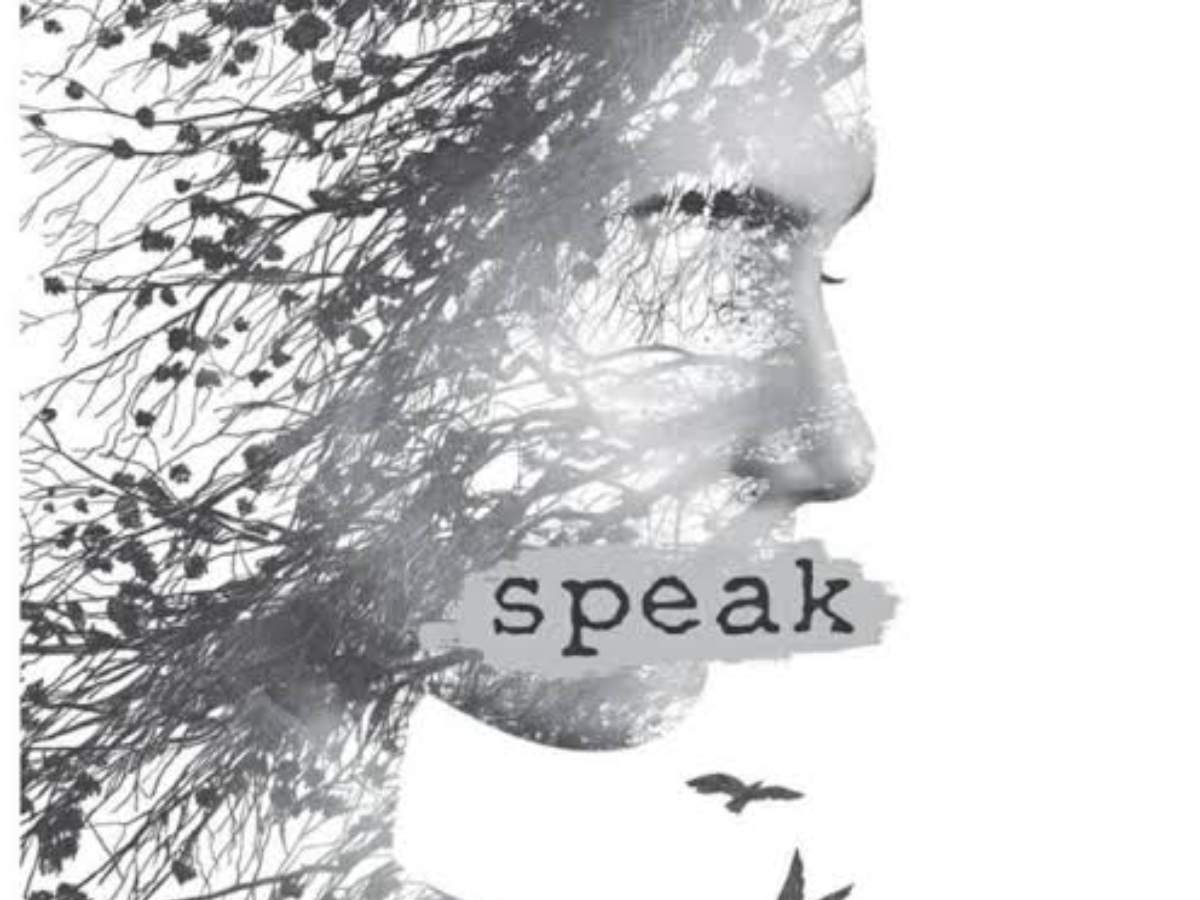
Speak by Laurie Halse Anderson (1999) follows a girl silenced by trauma and social exile, the same isolation Hannah describes on her tapes, but centered on assault rather than a tape-based blame structure. If you want to see how a content-note system handles a completely different genre, our YA spice guide applies the same spice, violence, and age-band framework to romance instead of grief-driven YA, which is a useful comparison once you notice how differently the same categories play out. Content note: suicide content none, violence sexual assault (not graphic), spice none, age band YA (13+).
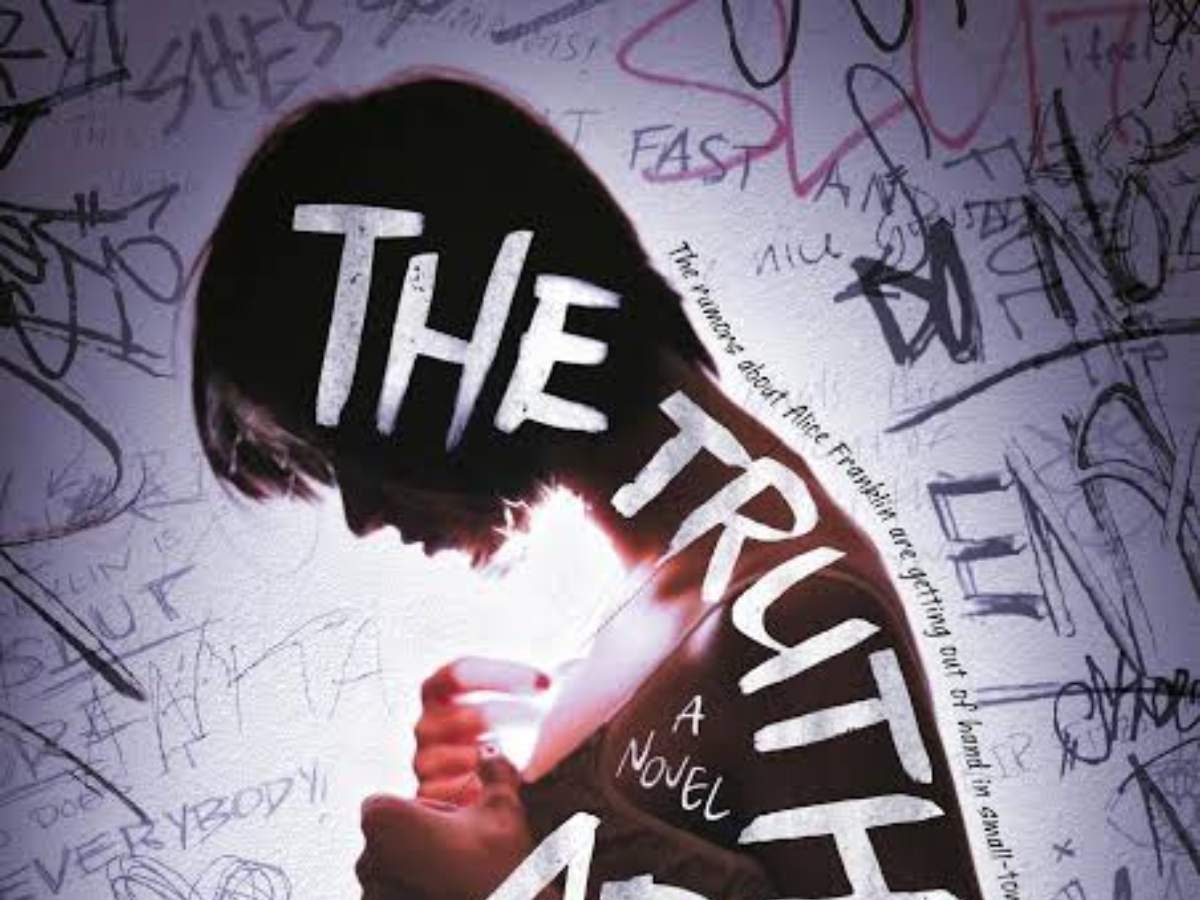
The Truth About Alice by Jennifer Mathieu (2014) uses four narrators to dissect the rumors that followed one girl after a tragedy, making it the closest structural cousin on this list to the “thirteen voices explain one girl” setup. The difference is that nobody here is dead when the story starts, which keeps the anger pointed at rumor and reputation instead of grief. Content note: suicide content referenced, violence none, spice referenced but not depicted, age band YA (14+).
Hate List by Jennifer Brown (2009) follows a survivor confronting how a list of names, a literal hate list this time, preceded a tragedy, and how the school assigns blame afterward. The list device makes this the most direct structural echo of Hannah’s tapes in this entire section, even though the tragedy itself is a school shooting rather than a suicide. Content note: suicide content referenced, violence graphic (school shooting), spice none, age band YA (14+).
If You Want the Same Weight From a Different Kind of Mental Illness Story
Not every reader wants another suicide-centered plot after Thirteen Reasons Why. These two carry the same emotional intensity through anxiety and psychosis instead, so the weight is real without repeating the exact subject matter.
Turtles All the Way Down by John Green (2017) renders a narrator’s internal spiral in as much unflinching detail as Hannah’s tapes, but the crisis is obsessive-compulsive disorder, not suicidal ideation. The book spends most of its pages inside a single intrusive thought loop, which gives readers the same claustrophobic closeness to a character’s mind that made Hannah’s tapes so hard to put down. Content note: suicide content none, violence none, spice closed-door, age band YA (14+).
Words on Bathroom Walls by Julia Walton (2017) follows a narrator hiding a schizophrenia diagnosis from everyone around him, echoing the same “nobody sees what’s actually happening to me” isolation Hannah describes. For readers who track heavy emotional fiction across formats, our Colleen Hoover ranking applies a similar emotional-intensity lens to adult romance, which is a useful next stop once you notice how much the isolation theme repeats across genres. Content note: suicide content none, violence none, spice closed-door, age band YA (13+).
Books Like Thirteen Reasons Why for Adults Who Want It Less YA
Readers asking specifically for an adult version want the same emotional stakes without a high school framing. These two are literary fiction, not genre YA, and both carry heavier content notes than anything else on this list.
The Virgin Suicides by Jeffrey Eugenides (1993) has neighborhood boys narrate, in retrospect, the deaths of five sisters, giving an outsider’s reconstructed “why” that is the direct literary ancestor of Clay’s own reconstruction of Hannah’s story. The narrators here never fully understand what happened either, which makes this the rare pick that treats an unresolved “why” as the actual point instead of a plot hole to fix. Content note: suicide content central, method not graphically narrated, violence none, spice referenced, age band adult.
A Little Life by Hanya Yanagihara (2015) spends the length of a novel excavating one person’s trauma and its long aftermath, for readers who wanted Thirteen Reasons Why to go deeper into Hannah’s interior life instead of stopping at the tapes. This is not a book to hand to a teen reader looking for an older-feeling version of Hannah’s story. It is written for an adult reader who wants the emotional weight of Thirteen Reasons Why taken to its furthest, most unflinching extreme. Content note: suicide content central, violence graphic (self-harm, abuse), spice referenced, age band adult only. This is the heaviest content note on the entire list and should not go to a YA reader asking for “the same but for adults” without that flag attached.
| Title | Author | Year | Age Band | Suicide Content | Best For |
|---|---|---|---|---|---|
| One of Us Is Lying | Karen McManus | 2017 | YA (13+) | Referenced | Mystery-structure fans |
| People Like Us | Dana Mele | 2018 | YA (14+) | Central | Mystery-structure fans |
| Sadie | Courtney Summers | 2018 | Older YA/adult (16+) | None | True-crime format lovers |
| Lies You Never Told Me | Jennifer Donaldson | 2018 | YA (14+) | Twist-dependent | Multi-POV format fans |
| History Is All You Left Me | Adam Silvera | 2017 | YA (14+) | Referenced | Multi-POV format fans |
| All the Bright Places | Jennifer Niven | 2015 | YA (14+) | Central | Grief and recovery focus |
| We Are Okay | Nina LaCour | 2017 | YA (14+) | None | Grief and recovery focus |
| It’s Kind of a Funny Story | Ned Vizzini | 2006 | YA (14+) | Central, no method | Grief and recovery focus |
| Speak | Laurie Halse Anderson | 1999 | YA (13+) | None | Bullying and anger focus |
| The Truth About Alice | Jennifer Mathieu | 2014 | YA (14+) | Referenced | Bullying and anger focus |
| Hate List | Jennifer Brown | 2009 | YA (14+) | Referenced | Bullying and anger focus |
| Turtles All the Way Down | John Green | 2017 | YA (14+) | None | Different mental illness angle |
| Words on Bathroom Walls | Julia Walton | 2017 | YA (13+) | None | Different mental illness angle |
| The Virgin Suicides | Jeffrey Eugenides | 1993 | Adult | Central | Adult readers |
| A Little Life | Hanya Yanagihara | 2015 | Adult only | Central | Adult readers, heaviest content |
How to Pick the Right One
Choose the mystery picks if you want plot momentum, the grief and recovery picks if you want emotional processing, and the adult picks only if you’re genuinely ready for the heavier content notes attached to them. Skip any suicide-central pick right now if you’re currently struggling with your own mental health.
If none of the six categories above feels like a clean match, start with whichever content note matters most to you personally rather than the genre label. A reader who cares more about avoiding graphic violence than matching the mystery structure should skip Hate List even though it fits the bullying category perfectly, and pick The Truth About Alice instead.
This list is not a recommendation source for a reader in active crisis. If that’s you, a crisis resource is the right next step, not a bookstore.
FAQ
What should I read after Thirteen Reasons Why?
It depends on what pulled you into the original book. If it was the mystery, start with One of Us Is Lying or Sadie. If it was the grief, start with All the Bright Places or We Are Okay. If you wanted more care taken with the suicide content specifically, It’s Kind of a Funny Story is the most direct match.
Is there a version of Thirteen Reasons Why for adults?
The Virgin Suicides and A Little Life both carry the same emotional stakes without a high school setting. A Little Life is the heaviest book on this entire list, with graphic content around self-harm and abuse, so it suits an adult reader specifically looking for that intensity, not a teen reader who just wants an older-feeling version of Hannah’s story.
Why was Thirteen Reasons Why banned in some schools?
Some schools and library boards have restricted or removed the book over its suicide content and, in the case of the Netflix series, the graphic depiction of the act itself. These decisions vary by district and are usually reported individually rather than reflecting one nationwide policy, so the specifics differ depending on where you look.
Are any of these books as intense as Thirteen Reasons Why?
A Little Life and Hate List are the two most intense entries here. A Little Life carries graphic content around self-harm and abuse and is adult-only. Hate List includes a graphic school shooting. Both go further than Thirteen Reasons Why in different directions, so check the content notes before starting either one.
Where can I find support if a book brings up hard feelings?
In the United States, you can call or text 988 to reach the Suicide & Crisis Lifeline at any hour. It’s a free, confidential resource staffed by trained counselors, not a diagnostic tool, and it exists specifically for moments when a book, a memory, or anything else brings up feelings that feel too big to sit with alone.
Where to Go From Here
The single most useful thing you can take from this list is that “similar to Thirteen Reasons Why” isn’t one category. It’s at least five different reading experiences hiding under one search term, and the content note attached to each pick matters as much as the plot summary. Pick the bucket that matches what you actually want to feel, check the age band and suicide content level against your own limits, and start there.
If you’re building a longer reading list around heavy, emotionally driven YA and adult fiction, treat the content-note system used here as a template you can apply to anything you pick up next. And if a book on this list brings something up that feels too heavy to sit with, 988 is there for exactly that moment, day or night.