How We Ranked the Weirdest American Dad Episodes Ever Made
Three criteria decided this ranking, and every episode on the list had to clear all three. The first is format deviation, meaning how far the episode strays from a standard Stan and family plot. The second is commitment, meaning whether the episode plays its absurd premise straight instead of winking at the audience. The third is staying power, meaning whether the episode still comes up in fan discussions years after it aired.
An episode that is simply violent or gross did not qualify on its own. Some of American Dad’s most talked about moments are shock humor rather than genuine weirdness, and those two things are not the same. The episodes that made this list are the ones where the writers seem to have asked “what is the strangest possible version of this show” and then built forty minutes around the answer.
Episodes were also cross checked against how often they appear in fan retrospectives and “weirdest episode” discussions across Reddit and other American Dad communities. That is not a scientific measure, but it is a useful filter for separating episodes that are objectively strange from episodes that are simply disliked. Readers curious about how this compares to the genre’s other big outlier show should check the weirdest Family Guy episodes ranked, since the two shows share writers but rarely share a sense of what counts as strange.
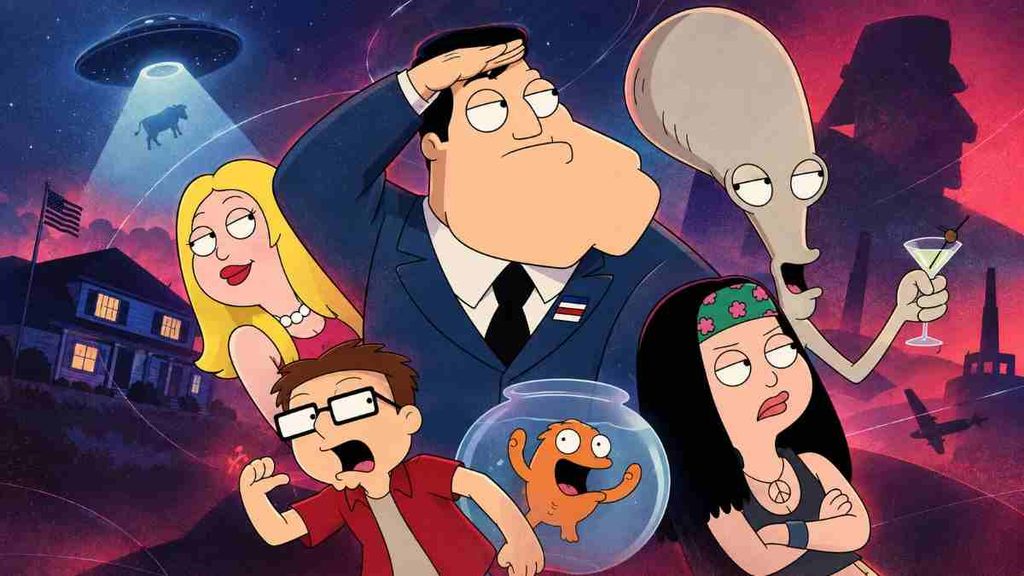
The Weirdest American Dad Episodes Ever Made, Ranked
10. “Every Which Way But Lose”
This episode’s verdict: a fairly ordinary body image plot turns weird once the show commits fully to a grotesque fat suit gag that runs far longer than the joke supports. Stan gains weight after a work stress spiral, and the episode leans into physical exaggeration well past the point most sitcoms would stop.
What makes it strange is not the setup, which is a common sitcom trope. It is the show’s refusal to soften the visual gags or pull back once the joke has been made once. That commitment to an uncomfortable bit, long after most shows would cut away, is the whole reason it lands on this list at all.
9. “American Stepchild”
The premise sounds almost sincere: Stan and Francine visit an orphanage in Vietnam and the episode flashes back to Stan’s own complicated childhood memories. What actually plays out is a tonal whiplash between genuine emotional beats and surreal side gags that undercut every serious moment before it can land.
The episode’s strangeness comes from trying to be a real character study and a chaotic gag reel at the same time, and mostly failing to reconcile the two. That friction is unusual for American Dad, which normally commits fully to one tone or the other inside a single episode.
8. “Widowmaker”
Francine gets recruited into a biker gang seeking revenge, and the episode plays almost the entire plot straight as an action movie parody rather than a comedy. Stan is sidelined for most of the runtime while Francine handles a storyline that would not be out of place in an actual crime drama.
What earns this a spot on the list is the format shift. Sidelining the show’s usual lead character for an entire episode, and letting a side character carry a genre parody almost without a punchline in sight, is a structural risk most family sitcoms never take.
7. “The Great Space Roaster”
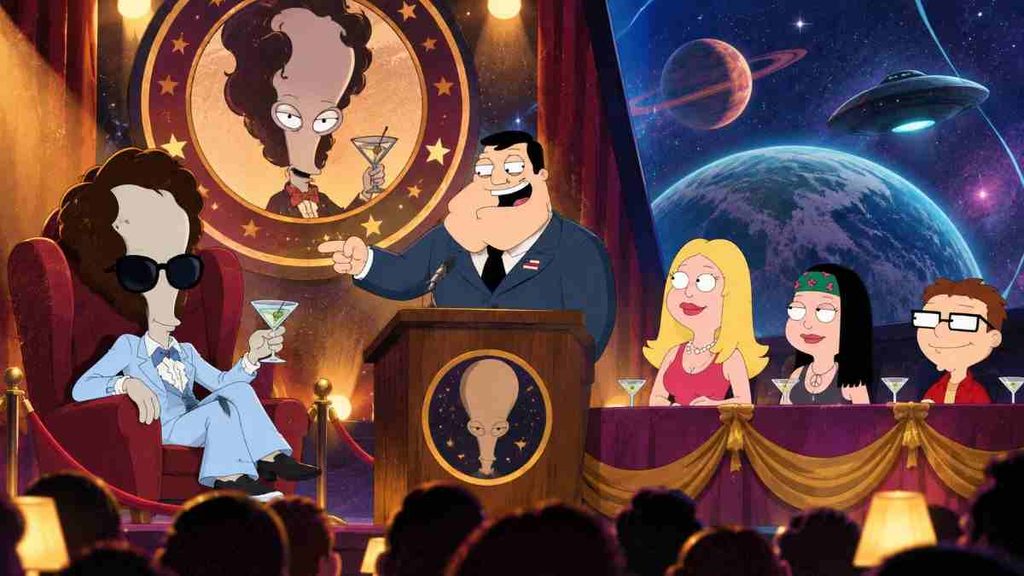
An alien insult comedy roast show hosted by a fictional galactic celebrity sounds like a single sketch idea stretched past its limit, and that is basically what happens. The episode commits to the roast format for almost the entire runtime, trading normal plot mechanics for a string of escalating insult jokes aimed at the Smith family.
The format deviation here is total. There is barely a plot in the traditional sense, just an extended bit that either works because of its commitment or falls apart because it never really evolves. Either way, it does not resemble a normal episode of the show.
6. “Da Flippity Flop”
A puppet show meant to help Stan and Francine communicate better spirals into a much darker meditation on their marriage, told through increasingly unhinged puppet segments. The episode treats the puppet sequences as a real narrative device rather than a one off gag, which is where the weirdness sets in.
By the end, the puppet plot has taken over more of the episode than the actual live action story, and the tone shifts from marital sitcom comedy to something closer to a fever dream. That structural inversion, letting the gimmick eat the real plot, is rare even by this show’s standards.
5. “1600 Candles”
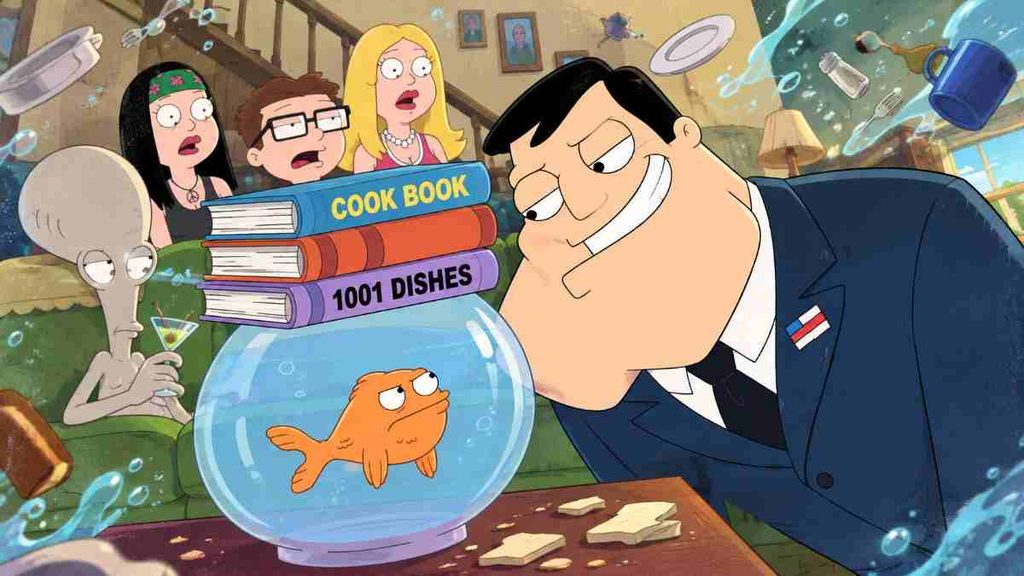
Roger’s birthday triggers a psychotic episode that plays out like a slasher movie parody, complete with genre appropriate camera work and pacing. The family spends the episode trying to survive Roger rather than deal with him socially, which flips the character’s usual comic relief role into an actual horror movie antagonist.
The commitment to horror genre conventions, rather than just referencing them for a joke, is what pushes this higher on the list. Most sitcom “horror homage” episodes wink at the audience constantly. This one mostly does not.
4. “Independent Movie”
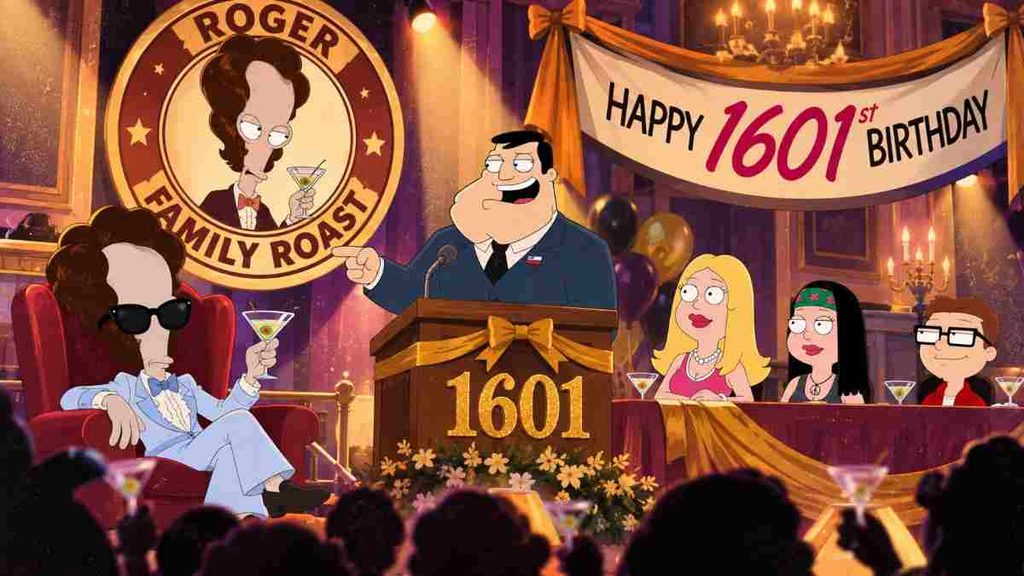
Steve sets out to make his own film, and the episode turns into a meta commentary on filmmaking itself, complete with shifting formats and self aware structural jokes about how a sitcom episode is supposed to work. It is one of the few American Dad episodes that seems aware it is an episode.
That self awareness is the source of the weirdness. Breaking the format on purpose, and commenting on the break while it happens, requires a different kind of commitment than simply writing a strange plot and playing it straight.
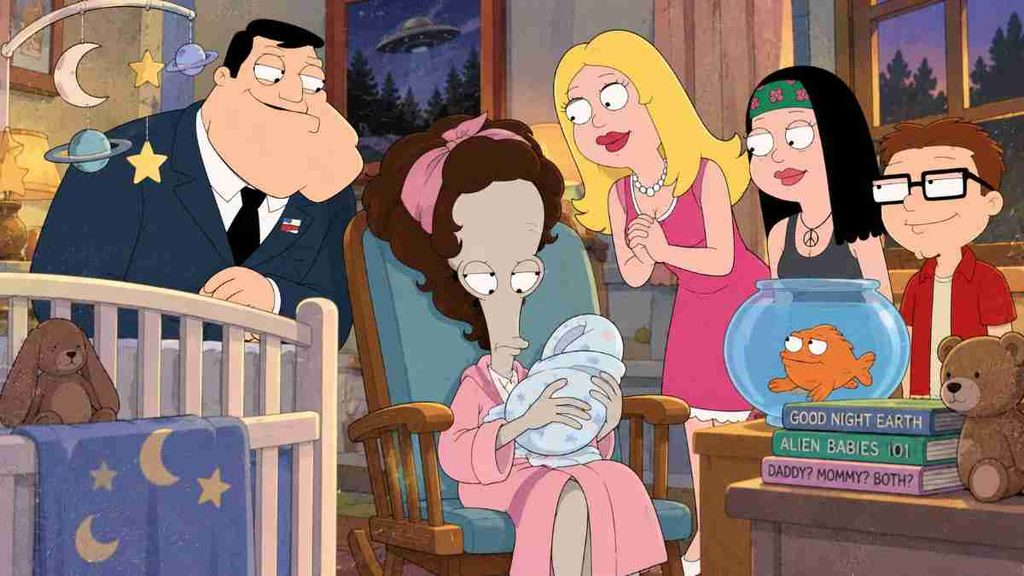
3. “Roger’s Baby”
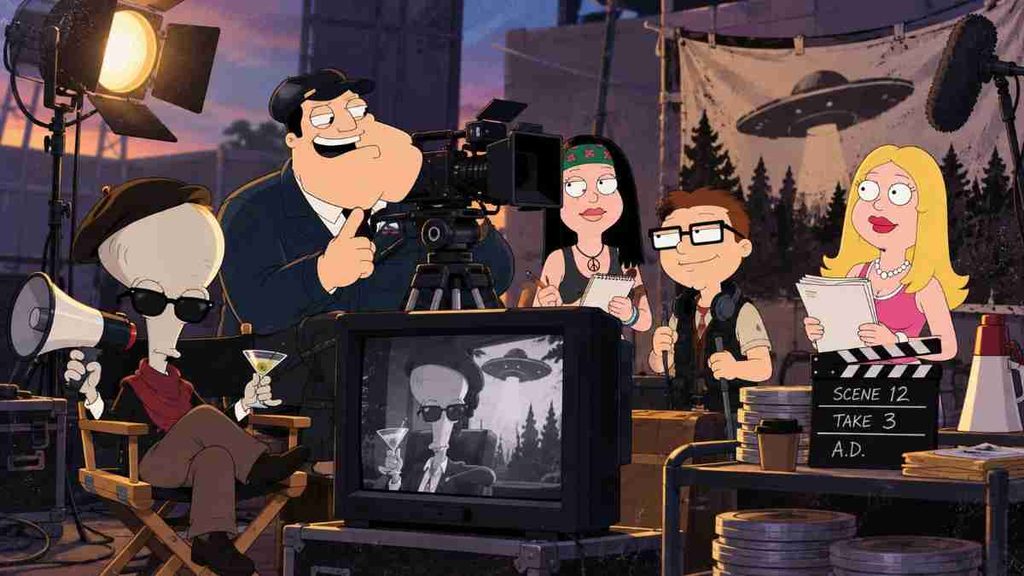
A religious relic subplot escalates into Roger being treated as a messianic figure by a fringe group, and the episode plays the escalation with almost no comedic safety net. It borrows heavily from religious thriller tropes rather than sitcom tropes, which is an unusual genre swap even for this show.
The episode earns its ranking by refusing to treat the premise as a throwaway bit. It builds an entire mythology around Roger for forty minutes and then, true to the show’s format, drops it completely by the next episode as if it never happened.
2. “The Vacation Goo”
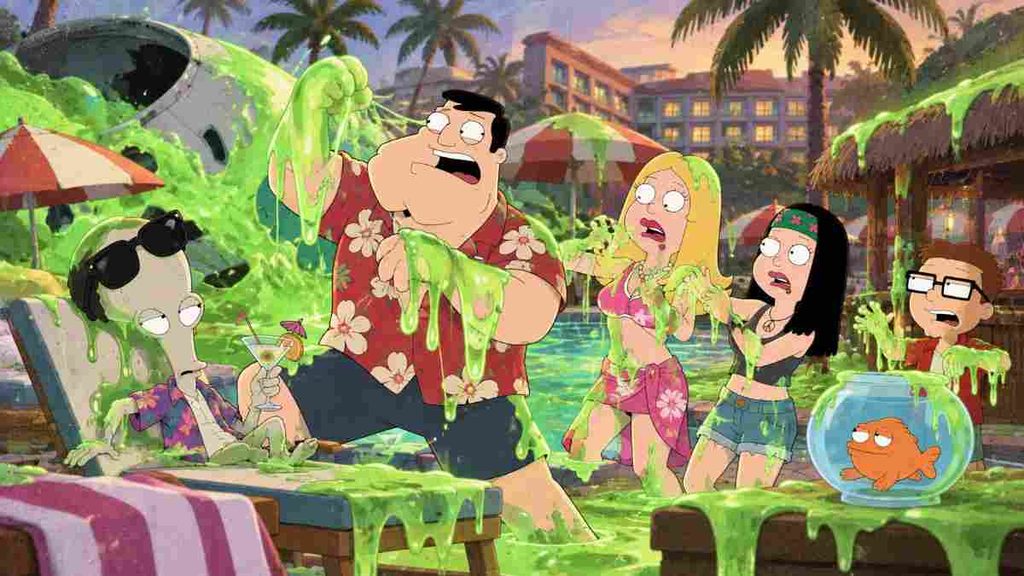
While the Smith family goes on vacation, they leave behind goo replicas of themselves to continue their daily routines, and the episode splits its runtime between the real family’s trip and the goo family’s increasingly unstable behavior back home. It is a genuinely strange structural choice, running two barely related plots that only connect through premise rather than story.
The goo family plot escalates into behavior the real family would never engage in, and the show never explains the rules of the goo people beyond what the joke needs. That commitment to an underexplained, self contained absurdity is a big part of why this episode still gets brought up in “weirdest episode” discussions years later.
1. “Rapture’s Delight”
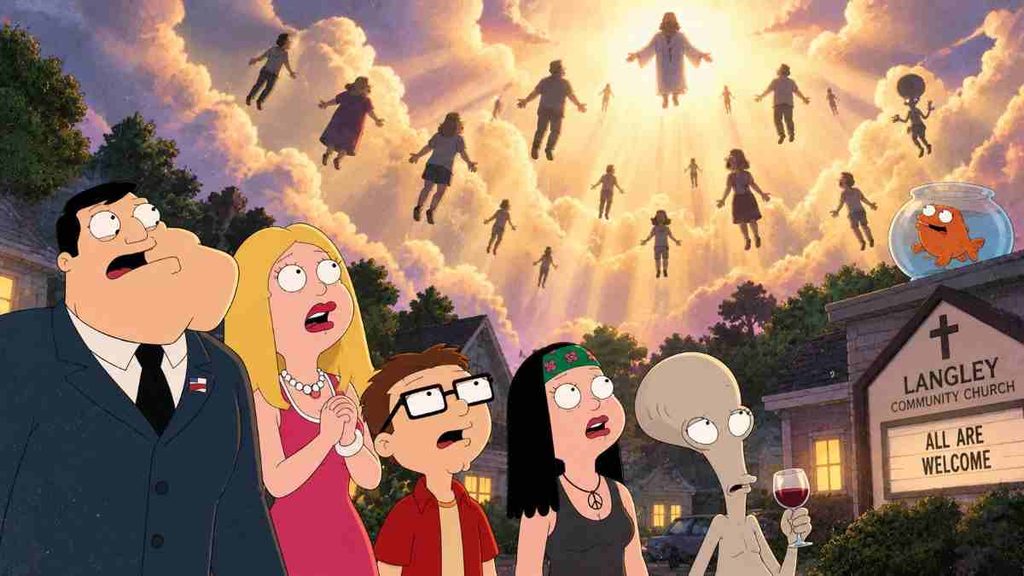
This is the episode where American Dad fully abandons its own format, jumping into a future timeline where the Rapture has already happened, Roger has become an antichrist style ruler, and Steve leads a small resistance movement using cybernetic enhancements. None of it plays as a dream sequence or a fantasy aside. The episode commits to this alternate timeline as if it is simply the next chapter of the show.
What separates this from every other entry on the list is scope. Most of these episodes bend one element of the format, whether that is genre, structure, or tone. “Rapture’s Delight” rebuilds the entire show from the ground up for one episode and never breaks character to explain the joke. That total commitment to an alternate universe premise, without a wink to the audience, is why it sits at the top of this ranking.
Which Weirdest American Dad Episode Should You Watch First?
New viewers who want the fastest introduction to how strange this show can get should start with “Rapture’s Delight,” since it demonstrates the show’s willingness to abandon format entirely in a single episode. Viewers who prefer character focused weirdness over full format breaks should start with “1600 Candles,” which keeps the horror premise contained to Roger rather than rewriting the show’s universe.
Fans who already know the show well and want the deepest cuts should look at “The Vacation Goo” and “Da Flippity Flop,” since both episodes are frequently missed by casual viewers but consistently show up in longtime fan discussions about the show’s strangest choices. Readers who want a broader sense of where Roger ranks among the show’s most chaotic characters can check the American Dad character breakdown for more on why he ends up at the center of so many of these entries.
FAQ About the Weirdest American Dad Episodes Ever Made
What is the weirdest American Dad episode of all time?
“Rapture’s Delight” is widely considered the weirdest American Dad episode because it abandons the show’s normal format entirely for a post apocalyptic future timeline. Roger becomes a villain figure and Steve leads a resistance, and the episode never breaks from that premise to explain the joke.
Why does Roger appear in so many of the show’s weirdest episodes?
Roger has fewer narrative rules than the human characters, since he can change identities and behavior without breaking continuity. That flexibility gives the writers more room to push an episode’s premise into strange territory without disrupting the rest of the show’s world.
Are American Dad’s weirdest episodes considered canon?
Most of these episodes are treated as standalone, and the show typically resets to its normal status quo by the following episode. That reset is part of what allows the writers to go as strange as they do, since nothing has to carry forward into future seasons.
Is American Dad weirder than Family Guy?
American Dad tends to commit harder to a single absurd premise for a full episode, while Family Guy usually spreads its strangeness across shorter cutaway gags. Readers can compare the two directly in the weirdest Family Guy episodes ranked to see how differently each show handles format breaking humor.
Which season of American Dad has the most weird episodes?
The show’s middle seasons, roughly seasons five through nine, produced most of the format breaking episodes on this list, including “Rapture’s Delight” and “1600 Candles.” That stretch is generally seen as the period when the writers had the most creative freedom to experiment with structure.
Ranking the weirdest American Dad episodes ever made is less about shock value and more about which episodes were willing to break the show’s own rules and commit to it. “Rapture’s Delight” earns the top spot because it rebuilds the entire series premise for one episode without ever winking at the audience. The nine episodes behind it each found a different rule to bend, whether that meant format, genre, or tone.
Anyone catching up on the series for the first time should treat this ranking as a starting point rather than a complete guide. New episodes occasionally attempt the same kind of format break, and this list will get updated if one earns a spot in the top ten.