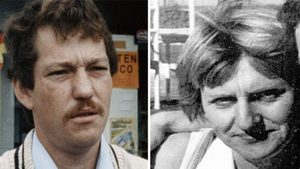
Who Was Esther Estepa?
Esther Estepa was 42 years old, originally from Seville, Spain, and living a deliberately nomadic life across the country. This was not aimlessness. Esther had recently left an abusive relationship and was rebuilding her life on her own terms, traveling independently, staying in hostels, hiking, and moving through Spain with intention.
The detail that matters most to this case: Esther called her mother Pepa every single day. Not weekly. Not when she remembered. Every day. That was the rhythm of their relationship, and it had been for long enough that any break in that pattern would register immediately as wrong.
That daily contact was not just a character detail. It was the mechanism that cracked the case open. When a WhatsApp message arrived claiming Esther was moving to Buenos Aires, her mother did not need a detective to tell her something was off. She already knew.
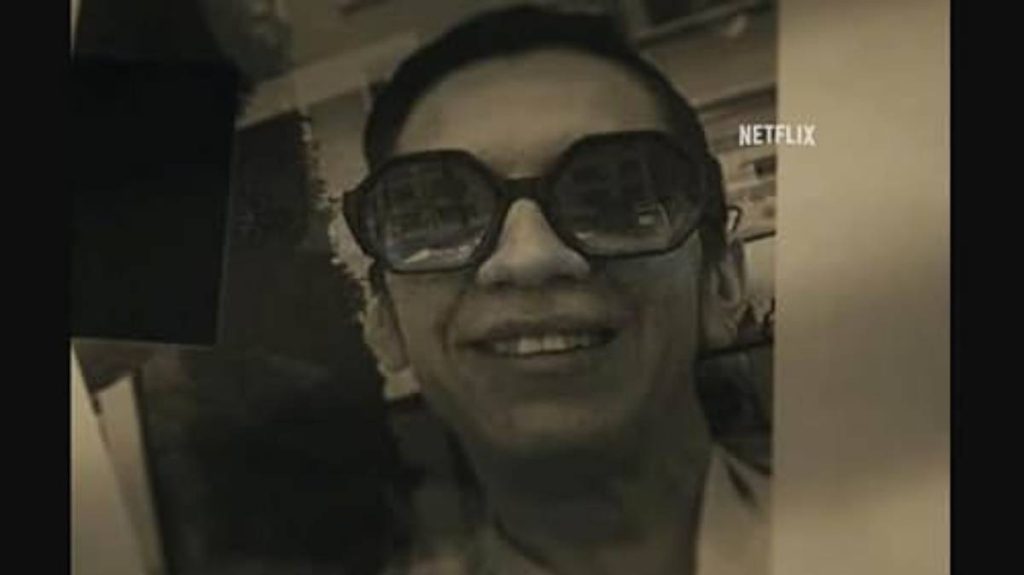
How Did Esther Estepa Meet José “Dinamita” Jurado Montilla?
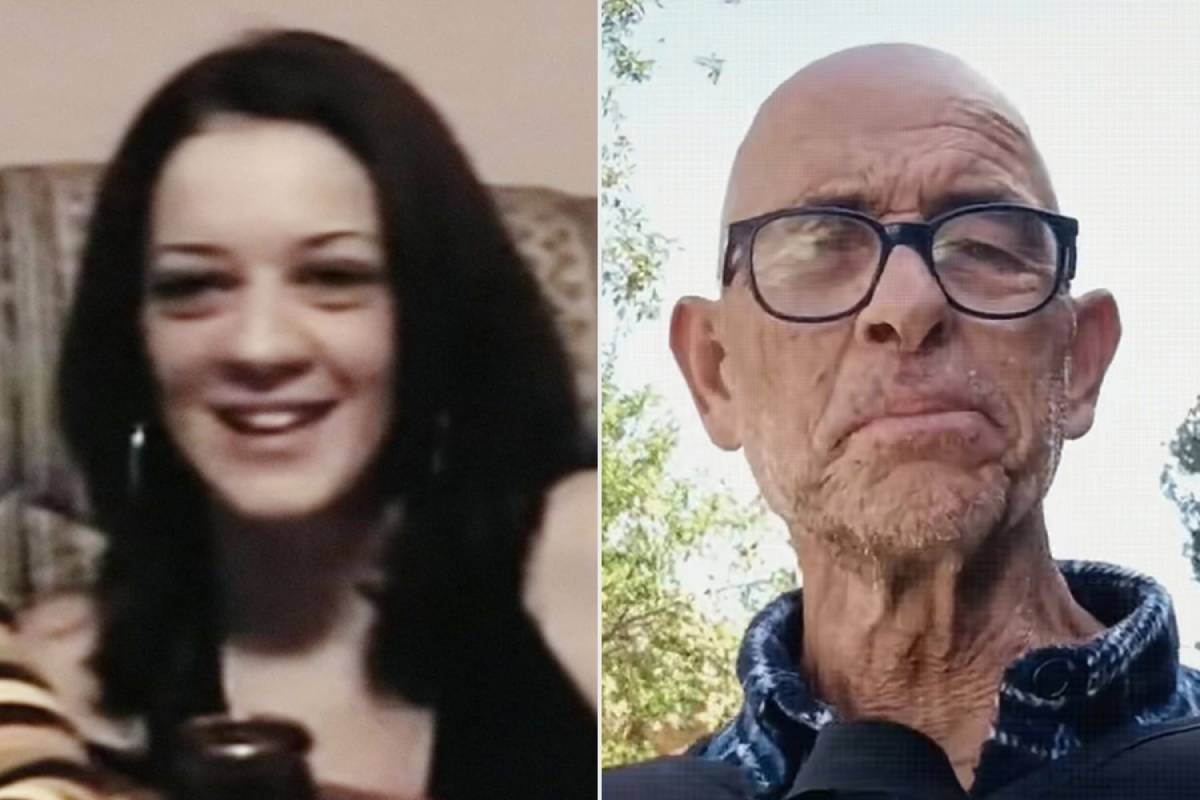
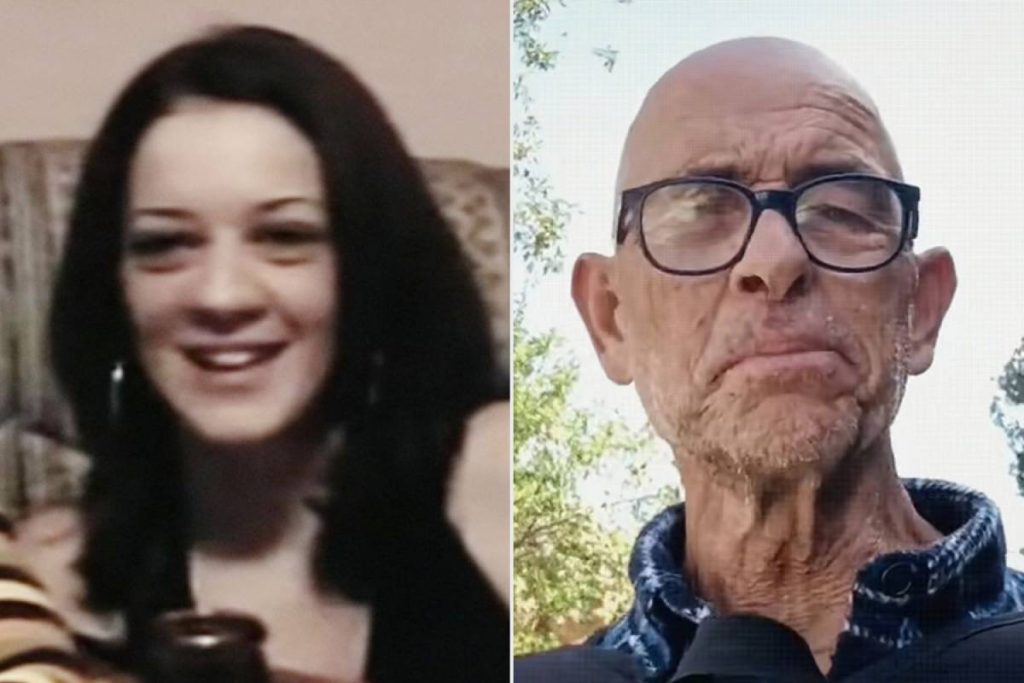
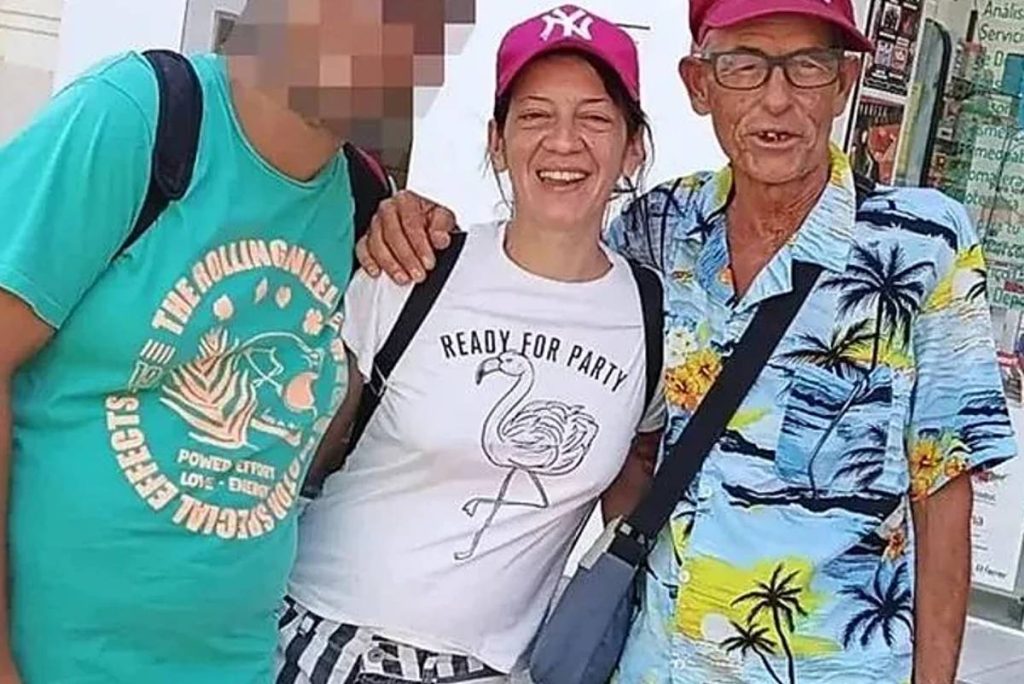
Esther met Montilla at a hostel in Alicante in August 2023, and there was nothing about the encounter that would have seemed alarming at the time. He presented himself as a travel content creator, a TikTok influencer with an actual following, a fellow adventurer who shared her interest in hiking and the outdoors.
They were photographed together. The image exists and is part of the documented record of their contact. They went on a hiking trip together on or around August 22, 2023.
Montilla’s TikTok presence was not incidental to how he found victims. It was the access infrastructure. A verified social media persona gives you immediate credibility in hostel culture, where strangers share meals and rooms and hiking plans based almost entirely on first impressions and social signals. Montilla built himself a digital identity specifically suited to that environment.
What Happened to Esther Estepa? The August 2023 Timeline
August 22, 2023: The Hospital Visit
On August 22, Esther visited or was taken to a hospital. This detail is part of the documented case timeline and is covered in the documentary. The circumstances of that visit are part of the ongoing investigation. What it establishes clearly is that August 22 represents the last independently verifiable contact with Esther before she disappeared.
August 23, 2023: The Message That Did Not Fit
On August 23, Esther’s mother Pepa received a WhatsApp message purportedly from Esther. The message stated she was moving to Buenos Aires.
Pepa recognized the message as false immediately. Not suspicious. False. A woman who spoke to her mother every single day without exception does not announce a permanent move to another continent in a text. After August 23, all contact stopped. Esther was reported missing. The investigation began.
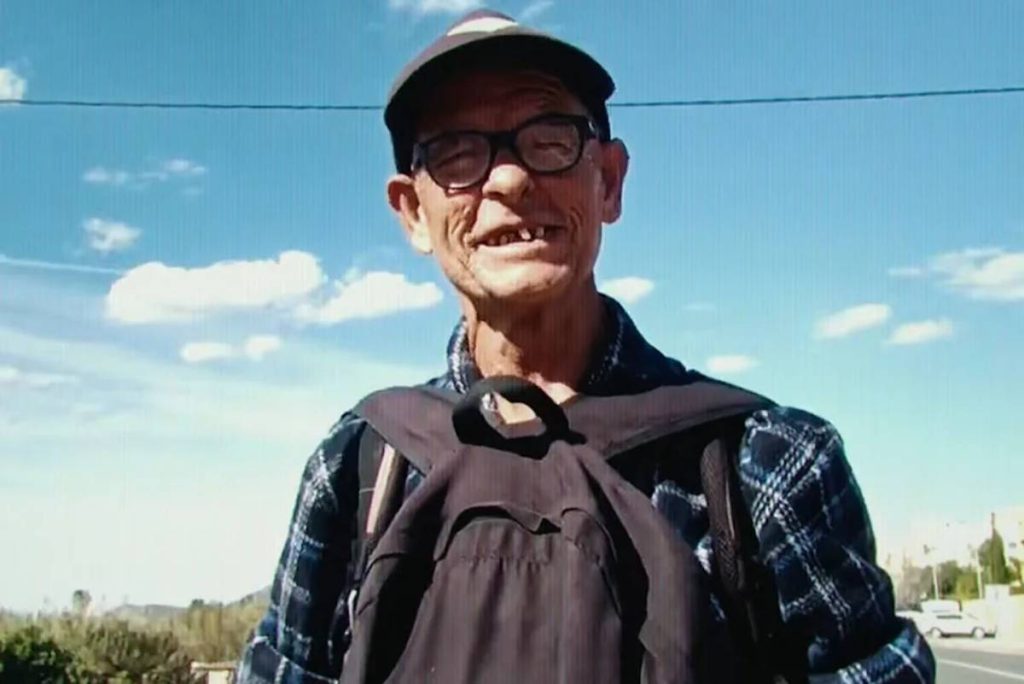
How the Police Investigation Stalled, and What Esther’s Family Did Instead
Spanish police opened an investigation following Esther’s disappearance in August 2023. For roughly ten months, that investigation was active. In June 2024, police suspended their active search. No remains had been found. No charges had been filed in connection with Esther’s case.
The suspension is the hinge event of this entire story. The moment the state stopped, the case did not go cold on its own. Two women decided it would not.
Esther’s mother Pepa and her sister Raquel continued investigating independently after the suspension. They gathered information. They pursued leads. They kept public attention on the case. Their work was not a grieving family staying busy. It was an active parallel investigation running after the official one had formally closed.
The police suspended. The family did not. That difference is why the case is now going to trial.

Who Is José “Dinamita” Jurado Montilla? His Criminal History Explained
José Jurado Montilla, known by the nickname “Dinamita” (Dynamite), is Spanish. Between 1985 and 1987, he was responsible for the murders of four people in Spain. He was convicted and sentenced, and he served prison time for those killings. Then he was released.
That is not a loophole or an oversight in isolation. It is how sentencing works. But what happened after his release is what makes this case something beyond a single tragedy. Montilla did not simply leave prison and live quietly. He built a new public identity: travel content creator, outdoor enthusiast, TikTok personality.
The TikTok rebrand was operationally useful in a way that deserves to be named directly. It placed him continuously inside the communities where his preferred victims existed: hostels, hiking culture, solo travelers, people conditioned to extend quick trust to fellow nomads. He was not stumbling into these environments. He was cultivating access to them through a platform designed to amplify exactly the persona he constructed.
He is now charged with two murders beyond the four from the 1980s: Esther Estepa and a second victim named David. If convicted, the total number of people Montilla has killed would be six.
When Were Esther Estepa’s Remains Found?
In 2024, Esther’s skull was discovered in the median of a highway in Spain. DNA testing confirmed the remains belonged to Esther.
That confirmation changed the legal category of the case. A missing persons investigation became a confirmed homicide investigation. Montilla’s connection to Esther was already documented through the photographs and the timeline of their hiking trip. The discovery of her remains gave prosecutors the physical evidence needed to move forward.
The discovery also confirmed what her family had argued since August 23, 2023: Esther had not gone to Buenos Aires. She had been killed.
Where Is Dinamita Montilla Now?
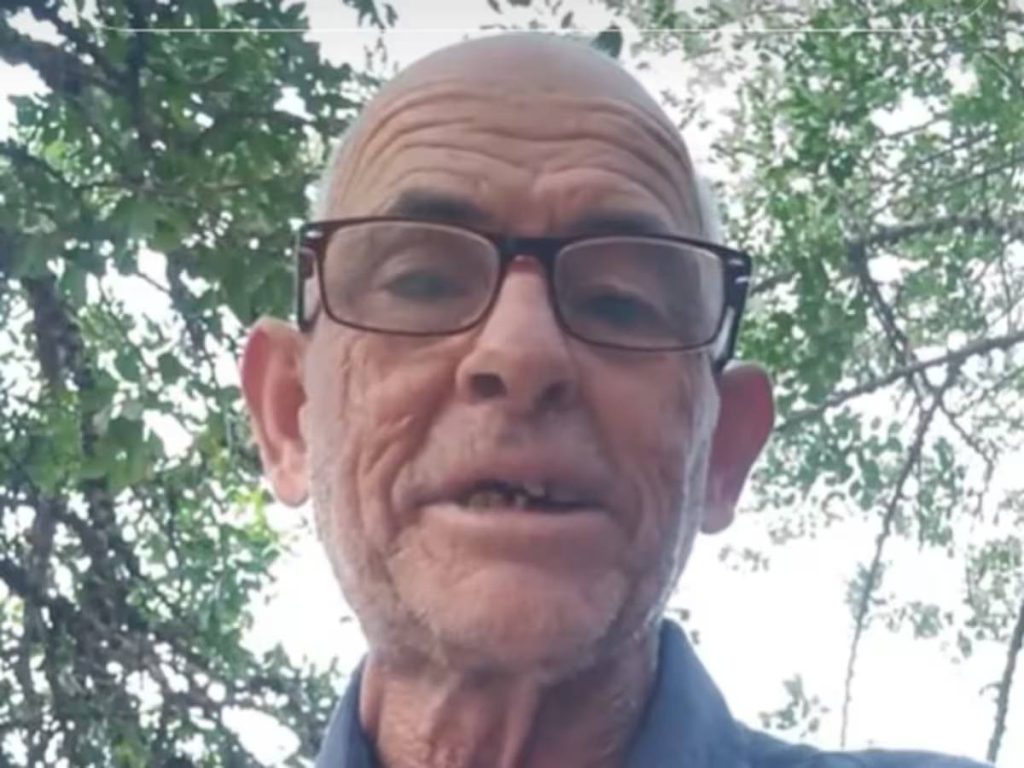
José “Dinamita” Jurado Montilla is currently incarcerated in Spain. He is awaiting trial on charges connected to the murders of Esther Estepa and the second victim, David.
DNA evidence is central to the case against him. No trial verdict had been issued as of the time of publishing. The case is active, and the legal process is ongoing in the Spanish judicial system.
The Netflix documentary The TikTok Killer, a two-part Spanish true crime series directed by Héctor Muniente, was released in March 2026. It covers the full arc of the case and features interviews with Esther’s family, including Pepa and Raquel. The documentary is what brought this case to international attention beyond Spain.
Frequently Asked Questions About the Esther Estepa Case
Did Dinamita Montilla confess to killing Esther Estepa?
Based on available reporting, Montilla has not publicly confessed to Esther’s murder. He is awaiting trial in Spain. The case against him is built on DNA evidence linking him to the crime and circumstantial evidence developed in part through the family’s independent investigation after police suspended their active search in June 2024. A conviction has not yet been issued.
How many people has José Jurado Montilla killed in total?
Montilla was convicted of four murders committed between 1985 and 1987 in Spain, for which he served prison time and was released. He is now charged with two additional murders: Esther Estepa and a second victim named David. If convicted on current charges, the total confirmed victims would be six.
Why did police suspend the Esther Estepa investigation?
Spanish police suspended their active search in June 2024, roughly ten months after Esther disappeared in August 2023. No remains had been found and no charges had been filed at the point of suspension. Esther’s family refused to accept the closure and continued investigating independently, and their work was central to the case progressing toward arrest.
What was the Buenos Aires WhatsApp message?
On August 23, 2023, Esther’s mother Pepa received a WhatsApp message, sent from Esther’s phone, claiming Esther had decided to move to Buenos Aires. Esther spoke to her mother every single day without exception. She had never mentioned Argentina. Her family identified the message as fabricated almost immediately because it was entirely inconsistent with Esther’s communication patterns. The message is considered to have been sent by her killer to delay the missing persons report.
How did Montilla use TikTok to access his victims?
Montilla built a TikTok presence presenting himself as a travel content creator and outdoor enthusiast. That identity gave him credibility and natural access to hostel communities and solo traveler culture, where extending quick trust to fellow travelers is a social norm. Esther encountered him at a hostel in Alicante and agreed to a hiking trip in part because he presented as a fellow nomad with a documented public presence. The platform served as the access mechanism, not a coincidental backdrop.
Is there a second victim in the TikTok Killer case?
Yes. Montilla faces murder charges connected to two victims: Esther Estepa and a second victim identified as David. Both cases are part of the current prosecution in Spain. Montilla is charged in both matters and remains in custody pending trial.
Was the Esther Estepa case solved because of DNA?
DNA evidence was central to the case against Montilla. After Esther’s skull was discovered in a highway median in 2024 and confirmed through DNA testing as Esther’s, the case moved from a missing persons inquiry to a confirmed homicide. The family’s independent investigation after the police suspension also contributed to the chain of events that led to his arrest.
What This Case Actually Shows
The fact that police suspended this investigation in June 2024 while Esther’s family was still actively working it is not a footnote. It is the center of the story. The Spanish state formally stopped looking. Pepa and Raquel did not. The case moved forward because two women refused to let it die the way the institution wanted it to.
What the documentary captures, and what most coverage misses, is that Montilla’s TikTok identity was not a quirky detail. It was functional. A man convicted of four murders in the 1980s identified exactly the community he needed access to, built the digital persona that would open those doors, and used it across years. The platform amplified his reach. It made him look safe.
If you watched the documentary and want to follow the case further, the trial is ongoing in Spain. The family’s account of their independent investigation is the clearest record of what actually drove this to prosecution. That is where the real story is.