Don’t Look Under the Bed Was Not Banned — Here’s What Actually Happened
Don’t Look Under the Bed was not officially banned by Disney Channel. The network stopped scheduling the film for its annual October rebroadcast after 2006, following sustained parent complaints, but never issued a formal prohibition or public statement removing the film from circulation.
The distinction matters because the word “banned” implies an official act. A network banning content means executives decided the content violated a policy or standard serious enough to warrant removal and documentation. That did not happen here. What happened was quieter and more mundane: the film stopped getting booked into the Halloween programming lineup. No press release. No acknowledgment. It simply stopped appearing.
The “banned” label spread through Reddit threads and later through social media, and it has since calcified into received wisdom for anyone who grew up watching DCOMs. The confusion is understandable. From a viewer’s perspective, the practical result looked identical. You could not watch the movie on Disney Channel. It was gone.
Except it was not entirely gone. The film returned to the schedule briefly in 2008 and then again in 2010 before fading out completely. A truly banned film does not come back twice. What those brief returns suggest is that someone at Disney periodically reconsidered, tested the waters, and then decided the friction was not worth it.
The more precise version of events: the film was pulled from regular rotation, not banned. It reappeared sporadically, then disappeared for good. The “banned” story is a cleaner narrative, which is exactly why it survived.
Why Parents Complained — The Specific Elements That Scared Kids
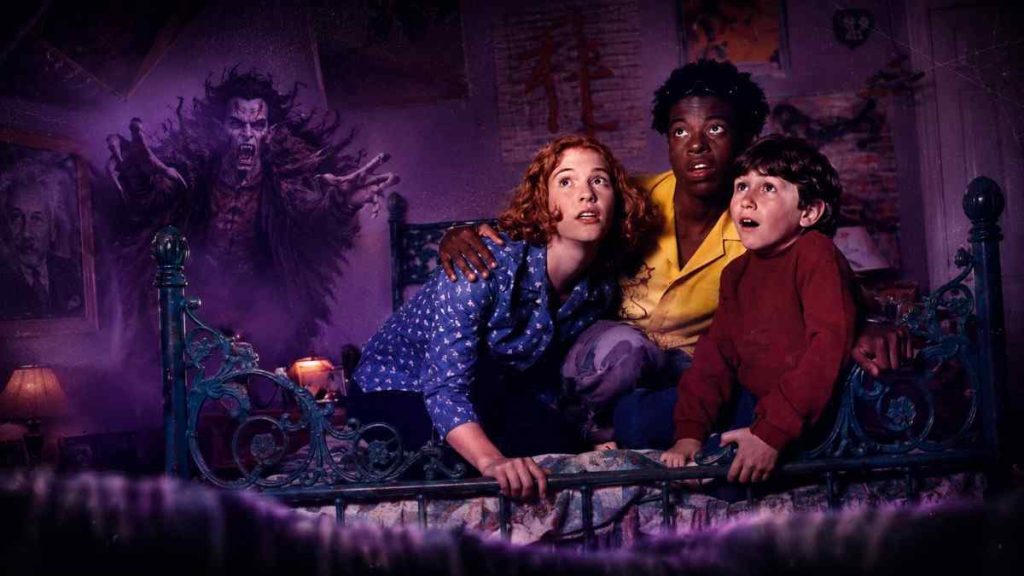
Parents did not complain because the movie was spooky in the way a Halloween costume is spooky. They complained because the movie was frightening in a way that felt out of place on a channel their kids treated as safe territory. The specific elements that generated the most concern were not abstract.
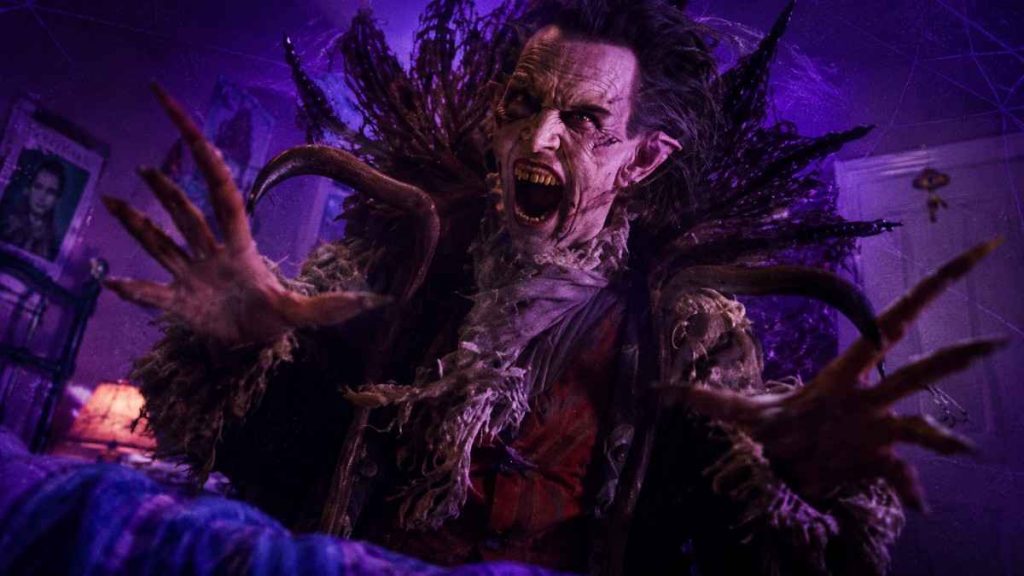
The Boogeyman Makeup Was Not Playing Around
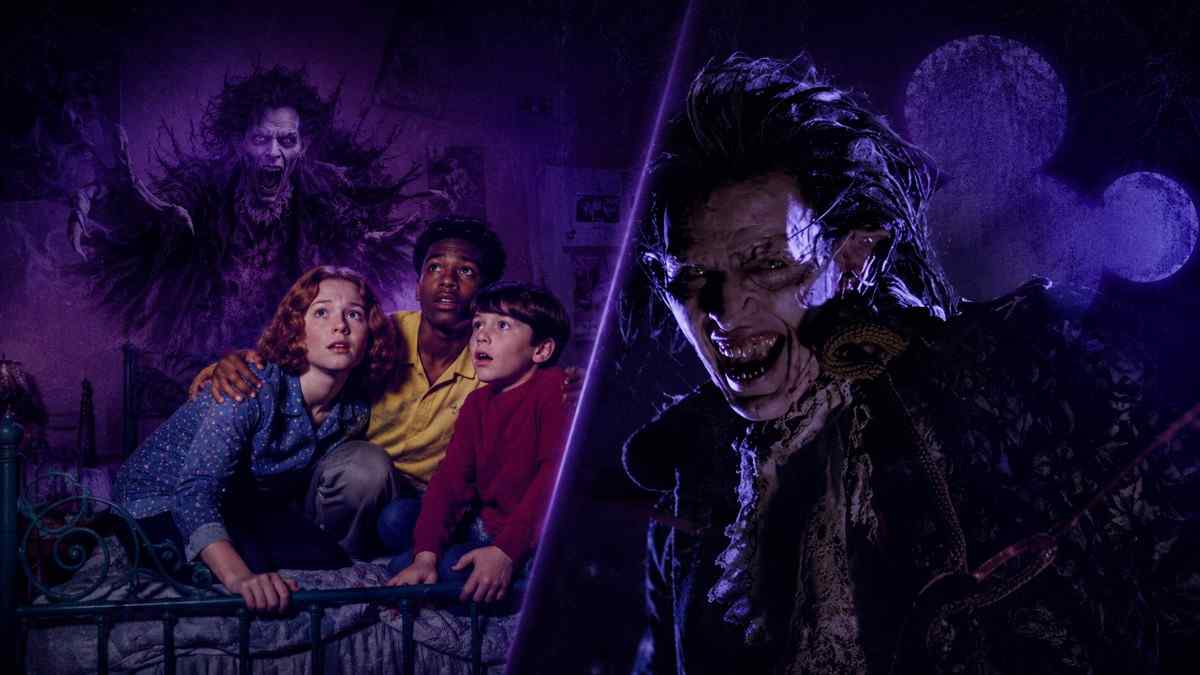
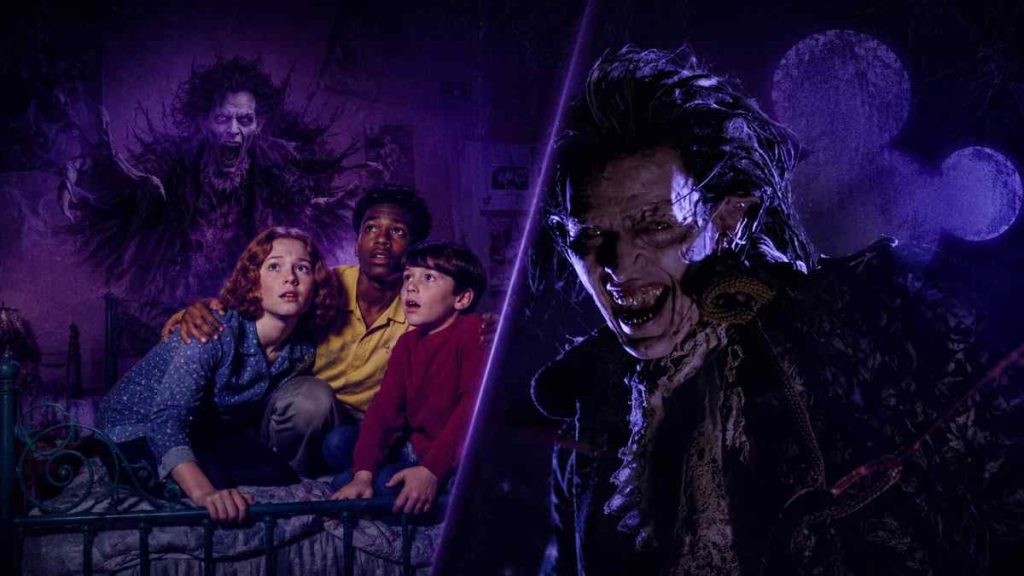
The Boogeyman in Don’t Look Under the Bed was built through practical effects makeup, and it was designed to disturb. This was not a cartoon monster or a rubber mask. The transformation of Larry, Frances’s imaginary friend, into the Boogeyman was staged progressively across the film’s runtime, giving the horror a body-horror quality that was genuinely unusual for Disney Channel.
Early concept designs for the character were reportedly even more intense and were scaled back before production began. What made it into the final film was already a significant step beyond anything Disney Channel had put on screen before. The Boogeyman’s final form, with its exaggerated physical distortion and unsettling movement, was closer to something you would expect from a network TV horror movie than from a family channel Saturday night special.
For kids who had grown up on Halloweentown and Zenon, seeing something that looked like that on the same channel was a genuinely jarring experience.
The Plot Itself Was Designed to Unsettle
The film’s premise is that Frances (Erin Chambers) is a logical, science-minded teenager who has outgrown imaginary friends, but her younger brother Darwin has just been diagnosed with leukemia. The stress of that diagnosis, and the loss of childhood imagination it forces on the family, has caused the neighborhood’s Boogeyman to grow stronger and more real.
Darwin’s cancer is not a background detail or a soft emotional beat. It is a real narrative weight that the film does not soften or sidestep. For child viewers watching a kid their own age face a terminal illness inside an already frightening story, the combination was a specific kind of distressing that parents noticed.
The imaginary-friend-turns-predator premise also hits a particular psychological nerve. The idea that something that once protected you can become a threat when you abandon it is the kind of logic that stays with a kid long after the credits roll. Frances’s rational worldview is systematically dismantled across the film, and watching a character lose their grip on certainty is unsettling for adults. For children, it is something closer to genuinely frightening.
The TV-PG Rating Was a Warning Disney Channel Meant Literally
Don’t Look Under the Bed received a TV-PG rating, making it only the second DCOM to carry that designation. Tower of Terror in 1997 was the first.
Tower of Terror had already generated its own wave of parent complaints about tone and intensity before Don’t Look Under the Bed even went into production. Disney knew going in that the TV-PG rating would not fully absorb the parental pushback. It did not. By 2006, the complaints had accumulated to the point where scheduling the film every October was no longer worth the annual friction it produced.
The Interracial Kiss Disney Almost Cut
This is the part of the story that most pieces mention once and move past. It deserves more than a sentence.
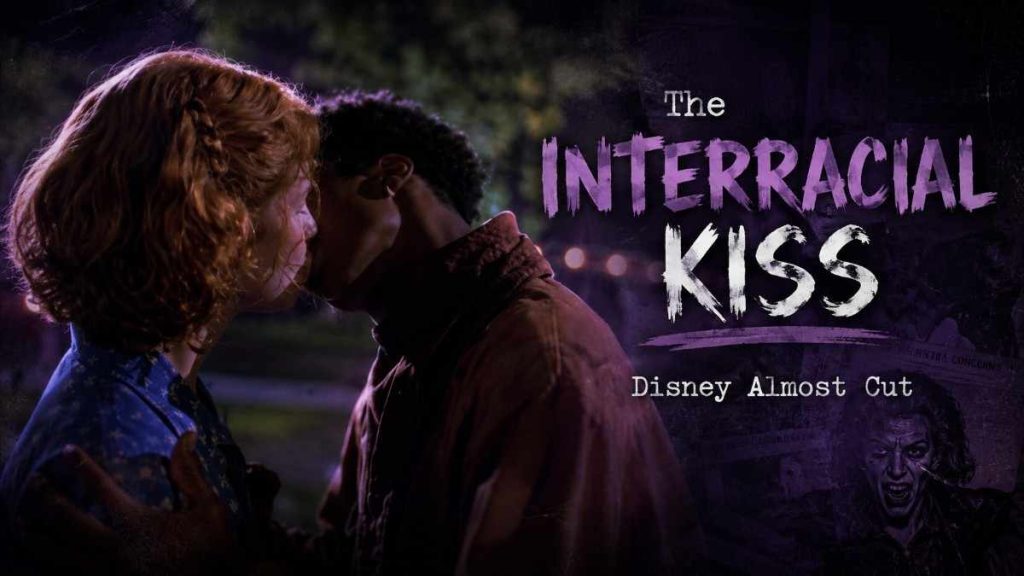
Director Kenneth Johnson did not write Larry as any specific race. When casting the role, he chose Ty Hodges, credited as Eric “Ty” Hodges II, based on the screen chemistry between Hodges and Erin Chambers, who is white. The casting was based on performance, not on any broader representational intent.
After casting was finalized, Disney executives raised internal concerns about the film’s kiss scene between Larry and Frances. Their stated concern was the reaction from southern television affiliates. In 1999, a Black boy kissing a white girl on a family channel was not something Disney’s affiliate relations team was confident would play without blowback in certain markets. The concern was commercial and institutional, rooted in real affiliate market realities of that moment.
Johnson pushed back directly. His argument was that the scene was central to the film’s emotional logic, and that removing it would be a capitulation to prejudice. Disney relented. The scene remained in the final cut. The film aired with the kiss intact on October 9, 1999.
That outcome matters. The internal hesitation was real, the commercial concern was real, and the fact that Johnson won the argument is also real. The film’s legacy includes that scene existing at all.
One additional note on the film’s intellectual care: Frances’s full name is B. Bacon McCausland, a reference to the philosopher Francis Bacon. It is a quiet piece of screenwriting character work that signals the film was constructed with more deliberate intent than a standard DCOM.
Was Don’t Look Under the Bed Really the Last Disney Channel Horror Movie?
Partially true, and the partial is important.
Tower of Terror in 1997 was the first Disney Channel Original Movie to operate as straight horror. Don’t Look Under the Bed in 1999 was the second. After 1999, Disney Channel never produced another film in that same category. By that measure, Don’t Look Under the Bed was the last of its kind.
What followed was comedy-horror: Mom’s Got a Date with a Vampire in 2000, the Halloweentown sequels, and similar entries that kept supernatural elements but deliberately softened the genuine fright component. These films maintained spooky aesthetics while removing the thing that made parents call in complaints. The pivot was not accidental.
Disney’s internal read of the response to Don’t Look Under the Bed told them that straight horror, even TV-PG straight horror with a strong family narrative underneath it, was a brand liability on a channel marketed to parents with young children. The film that ended a category did so by being too good at what it was.
The Halloweentown franchise continued for years afterward and never generated the same volume of parent concerns, which tells you everything about the difference between comedy-horror and actual horror. Disney learned that lesson once and did not need to learn it again.
Where to Watch Don’t Look Under the Bed in 2026
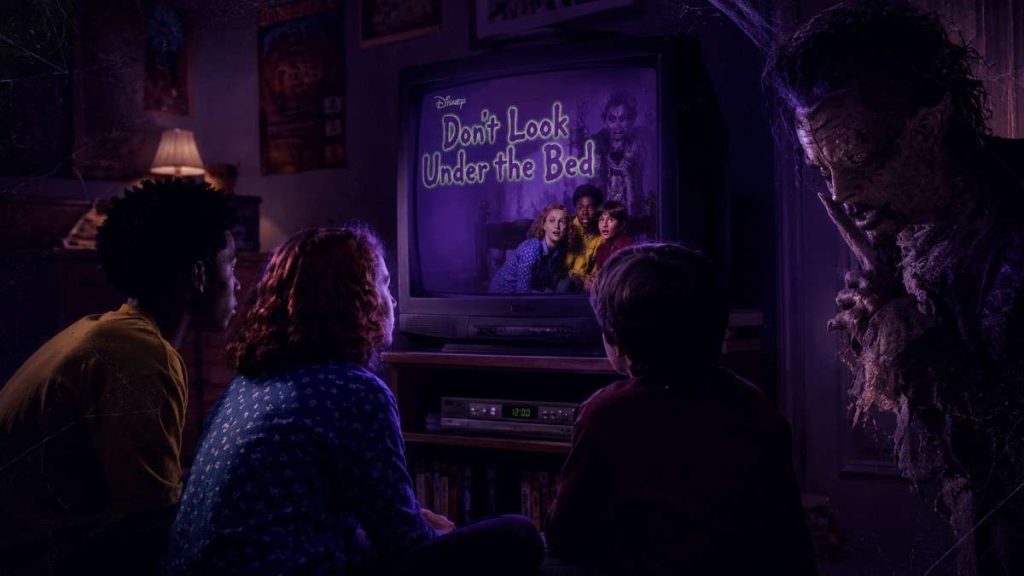
The film is currently streaming on Disney+. For subscribers, that is the simplest path. Search “Don’t Look Under the Bed” directly, and it should surface without issue.
For viewers without a Disney+ subscription, the film is available to rent on Amazon Video. Pricing is standard for a digital rental. Verify availability at the time you are reading this, since streaming rights shift and neither platform is contractually permanent.
The film holds up. Whatever age you were when you first saw it, a rewatch in 2026 will confirm that the parental complaints were not overreactions. The Boogeyman is still unsettling, the cancer subplot still carries genuine weight, and the practical effects makeup has aged better than most CGI from the same era. Knowing the history of what almost got cut and what got it pulled from rotation gives the film more texture on a rewatch, not less.
Frequently Asked Questions
Was Don’t Look Under the Bed actually banned by Disney?
No. Disney Channel never issued an official ban or formal statement removing the film. What happened was that Disney stopped scheduling it for its annual October rebroadcast slot after 2006, following sustained parent complaints about the film’s horror content. The film briefly returned to the schedule in 2008 and 2010 before disappearing entirely. The “banned” label is an internet myth that spread through Reddit and social media. It describes something that genuinely happened, but the specific word is inaccurate.
Why did Disney Channel stop airing Don’t Look Under the Bed?
Parent complaints accumulated over seven years of October reruns. The specific concerns were the Boogeyman’s practical effects makeup, the body-horror quality of Larry’s transformation, and the film’s cancer subplot, which many parents found too heavy for young viewers watching a Disney Channel Halloween special. The film carried a TV-PG rating, only the second DCOM to do so, but that rating did not prevent the complaints. By 2006, Disney decided the annual friction the film generated was not worth continuing the rebroadcast.
What was the interracial kiss controversy in Don’t Look Under the Bed?
Before the film aired in 1999, Disney executives raised internal concerns about a kiss between Larry, played by Black actor Ty Hodges, and Frances, played by white actress Erin Chambers. The concern was about the reaction from southern television affiliates in 1999, a real commercial calculation rooted in the affiliate market realities of that era. Director Kenneth Johnson argued the scene was central to the film’s emotional logic and pushed back against cutting it. Disney relented, and the scene aired in the final cut on October 9, 1999.
Is Don’t Look Under the Bed on Disney+?
Yes. As of 2026, the film is streaming on Disney+. It is also available to rent on Amazon Video for viewers without a Disney+ subscription. Streaming availability can change, so verify before searching.
Was this really the last Disney Channel horror movie?
In the category of straight horror, yes. Tower of Terror in 1997 was the first DCOM to operate as genuine horror. Don’t Look Under the Bed in 1999 was the second. After 1999, Disney Channel moved to comedy-horror formats, such as Mom’s Got a Date with a Vampire and the Halloweentown sequels, which preserved supernatural aesthetics while removing the genuine fright component. Disney’s decision to retire the straight-horror category was a direct response to the parent complaints generated by these two films.
Who directed Don’t Look Under the Bed?
Kenneth Johnson directed the film. Johnson had a long background in genre television, having created The Incredible Hulk and V for NBC. He was aware that the film pushed against the limits of Disney Channel’s typical content. His fight to keep the interracial kiss in the final cut, and his broader creative intent in making the Boogeyman genuinely frightening rather than cartoonish, suggest he was making deliberate choices about the kind of film he wanted Don’t Look Under the Bed to be.
Why is the main character called B. Bacon McCausland?
Frances’s full name, B. Bacon McCausland, is a reference to the philosopher Francis Bacon, known for his emphasis on empirical reasoning and skepticism of received wisdom. Given that Frances is written as a hyper-rational teenager who refuses to believe in imaginary friends, the name is a piece of deliberate screenwriting character work. It signals the film was built with more intellectual care than a standard DCOM.
The real story of Don’t Look Under the Bed is not about parents complaining or a network making a quiet programming decision. Those things happened, but they are the surface. The more interesting story is that the film almost arrived on screen as a different, lesser version of itself, and one director’s refusal to accept that is the reason the version most people remember actually exists.
Watch it on Disney+. Watch it knowing what almost was not there, and what had to be fought for. The Boogeyman transformation still lands. The cancer storyline still earns its weight. The kiss is still in the film.
Disney Channel made exactly two movies willing to operate as real horror for children. This was the second one, and then the category was done. That is a strange and specific legacy for a movie most people encounter as a half-remembered October night from childhood.