

Where Is Clifford Reed Now? He Has Been Free Since 2016
Clifford Reed is not in custody and has not been since 2016. There is no public record of new charges, parole violations, or any legal activity connecting him to the justice system since his release.
The renewed interest in his whereabouts is not tied to any new development in the case itself. It’s tied entirely to the Dateline episode reintroducing Sandi Johnson’s story to a much wider audience, one that is now doing exactly what you’re doing: googling his name and getting stuck on that 41-month number.
If you’ve spent the last hour searching other cases where the sentence didn’t match the crime, you’re not alone, and infamous killers now covers several of those cases in detail.
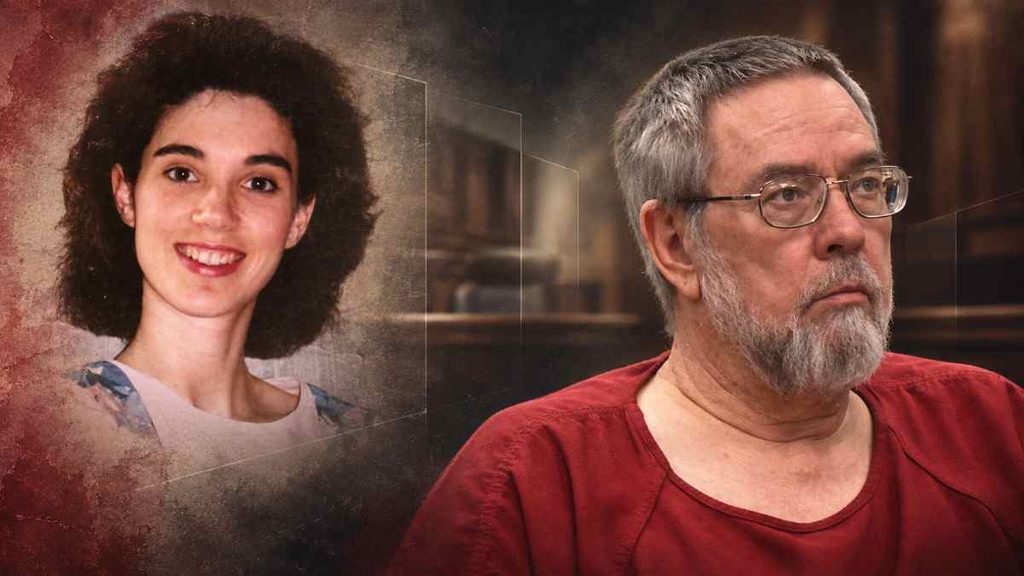
Who Was Sandi Rae Johnson? The Kirkland, Washington Mother Behind the Case
Sandi Rae Johnson was 28 years old and a mother of two when she was killed in Kirkland, Washington, in 1996. Those two facts, her age and her kids, are the reason this case has stayed in true crime circles for nearly three decades instead of fading into an old newspaper archive.
Every legal explanation that follows in this piece exists downstream of her. It’s easy for sentencing law to sound abstract, like a math problem with no stakes. It stops being abstract the moment you remember there was a specific person on the other end of it.

Why Was Clifford Reed Charged With Manslaughter Instead of Murder?
Reed was charged with manslaughter instead of murder because manslaughter and murder are different legal questions, not different descriptions of the same event. Murder charges require prosecutors to prove intent, while manslaughter charges require proving that a death resulted from reckless or negligent conduct, a lower bar that fits what was provable decades after the fact.
This is where a lot of viewers get stuck, because “manslaughter” sounds like a lesser version of what happened rather than a reflection of what could be proven in court. Physical evidence degrades over 18 years. Witnesses move, forget details, or pass away. Investigative techniques and forensic standards from 1996 don’t always hold up cleanly by the time a case reaches a courtroom in 2014.
None of that changes what occurred. It changes what a prosecutor can put in front of a jury and expect to win. Charging decisions in decades-old cases are built around that gap, and it’s the single biggest reason true crime cases from the 1990s so often resolve with charges that feel smaller than the crime itself.

What Is an Alford Plea, and Why Did Clifford Reed Enter One?
An Alford plea is a guilty plea in which a defendant does not admit to committing the crime but formally acknowledges that the prosecution has enough evidence to likely convict them at trial. It results in a conviction and a sentence exactly like a standard guilty plea, with one difference: the defendant never has to say “I did this” out loud.
For a case this old, an Alford plea benefits both sides. The prosecution avoids the risk of a trial that leans on 1996-era evidence and aging witnesses, while the defendant avoids the same trial without formally conceding guilt. It resolves the case cleanly, on the record, without either side rolling the dice in front of a jury.
A common misconception is that an Alford plea is somehow a lesser or partial conviction, like a legal technicality that lets someone off easy. It is not. Reed’s Alford plea produced a real, permanent felony conviction for first-degree manslaughter, the same as if he had pleaded guilty outright. If you’re curious how other decades-old cases finally reached resolution, cold cases finally solved is worth a look.
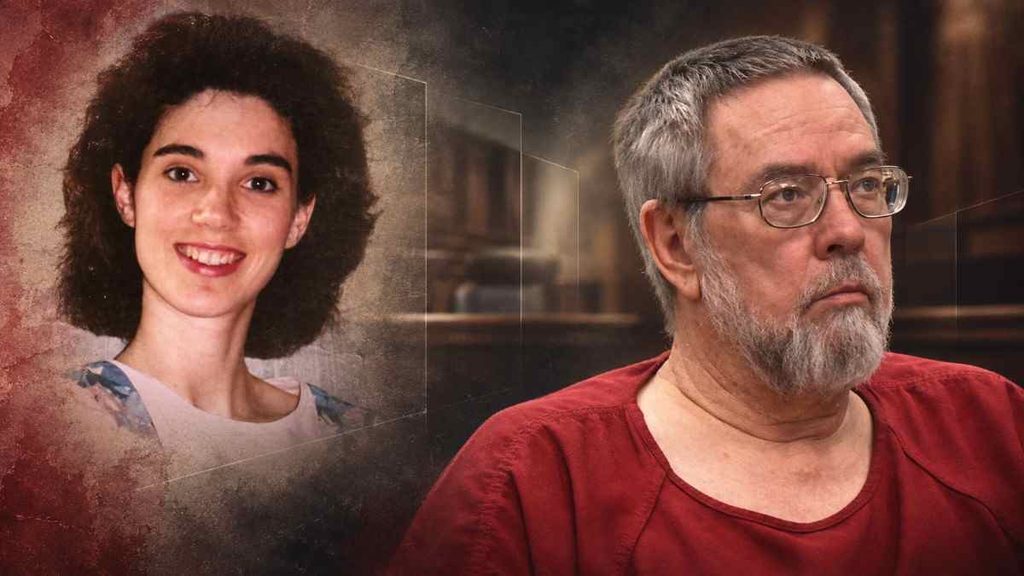
Why Did Clifford Reed Only Get 41 Months? The Sentencing Law Explained
Reed’s 41-month sentence came from Washington’s sentencing guidelines as they existed in 1996, applied to a first-degree manslaughter conviction. It was not the product of a judge choosing to go easy on him in 2014.
Washington Sentences Crimes Under the Law in Effect When They Happened
Washington, like most states, sentences a person according to the law in effect at the time the crime was committed, not the law in effect at the time of trial or plea. This holds true even when decades pass and sentencing laws change in the interim.
That single principle answers the question everyone types into Google after watching this episode: why did a 2014 sentencing hearing run on 1996 rules? Because the crime happened in 1996, and that’s the year that legally freezes the applicable sentencing framework in place, no matter how much time passes before a plea is entered.
This matters more than it sounds like it should. Washington’s sentencing guidelines have been revised multiple times since 1996, and several of those revisions increased penalties for violent offenses. If Reed had been sentenced under the guidelines in place in 2014, the number on the sheet could have looked very different. Courts do not get to pick whichever version of the law produces the outcome they prefer. The version tied to the date of the crime is the only one that applies, and that rule exists specifically so that sentencing doesn’t shift depending on how long a case takes to resolve.
How the Charge, Not the Crime Itself, Set the Sentencing Range
The manslaughter charge, established earlier in this piece as the product of what prosecutors could prove rather than what happened, is what set Reed’s sentencing range. Manslaughter carries a standard sentencing range built for reckless or negligent conduct, and that range sits well below what a murder conviction would have carried.
The 41-month figure isn’t disconnected from the manslaughter decision. It’s the direct consequence of it. Once the charge was set at first-degree manslaughter rather than murder, the sentencing range that followed was always going to look short next to the severity of what actually happened to Sandi Johnson.
Washington’s sentencing grid works by cross-referencing the severity level of the specific offense against the defendant’s criminal history score. A first-degree manslaughter conviction sits at a lower severity level than murder in the first or second degree, which means the resulting range of months is calculated from a completely different starting point on the grid. The 41-month sentence sits within that calculated range. It was not a discretionary low number picked by a judge who wanted to go easy. It was closer to a mechanical result of where the charge landed on the grid before anyone stepped into the sentencing hearing.
| Year | Event |
|---|---|
| 1996 | Sandi Rae Johnson killed in Kirkland, Washington |
| 1997 to 2013 | Case remains unresolved |
| March 2014 | Clifford Reed enters Alford plea to first-degree manslaughter |
| April 11, 2014 | Reed sentenced to 41 months |
| 2016 | Reed released |
Good Time Credit and Why 41 Months Wasn’t 41 Months in Custody
Reed’s actual time behind bars was shorter than 41 months because Washington, like most states, allows earned early release credit for good behavior. This is standard practice across the state prison system and applies broadly, not as a special exception carved out for this case.
That earned credit is why a sentence handed down in April 2014 resulted in release by 2016 instead of stretching into late 2017. It closes the loop that probably sent you here in the first place: the number on the sentencing sheet and the number of years someone actually spends in custody are rarely the same thing.

Why Did the Sandi Johnson Case Take So Long to Resolve?
The case took nearly 18 years to resolve because that’s how long it took for the case to move from an unsolved killing to a chargeable one, which is common in cases where physical evidence and witness reliability limit what investigators can act on. Cold cases don’t sit untouched the entire time. They stall, get revisited, stall again, and sometimes only move once new investigative attention or evidence review reopens them.
As one viewer put it after the episode aired: “He killed her and served three and a half years. That cannot be right, and the episode did not really explain how that happened.” That reaction is the entire reason this piece exists, and it’s a familiar one.
Gaps like this are frustrating precisely because true crime shows are built for pacing, not procedural nuance. Eighteen years of investigative stalls doesn’t make for compelling television, so it gets compressed into a title card, leaving the viewer to fill in the blanks themselves.

What Happened to Clifford Reed After His Release in 2016?
There is no reliable public reporting detailing Clifford Reed’s life after his 2016 release. That absence is worth stating directly rather than papering over with speculation.
What is confirmed is that he has not returned to the justice system in any documented capacity since walking out. Beyond that, his post-release life is not part of the public record, and this piece will not invent details that aren’t there.
FAQ
Is Clifford Reed still in prison?
No. Clifford Reed has been out of custody since 2016, after serving his sentence for the 1996 killing of Sandi Rae Johnson. There is no public record of him returning to prison, facing new charges, or violating any conditions of release since that date.
What was Clifford Reed’s sentence?
Reed was sentenced on April 11, 2014, to 41 months in prison after entering an Alford plea to first-degree manslaughter in March 2014. The sentence reflected Washington’s sentencing guidelines as they existed in 1996, the year of the crime, rather than current sentencing law.
What is an Alford plea?
An Alford plea is a guilty plea where the defendant does not admit guilt but accepts that the prosecution has enough evidence to likely win a conviction at trial. It produces the same legal outcome, a real conviction and sentence, as a standard guilty plea.
Why was Clifford Reed charged with manslaughter instead of murder?
Manslaughter requires proving reckless or negligent conduct led to a death, while murder requires proving intent, a much higher bar. In a case nearly 18 years old, degraded evidence and unreliable witness memory often make manslaughter the charge prosecutors can actually prove in court.
When was Sandi Johnson killed?
Sandi Rae Johnson was killed in 1996 in Kirkland, Washington. She was 28 years old and the mother of two children at the time of her death, which occurred nearly 18 years before Reed’s eventual plea and sentencing.
There’s a version of this story where “41 months” reads as the justice system shrugging at a woman’s death. The more accurate version is that a specific charge, tied to a specific legal principle about which year’s laws apply, produced a specific and predictable number. Neither version makes the outcome feel less painful. Only one of them is actually true.
If you’re working through other cases where the sentence looked shockingly short next to the crime, treat this piece as a template for the right questions to ask: what was the actual charge, what plea was entered, and which year’s law governed the sentencing range. Those three answers explain almost every “how did they only get X years” headline you’ll come across, including the ones tied to Jodi Arias case today, where the sentencing math confuses viewers for entirely different legal reasons.
Sandi Johnson’s case will likely keep resurfacing every time a new true crime special revisits it, and the 41-month number will keep confusing new viewers each time. Understanding the mechanism behind it doesn’t erase the loss. It just means you’ll be the one explaining it accurately the next time it comes up in your group chat.