Which Celebrities Are Getting the Most Appearance Backlash Right Now
The celebrities absorbing the heaviest appearance commentary in 2024 and 2025 are Nicola Coughlan, Ariana Grande, and Bebe Rexha. The one thing they share is that each was at a peak-visibility moment when the commentary started.
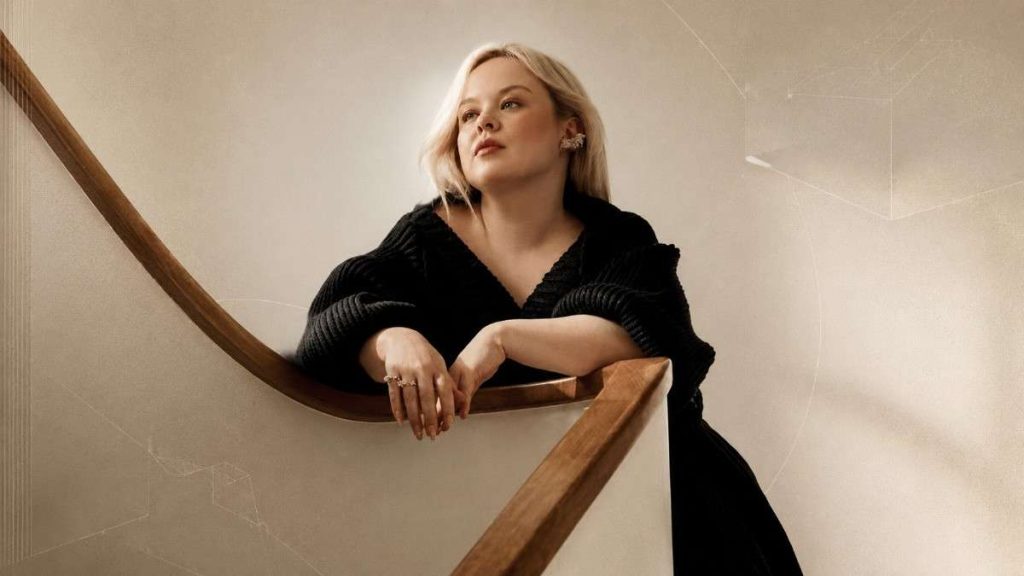
Nicola Coughlan faced relentless body commentary throughout the Bridgerton Season 3 press cycle in 2024. She was doing interviews, cover shoots, and press appearances constantly. The volume of commentary on her body ran parallel to everything else being said about the show. She addressed it directly and with considerably more grace than the situation deserved.
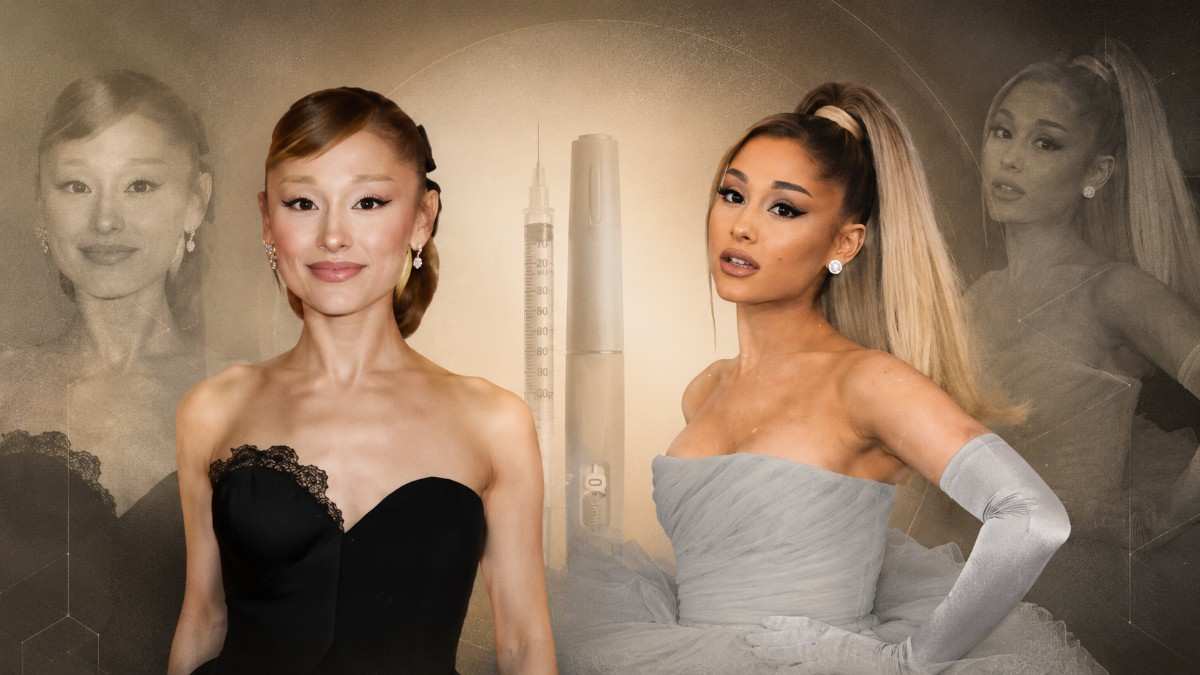
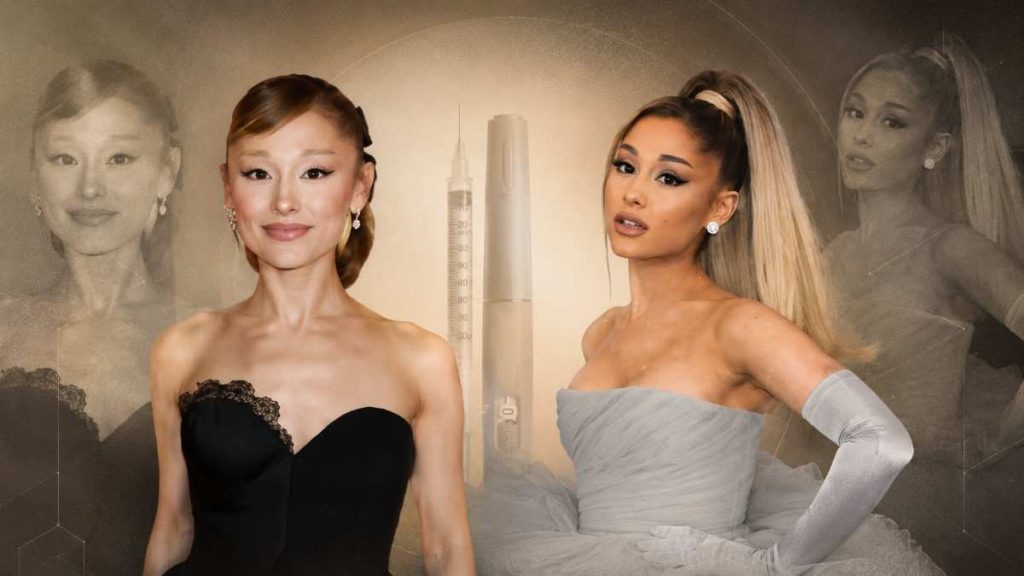
Ariana Grande’s weight loss became one of the most discussed celebrity appearance stories of 2024. The commentary cut in both directions: criticism about being visibly thin, speculation about medication use, and a separate wave of people insisting any concern was itself body shaming. She was in an impossible loop where any response produced more commentary.
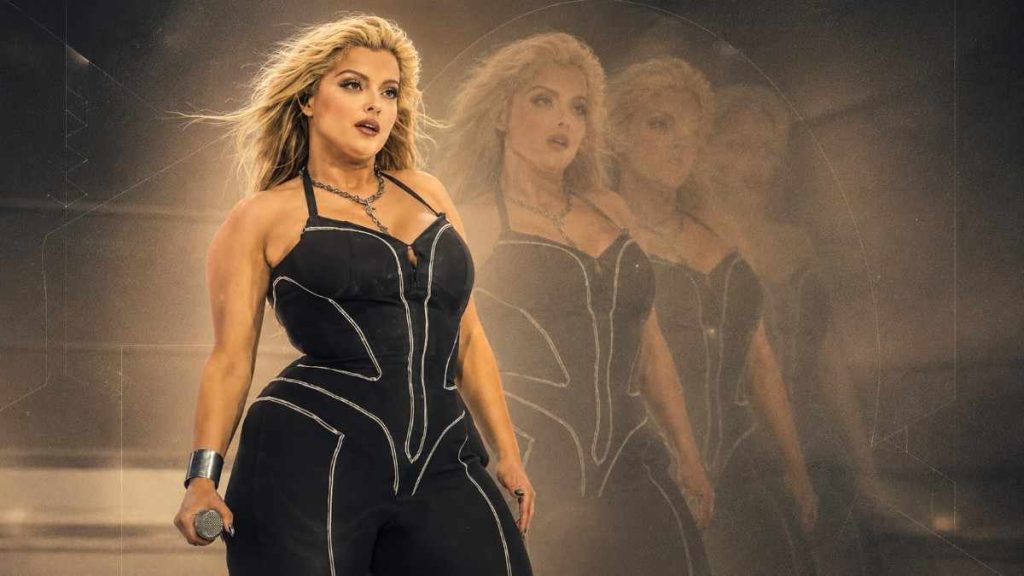
Bebe Rexha had a different experience. After a paparazzi photo went viral and generated a flood of negative comments about weight gain, she publicly named specific accounts and called out the harassment directly. That response itself became the story.
The structural point is this: none of these women were targeted because of something they did. They were targeted because they were impossible to ignore at that specific moment. The body was the available attack surface when no other one existed.
Why the Same Pattern Keeps Repeating
The target is almost always a woman at the peak of her cultural visibility. When someone becomes unavoidable through a major project, a press tour, a viral moment, or a relationship, the appearance commentary begins. The timing is not coincidental.
Body shaming in these cycles isn’t primarily about the body. It’s about visibility. Physical appearance is the easiest, most socially normalized vector for projection, and there’s a long history of this being true.
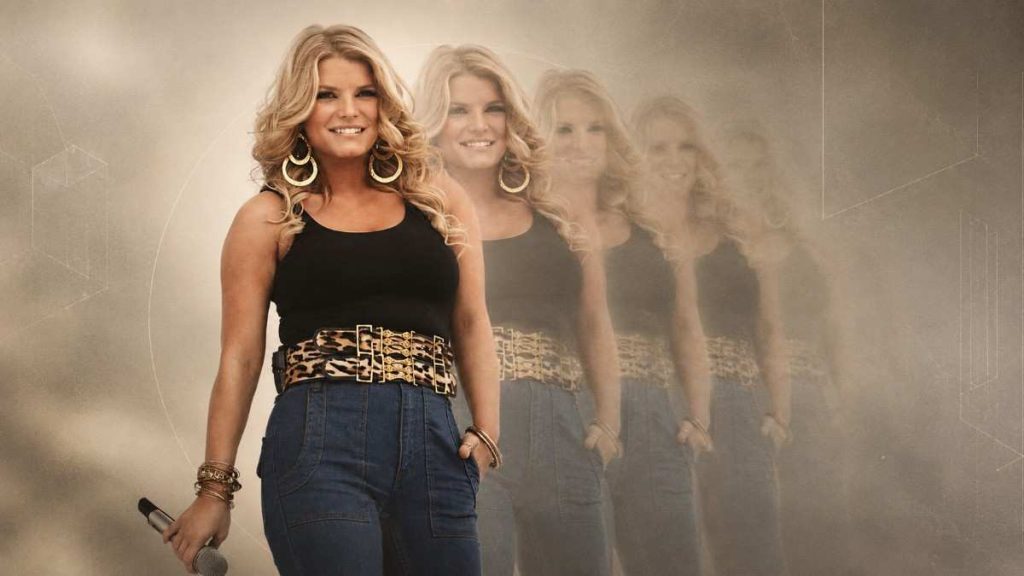
Consider Jessica Simpson in 2009. The “mom jeans” moment wasn’t random timing. She had just crossed into a new cultural tier, with a country crossover, major brand deals, and heightened media presence. The commentary arrived with the visibility. Same mechanism, different decade.
Jonah Hill is the most frequently cited male example of celebrity body shaming. His 2023 response is worth noting: he stated publicly that he would no longer respond to any commentary about his body and declined further discussion. The frequency and intensity of body commentary directed at men, while real, skews dramatically lower than what women in equivalent positions experience.
The Double Standard That Makes It Inescapable
The current contradictory pressure is new in a specific way. In the 2000s, the tabloid machine applied pressure in one direction: thin was correct, anything else was criticized. The formula was brutal but legible.
The current cycle runs two contradictory standards simultaneously. Being visibly larger gets criticized. Being visibly thin gets Ozempic accusations, health concern-trolling, and commentary about setting a bad example. There is no body that passes inspection, which means more celebrities are caught in the machinery regardless of their actual size or health. That’s a direct consequence of the Ozempic baseline shift.
How the Ozempic Era Changed What “Normal” Looks Like on Screen
Since 2023, GLP-1 medications have become widespread enough among high-earning celebrities that the visible baseline for Hollywood bodies has shifted. Multiple entertainment industry observers have documented an observable thinning trend among A-list women at red carpet events, with the pace accelerating into 2024.
The result is a perverse new dynamic: staying the same now reads as a statement. Celebrities who haven’t changed physically now look different in comparison, not because they changed, but because the comparison pool did. The frame moved. They didn’t.
This is what turned Ariana Grande’s weight loss into such a flashpoint. She became visible enough to function as a proxy for a much larger conversation the culture was already having about why Hollywood women are visibly shrinking and what is driving it.
The commentary runs in both directions as a direct result. Celebrities who appear to have used medication get speculation and criticism about authenticity. Celebrities who haven’t changed get commentary about why they let themselves go. The Ozempic era didn’t create celebrity body shaming. It made the trap inescapable from two sides instead of one.
This Is Not What the 2000s Tabloid Era Looked Like
The 2000s tabloid model had a chokepoint. One editor decided who got the red circle. The cruelty was real and the damage was documented. Britney Spears, Janet Jackson after the Super Bowl, and Tyra Banks on the beach all received coverage deliberately engineered to humiliate. BuzzFeed and other outlets have catalogued how calculated that editorial machine was.
The key word is “editorial.” There was a gate. A human being decided to run a story, approved a photo, and chose a headline. That gate was not morally clean, but it existed.
The internet replaced the tabloid editor with an algorithm, and the algorithm has no gate. It optimizes for engagement, and appearance-based outrage generates engagement reliably. An Instagram post or red carpet clip can reach millions and collect thousands of comments within hours. The speed is different. A magazine published weekly. A pile-on builds in real time. The permanence is different. A tabloid story went out of circulation. A comment section is indexed, searchable, and never fully disappears.
If you’ve read about how reality TV contracts structure what participants can and cannot say publicly, the same logic applies here. Media formats shape participant behavior, and platform structure shapes what the audience does. The reality TV contract details that bind contestants reveal how much of what looks like spontaneous reaction is actually a product of the system’s design. The same principle holds in celebrity commentary culture.
Why Fan Communities Make It More Intense
A significant portion of appearance commentary doesn’t come from people who dislike the celebrity. It comes from self-identified fans. Research into parasocial relationships shows that the more invested a person is in a celebrity, the more personally they react to visible changes in that person.
Weight gain or visible weight loss can feel, to a fan with a strong parasocial attachment, like a betrayal of the version they fell for. That emotional investment doesn’t make the commentary gentler. It makes it more personal and more specific than what a stranger would say. The fans who claim the deepest attachment are frequently the ones most willing to police the body of the person they claim to love.
What “Body Shaming” Actually Means Online
Body shaming refers to negative commentary about a person’s physical appearance that they didn’t invite and that serves no constructive purpose. That definition is not contested by anyone arguing in good faith.
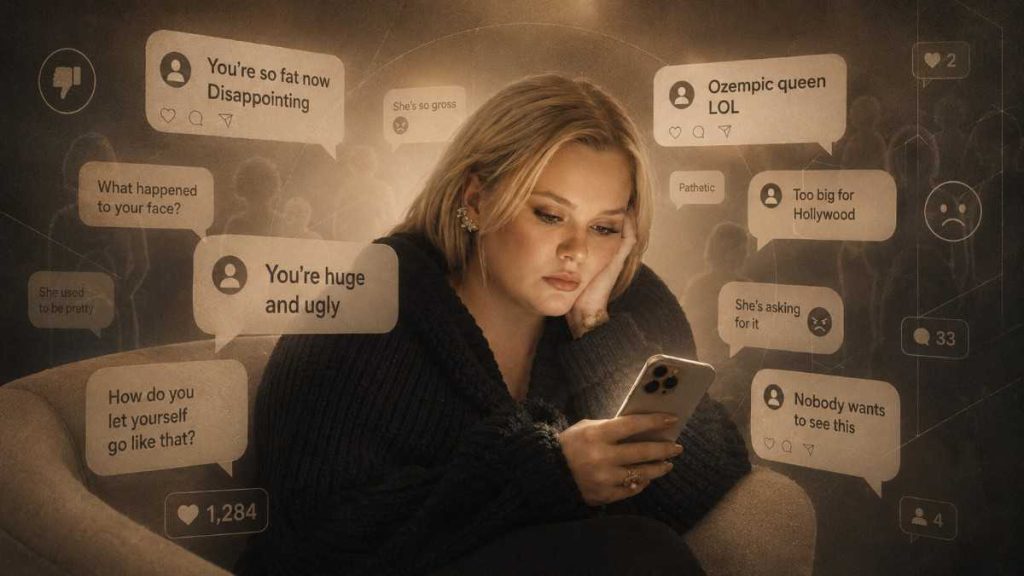
The actual argument in comment sections is about the line between observation and shaming. That ambiguity is what keeps the debate running indefinitely. The most common current form is concern trolling, where explicit criticism of a celebrity’s weight gets framed as health concern: “I’m just worried about her” or “this isn’t a body positive issue, it’s a medical one.” The framing changes. The effect on the person receiving it doesn’t.
The celebrity facing this gets trapped in an unfalsifiable loop. Gaining weight generates one category of comments. Losing weight generates a different category. Responding generates commentary about sensitivity. Not responding generates commentary about guilt. There is no move that closes the loop, because the loop isn’t about finding the right answer. It’s about keeping the conversation about the celebrity’s body alive as long as possible.
Why This Reveals More About the Audience Than the Celebrity
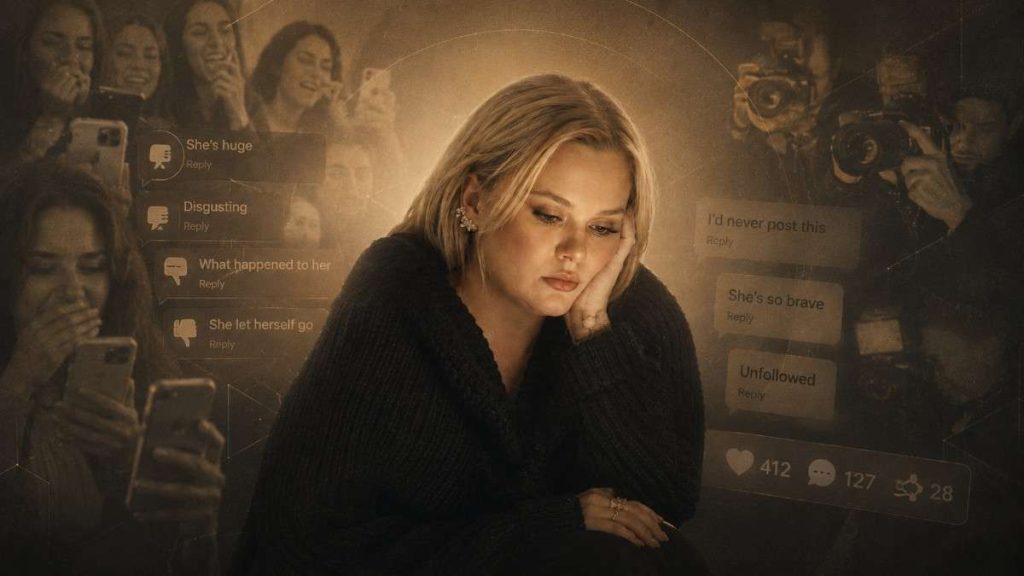
Every body-shaming cycle maps what the current dominant culture considers acceptable, threatening, or transgressive in a body at that specific moment. The ferocity of the commentary isn’t about what the celebrity looks like. It’s about what their body represents to the person commenting.
What a celebrity’s body represents is almost always something the observer is anxious about in themselves. Aging, weight gain, loss of control, illness, the feeling that the rules aren’t fair. Psychologists describe this as projection-based social comparison, where internal discomfort gets externalized onto a visible, socially acceptable target. The celebrity is not incidental to this process. They are necessary.
This is also why the pattern recurs with such precision. The specific celebrity changes. The mechanism is identical. A new highly visible woman enters the cultural frame, the commentary starts, she responds or doesn’t, and the cycle concludes before the next one begins. The audience behavior is consistent across decades, platforms, and targets because the underlying anxiety doesn’t go anywhere.
For a parallel look at how online hate targets visible figures in structured, recurring patterns, the Temptation Island 2026 most hated contestants piece tracks how the same projection mechanics show up in reality TV pile-ons. Different context, same audience behavior.
FAQ: Celebrity Body Shaming Questions People Are Actually Searching
What are some current examples of celebrity body shaming in 2024 and 2025?
Nicola Coughlan faced sustained body commentary throughout the Bridgerton Season 3 press cycle in 2024, addressing it publicly on multiple occasions. Ariana Grande’s visible weight change generated widespread commentary across social platforms, including criticism, speculation about medication use, and debate about whether the commentary itself constituted shaming. Bebe Rexha received a wave of negative comments after a paparazzi photo circulated and publicly called out specific accounts by name. Each case occurred during a moment of peak visibility for the person involved.
Is it body shaming to comment on a celebrity losing too much weight?
Yes. The definition of body shaming covers negative commentary about appearance in any direction that the subject didn’t invite and that serves no constructive purpose. Framing concern about visible weight loss as a health observation doesn’t change the effect on the person receiving it. The “too thin” version operates exactly like the “too fat” version in terms of what it does to the person on the receiving end.
Why do fans body shame celebrities they claim to support?
Parasocial attachment creates a situation where fans develop strong emotional investment in a specific version of the celebrity. Visible physical change, in either direction, can feel threatening to that attachment. The fan experiences it as a loss of the image they bonded with, not as a neutral event. The result is that some of the most pointed appearance commentary comes from people who genuinely believe they are invested fans, not critics.
Has celebrity body shaming actually gotten worse since social media, or does it just feel that way?
The volume, speed, and reach have increased by a meaningful margin compared to the tabloid era. In 2005, a celebrity body-shaming story required a print publication, a distribution cycle, and a newsstand. Today the same commentary reaches millions within hours, generates thousands of individual responses, and is archived permanently. By measurable criteria of reach and volume, it is worse. It does not just feel that way.
What does Ozempic have to do with celebrity body criticism right now?
Widespread use of GLP-1 medications has shifted the visible baseline for Hollywood bodies, particularly for women. Celebrities who have visibly changed face speculation and criticism about medication use. Celebrities who haven’t visibly changed now exist against a comparison pool that has shifted, making not changing legible as a statement. Both groups are now targets. The Ozempic era made the double bind inescapable in a new way.
Isn’t commenting on a celebrity’s body just part of being famous?
Public figures accept scrutiny of their work, their public statements, and the image they actively construct and sell. None of that extends automatically to their bodies. The argument that fame requires tolerating body commentary conflates public accountability with open-season cruelty. The “price of fame” framing is a convenient way to avoid examining what’s actually happening, which is that visible women are used as surfaces for cultural anxiety that has nothing to do with them personally.
The Cycle Will Keep Running
The most honest thing to say about celebrity body shaming in 2025 is that the conditions producing it are fully intact. Algorithmic amplification, parasocial investment, contradictory beauty standards, and a cultural norm that treats women’s bodies as public property are not going anywhere.
The pattern has shifted before. It shifted slightly after Britney Spears’s public breakdown, after Demi Lovato spoke about eating disorders publicly, and after Lizzo’s visibility changed the conversation about who got celebrated versus criticized. Each shift lasted until the next high-visibility target appeared. The mechanism reset every time. That tells you the shifts were emotional responses to specific cases, not structural changes to the system running them.
The next time a celebrity’s appearance becomes a trending topic with no other hook attached to it, look at where that person is in their visibility arc. Look at whether the current beauty standard cycle gives them anywhere to stand. And look at who is loudest in the comments. Chances are good it’s people who claim to be fans.