TL;DR
- Only about 30–40% of sounds in English can be distinguished by watching lips alone, making any long “read” at least partly guesswork.
- Dozens of English sounds look completely identical on the lips, so a confident translation is often a confident guess.
- Viral lip reading clips almost always emerge AFTER drama is already suspected, not before — they confirm a story, they do not discover one.
- The brain treats certainty as evidence, which means a confident clip feels like proof even when the underlying read is shaky.
- Platforms reward dramatic confidence over measured uncertainty, so the incentive structure guarantees more of this content.
- A three-question test at the end of this piece will help you judge any clip in under a minute.
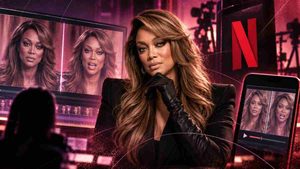
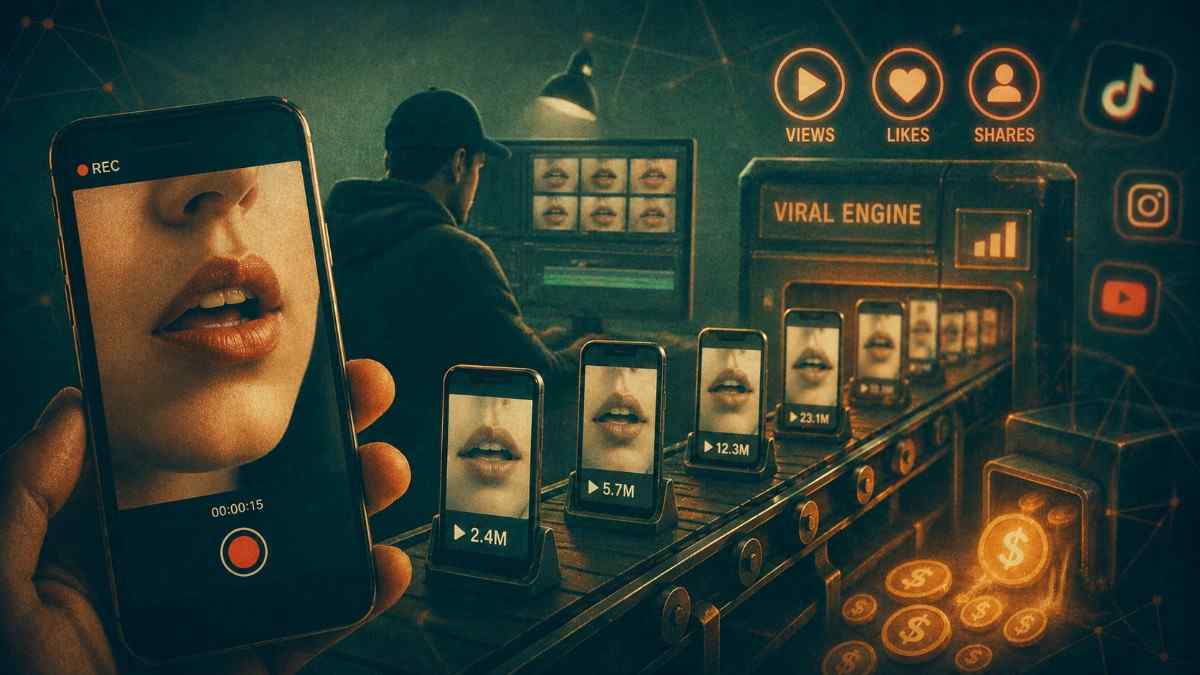
A clip surfaces on TikTok. A celebrity is at a red carpet event or an awards show. The camera catches their mouth mid-sentence. A creator freezes the frame, zooms in, and delivers a verdict with total confidence: “She DEFINITELY just said X.” Within 48 hours, the clip has two million views, the celebrity is trending, and half the internet is treating a pixelated video as a sworn deposition.
The problem is that what she “definitely” said could just as easily be four other things. And the person reading her lips almost certainly had a theory before they ever pressed play.
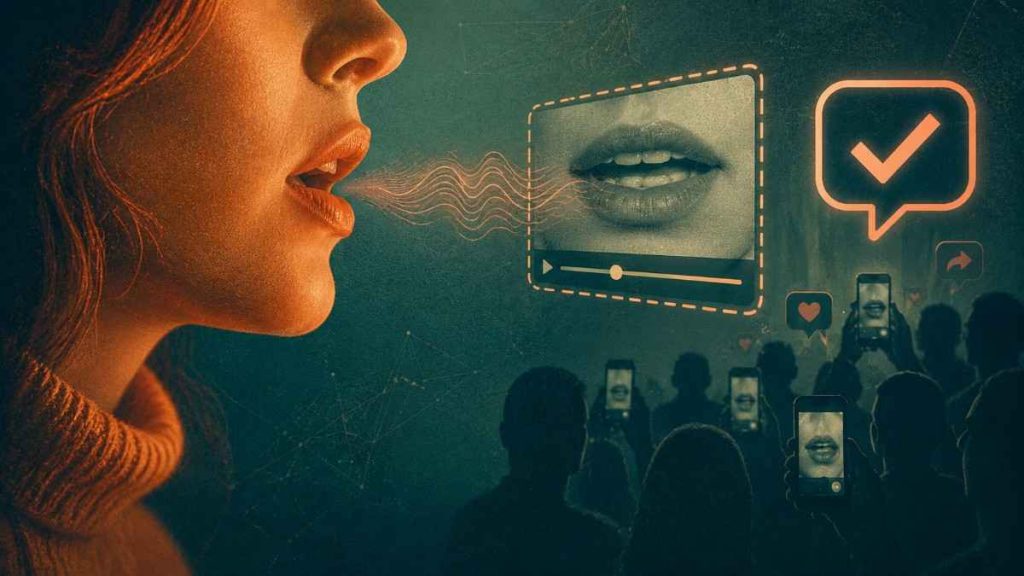
This happens constantly. Celebrity lip reading clips are one of the most reliably viral formats on TikTok and Twitter, and they keep spreading regardless of whether they turn out to be accurate. What actually drives these clips is not accuracy. It is the feeling of resolution. This piece breaks down the science behind lip reading, the psychology behind why the clips feel convincing, the platform mechanics that keep them coming, and a simple test for judging any clip you see.
H2 1: Lip Reading Clips Usually Start With a Conclusion, Not a Question
The viral lip reading clip is not an investigation. It is a confirmation dressed up as a discovery.
Think about when these clips actually appear. They do not show up randomly, out of context, about a celebrity no one is discussing. They emerge AFTER a known event with known drama, after a suspicious interaction at the Met Gala, after two celebrities are seated near each other at an awards show where everyone already knows there is a feud. The audience comes pre-loaded with a theory, and then the clip arrives to validate it.
The direction of the read matters more than the read itself
A real-world lip reader working in a professional or personal context starts from zero. They watch someone’s mouth and try to piece together meaning without a pre-existing narrative. They regularly miss significant portions of what was said and acknowledge uncertainty.
The viral format runs in the opposite direction. The creator already knows the drama, already has an opinion about what happened, and then watches the footage looking for confirmation. That is not a neutral reading process. That is someone watching a blurry video until it agrees with them.
Bad Lip Reading gets credit for being honest about this
The channel Bad Lip Reading does something genuinely transparent: it replaces real speech with completely absurd, made-up sentences and presents the whole thing as comedy. No one watching Bad Lip Reading believes the NFL coach actually said something about burritos. The joke is that the words are invented.
The celebrity gossip lip reading format borrows the exact same visual structure — freeze frame, zoom, caption, confident voice-over, but drops the comedy label entirely. It presents its invented translation as a genuine finding. That single difference in framing is what makes it feel like information rather than entertainment.
This is worth keeping in mind the next time a clip surfaces about what cameras misrepresent, the format creates the feeling of authenticity whether or not the content earns it.
H2 2: How Reliable Are Lip Reading Clips, Really?
Lip reading is genuinely useful in the right conditions. Those conditions are almost never present in a viral clip.
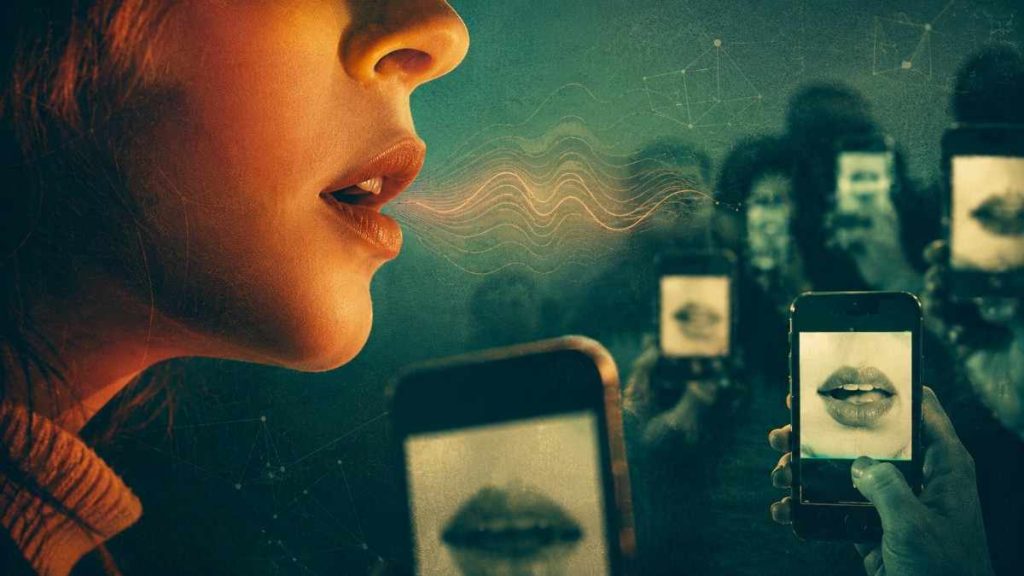
Research on speechreading consistently finds that only around 30–40% of sounds in the English language can be visually distinguished by watching lip movements alone. Reading lips is less like reading a book and more like reading a book with 60% of the letters missing.
The sounds that look identical are everywhere
Several groups of English consonants produce the exact same lip shape. The sounds for “p,” “b,” and “m” are completely indistinguishable visually. The same is true for “f” and “v,” and for the group containing “t,” “d,” and “n.” These are not rare sounds, they appear constantly in everyday speech, which means a lip reader is choosing between multiple options every few syllables.
This matters enormously for a viral clip. A creator watching a celebrity at a red carpet event is not decoding a clear signal. They are pattern-matching a sequence of ambiguous shapes onto words that fit the story they already expect to find.
Even trained lip readers hit a ceiling
People who have been deaf from birth and have spent decades practicing lip reading typically understand around 30–45% of a conversation without hearing devices, under ideal conditions: good lighting, a straight-on angle, a patient speaker, no background noise.
A celebrity at a noisy awards show, filmed at an angle on a phone camera, partially turned away, speaking quickly while also smiling or laughing, represents nearly the worst possible conditions for accurate lip reading. A creator working with that footage and delivering a confident, word-for-word translation is not demonstrating skill. They are demonstrating confidence, which is a completely different thing.
H2 3: Why Viral Lip Reading Clips Feel Like Proof
Here is the part that actually explains the virality: the brain is not evaluating these clips the way it thinks it is.
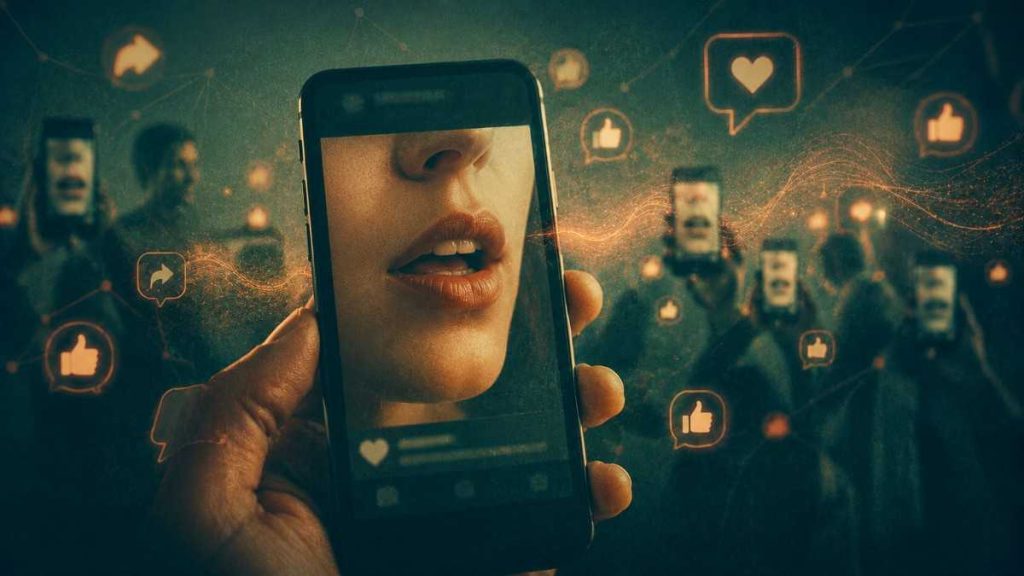
The brain is built to complete incomplete patterns automatically, before conscious judgment kicks in. When you see a mouth moving and a caption telling you what was said, your brain does not cross-check the visual against the text. It fuses them. The caption shapes what you perceive the mouth to be saying. Once the words are supplied, the brain locks in and alternative interpretations become almost invisible.
Confirmation bias does the heavy lifting
When a viewer already suspects a celebrity drama, a clip “confirming” that drama does not feel like new evidence. It feels like the thing they already suspected being proven right. The prior belief does most of the work; the clip just supplies permission to stop wondering.
Celebrity gossip is a perfect environment for this shortcut to fire constantly. The internet already knows who feuded with whom, who gave a cold shoulder at what event, who unfollowed whom on Instagram. By the time a lip reading clip arrives, the viewer’s brain has already pre-loaded a verdict. The clip provides the final nudge, and it lands with the weight of confirmation rather than the lightness of speculation.
Corrections almost never catch up
Sharing a lip reading clip is not just about the content. It signals that the sharer is plugged in, following the drama, part of the conversation. Accuracy is secondary to what the share communicates about the person doing the sharing.
This is also why corrections rarely travel as far as the original claim. The brain already resolved the uncertainty. Reopening it requires more cognitive effort than the original clip demanded, and there is no social reward for sharing “actually, that read was probably wrong.” You can see this same pattern in how rumors spread online , once a narrative exists, people find reasons to extend it rather than examine it.
H2 4: Why Creators Keep Making Them and Platforms Keep Rewarding Them
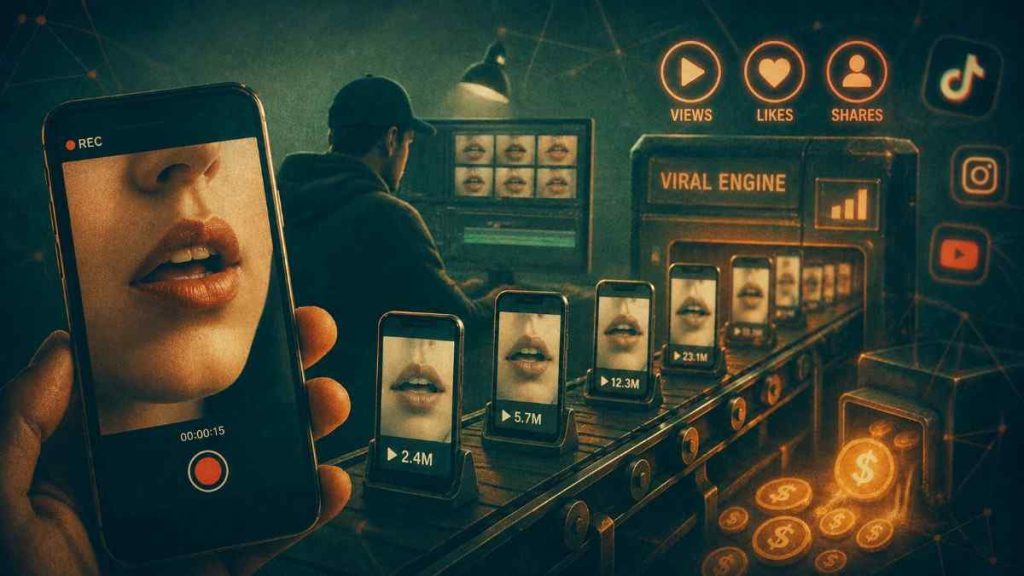
The supply side of this equation is not mysterious. Creators make lip reading clips because they work.
A confident, dramatic read outperforms a cautious one every single time. “She MIGHT have said something negative but it is genuinely hard to tell from this angle” is not getting two million views. “She 100% just told him she is done with this friendship” is. The format rewards certainty, so creators deliver certainty, regardless of what the footage actually supports.
The accountability gap is real
Creators who produce lip reading gossip content face almost no consequences for being wrong. By the time a “translation” is disputed or debunked, the original clip has already completed its viral run. The correction, if it happens at all, reaches a fraction of the original audience. The content is labeled as entertainment, which insulates it from the standard of accuracy, but it is consumed as fact.
Platforms are built to surface exactly this
The algorithmic logic of TikTok, Twitter, and Instagram Reels rewards content that generates high completion rates, shares, and comment engagement. A clip that resolves a question millions of people are already asking checks every one of those boxes. The platform does not evaluate whether the resolution is accurate, it evaluates whether the resolution is engaging. Those are not the same thing, but the feed treats them identically.
The loop is self-sustaining. Drama happens. Clip emerges. Clip spreads. Celebrity trends. More drama is anticipated or manufactured. Creators who understand the format get better at making clips that feel maximally credible while requiring minimal accuracy.
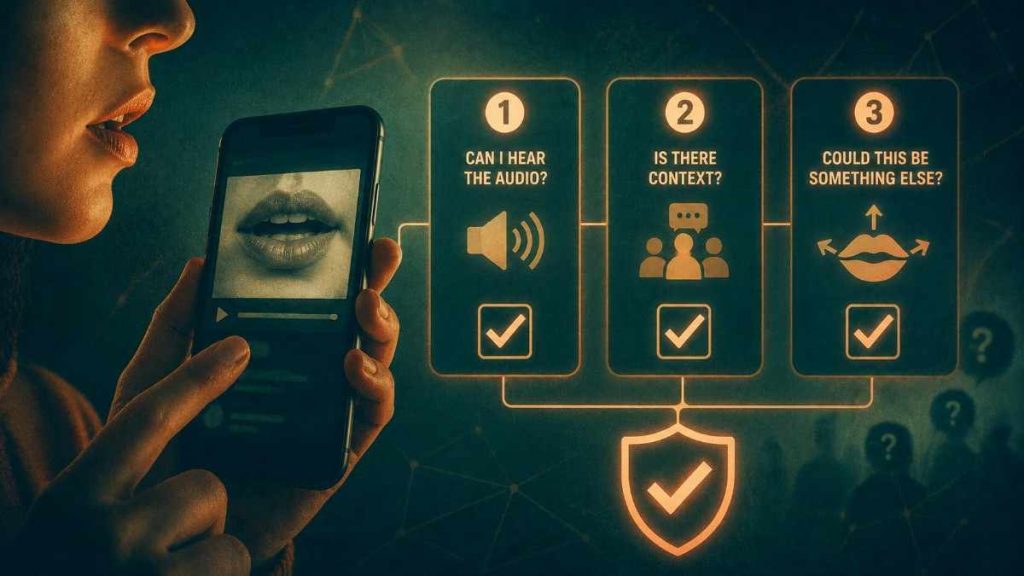
H2 5: A Three-Question Test for Any Lip Reading Clip
Not every lip reading clip is equally unreliable. This three-question test will help you figure out where any given clip falls before you share it or form an opinion based on it.
Question 1: Did the drama come before the clip, or did the clip create the story?
If you already knew about a feud or a suspicious moment before the clip surfaced, and the clip exists specifically to address that existing drama, that is a strong signal the “read” was shaped by the narrative rather than the footage. The clip exists because someone went looking for confirmation and found it.
Question 2: What are the actual filming conditions?
Is the shot straight-on or at an angle? Is the lighting clear or murky? Is the footage high resolution or compressed to the point where lip shapes are blurry? Is the speaker talking quickly, laughing, or distracted? Even a trained lip reader gets roughly 30–40% accuracy under ideal conditions. Poor filming conditions mean the creator is working with far less than that.
Question 3: Does the creator acknowledge other possible readings?
Because groups of sounds look identical on the lips, any honest lip reading attempt should produce multiple plausible interpretations for at least some syllables. A creator who presents a single translation with zero acknowledgment of ambiguity is not being thorough. They are being theatrical. The certainty is the tell.
FAQ
Why do lip reading clips go viral even when they are wrong?
They go viral because they resolve uncertainty, and the brain values that resolution more than it values accuracy. When a clip confirms drama that viewers already suspected, it does not feel like speculation. It feels like proof. Sharing it also serves a social function — it signals that the person sharing is following the story. By the time the read turns out to be wrong, the clip has already completed its viral run and the audience has moved on to the next piece of drama.
How accurate is lip reading in real life?
Research on speechreading consistently finds that only around 30–40% of English sounds can be visually distinguished from lip movements alone. Even people who have practiced lip reading for decades as a primary communication tool — including those who have been deaf from birth — typically understand around 30–45% of a conversation without hearing devices. Ambient conditions like camera angle, lighting, speaking pace, and obstructions reduce that percentage further.
What sounds look the same when lip reading?
Several groups of English consonants produce identical lip shapes. The sounds “p,” “b,” and “m” are visually indistinguishable from each other. So are “f” and “v,” and the group containing “t,” “d,” and “n.” These are common sounds that appear constantly in normal speech, which means a lip reader encounters ambiguous choices repeatedly in every sentence, not occasionally.
Is Bad Lip Reading the same as celebrity gossip lip reading clips?
No, and the difference matters. Bad Lip Reading is openly comedic. It replaces real speech with deliberately absurd sentences and presents itself as entertainment. Everyone watching knows the words are invented. Celebrity gossip lip reading clips use the same format but present their translation as a genuine read of what was actually said. That framing difference is what makes gossip clips feel like information rather than comedy.
But what if the lip reader is actually trained and experienced?
Even trained lip readers max out at roughly 40–45% accuracy under ideal conditions, and that ceiling drops fast when filming conditions are poor. More importantly, training does not protect against confirmation bias. A reader who already has a theory about what was said is filtering ambiguous visual information through that theory, whether they intend to or not. Professional forensic lip readers who testify in legal settings are required to acknowledge multiple possible interpretations precisely because certainty is almost never warranted.
How can I tell if a lip reading clip is actually worth believing?
Ask three questions. First, did the drama exist before the clip, or did the clip create the story? If the drama came first, the read was likely shaped by it. Second, are the filming conditions clear enough to support the confidence of the read? A blurry, angled, crowd-shot clip cannot support a word-for-word translation. Third, does the creator acknowledge any alternative readings? If the creator sounds completely certain with no acknowledgment of ambiguity, that certainty is theatrical, not diagnostic.
The Real Product Being Sold Is Certainty
The most important thing to take away from all of this is not that lip reading is imperfect. It is that the clips were never really about lip reading at all. What they sell is the feeling of knowing, the feeling of having watched the footage, heard the verdict, and being able to close the loop on something that was bothering you.
The next time a clip surfaces and your first instinct is to share it, run the three-question test first. Does the drama predate the clip? Are the filming conditions bad? Does the creator sound impossibly certain? If all three answers point the same direction, you are looking at confident speculation formatted as evidence.
The format is not going away. Platforms will keep rewarding it, creators will keep making it, and celebrity drama will keep supplying the raw material. What changes is whether you are a passive consumer of the certainty being manufactured, or someone who noticed the machinery behind it.