

Who Is Kaitlin Armstrong?
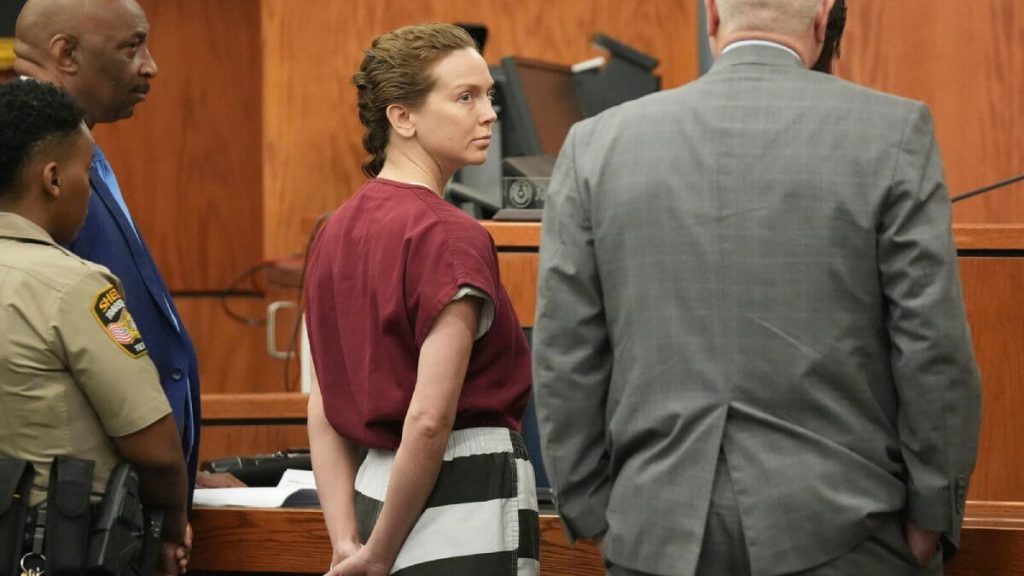
Kaitlin Armstrong was a yoga instructor based in Austin, Texas, in her mid-30s at the time of the murder. She had no prior criminal record. On paper, her life looked ordinary in the best way: fitness-focused, relationship-committed, Austin-cool. She and Colin Strickland had been together, off and on, for approximately two and a half years before May 2022. Strickland confirmed this timeline in trial testimony, using those words: off and on, for about two and a half years.
That on-again, off-again detail matters a lot. It is not just relationship backstory. It is the psychological architecture that makes everything that followed possible to understand. A person does not lose that much stability in a single evening. The instability was already there.
Armstrong had no public history of violence. What she did have, based on what the trial record revealed, was a relationship that had never quite settled into security, with a partner whose history with another woman she knew about and could not fully put behind her.
Who Was Moriah “Mo” Wilson?
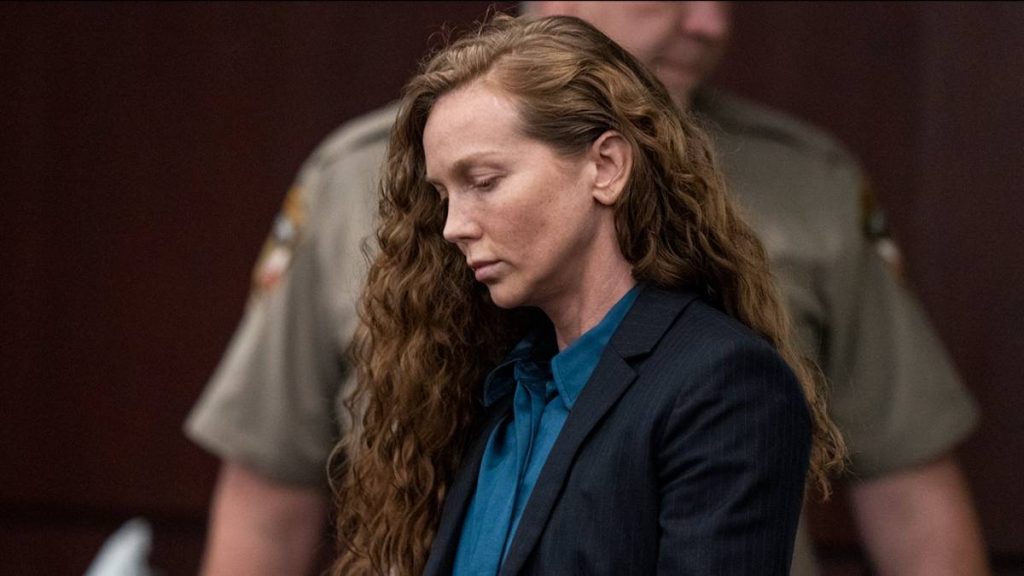
Moriah Wilson deserves to be known as more than a name in someone else’s crime story. She went by Mo. She was 25 years old. She had emerged as one of the most gifted gravel and cyclocross racers in the country, competing at the elite level with the kind of results that made people in the sport take notice. She was visiting Austin the week she was killed specifically to race.
Her connection to Colin Strickland predated his more serious relationship with Armstrong. The two had a brief romantic involvement that had, by Strickland’s own trial testimony, evolved into something more like a close friendship by the time of her death. Strickland described that connection in court as “more friendship-like.” Wilson was not, based on the evidence presented at trial, actively pursuing Strickland in the days before she was killed.
She was at a friend’s house. She was preparing for a race. She was 25. That is the full context of where she was and what she was doing when Kaitlin Armstrong showed up.

The Relationship That Made the Kaitlin Armstrong Motive Possible
The motive did not begin on May 11, 2022. It began somewhere in two and a half years of an unstable relationship that never fully resolved itself.
What “Tumultuous” Actually Means in This Context
Colin Strickland used the word “tumultuous” to describe his relationship with Kaitlin Armstrong when he testified at her trial. That word is doing a lot of work. Tumultuous relationships are not just dramatic or occasionally tense. They are relationships defined by cycles: closeness followed by rupture, reconciliation followed by renewed anxiety about whether the reconciliation will hold.
Research on volatile relationship patterns consistently shows that people in on-again, off-again dynamics report significantly higher levels of relationship uncertainty, jealousy, and fear of abandonment than people in more stable partnerships. The cycle itself becomes the problem, not any single incident. Each break-up adds to the accumulated evidence that the relationship is not secure. Each reunion comes loaded with the memory of the last time it fell apart.
This matters for understanding what happened because it means Armstrong was not operating from a baseline of security. She was operating from a baseline of instability that had been reinforced repeatedly over more than two years. If you want to understand volatile relationship dynamics and how they shape behavior, that pattern is the starting point, not an add-on.
What Armstrong Knew About Strickland and Wilson
Armstrong knew about Moriah Wilson. She knew that Strickland and Wilson had a history. She knew that Wilson was in Austin the week of May 11. And she knew, or learned, that Strickland had spent the evening with Wilson before Wilson went to her friend’s house that night.
Strickland and Wilson had dinner together and went swimming earlier that day. These details came out in trial testimony and were widely reported in coverage from NBC News and CBS. Armstrong’s awareness of that evening is the specific trigger. But calling it a trigger is only accurate if you understand what it was triggering: not a fresh emotion, but a long-accumulated one that had been looking for a reason to break open.

Why Jealousy Alone Does Not Fully Explain the Kaitlin Armstrong Motive
Jealousy is real in this case. The prosecution named it. Multiple news outlets repeated it. It is not wrong. It is just incomplete, and the incompleteness matters.
Here is the problem with stopping at jealousy: jealousy is an emotion. Emotions do not plan. Emotions do not drive across town with a weapon. Emotions do not use a sibling’s passport to flee to another country. Something more structured than a feeling was at work here.
A more accurate way to understand what happened is through three distinct layers that stacked on top of each other:
- Layer 1: The foundation. A two-and-a-half-year relationship defined by instability, in which Armstrong had developed a chronic, unresolved anxiety about losing Strickland to someone else.
- Layer 2: The trigger. A specific event, specifically the knowledge that Strickland had spent the evening with Wilson, that activated the foundation and pushed Armstrong to a point of action.
- Layer 3: The execution. A series of deliberate steps: locating Wilson, traveling to the location, using a weapon, and then immediately beginning to cover her tracks.
The Reddit thread that circulated after the verdict actually captured this instinct well. Even people casually following the story felt that “she was jealous” didn’t fully add up as a complete explanation. They were right. Jealousy describes the emotional state. It does not describe the behavioral sequence that turned that emotional state into a killing.
Research on intimate partner violence makes this distinction consistently. Lethal escalation is almost never the product of a single emotional episode. It follows a period of perceived threat, control attempts, and mounting fear that a relationship is slipping away. The specific violent act is almost always preceded by a longer arc that, in retrospect, contained warning signs the people inside the situation could not always see clearly.
This is not a clinical diagnosis of Armstrong. It is a documented pattern in cases that structurally resemble this one, and it helps explain why the jury convicted on a premeditation theory rather than a heat-of-passion one.
What Happened in the Days Before the Murder
On May 11, 2022, Colin Strickland and Moriah Wilson spent the evening together. They went swimming and had dinner. Afterward, Wilson went to stay at a friend’s apartment in Austin.
Armstrong and Strickland were in an active, together phase of their relationship at the time. Armstrong’s awareness of the evening Strickland spent with Wilson appears to have served as the specific activation point. What came after was not frantic or panicked. It was directed.
Surveillance footage from the area placed Armstrong’s vehicle near the location where Wilson was staying. A neighbor called 911 after hearing screams and three gunshots. Wilson was found shot inside the apartment. She died from her wounds.
Police identified Armstrong as a person of interest quickly. The combination of motive, physical evidence, and her sudden disappearance from Austin gave investigators a clear starting point. Armstrong did not stay to answer questions. She was already moving by the time the investigation began.

Was the Kaitlin Armstrong Murder Planned or a Crime of Passion?
The jury’s verdict answers this question: the killing was treated as premeditated murder, not a crime of passion. The distinction is not just legal. It is the difference between something that could have been stopped in a single moment of better judgment and something that required a series of intentional decisions.
What the Prosecution Argued
The prosecution built its case on premeditation evidence, not emotion. The core arguments were: Armstrong knew where Wilson would be that night, she drove to the location, she had a weapon, and she left before anyone could stop her. Each of those steps required a decision. None of them were accidental.
The surveillance footage placing her vehicle near the scene was a cornerstone of the physical evidence. The prosecution also pointed to Armstrong’s behavior after the killing as evidence of a prepared mind. People who kill impulsively, in genuine heat of passion, do not typically have a route out of the country already understood. Armstrong did.
What the Defense Argued
The defense maintained that Armstrong was innocent and challenged the prosecution’s physical evidence as circumstantial. The argument was that placing a vehicle near a scene and attributing a crime to its owner required more inferential steps than the prosecution acknowledged.
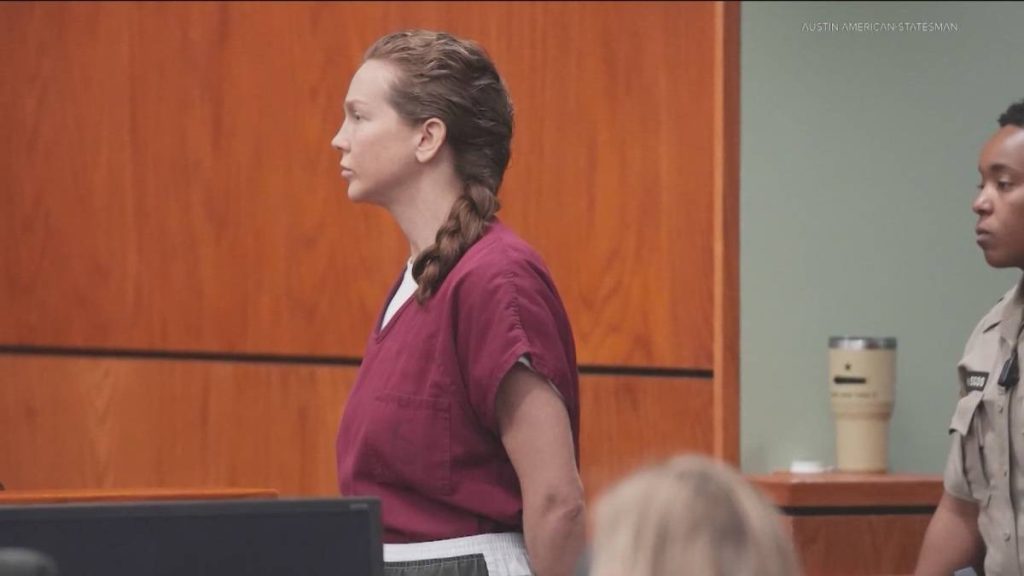
The jury did not agree. On November 16, 2023, they convicted Armstrong of first-degree murder. She was sentenced to 90 years, with parole eligibility after 30.
How Armstrong’s Behavior After the Murder Revealed a Calculated Mind
The most psychologically revealing part of this case is not the killing itself. It is what came after.
Within days of the murder, Kaitlin Armstrong was gone. She did not stay in Austin. She did not wait to see whether she would become a suspect. She used her sister’s passport, a piece of identification that would not immediately flag her name in a search, and traveled to Costa Rica.
Think about what that sequence requires. It requires knowing that your sister’s passport exists and is accessible. It requires the presence of mind to locate it and use it while managing the psychological aftermath of having just shot someone. It requires having at least a working sense of how to leave the country without being immediately identified. That is not the behavior of someone acting from pure, spontaneous emotion.
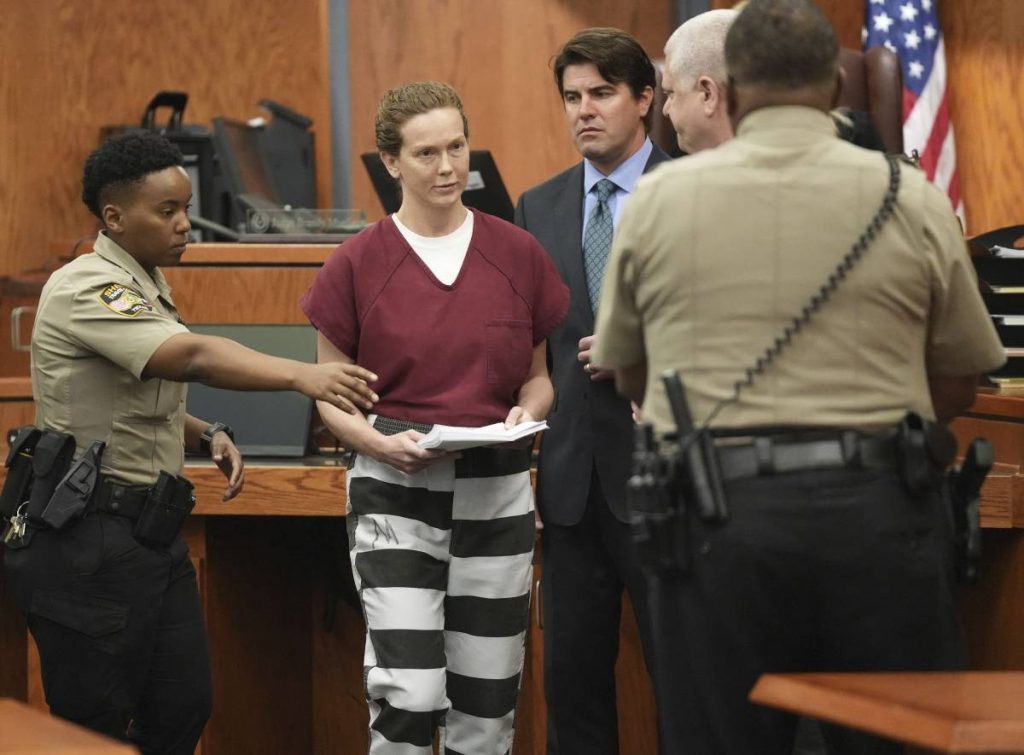
Armstrong spent 43 days as an international fugitive before being caught. She was located in Costa Rica after investigators tracked her movements. When questioned, she gave answers that ultimately revealed her identity. The 43-day run made her one of the more high-profile fugitives on U.S. Marshals’ radar during that period, and her capture was covered extensively by ESPN, CBS News, and NBC News.
Then, before her trial even began, she escaped custody again during a medical transport. She was recaptured quickly, but the second flight response added another data point to the record of a person whose instinct, under pressure, was consistently to run rather than face what she had done.
Psychologically, flight behavior after a crime is significant not because it proves guilt on its own, but because it reveals the person’s internal assessment of their own actions. You do not run from something you believe you did not do. You do not use your sister’s passport and board an international flight if you think there is a reasonable chance you will be cleared. The flight was, in its own way, a confession of awareness.
What Kaitlin Armstrong’s Conviction and 90-Year Sentence Mean
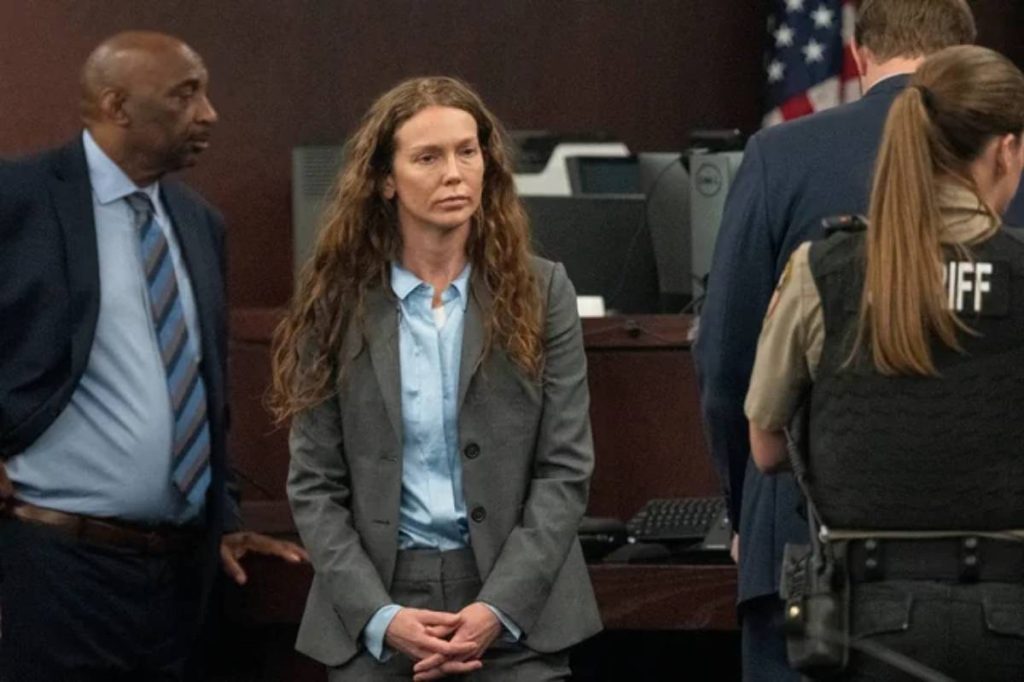
On November 16, 2023, a jury found Kaitlin Armstrong guilty of first-degree murder. The sentence was 90 years in prison. She becomes parole-eligible after 30 years.
The verdict confirmed what the prosecution had argued from the beginning: this was not a crime of passion. It was a planned killing. The jury looked at the motive, the physical evidence, and the behavior before and after the shooting and concluded that Armstrong had made deliberate choices at every step.
For Wilson’s family and the cycling community that had mourned her since May 2022, the conviction represented accountability, even if no verdict returns someone who was 25 and one of the best in her sport. For anyone trying to understand what happened and why, the 90-year sentence is the legal system’s way of saying that the premeditation case was proven beyond a reasonable doubt.
Armstrong’s defense has signaled interest in appealing the conviction. Appeals in Texas first-degree murder cases are not unusual, and the process could extend over several years. As of the time of writing, Armstrong is serving her sentence.

What This Case Reveals About How Jealousy Escalates
The most important thing this case illustrates is that jealousy by itself almost never causes lethal violence. What causes lethal violence is jealousy that has been building inside a structure that could not contain it.
The on-again, off-again relationship between Armstrong and Strickland was that structure. It provided two and a half years of accumulated evidence that the relationship was not stable, that Strickland had emotional ties to other people, and that Armstrong’s place in his life was never fully secured. That is the kind of environment in which a trigger, even one that might seem manageable to someone coming from a more stable situation, can produce an extreme response.
Behavioral research on intimate partner violence has documented this pattern across many cases. The period before lethal escalation typically involves multiple warning signs: controlling behavior, extreme jealousy, a pattern of threats or monitoring, and attempts by one partner to limit the other’s outside relationships. Not all of these were publicly visible in Armstrong’s case before May 2022, but the structural conditions, specifically a volatile long-term relationship with an unresolved rival figure, were clearly present.
The case also raises a broader point about how we talk about motive. When we reduce this to “she was jealous,” we make the case sound like an anomaly, something that only a particular kind of unstable person would do. The reality documented in behavioral research is that the pattern is disturbingly common, and the cases that end in violence are often the cases where the underlying structural conditions were the most entrenched and the least disrupted before someone acted.
Wilson is not a cautionary tale. She was a person. But her case, and the full picture of what drove Armstrong to kill her, is worth understanding clearly because the one-word explanation lets us off the hook from seeing how these situations actually develop.
Frequently Asked Questions About the Kaitlin Armstrong Case
Was Kaitlin Armstrong and Colin Strickland still together when the murder happened?
Yes. Armstrong and Strickland were in an active phase of their on-again, off-again relationship at the time of Moriah Wilson’s murder on May 11, 2022. Strickland testified at trial that the two had been together, off and on, for approximately two and a half years. He also testified that on the night of the murder, he had spent the evening with Wilson, going for a swim and having dinner before she went to a friend’s house where she was later killed.
Did Colin Strickland testify against Kaitlin Armstrong?
Yes. Colin Strickland testified during Armstrong’s trial. He described his relationship with Armstrong as “tumultuous” and characterized his connection with Wilson as more friendship-like by the time of her death. His testimony provided key context about the emotional dynamics between all three people involved and was part of the prosecution’s effort to establish motive and timeline. His account of the evening he spent with Wilson before her murder was central to establishing the specific trigger.
How did Kaitlin Armstrong get caught in Costa Rica?
Armstrong fled to Costa Rica using her sister’s passport after the murder. She spent 43 days as a fugitive before being located. According to reporting from CBS News, she was identified after answering questions in a way that revealed her true identity to investigators. The U.S. Marshals Service was involved in tracking her down, and her capture received significant media coverage in the summer of 2022.
Was the Kaitlin Armstrong murder premeditated or a crime of passion?
The jury found it was premeditated. The prosecution argued that Armstrong knew where Wilson would be, traveled to the location, had a weapon, and fled immediately in a way that suggested she had considered the consequences in advance. A crime of passion defense would require showing the killing occurred in a sudden, uncontrolled emotional state with no planning. Armstrong’s post-murder behavior, including international flight using a false identity, undermined that argument in the jury’s view.
Is jealousy really enough to explain why someone commits murder?
Jealousy as a sole explanation is too simple, and this case illustrates exactly why. Jealousy describes an emotional state. What actually produces violence is a prolonged structural condition, in this case a two-and-a-half-year unstable relationship, combined with a specific trigger event, combined with deliberate action. Behavioral research on intimate partner violence consistently shows that lethal escalation follows an arc rather than a single emotional spike. The jury’s premeditation verdict in this case reflects that the killing required planning, not just feeling.
Can Kaitlin Armstrong appeal her conviction?
Yes. Armstrong’s defense has indicated interest in appealing the conviction. Appeals in Texas first-degree murder cases are a standard legal process and can take years to work through the court system. An appeal typically challenges the legal procedures of the trial, the admissibility of evidence, or the sufficiency of evidence to support the verdict. It does not automatically result in a new trial or overturned conviction, and the bar for a successful appeal in a case with this much physical and circumstantial evidence is high.
Where is Kaitlin Armstrong now?
As of the time of writing, Kaitlin Armstrong is serving her 90-year prison sentence following her November 16, 2023, conviction for the first-degree murder of Moriah Wilson. She becomes eligible for parole after 30 years. Before the trial began, she had also attempted a second escape during a medical transport, which was unsuccessful and added to the public record of her case.
The Bottom Line
The Kaitlin Armstrong case is not a simple story about a jealous woman who snapped. It is a story about what happens when two and a half years of accumulated relationship instability meets a specific moment of perceived betrayal, and when the person experiencing that combination has already, in some part of her mind, begun to think about what comes next.
Jealousy was the word everyone used because it is the easiest word. The fuller picture is a foundation of chronic insecurity, a trigger, a deliberate set of actions, and a flight response that confirmed, as clearly as any piece of surveillance footage, that Armstrong knew exactly what she had done. The jury saw that picture. The 90-year sentence reflects it.
If you found yourself following this case and feeling like the official explanation never quite captured the whole thing, trust that instinct. The questions worth asking are not just who did it and why, but how a situation gets to that point in the first place. Those questions do not have a single-word answer. Understanding how blame works in relationships is rarely clean or simple, and this case is no exception.