Where Is Sarah Boone Now? The Suitcase Murder Case, Fully Updated
TL;DR
- Jorge Torres Jr. died in February 2020 after being locked inside a suitcase at the Winter Park, Florida home he shared with Sarah Boone.
- Boone was arrested and charged with second-degree murder, with video evidence recovered from her phone serving as the centerpiece of the prosecution’s case.
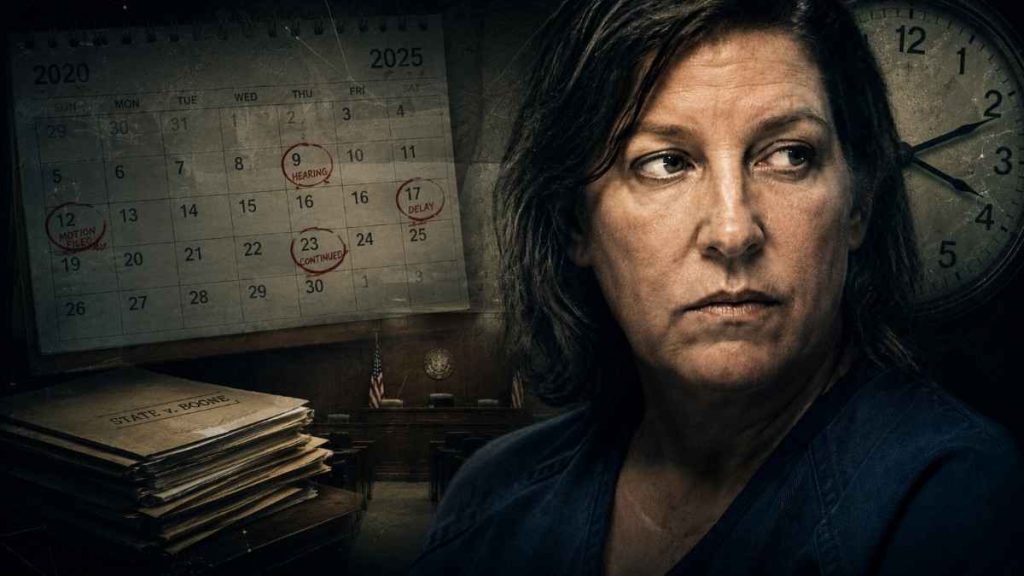
- The trial was delayed multiple times between 2020 and 2024 due to attorney changes, competency evaluations, and pretrial motions, a pattern that stretched the case nearly five years.
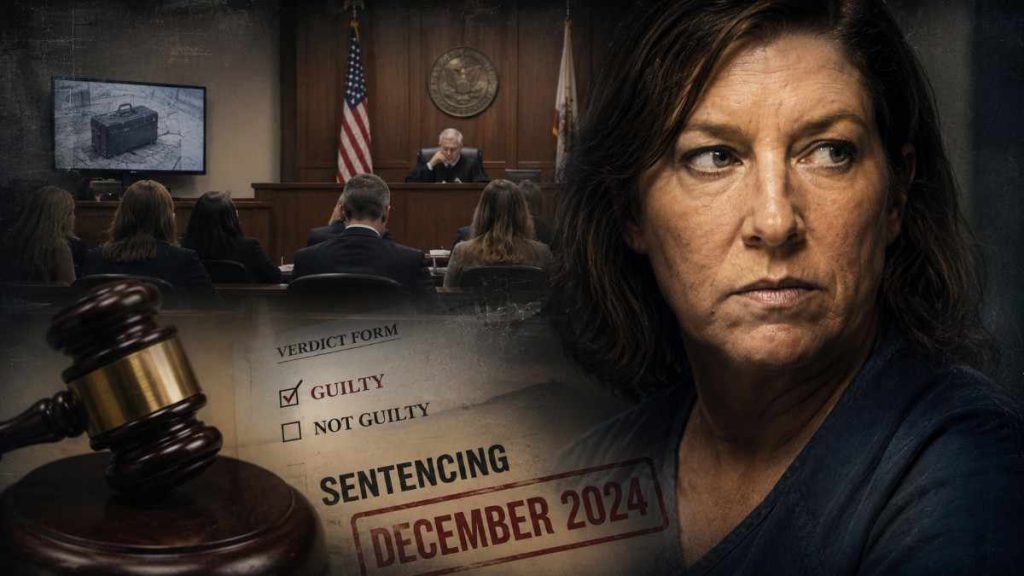
- In late 2024, Boone was convicted of second-degree murder and sentenced to life in prison without the possibility of parole in December 2024.
- She is currently incarcerated at the Florida Women’s Correctional Center in Ocala, Florida.
- As of mid-2025, Boone is in the early stages of an appeals process that is already running into time pressure.
You searched Sarah Boone’s name and got a wall of outdated headlines, half of which still called it an “ongoing case” from 2022. The case is not ongoing. It is resolved. She has been convicted, sentenced, and transferred to a state prison. What most coverage gets wrong is the framing. Outlets reported each delay as a news event without ever explaining why the delays kept happening, or what her behavior after sentencing actually signals about what comes next.
This piece covers the full arc: what happened to Jorge Torres Jr., why the trial took nearly five years to begin, what the December 2024 verdict and sentence mean under Florida law, and where the case stands right now as of mid-2025. By the end, you will know exactly where Sarah Boone is, what her legal options are, and how much time she has left to use them.
Sarah Boone Is Currently in a Florida Prison — Here Is the Short Answer
As of 2025, Sarah Boone is incarcerated at the Florida Women’s Correctional Center in Ocala, Florida. She was transferred there following her December 2024 sentencing on a second-degree murder conviction. Her sentence is life in prison without the possibility of parole.
If you landed here just to confirm whether the case was resolved, that is your answer. The legal limbo that defined this case from 2020 through 2024 is over. There is no pending trial, no unresolved charge, and no path to early release built into her current sentence. What does remain open is an appeal, and that situation has its own timeline covered below.
What Happened to Jorge Torres Jr. — The 2020 Incident That Started Everything
The case began on a single night in February 2020 and was national news within days of the arrest, largely because of the nature of the evidence investigators found on Boone’s phone.
The Night of February 23, 2020
Jorge Torres Jr. was 42 years old and in a domestic relationship with Sarah Boone. The two shared a home in Winter Park, Florida, which is in Orange County. On the night of February 23, 2020, Torres ended up locked inside a large suitcase inside that home. He died from hyperthermia and positional asphyxia, meaning he died from heat and from being unable to breathe properly. His body was discovered by law enforcement in the days that followed.
The Phone Videos and the Arrest
When police responded and located Torres deceased inside the suitcase, investigators recovered videos from Boone’s phone. Those videos showed her interacting with Torres while he was inside the suitcase and still alive. The existence of that footage, not just the physical evidence, is what made this case immediately recognizable to anyone who followed true crime coverage in 2020.
Boone was arrested in late February 2020 and charged with second-degree murder. The footage was not incidental to the prosecution’s case. It was the case. Every delay, every attorney conflict, and every competency question that followed existed in the shadow of that evidence.
The Charges Against Sarah Boone — What Second-Degree Murder Means in This Context
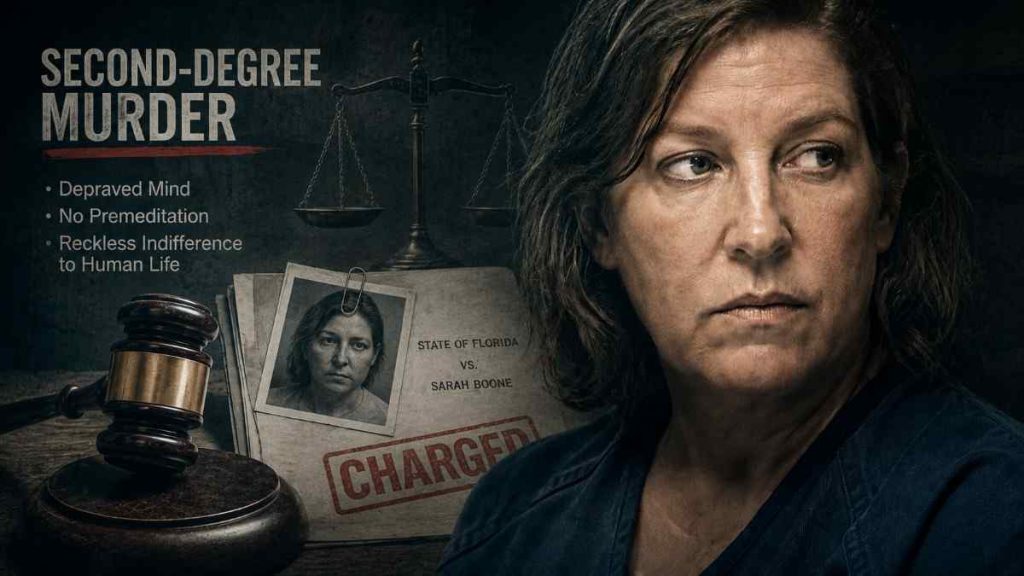
Boone was charged with second-degree murder, and that charge is worth understanding because it shaped every defense strategy that followed.
Second-degree murder in Florida does not require proof of premeditation. The prosecution was not required to prove that Boone planned Torres’s death in advance. They were required to prove that she committed an intentional act showing a “depraved indifference to human life,” meaning she acted in a way that any reasonable person would understand could cause death, and she did it anyway.
That distinction matters enormously to the pretrial timeline. A first-degree murder charge puts the defense in the position of arguing the act was not planned. A second-degree charge with overwhelming video evidence puts the defense in the position of arguing the defendant should not be held responsible for what she did. That second argument runs directly through psychological and competency territory, requiring experts, evaluations, and time.
Why Did the Trial Take Almost Five Years? Every Delay Explained
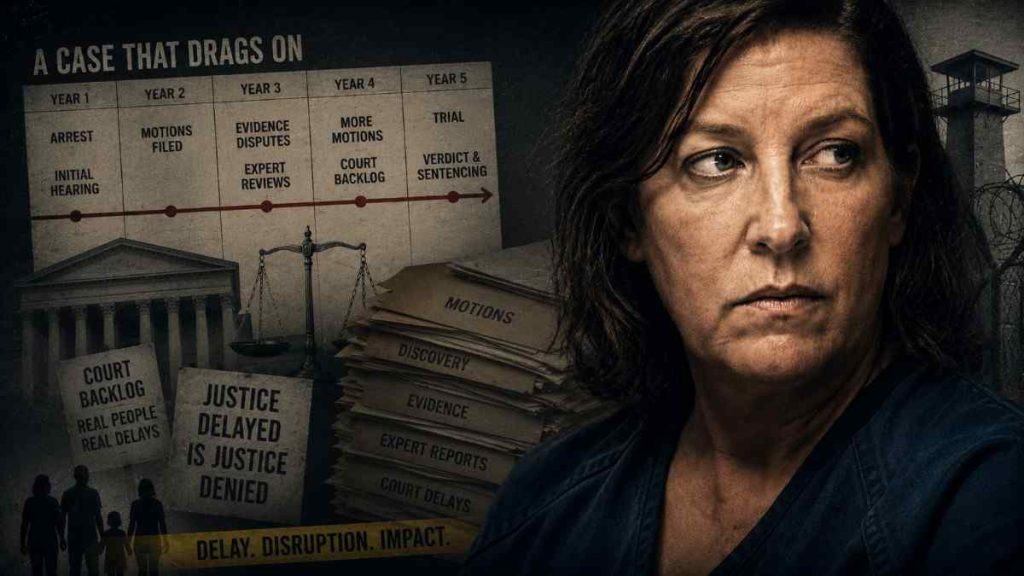
This is the question most coverage never actually answers in full. The trial should have been relatively straightforward given the strength of the evidence. Instead, it took from February 2020 to late 2024 to reach a verdict. Three distinct mechanisms drove that delay.
Attorney Changes and Early Delays (2020 to 2022)
Boone cycled through multiple defense attorneys in the years following her arrest. Every attorney change creates a cascading effect on the pretrial timeline, because new counsel must review all discovery materials from the beginning. In a case with the volume of evidence present here, that review is not a quick process.
Florida courts also experienced significant slowdowns during 2020 and 2021 due to pandemic-related restrictions on in-person proceedings. Most open felony cases in the state faced some version of that delay, and the Boone case was no exception.
Competency Evaluations (2022 to 2023)
Florida law requires that a defendant be able to understand the charges against them and assist meaningfully in their own defense before a trial can proceed. If there is a reasonable question about whether a defendant meets that standard, all proceedings stop until a competency evaluation is completed and a finding is made.
Boone underwent competency evaluations during this period and was ultimately found competent to stand trial. The evaluations themselves pause everything, and repeated competency questions can extend a pretrial period by a year or more without a single day of actual trial proceedings occurring.
Self-Representation Attempts and Motions Hearings (2023 to 2024)
At various points during the pretrial period, Boone sought to represent herself. That is legally permitted under the Sixth Amendment, but Florida courts require a separate judicial finding before allowing it. A judge must confirm on the record that the defendant understands the risks of proceeding without an attorney.
Boone also reportedly filed motions directly with the court, sometimes by mail. That activity complicates scheduling and requires judicial responses even when the motions themselves are not granted. A 2025 Reddit thread referenced her winning a motions hearing while proceeding without an attorney, which suggests her self-representation bids were not purely symbolic.
The pattern that every individual news story missed is this: attorney turnover, competency proceedings, and self-representation attempts are the three mechanisms most commonly seen in high-evidence cases where the defendant has limited factual ground to contest. Whether those mechanisms were deployed strategically or were the product of genuine chaos, the timeline effect is identical. The case does not move.
The Trial, the Verdict, and the Sentencing in December 2024
After nearly five years of pretrial proceedings, the case finally went to trial in late 2024.
The Conviction
Boone was found guilty of second-degree murder. The video evidence recovered from her phone was introduced at trial and described by courtroom observers as central to how the prosecution built its case before the jury.
Life in Prison Without Parole
In December 2024, the judge sentenced Boone to life in prison without the possibility of parole. Under Florida law, that phrase has a specific and permanent meaning. There is no parole board review scheduled for some future date, and no time-served calculation that produces a release date. The only legal pathways out of that sentence are death, a successful appeal that results in a new sentence, or executive clemency, which is granted so rarely in Florida that it is not a realistic planning scenario for most defendants.
“I Didn’t Lose” — What Her Post-Sentencing Conduct Signals
After sentencing, Boone reportedly told the judge she “didn’t lose,” a statement that received significant media coverage. A defendant who makes that claim at sentencing is not expressing grief or anger at the outcome. They are signaling that they view the proceeding as one round in a continuing fight, not as the end of the road.
Her pattern of handwritten letters to the court, her complaints about her appellate attorney, and the public-facing statements she has made are consistent with someone treating the appeal as a second trial rather than a long-shot procedural filing. Her behavior after sentencing follows the same arc seen in other cases where defendants with strong convictions against them refuse to accept finality. For another case where conviction psychology followed a similarly defiant post-sentencing pattern, the Samuel Bateman case documents how that posture plays out over time.
Where Is Sarah Boone Now and What Happens Next?
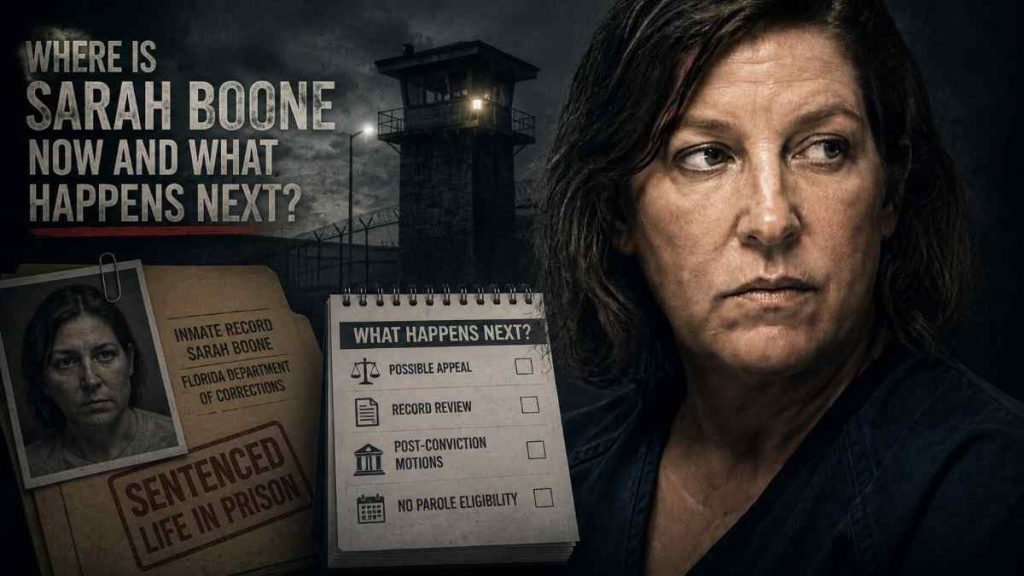
Sarah Boone is currently incarcerated at the Florida Women’s Correctional Center in Ocala, and the next phase of her legal situation is already under time pressure.
Florida Women’s Correctional Center, Ocala
The Florida Women’s Correctional Center is a closed custody facility, representing the highest restriction level in Florida’s women’s prison system. Boone’s placement there following her sentencing is consistent with the severity of her conviction. The Florida Department of Corrections database lists her as an active inmate at that location.
The Appeal Window Is Closing
In Florida, a convicted felony defendant has 30 days from the date of sentencing to file a notice of appeal. Post-conviction motions can extend the process beyond that initial window, but the clock runs from sentencing. Court TV reported in 2025 that time is becoming a real factor in Boone’s appeal situation.
Boone has reportedly accused her current appellate attorney of failing to communicate with her adequately, a complaint that mirrors her pretrial pattern of strained and eventually collapsed attorney relationships. That pattern matters because an appeal requires a functioning attorney-client relationship to be filed and argued properly.
An appeal of a second-degree murder conviction in Florida is not a factual innocence claim. Appeals argue legal error: improper jury instructions, evidence that should not have been admitted, or prosecutorial misconduct during the trial itself. Given the nature and volume of evidence in this case, legal error arguments are essentially the only avenue available.
Sarah Boone’s Children — A Detail Most Coverage Glosses Over
Boone had children prior to and during the events of this case. Her children were not charged and are not part of the criminal proceedings in any capacity. Their existence answers the People Also Ask question that appears consistently in search data around this case. Beyond that, they are private individuals not involved in the legal matter and will be treated accordingly here.
The Broader Pattern — Why Cases Like This Take So Long
The Sarah Boone case is not unusual in its timeline. It is typical of a specific and recognizable category of case: one where the physical evidence is overwhelming, there is no genuine factual dispute about what happened, but the pretrial period becomes extraordinarily prolonged because the defendant’s own conduct keeps generating procedural events.
Cases in this category often take longer than cases with disputed facts, and that seems counterintuitive until you understand the defense mechanics. When there is nothing to argue about factually, the defense shifts from “it didn’t happen” to “she shouldn’t be held responsible.” That second argument requires psychological evaluations, competency hearings, and expert witnesses, and it demands a level of attorney-client collaboration that is frequently impossible to maintain when the defendant disagrees with the strategy.
The irony is real: the strength of the evidence can extend the timeline rather than shorten it. When every factual argument is foreclosed, the pretrial period becomes almost entirely about the defendant’s psychological and legal status. A similar pretrial dynamic played out in the Ruby Franke case, where the weight of evidence created a narrow lane for defense strategy and generated its own prolonged pretrial proceedings. The Boone case is a more extreme version of the same pattern, extended over a much longer period.
FAQ — Sarah Boone Case Questions, Answered
Was Sarah Boone convicted?
Yes. Sarah Boone was found guilty of second-degree murder in late 2024 following a jury trial in Orange County, Florida. The conviction came nearly five years after her February 2020 arrest. The video evidence recovered from her phone was central to the prosecution’s case and was presented to the jury during trial proceedings.
What sentence did Sarah Boone receive?
Boone was sentenced to life in prison without the possibility of parole in December 2024. Under Florida law, this means there is no parole board review date and no standard release pathway built into the sentence. The only routes out of a life-without-parole sentence in Florida are a successful appeal resulting in a new sentence, or executive clemency, which is granted extremely rarely.
What prison is Sarah Boone in?
As of 2025, Sarah Boone is incarcerated at the Florida Women’s Correctional Center in Ocala, Florida. This is a closed custody facility, which is the highest restriction level in Florida’s women’s correctional system. Her placement there is confirmed through the Florida Department of Corrections inmate database.
Is Sarah Boone appealing her conviction?
Yes. As of mid-2025, Boone is in the early stages of an appeal. Court TV has reported that her appeal window is under time pressure. She has sent written communications to the court regarding her appellate representation and has reportedly raised concerns about her current appellate attorney’s communication with her, consistent with her pretrial pattern of strained attorney relationships.
Why did the Sarah Boone trial take so long?
Three specific mechanisms drove the delay. First, Boone cycled through multiple defense attorneys between 2020 and 2024, and each attorney change resets the pretrial preparation timeline. Second, she underwent competency evaluations that paused all proceedings until findings were made. Third, she made repeated attempts to represent herself, which requires separate judicial findings under Florida law. Together, those three mechanisms stretched the case from a 2020 arrest to a 2024 trial.
What does life without parole mean in Florida specifically?
In Florida, life without parole means the sentence has no built-in end date and no parole eligibility. Florida abolished parole for felonies committed after October 1983. A defendant serving life without parole will remain incarcerated for the rest of their natural life unless a court overturns or modifies the sentence on appeal, or unless the governor grants clemency. Neither outcome is common.
Why was Boone charged with second-degree murder and not first-degree?
Second-degree murder in Florida does not require proof of premeditation. The prosecution needed to prove that Boone committed an intentional act showing depraved indifference to human life, not that she planned Torres’s death in advance. The charge reflects what prosecutors believed they could prove beyond a reasonable doubt given the available evidence. A first-degree charge would have required an additional showing of premeditation that may not have been supportable.
What happened to the video evidence from Sarah Boone’s phone?
Videos recovered from Boone’s phone showed her interacting with Torres while he was conscious and inside the suitcase. Those videos were introduced at trial during the 2024 proceedings and were described by courtroom observers as central to the prosecution’s case. The existence and content of the footage was widely reported when the case first broke in 2020 and remained the defining piece of evidence throughout the proceedings.
The most important thing to understand about where this case stands right now is that the trial phase is finished. Five years of delays, attorney changes, competency questions, and pretrial filings all collapsed into a verdict and a sentencing, and that part is done. Boone is in prison. The sentence is clear.
What is not finished is the appeal. That window is narrowing, the attorney relationship appears strained based on her own written communications, and the legal grounds available to her are limited by the nature of the evidence and the conduct of the trial. Her post-sentencing behavior, the letters, the public statements, and the “I didn’t lose” framing tell you she intends to keep fighting. Whether the appellate courts give her anything to work with is the only real open question in this case.
If you want to track the appeal as it develops, the Florida District Court of Appeal records are publicly searchable. Boone’s case would fall under the Fifth District Court of Appeal, which covers Orange County. Any filed motions, appellate briefs, or court orders in her case will appear in that system.