
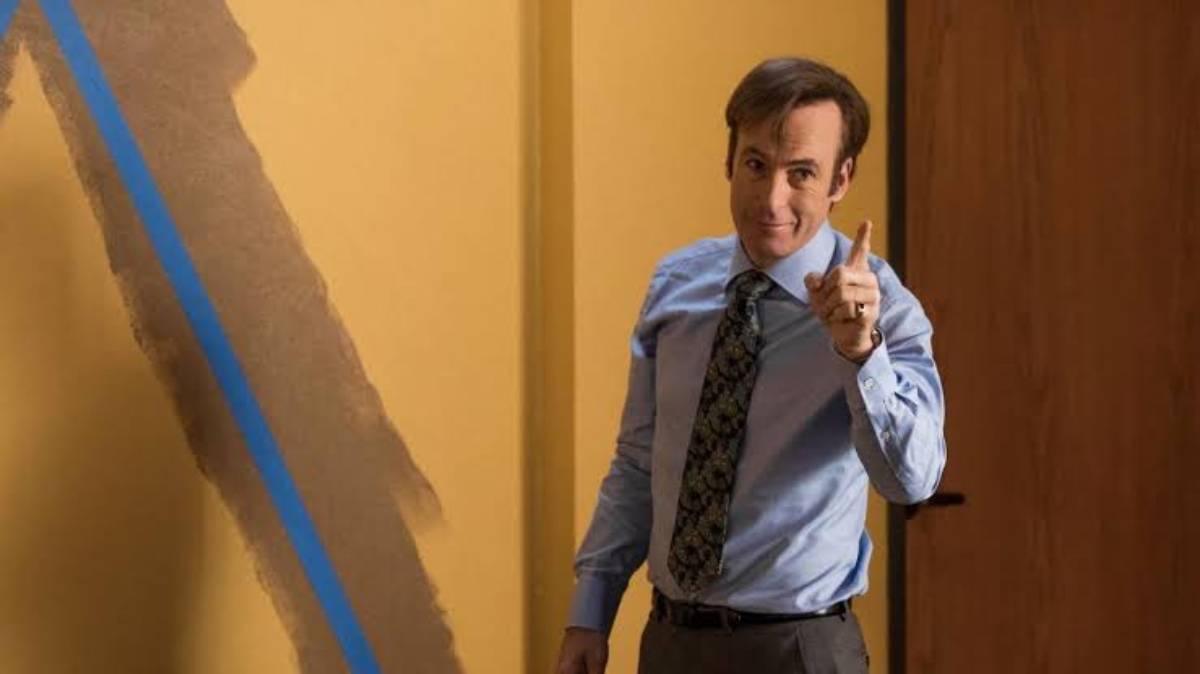
What “Falling” Means for Breaking Bad Characters (And Why Screen Time Isn’t the Same Thing)
A fall requires a starting point above where a character ends up, and it requires that the descent be largely self-caused. Screen time measures how much a character appears, not how far they traveled morally, financially, or socially between their first scene and their last.
This is the distinction competitors miss. A wiki page listing “most appearances” or “most lines” is measuring visibility, not consequence. Walter White has enormous screen time, but that’s not why he ranks first here.
He ranks first because he starts the series as a broke, terminally diagnosed high school teacher and ends it as a criminal responsible for deaths across three states. Almost every step of that path was a choice he made rather than a circumstance forced on him.
A villain arc and a fall are not the same thing. Gus Fring and Mike Ehrmantraut are both established as capable, morally compromised professionals in their first appearances. Their stories end in violent death, but that’s a consequence of the life they were already living, not a fall from some earlier, cleaner version of themselves. Ranking them near the top of a “fall” list would be measuring the wrong thing entirely.
Every character below gets scored on the same four part lens: Starting Point, Ending Point, Cause, and Severity. Severity is relative. A character who starts with almost nothing to lose can’t fall as far as one who starts with everything, even if their ending looks similarly grim on paper.
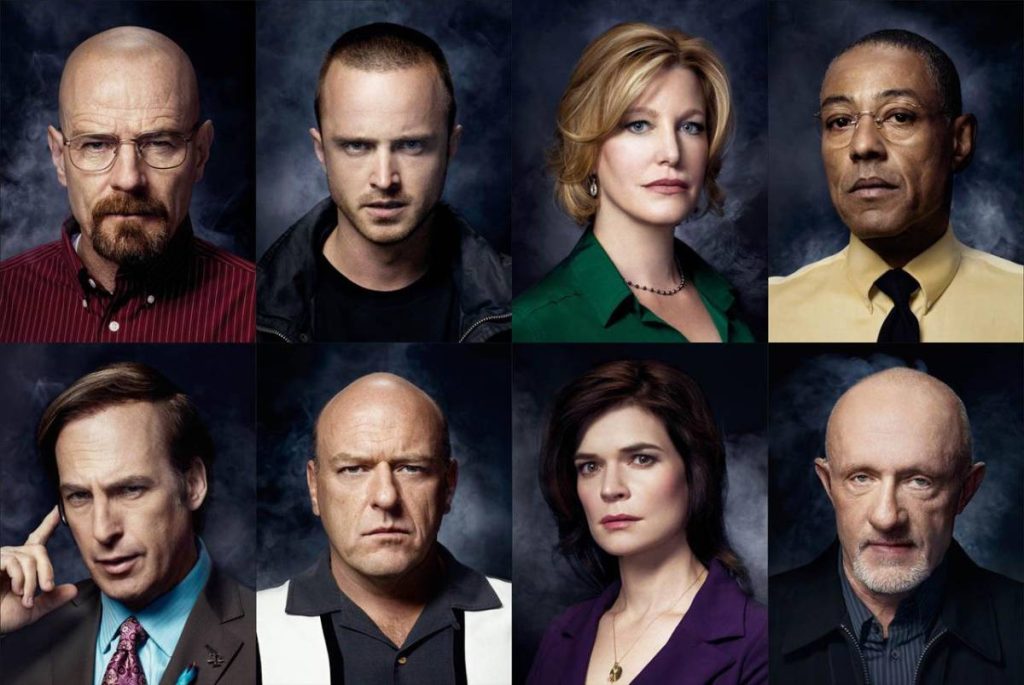
Breaking Bad Characters Ranked by How Far They Fell (Full List)
| Character | Starting Point | Ending Point | What Caused the Fall | Fall Severity (1–10) |
|---|---|---|---|---|
| Walter White | High school chemistry teacher, broke, terminally ill | Fugitive drug lord responsible for dozens of deaths, dies alone | Pride, ego, and the choice to keep going after the money stopped mattering | 10 |
| Jesse Pinkman | Small time dealer, directionless but not violent | Traumatized survivor, escapes captivity, drives to Alaska | Manipulation by Walter, captivity, repeated loss | 6 |
| Jimmy McGill / Saul Goodman | Struggling lawyer trying to do right by his brother | Living under a fake identity, working retail, legally exposed | A lifetime of small compromises that compounded across two shows | 9 |
| Skyler White | Suburban wife and mother, bookkeeper | Money launderer, estranged from her husband, under legal scrutiny | Complicity in Walter’s crimes to protect her family | 7 |
| Hank Schrader | Confident, respected DEA agent | Killed mid investigation, just after uncovering the truth | External violence, not moral failure | 5 |
| Todd Alquist | Presented as polite and eager to please | Revealed as capable of cold, casual violence | Nothing changed. His true nature was just gradually exposed | 4 |
| Lydia Rodarte-Quayle | Precise, controlling corporate operator | Anxious, outmaneuvered, killed by the people she trusted | Overreach and loss of control over her own operation | 6 |
| Marie Schrader | Supportive sister, hobbyist kleptomaniac | Widowed, grieving, forced to reckon with what her family enabled | Grief and the fallout of Hank’s death | 3 |
| Ted Beneke | Small business owner in financial trouble | Injured, financially ruined, exposed for fraud | His own decision to cook the books rather than face debt | 4 |
| Walter White Jr. | Ordinary teenager unaware of his father’s double life | Learns the truth, rejects his father completely | Discovery of his father’s crimes, none of it his own doing | 2 |
| Mike Ehrmantraut | Already a former cop turned fixer for criminals | Killed by Walter after a falling out | Consequence of the life he was already living | 2 |
| Gus Fring | Already running a drug empire behind a legitimate business | Killed in an explosion during a turf war | Consequence, not descent | 2 |
Read this table by comparing the gap between column two and column three, not by ranking the ending alone. Severity reflects how far each person moved relative to where they started, which is why Hank and Gus can both die violently and land in very different places on this list. Would you have made the same first bad decision this character made, if you were standing exactly where they were standing? For most of the top five, the honest answer is uncomfortably close to yes.
1. Walter White — Chemistry Teacher to Heisenberg [Spoilers: Series Finale]
Walter White’s fall is the largest in the series because it spans the greatest distance in the shortest amount of narrative time: cancer diagnosis to criminal empire to death, in five seasons. Wikipedia’s entry on the Breaking Bad character list frames his arc using the Macbeth comparison, and it’s the closest thing to a critical consensus that exists on the shape of his descent.
The turning points that actually matter get glossed over by most recap style rankings. Letting Jane die in season two is the moment Walter chooses his own survival over another person’s life for the first time with no external excuse. Poisoning Brock in season four is the moment he manipulates Jesse using a child’s near death as a tool.
And “I did it for me” in the series finale is the moment the show finally lets Walter say out loud what the audience had known for years: the family justification was never the real reason.

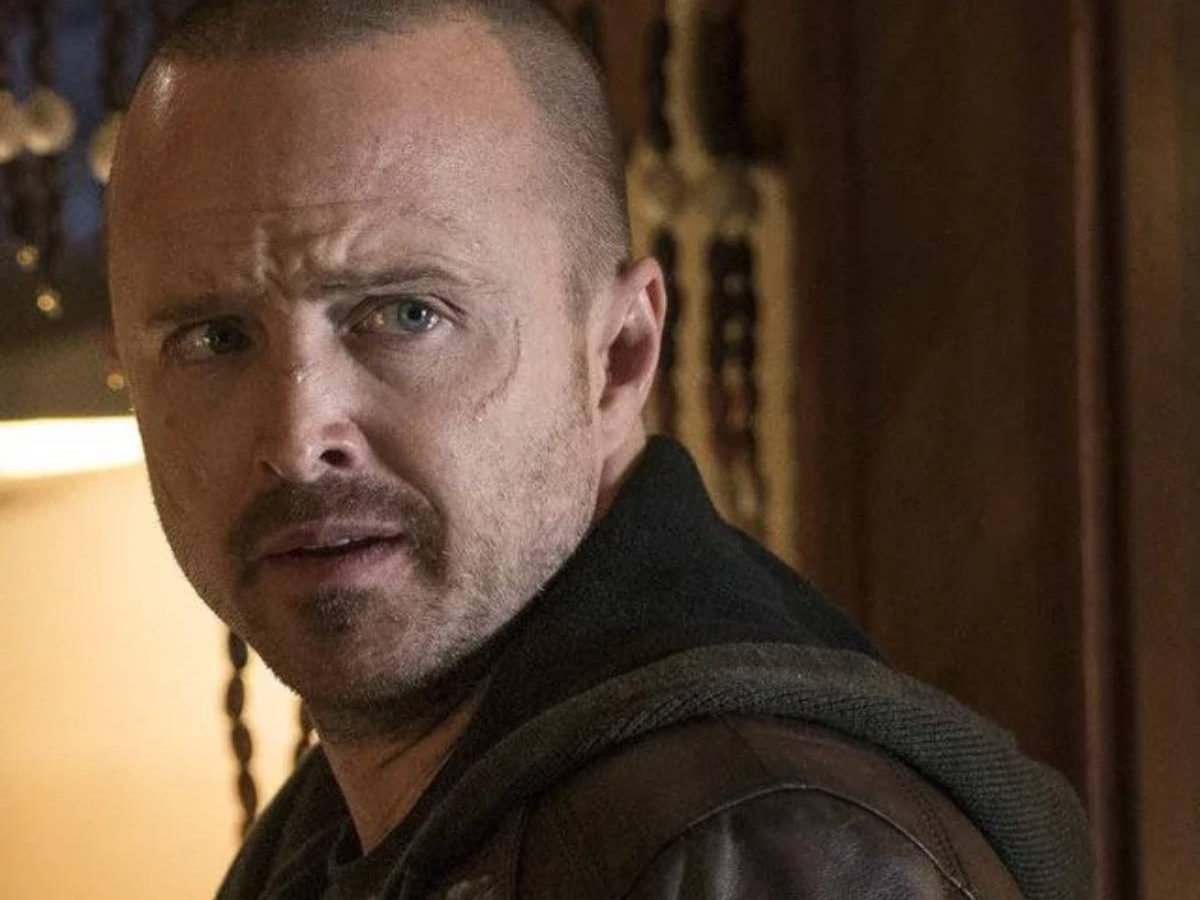
2. Jesse Pinkman — Dealer to Damaged Survivor [Spoilers: El Camino ending]
Jesse Pinkman’s arc is technically upward. He survives, escapes captivity, and drives toward a fresh start in Alaska by the end of El Camino. But the story frames that survival as trauma recovery, not triumph, which is why Jesse doesn’t rank as high on this list as a simple “improved his circumstances” read would suggest.
Is Jesse Pinkman a villain or a victim by the end of Breaking Bad? Neither, cleanly. He commits real crimes throughout the series, but a significant amount of what happens to him, the captivity, the manipulation by Walter, the repeated deaths of people he loves, happens to him rather than being caused by him.
That’s exactly why Jesse ranks separately from Walter on a fall based list. Walter’s descent is driven by choice after choice, while Jesse’s arc mixes his own bad decisions with damage inflicted by someone he trusted.
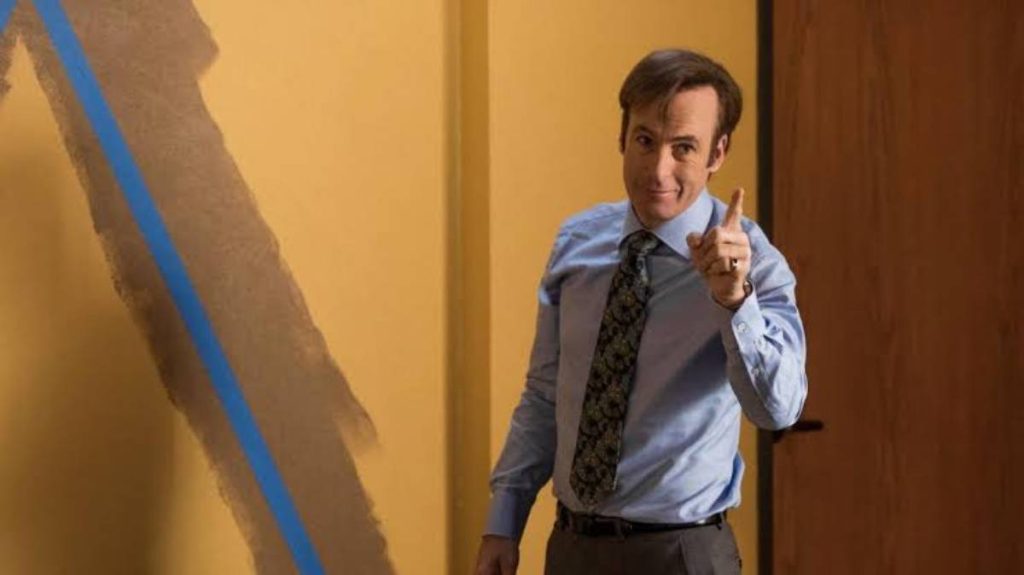
3. Jimmy McGill / Saul Goodman — The Fall Breaking Bad Doesn’t Fully Show You [Spoilers: Better Call Saul finale]
Saul Goodman’s fall is the slowest and most complete character arc across the entire franchise once Better Call Saul is factored in, ending with him living under a fake identity in Nebraska, cut off from the life and people he once had. Breaking Bad alone only shows the middle chapter of this story.
Jimmy McGill starts as a man trying, imperfectly, to do right by his brother and build a legitimate legal career. If your question about a specific Breaking Bad character’s ending isn’t fully answered here, the deeper unanswered questions format used for shows like Silo is worth checking for the kind of episode by episode digging this character deserves.
The gap between Jimmy and Saul, and later between Saul and the man hiding in Nebraska, is the single most complete fall in the franchise. It just requires watching a second show to see all of it.
4. Skyler White — Suburban Mom to Accomplice [Spoilers: mid-to-late series]
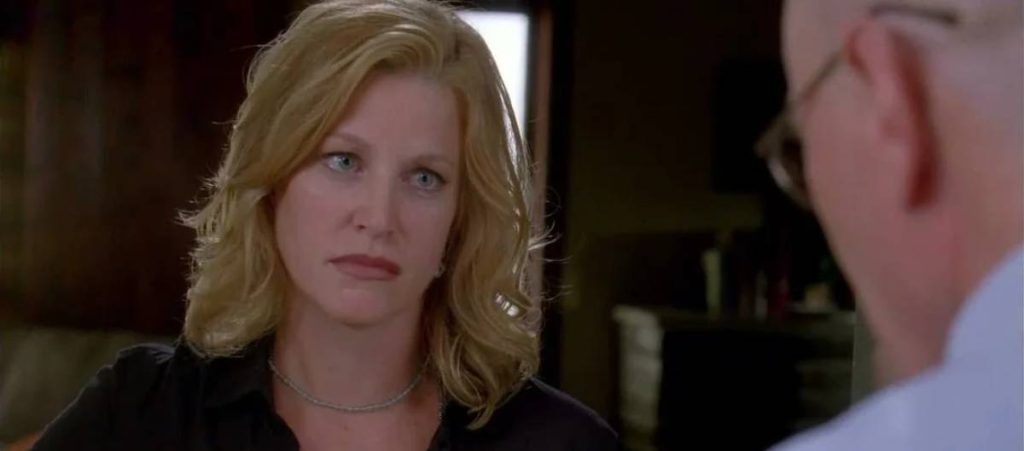
Skyler White’s fall is financial and legal, not violent. She becomes a money launderer for her husband’s drug empire without ever picking up a weapon, which is a different category of descent than most of the men on this list.
The car wash laundering scheme, documented in the Wikipedia character overview, is the concrete turning point where Skyler stops being a bystander to Walter’s crimes and becomes an active participant in hiding them. After it, she’s legally exposed in a way that follows her into Better Call Saul, where her plea deal gets a brief mention.
Is Skyler the villain of Breaking Bad, as some viewers have argued for years? Her fall is complicity, not aggression, and that distinction matters when placing her on a ranking built around descent rather than likability.
5. Hank Schrader — DEA Agent to Casualty of the Case He Almost Won [Spoilers: Season 5B]
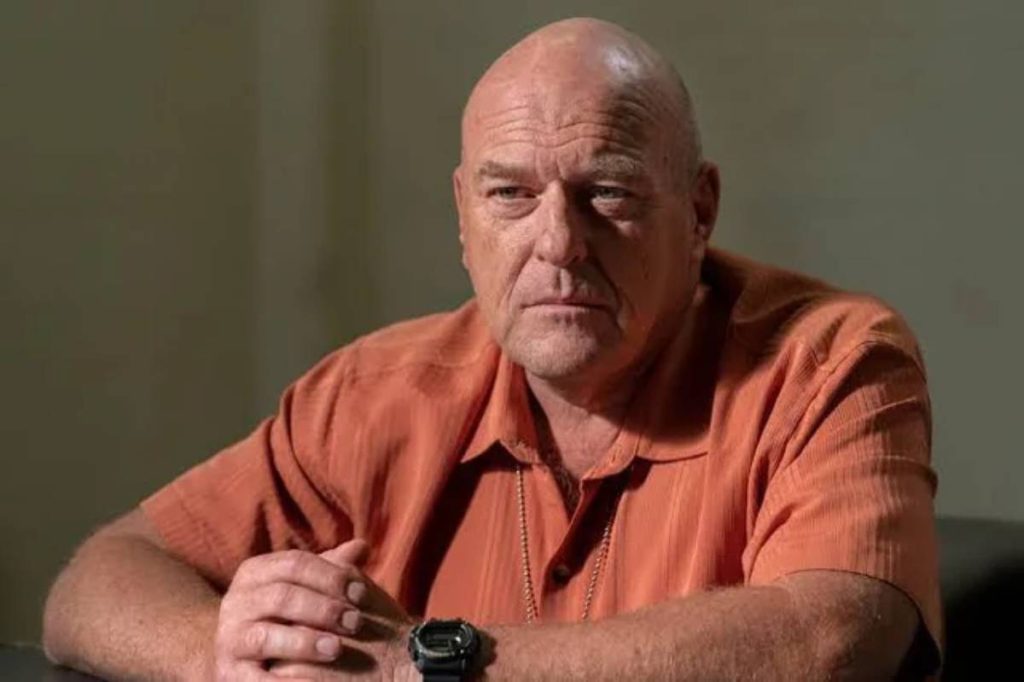
Hank Schrader doesn’t morally fall at all, but his story ends in the same physical place as the show’s actual villains: violent death, mid investigation, right after he finally figures out the truth. That makes his inclusion here about a different category of fall entirely, one that’s external rather than internal.
Hank starts the series confident, occasionally overbearing, and good at his job. He ends it exactly as competent and exactly as committed to catching Heisenberg as he was on day one, which is why his severity score sits in the middle of this list rather than near the top with Walter or Saul.
6. Todd Alquist — The “Nice Guy” Who Was Never Actually Nice
Todd Alquist doesn’t have a fall in the traditional sense, and that’s what makes him one of the most disturbing characters on this list. He’s capable of cold, casual violence from his very first significant scene, and the show simply reveals that capacity gradually rather than building toward it.
Viewers commonly rank Todd as “creepy but harmless” during his early episodes, which is exactly the misread the show is counting on. It’s the audience’s perception of him that shifts over time, not the character underneath it.

7. Lydia Rodarte-Quayle — Corporate Control to Total Collapse
Lydia Rodarte-Quayle’s fall is about losing control, not losing morality. She starts the series as a precise, detail obsessed operator running the business side of a meth distribution pipeline, and she ends it anxious, outmaneuvered, and killed by the very people she thought she still controlled.
Her descent doesn’t look like Walter’s or Saul’s because she doesn’t become a worse person over the course of the show. She becomes a less effective one, and in a story built around competence as currency, that collapse in control functions as its own kind of fall.
8. Marie Schrader, Ted Beneke, and Walter Jr. — Smaller Falls That Still Matter
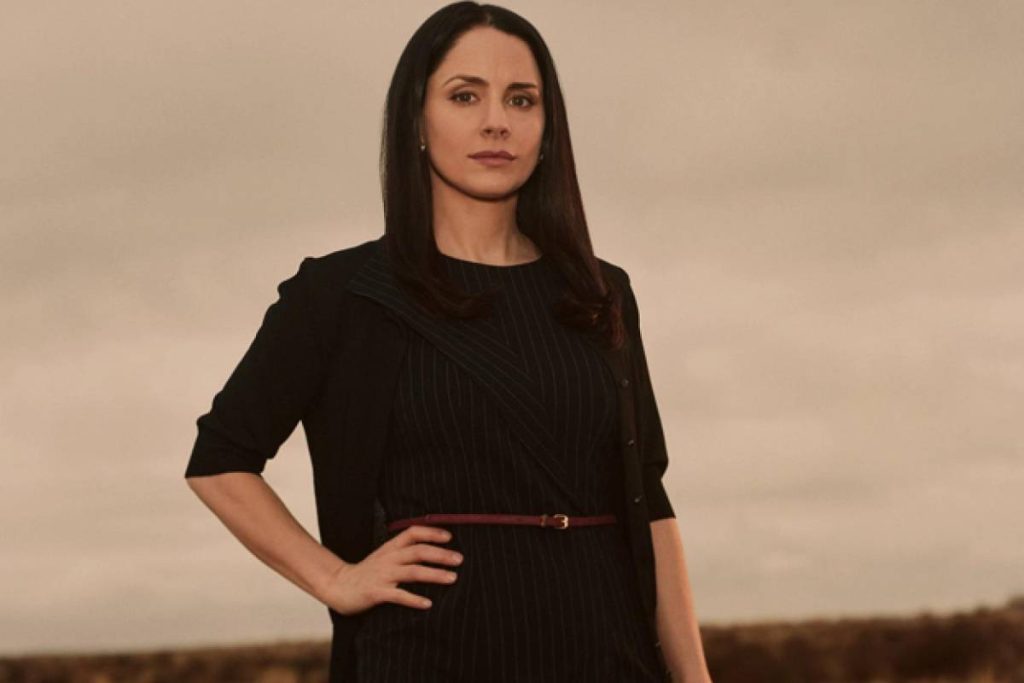
These three characters have shorter arcs, but each one is still measurable using the same four part lens. Marie’s arc is defined by her kleptomania early on and the grief that reshapes her after Hank’s death. Ted’s fall is financial and physical: fraud catches up to him, and a confrontation with Walter’s money leaves him seriously injured.
Walt Jr.’s arc is the smallest of the three but arguably the most emotionally loaded, since it ends with him slowly realizing exactly what his father has become and rejecting him completely. None of these three chose their circumstances the way Walter or Saul did, which is why their severity scores sit at the bottom of the table.

9. Mike Ehrmantraut and Gus Fring — Why They Don’t Rank Higher on This List
Mike Ehrmantraut and Gus Fring both start the show as already compromised professionals, which means their violent endings are consequences of the life they were living, not falls from some earlier, cleaner version of themselves. This corrects the common assumption that “biggest villain” and “biggest fall” mean the same thing.
Gus runs a drug empire behind a fried chicken counter from his very first appearance. Mike is a former cop turned fixer who’s already made his peace with the kind of work he does. Both die violently, but neither travels the moral distance that defines an actual fall on this list.

Which Breaking Bad Characters Should You Watch or Read About First?
New viewers should follow Walter and Jesse’s arc first, since their relationship is the emotional spine of the entire series. Viewers who’ve already finished Breaking Bad should treat Saul Goodman’s arc in Better Call Saul as the natural next step, since it fills in both the beginning and the true ending of a fall the original show only shows the middle of.
If you’re the kind of viewer who finishes a show and immediately starts Googling what actually happened to a specific character, you’re not alone. For a comparable “here’s what the fragmented internet still gets wrong” approach applied to another show’s cast, the breakdown format used in School Spirits questions answered covers similar ground for a different ensemble.
Once you’ve got the two shows sorted in your head, the natural next stop is comparing how other crime dramas build their falls, since Breaking Bad’s format has influenced a lot of what followed it.
Breaking Bad Characters FAQ: Common Questions Answered
Which Breaking Bad character has the biggest fall from grace?
Walter White has the biggest fall from grace in Breaking Bad. He starts the series as a broke, terminally diagnosed high school chemistry teacher and ends it as a feared drug lord responsible for dozens of deaths, including people he claimed to be protecting. The distance between his starting point and his ending point is larger than any other character’s, and almost every step of it was his own choice.
Is Jesse Pinkman a villain or a victim by the end of the series?
Jesse Pinkman is framed as neither cleanly by the end of Breaking Bad and El Camino. He commits real crimes over the course of the series, but significant parts of his suffering, including his captivity and repeated manipulation by Walter, happen to him rather than being caused by him. The show presents his ending as survival and trauma recovery rather than villainy or clean redemption.
Should I watch Breaking Bad or Better Call Saul first?
Watch Breaking Bad first if you want the chronological viewing experience the shows were designed around, since Better Call Saul is a prequel that gains extra weight once you already know where Saul Goodman ends up. Watch Better Call Saul first only if you specifically want Jimmy McGill’s full backstory before meeting him as an already established lawyer in Breaking Bad.
What happened to Skyler White at the end of Breaking Bad?
Skyler White survives Breaking Bad but ends the series legally exposed and estranged from Walter after her role in laundering his drug money through the car wash. Better Call Saul later references her situation with a brief mention of a plea deal, confirming that her legal exposure from the laundering scheme followed her past the original series’ ending.
Are Mike Ehrmantraut and Gus Fring villains or antiheroes?
Both are established as already morally compromised professionals from their first appearances, so neither one experiences a fall in the way this ranking defines it. They’re better described as consistent characters whose violent deaths are consequences of the criminal lives they were already living, rather than the result of any moral descent over the course of the story.
Walter White’s transformation remains the largest, most self inflicted fall in the Breaking Bad franchise, and no amount of screen time based ranking changes that math. The real insight this framework surfaces is that a character’s ending tells you almost nothing on its own. It only becomes meaningful once you measure it against where that character actually started.
If you’re revisiting the series, watch for the moments this piece flags rather than the ones most recaps highlight: Jane’s death, the poisoning of Brock, and the “I did it for me” line carry more weight than any shootout. For anyone who finished Better Call Saul and wants to see how another crime drama handles ensemble downfalls, the ranked breakdown of shows in best murder mystery shows is a solid next stop.