- Jason Lee Scott tops the list, not because he was the flashiest Red but because he built the leadership template every later Red gets compared against.
- Tommy Oliver’s Red Zeo run edges out several “better” Reds purely on the strength of his redemption arc, which still holds up as the franchise’s best character writing.
- Rewatchability and cultural legacy do not always track with each other. Some Reds are quoted constantly online but genuinely tough to rewatch today.
- At least two Reds in the bottom half of this ranking suffer from thin writing, not bad performances, which matters if you’re deciding whether to blame the actor or the script.
- If you only have time for three seasons, the top three entries on this list cover almost every reason the Red Ranger archetype works in the first place.
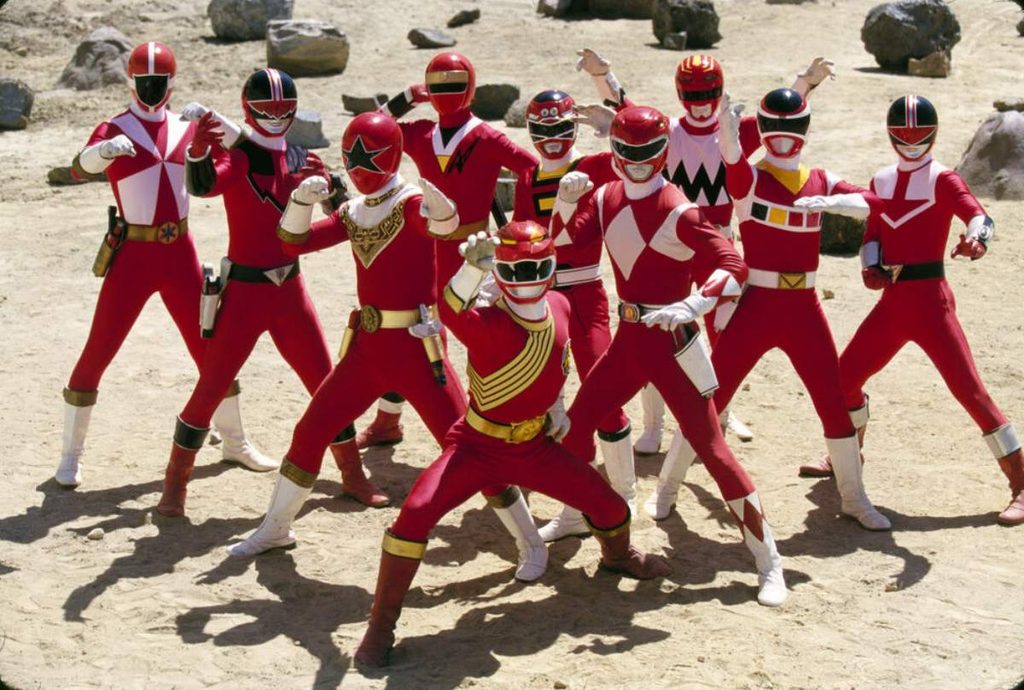
There have been over 30 Red Rangers across three decades of Power Rangers, and somehow the internet still argues about this ranking every single time a new season wraps. Half the debate comes down to nostalgia bias. The other half comes from people conflating “my favorite” with “objectively the best leader,” which are not the same question even if the comment section treats them that way.
If you grew up on Mighty Morphin, you probably assume Jason is an automatic number one and anyone who disagrees is wrong. If you came in through Dino Thunder or Samurai, you likely have a very different gut reaction, and neither of you has actually sat down and compared these guys against the same criteria. That’s the gap this list closes.
What follows ranks every Red Ranger using the same four measures, so the comparison is not just vibes versus vibes. You’ll see exactly where each one earns his spot, where the writing let him down, and which seasons are worth revisiting versus skipping. Here’s where the Reds actually land, starting with the ones who had the hardest time living up to the suit.
How We Ranked Every Red Ranger
Each Red Ranger on this list is scored against four criteria: leadership and team dynamics, character arc, cultural legacy, and rewatchability. Leadership looks at how the character actually functions as a team leader, not just whether the script calls him one. Character arc measures whether the Ranger changes meaningfully across his season instead of staying static.
Cultural legacy accounts for how often the character gets referenced in later seasons, crossovers, and fan conversation outside the show itself. Rewatchability is the most subjective of the four, but it reflects whether the character’s episodes still hold up on a rewatch instead of feeling like filler.
Every entry below includes a short verdict line stating who the Ranger is best for as a rewatch pick, since not every season rewards the same kind of viewer. Readers deciding where to start a rewatch can check our guide to the best Power Rangers season to watch first for a broader entry point into the franchise.
Red Rangers Ranked At A Glance
| Rank | Ranger | Real Name | Season | Signature Trait |
|---|---|---|---|---|
| 1 | Red Ranger | Jason Lee Scott | Mighty Morphin Power Rangers (1993) | Original team leader, martial arts discipline |
| 2 | Red Zeo Ranger | Tommy Oliver | Power Rangers Zeo (1996) | Redemption arc carried across colors |
| 3 | Red Space Ranger | Andros | Power Rangers in Space (1998) | Loner leader searching for his lost sister |
| 4 | Red Dino Ranger | Conner McKnight | Power Rangers Dino Thunder (2004) | Jock energy paired with real insecurity |
| 5 | Red Lightspeed Ranger | Carter Grayson | Power Rangers Lightspeed Rescue (2000) | Firefighter instincts, rescue-first heroism |
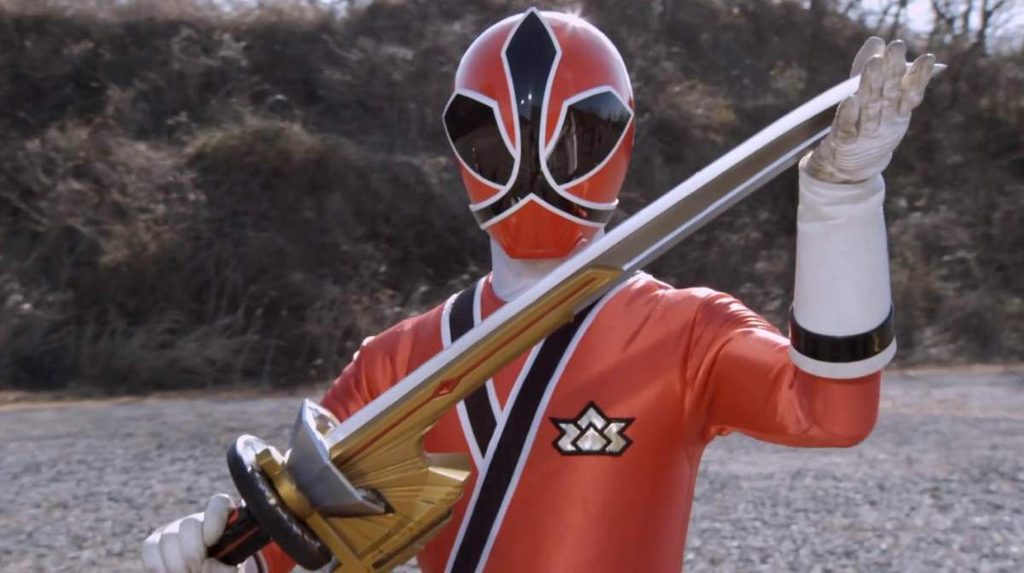
| 6 | Red Samurai Ranger | Jayden Shiba | Power Rangers Samurai (2011) | Secret heir carrying a hidden sacrifice |
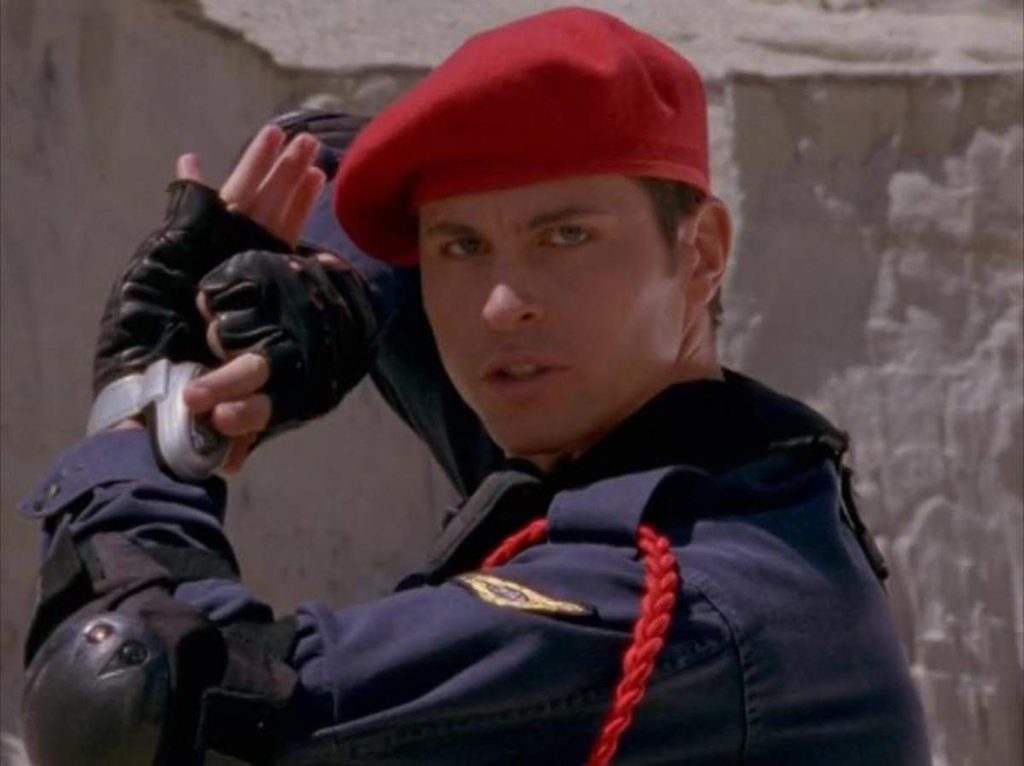
| 7 | Red Time Force Ranger | Wes Collins | Power Rangers Time Force (2001) | Rich kid who actually grows up |
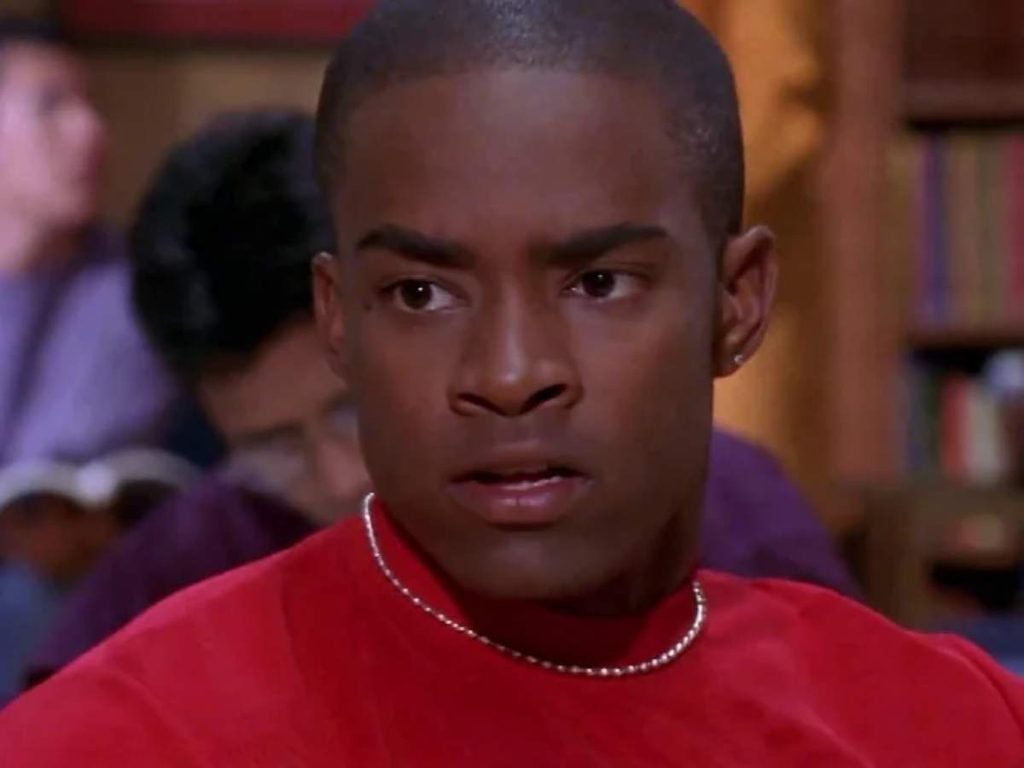
| 8 | Red Turbo/Space Ranger | T.J. Johnson | Power Rangers Turbo (1997) | First Black actor to lead two Ranger teams |
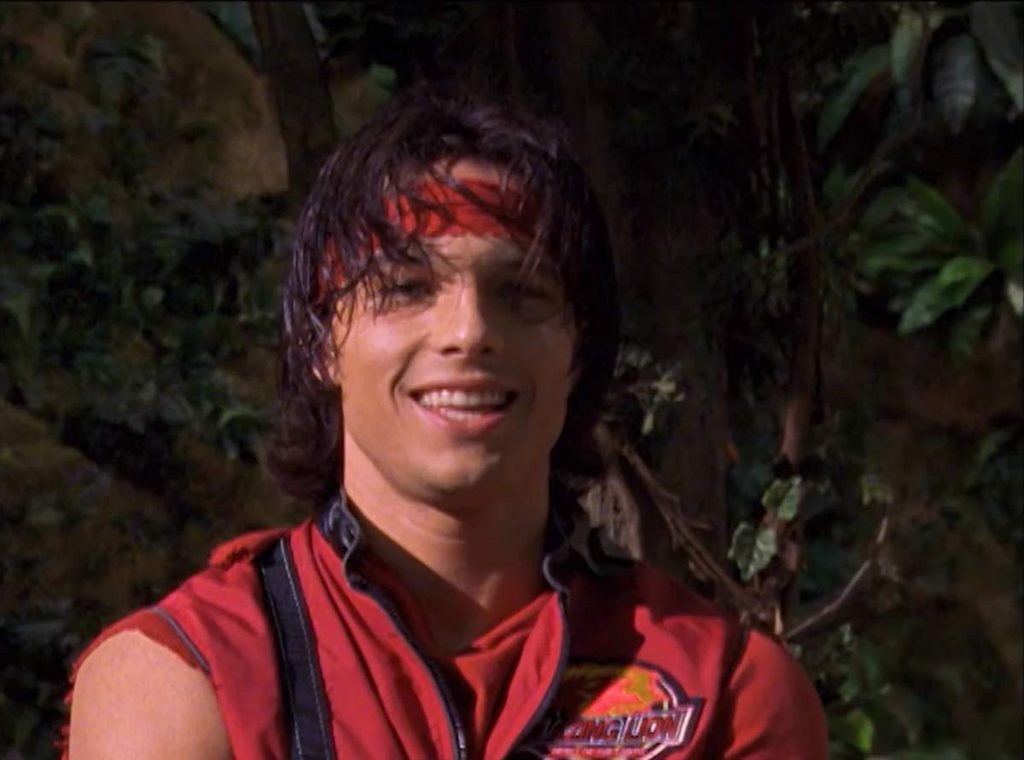
| 9 | Red Wild Force Ranger | Cole Evans | Power Rangers Wild Force (2002) | Jungle-raised outsider learning teamwork |
| 10 | Red Megaforce Ranger | Troy Burrows | Power Rangers Megaforce (2013) | Competent leader, thin characterization |
The Red Ranger who wins this ranking overall is Jason Lee Scott, because his season built the leadership template every later Red Ranger either follows or reacts against. Readers who want a Red Ranger with more internal conflict and less pure heroism should start with Andros instead. Neither pick works for viewers mainly interested in the franchise’s villains, who are covered separately in our ranking of Power Rangers’ best villains.
1. Jason Lee Scott: Mighty Morphin Power Rangers
Jason Lee Scott is the best Red Ranger in the franchise because every leadership trait later Red Rangers get praised for, he did first, without a modern show’s budget or writing room to lean on. He led the original five Power Rangers through the show’s first two seasons with a steady, almost old-fashioned sense of duty that never tipped into arrogance.
Jason’s martial arts background gave the character a physical credibility the other original Rangers didn’t have, and the show used it well. He stepped back from the main team in season three to compete internationally, which is a rare example of a show letting its lead character exit gracefully instead of writing him out through a plot twist.
Best for viewers who want the purest, least complicated version of the Power Rangers formula. Jason’s season works as a starting point for anyone new to the franchise precisely because it set the rules everyone else plays by.
2. Tommy Oliver: Power Rangers Zeo
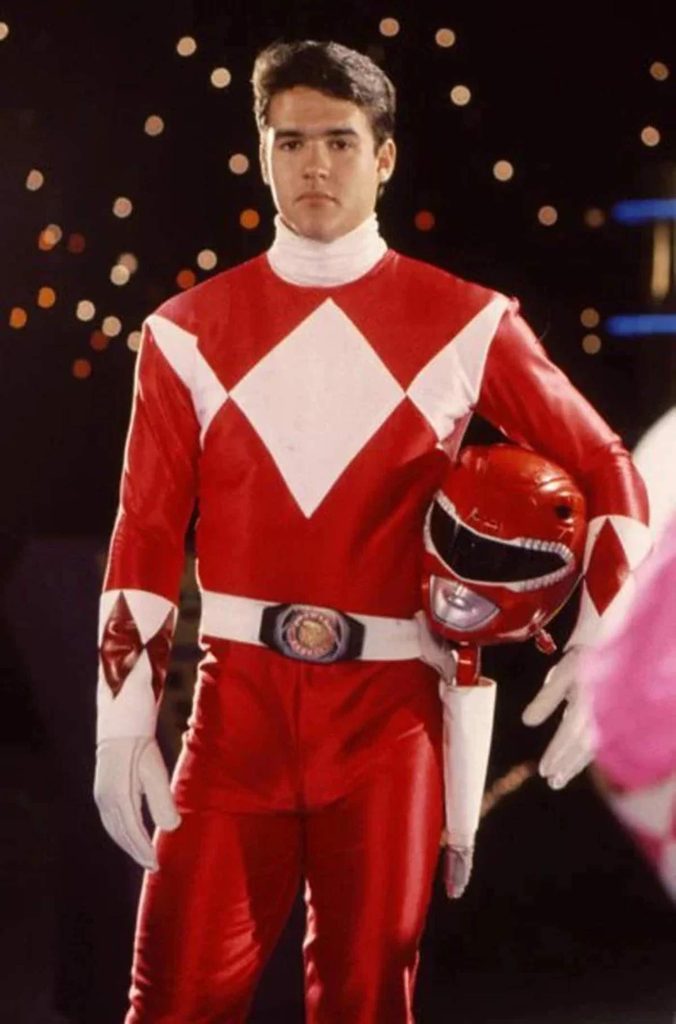
Tommy Oliver earns the number two spot specifically for his run as the Red Zeo Ranger, not for his more famous Green and White Ranger eras, because this is a Red Ranger ranking and the criteria have to stay consistent. By the time Tommy took the red suit in “Power Rangers Zeo,” he had already lived through a villain arc, a redemption arc, and a leadership arc as the White Ranger, which made his red era feel earned instead of arbitrary.
Few characters in the franchise carry as much built-in history into a single costume change. Tommy’s steadiness in Zeo reads differently once a viewer knows what the character survived to get there, and that context is part of why his arc still gets discussed decades later.
Readers interested in how Tommy Oliver’s full arc shaped the franchise’s approach to character redemption can read our retrospective on Tommy Oliver’s legacy for the complete picture across all four of his Ranger colors.
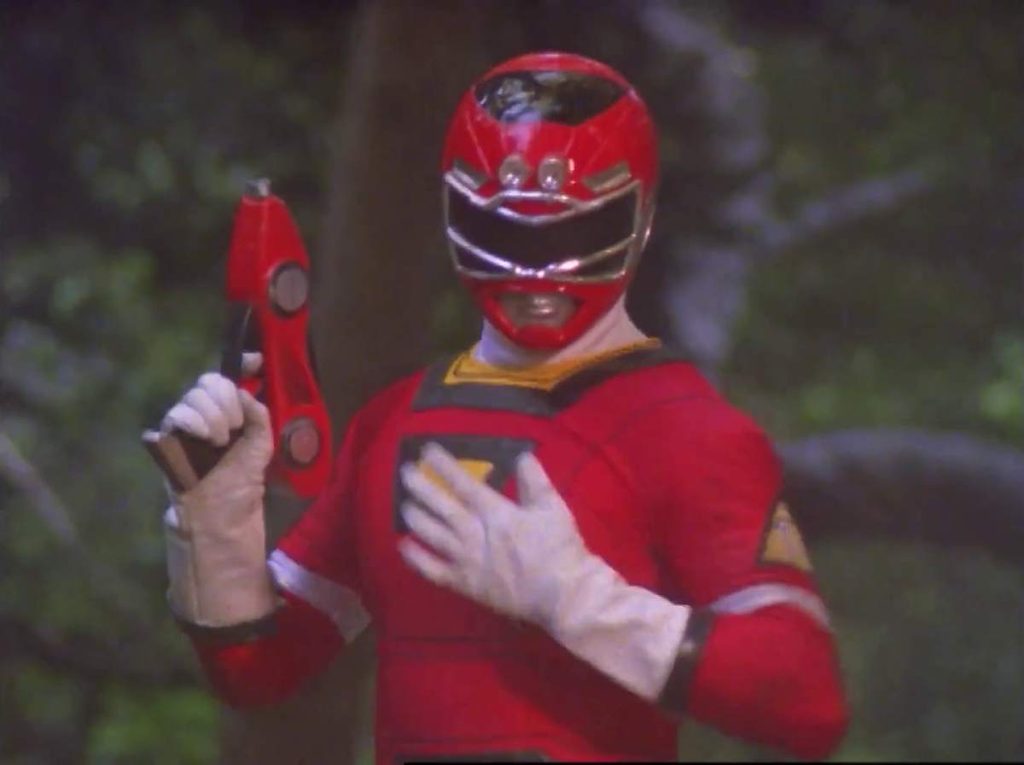
3. Andros: Power Rangers in Space
Andros is the most underrated Red Ranger in the franchise, and the gap between his quality and his recognition is the single biggest injustice in this ranking. “Power Rangers in Space” gave Andros a season-long arc built around finding his kidnapped sister Karone, who turns out to be the show’s reformed villain Astronema, and the writing treated that emotional stakes with more seriousness than most 1990s kids’ television attempted.
Andros led a team of Rangers who weren’t his original crew, which created real friction the show didn’t shy away from. His standoffish personality at the start of the season, followed by a slow trust-building arc with his new teammates, gives him one of the more complete character transformations in the franchise.
Best for viewers who want a Red Ranger with genuine emotional stakes instead of a pure hero archetype. This season also works as a satisfying conclusion point for anyone who started with the original Mighty Morphin run, since “in Space” closes out several long-running story threads.
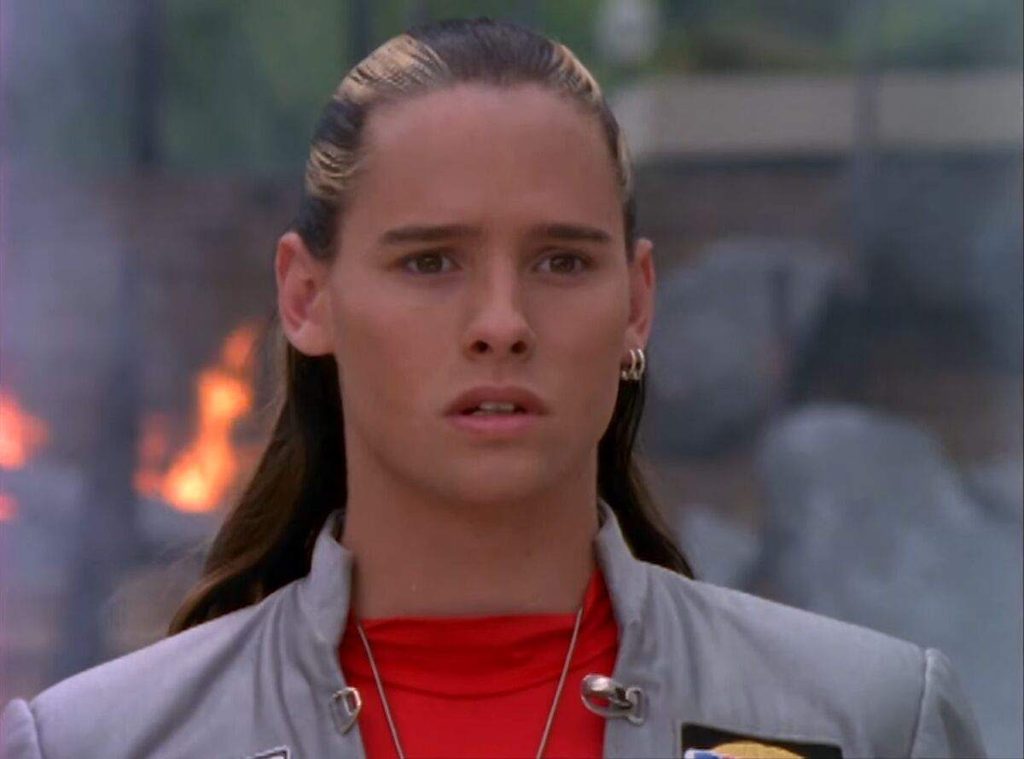
4. Conner McKnight: Power Rangers Dino Thunder
Conner McKnight works because “Power Rangers Dino Thunder” leaned into his jock stereotype and then quietly undercut it, giving him a learning disability subplot that the show handled with more care than its reputation suggests. He is not the most tactically sharp Red Ranger on this list, and the show knows it, using his teammates and mentor Tommy Oliver, now a high school science teacher, to balance out his instincts.
That self-awareness is what keeps Conner from feeling like a flat character. His arc is less about becoming a better fighter and more about becoming a more thoughtful teammate, which is a different kind of growth than most Red Rangers get.
Best for viewers who enjoyed Tommy Oliver’s earlier eras and want to see him return in a mentor role rather than as the lead. Fans curious about how crossover characters like Tommy get reintroduced across seasons can check our explainer on Power Rangers crossover episodes.
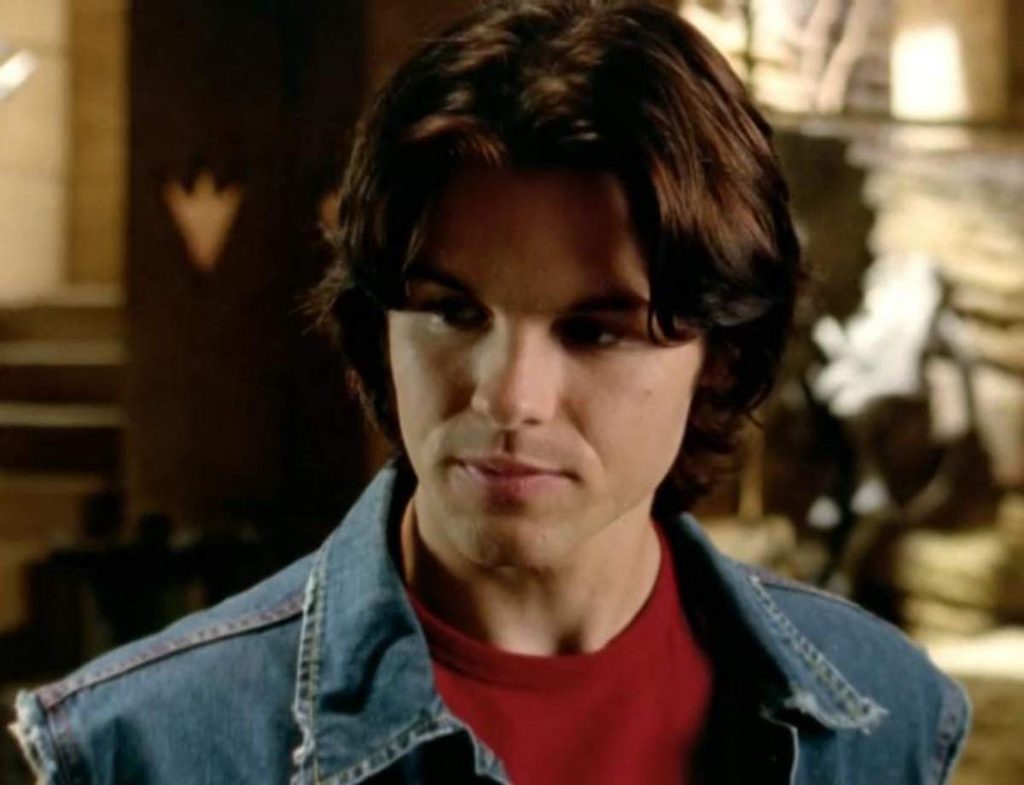
5. Carter Grayson: Power Rangers Lightspeed Rescue
Carter Grayson is a firefighter before he becomes a Ranger, and “Power Rangers Lightspeed Rescue” never lets viewers forget it. His leadership style is rescue-first, team-second, which makes sense for a season built around a civilian emergency response unit rather than a traditional monster-of-the-week format.
His arc has less drama than Andros or Tommy, but it has a consistency that works in its favor. Carter rarely makes the flashy choice, and the show rewards that steadiness instead of punishing it for being less exciting.
Best for viewers who prefer a quieter, more procedural kind of heroism over big personal drama. This season pairs well with true crime and rescue-focused media fans who gravitate toward competence over spectacle.
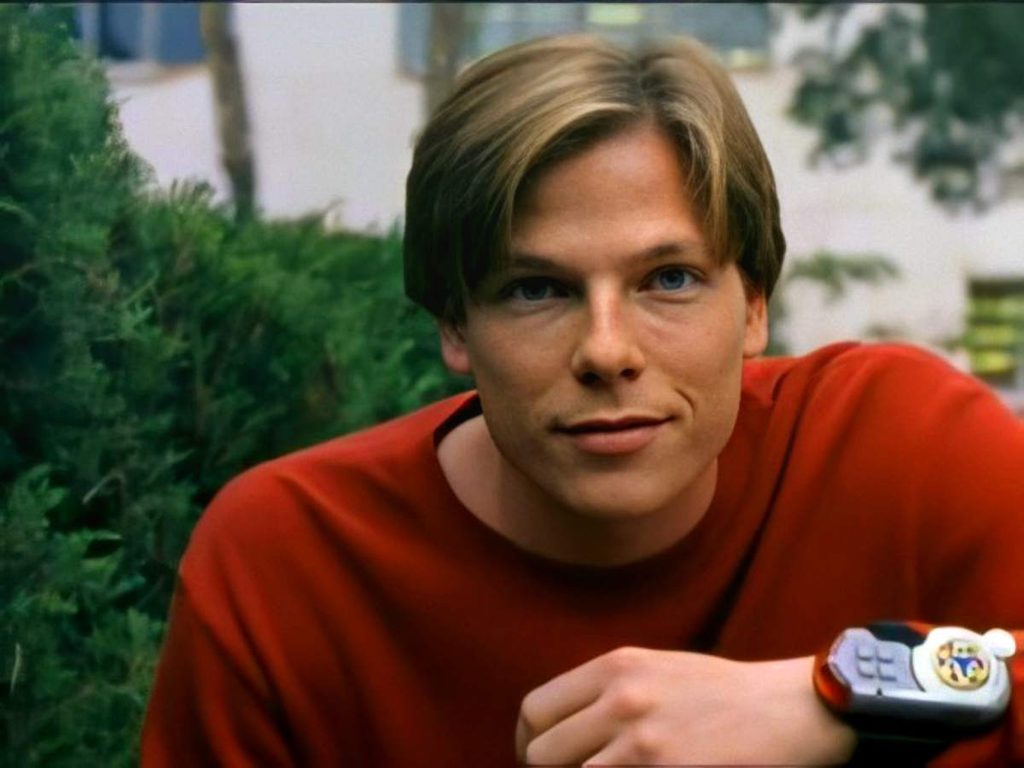
6. Jayden Shiba: Power Rangers Samurai
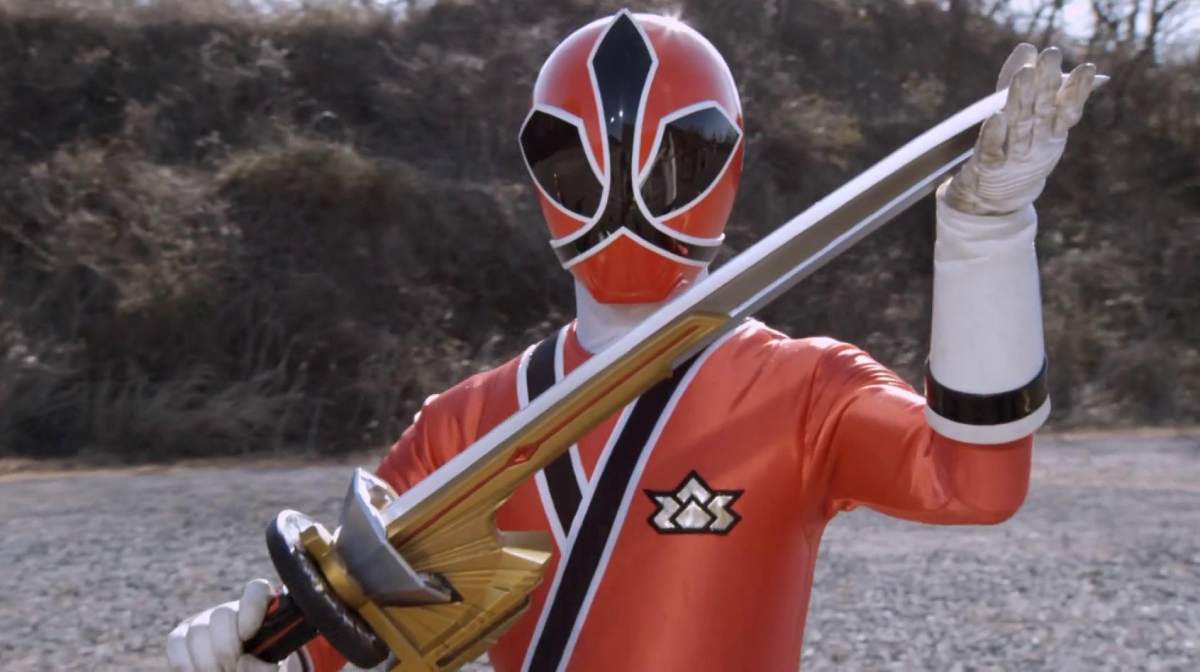
Jayden Shiba carries a secret for most of his season that most Red Rangers never have to deal with: he isn’t actually the heir to his samurai clan, his twin sister Lauren is, and he has been living a lie to protect her. That reveal gives “Power Rangers Samurai” a stronger emotional core than its somewhat clunky early episodes suggest.
Jayden’s stoic, almost burdened leadership style sets him apart from the more upbeat Red Rangers on this list. He carries real guilt, and the show lets that guilt inform his decisions instead of resolving it with a single speech.
Best for viewers who want a more serious, lower-energy season than the Dino Thunder or Wild Force eras. The reveal around Jayden’s identity rewards patience more than any other arc on this list.
7. Wes Collins: Power Rangers Time Force
Wes Collins starts “Power Rangers Time Force” as a rich kid running from his father’s expectations, and the show spends a full season making him earn his leadership instead of handing it to him. His arc runs parallel to Eric Myers, the Quantum Ranger, whose more aggressive, lone-wolf style constantly tests Wes’s instincts as a leader.
That rivalry gives Wes something most Red Rangers don’t get: a built-in foil who isn’t a villain. The tension between the two pushes Wes toward real growth instead of static competence.
Best for viewers who enjoy a slow-burn leadership arc with a time-travel hook. The season’s bittersweet finale, where Wes chooses to stay in the past instead of returning to his original timeline, is one of the more mature endings in the franchise’s history.
8. T.J. Johnson: Power Rangers Turbo
T.J. Johnson matters for a reason that goes beyond his character writing. He was the first Black actor to lead a Power Rangers team as the Red Ranger, taking over in “Power Rangers Turbo” and continuing into “Power Rangers in Space” before Andros took the lead role there.
T.J.’s leadership style is warm and collaborative rather than commanding, which suited the slightly younger tone of the Turbo era. His arc doesn’t have the depth of Andros or Jayden, but his place in the franchise’s history carries weight that a pure character analysis can miss.
Best for viewers interested in the franchise’s broader casting history and representation milestones, not just the strongest individual scripts. T.J.’s run is a reminder that legacy and writing quality are not always the same measurement.
9. Cole Evans: Power Rangers Wild Force
Cole Evans grew up isolated in the jungle, raised apart from modern society, which gives “Power Rangers Wild Force” an unusual starting point for its Red Ranger. His arc is mostly about learning to function as part of a team after a childhood spent alone, which is a decent hook that the show does not fully capitalize on.
Cole’s season leans heavily on animal spirit mythology and a fairly simple good-versus-evil structure. That simplicity makes the season accessible, but it also means Cole has less room to develop compared to Rangers with more internal conflict built into their premise.
Best for younger viewers or anyone looking for a straightforward, lower-stakes entry point into the franchise. This is not the season to start with if the complicated arcs of Andros or Jayden are what appeal to you.
10. Troy Burrows: Power Rangers Megaforce
Troy Burrows is a competent, likable Red Ranger who exists inside one of the franchise’s thinnest seasons for character development. “Power Rangers Megaforce” was built partly around reusing footage from its Japanese Super Sentai source material, which limited how much original characterization the writers could build around any character, Troy included.
None of this is really Troy’s fault. He makes reasonable decisions, treats his team fairly, and never does anything actively bad as a leader. He simply never gets the material that Andros, Tommy, or Jayden received, which is why he lands last on a list measuring depth and legacy rather than pure likability.
Best for completionists working through the full franchise chronologically rather than viewers looking for a standout season. Pair this one with a stronger era like Dino Thunder or Time Force if Megaforce is someone’s first exposure to the franchise.
Frequently Asked Questions
Who is the best Red Ranger in Power Rangers history?
Jason Lee Scott, the original Red Ranger from “Mighty Morphin Power Rangers,” ranks as the best overall because his leadership style set the template every later Red Ranger either follows or reacts against. He combines a real martial arts background with a steady, non-arrogant leadership style that held up across the show’s first three seasons.
Is Tommy Oliver considered a Red Ranger?
Yes. Tommy Oliver is best known as the Green and White Ranger, but he became the Red Zeo Ranger in “Power Rangers Zeo” in 1996. His red era is ranked separately from his earlier colors because this list evaluates Red Rangers specifically, and his Zeo arc benefits from the redemption story he had already completed in earlier seasons.
Which Red Ranger has the most tragic backstory?
Andros, the Red Space Ranger from “Power Rangers in Space,” has the most emotionally heavy arc on this list. His entire season centers on searching for his kidnapped sister Karone, who was raised by the villain Dark Specter and renamed Astronema, giving his leadership arc genuine emotional stakes rare for the franchise.
Why is Jayden Shiba’s arc considered one of the best?
Jayden Shiba spends most of “Power Rangers Samurai” hiding the fact that his twin sister Lauren, not Jayden, is the true heir to their samurai clan. That secret gives his quiet, burdened leadership style a payoff most Red Rangers never get, since the reveal recontextualizes nearly every decision he made earlier in the season.
Was T.J. Johnson the first Black Red Ranger?
Yes. T.J. Johnson became the first Black actor to lead a Power Rangers team as the Red Ranger when he took over in “Power Rangers Turbo” in 1997, later continuing into “Power Rangers in Space.” His casting remains a significant milestone in the franchise’s history, separate from any evaluation of his character’s writing.