- “Vichnaya Pamyat” translates from Ukrainian as “Eternal Memory,” a two-word liturgical phrase rather than a full sentence.
- The words close the Orthodox funeral service known as the panikhida, sung as the final line after prayers for the departed have been said.
- It is traditionally chanted three times in a row, a repetition pattern tied to the Trinity and used to intensify a prayer’s weight.
- The phrase functions as a request, asking that the dead be remembered by God and the living permanently, not as a simple statement like “rest in peace.”
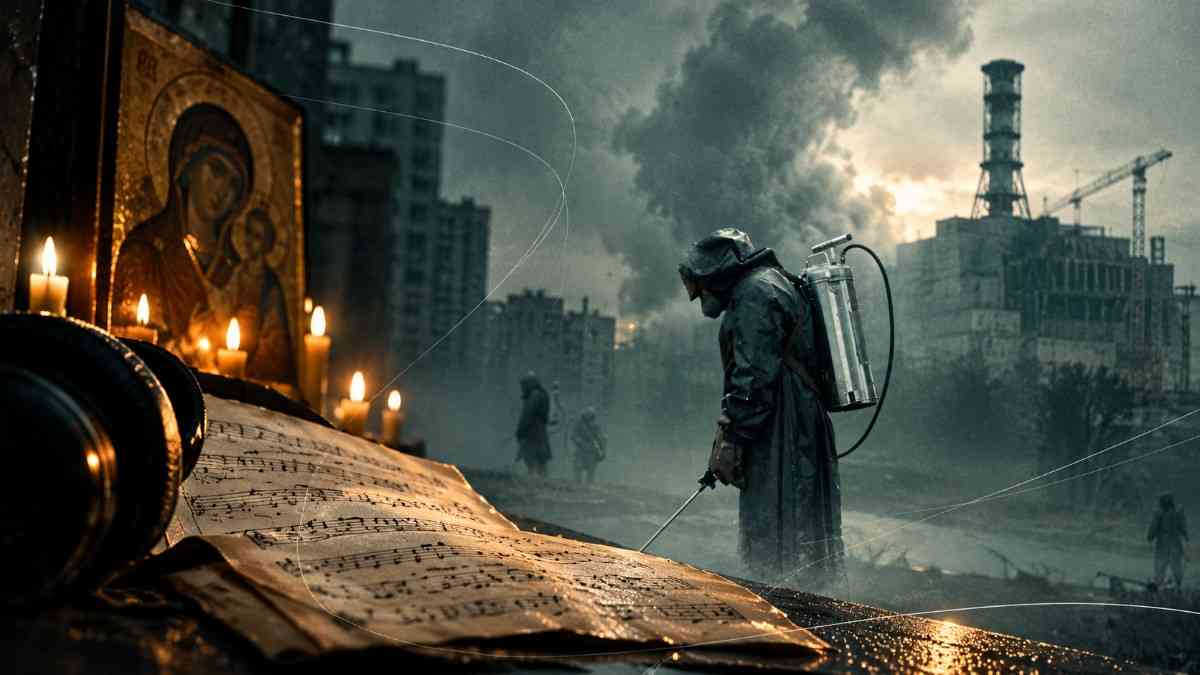
- Chernobyl uses the title over real footage of the dead and dying, borrowing a centuries-old liturgical act to close the series.
- Understanding the hymn’s origin explains why that final scene lands as a communal act of mourning instead of a dramatic flourish.
The last episode of Chernobyl ends on two words most American viewers had never heard before, sung over black and white photographs of real people who died because of the disaster. No subtitle translation, no character explaining it in dialogue, just the chant and the faces. That choice is deliberate, and it only works if you know what the words mean and where they come from.
Most people who finish the finale assume “Vichnaya Pamyat” is either a made up phrase written for the show or some generic funeral saying, the Ukrainian equivalent of “sorry for your loss.” Neither is true. The chant is a specific, centuries old piece of Orthodox liturgy with its own structure, its own placement in a funeral rite, and its own reason for being repeated the way it is. Craig Mazin did not invent the gesture of naming an episode after a memorial phrase. He borrowed one that already carried the full weight of a tradition built around remembering the dead on purpose.
This piece breaks down exactly what the phrase means, where it sits inside Orthodox funeral practice, and why its three part repetition is not a stylistic flourish but a theological one. By the end, the finale’s closing minute will read less like a somber montage and more like what it actually is: a borrowed prayer, placed with intent.
What Does “Vichnaya Pamyat” Mean in English?
“Vichnaya Pamyat” translates from Ukrainian to “Eternal Memory” or “Memory Eternal.” It is a two-word liturgical phrase, not a full sentence, and it works as a prayer request rather than a simple statement of grief. The same instinct for a title that quietly carries the whole theme shows up in prestige dramas built on tragedy, but few lean on a single real phrase this hard.
The distinction matters. Saying “eternal memory” over someone is not the same as saying “rest in peace.” It is a direct appeal that the person be remembered, by God and by the living, permanently. That is a different emotional register than a standard condolence phrase, and it is the register the Chernobyl finale is reaching for when the title appears over footage of the real dead and dying.
What Is Vichnaya Pamyat, Really? The Orthodox Hymn Behind the Episode Title
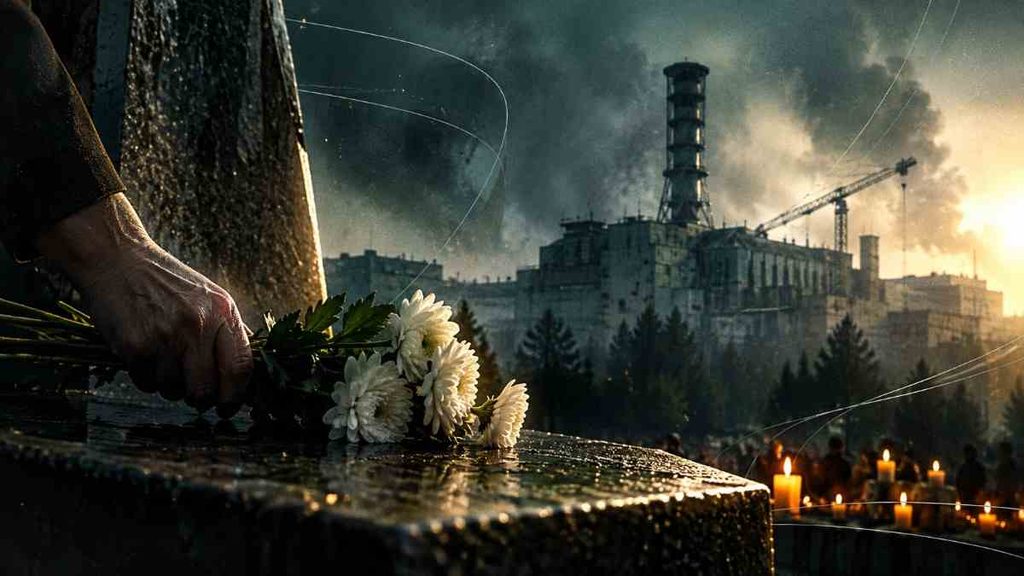
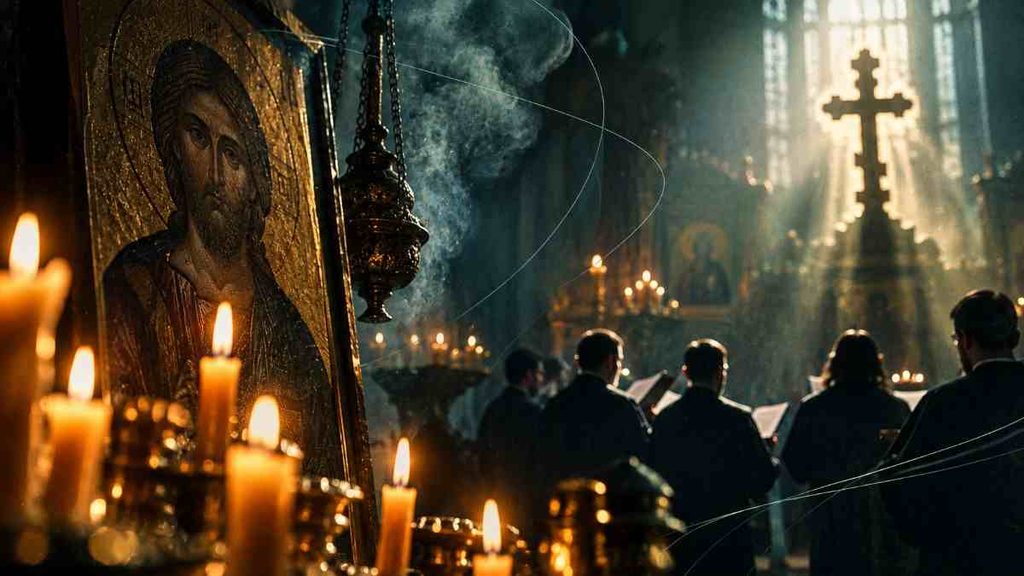
“Vichnaya Pamyat” is a hymn sung at the close of the Eastern Orthodox funeral service, known as the panikhida, not a folk song and not something invented for television. A panikhida is a memorial service held for the departed, used at funerals, on the anniversary of a death, and on designated memorial days sometimes called Soul Saturdays.
The hymn falls at the very end of that service. After the prayers for the departed have been said and the formal rite has run its course, “Vichnaya Pamyat” is sung as the final line, the closing word the congregation leaves with. It functions less like a eulogy and more like a seal placed on everything that came before it.
Why Is It Chanted Three Times?
The hymn is traditionally repeated three times in a row, a pattern rooted in the Trinity and used across Orthodox liturgy to intensify a prayer’s weight. Repetition in this context is not filler. It is how the tradition signals that a moment deserves more than a single pass.
That threefold structure maps almost exactly onto how the Chernobyl finale uses the chant, building through repetition instead of delivering it once and moving on. The show does not just borrow the words. It borrows the rhythm.
Vichnaya Pamyat vs. Vechnaya Pamyat: Why the Spelling Changes
“Vichnaya” is the Ukrainian transliteration of the phrase, while “Vechnaya” is the Russian and Church Slavonic transliteration of the same root word for “eternal.” Neither spelling is wrong. They reflect two related but distinct Slavic languages rendering the same concept into English letters, and English transliteration from Cyrillic has never been standardized, which is exactly why you will see both versions scattered across obituaries, forums, and search results.
The detail almost nobody covering this phrase online bothers to mention is why Chernobyl specifically chose the Ukrainian spelling. The disaster happened in Ukraine, which was part of the Soviet Union at the time but is its own nation with its own language, culture, and identity distinct from Russia’s. A show about a Ukrainian catastrophe, title it with the Russian transliteration, and you quietly erase the exact nationality the disaster happened to. Using “Vichnaya” instead of “Vechnaya” is a small choice that lines up with everything else the show is trying to say about erasure.
| Spelling / Transliteration | Language Origin | Root Meaning | Common Context |
|---|---|---|---|
| Vichnaya Pamyat | Ukrainian | Eternal Memory | Chernobyl episode title, Ukrainian funerals and obituaries |
| Vechnaya Pamyat | Russian / Church Slavonic | Eternal Memory | Russian Orthodox liturgy, Russian-language obituaries |
Why Is Episode 5 of Chernobyl Called “Vichnaya Pamyat”?
The finale is named after the hymn because it closes on a chant of “Vichnaya Pamyat” playing over photographs and facts about the real people killed or sickened by the disaster, turning the episode title into the show’s closing prayer. It is not a summary of the plot. It is a direct pointer to the final scene and nothing else.
Across the series, Chernobyl‘s episode titles function as thematic markers rather than plot descriptions. Fans who binge the whole thing and go looking for other shows built on unresolved history, the kind that reward a second viewing once you know what the titles are doing, tend to land on that same structural trick in other true-crime-adjacent dramas.
What Is the Song (Chant) Playing at the End of Chernobyl?
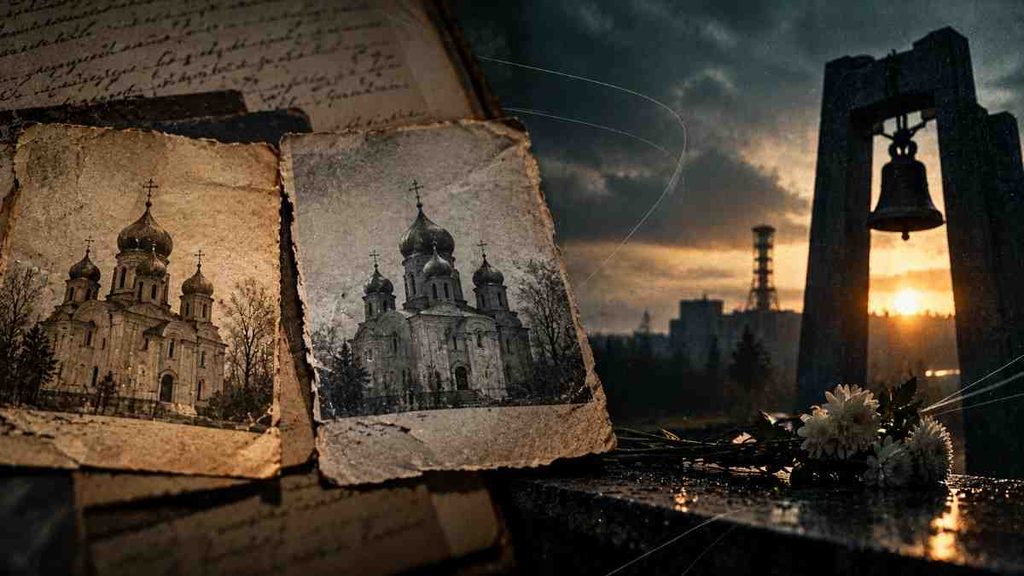
The music closing out Chernobyl is a sung arrangement of “Vichnaya Pamyat” itself, used as the literal hymn rather than an original song composed for the credits. The show is not scoring the moment with something new. It is letting the actual liturgical piece carry the ending.
Is Vichnaya Pamyat a Real Song or Was It Written for the Show?
It is a centuries-old liturgical hymn with no single credited songwriter, which means any version used in the finale is an arrangement of existing text and melody tradition, not a composition written for the series. That is part of why it lands so differently than a typical TV closer. You are not hearing something manufactured to make you cry. You are hearing something that has been sung over the dead for roughly a thousand years, now playing over a death toll the Soviet state spent years trying to shrink on paper.
What Do the Other Chernobyl Episode Titles Mean?
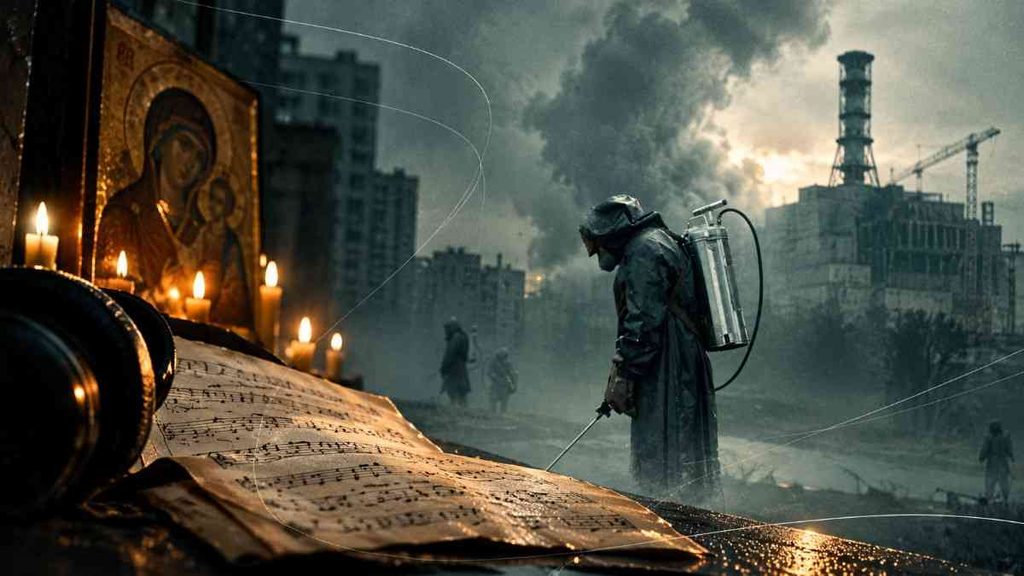
Each of Chernobyl‘s five episode titles references a specific moment or theme within that episode rather than acting as a generic label, and several lean on the same kind of layered meaning as the finale. The pattern runs through the whole series, not just the last chapter.
| Episode | Title | What It References |
|---|---|---|
| 1 | 1:23:45 | The exact time the reactor exploded |
| 2 | Please Remain Calm | The official messaging used to suppress panic during the early response |
| 3 | Open Wide, O Earth | A line drawn from an Orthodox funeral hymn, echoing the finale’s approach |
| 4 | The Happiness of All Mankind | A phrase tied to the ideological language used to justify the Soviet nuclear program |
| 5 | Vichnaya Pamyat | The Orthodox memorial hymn closing the finale |
This is the thread most coverage of the phrase misses entirely. Episode 3’s title is doing the same religious, double-meaning work as the finale’s, which means the show was building toward “Vichnaya Pamyat” from much earlier than most viewers clock on a first watch.
Why Does the Finale End on This Specific Prayer?
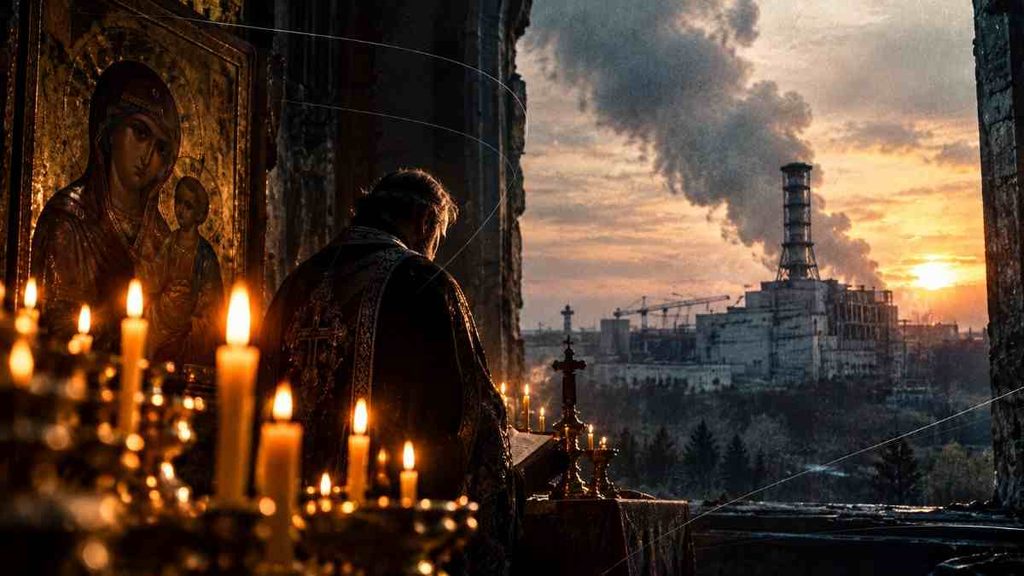
The hymn works as a direct counterpoint to the falsified and suppressed death toll the series spends four episodes documenting, turning the act of being remembered into the show’s final argument against erasure. Soviet officials spent the disaster’s aftermath minimizing casualty figures and controlling the public narrative. Ending on a prayer whose entire purpose is permanent remembrance is the opposite gesture, delivered as the last word.
Estimates of how many people were ultimately killed or sickened by the Chernobyl disaster vary significantly depending on the source, the timeframe measured, and whether long-term radiation-linked illness is included alongside immediate casualties. No single figure should be treated as a settled, universal number. The show itself leans into that ambiguity rather than resolving it with a tidy statistic.
If a finale built around unresolved grief and heavy religious imagery is your kind of ending, the same instincts show up in other finale explainers with religious imagery, where the symbolism carries as much weight as the plot.
FAQ
What does “Vichnaya Pamyat” mean in English?
“Vichnaya Pamyat” translates from Ukrainian to “Eternal Memory” or “Memory Eternal.” It functions as a prayer request that someone be remembered permanently, by God and by the living, rather than a simple expression of sadness. The phrase is the title of Chernobyl‘s fifth and final episode, chosen specifically because of the hymn’s real liturgical meaning and its connection to the finale’s closing scene.
Is “Vichnaya Pamyat” a real Orthodox prayer?
Yes. “Vichnaya Pamyat” is a genuine hymn sung at the close of the Eastern Orthodox funeral service, called the panikhida, and also used during memorial anniversaries and designated memorial days. It is traditionally chanted three times in a row. It was not invented for the Chernobyl finale, though the show uses the real hymn deliberately to close its story.
What is the difference between “Vichnaya Pamyat” and “Vechnaya Pamyat”?
“Vichnaya” is the Ukrainian transliteration of the phrase, while “Vechnaya” is the Russian and Church Slavonic transliteration of the same root word. Both mean “eternal” and refer to the identical hymn. The spelling difference reflects which Slavic language is being transliterated into English letters, not an error, and English transliteration of Cyrillic text has never been standardized.
Why is it sung three times at Orthodox funerals?
Orthodox liturgical tradition repeats certain key phrases three times to represent the Trinity and to intensify the weight of the prayer being offered. “Vichnaya Pamyat” follows this same threefold pattern at the close of the panikhida. The Chernobyl finale echoes this exact structure in its closing scene, building the chant rather than playing it once.
Is “Chernobyl” based on a true story?
Yes, Chernobyl dramatizes the real 1986 nuclear disaster in Soviet Ukraine and its aftermath, drawing on real events, real roles within the Soviet response, and the documented pattern of the government downplaying the disaster’s severity and casualty figures. Specific casualty numbers remain disputed across different sources, and the show acknowledges that ambiguity rather than presenting one settled total.
Strip away the Slavic transliteration debate and the liturgical history, and the core fact is simple: Chernobyl named its finale after a real prayer meant to guarantee someone is never forgotten, and then spent the episode making sure the audience could not forget the real death toll either. That is not a coincidence or a stylistic flourish. It is the entire argument of the series compressed into two words.
If you came away from the finale wanting to understand the choice rather than just feel it, you now have the actual liturgical and linguistic context behind the title, not just a quick dictionary definition. The next time a prestige drama closes on something that feels borrowed from real ritual instead of invented for TV, it is worth asking the same question you asked here: what is this title actually pointing to, and why this one.