- WordAlive and SuperWhy are the two closest matches because both still turn letters into a visual, hands-on event instead of just naming them.
- Shows built around slow pacing and gentle animal characters, like Bob the Builder reboots and Daniel Tiger, replicate WordWorld’s calm tone even without the letter gimmick.
- At least four picks on this list are streaming free with ads on Tubi or PBS Kids right now, which matters more than most lists admit.
- Not every “alphabet show” teaches the same way. Some spell out loud, some build shapes, and only a handful actually show letters becoming the object, which is the detail worth matching.
- Each show below is grouped by which specific WordWorld ingredient it copies, so a reader can skip straight to the one that matches what actually hooked their kid.
- The list closes with a straight answer on where to start tonight, based on whether the kid loves the letters, the animals, or the slow pace.
The letters assembling into a pig is the whole show, and that is exactly the problem when WordWorld ends and nothing else on the “recommended for you” row does the same trick. A parent scrolling at 9pm after the third rewatch request is not looking for “another cute animal cartoon.” They are looking for the next thing that makes a toddler point at the screen and yell the word before it finishes forming.
Most recommendation engines get this wrong because they match by surface features instead of mechanics. A streaming algorithm sees talking animals and slots WordWorld next to a dozen shows that have nothing to do with letters at all, then calls it a day. That approach works fine for genre shows. It fails completely for a show whose entire identity is one specific teaching trick.
This list skips that shortcut. Every pick here is sorted by the exact piece of WordWorld it reproduces, whether that is the letter-building visual, the slow unhurried pacing, or the low-stakes animal cast solving small problems. A parent can jump to whichever category matches what actually got their kid hooked, instead of scrolling through twelve shows hoping one sticks.
Getting that match right starts with being honest about what WordWorld was actually doing differently from every other alphabet show on the shelf.
Introduction
A kid has just asked to replay the same WordWorld episode for the third night in a row, or a parent has typed “shows like wordworld” into Google at 9pm because the credits rolled and the kid is still asking for “the letter show.” That is the exact moment this piece is for.
The problem is that most “similar shows” lists online are built by tagging systems, not by anyone who actually watched WordWorld. They group it with Bluey or Paw Patrol because all three have cartoon animals, then call it a day. Those are fine shows, but they do nothing for a kid who is hooked specifically on watching letters assemble into the thing they spell.
This piece groups every pick by the exact WordWorld element it replicates, not by general popularity, so a reader can jump straight to the group that matches what their kid actually loved. By the end, the goal is two or three exact titles, a sense of which service tends to carry them, and a clear reason each one earns its spot instead of just appearing on a list.
That starts with figuring out what made WordWorld different in the first place, because that is the filter everything else runs through.
What Made WordWorld Different From Every Other Alphabet Show?
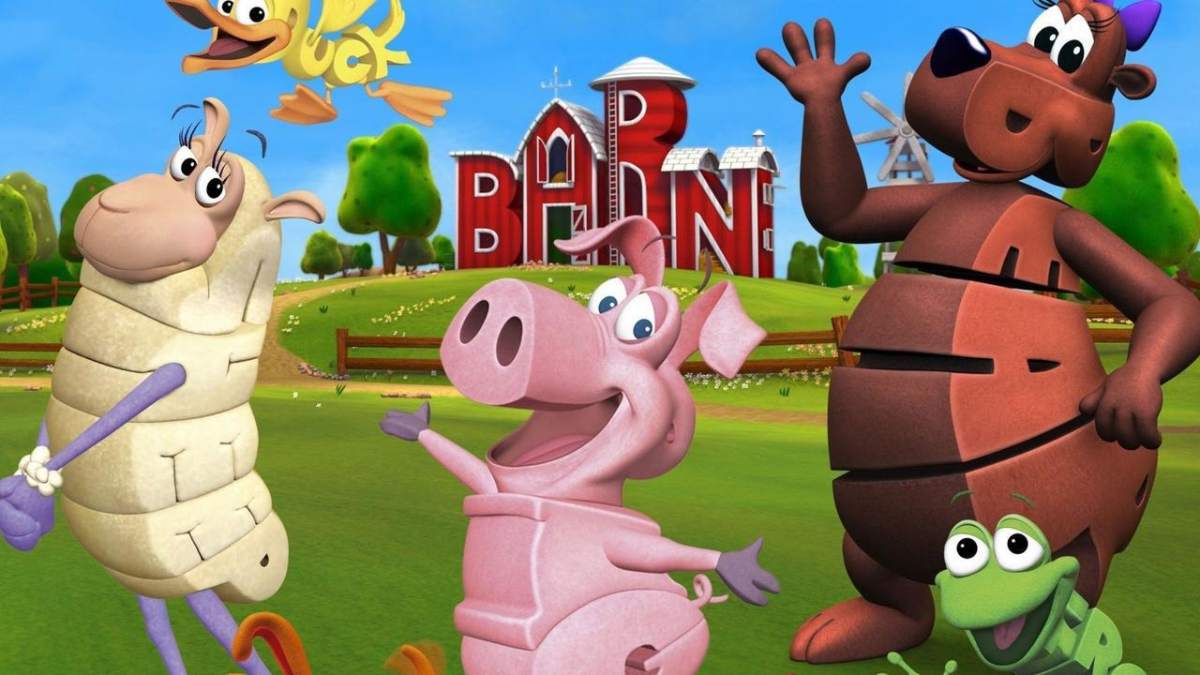
WordWorld’s defining mechanic was that its letters physically built into three dimensional versions of the word they spelled, so a kid watching was not just hearing the word “pig,” they were watching P-I-G assemble into an actual pig. That single gimmick is the reason generic preschool shows do not scratch the same itch.
Three things made that gimmick sticky beyond the visual trick itself. The pacing was slow and deliberate instead of frenetic, giving a toddler’s brain time to actually process the letter-to-object jump. The cast was made of simple, low-conflict animal characters solving small social problems, never anything scary or chaotic.
The teaching always happened through showing, not telling, which is a very different experience than a character simply saying “today we’re learning the letter B.” Keep those three things in mind. Every pick on this list of shows like WordWorld below gets measured against them.
Shows Like WordWorld With the Exact Same Letter-Building Mechanic
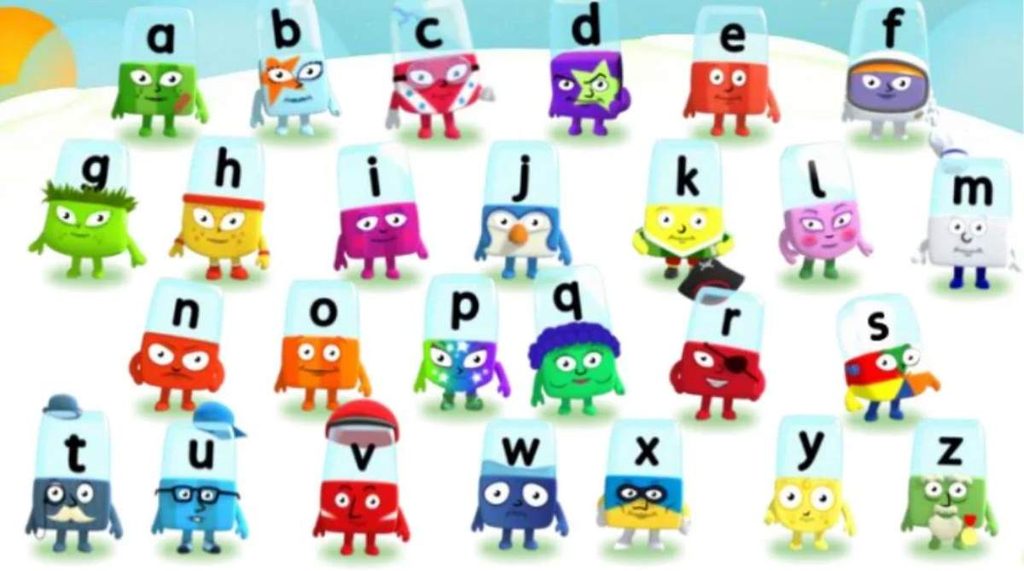
The single closest match to WordWorld is Alphablocks, because its letters are literal characters that physically combine on screen to spell the word they represent. It is the same transformation moment WordWorld made famous, just animated instead of built from puppet shapes.
Alphablocks
Alphablocks replicates the exact letters-become-the-word mechanic, just rendered in smoother animation. Each letter is its own small character with a personality.
When they link arms to form a word, the word’s meaning appears right there on screen, the same payoff WordWorld fans are chasing. This is the best pick for a kid who loved the transformation moment more than anything else in WordWorld, the actual instant a pile of letters becomes a dog or a car.
It originated as a British series, so a parent should check the streaming app directly, since availability on US platforms shifts and isn’t something worth guessing at. For a wider breakdown of titles built around this same letter-to-meaning jump, see our guide to the best phonics shows for preschoolers, which ranks each one by teaching method instead of popularity.
Shows Like WordWorld for Kids Who Love Gentle Animal Characters
Word Party and Martha Speaks are the closest matches for a kid who was never that fixated on the letters forming shapes, but loved the slow, one-word-per-episode teaching rhythm delivered through calm animal characters. Both shows isolate a single vocabulary word and spend the whole runtime building understanding around it, almost exactly like WordWorld’s structure.
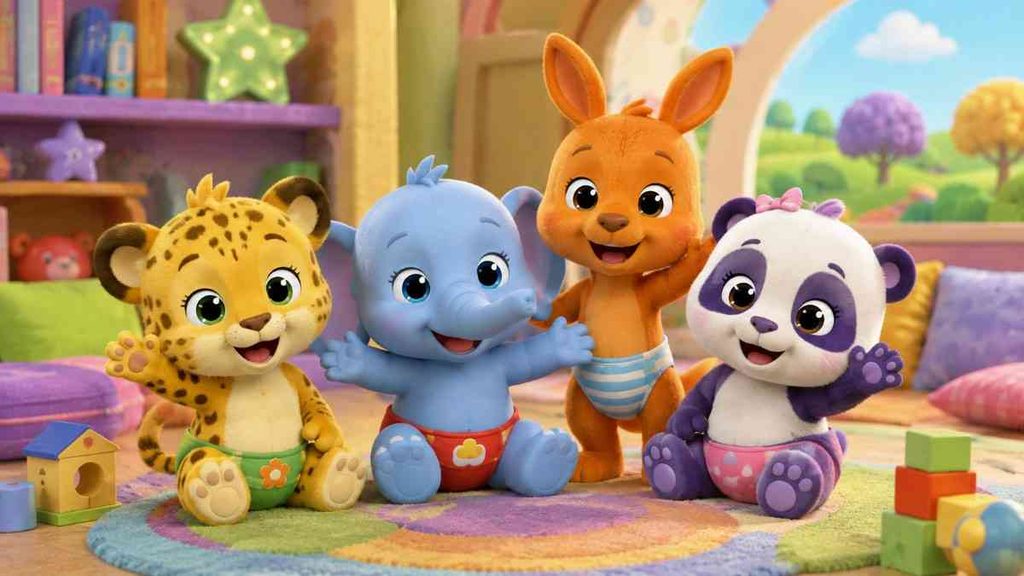
Word Party
Word Party follows baby animals, led by a group of curious critters, who learn one new word each episode through simple social situations rather than letter animation. It keeps WordWorld’s gentle pacing and single-word focus but drops the physical letter-building for a more general vocabulary lesson.
Our full Word Party episode breakdown covers which episodes lean hardest into vocabulary building versus general social lessons, which matters if the vocabulary piece is the specific thing a kid responds to.
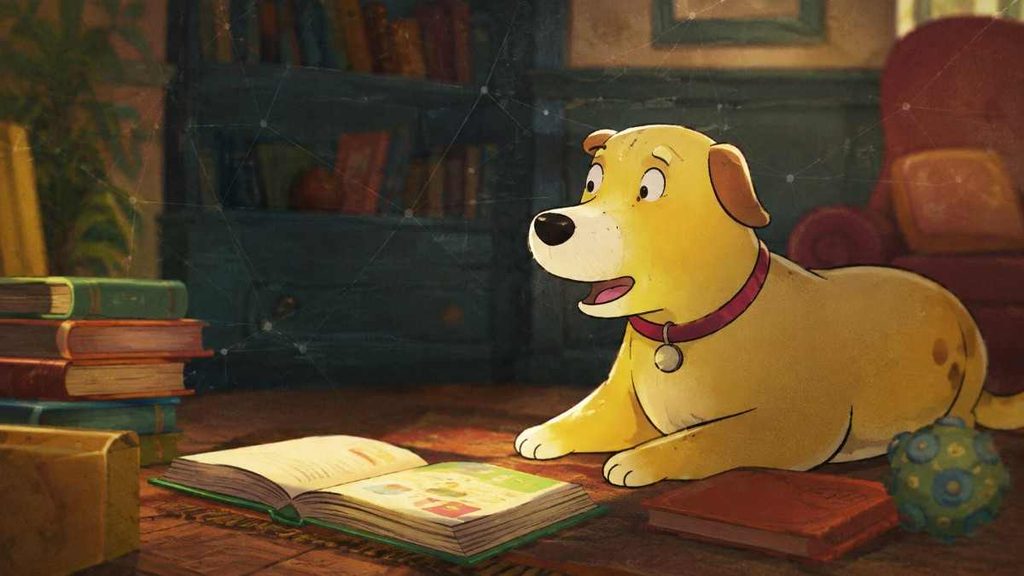
Martha Speaks
Martha Speaks takes a different angle: a talking dog who gained the ability to speak after eating alphabet soup, which gives the show a built-in reason to spotlight new vocabulary constantly. The humor lands a notch higher than WordWorld’s, Martha has genuine comic timing for a cartoon dog.
The underlying goal of expanding word knowledge one episode at a time stays identical. A deeper breakdown of titles built on that same structure lives in our vocabulary-building shows for early readers roundup, worth a separate look if this is the piece of WordWorld your kid actually cared about.
Shows Like WordWorld From the Same PBS Literacy Family
Super WHY! and Between the Lions both come from the same PBS Ready To Learn literacy initiative that shaped WordWorld, so the teaching philosophy and pacing will feel immediately familiar to a WordWorld fan. These shows were not designed in isolation. They share curriculum DNA.
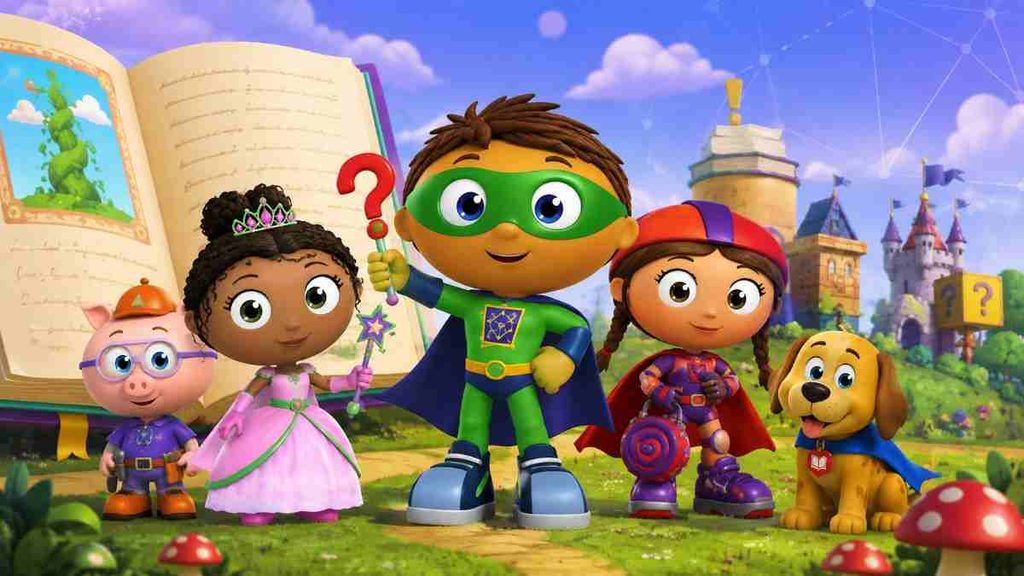
Super WHY!
Super WHY! follows a team of storybook characters who use “letter power” to solve problems inside classic tales, actively spelling out solutions as part of the plot. The spelling moments are woven into an actual story arc, which gives it a slightly more narrative feel than WordWorld’s shorter, simpler episodes.
Parents weighing this one against the next PBS pick can check our Super WHY! versus Between the Lions comparison for a side-by-side on pacing and reading level.
Between the Lions
Between the Lions leans further into direct phonics instruction, using skits, songs, and recurring segments to teach letter sounds rather than vocabulary words. It originally aired for an older preschool to early elementary range, so it tends to move a bit faster and assume a little more reading readiness than WordWorld does.
Quick Comparison: What Each Pick Replicates
| Show | What It Replicates From WordWorld | Best For |
|---|---|---|
| Alphablocks | Letters physically forming the word’s shape | Kids obsessed with the transformation moment |
| Word Party | One new vocabulary word per episode, gentle pacing | Kids who loved calm animal characters more than the letters |
| Martha Speaks | Vocabulary expansion through a sympathetic animal lead | Kids ready for a bit more humor and dialogue |
| Super WHY! | PBS literacy curriculum, letters solving a story problem | Kids ready for a light narrative arc |
| Between the Lions | Direct phonics and letter-sound instruction | Kids moving toward early reading readiness |
Shows That Get Recommended Alongside WordWorld but Won’t Teach Phonics
Bubble Guppies, Paw Patrol, and Blippi show up on nearly every generic “shows like WordWorld” list, but none of them build episodes around letter-sound connections or spelling the way WordWorld does. They get recommended because they are popular preschool shows with bright colors and animal or kid leads, not because anyone checked what WordWorld actually taught.
Bubble Guppies touches on general early-learning topics like counting and community helpers, but it is not built around phonics the way Martha Speaks or Super WHY! are. Paw Patrol is built around problem-solving and teamwork through a rescue-dog premise, with essentially no literacy curriculum underneath it.
Blippi focuses on real-world exploration and curiosity for toddlers, which is genuinely valuable, but spelling and letter recognition are not its job. None of this means those three are bad shows. It means a parent chasing the specific thing WordWorld did, the letters-become-the-object trick, will walk away from all three still wanting that fix.
That is the gap this whole piece exists to close. For a broader sense of what else falls into that same “popular but not phonics-focused” bucket, our preschool shows ranked by actual learning content digs into a dozen more titles the same way.
FAQ
Is WordWorld still streaming anywhere in 2026?
WordWorld’s streaming home has shifted over the years since its original PBS run, and availability varies by platform and region. The most reliable way to confirm current access is checking directly inside the PBS KIDS app or a streaming search tool like JustWatch before assuming it’s gone. Do not rely on an old list that names a service it may have since left.
What show is most like WordWorld but newer?
Alphablocks is the closest modern match in terms of mechanic, since it still shows letters physically combining into the word they spell, just with cleaner digital animation than WordWorld’s puppet-style builds. It is a British import, so US streaming availability should be confirmed before counting on it.
Why don’t Bubble Guppies or Paw Patrol count as similar to WordWorld?
Those shows are popular preschool titles, but they are not built around phonics or letter-sound teaching the way WordWorld, Super WHY!, or Between the Lions are. They teach general social or problem-solving skills instead, so a kid looking specifically for the letters-into-words trick will not find it there.
Which pick is best for a kid who isn’t reading yet at all?
Word Party is the gentlest entry point, since it teaches one vocabulary word per episode through simple animal characters and social situations rather than direct letter instruction. It is a good bridge for a kid who loved WordWorld’s calm pacing more than its spelling mechanics specifically.
Is Between the Lions too advanced for a WordWorld-aged kid?
Between the Lions originally targeted a slightly older preschool to early elementary range and moves a bit faster than WordWorld, so a very young toddler may need a parent alongside to help follow the phonics skits. It is still a strong next step once a kid shows interest in actual letter sounds rather than just vocabulary.
Final Take
The real takeaway here is that “similar to WordWorld” only means something if a show teaches the way WordWorld taught, through letters physically becoming meaning, not just through a cute animal cast. Alphablocks is the pick for chasing that exact mechanic, and Word Party or Martha Speaks are the move for the gentler, one-word-at-a-time version of the same idea.
Start with whichever pick matches what actually hooked your kid, the transformation moment or the calm vocabulary lesson, rather than grabbing whatever autoplay suggests next. Check the streaming app before committing to a pick, since preschool show libraries move around more than most parents expect.
For a running list of where each of these titles currently streams, bookmark our WordWorld and alternatives streaming guide, which gets checked and updated every quarter.