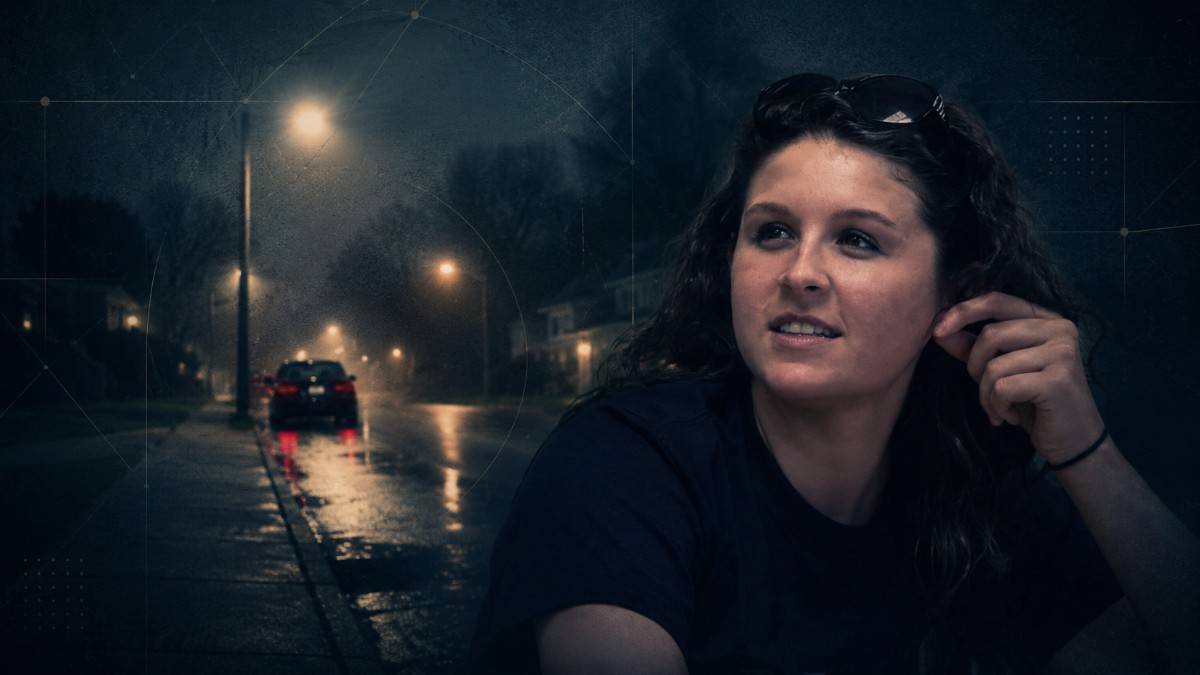

Who Was Tiffany Valiante? (Quick Facts Before the Theories)
Tiffany Valiante was an 18 year old recent graduate of Oakcrest High School in Mays Landing, New Jersey, who had earned a volleyball scholarship to Mercy College before her death in July 2015. She was found dead on train tracks roughly five miles from her home hours after leaving the house on the night of a family gathering.
| Detail | Information |
|---|---|
| Name | Tiffany Valiante |
| Age at death | 18 |
| Hometown | Mays Landing, New Jersey |
| High school | Oakcrest High School |
| College scholarship | Mercy College, volleyball |
| Date of death | July 2015 |
| Official ruling | Suicide |
| Case status | Not criminally reopened, active civil lawsuit |
Those are the facts nobody disputes. Everything that follows gets murkier, starting with the night itself.

What Actually Happened the Night Tiffany Valiante Died? (Timeline)
Tiffany spent the day at a cousin’s graduation party, swimming and playing volleyball with family before the night took a sharp turn. A confrontation broke out over an accusation that she had used a friend’s credit card without permission, and shortly after, she left the house.
A deer camera positioned near the property caught her walking down the driveway with her head turned, according to the Fox29 reporting on the case. Her parents and the family dog followed behind her within a minute, but by the time they reached the road, she was gone. She was later found struck by a train roughly five miles from the house.
| Time or sequence | Event |
|---|---|
| Earlier that day | Attends cousin’s graduation party, swims and plays volleyball |
| Evening | Confrontation over accused credit card use |
| Minutes later | Deer camera captures her walking down driveway, head turned |
| Roughly one minute after | Parents and family dog follow, find no sign of her |
| Later that night | Found struck by train, five miles from home |
That gap, the minute between the camera footage and her parents reaching the road, is the single detail almost every theory in this piece eventually circles back to.
How Did Officials Rule on the Tiffany Valiante Case? (The Official Suicide Ruling, Explained)
NJ Transit Police investigated the death, and New Jersey’s state Medical Examiner’s Office ruled it a suicide. That ruling is the official, legal conclusion on record, and it is what closed most active police involvement in the case even though her family never accepted it.
A medical examiner’s ruling is a formal legal determination of the manner of death. It gets entered into official records and generally ends a case’s classification as an open homicide investigation unless new evidence forces a reversal.
That distinction matters because a ruling is not the same thing as a settled truth. It is one office’s conclusion based on the evidence it had access to at the time. Her family’s dispute is not with the concept of the ruling, it is with the process that produced it, which is the next piece of this puzzle.

Why the Tiffany Valiante Family Disputes the Suicide Ruling
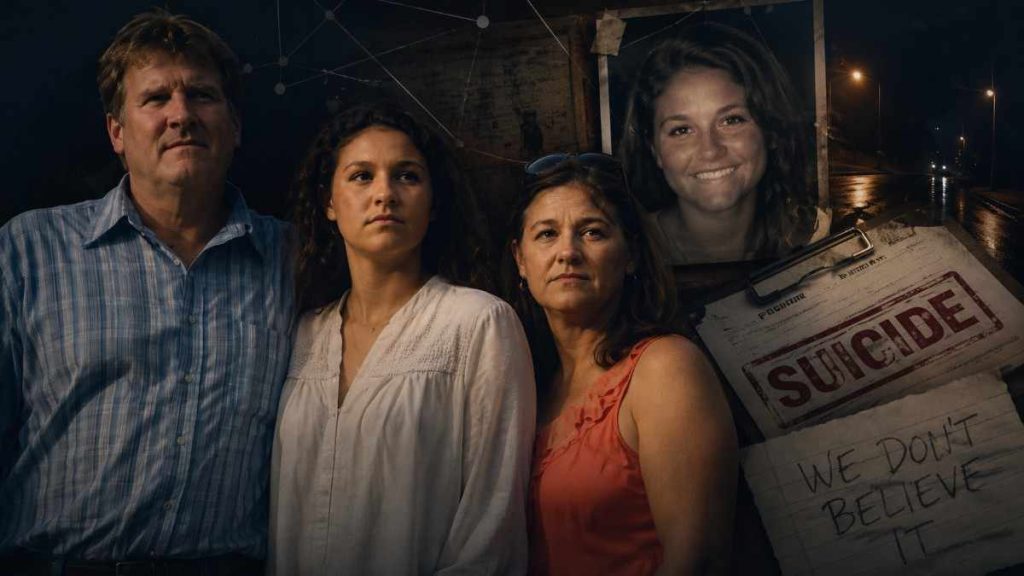
Tiffany’s family disputes the ruling because, according to their attorney Paul D’Amato, several standard investigative steps were reportedly skipped or mishandled. None of the following points are confirmed facts.
They are claims made publicly by the family and their legal team, as reported by Fox29.
- No complete autopsy was performed, according to the family’s attorney.
- Investigators reportedly never interviewed Tiffany’s family or friends as part of the case.
- An axe found near her body was reportedly lost by police at some point after discovery.
- DNA samples were reportedly rendered unusable due to improper storage.
- A headband and shoes belonging to Tiffany were found by her mother roughly two miles from the site where she was struck, three weeks after her death.
Tiffany’s mother, Dianne Valiante, has publicly stated that she does not believe her daughter would have taken her own life. That belief, paired with the disputed evidence list above, is the entire engine behind a decade of legal fighting.
It is also where the internet theories start to diverge.
Every Tiffany Valiante Theory, Explained (Suicide vs. Accident vs. Murder)
Theory 1: Suicide (The Official Ruling)
The official ruling remains suicide, and it is the only theory with a formal legal determination behind it. Some online commentary points to personal stressors, including the credit card confrontation earlier that night, though this framing largely comes from unverified Reddit and forum discussion rather than confirmed investigative findings.
The evidence against the ruling is the same list from the previous section: the incomplete autopsy, the missing axe, the compromised DNA samples, and the delayed discovery of her shoes and headband miles from the scene. None of those points disprove the ruling on their own, but together they explain why her family has never accepted it.
Theory 2: Tragic Accident
A pure accident theory gets far less airtime in public discussion than suicide or murder, and it is not directly supported by specific reporting reviewed for this piece. Some commentators raise it as a third possibility given the physical distance she covered and the confusion around her final movements, but treat this as speculative unless new reporting surfaces to support it directly.
Theory 3: Murder or Abduction
The family’s core belief is that Tiffany encountered someone after leaving the house that night, and that her death was not self inflicted. The evidence cited by the family and their attorney centers on the one minute gap in the driveway camera footage, along with the later lawsuit that cites recovered text messages as new evidence supporting foul play.
Theory 4: The Hate Crime Lawsuit Claim (Newest Development)
A 2025 lawsuit alleges that Tiffany’s death was a hate crime, based on what’s described as a trove of recovered text messages, according to reporting picked up by Yahoo Finance. This is an allegation made inside a civil legal filing, not a new official ruling or a criminal charge, and it should be read as a claim currently being litigated rather than an established fact.
| Claim | Status | Source |
|---|---|---|
| Death ruled a suicide | Confirmed | NJ Medical Examiner’s Office, via Fox29 |
| Autopsy was incomplete | Family/attorney dispute | Attorney Paul D’Amato, via Fox29 |
| Axe near body was lost by police | Family/attorney dispute | Attorney Paul D’Amato, via Fox29 |
| DNA samples improperly stored | Family/attorney dispute | Attorney Paul D’Amato, via Fox29 |
| Shoes and headband found miles from scene | Confirmed detail, disputed meaning | Fox29 |
| Death was a hate crime | Unverified legal allegation | Lawsuit filing, via Yahoo Finance |
| Death was a random accident | Unverified theory | Online discussion, unconfirmed |

What Unsolved Mysteries Left Out of the Tiffany Valiante Episode
The Netflix Unsolved Mysteries episode covering Tiffany’s case reportedly leaves out some of the more contested physical evidence, according to IMDb’s coverage of the episode. That includes details around the axe that was allegedly lost by police and background on the credit card incident that preceded her disappearance that night.
If you watched the episode and felt like you were missing context on why her family pushes back so hard on the ruling, this is likely why. The documentary format compresses a decade of legal back and forth into under an hour, and the omitted details are exactly the ones her attorney leans on hardest.
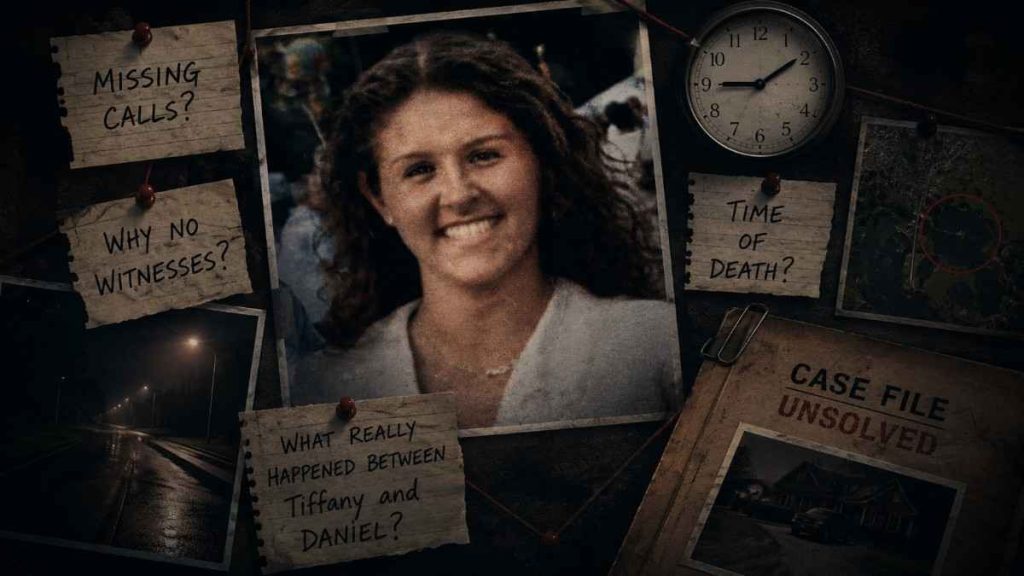
Is the Tiffany Valiante Case Still Active in 2026?
The case has not been reopened as a criminal homicide investigation as of the most recent public reporting. What remains active is a civil wrongful death lawsuit filed against unknown individuals, pursued by the family’s attorney.
A wrongful death lawsuit filed against unknown defendants allows the family’s legal team to use subpoena power and depositions to gather information that a closed criminal case would no longer provide. It is a workaround, not a reopening, but it has kept the case moving through the legal system rather than letting it go cold entirely.
The Atlantic County Prosecutor’s Office has also publicly asked for tips from anyone with information related to the case, according to Fox29’s reporting. That request alone tells you this file is not considered fully closed, even without a formal criminal reopening.
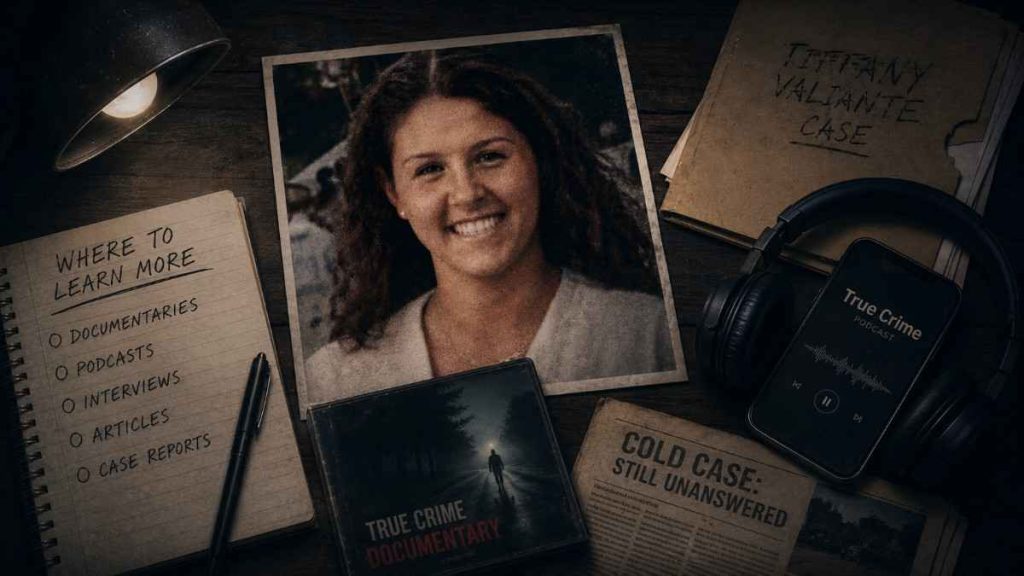
Where to Learn More About the Tiffany Valiante Case (Documentaries and Podcasts)
If the outline above left you wanting the long form version, two main sources cover the case in more depth. Netflix’s Unsolved Mysteries features an episode dedicated to Tiffany’s story, and it has been a major reason the case resurfaces in search and social discussion years after her death.
A true crime podcast episode has also covered her case, walking through the same disputed evidence points in audio format. Readers who followed similar cold case fights, like the ongoing questions surrounding the Armstrong-Wilson murder case, will recognize the pattern of a family using civil court as a substitute for a criminal system that has moved on.
Frequently Asked Questions About Tiffany Valiante
Was Tiffany Valiante murdered?
No official ruling supports murder. Her death is officially classified as a suicide by New Jersey’s Medical Examiner’s Office, though her family publicly disputes that ruling and believes she encountered foul play after leaving her home that night.
What happened to Tiffany Valiante?
She was struck and killed by a train roughly five miles from her home in Mays Landing, New Jersey, in July 2015. She had left her house shortly after a confrontation over an accusation that she used a friend’s credit card without permission.
Is there a Netflix documentary about Tiffany Valiante?
Yes. Netflix’s Unsolved Mysteries includes an episode on her case. Reporting on the episode notes that it reportedly leaves out some contested evidence, including details around a missing axe and the credit card incident from the night she disappeared.
What school did Tiffany Valiante attend?
She attended Oakcrest High School in Mays Landing, New Jersey, and had earned a volleyball scholarship to Mercy College at the time of her death in July 2015.
Is the Tiffany Valiante case reopened?
It has not been reopened as a criminal homicide investigation. Her family currently pursues the case through a civil wrongful death lawsuit filed against unknown individuals, which allows their attorney to use subpoena power despite the closed criminal status.
Why do people think Tiffany Valiante’s case is a cover up?
The theory stems from her family’s disputed claims, including an incomplete autopsy, a missing axe found near her body, and DNA samples reportedly ruined by improper storage. None of these are confirmed investigative failures, but they form the basis of the family’s decade long legal fight.
Cases like this rarely resolve into something clean. What makes Tiffany Valiante’s case worth understanding is not a single smoking gun theory, it is the gap between an official ruling and a family that has spent ten years and considerable money trying to prove that ruling wrong.
If you take one thing from this piece, take the confirmed versus disputed versus theory table above and use it the next time you see a headline claiming to have “solved” this case. Very little here is solved, and anyone telling you otherwise is skipping steps her own family has spent a decade fighting to fill in.
For readers following other cold cases where official rulings and family belief have split this hard, the pattern shows up again and again, and it rarely resolves quickly.