

Who Is Nicholas Godejohn?
Nicholas Godejohn is a Wisconsin-born man who became romantically involved with Gypsy Rose Blanchard online around 2012 to 2013, years before he ever set foot in Missouri. Their relationship existed almost entirely through screens and phone calls before it turned fatal.
His family and defense team described him as having autism spectrum disorder. He had no significant prior criminal history. By every account, he was a socially isolated individual whose primary emotional world revolved around his online relationship with Gypsy Rose.
The two met in person rarely before June 2015. When he did travel to Springfield, he was not passing through. He came to carry out a plan. Understanding Godejohn requires separating who he was before the crime from what he did. His background does not excuse the act. What it does is give context to why his defense team built an entire legal strategy around the argument that he lacked the mental capacity to fully understand the consequences of his actions, and why that strategy ultimately failed.
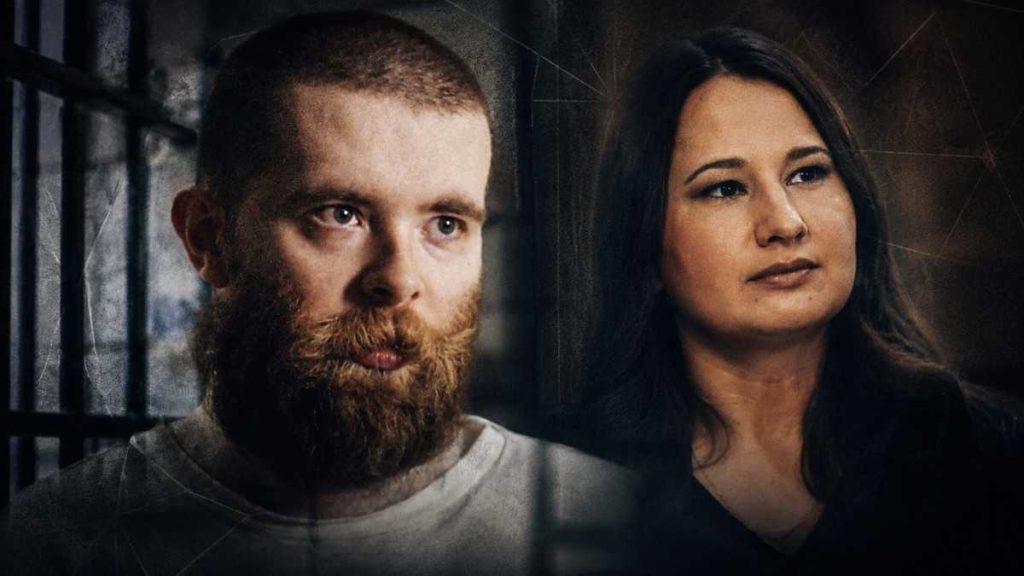
What Godejohn’s Role Was in the Murder of Dee Dee Blanchard
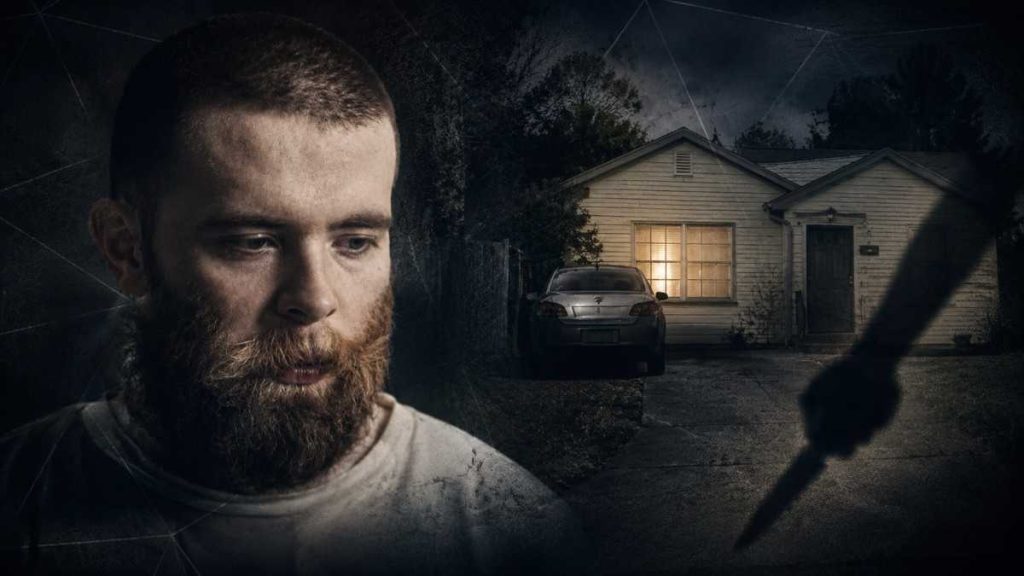
Godejohn physically stabbed Dee Dee Blanchard in her Springfield, Missouri bedroom on June 14, 2015. Gypsy Rose was in another room during the stabbing. That physical separation became one of the most legally significant facts in the entire case.
Godejohn traveled from Wisconsin to Missouri specifically to carry out the killing. The plan had been discussed between the two of them beforehand. Gypsy Rose has confirmed publicly that she initiated the idea of killing her mother.
After the murder, the two stayed briefly at the house before leaving together to a motel in Wisconsin. They were eventually located by law enforcement after Gypsy Rose’s Facebook account was used to post a disturbing status update.
Why the Physical Role Mattered Legally
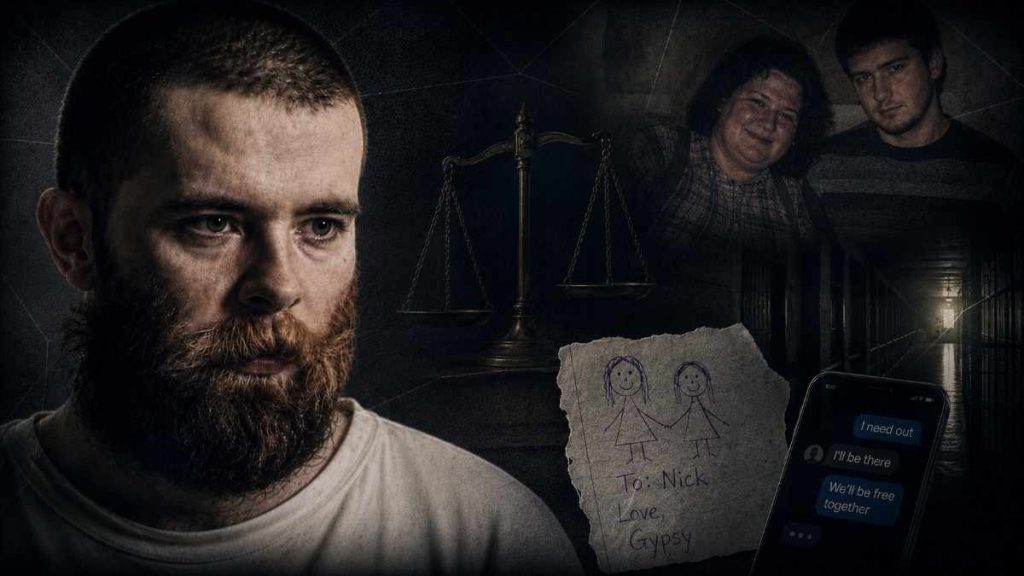
Missouri law draws a real distinction between the person who commits the act and a co-conspirator or accomplice. Godejohn was charged as the direct killer, the principal in the crime. Gypsy Rose was charged as a co-conspirator who aided and planned the murder but did not physically execute it.
That distinction sounds procedural. It is not. It is the entire reason these two people, connected to the same crime, ended up with sentences that look nothing alike. The law does not treat “held the knife” and “told someone to hold the knife” as equivalent acts, even when one person designed the whole plan.
The 2018 Trial and Why the Jury Convicted Him of First-Degree Murder
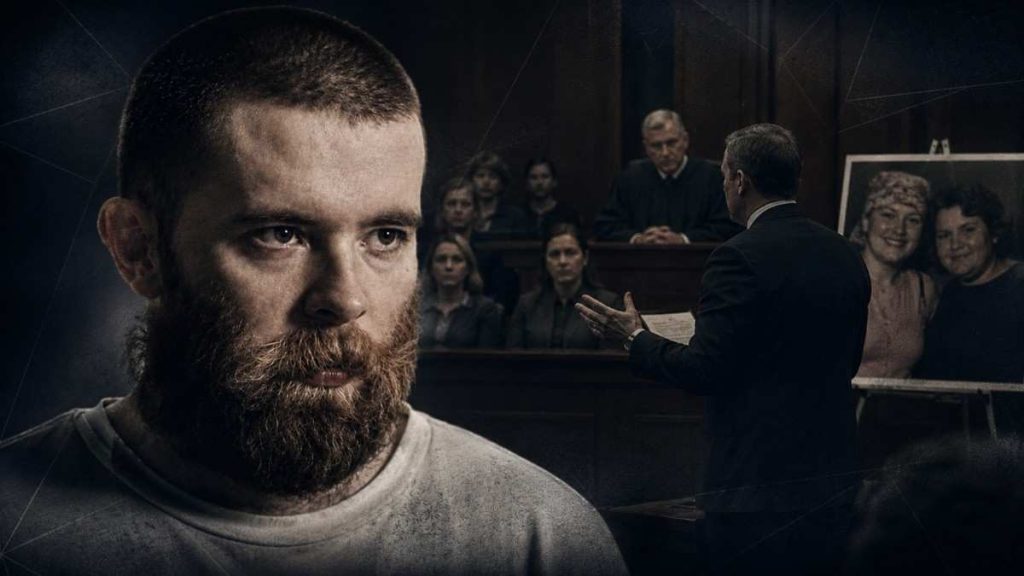
The jury convicted Godejohn of first-degree murder in Greene County, Missouri in 2018 and sentenced him to life without the possibility of parole. The prosecution’s argument was straightforward and devastating: this was a planned killing, not an impulsive act. Godejohn traveled hundreds of miles. He brought a weapon. He communicated with Gypsy Rose throughout the planning process. Premeditation was not difficult to establish.
The defense countered with a diminished capacity argument rooted in Godejohn’s autism diagnosis, claiming he did not fully understand the consequences of his actions and was manipulated by Gypsy Rose into committing the act. The jury rejected that argument entirely.
Why the Autism Defense Did Not Work
Diminished capacity defenses in Missouri require evidence that a defendant could not form the specific mental state the charge demands. For first-degree murder, that means the prosecution must prove deliberation and premeditation, and the defense must demonstrate those mental states were impossible given the defendant’s condition.
The problem for Godejohn’s team was the evidence of planning. He booked travel. He communicated extensively about the plan. He arrived with a weapon. Prosecutors argued, and the jury agreed, that these actions demonstrated he understood what he was doing well enough to deliberately choose to do it.
Autism spectrum disorder does not automatically prevent someone from forming criminal intent. The jury concluded that the specific evidence in this case showed it did not prevent Godejohn from forming it here. The defense was not frivolous. It reflected a real legal theory. The evidence simply did not support it at the level needed to overcome a first-degree murder charge with this much documented premeditation behind it.
The Sentencing Gap: Why Gypsy Rose Served Years While Godejohn Got Life
This is the question sitting underneath almost every search for Godejohn’s name. People want to know if the outcomes are fair. The honest answer is that they are legally consistent, even if they feel emotionally jarring.
Gypsy Rose Blanchard pleaded guilty to second-degree murder in 2016. Second-degree murder in Missouri does not require the same degree of premeditation proof that first-degree murder demands. Her plea deal resulted in a 10-year sentence, and she became eligible for parole after serving 85 percent of that sentence. She was released in December 2023, having served approximately eight years.
Godejohn went to trial, was convicted of first-degree murder, and received the mandatory sentence for that conviction in Missouri: life without parole. There is no judicial discretion on that sentence once the conviction comes in.
Gypsy Rose’s cooperation with investigators and her decision to enter a plea deal were significant factors. Her documented history as a victim of severe, long-term medical child abuse at the hands of Dee Dee, a condition commonly described as Munchausen syndrome by proxy, shaped how prosecutors framed her moral culpability. This did not change the legal charge she faced, but it clearly influenced how prosecutors approached the plea negotiation.
Victim or Perpetrator? The Question the Law Answers Differently Than the Public
Courts sentence based on charges and convictions, not public sympathy. That gap between legal outcome and moral perception is exactly what makes this case so uncomfortable to sit with.
Gypsy Rose’s abuse history created a context that influenced plea negotiations. Godejohn did not have an equivalent framework to draw on. He was not a documented long-term victim of the person he killed. His relationship to the crime was different in kind, not just in degree.
The legal system treats the person who commits the act of killing differently from the person who planned it but did not physically execute it. Both are serious crimes. Both were punished. What makes the gap feel so large is not that the law got it wrong. It is that the moral weight the public assigns to who really caused this does not map cleanly onto what the law charges.
Cases where the planner and the executor faced very different outcomes are not rare in criminal law. The Kouri Richins case offers another example of how planning a killing and carrying it out can lead to very different legal exposures depending on charges and cooperation.

Nicholas Godejohn’s Appeal and Why It Was Denied
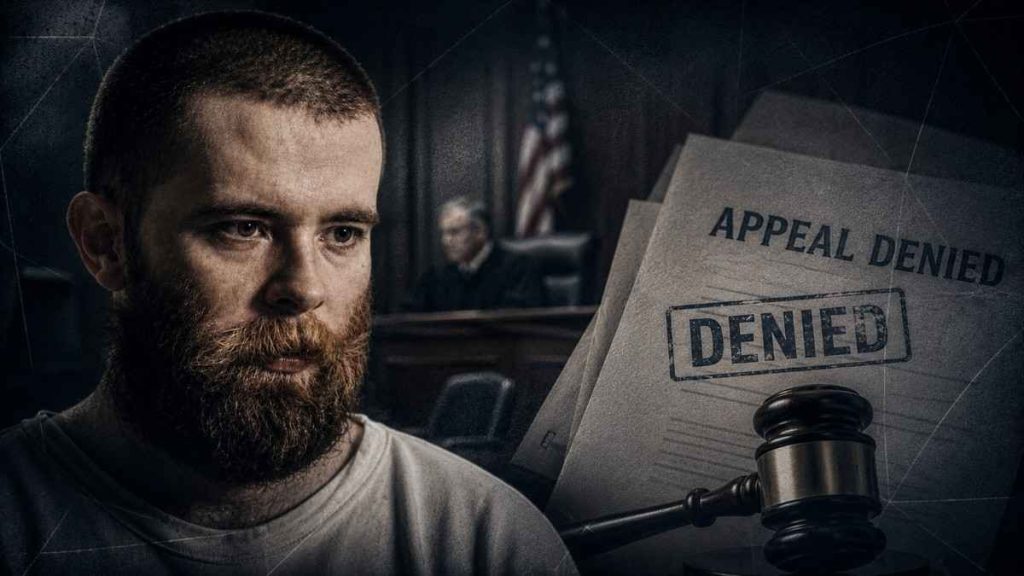
Public defenders filed an appeal on Godejohn’s behalf in December 2023, requesting a new trial. The timing was not coincidental. Gypsy Rose’s release that same month brought massive renewed attention to the case, and the legal team used that moment to push the appeal forward publicly.
The appeal centered on whether Godejohn received a fair trial and whether the diminished capacity defense was properly considered and presented. These are standard post-conviction appeal grounds. Every defendant convicted of a serious crime has the right to appeal, and challenging the adequacy of the trial proceedings is a recognized legal path.
The Greene County Court of Appeals denied the appeal. As of the most recent available public records, no further successful appeal has been filed. His conviction stands. His sentence stands. The legal case, for now, is closed.
Where Is Nicholas Godejohn Now?
Nicholas Godejohn is incarcerated in the Missouri Department of Corrections. He is serving life without the possibility of parole and has no release date.
He has not been a prominent media presence since Gypsy Rose’s release transformed her into one of 2024’s most-covered true crime figures. The contrast is striking to anyone following both stories. She gave interviews, launched a podcast, and became a cultural conversation. He remained in a cell, his name surfacing mainly when people searched to confirm he was still there.
Godejohn did give one notable interview from prison, appearing on Oxygen’s Killer Couples, in which he described the five days he spent with Gypsy Rose before the murder as “magical.” That characterization drew significant public reaction and became one of the more quoted details from any post-conviction statement he made. It did not help his public image, and it did not change his legal situation.

What Nicholas Godejohn’s Parents Have Said
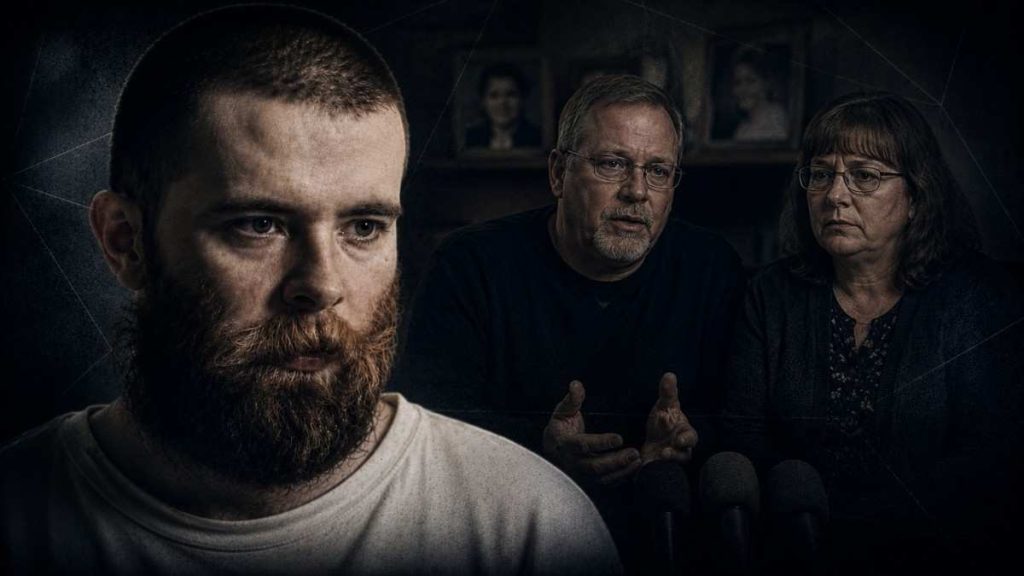
Godejohn’s mother, Stephanie Goldammer, and his father, Bobby Godejohn, have both spoken publicly about their son’s conviction. They have not gone silent. They have maintained contact with him and expressed disagreement with how the case was adjudicated.
Stephanie Goldammer in particular has been willing to discuss the circumstances of the crime openly, including her perspective on how her son was involved and what she believes about his culpability. The family’s public position reflects the view that the autism defense was not adequately credited by the jury and that Godejohn was significantly influenced by Gypsy Rose throughout the planning of the murder.
Their advocacy has not produced any legal change. The appeal was denied. What their public statements do is add a human layer to a case that the media has largely reduced to a binary: Gypsy Rose as the sympathetic survivor, Godejohn as the forgotten killer. His parents are a reminder that someone who commits an act this serious still has people who love him and who believe his story is more complicated than the verdict reflects.
Why the Godejohn Case Raises Uncomfortable Questions About Culpability
The Gypsy Rose story has a clean narrative arc because it maps onto something audiences understand. An abuse victim escapes an impossible situation, pays a price, and eventually gets a second chance. True crime audiences are drawn to narratives with a clear moral logic, and Gypsy Rose’s story provides one.
Godejohn’s story resists that clean shape. He is not a sympathetic figure in most coverage. He traveled to Missouri, he committed the act, and he sat in a prison interview and described the lead-up as “magical.” Those facts make it easy to write him off.
What makes the case genuinely complicated is that he also flew across state lines at the request of someone who, by her own admission, designed the entire plan and chose him as the person to carry it out. The true crime podcast treatment of this case tends to treat those two facts as existing in separate moral universes. They do not.
Legal culpability and moral culpability are not the same thing, and this case is one of the clearest illustrations of that tension in recent memory. The outcomes were legally defensible. First-degree versus second-degree, trial versus plea deal, mandatory sentencing versus negotiated sentence: all of these distinctions explain the gap without requiring any conspiracy or injustice.
What they do not fully resolve is the question of whether a man who was manipulated into carrying out a plan he did not originate should carry the heavier legal burden in perpetuity while the person who originated the plan rebuilds her life publicly.
For readers who follow cases where the instigator and the executor face dramatically different legal fates, the Dalia Dippolito case offers another version of that tension, though with a very different factual structure. Both cases reveal how the law draws lines that the public often finds unsatisfying.
Godejohn is not a forgotten innocent. He committed the act. The jury was not wrong to convict him. What the case leaves open is whether the narrative that Gypsy Rose is purely a survivor and Godejohn is purely a monster accurately reflects what happened, or whether it simply reflects which story is easier to tell.
FAQ: Nicholas Godejohn Questions Answered
Where is Nicholas Godejohn now?
Nicholas Godejohn is incarcerated in the Missouri Department of Corrections, serving a life sentence without the possibility of parole. He was convicted of first-degree murder in Greene County, Missouri in 2018 for the stabbing death of Clauddine “Dee Dee” Blanchard. He has no release date and no active legal mechanism that could change his sentence. His appeal for a new trial, filed in December 2023, was denied by the court.
Will Nicholas Godejohn ever be released from prison?
Under his current sentence, no. Godejohn was convicted of first-degree murder in Missouri, which carries a mandatory life sentence without parole. There is no parole eligibility attached to that conviction. His December 2023 appeal requesting a new trial was denied. Unless a future appeal succeeds on different legal grounds, he will remain incarcerated for the rest of his life.
Why did Nicholas Godejohn get life while Gypsy Rose was released after eight years?
The difference comes down to charges, conviction, and sentencing structure. Gypsy Rose pleaded guilty to second-degree murder in 2016 and received a 10-year sentence with parole eligibility after serving 85 percent. She was released in December 2023. Godejohn went to trial, was convicted of first-degree murder, and received the mandatory sentence for that conviction in Missouri: life without parole. The legal distinction between first and second-degree murder, combined with the difference between a jury conviction and a negotiated plea deal, produced the gap.
Did Nicholas Godejohn have autism, and did it affect his trial?
Godejohn’s defense team argued he had autism spectrum disorder and presented a diminished capacity defense, claiming he could not fully form the criminal intent required for first-degree murder. The jury rejected that defense. In Missouri, a diminished capacity argument requires showing that a mental condition prevented the defendant from forming the specific intent the charge demands. The extensive evidence of planning, including Godejohn’s travel and communications with Gypsy Rose, was sufficient for the jury to conclude he understood what he was doing.
Did Gypsy Rose testify against Nicholas Godejohn at his trial?
Gypsy Rose’s account of events and her role in planning the murder formed part of the evidentiary record at Godejohn’s trial. Her testimony and statements to investigators were used during the proceedings. Her account confirmed that she initiated the idea of killing Dee Dee and that Godejohn traveled to Missouri to carry out the plan. Her cooperation with prosecutors was a significant factor in both her plea deal and Godejohn’s prosecution.
What did Nicholas Godejohn say in his prison interview?
Godejohn appeared on Oxygen’s Killer Couples from prison. In that interview, he described the five days he spent with Gypsy Rose before the murder as “magical.” The statement drew significant public reaction, as many viewers found it jarring given what those five days led to. It remains one of the most widely quoted statements he has made since his conviction and did not improve public perception of him.
What grounds did Godejohn’s appeal use, and why was it denied?
The appeal, filed by public defenders in December 2023, argued that Godejohn did not receive a fair trial and that the diminished capacity defense was not properly heard and considered. These are standard post-conviction appeal grounds in Missouri. The Greene County Court of Appeals denied the appeal. The court found insufficient grounds to grant a new trial, and the conviction and sentence were upheld. No further successful appeal has been filed since.
The Case That Won’t Resolve Neatly
The sentencing gap between Nicholas Godejohn and Gypsy Rose Blanchard is not a mistake or an injustice by legal standards. It is the product of specific charges, specific convictions, and mandatory sentencing rules that apply in Missouri. First-degree murder carries life without parole. A negotiated plea to second-degree murder carries something much shorter. Those are not the same crime in the eyes of the law, even when they grow from the same set of events.
What makes the Godejohn case genuinely worth sitting with is that it forces a distinction most true crime coverage skips: the difference between who the law holds most accountable and who the public decides is most responsible. Gypsy Rose has a story that fits a narrative people want to believe in. Godejohn has a story that resists comfort entirely. He is the man in prison with no release date while the woman who planned the murder he committed rebuilds her life on camera.
If you want to follow how this case continues to evolve alongside other high-profile criminal cases still moving through the system, the true crime cases of 2026 updates page tracks the latest developments across similar stories. Godejohn’s legal options are effectively exhausted for now. But the questions his case raises about culpability, manipulation, and who the law punishes most severely have not gone anywhere.