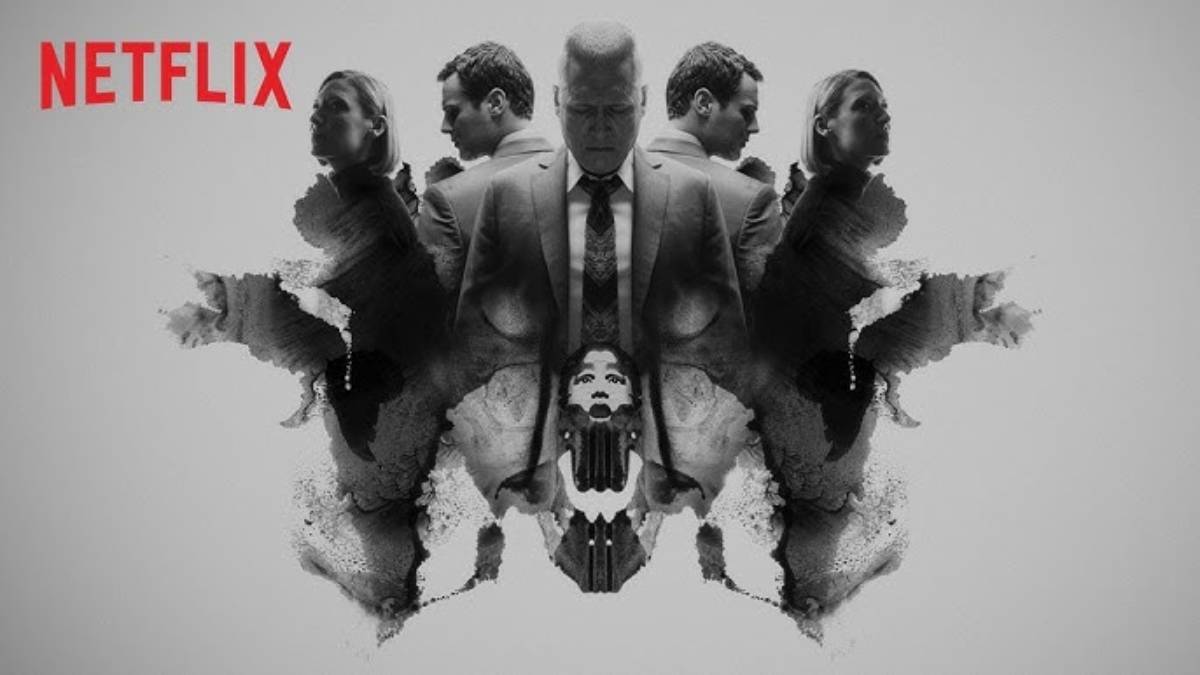
The BTK Setup Mindhunter Planted at the End of Season 2
The Season 2 post-credits scene is not ambiguous, even though it contains no name, no dialogue, and no explicit identification. It is a deliberate, specific promise about where the show was heading next.
What Actually Happens in That Final Scene
Season 2’s final episode closes out the Atlanta Child Murders case. After that resolution, the camera cuts away from Atlanta entirely. We are now in a residential garage in Wichita, Kansas. A man works alone. He is tying knots with practiced, unhurried precision. He glances through a window at a neighbor going about ordinary life.
There is no score sting. No dramatic reveal. Just a man and his rope and a window.
For anyone who knows the BTK case, the geography alone is enough. Dennis Rader operated in Wichita from 1974 to 1991. His name stands for Bind, Torture, Kill, and binding his victims was not incidental to his method, it was the method. The knot-tying in that garage is not a subtle nod. It is a direct display of his signature behavior, placed on screen with full knowledge that true crime audiences would recognize exactly what they were looking at.
Showrunner Joe Penhall and the creative team confirmed publicly that this reading is correct. The scene was a season hook. It was the show saying: this is what comes next.
Why BTK Was the Right Killer for This Story
BTK is not just another entry in the serial killer catalogue. In the context of what Mindhunter is actually arguing across its two seasons, Dennis Rader is almost perfectly positioned to destroy the show’s central thesis at the exact moment the characters believe in it most.
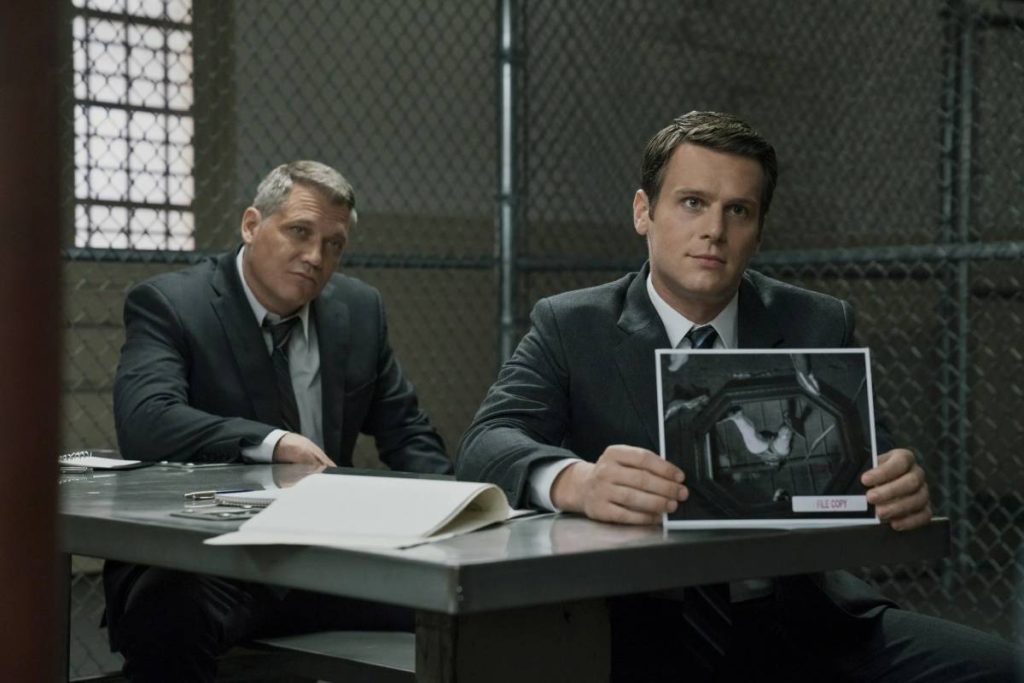
The show’s core tension is whether profiling works. Holden Ford spends two seasons building the behavioral framework, convincing skeptics, and treating criminal psychology as something that can be systematized into a reliable investigative tool. Season 2 ends with his methods producing real results on a high-profile case.
Then comes BTK.
Rader communicated with police for years. He wrote letters, made calls, taunted investigators publicly, and was never caught through profiling. He was arrested in 2005 because he sent a floppy disk to the local news that contained metadata traceable to his church computer. The FBI’s behavioral methods, which the show spent two seasons presenting as a revolution in law enforcement, largely failed to identify him across three decades of activity.
A Season 3 arc building toward that outcome would have been narratively devastating in the best possible way. The profilers’ best tools applied to their most methodical subject, and the tools not being enough. That is not a BTK episode. That is a reckoning.
The Hollywood Angle Nobody Talks About
Season 3 was not just going to be a BTK season. It was going to fundamentally change the world the show was set in, and the mechanism for that change was a trip to Hollywood.
Holden Meets Demme, Tench Meets Mann
Director Andrew Dominik helmed several episodes of Mindhunter and had direct access to the creative conversations about where the show was heading. In a Collider interview, he described the Season 3 plan in a way that no other source had articulated before or since.
The FBI profilers were going to travel to Hollywood. Filmmakers were making movies about serial killers and needed technical consultants from the actual Behavioral Science Unit.
Holden Ford was going to meet with Jonathan Demme. This would be set in the period leading up to “The Silence of the Lambs” (1991), in which the FBI’s BSU plays a central role and the protagonist is directly modeled on real agents from that unit. Demme consulting with the actual profilers while developing a film about fictional profilers is a narrative loop almost too perfectly constructed for a show that has always been about the blurry line between reality and the stories we tell about evil.
Bill Tench was going to consult with Michael Mann, likely in the context of “Manhunter” (1986), Mann’s adaptation of Thomas Harris’s Red Dragon. The Tench and Mann pairing makes tonal sense: Mann’s filmmaking is cold, precise, and procedural in a way that matches Tench’s personality almost exactly. These were going to be substantive plot threads, not cameos.
Why This Was the Smartest Part of the Five-Season Plan
The Hollywood angle is not a gimmick. It is the logical next chapter in what the show has been building toward since the pilot.
Mindhunter has always been about a specific moment in American cultural history: the moment when understanding serial killers became a product. The profiling methods Holden and Tench developed in the BSU basement did not stay in the basement. By the mid-to-late 1980s, those methods had escaped through books, films, and eventually a true crime media industry that shows no sign of slowing today.
Having Holden Ford and Bill Tench walk onto actual film sets to consult with the directors making those movies would have visualized that cultural absorption in a way that no amount of narration could. The show was going to fold its own creation myth into the narrative. It was going to show the moment when the FBI’s work stopped being classified and started being entertainment.
That is not just a creative flourish. That is the show commenting on its own existence, and on ours as an audience consuming it.
What Seasons 3, 4, and 5 Were Each Going to Cover
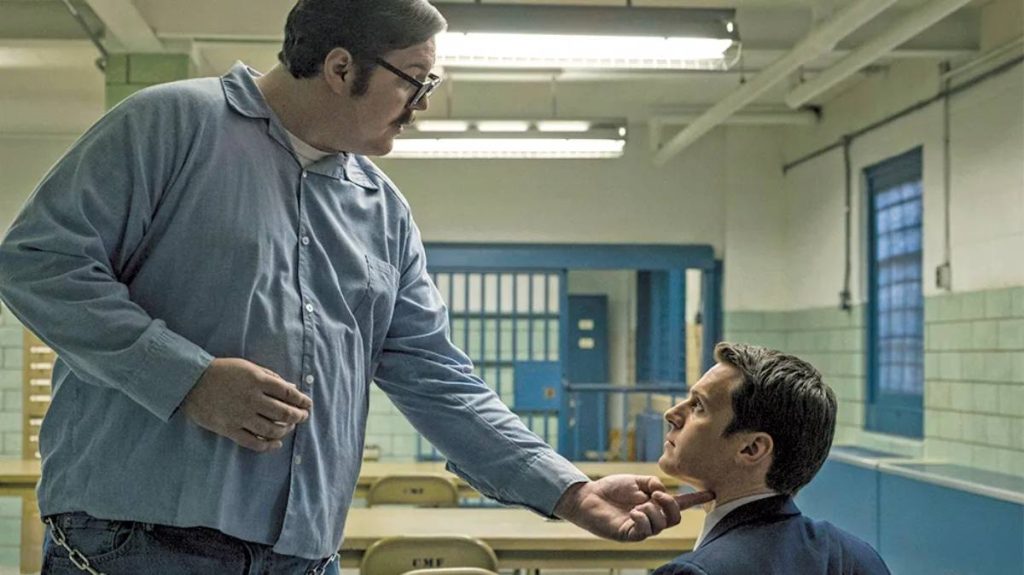
David Fincher has spoken in various interviews about Mindhunter as a five-season project with a clear endpoint. The full arc was not going to be five seasons of different serial killers. It was going to track the rise and the complications of the profiling era from the late 1970s through to the point where the methods became mainstream.
Season 3 was going to operate in the early-to-mid 1980s. BTK was the central criminal case. The Hollywood consulting thread was going to run alongside it. For Holden Ford, this would have been a season of peak professional influence paired with personal instability, since his breakdown at the end of Season 2 was set aside rather than resolved.
Season 4 would have moved deeper into the 1980s and into the period when profiling became genuinely famous. The Green River Killer case, Gary Ridgway having begun his murders in 1982, was one of the most significant applied tests of profiling methods in BSU history and fits the timeline precisely. The Wendy Carr character was likely heading toward a more public-facing role as profiling entered universities and criminology departments.
Season 5 was going to arrive at the point where the profiling era’s limitations became visible. The methods Holden spent four seasons developing were not infallible, and cases like BTK exposed those gaps. The timeline would have put Season 5 somewhere in the late 1980s to early 1990s, which is also when the agents whose stories the show is built on began stepping back from active casework. Fincher has framed the show as being about people who did something genuinely new and paid a price for it. Season 5 was going to be that price.
Why Mindhunter Was Cancelled
Mindhunter was cancelled because Netflix decided the number of people watching it did not justify what it cost to make, and David Fincher was not willing to make it cheaper.
Netflix does not publish viewership numbers in granular detail, but reporting from multiple industry sources at the time the show was placed on hold in 2020 consistently described the same situation: Mindhunter was expensive to produce at a level very few Netflix shows matched, and its audience, while loyal and critically praised, was not as large as shows with comparable budgets.
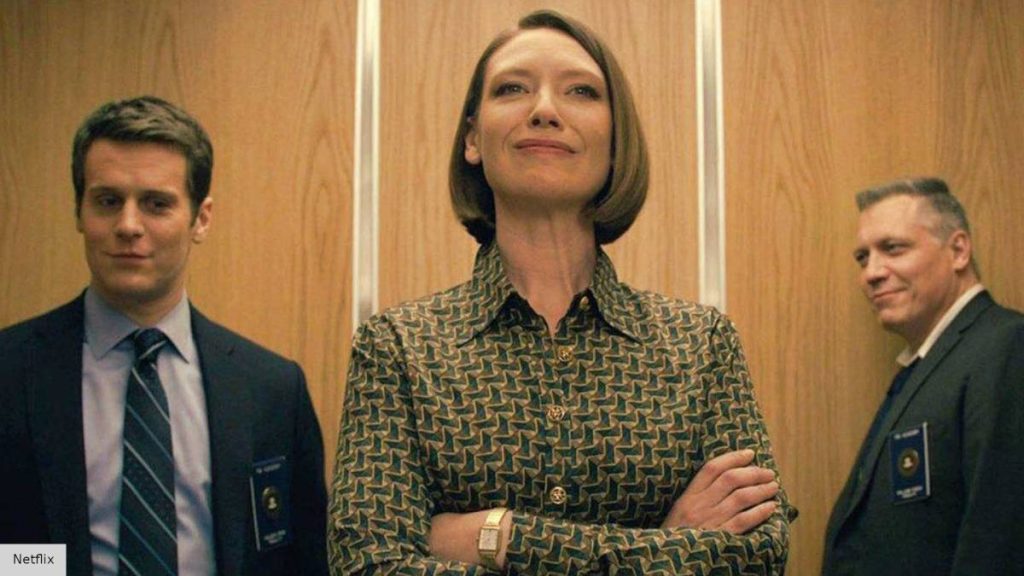
In 2020, Netflix placed Mindhunter on indefinite hold and released the cast from their contracts. Releasing the cast is the industry signal that a hold is more than a pause. The cancellation was formalized in 2023.
In a 2023 interview with Le Journal du Dimanche, Fincher framed the situation as a math problem: the show cost a specific amount to make, the audience it attracted was a specific size, and those two numbers did not align in a way that made continuing sensible for Netflix. He expressed no bitterness about it publicly. He moved on to “The Killer.”
What he did not say was that the show was finished creatively. He was clear the story had more to tell. The decision was financial, not artistic.
Could It Come Back as Movies? The 2025 Update
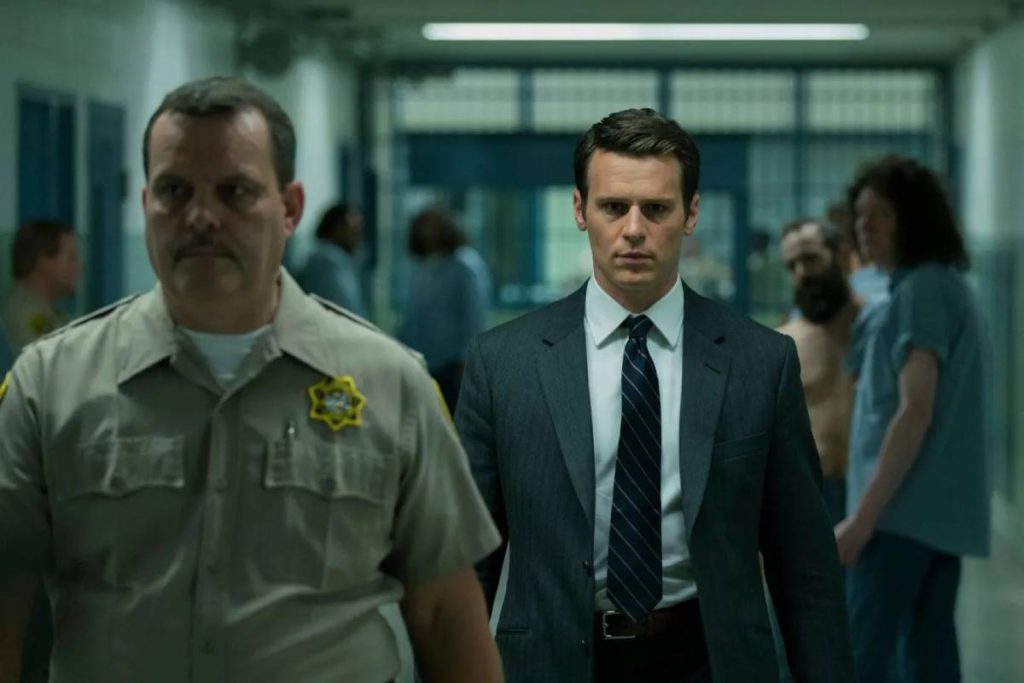
The most recent meaningful development came from Holt McCallany in 2025. He stated that David Fincher has discussed returning to the Mindhunter story in a different format: specifically, three two-hour films rather than additional seasons of television. McCallany made clear that Fincher has real interest in completing the story in some form.
Those are the facts. Nothing is greenlit. No script is in production. No streaming platform has committed funding. No production start date has been announced.
McCallany is not a producer on the project. He is a cast member describing conversations he has had with the director. The argument for three two-hour films is structurally coherent: the BTK arc, the Hollywood consulting thread, and the eventual complications of the profiling era could be compressed into film-length stories without losing the core argument the show was building toward.
The realistic expectation is that nothing happens quickly, and there is a real chance nothing happens at all. If Mindhunter returns, it will probably be because Fincher finds a specific moment and a specific partner where the deal makes sense, not because fan enthusiasm creates momentum. Fan enthusiasm has not moved this particular needle for five years.
FAQ
What was Mindhunter Season 3 going to be about?
Season 3 was going to cover the early 1980s and focus primarily on Dennis Rader, the BTK Killer, who was set up in the Season 2 post-credits scene. Alongside that case, the season planned a Hollywood consulting arc where Holden Ford meets director Jonathan Demme and Bill Tench consults with Michael Mann, reflecting the moment when the FBI’s profiling methods became source material for major crime films. This Hollywood thread is the most underreported part of the Season 3 plan.
Why did Netflix cancel Mindhunter?
Netflix cancelled Mindhunter because its production cost did not align with the size of its audience. The show was expensive to make, Fincher’s process is known to be cost-intensive, and Netflix determined that viewership numbers did not justify continued investment at that budget level. The cast was released from their contracts in 2020, and the cancellation was formalized in 2023. Fincher framed the decision as financial rather than creative.
Is Mindhunter coming back in 2025 or 2026?
Mindhunter is not confirmed for any return in 2025 or 2026. Actor Holt McCallany said in 2025 that David Fincher has discussed returning to the story as three two-hour films. No platform has greenlit this, no script is in active production, and no cast deals have been renegotiated. Treat any return as possible but not planned.
Who is the man in the Season 2 post-credits scene?
The man in the Season 2 post-credits scene is Dennis Rader, the BTK Killer. The scene shows him in a Wichita, Kansas garage tying knots and watching a neighbor, directly referencing his method of binding victims. The creative team confirmed this publicly. Rader operated in Wichita from 1974 until his arrest in 2005.
How many seasons was Mindhunter supposed to have?
Mindhunter was planned as a five-season series. Seasons 3 through 5 would have moved the story through the 1980s and into the early 1990s, tracking the rise of criminal profiling as both an investigative method and a pop culture phenomenon, and eventually arriving at the complications and limits of that method. Only two of the five planned seasons were produced.
Could Mindhunter have covered the Green River Killer?
Gary Ridgway began his murders in 1982 and his case was one of the most significant applied tests of FBI profiling in that era. The Green River case is widely believed to have been a likely inclusion in the show’s later seasons based on its timeline and direct relevance to the BSU’s work during the 1980s. No confirmed production detail has specifically named Ridgway as a planned subject, but the case fits the show’s trajectory precisely.
What happened to the Mindhunter cast after cancellation?
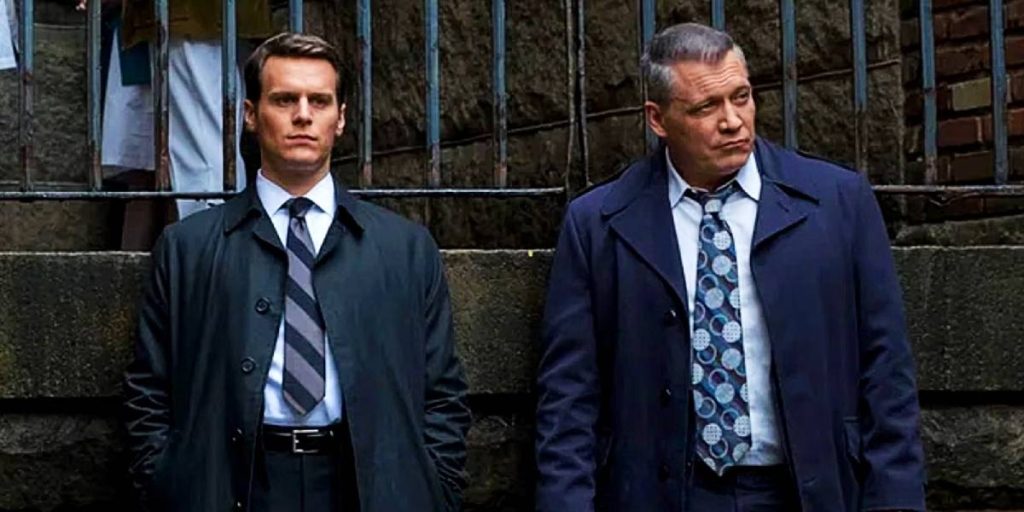
Jonathan Groff went on to significant stage and screen work. Holt McCallany continued working in television and film and has remained the most publicly vocal cast member about a potential return. Anna Torv took on other television projects. All three were released from their Mindhunter contracts in 2020, which is why any potential return would require renegotiating deals from scratch.
The Part Nobody Mentions Is the Part That Matters Most
The BTK angle is real, but it is also the easiest answer to give. Every piece written about the Mindhunter cancellation mentions BTK. Almost none of them mention Jonathan Demme or Michael Mann or the show’s plan to dramatize the exact moment when criminal profiling left the FBI basement and became the engine of American pop culture entertainment.
That is the angle that makes the cancellation genuinely painful for anyone who cares about what the show was trying to do. It was not just going to add another killer. It was going to hold up a mirror to its own audience and ask: why do you find this so compelling? What does it mean that understanding evil became a genre?
If you want to stay close to whether the movie version actually materializes, Holt McCallany is the right person to follow. He has been the most consistent and credible source on the project’s status. Do not wait for a Netflix press release. Watch what the cast says when asked directly.
The five seasons Fincher planned would have been one of the more complete things television attempted in this decade. Two of them exist. That is the frustrating, unsatisfying, and completely honest conclusion.