TL;DR
- Mighty Max launched in 1992, made by Bluebird Toys, the same UK company behind Polly Pocket. Same compact playset format, completely different theme: horror, monsters, and skulls instead of pink dollhouses.
- Mattel distributed the line in the U.S. from 1993. Three series ran through 1996, producing roughly 80 individual playsets across three distinct sub-lines: Horror Heads, Doom Zones, and Mega Heads.
- The line was cancelled in 1996 as the micro-playset category collapsed under market saturation and the rising dominance of larger action-figure formats like Power Rangers.
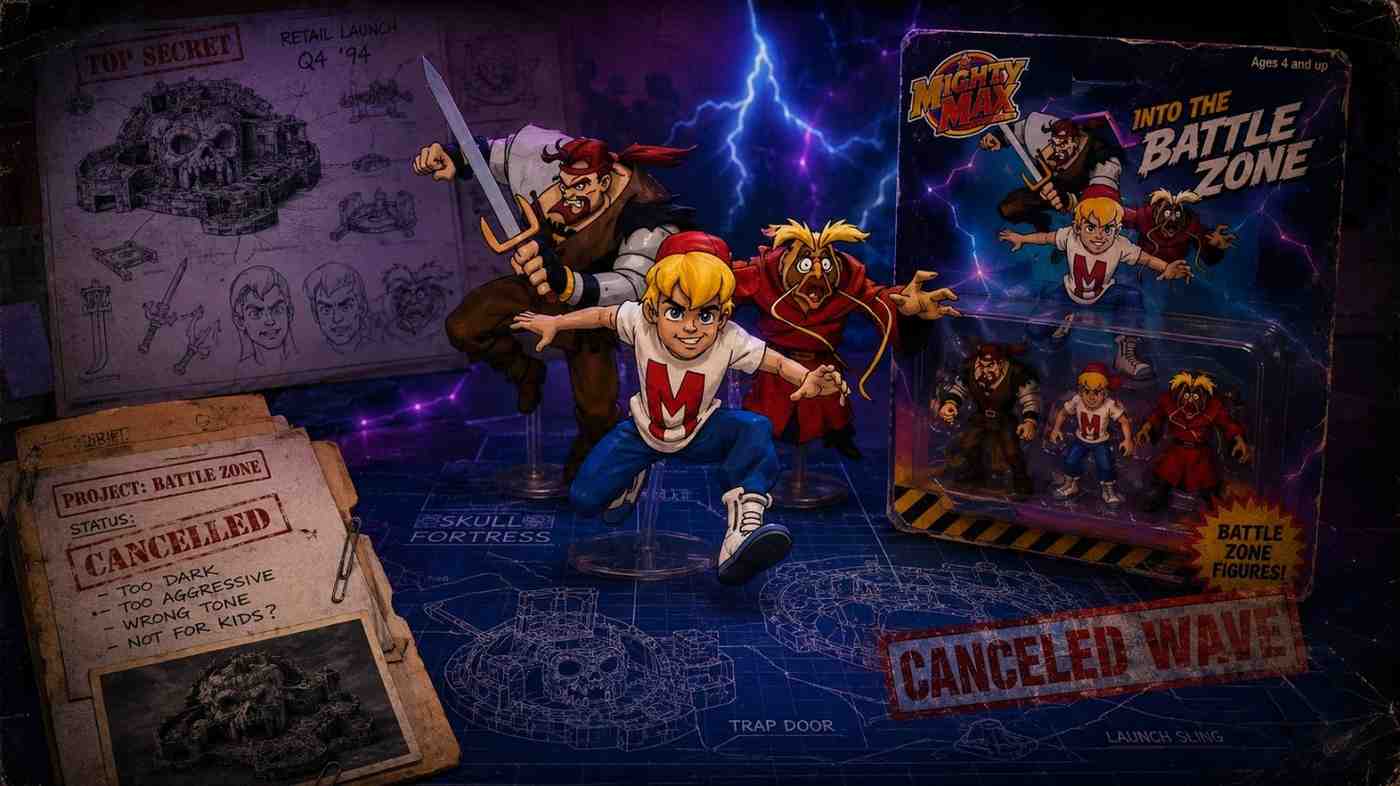
- A planned fourth wave called “Into the Battle Zone” was designed, prototyped, and cancelled before a single unit shipped. Some of those prototypes have since appeared in collector markets.
- Bluebird Toys was acquired by Mattel in 1998. Mattel still owns both the Mighty Max and Polly Pocket IPs, and did to Polly Pocket a decade later what it had already done to Mighty Max.
- Boxed Doom Zones now sell for $50 to $300-plus on eBay. The Skullmaster Mega Head consistently commands the highest prices i
Polly Pocket sold because it was the perfect toy for a kid who wanted to take a dollhouse in a coat pocket. That logic worked so well that Bluebird Toys, the British company behind it, asked an obvious follow-up question in 1991: what if you did the exact same thing, but instead of a pink compact with a swimming pool, you opened a skull and found a monster trapped inside? The answer was Mighty Max. It ran for four years, generated roughly 80 playsets, got a cartoon, appeared in McDonald’s Happy Meals, and was cancelled in 1996. The same year a fourth series of toys was designed, prototyped, and shelved before a single unit shipped.
Most “why was Mighty Max cancelled” answers stop at “toy trends shifted.” That’s accurate but incomplete. The real story has three layers: the toy line’s structural position in the market, the specific product architecture that made it work, and the precise sequence of events that ended it. All three matter if you want to understand what actually happened.
Bluebird Toys and the Polly Pocket Blueprint
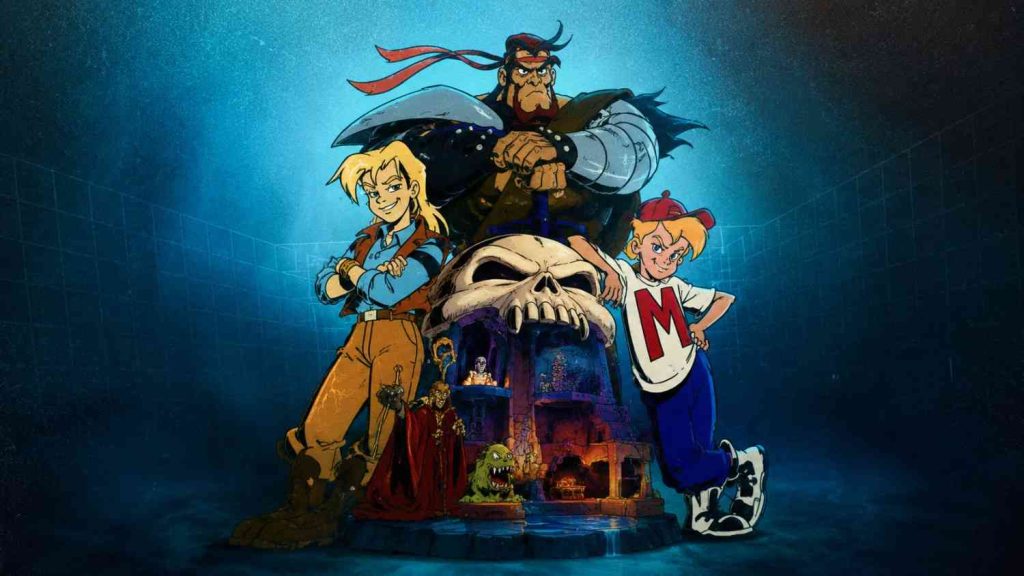
Mighty Max was not an original concept. It was a deliberate market extension of a proven format by the same manufacturer. Bluebird Toys, a Buckinghamshire-based company, launched Polly Pocket in 1989 after licensing and distributing it through Mattel in the U.S. The core innovation was the compact playset format: open a small hinged case, find a complete miniature world inside, close it and put it in your pocket. It was portable, collectible, and cheap enough to accumulate.
By 1991, Polly Pocket’s sales performance was strong enough that Bluebird pursued a parallel product line targeting boys. The concept was structurally identical: self-contained playsets that folded into compact cases. The theming was the opposite: horror, science fiction, monsters, and adventure instead of home and fashion.
Mighty Max launched in the UK in 1992. Mattel picked up U.S. distribution in 1993, the same year the animated series debuted. The “boy Polly Pocket” shorthand is reductive but accurate. Both lines used the same physical format. The difference was entirely in the skin. Polly Pocket gave you a bedroom. Mighty Max gave you a skull full of zombies.
That shared architecture matters when you’re trying to understand the cancellation. These two products lived and died on the same business logic. When the format stopped working for one, it stopped working for both.
What the Mighty Max Toy Line Actually Looked Like
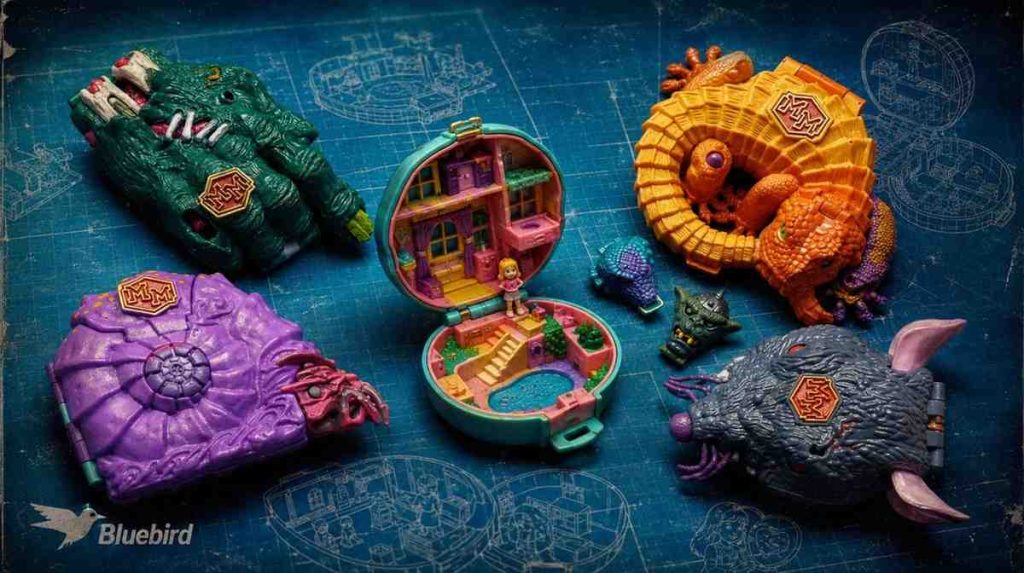
The line was more architecturally organized than most people remember. Mighty Max ran three distinct product sub-lines across three series from 1992 to 1996, each targeting a different price point and play experience.
Horror Heads
The entry-level sub-line. Skull-shaped compact cases, small form factor, designed as the most accessible price point in the range. Fourteen Horror Heads were released across the three series. These were the first sets most kids encountered, partly because of their low price and partly because they were the most visible on pegs. A simplified version of this format appeared in the 1993 McDonald’s Happy Meal promotion, which may have introduced the Mighty Max concept to kids who never saw the full toy line on shelves.
Doom Zones
The visual identity of the line. Medium-sized multi-level playsets in irregular monster, skull, or creature shapes. Eighteen Doom Zones were released across three series. When people describe Mighty Max online, they’re almost always picturing a Doom Zone. These are the sets most commonly photographed in collector listings and most frequently discussed in nostalgia forums. They hit the sweet spot of price, size, and play complexity.
Mega Heads
The premium tier. Larger sets with more elaborate interiors, more figures, and more display presence. The Skullmaster Mega Head, based on the cartoon’s primary villain, became the most valuable single piece in the line on the secondary market. Boxed Skullmaster sets regularly appear on eBay in the $200 to $400 range depending on condition.
Additional sub-lines including Monster Heads and Shrunken Heads filled out the range across the run. The total product count across all sub-lines and all three series reaches approximately 80 individual sets. Each came with a micro-scale Max figure and at least one monster or villain figure. Non-electronic, non-battery-powered, built for imagination-led play.
That last point matters. By 1995, “imagination-led play” was not where toy retail was heading.
The Cartoon: Darker Than You Remember
The Mighty Max animated series ran from September 1993 to 1995, producing 40 episodes across two seasons. Some sources list the end date as 1994. The second season aired in 1995, making 1995 the correct final broadcast year. It’s a small distinction but it keeps appearing wrong in enough places to be worth stating clearly.
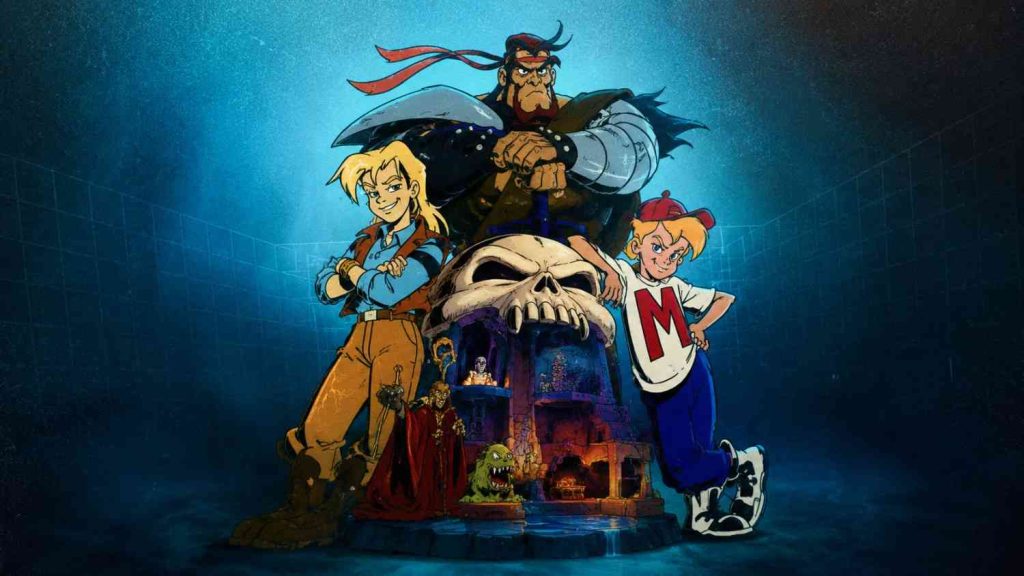
The cartoon was a tie-in to the toy line, but its writers took the concept somewhere the toys did not obviously imply. Max, Norman (a massive immortal Viking warrior), and Virgil (an ancient Lemurian fowl with an encyclopedia’s worth of knowledge about everything terrible) faced real consequences across the run. Characters died and did not come back. Villains were genuinely threatening. The tone sat closer to a dark adventure serial than a Saturday morning toy commercial.
The finale is the most discussed piece of Mighty Max lore online, and it earned that reputation. In the final episode, Skullmaster defeats Max, kills both Norman and Virgil, and wins. Max then uses a time-travel device to reset the entire timeline, erasing everything that happened across both seasons. The show ends with Max back at the beginning, knowing everything that’s coming and unable to tell anyone. For a children’s cartoon in 1995, that was a genuinely bleak creative choice, and the production team reportedly clashed with broadcast censors throughout the run over the show’s content.
One thing the cartoon’s history is sometimes tangled with: the toy line cancellation. The two ran on parallel tracks. The show ended in 1995 because it had reached its episode count and the broadcast environment had become difficult. The toy line was cancelled in 1996 for separate market reasons. Both were casualties of the same shifting landscape, but they were not casualties of each other. If you enjoy stories about dark fictional properties that outlived the expectations of their era, the broader pattern shows up in other places too, including the best Agatha Christie TV adaptations, where grim source material kept finding new audiences long after anyone expected it to.
Why Mighty Max Was Cancelled in 1996
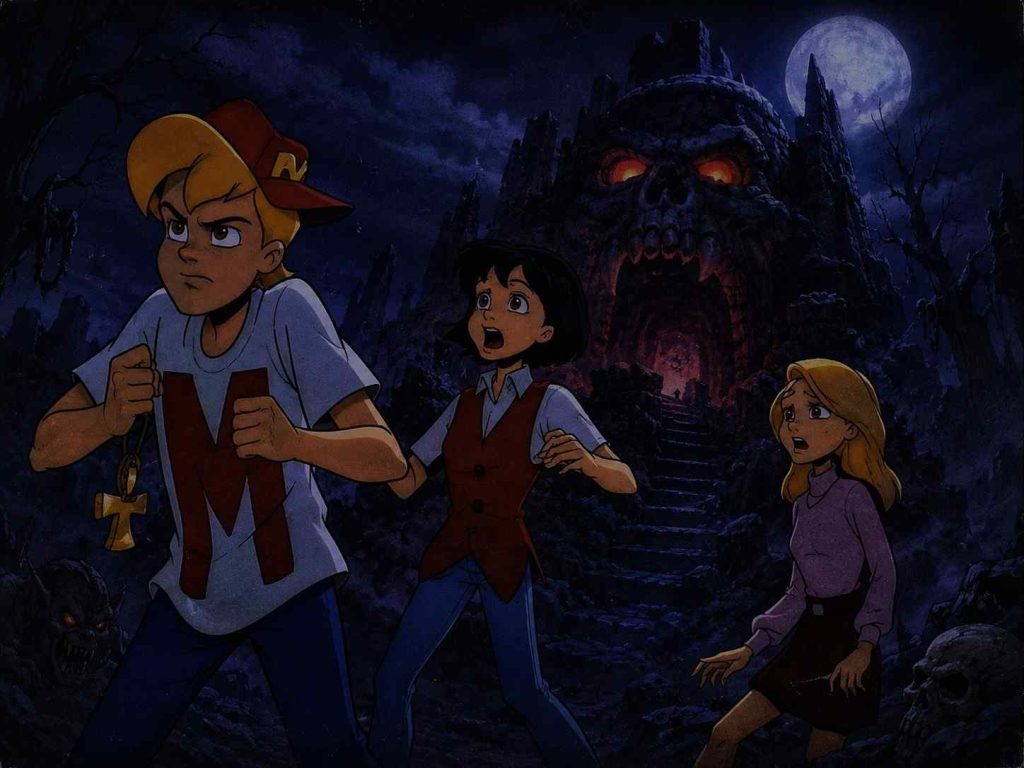
The cancellation was not caused by one event. Three market forces converged on the micro-playset category at roughly the same time, and Mighty Max was sitting directly in the path of all three.
Factor 1: The Micro-Playset Format Had Saturated
The compact playset format that made Polly Pocket and Mighty Max successful was never proprietary. Bluebird owned the execution, not the concept. By the mid-1990s, competitors had cloned the format extensively. Shelf space for micro-playsets was crowded, price competition had compressed margins, and the category no longer had the novelty premium it carried in 1989. Both Polly Pocket and Mighty Max were competing against cheaper imitations in a category that had stopped growing.
Factor 2: Bigger Formats Were Winning
The toy market was moving toward larger, more feature-heavy products. The Power Rangers toy line launched in the U.S. in 1993 and became one of the defining commercial stories of the decade, capturing enormous retail floor space with oversized figures, vehicles, and playsets. A small horror-themed compact you held in one hand was a harder sell when the kid next to you was assembling a six-foot-tall Megazord. Action figure formats were scaling up. Mighty Max was scaling nowhere.
Factor 3: The Aesthetic Was Out of Step With Where Kids’ Culture Was Going
Toy Story arrived in November 1995. It is not an overstatement to say that film reoriented the emotional register of kids’ entertainment for the next decade. The mid-to-late 90s saw a pivot toward warmth, color, and emotionally forward storytelling. Gothic skull cases and trapped monsters were not the direction the market was signaling. This factor is the one most often overstated in nostalgia pieces, so it deserves a measured read: it was a contributing pressure, not the cause. The category collapse and the format competition were doing most of the work. But Mighty Max’s aesthetic made it harder to pivot or reposition when the other two problems hit.
The three factors combined killed the line in 1996. Bluebird discontinued it, and the third series became the last. The same logic that killed Mighty Max was already working on Polly Pocket, though Polly Pocket had a larger installed base and a stronger brand identity that bought it a few more years.
Into the Battle Zone: The Wave That Never Shipped
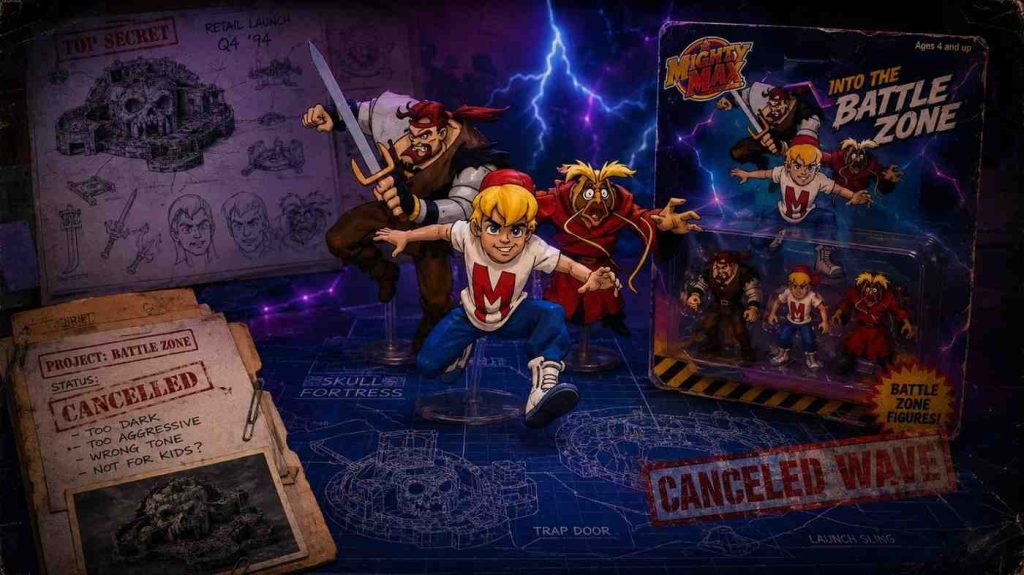
This is the part of Mighty Max history that most retrospectives miss entirely. A fourth wave of Mighty Max sets was designed, developed, and prototyped under the name “Into the Battle Zone.” It was cancelled before any units reached retail.
The Into the Battle Zone concept represented a thematic evolution for the line, shifting the setting toward more overtly science-fiction and combat-oriented environments, moving the visual identity away from pure horror and toward a broader adventure aesthetic. Whether this was a creative pivot or a reactive attempt to align with where the toy market was heading is not documented, but the timing suggests the latter.
Some of those prototypes have surfaced in collector communities and on eBay over the years. Prototype Mighty Max pieces carry a significant premium over standard released sets because so few exist and because their cancelled status gives them the dual appeal of rarity and “what could have been” storytelling. If you are actively hunting this end of the Mighty Max market, prototype pieces require careful authentication. The combination of low production numbers and high collector demand creates obvious incentive for misrepresentation.
The existence of Into the Battle Zone confirms one thing clearly: as late as the production timeline for a fourth wave, someone at Bluebird believed Mighty Max had a commercial future. The cancellation was not a slow fade. It was a decision made while development was still active.
The Mattel Acquisition and What Came After
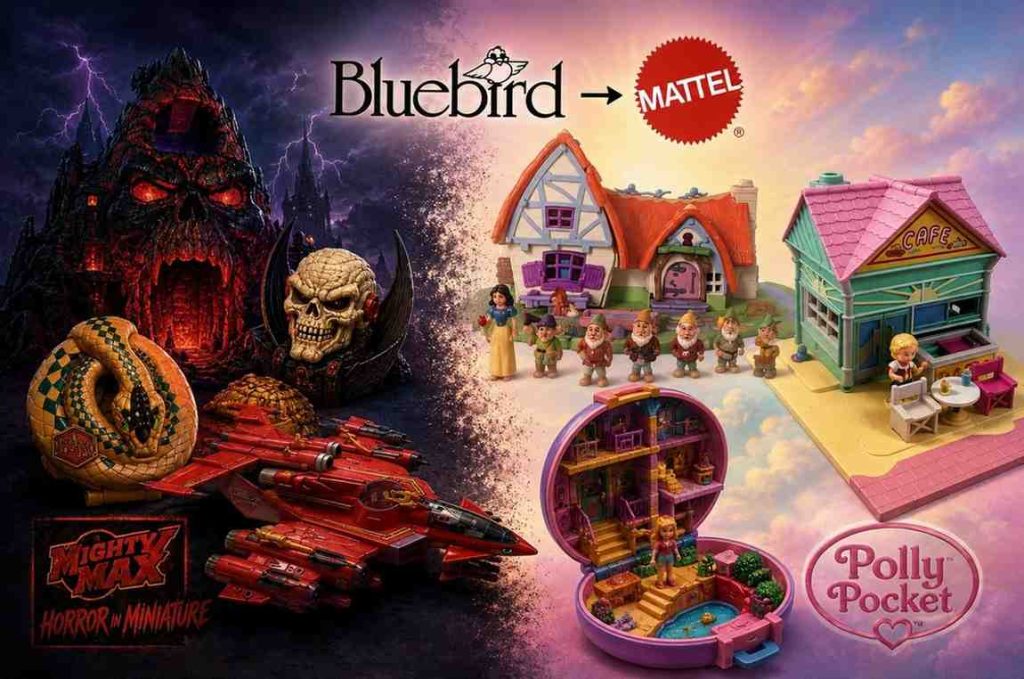
Bluebird Toys was acquired by Mattel in 1998, two years after Mighty Max was already dead. The acquisition gave Mattel ownership of both the Mighty Max and Polly Pocket intellectual properties, which it already had a distribution relationship with in the U.S.
What happened next to Polly Pocket is instructive. Mattel kept the Polly Pocket brand alive but gradually transformed the product format, replacing the original compact micro-playset design with larger plastic figures and playsets that bore little resemblance to the original. The core innovation, the tiny self-contained world in a pocketable case, was abandoned in favor of formats more consistent with Mattel’s broader toy architecture. The original Polly Pocket format that Bluebird had built essentially ceased to exist as a commercial product.
The pattern is consistent. Mattel acquired a compact-format toy brand, changed what made it distinctive, and produced something that shared a name but not a concept. Mighty Max experienced this outcome first, through discontinuation rather than transformation, and Polly Pocket experienced it second, through dilution. Both IPs still technically exist in the Mattel portfolio. Neither exists in the form that made either of them worth collecting.
For anyone tracking how franchise properties tend to end, the Mighty Max story fits a recognizable pattern. The brand gets absorbed into a larger corporate structure, the original product logic disappears, and what remains is a name attached to something new. That same pattern shows up across entertainment formats, including in how the Bachelorette franchise has been restructured by network ownership decisions that had less to do with the show’s audience than with the business needs of the entity holding the IP.
The Collector Market Today
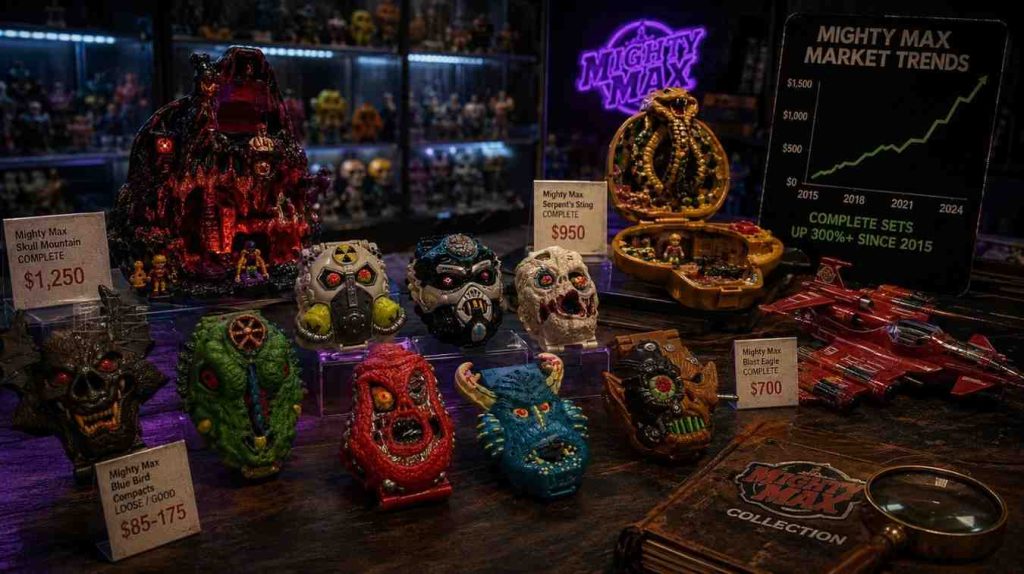
Mighty Max has a genuine and organized collector community, and values have climbed meaningfully over the past decade. The market is primarily driven by millennial nostalgia, with peak buying interest among people who had these toys between the ages of five and twelve during the 1993 to 1996 window.
Current eBay pricing by category, based on recent completed sales:
- Horror Heads (loose, complete): $10 to $30
- Horror Heads (sealed/boxed): $40 to $90
- Doom Zones (loose, complete): $25 to $80
- Doom Zones (sealed/boxed): $80 to $300-plus depending on specific set
- Mega Heads (loose, complete): $40 to $120
- Skullmaster Mega Head (sealed/boxed): $200 to $400-plus
Completeness matters significantly. The micro-figure accessories, particularly the small monster and villain figures that came with each set, are easily lost and frequently missing from listings. A Doom Zone without its figures sells for considerably less than a complete set.
The Skullmaster Mega Head is the trophy piece. It appears in nearly every “most valuable Mighty Max” conversation online, and its pricing reflects both the cartoon’s role in cementing Skullmaster as the defining villain and the inherent scarcity of the larger format sets.
Revival speculation appears periodically in collector forums, particularly when Mattel announces any micro-format toy initiative. As of now, Mattel has not announced any Mighty Max revival, reboot, or re-release. The IP remains dormant. Given Mattel’s track record with both properties, collector enthusiasm for a revival tends to be tempered by awareness of what happened the last time Mattel decided to update a Bluebird micro-format line.
FAQ
Why was Mighty Max cancelled?
The Mighty Max toy line was cancelled in 1996 due to three converging market pressures. The micro-playset category had become saturated with cheaper imitations, reducing margins for the original product. Larger action figure formats, particularly Power Rangers, were dominating toy retail floor space. And the gothic horror aesthetic of the line was increasingly out of step with the direction kids’ entertainment was moving in the mid-to-late 1990s. No single factor ended it. All three hit the line at roughly the same time.
Was Mighty Max made by the same company as Polly Pocket?
Yes. Both Mighty Max and Polly Pocket were made by Bluebird Toys, a UK-based company. Mighty Max was a deliberate male-demographic parallel to Polly Pocket, using the same compact playset format but themed around horror and monsters instead of home and fashion. Mattel distributed both lines in the U.S. and later acquired Bluebird Toys entirely in 1998, taking ownership of both IPs.
What was “Into the Battle Zone” and why was it cancelled?
Into the Battle Zone was a planned fourth wave of Mighty Max sets that was designed and prototyped but never shipped to retail. It represented a thematic shift toward more science-fiction and combat-oriented settings. The wave was cancelled alongside the broader discontinuation of the toy line in 1996. Some prototypes from this wave have surfaced in collector markets and command significant premiums due to their rarity and cancelled status.
How did the Mighty Max cartoon end?
The Mighty Max animated series ran 40 episodes across two seasons from 1993 to 1995. In the final episode, villain Skullmaster defeats Max and kills both of his companions, Norman and Virgil. Max uses a time-travel device to reset the timeline, returning to the series’ beginning with full knowledge of what’s coming. The ending effectively erased the entire run of the show, which was an unusually dark creative choice for a children’s cartoon in 1995. The show and the toy line ran on separate timelines and were not directly cancelled because of each other.
Does Mattel own Mighty Max?
Yes. Mattel acquired Bluebird Toys in 1998, two years after Mighty Max was already discontinued. The acquisition transferred ownership of both the Mighty Max and Polly Pocket intellectual properties to Mattel. As of now, the Mighty Max IP remains dormant in Mattel’s portfolio with no announced plans for revival or re-release.
Is Mighty Max the same as Polly Pocket for boys?
Structurally, yes. Both lines used the same compact playset format developed by Bluebird Toys: a self-contained miniature world inside a hinged case small enough to carry in a pocket. The format was identical. The theming was completely different. Polly Pocket was designed around domestic and fashion themes targeting girls. Mighty Max was designed around horror, monsters, and adventure targeting boys. They were the same product architecture with different skins, made by the same company, distributed by the same U.S. partner.
How much are Mighty Max toys worth today?
Values vary by sub-line and condition. Horror Heads in sealed packaging sell for roughly $40 to $90. Doom Zones sealed can reach $80 to $300-plus depending on the specific set. The Skullmaster Mega Head is the most valuable piece in the line, with sealed boxed examples selling in the $200 to $400-plus range. Loose but complete sets sell for significantly less. Missing figures, which are common given their small size, reduce value considerably.
Did Power Rangers kill Mighty Max?
Power Rangers did not single-handedly cancel Mighty Max, but it was a significant factor. The Power Rangers toy line launched in the U.S. in 1993, the same year Mattel began distributing Mighty Max domestically. Power Rangers captured enormous retail shelf space with large-format figures, vehicles, and playsets. This put direct competitive pressure on smaller-format toy lines across the industry, not just Mighty Max. Power Rangers was one of three converging pressures that ended the line, alongside micro-playset category saturation and a broader aesthetic shift in kids’ entertainment.
The Real Story Was Always a Business Story
Mighty Max did not disappear because it was bad. It disappeared because the category it belonged to stopped being commercially viable at roughly the same moment the aesthetic it was built around stopped being culturally central. That combination, format collapse plus tone mismatch, is a harder problem to solve than either one alone.
The detail that puts it in sharpest focus is Into the Battle Zone. Bluebird had a fourth wave in active development when the line was cancelled. These were not hypothetical toys. They were prototyped. The cancellation happened while the company still believed in the product’s future. That is what makes this a business story more than a nostalgia story: the line did not end because it ran out of ideas. It ended because the market structure that made it viable had already shifted underneath it.
If you are coming back to Mighty Max as a collector, the Doom Zones in sealed packaging are where the value is holding and growing. The Skullmaster Mega Head is the statement piece if you want one centerpiece for a display. And if a complete Into the Battle Zone prototype ever surfaces with clean authentication, you will know it is significant because of exactly what it represents: a version of Mighty Max that was ready to ship and never did.