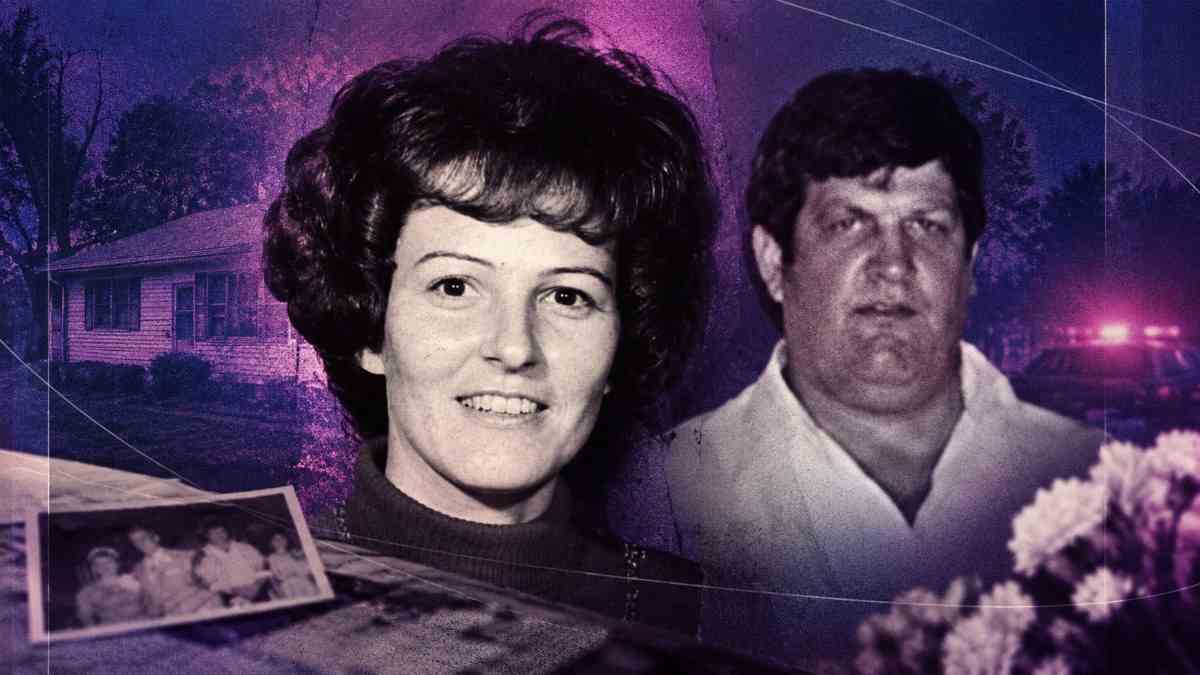

Where Is Fred Grabbe Now? (Direct Answer)
Fred Grabbe was released from Dixon Correctional Center in Illinois on mandatory supervised release on July 15, 2022, at 83 years old. He is not a free man in the unrestricted sense. Supervised release comes with conditions set by the state, meaning his movements and reporting requirements remain monitored even though he is no longer behind bars.
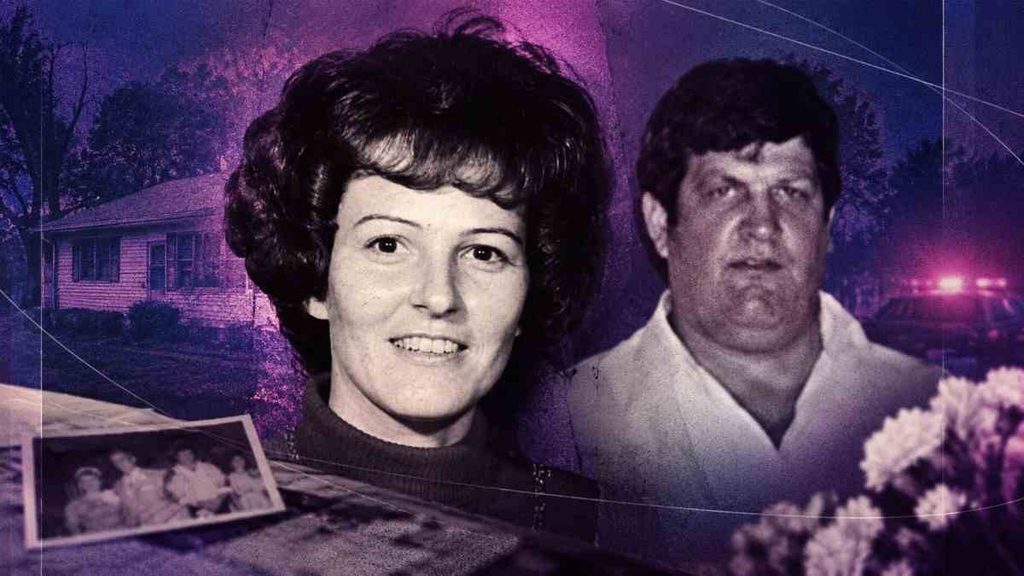
Who Was Charlotte Grabbe? (And Why You May Have Seen the Name “Charlotte Kinney”)
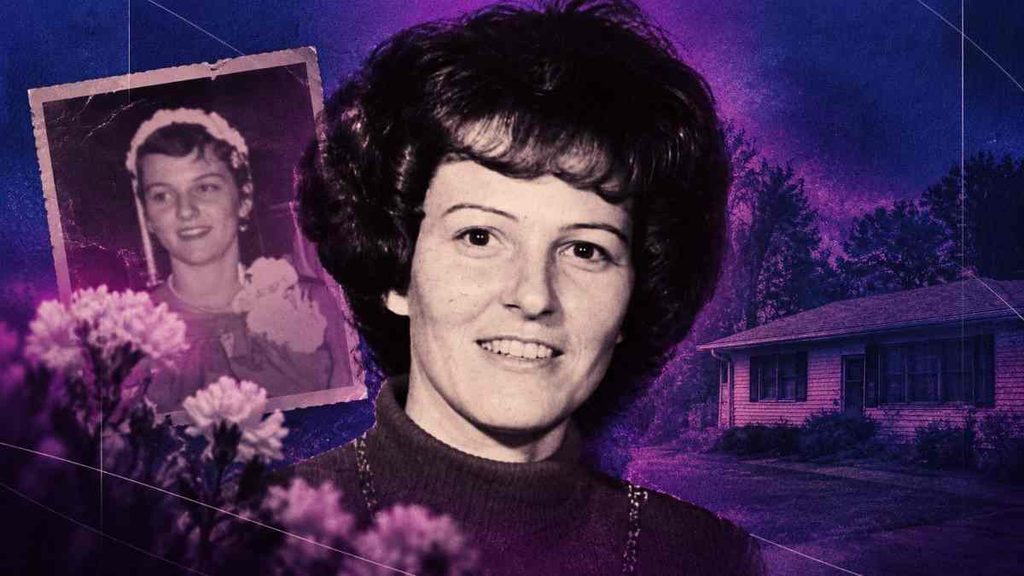
Charlotte Grabbe was Fred Grabbe’s wife, reportedly born Charlotte Sue Gore, who disappeared in July 1981 near the couple’s farm in Clark County, Illinois. If you searched for “Charlotte Kinney” and landed here, you are in the right place. Every documented source tied to this case, including the appellate court record and the Crime Junkie episode itself, identifies her as Charlotte Grabbe. There is no “Kinney” connection in any verified reporting on this case.
The name mix-up almost certainly traces back to the case’s most disturbing unresolved detail. Charlotte’s body was never found, which means there was no official identification record to anchor her name the way a recovered body or a death certificate typically would. That gap has left room for confusion, misspellings, and podcast recap errors to spread across search results for years.
Her disappearance is the reason this case dragged through two separate trials instead of one clean conviction. Without a body, prosecutors had to build an entirely circumstantial case, and that circumstantial foundation is exactly what came under fire on appeal.
Why Was Fred Grabbe Convicted Twice for the Same Murder?
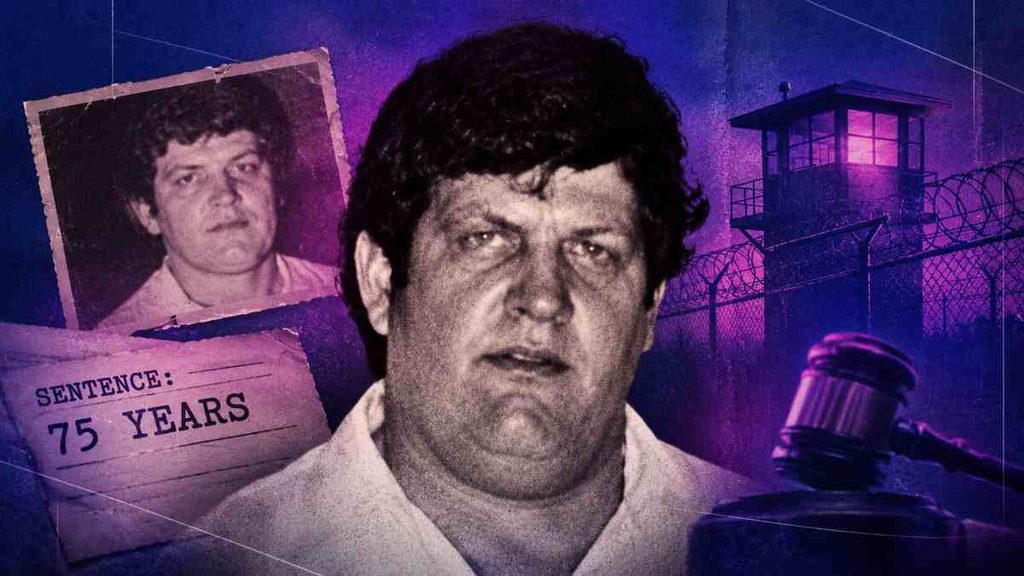
Fred Grabbe was first convicted in 1985, had that conviction overturned on appeal, and was retried by the state of Illinois, resulting in a second conviction and a 75-year sentence. An appellate reversal simply means a higher court found a legal problem with how the first trial was conducted, not that Grabbe was found innocent, and sent the case back for a do-over. The appellate opinion in his case, captioned People v. Grabbe, is what triggered that second trial.
For a reader who has never followed a criminal appeal, think of it like a referee reviewing a disputed call. The original outcome gets wiped, but the game itself gets replayed under the same rules. Grabbe’s second trial produced the sentence most true crime fans associate with the case, 75 years.
| Year | Event |
|---|---|
| 1981 | Charlotte Grabbe disappears near the family farm in Clark County, Illinois |
| 1984 | Fred Grabbe formally charged in Clark County circuit court |
| 1985 | First conviction secured |
| Post-1985 | Conviction overturned on appeal (People v. Grabbe) |
| Retrial | Second conviction, 75-year sentence handed down |
| July 15, 2022 | Released from Dixon Correctional Center on mandatory supervised release, age 83 |
Bachelor Nation drama has nothing on a case with two full trials, a body that was never recovered, and an escape attempt still baked into county jail history. Readers who like tracking killers living freely will recognize the pattern here immediately: long sentences on paper rarely mean what the number suggests.
Fred Grabbe Parole and Sentence: Why “75 Years” Didn’t Mean 75 Years
Grabbe’s release in 2022 came through mandatory supervised release, which is Illinois’s structured version of post-sentence supervision, not the discretionary “good behavior” parole most people picture. His 75-year sentence was calculated under the sentencing rules that applied at the time of his 1980s retrial, and those rules credited him with effectively serving his term decades before he actually walked free.
This is a case-specific outcome, not a general truth about long sentences in Illinois. The math that got Grabbe out at 83 does not automatically apply to every 75-year sentence handed down under different sentencing eras or different statutes. His release was tied to the specific credit calculations available under the law as it stood when his second trial concluded.
Did Fred Grabbe Ever Confess to Killing Charlotte?
No formal courtroom confession exists in the trial record, but reported post-release conversations with podcasters reference details of the killing that go beyond anything argued at trial. According to a recent secondhand report, Grabbe has reportedly discussed specifics tied to the killing, and reportedly the desecration and incineration of Charlotte’s remains, in conversations that occurred after his 2022 release.
Treat this carefully. This detail comes from a single secondary source and has not been verified against a primary news outlet, so it should be read as reported, not confirmed. It is still the most genuinely surprising thread in the entire case: a man who never confessed in court may have said more once he had nothing left to lose legally.
The case has physical evidence of its volatility beyond the murder itself. Bullet holes reportedly remain visible at the Clark County Jail from an escape attempt Grabbe made during the legal process, a detail that shows up repeatedly in reporting on the case and gives the story a genuinely wild, stranger-than-fiction texture.
How Old Is Fred Grabbe Now, and What Is His Current Health Status?
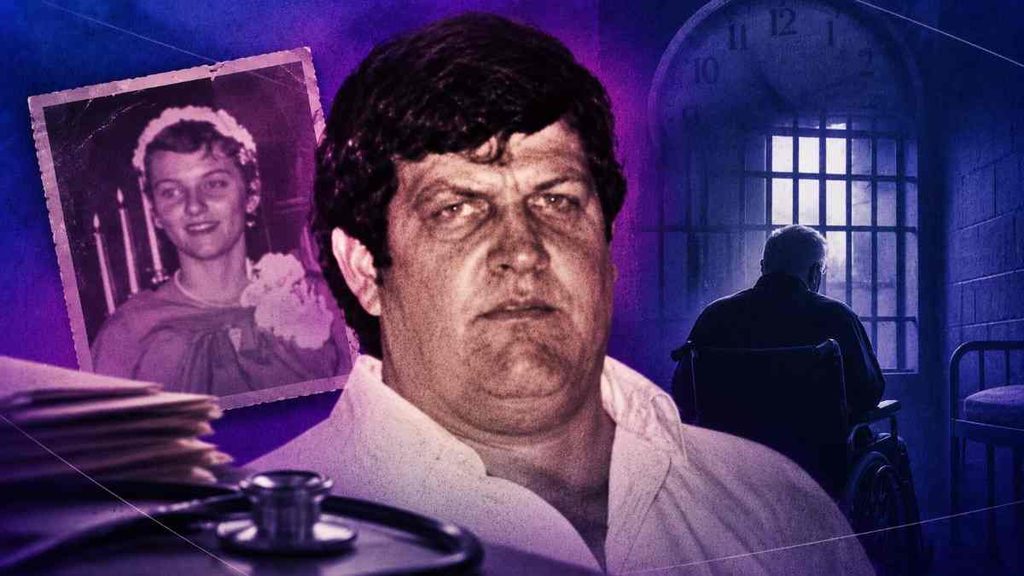
Fred Grabbe was 83 at his July 2022 release and is reportedly around 86 as of the most recent secondary reporting available. Reports describe him as being in declining health, though that characterization comes from a single online source and has not been confirmed through a medical record or an official statement.
Given his age at release and the years since, declining health would track with an ordinary aging timeline regardless of the specifics of his case. Public reporting simply has not caught up with a fully verified current status.
What Episode of Crime Junkie Covers Charlotte Grabbe?
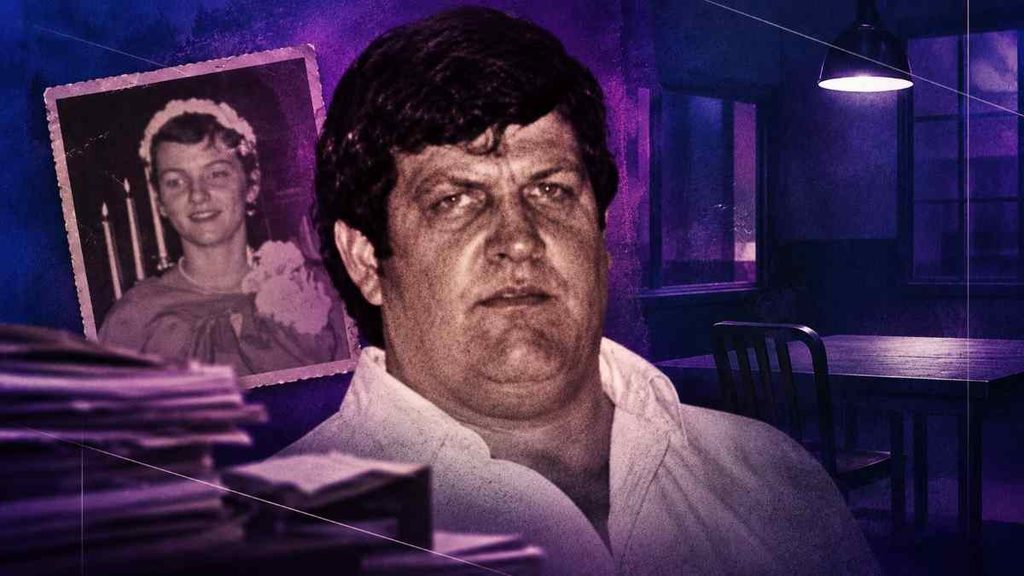
Crime Junkie’s episode on this case is titled “MURDERED: Charlotte Grabbe,” and it walks through the disappearance, both trials, and the unresolved detail that keeps the case circulating: her body was never found. The episode also references the Clark County Jail escape attempt that adds a strange, action-movie beat to an otherwise grim story.
Forensic Files also produced an installment covering the case, giving listeners and viewers two different formats to choose from depending on whether audio or documentary-style coverage fits their commute better. Fans who work through true crime podcast picks after finishing Grabbe’s story tend to gravitate toward cases with the same combination: no body, two trials, and an ending that still feels unresolved.

Is Fred Grabbe Still Alive Today?
Based on the most recent reporting available, Fred Grabbe is reportedly still alive as of late 2025-era coverage, though public reporting on his exact current whereabouts and condition remains limited. No verified update since that reporting has confirmed a change in his status, so this should be treated as the most current confirmed picture rather than a guarantee of his present-day condition.
Where Is Fred Grabbe Now: A Full Case Timeline
Readers who want the whole arc in one place, from disappearance to release, tend to ask the same version of this question in different forms: what happened, in order, and how did a 75-year sentence end with an 83-year-old man walking out the front door. Here is that sequence without the legal jargon in between.
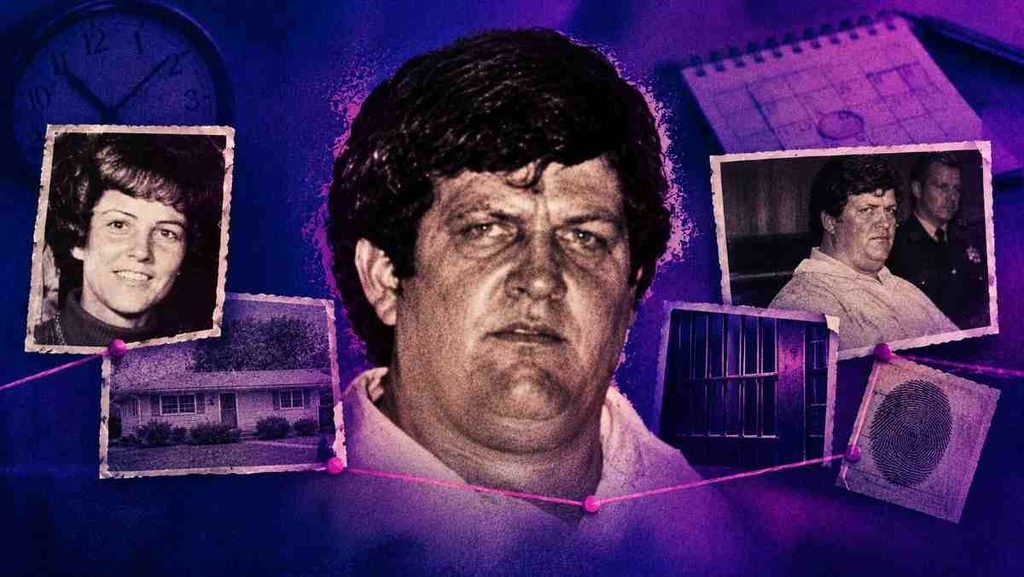
Charlotte disappeared in July 1981. Fred Grabbe was charged in 1984, three years later, once investigators built a circumstantial case around a wife who was never found. His first conviction came in 1985, and it stood only until an appellate court found problems with how that trial was run. A second trial followed, this one producing the 75-year sentence that made headlines, and it is that second trial’s sentencing rules, not any later parole decision, that determined when Grabbe would actually leave custody. He walked out of Dixon Correctional Center on July 15, 2022, at 83 years old, decades after most people assumed a 75-year sentence would keep him locked up.
That gap between the number on the sentence and the number of years actually served is the single most misunderstood part of this case, and it is why “where is Fred Grabbe now” keeps generating fresh search interest years after his release.
FAQ
Was Fred Grabbe released for good behavior?
No. His release was mandatory supervised release, a structured Illinois mechanism tied to sentencing credit calculations from his second trial, not a discretionary reward for behavior. He left Dixon Correctional Center on July 15, 2022, at 83 years old, still under supervision rather than fully free.
Where does Fred Grabbe live now?
Public reporting has not confirmed a specific current address. What is documented is his release facility, Dixon Correctional Center, and that his supervised release is tied to the state of Illinois. Anything beyond that remains unconfirmed.
Was Charlotte Grabbe’s body ever found?
No. Charlotte Grabbe’s body has never been recovered since her 1981 disappearance, and that unresolved detail is a major reason the case still generates search interest decades later. The absence of a body also shaped the entirely circumstantial case against Fred Grabbe.
Did Fred Grabbe try to escape custody during the case?
Yes. Reporting references an escape attempt tied to the Clark County Jail, with bullet holes reportedly still referenced by reporters covering the case today. It remains one of the more dramatic physical details connected to a case already defined by two trials.
Is the victim’s name Charlotte Kinney or Charlotte Grabbe?
Charlotte Grabbe is the documented name used across every verified source, including the appellate court record and the Crime Junkie episode title. Charlotte Kinney does not appear in any verified reporting tied to this case.
The Bottom Line
Fred Grabbe’s story is not the tidy “convicted killer serves his time and disappears” arc true crime fans are used to. He walked free at 83 after a legal process that spanned two trials and a body that never turned up, and then, according to reports that deserve appropriate caution, he may have said more about what happened to Charlotte once the courtroom stopped watching.
If you are following this case, treat the podcaster claims as a lead worth watching rather than a settled fact, and keep an eye on future reporting for confirmation one way or the other. The gap between what a courtroom could prove and what a free man might eventually say out loud is exactly why this case refuses to fade.