Cold Cases Solved in 2026: The Quick Answer
Three 2026 cold cases have enough confirmed detail to break down fully: the 1964 murder of Mary Theresa Simpson in Elmira, New York, identified through DNA testing that named her killer 61 years later. The identification of Nuria Columbina Rodriguez, whose remains were found in Pennsylvania in 1992 but not linked to her name until April 2026. And the 1986 murder of Roberta “Bobbie” Walls in Virginia Beach, which led to a capital murder charge against a suspect in 2026.
Here is how each one stacks up side by side, including the technique behind each break and exactly where the case stands legally right now. You can keep tabs on how these and other cases develop through the site’s ongoing true-crime case tracker.
| Victim | Year of Crime | Year Cracked | What Cracked It | Legal Status |
|---|---|---|---|---|
| Mary Theresa Simpson | 1964 | 2026 | Forensic genetic genealogy on a DNA sample smaller than a speck of dust | Closed by suspect’s death, not a conviction |
| Nuria Columbina Rodriguez | Early 1990s (missing) | 2026 | Genetic genealogy used to identify unidentified remains | Identified, no suspect named |
| Roberta “Bobbie” Walls | 1986 | 2026 | New DNA testing linked to a suspect | Charged with capital murder, no conviction yet |
The 61-Year-Old Murder That Became the Oldest Cold Case Solved With DNA
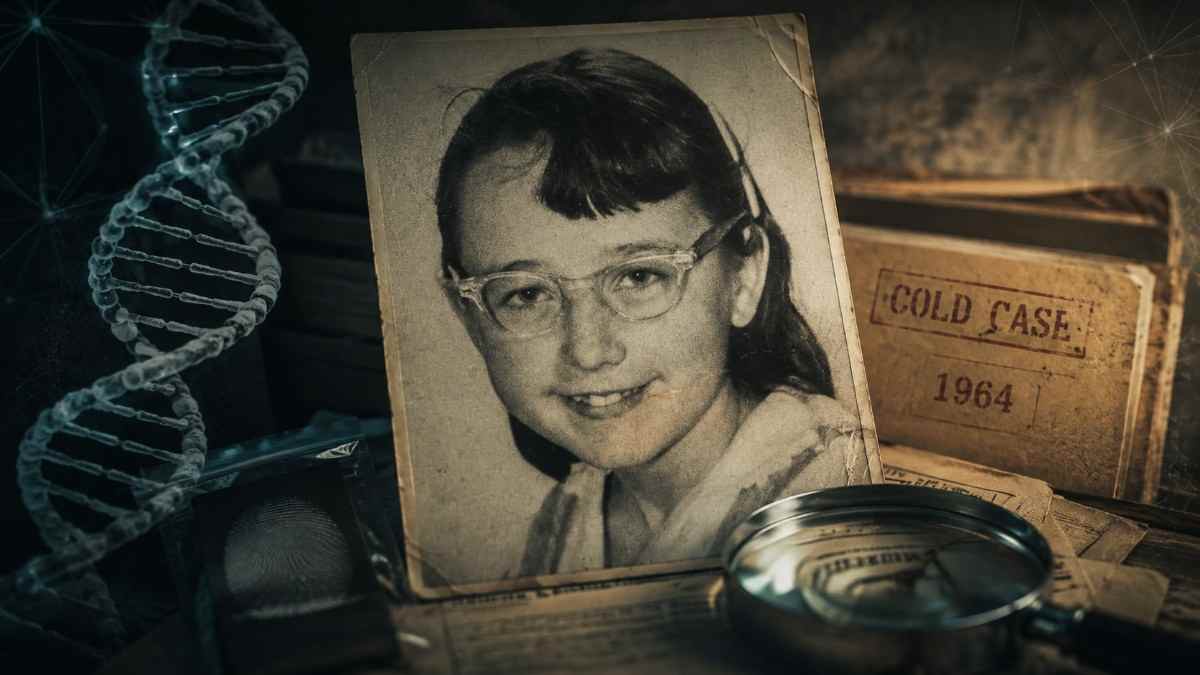
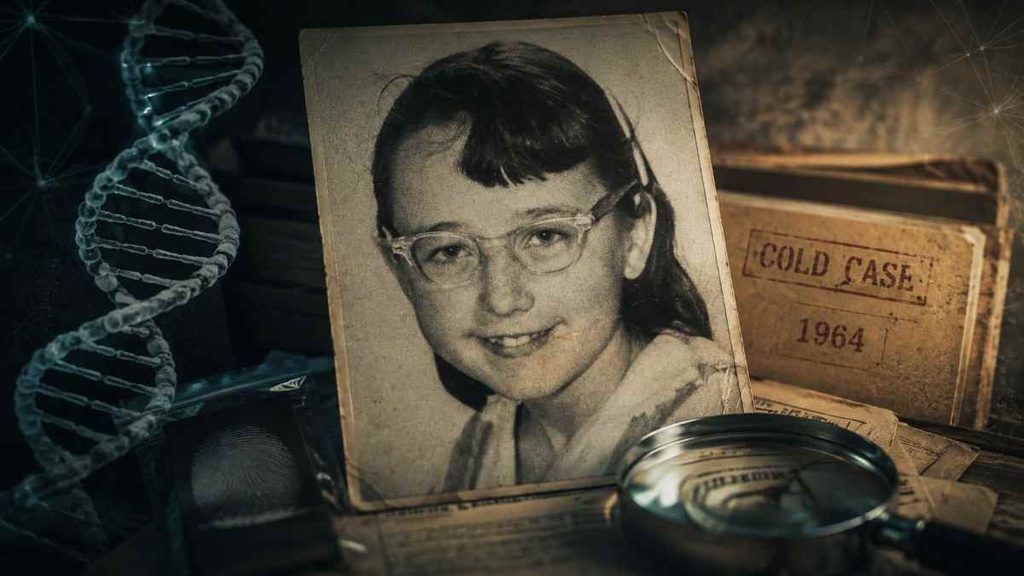
Mary Theresa Simpson was 12 years old when she was murdered on March 15, 1964, in Elmira, New York. For 61 years, her killer had no name, and the only physical evidence investigators had was a DNA sample so small it was invisible without magnification, recovered from her skirt.
That sample sat unmatched for decades. It was submitted to national databases in 2003 and again in 2014, and both times it came back with nothing. The science simply was not there yet to work with a sample that tiny.
What changed in 2026 was the lab, not the crime scene. A forensic genetic genealogy lab called Othram built a family tree from the fragment, uploading a profile into public genealogy databases rather than relying only on police databases like CODIS. That tree eventually pointed to a son who submitted his own DNA sample, which led investigators to his father, Raymond Murray, a truck driver who had died at 72 of natural causes.
Murray’s remains were exhumed in November 2025 for DNA testing, and the results confirmed he was Mary Theresa’s killer. The case is now considered closed, but it is worth being precise about what that word means here. No trial happened because the suspect is dead. A closed case and a conviction are not the same outcome, and this one landed firmly in the first category.
The evidence almost did not survive the trip to the lab. It was shipped through the world’s largest FedEx hub packed in dry ice, and that hub shut down during an ice storm. An FBI liaison had to physically track down the package before the dry ice ran out, which means a six-decade investigation briefly hinged on one box sitting in a warehouse during a storm.
Investigators involved in the case have described it as the oldest homicide ever solved using investigative genetic genealogy, a distinction that matters because it demonstrates how far the technique has advanced since it was first used in the Golden State Killer case in 2018. That earlier case worked with a relatively larger amount of degraded DNA. Mary Theresa’s case worked with a fragment that would have been unusable by the original testing standards used just eight years earlier.
How Are Cold Cases Being Solved Now?
Forensic genetic genealogy is a technique that builds a suspect’s family tree from small amounts of DNA, then cross-references that tree against public genealogy databases instead of relying only on police-only systems. It is the tool behind nearly every 2026 cold case breakthrough that involves identifying a perpetrator, not a coincidence.
The older approach compared crime scene DNA directly against profiles already sitting in a police database like CODIS. That only worked if the suspect’s DNA was already on file. Genetic genealogy sidesteps that limitation entirely by matching distant relatives through consumer genealogy sites, then narrowing a family tree down to a specific person. For a side by side breakdown of what each database can and cannot do, DNA database limitations explained covers the technical gap in more detail.
Money matters here too. The detective working the Mary Theresa Simpson case secured a grant in 2022 specifically for advanced DNA testing, which is part of why 2026 has produced so many resolutions at once. The science existed for years before most police departments had the budget to actually use it on old evidence.
Lab capacity has also caught up in a way it had not a few years ago. Genealogy labs that once took on a handful of cold cases per year are now processing dozens simultaneously, partly because sequencing costs have dropped and partly because more departments have learned which grants exist to cover the work. That combination, cheaper testing plus better-informed departments, is the real explanation for why so many decades-old cases are clearing at once in the same calendar year.
This is also the layer most cold case coverage skips entirely. A headline that says “DNA solved it” without explaining the mechanism leaves you no better equipped to understand the next case that breaks. If you want a running list of cases that are still waiting for exactly this kind of forensic break, that tracker updates as new testing gets ordered and results come back.
A Name for the Remains: The Nuria Columbina Rodriguez Case
Nuria Columbina Rodriguez was identified in April 2026, more than three decades after she went missing from the Bronx in the early 1990s. Her remains had actually been found much earlier, discovered by a farmer roughly 140 miles away in Berks County, Pennsylvania, back in June 1992.
For decades, those remains sat unidentified. Pennsylvania State Police eventually confirmed the identification in 2026 using the same genetic genealogy approach behind the Simpson case, matching DNA from the remains against genealogy records to trace a family connection back to Rodriguez.
Her case looks different from Simpson’s in one key way. Simpson’s case identified a killer. Rodriguez’s case identified a victim. No perpetrator has been named in the reporting available on this case, which means the investigation has cleared one milestone and not the other. Cases like this one sit alongside thousands of other files nationally, and unidentified remains cases explained covers how agencies prioritize which ones get retested first.
Identifying who a victim was is genuinely significant. It gives a family an answer after decades of not knowing, and it can reopen leads that went cold when investigators had a body but no name to attach to it. It is not the same thing as solving the homicide itself, and treating those two milestones as interchangeable misrepresents where this case actually stands.
The distinction matters for search behavior too. Someone searching “Nuria Columbina Rodriguez case solved” is likely to land on coverage that implies a killer has been caught, when the accurate framing is narrower: her name has been restored to the case file, and the investigation into who killed her is still open.
2026 Cold Case Arrests vs. Charges: Why the Difference Matters
An arrest, a charge, and a conviction are three separate legal stages, and mixing them up is the most common mistake in cold case reporting. An arrest means police have taken someone into custody. A charge means a prosecutor has formally accused that person of a specific crime. A conviction means a court has found that person guilty, either through a trial verdict or a plea.
Roberta “Bobbie” Walls, 22, was sexually assaulted and murdered on May 15, 1986, in Virginia. In 2026, a man was charged with rape and capital murder in connection to her death, according to the Virginia Beach Police Department.
A charge is not a legal finding of guilt. It is an accusation, filed formally, that still has to be tested in court. As of the reporting cited here, the case is pending, and anyone tracking it should confirm whether a trial date has been set before treating it as resolved.
This distinction runs through every case on this list, and it applies just as much to the more famous names people search for. If you have ever wondered how notorious killers’ legal outcomes actually played out once the headlines faded, infamous convicted killers today makes the same point from the other direction: a conviction decades ago does not always mean the story ended there. An arrest or a charge on this list is not a conviction unless stated otherwise, and that rule should apply to every cold case story you read from here on out.
Frequently Asked Questions
What is forensic genetic genealogy?
Forensic genetic genealogy is a DNA technique that builds a suspect’s or victim’s family tree using small DNA samples, then matches that tree against public genealogy databases rather than police-only systems like CODIS. It works even when a suspect’s DNA has never been collected by law enforcement, because it can trace the connection through distant relatives instead. This is the tool behind most cold case identifications made in 2026.
Why are so many cold cases getting solved in 2026 specifically?
The technology has existed for several years, but funding for retesting old evidence has only recently caught up. Grants for advanced DNA testing, like the one that helped crack the Mary Theresa Simpson case, gave labs and detectives the budget to reexamine evidence that had been sitting in storage since the original investigations.
Does identifying a body mean the murder is solved?
No. Identifying remains and identifying a killer are two separate milestones. The Nuria Columbina Rodriguez case is a clear example: her identity was confirmed in 2026, but no suspect has been named in available reporting, so the case has cleared identification without clearing the far harder step of naming a perpetrator.
Is a criminal charge the same as a conviction?
No. A charge is a formal accusation filed by a prosecutor, while a conviction requires a guilty verdict at trial or a guilty plea. The 2026 capital murder charge in the Roberta “Bobbie” Walls case is a real legal step forward, but it does not mean guilt has been legally established, and the case should be treated as pending until a trial outcome is confirmed.
What happens when a suspect in a cold case has already died?
When a suspect dies before charges can be filed, police can still confirm their guilt through DNA and close the case administratively, but there is no trial and no formal conviction. That is exactly what happened with Raymond Murray in the Mary Theresa Simpson case: DNA from his exhumed remains confirmed he was the killer, yet the case is closed rather than resolved through a courtroom verdict.
The Bottom Line
The real story behind 2026’s cold case wave is not luck. It is a specific forensic technique, forensic genetic genealogy, finally getting the funding to catch up with the science, combined with labs willing to work with DNA samples too small for older testing methods to touch.
If you are following any of these cases, the most useful habit you can build is checking legal status before sharing an update. “Identified,” “charged,” and “convicted” describe three different realities, and a case that has only cleared the first one is not the same story as a case that has cleared all three. The Roberta Walls case in particular is worth revisiting once a trial date is set, since capital murder charges from decades-old evidence tend to move slowly through the courts.
Cold cases will keep cracking as more departments secure funding for this kind of testing. The technique is not going anywhere, and neither is the backlog of old evidence sitting in police storage waiting for its turn.